Tenant Verification in India 2026 : Police, Online & Background Check Process for Landlords


Tenant Verification

14.7K Views
Table of Contents
Summary
Renting out a property in India often comes with concerns about safety, payment reliability, and legal risks. Many landlords face issues only after tenants move in, making the need of proper screening essential. Understanding tenant verification helps you avoid such problems by checking identity, background, and credibility in advance. From police verification to online checks, the process has become more structured in 2026. Imagine renting your property with complete peace of mind, knowing your tenant is trustworthy. With the right approach to landlord background checks, you can prevent disputes, protect your property, and ensure a smooth rental experience from the very beginning.
What is Tenant Verification?
Tenancy verification entails evaluating an intended tenant’s identity, history, and trustworthiness before renting the premises. Tenant verification involves background checks on tenants, during which landlords review personal information, work experience, earnings, and rental history. Such a step will allow the landlord to ascertain whether the tenant is legitimate and able to pay rent promptly. Previous rental conduct will indicate the tenant’s ability to care for the rented premises. Ultimately, such a step will minimise risks, avoid future conflicts, and ensure landlords select reliable tenants for their property.
Tenant Verification Methods: Quick Comparison
Tenant verification methods help landlords screen applicants effectively. Conducting a tenant background verification ensures reliability, checks credit, rental history, and employment, reducing risks, and securing a safe, trustworthy rental experience.
| Verification Method | Time Required | Cost | Reliability | Key Benefit |
| Police Verification | 3–15 days | Low / Nominal | High (official records) | Legal verification of tenant background |
| External Agencies | 1–5 days | Medium | Medium–High | Quick professional checks on documents and background. |
| NoBroker Verification | 1–3 days | Medium | High | Comprehensive checks with online convenience |
| Self-Verification | 1–7 days | Low | Low–Medium | Cost-effective, basic document verification |
Step-by-Step Tenant Verification Process
To verify the tenant verify, the landlord should check identity, employment, credit, and rental history. Using official records, background checks, or professional services ensures reliable, safe, and trustworthy tenants for a smooth tenancy.
Verifying a tenant involves multiple checks to ensure reliability, financial stability, and safety. Here’s a clear step-by-step breakdown of the process:
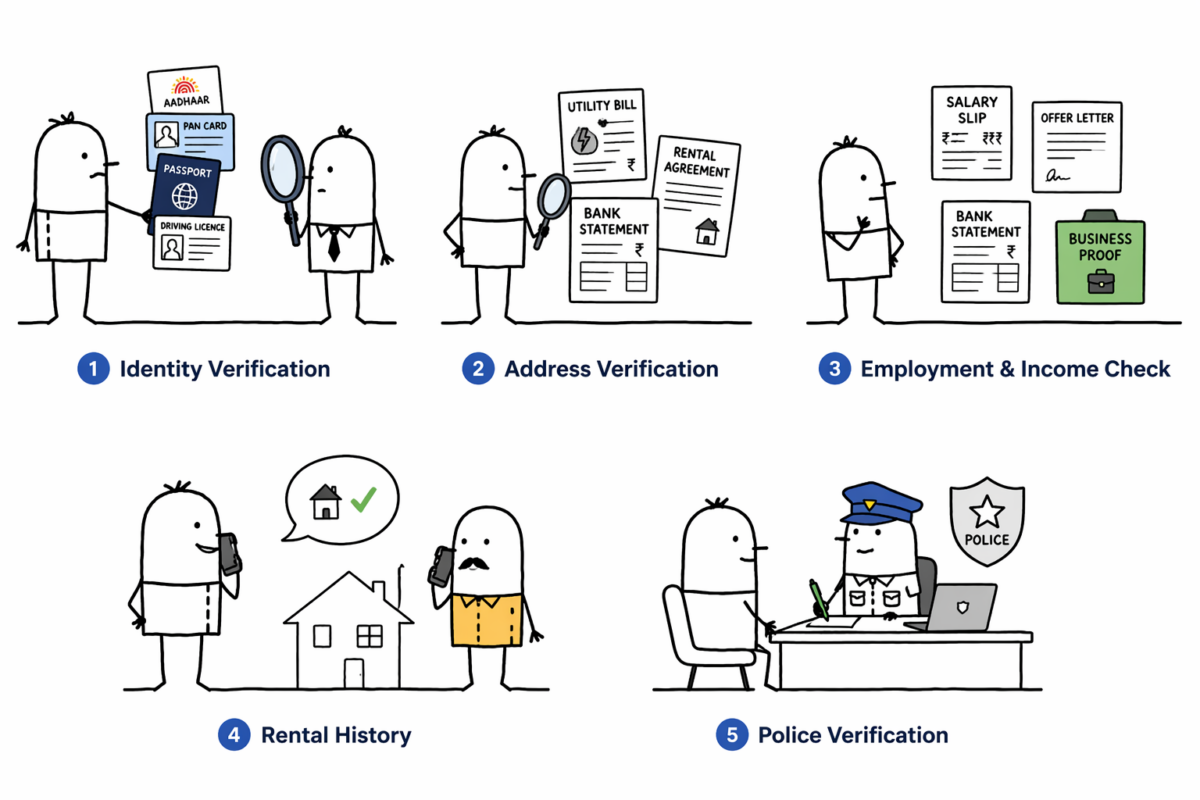
1. Identity Verification
Verify the tenant’s identity by requesting government-issued documents, such as an Aadhaar card, PAN card, passport, or driving licence. This helps prevent fraud and ensures the person is genuine.
2. Address Verification
Check the tenant’s previous and current addresses using documents such as utility bills, rental agreements, or bank statements. This establishes residential stability and traceability.
3. Employment & Income Check
Verify the tenant’s employment details and financial capacity using salary slips, offer letters, or bank statements. For self-employed individuals, review business proof and income records.
4. Rental History
Contact previous landlords to understand the tenant’s behaviour, payment consistency, and property maintenance habits. This step offers valuable insights into their reliability as a tenant.
5. Police Verification
Submit tenant details to the local police for background verification. This ensures there is no criminal record and adds an extra layer of security for landlords and neighbours.
Tenant Police Verification in India
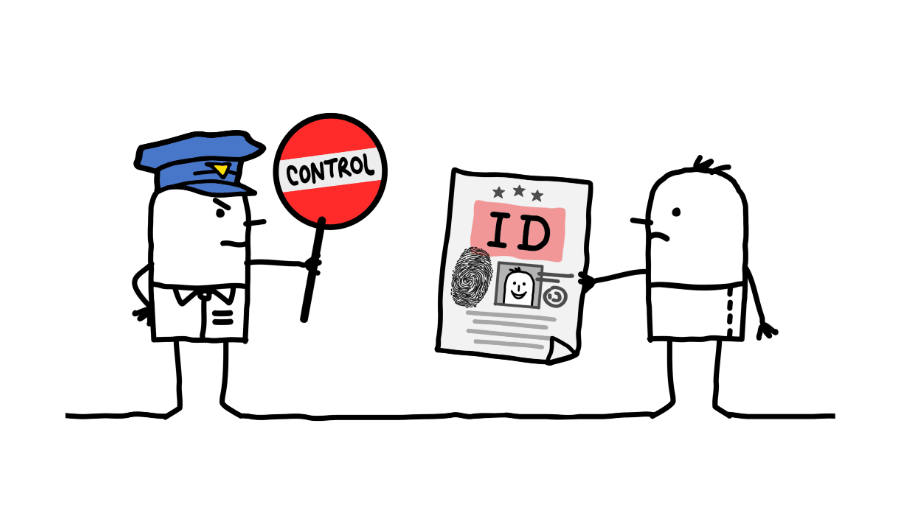
Tenant police verification is an extremely important legal procedure in India to ensure tenants are safe and law-abiding. The process entails submitting proof of identity, proof of address, photographs, and a rent agreement to the local police or through online portals. Tenant police verification is mandatory in many urban areas, and failing to do so could invite trouble. This verification ensures that the risk of fraud or other criminal behaviour is minimised and makes the entire renting process much safer for both parties.
External Agencies
Avoiding rental headaches often starts with thoroughness, so understanding how to verify tenant information is crucial for selecting a responsible and reliable tenant. Certain companies will perform a background check for you as they specialise in doing them for businesses and landlords. They have a checklist wherein they will talk to the old landlord, neighbours, the company they work for, etc. Once they have gone through the entire checklist, they will provide you with a complete report. They will cover basics like a criminal check, an address check, and an identity check. Reference checks and credit checks can also be conducted on request.
Tenant Police Verification Process
Tenant police verification is a legal step where landlords submit tenant details to authorities. This tenant background screening can be done through online and offline methods, ensuring safety and credibility.
Offline Tenant Police Verification
Offline tenant police verification is a simple, essential process that ensures safe renting. By checking tenant details through local police, landlords prevent fraud, safeguard property, and comply with legal requirements.
- Obtain Acknowledgement: Collect a receipt or acknowledgement slip from the station as proof of submission and verification initiation.
- Obtain the form: Visit your local police station or download from the department website to get the official tenant verification form.
- Complete the Form: Provide accurate details about the landlord and tenant, including names, contact information, and permanent/current addresses in the form.
- Gather Required Documents: Attach proof of identity, address, rent agreement, and other necessary documents for both landlord and tenants.
- Attach Photo and Submit: Affix the tenant’s passport-size photo, then submit the form and documents to the police station officer in charge.
Online Tenant Police Verification Process
The online tenant police verification process offers a convenient alternative to the traditional offline method. Here's a quick overview:
Benefits:
- Saves time and eliminates the need to visit the police station.
- May offer faster processing times.
- Potentially more user-friendly interface.
Steps for Police Verification Process:
- Step 1: Locate the Online Portal: Search for the website of your state police department or local police commissioner's office. Look for a section dedicated to "Citizen Services" or "Tenant Verification."
- Step 2: Find the Application Form: Within the Citizen Services section, locate the online tenant verification form. You might be able to fill it out directly on the website or download it for later upload.
- Step 3: Complete the Online Form: Carefully enter your information and the tenant's details, including names, addresses, and contact information. Follow the instructions provided on the website.
- Step 4: Attach Digital Documents: Scan and upload digital copies of required documents such as ID proof (e.g., Aadhar Card) and address proof (e.g., utility bill) for both yourself and the tenant. A copy of the rent agreement might also be necessary.
- Step 5: Submit the Application: Once you've completed the form and uploaded all documents, apply electronically through the online portal.
- Step 6: Track the Status (Optional): Some online portals allow you to track the progress of your application.
Prerequisites for Online Tenant Police Verification
Here are the prerequisites for online tenant police verification:
- Landlord Requirements:
- Proof of Ownership: You'll likely need to provide documents proving you own the property you're renting out. This could be property registration documents or a letter from your housing society.
- Valid ID: A copy of your government-issued ID (e.g., Aadhaar card, Passport) will be required.
- Tenant Requirements:
- Valid ID: The tenant must provide a scanned copy of their government-issued ID (e.g., Aadhaar card, Passport).
- Proof of Address: A document verifying the tenant's current address is typically required (e.g., utility bill, bank statement).
- Shared Requirements:
- Rent Agreement: A copy of the signed rent agreement between you and the tenant is essential.
- Digital Documents: All documents (proof of ownership, ID proofs, address proofs, and rent agreements) must be scanned and uploaded in a format specified by the online portal (usually JPG or PDF).
- Internet Access: A stable internet connection is necessary to access the online portal and submit the application.
Benefits of Tenant Verification for Landlords
Tenant verification offers landlords a layer of security and confidence before renting out their property. Here are the key benefits:
- Prevents Fraud: Verifying identities and documents helps landlords avoid tenants with fake credentials or dishonest intentions, reducing scams and property misuse.
- Avoids Rent Defaults: Checking employment and income helps ensure the tenant has financial stability, reducing the risk of late payments or rent defaults.
- Ensures Safety: Background and police verification help identify any criminal records, creating a secure environment for landlords, neighbours, and housing communities.
- Legal Compliance: Proper tenant verification ensures adherence to local laws and regulations, protecting landlords from penalties and potential legal complications.
Self-Verification
Self-verification allows landlords to personally verify tenant details without relying on third-party assistance.
- Collect Tenant Documents: Request proof of ID, address, employment details, and rental history to confirm authenticity before renting out the property.
- Cross-check information: Verify details personally with employers, previous landlords, or utility providers to ensure the tenant's background is genuine.
- Cost effective & Quick: Self-verification saves money, avoids agency fees, and provides landlords with direct control over selecting reliable tenants quickly.
Documents to Collect from Tenants
Collecting the right documents from the tenant helps the landlord verify the tenant's identity, background, and reliability. This step prevents fraud, ensures security, and makes rental agreements safer and legally compliant.
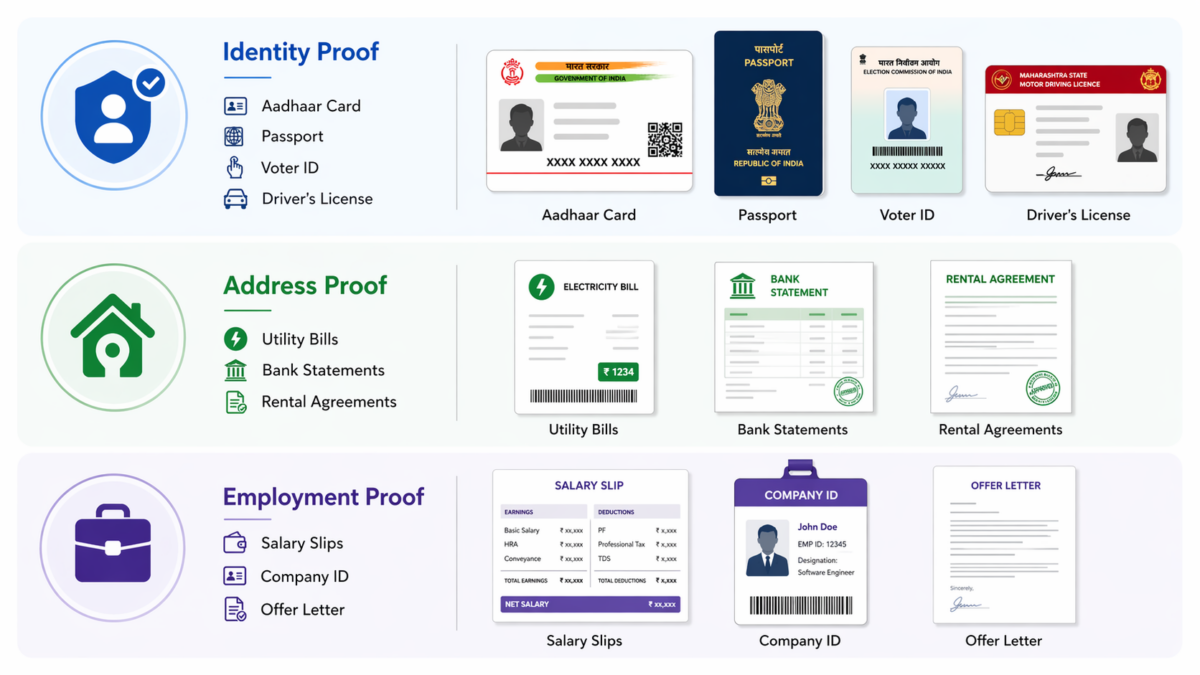
- Identity Proof: Request an Aadhaar Card, Passport, Voter ID, or Driver’s License to confirm the tenant's identity and prevent the submission of fraudulent information.
- Address Proof: Collect Utility bills, bank statements, or rental agreements to validate the tenant's current residence and permanent address details.
- Employment Proof: Ask for salary slips, company ID, or an offer letter to confirm financial stability and ability to pay rent.

Legal Rules for Tenant Verification in India
Tenant verification and rental verification are governed by local laws and police guidelines across India, making compliance essential for landlords.
- Police Intimation Requirements: Landlords must submit tenant details, including identity proof, address, photographs, and rental agreement to local police or official online portals.
- State-Wise Rules: Tenant verification rules vary across states and cities, with stricter enforcement in metros and different procedures for online or offline submission.
- Mandatory Documentation: Rental verification requires valid documents such as Aadhaar card, PAN card, passport, and signed rental agreements to confirm identity and traceability.
- Record Maintenance: Landlords should maintain copies of tenant documents and verification records for future reference, dispute handling, and compliance with legal requirements.
- Penalties for Non-Compliance: Failure to complete tenant verification or rental verification can result in fines, legal notices, or liability if the tenant engages in unlawful activities.
Common Mistakes to Avoid During Tenant Verification
Avoiding common tenant verification mistakes helps landlords minimise risks, ensure legal compliance, and select reliable tenants for a secure and hassle-free rental experience.
- Skipping Police Verification: Ignoring police verification increases security risks and legal exposure, as landlords may unknowingly rent to individuals with criminal backgrounds or records.
- Not Verifying Employment: Failing to verify employment and income details can lead to unreliable tenants, increasing the risk of late payments or frequent rent defaults.
- Accepting Fake Documents: Not cross-checking identity and address proofs can result in accepting forged documents, making it difficult to trace tenants in case of disputes.
- Ignoring Rental History: Not contacting previous landlords can hide past issues like late payments, property damage, or disputes, leading to potential problems later.
- Incomplete Documentation: Proceeding without collecting all required documents creates gaps in tenant verification, making legal enforcement and dispute resolution more difficult.
- Relying Only on Verbal Information: Trusting verbal claims without proper proof can lead to misinformation about identity, income, or background, increasing overall rental risks.
How NoBroker Helps with Tenant Verification?
At NoBroker, we make tenant and rental verifications effortless for landlords. Our Tenant Verification Portal verifies identity, address, and background through authentic reports. We also integrate police verification into our system, thereby eliminating additional processes. We guarantee fast, hassle-free processing of the same, completed digitally in 1–3 days. Our company's digital process makes it unnecessary for landlords to travel to a police station for verification. This also helps landlords to protect themselves from fraud and rent defaults.
Frequently Asked Questions
Q1: Is police verification mandatory for rental agreements?
How do police verification for tenants?
What is the benefit of police verification for tenants?
Q4: Will a landlord be penalised for failing to carry out tenant verification?
What are the other ways of tenant verification?
Can landlords verify tenants without consent?
Are online tenant verification services legal in India?
How long does tenant verification take in India?
Can tenant verification be done online without visiting a police station?
About the Author

Vivek
Senior Editor


Recent Blogs

Subscribe to our Newsletter
Get latest news delivered straight to your inbox