Metro cities in India are large urban areas with advanced infrastructure, better jobs, and a modern lifestyle. Popular cities include Mumbai, Delhi, Bangalore, and Chennai, known for fast growth and opportunities. They offer metro trains, airports, IT hubs, malls, and smart city features that improve daily life. Delhi, which has the largest metro network in India, helps reduce traffic, saves time, and lower pollution for commuters. In these metro cities, real estate is growing quickly, with demand rising about 8-19% yearly due to migration and investment.
List of Metro Cities in India - Quick Info
Metro cities in India are fast-growing urban hubs with modern lifestyles, better job opportunities, and robust transport systems. This quick guide covers the top metropolitan cities in India, highlighting their growth, features, and rising importance as places to live and invest.
| City | State/UT | Metro Rail Status | Started In |
|---|
| Delhi | Delhi (NCT) | Operational (Delhi Metro) | 2002 |
| Mumbai | Maharashtra | Operational (Mumbai Metro, Mono) | 2014 (Line 1), 2004 (Mono) |
| Bengaluru | Karnataka | Operational (Namma Metro) | 2011 |
| Chennai | Tamil Nadu | Operational (Chennai Metro) | 2015 |
| Hyderabad | Telangana | Operational (Hyderabad Metro) | 2017 |
| Kolkata | West Bengal | Operational (Kolkata Metro) | 1984 (India’s first metro) |
| Pune | Maharashtra | Partially Operational (Pune Metro) | 2022 |
| Ahmedabad | Gujarat | Operational (Phase 1 Active) | 2022 |
| Lucknow | Uttar Pradesh | Operational (Lucknow Metro) | 2017 |
| Jaipur | Rajasthan | Operational (Jaipur Metro) | 2015 |
| Nagpur | Maharashtra | Operational (Nagpur Metro) | 2019 |
| Kochi | Kerala | Operational (Kochi Metro) | 2017 |
| Bhopal | Madhya Pradesh | Partially operational | December 2025 |
| Patna | Bihar | Partially operational (Phase 1) | October 2025 |
| Agra | Uttar Pradesh | Operational | March 6, 2024 |
| Kanpur | Uttar Pradesh | Operational (Phase 1) | 2021 |
| Surat | Gujarat | Under construction | Expected 2027 |
| Indore | Madhya Pradesh | Partially operation | June 1, 2025 |
Top 12 Major Metro Cities in India - Detailed Insight 2026
India’s metro cities are expanding rapidly with better transport, jobs, and modern living. This guide explores the largest metropolitan cities in India and other top metros, highlighting their growth, infrastructure, and rising importance in 2026.
1. Mumbai, Maharashtra
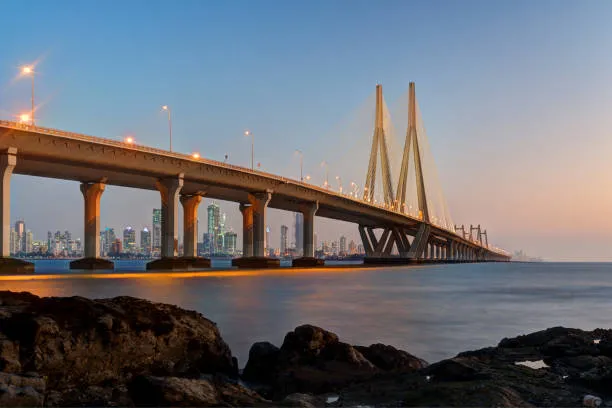 Image of Mumbai's iconic sea link, symbolising its modern infrastructure.
Mumbai, the financial capital of India, is a city of dreams. It is a bustling metropolis known for its fast-paced lifestyle, diverse culture, and the Hindi film industry. The city's energy is contagious, and its spirit of resilience is legendary.
Key Information about Mumbai
| Metric | Details |
|---|
| Metro Status | Operational - Mumbai Metro |
| Population | 21,673,149 |
| Major Real Estate Zones | South Mumbai, Andheri, Bandra, Thane, Navi Mumbai |
| Average Property Price (per sq.ft) | ₹18,000 - ₹45,000 |
| Cost of Living in Mumbai | High |
| Average Rent (1RK, 1BHK, 2BHK, 3BHK) | ₹15,000-25,000, ₹25,000-45,000, ₹45,000-80,000, ₹70,000-1,50,000+ |
| Preferred Buyer Segment | High-income professionals, investors |
| Future Growth Areas | Panvel, Wadala, Chembur |
| Metro Connectivity | Extensive and expanding network |
| Major Stations | Ghatkopar, Andheri, Versova, Dahisar |
| RERA Registration Required | Yes (MahaRERA) |
| Investment Potential (2026–2030) | High, especially in emerging corridors |
2. Delhi, Delhi
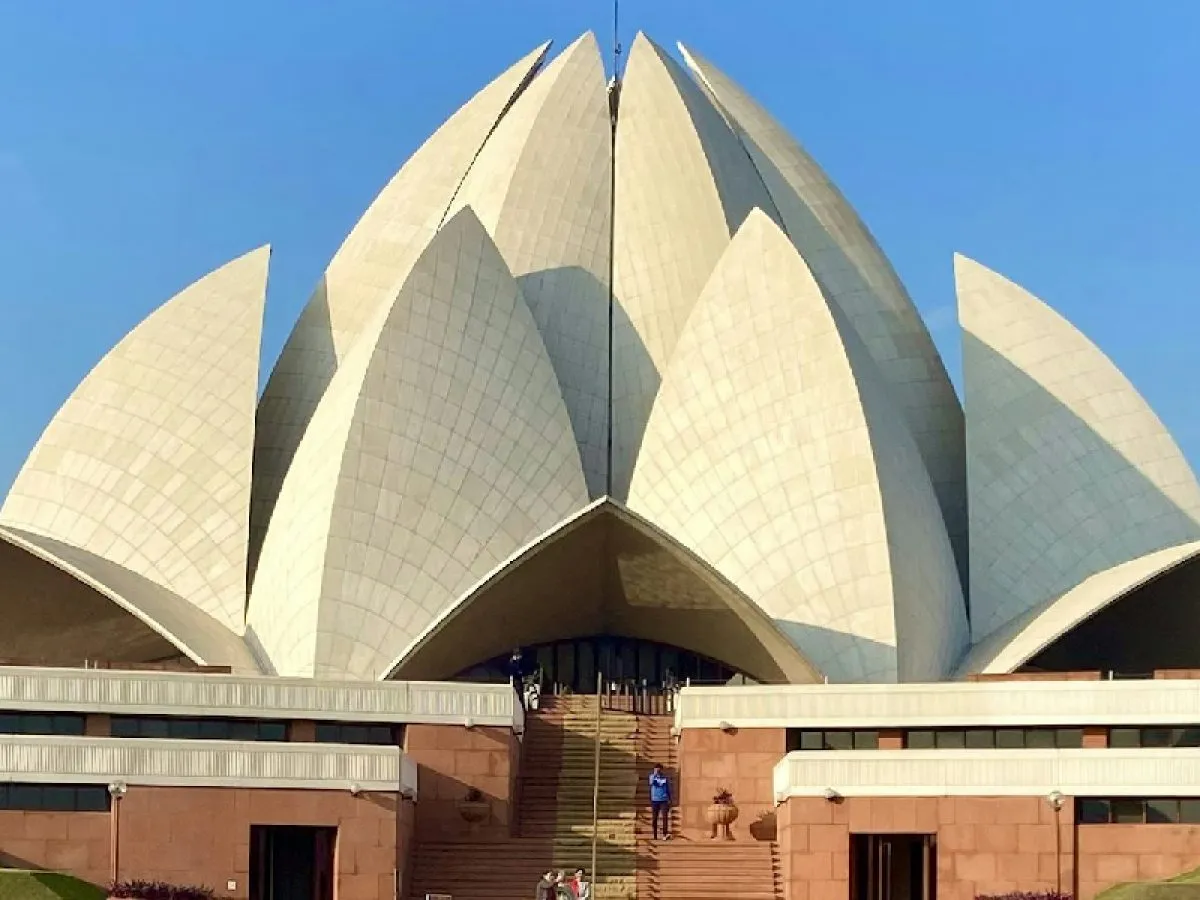 The serene Lotus Temple, an architectural marvel in the heart of Delhi.
Delhi, the capital city of India, is a vibrant mix of rich history and modern life. From iconic monuments to the biggest metro in India, the Delhi Metro, the city offers smooth and fast travel. Key lines like the Blue Line and Yellow Line connect major areas, making daily commuting easy. This strong infrastructure makes Delhi a leading metro city in India.
Key Information about Delhi
| Metric | Details |
|---|
| Metro Status | Operational - Delhi Metro |
| Population | 34,555,874 |
| Major Real Estate Zones | South Delhi, Lutyens' Delhi, Dwarka, Noida, Gurgaon |
| Average Property Price (per sq.ft) | ₹12,000 - ₹30,000 |
| Cost of Living in Delhi | High |
| Average Rent (1RK, 1BHK, 2BHK, 3BHK) | ₹8,000-15,000, ₹15,000-25,000, ₹25,000-45,000, ₹40,000-80,000 |
| Preferred Buyer Segment | Government employees, professionals, and business owners |
| Future Growth Areas | Dwarka Expressway, Greater Noida, Sohna |
| Metro Connectivity | One of the most extensive networks in India |
| Major Stations | Rajiv Chowk, Kashmere Gate, New Delhi, Hauz Khas |
| RERA Registration Required | Yes (Delhi RERA) |
| Investment Potential (2026–2030) | Very High, driven by infrastructure development |
3. Bangalore, Karnataka
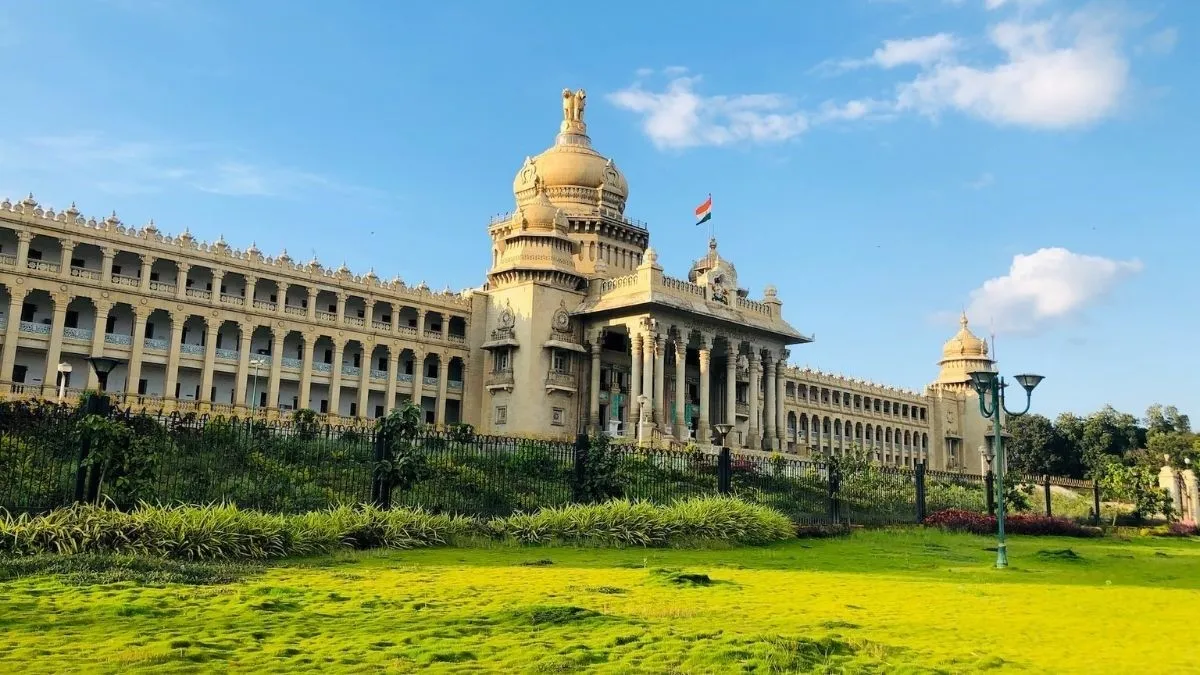 The magnificent Vidhana Soudha, the seat of the state legislature of Karnataka in Bangalore.
Often called the 'Silicon Valley of India', the Bangalore metro area is a hub for technology and innovation. Known for its pleasant climate and lush green spaces, it is a preferred destination for many young professionals. The Bangalore metro city is a prime example of a modern Indian urban centre.
Key Information about Bangalore
| Metric | Details |
|---|
| Metro Status | Operational - Namma Metro |
| Population | 14,242,528 |
| Major Real Estate Zones | Whitefield, Sarjapur Road, Electronic City, Koramangala, North Bangalore |
| Average Property Price (per sq.ft) | ₹6,000 - ₹15,000 |
| Cost of Living in Bangalore | Moderate to High |
| Average Rent (1RK, 1BHK, 2BHK, 3BHK) | ₹7,000-12,000, ₹12,000-20,000, ₹20,000-35,000, ₹30,000-60,000 |
| Preferred Buyer Segment | IT professionals, startups, and investors |
| Future Growth Areas | Devanahalli, Yelahanka, Sarjapur |
| Metro Connectivity | Rapidly expanding to connect key parts of the city |
| Major Stations | Majestic, MG Road, Indiranagar, Baiyappanahalli |
| RERA Registration Required | Yes (Karnataka RERA) |
| Investment Potential (2026–2030) | Very High, due to the booming IT sector |
4. Kolkata, West Bengal
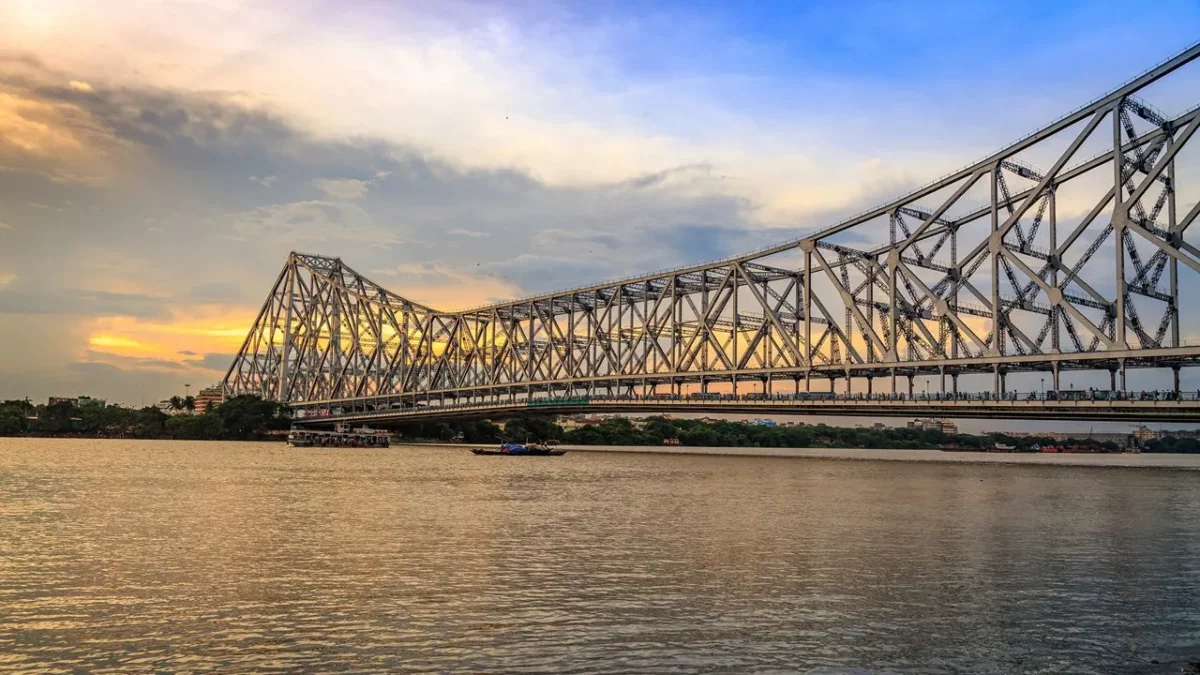 The iconic Howrah Bridge over the Hooghly River is a lifeline for Kolkata.
Kolkata, the cultural capital of India, has a rich history and a unique charm. It was the first metro city in India to have a metro railway system. The city is known for its grand colonial architecture, art galleries, and cultural festivals.
Key Information about Kolkata
| Metric | Details |
|---|
| Metro Status | Operational - Kolkata Metro |
| Population | 15,644,040 |
| Major Real Estate Zones | Salt Lake City, Rajarhat, New Town, South Kolkata |
| Average Property Price (per sq.ft) | ₹4,000 - ₹9,000 |
| Cost of Living | Moderate |
| Average Rent (1RK, 1BHK, 2BHK, 3BHK) | ₹4,000-7,000, ₹6,000-12,000, ₹10,000-20,000, ₹18,000-35,000 |
| Preferred Buyer Segment | Families, professionals, and those with a love for culture |
| Future Growth Areas | Garia, Joka, Dum Dum |
| Metro Connectivity | Expanding network with underwater tunnels |
| Major Stations | Esplanade, Dum Dum, Kavi Subhash, Sealdah |
| RERA Registration Required | Yes (WBRERA) |
| Investment Potential (2026–2030) | Good, with steady appreciation |
5. Chennai, Tamil Nadu
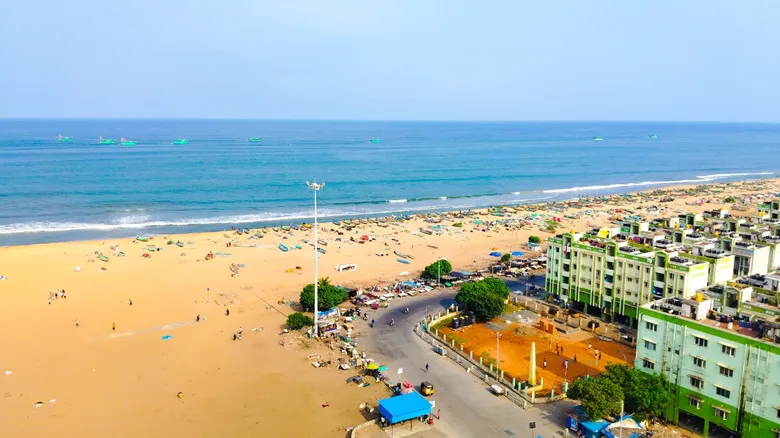 A serene morning at Marina Beach, one of the longest urban beaches in the world.
Chennai, located on the Bay of Bengal, is a major industrial, commercial, and cultural centre. It is known for its temples, beaches, and as a major hub for the automobile industry. As one of the growing metro train cities in India, Chennai also has the Chennai Metro, improving daily travel. Its mix of tradition, business growth, and modern transport makes it an important metro city.
Key Information about Chennai
| Metric | Details |
|---|
| Metro Status | Operational - Chennai Metro |
| Population | 12,013,111 |
| Major Real Estate Zones | Old Mahabalipuram Road (OMR), Anna Nagar, Velachery, Porur |
| Average Property Price (per sq.ft) | ₹5,000 - ₹12,000 |
| Cost of Living in Chennai | Moderate |
| Average Rent (1RK, 1BHK, 2BHK, 3BHK) | ₹6,000-10,000, ₹10,000-18,000, ₹15,000-28,000, ₹25,000-45,000 |
| Preferred Buyer Segment | IT professionals, industrial employees, and families |
| Future Growth Areas | Guduvanchery, Oragadam, Sriperumbudur |
| Metro Connectivity | Well-established and expanding metro lines |
| Major Stations | Central, Alandur, Egmore, CMBT |
| RERA Registration Required | Yes (TNRERA) |
| Investment Potential (2026–2030) | High, driven by industrial and IT growth |
6. Hyderabad, Telangana
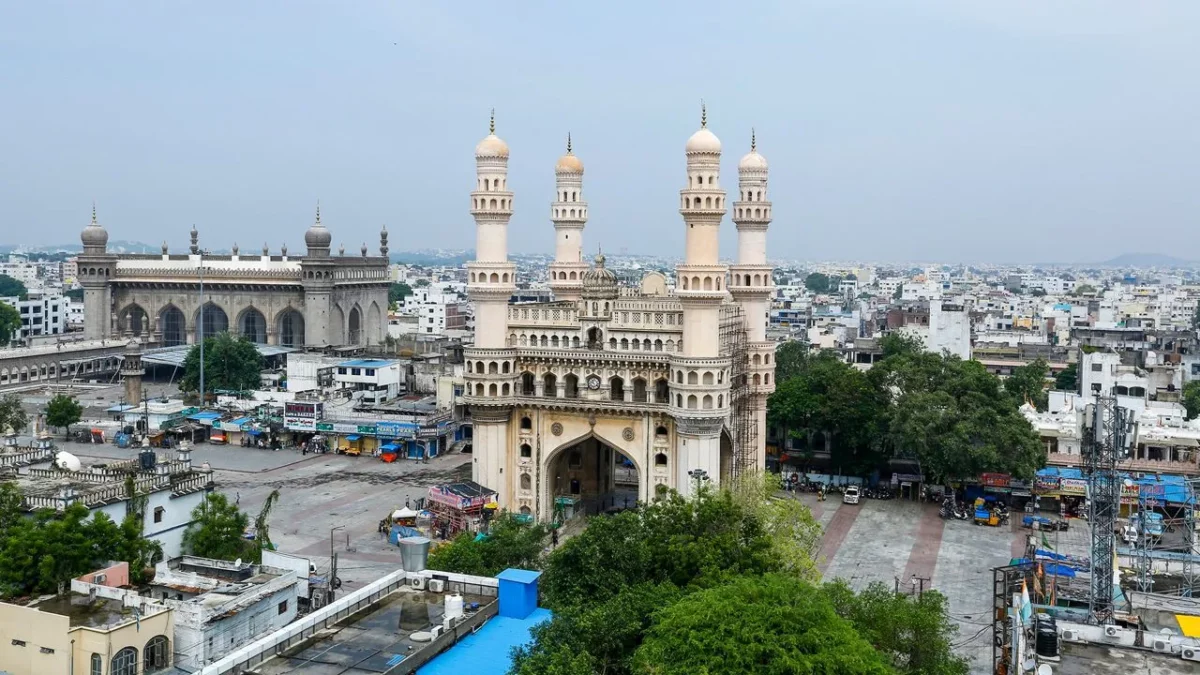 The iconic Charminar stands as a testament to Hyderabad's rich history and culture.
Hyderabad, the 'City of Pearls', is a major centre for the technology industry in India. It beautifully blends its rich Nizami heritage with a modern, cosmopolitan culture. The Hyderabad Metro improves connectivity across the city, making daily travel faster and supporting its rapid urban and economic growth.
Key Information about Hyderabad
| Metric | Details |
|---|
| Metro Status | Operational - Hyderabad Metro |
| Population | 11,043,456 |
| Major Real Estate Zones | Gachibowli, Hitech City, Madhapur, Kukatpally |
| Average Property Price (per sq.ft) | ₹5,500 - ₹13,000 |
| Cost of Living in Hyderabad | Moderate |
| Average Rent (1RK, 1BHK, 2BHK, 3BHK) | ₹6,000-11,000, ₹10,000-18,000, ₹16,000-30,000, ₹25,000-50,000 |
| Preferred Buyer Segment | IT professionals, pharmaceutical employees, and investors |
| Future Growth Areas | Tellapur, Kompally, Shamshabad |
| Metro Connectivity | Modern and efficient metro network |
| Major Stations | Ameerpet, Nagole, Raidurg, Miyapur |
| RERA Registration Required | Yes (TS-RERA) |
| Investment Potential (2026–2030) | Very High, with a booming real estate market |
7. Ahmedabad, Gujarat
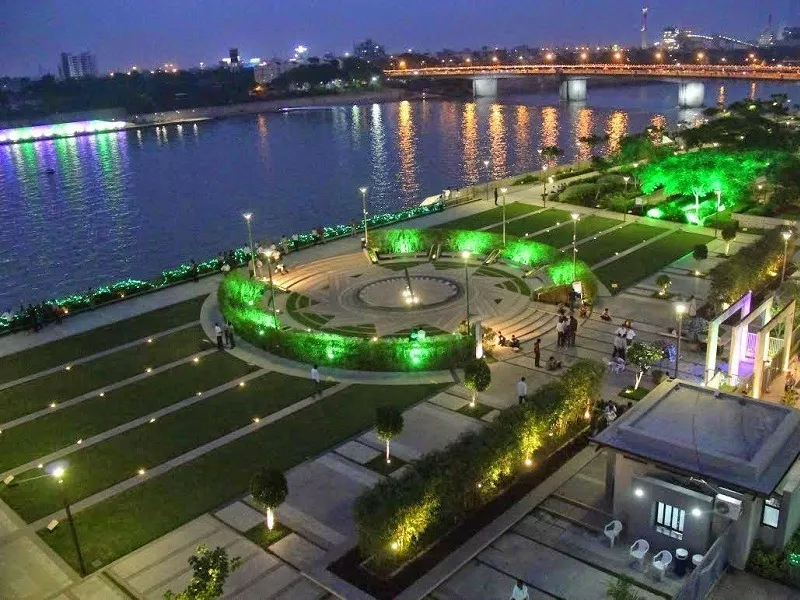 The beautifully developed Sabarmati Riverfront is a popular recreational spot in Ahmedabad.
A prominent Gujarat metro city, Ahmedabad, is one of the fastest-growing cities in India. It is a hub of trade and commerce and has been recognised as a UNESCO World Heritage City.
Key Information about Ahmedabad
| Metric | Details |
|---|
| Metro Status | Operational - Ahmedabad Metro |
| Population | 8,854,444 |
| Major Real Estate Zones | SG Highway, Bopal, Shela, Gota |
| Average Property Price (per sq.ft) | ₹3,500 - ₹7,500 |
| Cost of Living | Low to Moderate |
| Average Rent (1RK, 1BHK, 2BHK, 3BHK) | ₹5,000-8,000, ₹7,000-13,000, ₹12,000-22,000, ₹18,000-30,000 |
| Preferred Buyer Segment | Business owners, traders, and professionals |
| Future Growth Areas | Dholera SIR, Sanand, GIFT City |
| Metro Connectivity | Expanding to connect more parts of the city and Gandhinagar |
| Major Stations | Vastral Gam, Apparel Park, Motera Stadium, Thaltej |
| RERA Registration Required | Yes (GujRERA) |
| Investment Potential (2026–2030) | High, with significant government and private investment |
8. Pune, Maharashtra
 Scenic view of Pune blending greenery, heritage, and modern city life.
Pune is a sprawling city in the western Indian state of Maharashtra. It was the base of the Maratha Empire and is now known for its educational institutions and a burgeoning IT sector.
Key Information about Pune
| Metric | Details |
|---|
| Metro Status | Operational - Pune Metro |
| Population | 7,370,551 |
| Major Real Estate Zones | Hinjewadi, Kharadi, Wakad, Baner |
| Average Property Price (per sq.ft) | ₹6,000 - ₹12,000 |
| Cost of Living in Pune | Moderate |
| Average Rent (1RK, 1BHK, 2BHK, 3BHK) | ₹7,000-12,000, ₹10,000-18,000, ₹15,000-28,000, ₹22,000-40,000 |
| Preferred Buyer Segment | IT professionals, students, and manufacturing sector employees |
| Future Growth Areas | Pirangut, Chakan, Talegaon |
| Metro Connectivity | A growing network connecting major parts of the city |
| Major Stations | PCMC, Swargate, Vanaz, Ramwadi |
| RERA Registration Required | Yes (MahaRERA) |
| Investment Potential (2026–2030) | High, due to its proximity to Mumbai and strong economic growth |
9. Surat, Gujarat
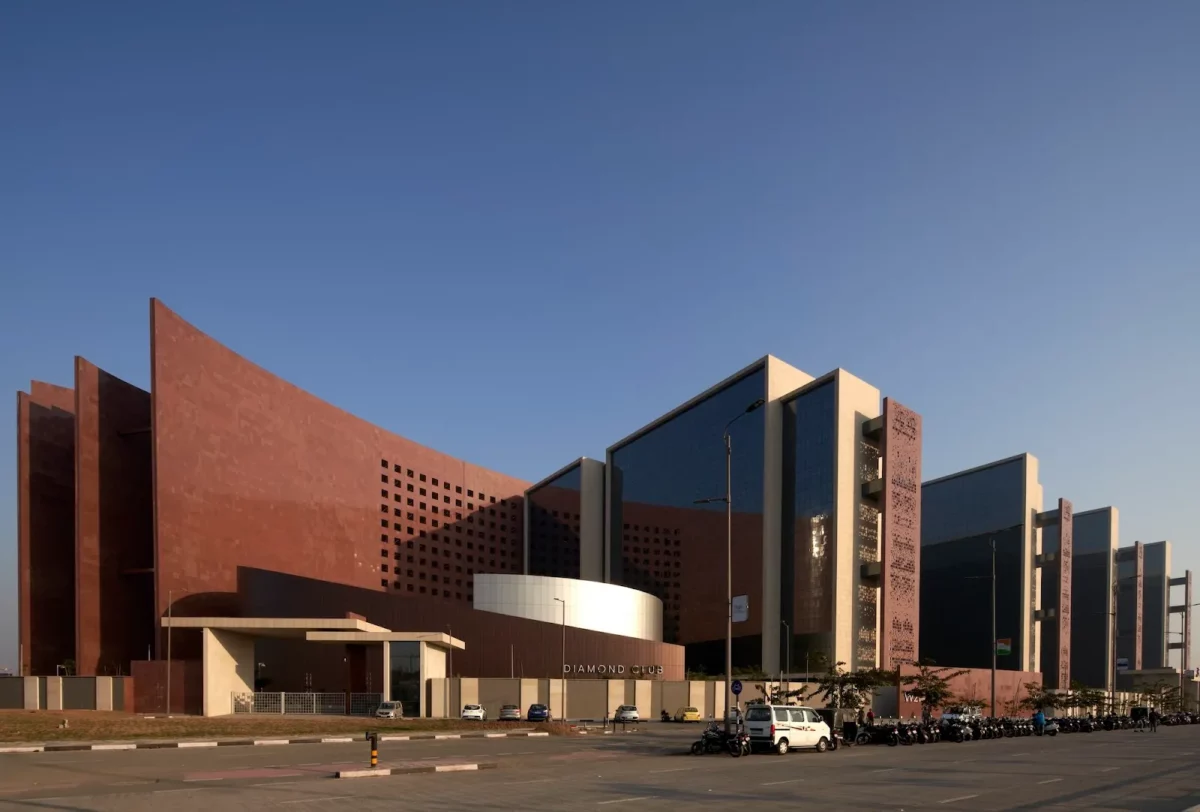 A depiction of the grand Diamond Bourse, solidifying Surat's status as a global diamond hub.
Another significant Gujarat metro city, Surat, is a major textile commercial centre and the world's diamond capital. It is one of the cleanest cities in India and has a very high economic growth rate.
Key Information about Surat
| Metric | Details |
|---|
| Metro Status | Under Construction - Surat Metro |
| Population | 8,432,692 |
| Major Real Estate Zones | Adajan, Vesu, Pal, Piplod |
| Average Property Price (per sq.ft) | ₹4,000 - ₹8,000 |
| Cost of Living | Low to Moderate |
| Average Rent (1RK, 1BHK, 2BHK, 3BHK) | ₹4,500-7,500, ₹6,500-11,000, ₹10,000-18,000, ₹15,000-28,000 |
| Preferred Buyer Segment | Businessmen, textile and diamond industry professionals |
| Future Growth Areas | Dindoli, Althan, Kamrej |
| Metro Connectivity | The metro network is under construction and will enhance connectivity |
| Major Stations | Sarthana, Dream City, Bhesan, Saroli |
| RERA Registration Required | Yes (GujRERA) |
| Investment Potential (2026–2030) | High, with the upcoming metro and other infrastructure projects |
10. Jaipur, Rajasthan
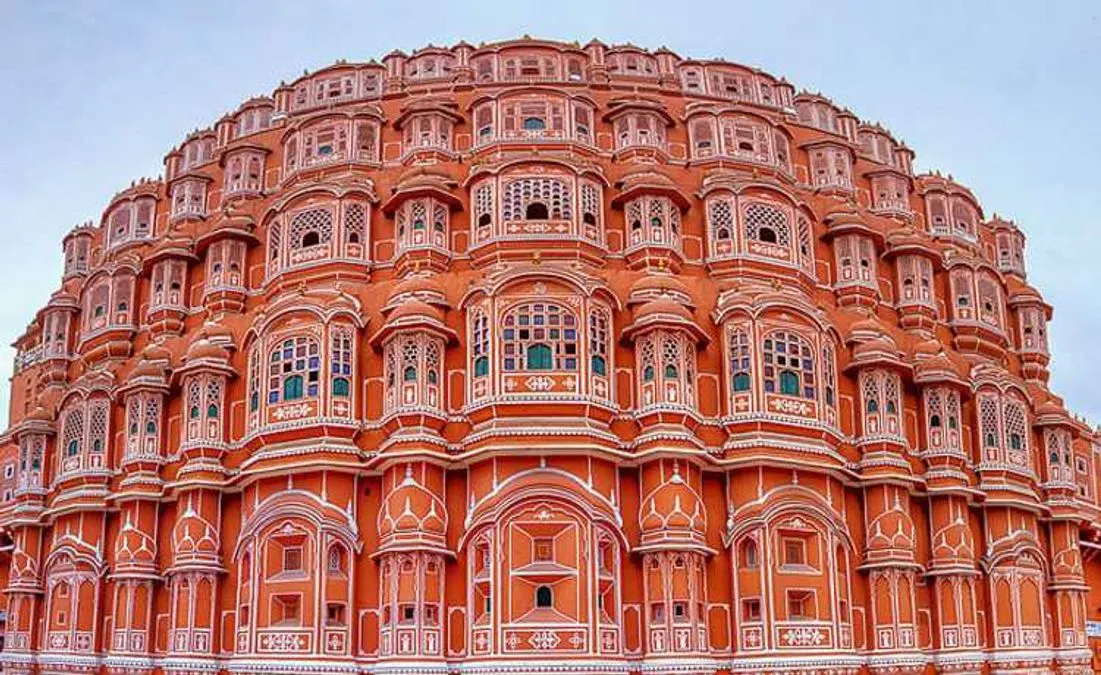 The intricate facade of Hawa Mahal, a prominent landmark in Jaipur.
Jaipur, the 'Pink City', is the capital of Rajasthan and a popular tourist destination. It is part of the Golden Triangle tourist circuit and is an important economic centre in the state. Many people ask how many cities have metros in India, and Jaipur is a proud member of this list.
Key Information about Jaipur
| Metric | Details |
| Metro Status | Operational - Jaipur Metro |
| Population | 4,463,788 |
| Major Real Estate Zones | Vaishali Nagar, Mansarovar, Jagatpura, Ajmer Road |
| Average Property Price (per sq.ft) | ₹3,000 - ₹6,000 |
| Cost of Living | Low to Moderate |
| Average Rent (1RK, 1BHK, 2BHK, 3BHK) | ₹4,000-7,000, ₹6,000-10,000, ₹9,000-16,000, ₹14,000-25,000 |
| Preferred Buyer Segment | Tourism industry professionals, government employees, and local business owners |
| Future Growth Areas | Tonk Road, Sikar Road, Mahindra SEZ |
| Metro Connectivity | An operational metro line with plans for expansion |
| Major Stations | Mansarovar, Chandpole, Sindhi Camp, Badi Chaupar |
| RERA Registration Required | Yes (Rajasthan RERA) |
| Investment Potential (2026–2030) | Good, with a focus on tourism and infrastructure development |
11. Lucknow
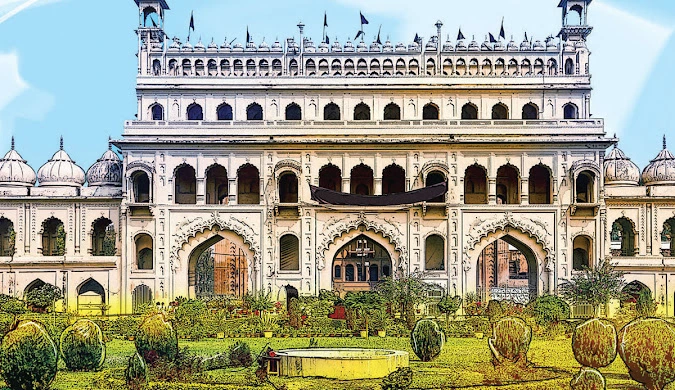 The Bara Imambara, Lucknow
Lucknow, the capital of Uttar Pradesh and one of the metropolitan cities in India, blends rich Nawabi heritage with modern development. The Lucknow Metro, launched in 2017, has improved daily travel, reduced traffic congestion, and boosted real estate growth across the city.
Key Information about Lucknow
| Metric | Details |
|---|
| Metro Status | Operational - Lucknow Metro (11) |
| Population | 3,800,000+ |
| Major Real Estate Zones | Gomti Nagar, Hazratganj, Aliganj, Indira Nagar |
| Average Property Price (per sq.ft) | ₹5,834 – ₹7,725 |
| Cost of Living | Moderate |
| Average Rent (1RK, 1BHK, 2BHK, 3BHK) | ₹5,000–10,000, ₹8,000–15,000, ₹12,000–25,000, ₹20,000–40,000 |
| Preferred Buyer Segment | Government employees, families, and mid-income buyers |
| Future Growth Areas | Shaheed Path, Sultanpur Road, Amar Shaheed Path |
| Metro Connectivity | Expanding with good city coverage |
| Major Stations | Charbagh, Hazratganj, Alambagh |
| RERA Registration Required | Yes (UP RERA) |
| Investment Potential (2026–2030) | High, due to infrastructure and metro expansion |
12. Kochi
 Santa Cruz Cathedral Basilica, Kochi
Kochi is a major port city that blends natural beauty with urban growth. The Kochi metro, which began operations in 2017, has improved city travel, while the Kochi Water Metro offers a unique, eco-friendly way to commute across the island.
Key Information about Kochi
| Metric | Details |
|---|
| Metro Status | Operational - Kochi Metro (12) |
| Population | 2,100,000+ |
| Major Real Estate Zones | Kakkanad, Edappally, Marine Drive, Vyttila |
| Average Property Price (per sq.ft) | ₹5,300 – ₹9,900 |
| Cost of Living | Moderate |
| Average Rent (1RK, 1BHK, 2BHK, 3BHK) | ₹6,000–12,000, ₹8,000–18,000, ₹12,000–30,000, ₹20,000–45,000 |
| Preferred Buyer Segment | IT professionals, NRIs, families |
| Future Growth Areas | SmartCity Kochi, Infopark, Vyttila |
| Metro Connectivity | Good and expanding with water links |
| Major Stations | Aluva, Edappally, Maharaja’s College |
| RERA Registration Required | Yes (Kerala RERA) |
| Investment Potential (2026–2030) | High, driven by tourism, IT growth, and water metro connectivity |
Why Metro Cities Attract Real Estate Investment
Metro cities in India are the top real estate hotspots due to strong infrastructure, job growth, and a modern lifestyle. This guide explains why metropolitan states in India attract investors and shows key factors driving property demand in 2026.
- Job Opportunities: Around 35% growth impact, with cities like Delhi, Mumbai, and Bengaluru offering high-paying jobs that increase housing demand.
- Infrastructure Growth: There is a nearly 20% rise in property values due to metro, highway, airport, and smart city projects that improve connectivity.
- Urban Migration: About 20% increase in demand as people move to metros for education, jobs, and better living standards.
- Rental Income: It is close to a 10% steady return, driven by strong tenant demand in IT and business hubs.
- Future Appreciation: Around 10-12% yearly price growth in many metro areas due to limited land and continuous development.
Metro Cities vs Tier-2 Cities in India
Metro cities and tier-2 cities in India differ in lifestyle, jobs, infrastructure, and cost of living. This comparison helps understand growth, opportunities, and real estate trends shaping urban development in 2026.
| Factor | Metro Cities | Tier-2 Cities |
|---|
| Property Prices | Very high (₹8,000–₹30,000+ per sq.ft) due to strong demand and limited space | Moderate (₹3,000–₹8,000 per sq.ft), still affordable with growth potential |
| Cost of Living | High (₹40,000–₹1,00,000+ monthly for families depending on lifestyle) | Lower (₹20,000–₹50,000 monthly for a similar lifestyle) |
| Job Opportunities | Very strong, wide range of MNCs, IT, finance, startups | Growing but limited compared to metros, mostly local industries, and emerging IT hubs |
| Investment Returns | Stable returns around 6–10% annually, steady appreciation | Higher growth potential around 10–15% annually due to low base |
| Example | Mumbai, Delhi, Bengaluru | Indore, Jaipur, Lucknow, Coimbatore |
Government Projects and Urban Planning
The central and state governments are actively involved in developing these metropolitan cities. Key initiatives such as the Smart City Mission aim to improve these urban centres' infrastructure and quality of life. The continuous metro rail expansion across all metro cities in India is a testament to the focus on enhancing public transportation. Furthermore, affordable housing initiatives are being implemented to cater to the growing population, and sustainable development plans are in place to ensure that growth is environmentally friendly and long-lasting.
How NoBroker Can Help?
NoBroker helps people find homes in metro cities easily without paying brokerage fees. It connects buyers, sellers, and tenants directly, saving money and time. With verified listings, rental agreements, home loans, and moving services, it offers a complete solution. Choosing NoBroker ensures a simple, transparent, and hassle-free property search experience in a fast-growing urban market.
Frequently Asked Questions?
Q: How many metropolitan cities are in India? Ans: India has 50+ metropolitan cities, including major urban areas with large populations, extensive infrastructure, and high economic activity.
Q: Which is the biggest metro city in India by area/population? Ans: By population, Delhi is the biggest metro city in India. In terms of area, the larger metropolitan region of Delhi (National Capital Region) is also among the most expansive.
Q: What is the difference between metro and tier 1 cities? Ans: In the Indian context, the terms 'metro city' and 'Tier-1 city' are often used interchangeably. The government classifies cities into tiers based on population density, and metropolitan cities are categorised as Tier-1.
Q: Is Pune a metro or non-metro? Ans: Pune is a metro city in India, known for its IT growth, education hubs, and expanding metro rail system.
Q: Which city is the fastest-growing metro in India? Ans: Several cities like Hyderabad, Bangalore, and Ahmedabad are experiencing rapid growth, making it a competitive landscape for the title of the fastest-growing metro in India.
Q: What are the benefits of living in a metro city? Ans: Living in a metro city offers numerous advantages, including better job opportunities, advanced healthcare and educational facilities, modern infrastructure, diverse entertainment options, and a cosmopolitan lifestyle.
Q: Is Gurgaon a metro city? Ans: Gurgaon is considered part of the Delhi NCR metro region with rapid urban development and corporate hubs.
Q: Which are the metro cities in Maharashtra? Ans: Maharashtra has major metro cities such as Mumbai, Pune, Nagpur, and Nashik, which drive economic and IT growth and infrastructure expansion.
Builder Projects
NoBroker VIP Plan Brand V1
NoBroker VIP Plan Brand V2
NoBroker VIP Plan Corporate V1
NoBroker VIP Plan Corporate V2
NoBroker Property Carnival Pune
Codename Elite Hinjewadi/ Lodha Hinjewadi Phase 3
Codename Sarjapura / Lodha Codename Sarjapura
Codename Elite Devanahalli / Embassy Springs New Phase
Codename Mittaganahalli / Godrej Thanisandra
Codename Marathahalli / Century Silicon City
Codename Elite Kharadi / Lodha Codename-Kharadi Luxury
Pacifica Aurum Pride Tower
Most Viewed Articles
Jessica loves to read about everything and is currently deeply interested in real estate. She has 5 years of intense research experience and can bring before you well-informed articles. Jessica enjoys writing and this is seen in her work.
Loved what you read? Share it with others!




 ✕
✕


 Full RM + FRM support