- https://www.crompton.co.in/blogs/kitchen-appliances-guide/otg-vs-microwave-which-should-you-buy-and-why
- https://www.lg.com/in/magazine/microwave-oven-vs-otg-oven-which-is-better-for-your-cooking-needs/?srsltid=AfmBOooaMntdGbIpbW9BCQZbWTFYatOyqUiMQ7ph3tUT56pvLWx490bi
- https://agarolifestyle.com/blogs/kitchen-appliances/otg-or-microwave-which-is-better-choice
- https://www.bajajfinserv.in/difference-between-otg-and-microwave
- https://glenindia.com/blogs/news/otg-vs-microwave-which-one-is-better-for-indian-cooking
- https://timesofindia.indiatimes.com/life-style/food-news/understanding-the-differences-between-otg-microwave-and-air-fryer/articleshow/114122457.cms
- https://wiproappliances.com/blogs/products/understanding-the-difference-between-an-otg-and-a-microwave
- https://www.voltasbeko.com/blog/microwave-vs-otg-advantages-difference
Table of Contents
What Is an OTG Oven?OTG Full Form (Oven Toaster Griller)How OTG Works (heating elements, top & bottom heat)?Types of OTGs (Solo OTG, Grill OTG, Convection OTG)What Is a Microwave Oven?Different Types of Microwaves (Solo, Grill, Convection)How Microwave Heating Works (electromagnetic waves, vibration of water molecules)?Microwave Key Features (preset menus, quick heat, defrost, etc.)Side-by-Side Comparison Between OTG and MicrowaveUse Cases - When to Use OTG vs When to Use Microwave?Limitations of Each ApplianceHow Can NoBroker Help?Frequently Asked Questions
Loved what you read? Share it with others!


Difference Between OTG and Microwave : Which is Better for Baking, Heating & Cooking?
Updated : September 27, 2025, 9:12 AM
Author :
 Vivek
Vivek
Summary
Choosing between an OTG and a microwave depends on your needs. An OTG (Oven, Toaster, Griller) is excellent for baking, grilling, and toasting, making it suitable for home bakers and those who prefer dry heat. A microwave is quicker and more convenient for reheating, defrosting, and preparing quick meals. OTGs provide better texture and crisping, while microwaves save time and energy. Convection microwaves combine features of both.
Table of Contents
What Is an OTG Oven?OTG Full Form (Oven Toaster Griller)How OTG Works (heating elements, top & bottom heat)?Types of OTGs (Solo OTG, Grill OTG, Convection OTG)What Is a Microwave Oven?Different Types of Microwaves (Solo, Grill, Convection)How Microwave Heating Works (electromagnetic waves, vibration of water molecules)?Microwave Key Features (preset menus, quick heat, defrost, etc.)Side-by-Side Comparison Between OTG and MicrowaveUse Cases - When to Use OTG vs When to Use Microwave?Limitations of Each ApplianceHow Can NoBroker Help?Frequently Asked Questions
The differences between OTG and microwave are essential to understand, as they are fundamentally distinct technologies designed for different culinary tasks. An OTG (Oven, Toaster, Griller) uses radiant heat for traditional baking and grilling, while a microwave uses electromagnetic waves for rapid heating and defrosting. This formal guide will provide a detailed comparison to help you determine which appliance best suits your cooking style and needs.
What Is an OTG Oven?
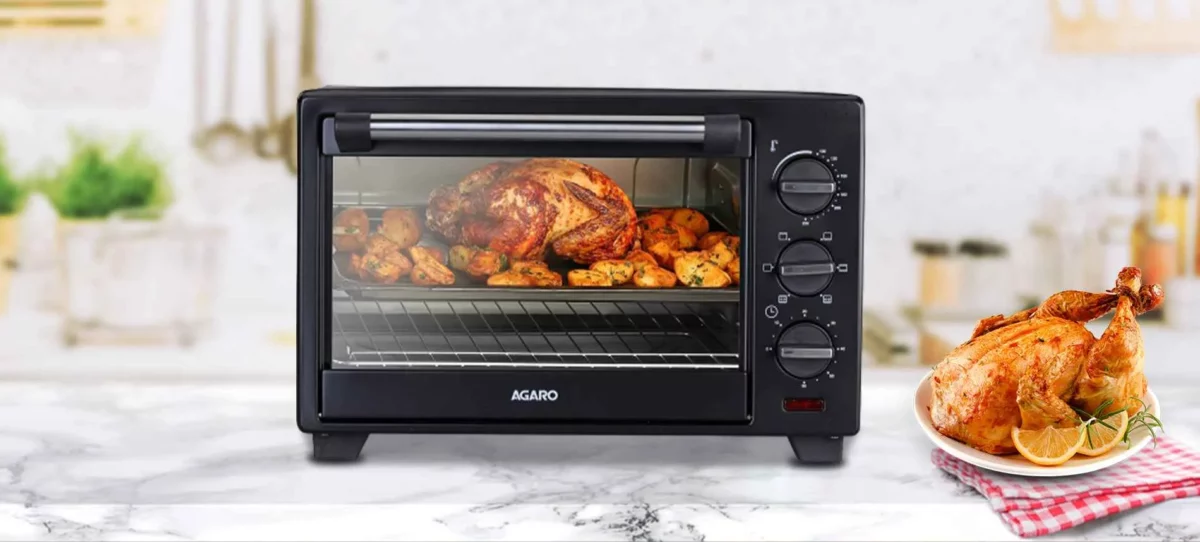
An OTG is a versatile, compact countertop appliance that functions like a smaller, more efficient version of a traditional electric oven. It is specifically designed for baking, grilling, and toasting, making it a favourite among home bakers and culinary enthusiasts. Its ability to provide consistent, dry heat makes it the ideal choice for a wide range of traditional cooking methods that microwaves cannot replicate. [1][4]
OTG Full Form (Oven Toaster Griller)
The full form of OTG is Oven, Toaster, and Griller, which perfectly describes its three primary functions - Baking, Toasting, and Grilling.
How OTG Works (heating elements, top & bottom heat)?
An OTG cooks food using the principle of radiant heat. It is equipped with heating elements, typically coiled wires, at the top and bottom of its cooking chamber.
- When turned on, these coils get hot and radiate dry heat.
- This heat cooks the food from the outside in, similar to a traditional oven.
- Most OTGs allow you to select between using the top element (for grilling), the bottom element, or both simultaneously (for even baking).
Types of OTGs (Solo OTG, Grill OTG, Convection OTG)
While the core function is similar, OTGs come in a few variations that enhance their capabilities.
- Solo OTG: The most basic model with top and bottom heating elements for baking and toasting.
- Grill OTG: Includes a motorised rotisserie for automated grilling of meats and vegetables.
- Convection OTG: Features an internal fan that circulates the hot air, ensuring faster and more even cooking, which is ideal for multi-layer baking.
What Is a Microwave Oven?
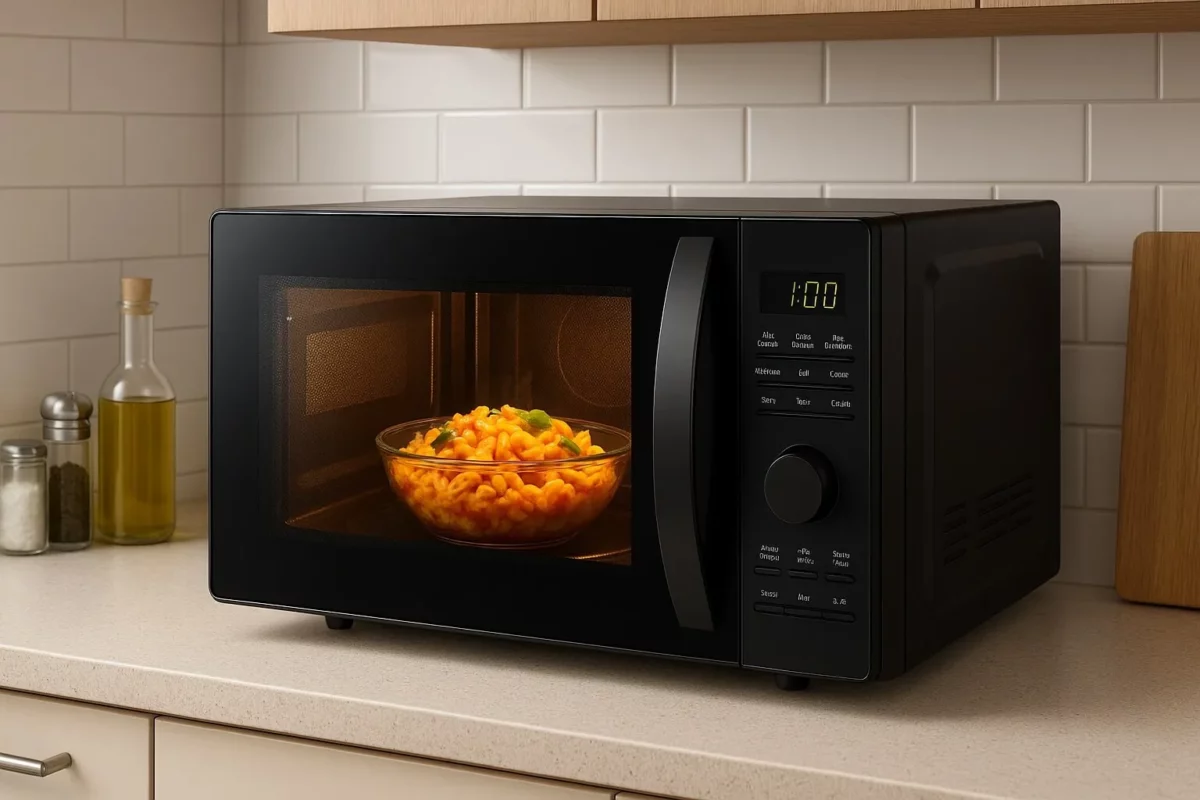
A microwave oven is a kitchen appliance that heats or reheats food using high-frequency electromagnetic waves called microwaves. It is known for its remarkable speed and convenience, making it a common feature in modern, fast-paced households. Its main advantage is its ability to heat food in a fraction of the time required by a conventional oven, making it ideal for reheating leftovers and quick cooking tasks. [1][4]
Different Types of Microwaves (Solo, Grill, Convection)
Microwave ovens have evolved to include more functions than just basic heating.
- Solo Microwave: The most basic type, used exclusively for reheating, defrosting, and simple cooking.
- Grill Microwave: A microwave with an extra top coil for grilling and browning.
- Convection Microwave: The most versatile type combines microwave, fan, and heating element, enabling baking, roasting, grilling, and microwave functions.
How Microwave Heating Works (electromagnetic waves, vibration of water molecules)?
A microwave oven cooks food using a process called dielectric heating. It does not use external heat to cook.[3]
- A component called a magnetron generates microwaves.
- These waves penetrate food, making water molecules vibrate rapidly.
- This vibration causes molecular friction, producing heat that cooks food from the inside out.
Microwave Key Features (preset menus, quick heat, defrost, etc.)
Modern microwaves are equipped with a host of features designed for convenience and ease of use. [3]
- Preset Menus (Auto-Cook): Pre-programmed settings for cooking popular dishes like popcorn, pizza, or vegetables.
- Quick Heat / Express Cook: A feature to quickly heat food for a short duration (e.g., 30 seconds) with a single button press.
- Defrost Function: A setting that uses low power to thaw frozen food quickly and safely.
- Turntable: A rotating glass plate that ensures the food is cooked evenly.
Side-by-Side Comparison Between OTG and Microwave
To fully understand the microwave OTG difference, a direct, side-by-side comparison of their features and performance is essential. [1][2][3]
1. Heating / Cooking Method & Technology
The core difference lies in the fundamental science they use to generate heat, which dictates their best use cases.
| Aspect | OTG (Oven, Toaster, Griller) | Microwave Oven |
|---|---|---|
| Technology | Radiant Heat (Conduction & Convection) | Dielectric Heating (Electromagnetic Waves) |
| Heating Source | Electrical heating elements (coils). | A magnetron that generates microwaves. |
| Heating Process | Heats the air inside, which then cooks the food from the outside in. | Agitates water molecules inside the food, which generates heat from the inside out. |
| Result | Dry, even heat ideal for baking and browning. | Fast, moist heat ideal for reheating and steaming. |
2. Preheating Requirements & Time to Start Cooking
The time it takes to get started is a major point of difference, impacting convenience for daily use. [1][2][3]
| Aspect | OTG (Oven, Toaster, Griller) | Microwave Oven |
|---|---|---|
| Preheating | Mandatory for most baking recipes. | Not required. |
| Time to Preheat | Typically takes 10-15 minutes to reach the desired temperature. | Starts cooking instantly. |
| Convenience | Requires planning ahead for the preheating time. | Ideal for on-the-spot, quick cooking needs. |
3. Cooking Speed
The cooking speed is perhaps the most noticeable difference in the OTG vs microwave debate for everyday users. [1][2][3]
| Aspect | OTG (Oven, Toaster, Griller) | Microwave Oven |
|---|---|---|
| Baking/Grilling Speed | Slower, allowing for gradual and even cooking. | Faster (in convection models), but results may vary. |
| Reheating Speed | Very slow and can dry out food. | Extremely fast (typically 1-3 minutes). |
| Defrosting Speed | Not recommended; can partially cook the food's exterior. | Very fast and efficient. |
| Overall Speed | Slower cooking process. | Significantly faster cooking process. |
4. Browning, Crisping, Grilling & Texture Results
The final texture of the food is a direct result of the heating technology used by each appliance. [1][2][3]
| Aspect | OTG (Oven, Toaster, Griller) | Microwave Oven |
| Browning (Maillard Reaction) | Excellent. The dry, radiant heat is perfect for browning and creating a crust. | Poor (in solo models). The moist heat steams the food, preventing it from browning. |
| Crisping | Excellent for making foods like toast, pizza, and cookies crispy. | Poor. Foods often become soft or soggy. |
| Grilling | Excellent, provides an authentic charred and grilled texture. | Possible only in grill/convection models, but often less effective than an OTG. |
5. Capacity / Size / Work-Space / Cookware Compatibility
The physical characteristics and compatibility with different utensils also play a role in their usability. [1][2][3]
| Aspect | OTG (Oven, Toaster, Griller) | Microwave Oven |
|---|---|---|
| Capacity | Typically 10 to 60 litres. | Typically 15 to 40 litres. |
| Shape | Rectangular shape with racks, allowing for multiple dishes or larger baking trays. | Often has a rounded interior with a turntable, which can limit the size and shape of dishes. |
| Cookware | Metal (aluminium, steel), glass, and silicone cookware can be used. | Only microwave-safe glass, ceramic, and plastic can be used. Metal is strictly prohibited. |
6. Power Consumption & Energy Efficiency
While power ratings are a factor, the total energy consumed depends on the cooking time.
| Aspect | OTG (Oven, Toaster, Griller) | Microwave Oven |
|---|---|---|
| Power Rating (Watts) | Higher on average (1200W - 2000W). | Lower on average (700W - 1300W). |
| Energy Consumption | Consumes more electricity overall due to longer cooking times and preheating. | More energy-efficient for short tasks like reheating due to its speed. |
| Efficiency | Less energy-efficient. | More energy-efficient. |
7. Cost (Initial Cost + Operating Costs)
The financial investment includes both the upfront purchase price and the long-term running costs.
| Aspect | OTG (Oven, Toaster, Griller) | Microwave Oven |
|---|---|---|
| Initial Cost | More affordable. A good quality OTG is generally cheaper than a basic microwave. | More expensive. The price increases significantly for grill and convection models. |
| Operating Costs | Higher, due to higher power consumption over longer cooking durations. | Lower, as it completes tasks much faster, using less overall electricity. |
8. Ease of Use / Cleaning / Controls / Maintenance
The daily user experience depends on the simplicity of the controls and the ease of maintenance for the appliance.
| Aspect | OTG (Oven, Toaster, Griller) | Microwave Oven |
|---|---|---|
| Controls | Typically has manual knobs for temperature, function, and timer. Simple and intuitive. | Often has a digital keypad with multiple preset functions, which can have a learning curve. |
| Cleaning | More difficult to clean due to the heating coils, racks, and potential for baked-on grease. | Easier to clean, as the interior is typically smooth and can be wiped down quickly. |
| Maintenance | Requires regular cleaning of trays and racks to maintain performance. | Relatively low maintenance. |
Use Cases - When to Use OTG vs When to Use Microwave?
Choosing the right appliance depends entirely on your primary cooking habits and lifestyle needs. [2]
Best for Baking, Grilling, Toasting (OTG advantages)
An OTG is the undisputed choice for anyone passionate about traditional baking and grilling.
- Baking Excellence: It provides the consistent, dry heat necessary for perfect cakes, cookies, bread, and pastries.
- Superior Grilling: The top heating element grills vegetables, meats, and paneer with authentic char and texture.
- Perfect Toasting: It can toast bread, roast nuts, and make crispy pizza bases more effectively than a microwave.
Best for Reheating, Defrosting, Quick Cooking (Microwave advantages)
A microwave excels in speed and convenience, making it ideal for a fast-paced lifestyle.
- Rapid Reheating: It's the quickest way to reheat leftovers, drinks, and meals in minutes.
- Quick Defrosting: It can safely and quickly thaw frozen foods, unlike slow OTG methods.
- Fast Cooking: It is ideal for quickly cooking vegetables, rice, and simple dishes.
Situations Where a Convection Microwave Might Serve Both Roles
A convection microwave is a hybrid appliance that attempts to offer the best of both worlds.
- Combined Functionality: It features a microwave, a fan, heating, baking, and grilling.
- Good for Generalists: It's a versatile solution for those seeking various functions but not professional baking results.
- Space-Saving: It combines two appliances into one, which is ideal for smaller kitchens.
Limitations of Each Appliance
Despite their strengths, both appliances have limitations that are important to understand before making a purchase.
What OTG Can’t Do
An OTG is a specialist in dry heat cooking, but it is not suitable for tasks that require speed or moisture.
- It is prolonged and inefficient for reheating food.
- It cannot be used for defrosting frozen items quickly.
- It cannot be used to boil water or make beverages quickly.
What Microwaves Can’t Do Well?
A standard solo microwave has significant limitations when it comes to traditional cooking techniques.
- It cannot brown or crisp food, as its moist heating method tends to make food soft or soggy.
- It isn't suitable for baking cakes or bread because it lacks the dry heat needed for proper rising.
- Metal cookware cannot be used inside, which limits the choice of utensils.
How Can NoBroker Help?
The choice between an OTG and a microwave depends on your cooking preferences. OTGs are particularly effective for baking, grilling, and achieving crispy textures, whereas microwaves are known for their rapid cooking capabilities and convenience. For a versatile cooking solution, a convection microwave offers the benefits of both appliances. NoBroker's professional electronic repair services make installing and maintaining your devices easy and worry-free. They handle everything for you, so you can enjoy your day at home in the comfort of your home.
Frequently Asked Questions
What is the main difference between an OTG and a microwave?
An OTG uses heating coils for baking and grilling with dry heat. A microwave uses electromagnetic waves for rapid reheating and cooking with moist heat.
Which is better for baking a cake, OTG or microwave?
An OTG is far superior for baking cakes, as it provides the consistent, dry heat necessary for a perfect bake, which a standard microwave cannot.
Can I use metal in an OTG?
Yes, you can safely use metal baking trays, pans, and aluminium foil in an OTG, just like in a traditional oven.
Is an OTG more energy-efficient than a microwave?
No, a microwave is generally more energy-efficient. Although it may have a lower power rating, it completes tasks much faster, using less electricity overall.
If I can only buy one, which should I choose?
If you primarily reheat food and cook simple meals, choose a microwave. If you are passionate about baking and grilling, choose an OTG. For an all-in-one solution, a convection microwave is the best choice.
ARTICLE SOURCES
Most Viewed Articles

LG Fridge Vs Samsung Fridge: Comparing Features, Price & Performance in 2026
September 12, 2025
9640+ views
LG vs Samsung Washing Machine: Feature Comparision, Price & Performance 2026
August 28, 2025
8687+ views
IFB vs LG Washing Machine: Feature Comparison, Price & Performance 2026
October 30, 2025
7418+ views
10 Best Geyser Brands for Indian Homes - Top Models & Budget Options
December 3, 2025
6938+ views
What is the BEE Star Rating? Meaning, Calculation, Importance, and How It Works
September 30, 2025
6920+ views
Author
Loved what you read? Share it with others!
Recent blogs in
Geyser Not Turning On - Common Reasons, Troubleshooting Tips and Easy Fixes at Home
January 26, 2026 by srivalli susarla
10 Best Geyser for Hard Water in India: Types, Top Brands and Features in 2026
January 6, 2026 by Krishnanunni H M
Why Is Your Geyser Making Noise: Causes and Easy Troubleshooting Tips in 2026
December 31, 2025 by Priyanka Saha










 Full RM + FRM support


Join the conversation!