Septic Tank Vastu is a traditional guideline that suggests the ideal placement of a septic tank to maintain a balanced and harmonious home environment. The northwest is generally considered the best direction, while the northeast, center, and southwest are best avoided. Many homeowners follow these principles to improve hygiene, drainage, and positive energy. The septic tank location, as per Vastu, is often planned during home construction. If the tank is in the wrong direction, simple remedies like keeping the area clean, improving drainage, using Vastu pyramids, or consulting a Vastu expert may help reduce its negative effects and restore balance.
What is septic Tank Vastu?
Septic Tank Vastu refers to the Vastu Shastra principles that guide us with the right placement of the septic tanks to maintain hygiene, balanced energy, and promote the family’s well-being. It promotes harmony between the water flow. It guides your home’s directional energies for better health and prosperity. Vastu states that the optimal location for a septic tank is in the Northwest (NW) area, and it should not be directly near the main segment of your house.
Quick Info Table: Septic Tank Vastu
The quick info table below gives a simple overview of a septic tank as per Vastu, including the ideal direction, areas to avoid, and useful tips for better planning.
| Aspect | Recommendation | Notes |
| Best Direction | Northwest (NW), West (W) is also acceptable
| Believed to support proper drainage, hygiene, and balanced energy. |
| Directions to Avoid | Northeast (NE), Centre (Brahmasthan)
, Southwest (SW) | These areas are generally considered unsuitable in Vastu. Southeast (SE) is usually avoided by many practitioners, though opinions vary. |
| Placement Tips | Length along East-West axis, Breadth along North-South axis | Keep at least 1–2 feet away from the main building |
| House Orientation | East, North, West, South | Placement differs per orientation; NW generally safest |
| Tank Size Guidelines | 3000 L (1–2 BHK), 4500 L (3 BHK), 6000 L (4 BHK) | Adjust based on household size and usage |
| Common Mistakes | Placing too close to the house, under rooms, above the plinth, stagnant water | Avoid maintaining health and positive energy |
| Remedies | Copper wire grounding, Vastu pyramids, green plants | Useful if the placement cannot be changed |
| Distance from water source | Keep the septic tank away from borewells, wells, and drinking water pipelines | Helps prevent water contamination and follows good sanitation practices. |
| Ventilation and Maintenance | Provide a proper vent pipe and schedule regular cleaning | Improves safety, reduces odour, and keeps the septic system functioning efficiently. |
Importance of the Correct Septic Tank Location According to Vastu
 Septic tank inside house must be placed in the correct direction to maintain a balance in the ecosystem
A septic tank is crucial in ensuring hygiene and energy balance in a domestic setup when installed in an appropriate location in reference to Vastu.
- A septic tank/ cesspool is a pit that is filled with waste from the household.
- Earlier, the septic tank locations were ignored since the population was smaller.
- Each household should have an independent septic tank to dispose of the waste properly.
- Anaerobic living organisms present in waste transform solids to sludge and gases.
- The wrong position may generate adverse energy and lead to Vastu Dosh.
- Proper septic tank Vastu placement helps conserve natural resources and groundwater.
- Right positioning upholds environmental balance and avoids pollution.
- This may lead to foul odours and adverse energy through construction faults or leakages.
Ideal Septic Tank Direction as Per Vastu
 Placement of a septic tank in the northwest corner of the house
Choosing the right septic tank direction as per Vastu is believed to promote better hygiene, smooth drainage, and a balanced home environment. Here's what each direction traditionally signifies.
- Northwest (Best direction)
- Septic Tank in North Direction
- West Direction
Directions to Avoid for Septic Tank Vastu Location
 Septic tanks should not be in the south, south-east or west corner of the house
According to traditional Vastu principles, some directions are generally considered unsuitable for a septic tank. These locations are believed to affect the home's energy balance and are usually avoided during construction.
- Center of the House (Brahmasthan)
- Septic Tank in Northeast
- Septic Tank in South East Direction
- Southwest Direction
Effects of Incorrect Septic Tank Placement as Per Vastu
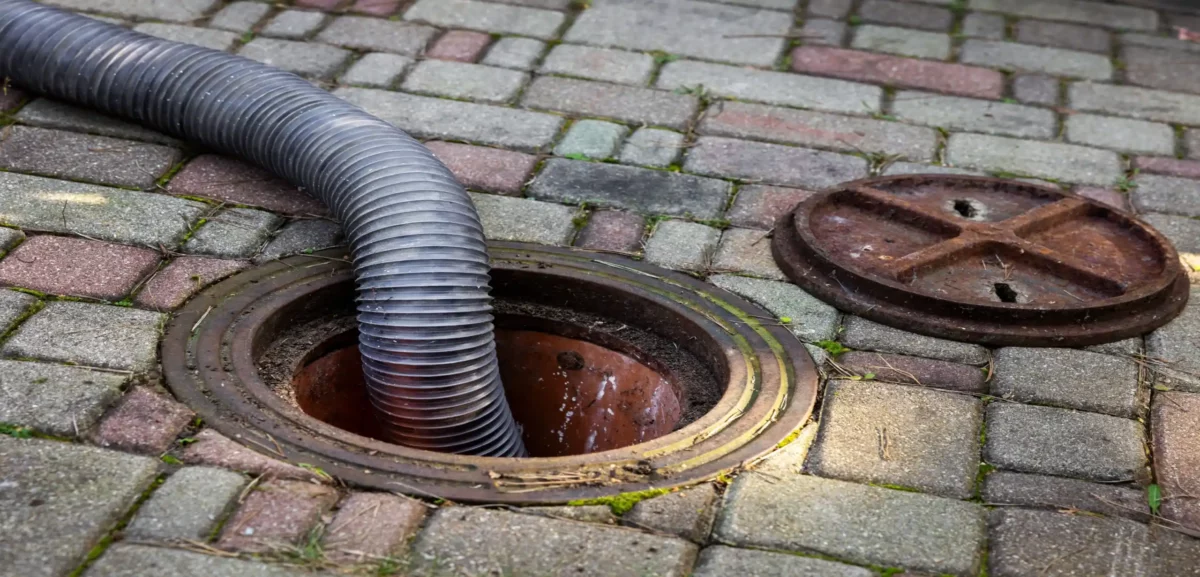 Wrong septic tank placement may cause health issues and financial losses
According to traditional Vastu beliefs, placing a septic tank in an unsuitable direction may affect the home's energy balance. While these effects are based on Vastu principles rather than scientific evidence, many homeowners consider them when planning their homes.
- North - The construction of a septic tank in the north direction can result in career-related problems. It means that the residents might have a tough time in their professional lives and find every opportunity for growth and earning money blocked.
- Northeast - Septic tank, according to Vastu, must not be in the northeast direction as the resulting consequences can cause several health concerns. This situation can lead to constant sickness in the house and significant health issues like paralysis, neurological disorders, and memory loss.
- West - Septic tank, as per Vastu, should not be placed in the west direction as it can lead to non-fulfilment of desires. Also, it can impact your profitability, and you might not see results even after working hard. It can also lead to property-related issues or disputes.
- East - Septic tank in this direction leads to health disorders of the liver and digestive organs. It also causes social abandonment, and you can find yourself unrecognized in society.
- Southeast - It can cause common obstacles in your life, and you might face marital or childbirth problems. It can also lead to blocked payments, financial losses, and a cash crunch.
- South - You must not dig your cesspit towards the south direction as it can disturb your peace of mind. Legal disputes and court cases can be expected. It also causes a loss of goodwill and brand recognition of your business.
Septic Tank Vastu for South Facing House
 Septic tank placement can be changed if there's less space available or under other circumstances
For a south-facing house, choose the northwest whenever possible. Avoid placing the septic tank in the northeast, southeast, or southwest.
- Keep the tank away from the main entrance.
- The northwest is the most preferred location.
- Use the west-northwest area if space is limited.
Septic Tank Vastu for a North-Facing House
A north-facing home follows similar Vastu guidelines for septic tank placement. The northwest is usually the safest and most recommended option.
- Ensure proper drainage and ventilation.
- Avoid placing the tank near the entrance.
- Prefer the northwest corner of the plot.
Septic Tank Vastu for an East-Facing House
For an east-facing house, the northwest remains the ideal location. Avoid the northeast, as it is generally considered unsuitable in Vastu.
- Leave the northeast open and clutter-free.
- Choose the northwest whenever possible.
- The west can be considered as an alternative.
Septic Tank Vastu for a West-Facing House
In a west-facing house, the west or northwest is generally considered suitable for a septic tank. These locations are believed to support practical planning and balanced energy.
- Maintain proper distance from the house foundation.
- The northwest is the preferred choice.
- The west is a suitable alternative.
Specific Guidelines to Follow While Constructing a Septic Tank
 Septic tank must be below plinth level
In India, there are standard guidelines for the size of a septic tank, which are based on the number of bedrooms in the house. This is because a residential septic tank is a critical component of the wastewater treatment system that requires regular maintenance and cleaning. For instance, the height of a septic tank should be at a level that allows easy access for maintenance and repair work.
Apart from that, here are some of the most critical factors you should keep in mind for the septic tank Vastu.
- You must ensure that the septic tank is constructed at ground level and not above the plinth level. This can lead to interference with growth.
- Always keep a distance of 1-2 feet between the septic tank and the compound wall. It would help if you did not construct the cesspool right along the compound wall, as it can be affected by the moisture collected underneath.
- You must also keep a strict check on the dimensions of the tank. The tank's placement should be done so that the length lies along the east-west axis and the breadth lies along the north-south axis. Wrong directions can cause physical or mental problems that are entirely avoidable.
- The outlet of the tank should be either in the east or west direction. It should never be in the South.
- Avoid the construction of any bedroom, Pooja room or kitchen above the septic tank.
- If a septic tank is placed in the south-east corner, Vastu remedies such as planting a neem tree or painting the tank blue can be implemented.
- To remedy the placement of a septic tank in the north-east corner, Vastu remedies such as installing a copper strip or using a three-legged toad figurine can be used.
- If a septic tank is placed in the south-east corner, Vastu remedies such as planting a neem tree or painting the tank blue can be implemented.
- When a septic tank is located under a staircase, Vastu remedies such as placing a pyramid or crystal grid can help balance the energy flow.
- The best place for a septic tank, as per Vastu, is in the north-west or south-east direction of the house, away from the main entrance and living spaces.
- As staircases are mostly found outside the houses, you can place a septic tank under the staircase as per Vastu Shastra guidelines.
Septic Tank Vastu Remedies
 You must not close the septic tank on your own
If your septic tank is constructed in the wrong direction and you want to correct the placement according to Vastu guidelines, it is essential to call a priest or a Vastu expert. It would be best if you did not close the current septic tank yourself.
Septic tank in the south-east corner remedies
If your septic tank is located in the southeast corner of your property, which is not ideal as per Vastu Shastra, there are remedies to mitigate the negative effects. Planting a neem tree near the septic tank can help neutralise the negative energy, as neem is known for its purifying qualities. Additionally, painting the septic tank in a light blue shade can also aid in calming the negative vibes. These measures, while simple, can help in aligning the septic tank's energy more favourably according to Vastu principles.
Septic tank in the northeast corner remedies
The northeast corner is a critical zone in Vastu Shastra, and having a septic tank here can lead to significant Vastu dosh. To counteract this, one effective remedy is the installation of a copper strip around the septic tank. Copper is believed to have properties that can dispel negativity and improve the flow of positive energy. Another approach could be the placement of a three-legged toad figurine near the tank, a symbol often used in Vastu and Feng Shui to attract positive energy and wealth.
Vastu remedies for a septic tank in the south
For a septic tank placed in the south, Vastu Shastra suggests several remedies to offset the potential negative impact. One of the most effective remedies is the use of Vastu pyramids. Placing these pyramids around the septic tank can help in harmonising the energy. It is also advisable to hang wind chimes near the tank, as the sound vibrations produced by the chimes are believed to break the pattern of negative energy. These remedies can help in restoring a more balanced and positive energy flow in and around the home.
Drainage, According to Vastu
 Drainage pipes also play an essential role in Vastu Shastra
Proper drainage according to Vastu helps wastewater flow smoothly, prevents water stagnation, and is believed to maintain hygiene, cleanliness, and balanced energy around the home.
- Inspect and clean drains regularly to ensure proper functioning and hygiene.
- Ensure wastewater flows naturally without blockages or backflow.
- Keep drainage lines clean to avoid foul odors and water stagnation.
- Avoid directing wastewater towards the northeast whenever possible.
- Maintain a gentle slope for smooth and efficient water flow.
Septic Tank Vastu for Different House Orientations
The table below highlights the ideal and unsuitable septic tank placements for different house orientations as per Vastu principles, ensuring harmony, hygiene, and balanced energy within the home.
| House Orientation | Best Placement | Avoid Placement |
| East-Facing | Northwest (NW) | Northeast (NE) |
| North-Facing | Northwest (NW) | Northeast (NE) |
| West-Facing | Northwest (NW) or West (W) | Southeast (SE) |
| South-Facing | Northwest (NW) | Southeast (SE) or Southwest (SW) |
Why is the septic tank size important as per Vastu?
According to Vastu, the septic tank should be placed in a suitable direction and sized according to the household's needs. Choosing the right capacity helps ensure efficient wastewater management, reduces maintenance issues, and supports proper hygiene. The table below shows the recommended septic tank sizes by number of bedrooms.
The table below shows the recommended septic tank sizes based on the number of bedrooms in the house:
| House Size | Septic Tank Capacity | Best Vastu Direction |
| 1–2 BHK | 3000 L | NW |
| 3 BHK | 4500 L | NW / W |
| 4 BHK | 6000 L | NW / W |
What is the force of the septic tank in different Vastu directions?
As per Vastu Shastra, the force of a septic tank can vary depending on its location in different directions. For instance, a septic tank in the northeast direction can lead to financial losses and health problems, whereas a tank in the southeast direction can bring prosperity and success. A septic tank in the north or north-west direction can cause relationship issues and affect mental peace, whereas a tank in the south or south-west direction can promote stability and financial growth.
Here are some key considerations for septic tank placement as per Vastu:
- The septic tank should not be placed in the northeast direction as it can lead to financial losses and health problems.
- The southeast direction is considered ideal for septic tank placement as it can bring prosperity and success.
- A septic tank in the north or northwest direction can cause relationship issues and affect mental peace.
- A tank in the south or south-west direction can promote stability and financial growth.
The table below summarises the impact of septic tank placement in different directions:
| Direction | Impact |
| North-East | Financial losses and health problems |
| South-East | Prosperity and success |
| North or North-West | Relationship issues and affect mental peace |
| South or South-West | Stability and financial growth |
Dos and Don’ts for Septic Tank Position as per Vastu
Following a few simple Vastu dos and don'ts can help you plan a septic tank more effectively. These guidelines focus on proper placement, hygiene, drainage, and easy maintenance for a well-balanced home.
| Do’s | Don’ts |
| Place the septic tank in the northwest whenever possible. | Don't build the septic tank in the northeast or center of the house. |
| Maintain proper distance from the house foundation. | Don't place it under bedrooms, kitchens, or pooja rooms. |
| Ensure smooth drainage with the correct slope. | Don't allow water to stagnate around the tank. |
| Keep the septic tank clean and inspect it regularly. | Don't ignore leaks, cracks, or overflowing wastewater. |
| Choose the right tank size based on your household's needs. | Don't install an undersized or oversized septic tank. |
| Provide proper ventilation for safe operation. | Don't block or cover the vent pipe. |
| Use Vastu remedies if relocating the tank isn't possible. | Don't rely only on remedies when structural changes are practical. |
| Follow local building and sanitation guidelines, as well as Vastu. | Don't compromise hygiene or safety for Vastu preferences alone. |
What are the best ways to avoid Vastu Dosh (mistakes) with septic tanks?
To avoid Vastu Dosh (mistakes) with septic tanks, it is crucial to consult with a Vastu expert and follow the recommended guidelines for placement and size. Some of the best ways to avoid Vastu Dosh include choosing the appropriate direction for the septic tank, maintaining a minimum distance between the tank and other elements of the house, and ensuring regular maintenance and cleaning of the tank. It is also advisable to avoid placing the tank in the northeast direction and to use Vastu remedies to balance any negative energy flow.
Here are some additional tips to consider:
- Maintain a minimum distance of at least 15 feet between the septic tank and other elements of the house, such as well, borewell or underground water tanks.
- Ensure regular maintenance and cleaning of the septic tank to avoid blockages and unpleasant odours.
- Use Vastu remedies, such as planting trees or installing copper strips, to balance any negative energy flow caused by the septic tank.
- Avoid placing the septic tank under the staircase, which can lead to financial losses and relationship problems.
Trust in NoBroker for all your Vastu-compliant housing needs.
Whether you're buying, selling, renting, or building a home, NoBroker simplifies every step with verified property listings, expert assistance, legal documentation, home inspection, and end-to-end property services. If you're looking for a Vastu-friendly home or guidance on north east septic tank remedies, NoBroker connects you with trusted professionals. Its transparent process, reliable support, and comprehensive solutions make it a preferred choice for homeowners across India.
Frequently Asked Questions
Q: What is the preferred location for a septic tank latrine of a west-facing house as per Vastu? Ans: When planning a home, it is essential to consider the toilet septic tank location as per Vastu for a positive flow of energy. According to Vastu Shastra, the septic tank location for a west-facing house must be west of northwest (WNW) or south of southwest (SSW) direction.
Q: What should be the size of a septic tank as per the Vastu Shastra guidelines? Ans: The standard size of a residential septic tank depends on the number of bedrooms in the house and the estimated wastewater generation. The size of a septic tank in feet can vary based on the number of occupants in the house and the estimated water usage. The septic tank’s dimensions should follow the ratio of 1:1.61. This means that if the septic tank's width is 1m, its length should be 1.61m. For example in Kerala, there is a minimum distance requirement of 15 meters between a well and a septic tank to avoid contamination of the groundwater.
Q: Where should the septic tank be placed according to Vastu? Ans: A septic tank must be placed in the northwest direction of your house. This is the ideal location for a septic tank as per Vastu.
Q: Which directions to avoid while constructing the septic tank? Ans: Septic tanks should not be in the south, southeast or west directions as per septic tank Vastu direction.
Q: What are the consequences of placing a septic tank in the south direction? Ans: As per the rules of a soak pit position as per Vastu, a septic tank in the south direction can lead to loss of mental peace and even cause legal troubles for you. It also results in a loss of goodwill and brand recognition. Read the rules about the southwest septic tank vastu corner remedy and get a solution.
Q: What is the ideal direction for a toilet pit as per Vastu to ensure positive energy flow? Ans: The septic tank's best location as per Vastu is in the northwest direction of the house is considered most auspicious to maintain positive energy flow and balance.
Q: What are the effects of having a South East Septic Tank Vastu on health and finances? Ans: South East septic tanks may cause imbalance, stress, health problems, financial instability and frequent household conflicts as a result of fire and water energies that have been disrupted.
Q: Which direction is considered best for the septic tank position as per Vastu? Ans: The Northwest (NW) direction is believed to be the best position for septic tank placement according to Vastu, which is said to guarantee a balanced flow of energy, good health, and financial stability.
Q: What shape is ideal for the septic tank position as per Vastu? Ans: A rectangular figure of a septic tank is preferable according to Vastu, as it facilitates a smooth flow of water, stability, and harmony, with no adverse vibrations, since it is not irregular or square in shape.
Most Viewed Articles
With over 23 years of experience in Real Estate, and an architecture degree, Vivek is here to help others buy/sell or rent the right way. Through his writing you will find out what people look for, and what you can do to get the best out of your home, and also how to get the best for your home.
Loved what you read? Share it with others!




 ✕
✕



 Full RM + FRM support