- https://lawrato.com/property-legal-advice/100-years-old-property-how-can-i-get-link-document-243346
- https://purplerealtors.com/blog_details/173
- https://www.zolvit.com/blog/property-document-verification/
- https://www.pathlegal.in/LEGAL-OPINION-ON-LAND-/How-many-years-of-link-documents-are-needed-to-sell-the-property-Q000000000433347.php
Table of Contents
What Are Property Link Documents?Why Are Property Link Documents Important?Types of Documents Included in a Propertyâs Link ChainHow to Get Property Link Documents?How to Check the Authenticity of Link Documents?How Many Years of Link Documents Are Required?How NoBroker Helps With Property Document VerificationFrequently Asked Questions?
Quality Service Guarantee Or Painting Free
Unbeatable Price
5-Star Rated Partner!
2200+ Shades!
Top Quality Paint
Free Cancellation!
Get a rental agreement with doorstep delivery

Find the BEST deals and get unbelievable DISCOUNTS directly from builders!

5-Star rated painters, premium paints and services at the BEST PRICES!
Loved what you read? Share it with others!
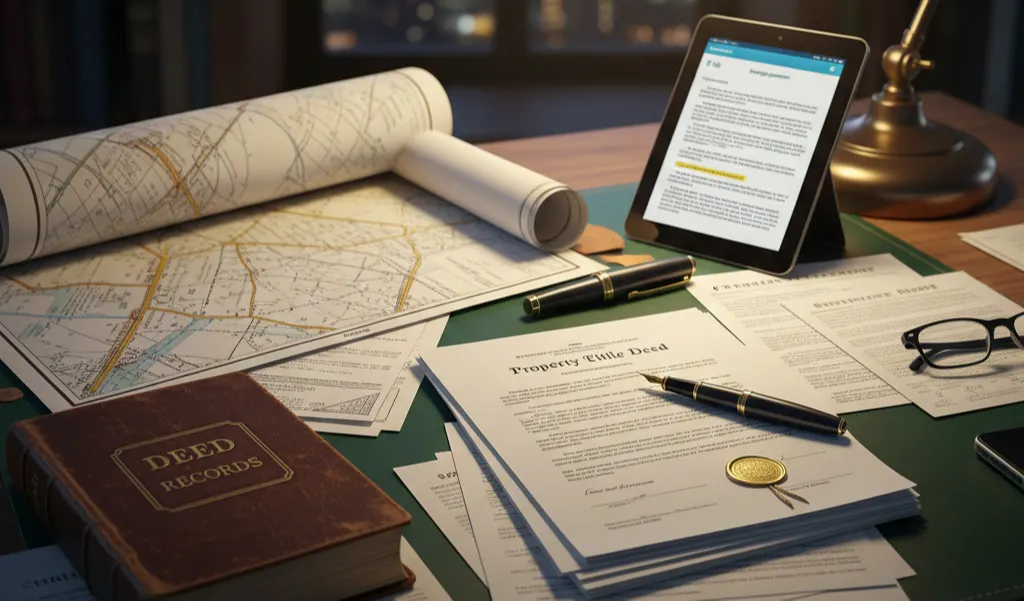
What are Property Link Documents: Meaning, Importance and Types
Published : November 26, 2025, 3:53 PM
Updated : November 26, 2025, 3:53 PM
Author :
 VIVEK
VIVEK
Summary
Property link documents show the full ownership history of a property, including sale deeds, gift deeds, wills, and partition deeds. They help buyers verify that the property title is genuine, free of disputes, and eligible for home loans. These documents can be obtained from the Sub-Registrar Office, IGR portals, online platforms, previous owners, or developers. Checking them carefully ensures safe, legal, and hassle-free property transactions.
Table of Contents
What Are Property Link Documents?Why Are Property Link Documents Important?Types of Documents Included in a Propertyâs Link ChainHow to Get Property Link Documents?How to Check the Authenticity of Link Documents?How Many Years of Link Documents Are Required?How NoBroker Helps With Property Document VerificationFrequently Asked Questions?
Property transactions feel secure only when the ownership trail is clear, which is provided by property link documents showing every transfer. These records establish an unbroken chain, confirming the title as genuine, dispute-free, and legal. They reveal the full property's history, making them essential for lenders, buyers, and legal experts to conduct safe transactions. Complete link documents reduce risk, prevent surprises, and build confidence before investments. [1]
What Are Property Link Documents?
Property link documents detail a property’s ownership history by listing every transfer. When individuals search for the link document for a property, they seek a complete set of papers that track ownership transfers seamlessly. These records include sale deeds, gift deeds, inheritances by will, and conveyances. Each record verifies the transfer’s validity, registration, and absence of disputes. A full chain of title enables buyers to confirm legal status, ensure a clear title, and reduce risks before purchasing.
Why Are Property Link Documents Important?
Property link documents matter because they verify an unbroken chain of ownership, confirm the legal validity of prior transfers, and help buyers determine whether a property is genuinely free of disputes, fraud, or hidden claims before completing any transaction.
Quality Service Guarantee Or Painting Free
Unbeatable Price
5-Star Rated Partner!
2200+ Shades!
Top Quality Paint
Free Cancellation!
Get a rental agreement with doorstep delivery
Find the BEST deals and get unbelievable DISCOUNTS directly from builders!
5-Star rated painters, premium paints and services at the BEST PRICES!
- Ensures property has a clear and marketable title: A complete set of property link documents confirms every ownership transfer, helping buyers verify that the title is legitimate, dispute-free, and ready for safe registration without unexpected complications.
- Helps detect fraud, disputes, or illegal possession: Property link documents reveal inconsistencies, missing transfers, forged papers, or unauthorised claims, allowing buyers to identify red flags early and avoid deals involving disputed, encroached, or illegally occupied property.
- Required for home loans: Banks and financial institutions require property-link documents to validate title history, verify seller authenticity, assess legal risks, and ensure the collateral is safe, legally sound, and suitable for loan approval.
- Protects buyers from legal risks: By clearly documenting transfers, property link documents prevent future ownership challenges, minimise litigation risk, and help buyers complete transactions confidently, knowing the property’s background is transparent and fully verified.
Types of Documents Included in a Property’s Link Chain
The importance of property link documents lies in creating a complete ownership trail, ensuring each transfer is legal, recorded, and dispute-free. [2]
- Previous sale deeds: These documents confirm each sale, helping buyers verify legal transfers and ensuring no missing records that could affect title clarity or validity.
- Gift deeds: Gift deeds document voluntary transfers of property without money and confirm that the ownership change was intentional, lawful, and properly recorded for future verification.
- Partition deeds: These documents define property share divisions among co-owners, clarifying boundaries, rights, and ownership to prevent conflicts during resale or legal reviews.
- Release deeds: document when a co-owner relinquishes their share, confirm the change in rights, prevent disputes, and maintain ownership continuity.
- Will & probate documents: These papers verify inheritance transfers, lawful succession, proper probate, and correct ownership links.
- Conversion/regularisation certificates: These certificates verify land-use changes, ensure property zoning compliance, and strengthen ownership records by documenting legal updates.
How to Get Property Link Documents?
Understanding how to get the link documents for the property helps buyers access the full ownership chain before making any major decision. These records are available through government offices, online portals, or verified parties connected to the property.
- Sub-Registrar Office (SRO): Visit the local SRO to request certified copies of past registered documents, including sale deeds, gift deeds, and transfer records, ensuring each ownership link is legally verified and accurate.
- IGR portal (state-specific): Many states provide online access to registered documents through IGR portals, allowing users to search, download, and verify ownership history without visiting a registration office in person.
- Online document search portals: Government-backed services help buyers quickly retrieve registered documents, providing an easy way to access title records and prior ownership transfers for verification.
- Previous owners: Past owners often maintain copies of old title records; requesting documents directly helps fill gaps and confirm whether the property’s ownership chain is complete and properly documented.
- Builder/Developer: For newer properties, developers or builders usually hold copies of initial ownership papers, helping buyers verify early transfers, approvals, and foundational documents in the property’s link chain.
How to Check the Authenticity of Link Documents?
Verifying house link documents ensures the entire ownership chain is genuine, legally valid, and free from manipulated or missing records. Each check strengthens due diligence and protects buyers from hidden risks during property transactions. [3]
- Match names and survey numbers: Ensure every document lists the correct owner names, survey numbers, boundaries, and property identifiers to confirm consistency across the entire ownership trail without gaps or mismatched details.
- Verify registration numbers: Check whether registration numbers, office details, and execution dates match official records to confirm that each transaction was legally registered and not created using forged or missing entries.
- Cross-check with the Encumbrance Certificate: Compare all linked documents with the EC to verify there are no undisclosed mortgages, legal disputes, or financial liabilities attached to the property during any prior ownership period.
- Confirm proper stamp duty: Review whether each document carries the correct stamp duty and registration charges, ensuring that all transfers were executed legally and are unlikely to face future validity challenges.
- Validate via government portals: Use state IGR or registration portals to cross-verify document authenticity, match details, and confirm that every ownership transfer is officially recorded and traceable in government databases.
How Many Years of Link Documents Are Required?
Most buyers and lenders rely on a long, unbroken chain of title to ensure the title is clear and fully verified. This timeline helps detect disputes, unresolved claims, or missing transfers before any transaction. [4]
- Standard requirement: 30-year chain of title: A 30-year chain helps confirm that every ownership transfer is legally sound, dispute-free, and accurately recorded, providing strong assurance of a clean, marketable property title.
- Some banks may ask for 20–30 years: Financial institutions often request at least 20-30 years of link documents to assess legal risks, verify past transfers, and ensure the property is suitable for loan approval.
- Why this timeline is used: This duration aligns with limitation laws and property transaction norms, helping identify hidden claims, historical disputes, or irregular transfers that may affect future ownership rights.
How NoBroker Helps With Property Document Verification
NoBroker simplifies verification by helping buyers retrieve and validate property documents. Their legal team checks sale deeds, gift deeds, wills, partition deeds, and link documents to ensure genuine, properly registered transfers. They review Encumbrance Certificates to identify liabilities, mortgages, or ownership disputes. Experts verify title records via government portals, confirm registration details, and flag inconsistencies. This support helps buyers make informed, safe decisions. Get your property link documents verified by NoBroker experts.
Frequently Asked Questions?
Q. What are the link documents for a property?
Ans: Link documents are records of every past ownership transfer, including sale deeds, gift deeds, wills, and related papers. They create a continuous chain proving the property’s title is genuine, complete, and legally valid.
Q2. Are the link documents mandatory for buying a house?
Ans: Yes, link documents are essential because they confirm title clarity and help detect disputes or fraudulent transfers. Banks, legal professionals, and buyers rely on them to verify ownership before completing any property transaction or loan process.
Q3. How many years of link documents are needed?
Ans: Most buyers and banks require a continuous 30-year chain of ownership. This helps identify missing transfers, hidden claims, or irregularities that could create legal problems during registration, resale, mortgage approval, or future ownership verification.
Q4. Can link documents be downloaded online?
Ans: Many states allow downloading registered documents through IGR or land record portals. Availability depends on the state’s level of digitisation. Buyers can search by year, party name, document number, or property details when digital records are available.
Q5. What if one document is missing in the chain?
Ans: A missing link document can raise doubts about title clarity. Buyers should trace it from the Sub Registrar's Office, previous owners, or online portals. Legal experts verify whether alternative records can fill the gap safely.
Loved what you read? Share it with others!
ARTICLE SOURCES
Most Viewed Articles

Franking Charges Explained: Meaning and Benefits
January 31, 2025
1116851+ views

Society Maintenance Charges : Meaning, Cost, Types and Calculation
January 31, 2025
200614+ views

BBMP E-Khata Registration process for property owners in Bangalore, Karnataka in 2025
March 19, 2025
145603+ views

Daughter's Right in Fathers' Property - the Law is Finally Equal for both Genders?
June 1, 2025
145275+ views
Rectification Deed Format and Process in India 2025
June 1, 2025
135750+ views
Author
Recent blogs in
What Is Cidco Lease Deed: Types, Tenure, Rights and Responsibilities in India 2026
February 20, 2026 by Ananth
Perpetual Lease Deed: Meaning, Rights, Benefits and Registration Process in India 2026
February 20, 2026 by Vivek Mishra
Ground Lease Vs Land Lease: Meaning, Key Features and Legal Distinctions in 2026
February 20, 2026 by Vivek Mishra
Lease Extension Agreement: Required Documents, Cost and Registration in India 2026
February 20, 2026 by Ananth
Mobile Home Lease Agreement: Types, Rights, Rules & Legal Requirements in 2026
February 20, 2026 by Ananth










 Full RM + FRM support


Join the conversation!