Vinyl Flooring: Types, Benefits, Costs and Room-Wise Uses in 2026

13.9K Views
Table of Contents
Summary
Vinyl Flooring is a versatile and cost-effective flooring solution that combines durability, comfort, and style. Available in a variety of designs, colours, and textures, it can replicate the look of wood, stone, ceramic, and other premium flooring materials while being easier to maintain. Its water-resistant surface, simple installation process, and affordability make it a popular choice for homes, offices, and commercial spaces. This article explains the different types of vinyl flooring, their benefits, applications, costs, installation methods, and maintenance requirements. You'll also learn how vinyl flooring compares to other flooring options, helping you choose the right flooring solution based on your space, budget, and lifestyle needs.
Vinyl flooring is a multi-layer synthetic flooring material designed to replicate the appearance of wood, stone, and tile while offering better moisture resistance and lower maintenance requirements. In India, vinyl flooring costs between ₹60 and ₹250 per sq. ft. for materials, with complete installation ranging from ₹90 to ₹310 per sq. ft., depending on the flooring type, thickness, and installation method. Its waterproof construction, affordability, and durability make it a popular choice for kitchens, bathrooms, bedrooms, and rental homes. This guide covers vinyl flooring types, costs, room-wise applications, maintenance, limitations, and comparisons with laminate, SPC, and wooden flooring.
What Is Vinyl Flooring?
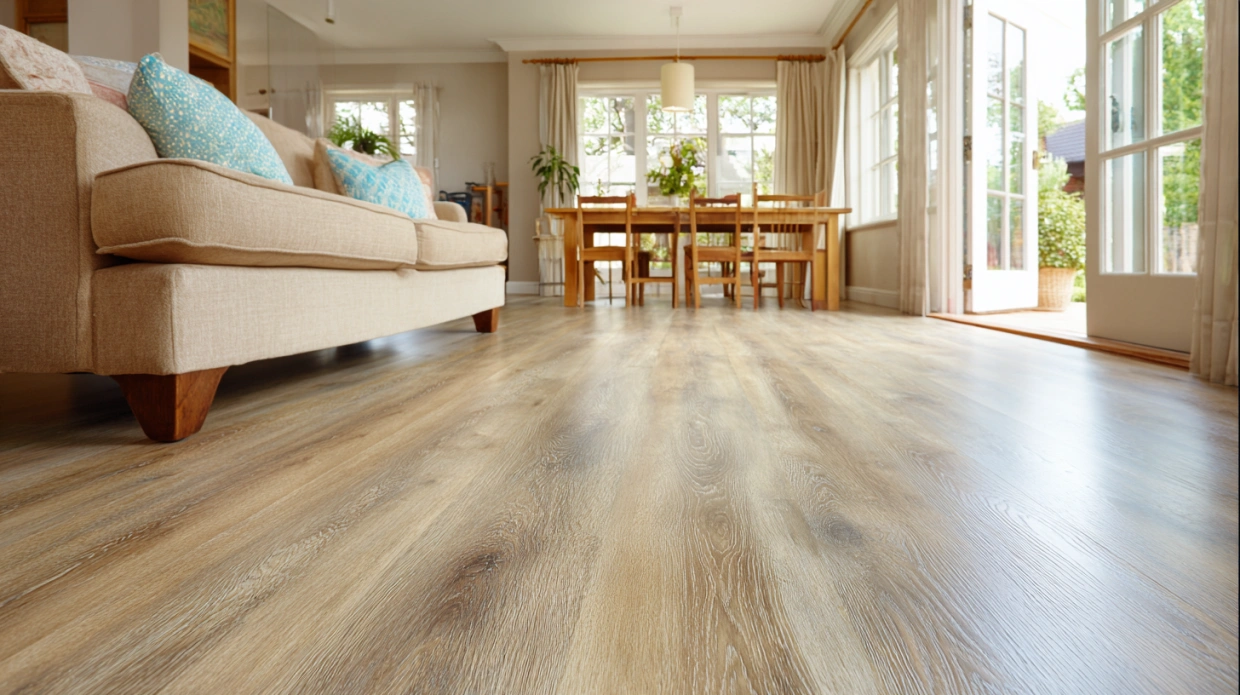
Vinyl flooring is a durable, water-resistant, and cost-effective synthetic floor covering made primarily from PVC (polyvinyl chloride) and plasticisers. Engineered with multiple layers, it realistically mimics the look and texture of natural materials like hardwood, marble, or ceramic tile while requiring minimal maintenance. It is widely used in living rooms, bedrooms, kitchens, bathrooms, and rental properties for its low maintenance and long-lasting performance.
Types of Vinyl Flooring
Vinyl flooring is not a single product but a broad category that includes multiple formats, each designed for specific spaces and performance needs. Understanding these types helps homeowners choose vinyl flooring that aligns with room usage, installation preferences, and design goals.
Recommended Reading

Best 3 Bedroom House Plans: Modern and S...
78.1K Views


South Indian Village House Design: 15 Tr...
36.2K Views

28 Latest 2 BHK House Plans for Your Mod...
34.5K Views
Top 20+ PVC Wall Panel Designs for Bedro...
32K Views
![20+Beautiful Bed Back Design Ideas for Your Bedroom in [full-year]](https://www.nobroker.in/interiors/design-guides/images/Bed-Back-Design.webp)
20+Beautiful Bed Back Design Ideas for Y...
23.6K Views
| Type of Vinyl Flooring | Description | Best Use Areas | Key Benefits |
| Vinyl Plank Flooring (LVP) | Long planks designed to replicate hardwood flooring | Living rooms, bedrooms, offices | Waterproof, wood-like appearance, click-lock installation |
| Vinyl Tile Flooring (VCT/LVT) | Modular tiles that mimic stone or ceramic finishes | Kitchens, bathrooms, accent spaces | Easy replacement, flexible layouts, grout options |
| Vinyl Sheet Flooring | Large continuous sheets with minimal joints | Kitchens, hospitals, high-traffic areas | High water resistance, affordable, low maintenance |
| Luxury Vinyl Tile (LVT) | Premium vinyl with advanced embossing and print layers | Modern homes, commercial interiors | Highly realistic finish, long lifespan, superior durability |
Vinyl Flooring Cost in India 2026: Per Sq Ft Rates & Installation Charges
The vinyl flooring rate per sq ft in India varies based on material quality, wear layer thickness, core construction, and installation method. Premium SPC and luxury vinyl products cost more but typically offer better durability and longer service life.
Table 1: Vinyl Flooring Price by Type
| Vinyl Type | Material Cost (₹/sq ft) | Lifespan | Best For |
| Basic Vinyl Sheet / Roll | ₹60–₹100 | 5–10 Years | Rental flats, low-budget bathrooms |
| Standard Vinyl Tiles / Planks | ₹80–₹180 | 10–15 Years | Bedrooms, living rooms |
| Luxury Vinyl Tile (LVT) | ₹150–₹300 | 15–20 Years | Premium living rooms, offices |
| WPC Vinyl Planks | ₹180–₹350 | 15–25 Years | High-moisture areas, kitchens |
| SPC (Stone Plastic Composite) | ₹200–₹450 | 20–25 Years | Commercial spaces and premium homes |
| High-End Designer / Imported LVT | ₹300–₹700+ | 20–30 Years | Luxury homes, hospitality projects |
Table 2: Installation Cost by Method
| Installation Method | Labour Cost (₹/sq ft) | Best For |
| Click-Lock (Floating) | ₹15–₹35 | DIY-friendly plank flooring |
| Glue-Down | ₹20–₹50 | Vinyl sheets and tiles requiring permanent installation |
| Loose-Lay | ₹10–₹25 | Temporary rental setups and quick renovations |
| Heat-Welded (Commercial) | ₹40–₹80 | Hospitals, gyms, offices, and high-traffic commercial spaces |
The cost of vinyl flooring per sq ft, including installation, generally ranges from ₹90–₹310 per sq ft for residential projects, while premium SPC flooring and imported luxury vinyl products can exceed these ranges. When comparing quotations, check whether underlayment, floor preparation, adhesive, skirting, and GST are included, as these can significantly affect the final cost per square foot of vinyl flooring.
Types of Vinyl Flooring
Vinyl flooring is available in several formats, each designed for different budgets, room conditions, and installation requirements. The right option depends on moisture exposure, expected foot traffic, durability needs, and the overall look you want to achieve.
| Vinyl Flooring Type | Key Features | Best Suited For | Typical Cost (₹/sq ft) |
| Vinyl Sheets / Rolls | Continuous flooring with minimal joints, highly water-resistant | Bathrooms, kitchens, utility areas | ₹60–₹120 |
| Vinyl Tiles | Individual tiles available in stone, concrete, and patterned finishes | Bedrooms, living rooms | ₹80–₹180 |
| Vinyl Planks | Wood-look planks that replicate hardwood flooring | Bedrooms, apartments, offices | ₹100–₹220 |
| Luxury Vinyl Tile (LVT) | Thicker wear layer, realistic textures, premium appearance | Premium residential and commercial spaces | ₹150–₹300 |
| Luxury Vinyl Plank (LVP) | High-end wood-look flooring with enhanced durability | Living rooms, master bedrooms | ₹180–₹350 |
| WPC Vinyl (Wood Plastic Composite) | Softer underfoot, waterproof core, better sound insulation | Kitchens, bedrooms, and high-moisture residential areas | ₹180–₹350 |
| SPC Vinyl (Stone Plastic Composite) | Rigid core construction, excellent dent resistance, highly stable | Commercial spaces, premium homes, high-traffic areas | ₹200–₹450 |
Among these options, WPC and SPC vinyl flooring have become increasingly popular because they offer improved durability, waterproof performance, and easier installation compared to traditional vinyl sheets and tiles. SPC flooring is generally preferred for heavy-use areas, while WPC flooring provides a slightly softer and warmer feel underfoot.
Cost of Vinyl Flooring in India
Vinyl flooring is known as one of the most budget-friendly modern flooring options, but prices can vary widely depending on the type of vinyl, design quality, and installation complexity. On average, the cost of home vinyl flooring ranges from Rs. 60 to Rs. 200 per square foot. However, prices can vary by brand, vinyl quality, and design.
Estimated Cost of Vinyl Flooring Material Per Square Foot
| Vinyl Flooring Type | Estimated Price Range (₹/sq ft) | Best Suited For |
| Basic Vinyl Sheet / Roll | ₹50 – ₹100 | Bathrooms and kitchens require seamless, moisture-resistant flooring |
| Standard Vinyl Tiles / Planks | ₹80 – ₹150 | Living rooms and bedrooms with wood-look or stone-finish designs |
| Luxury Vinyl Tile (LVT) / Premium Planks | ₹150 – ₹300+ | Homes seeking realistic hardwood or stone aesthetics with higher durability |
| High-End / Designer Luxury Vinyl | ₹300 – ₹600+ | Premium interiors with advanced textures, custom finishes, and branded collections |
Note: Imported or branded luxury planks from well-known manufacturers may command higher prices, sometimes above ₹600–₹1000 per sq ft, depending on quality and design.
The Other Common Types of Flooring Used
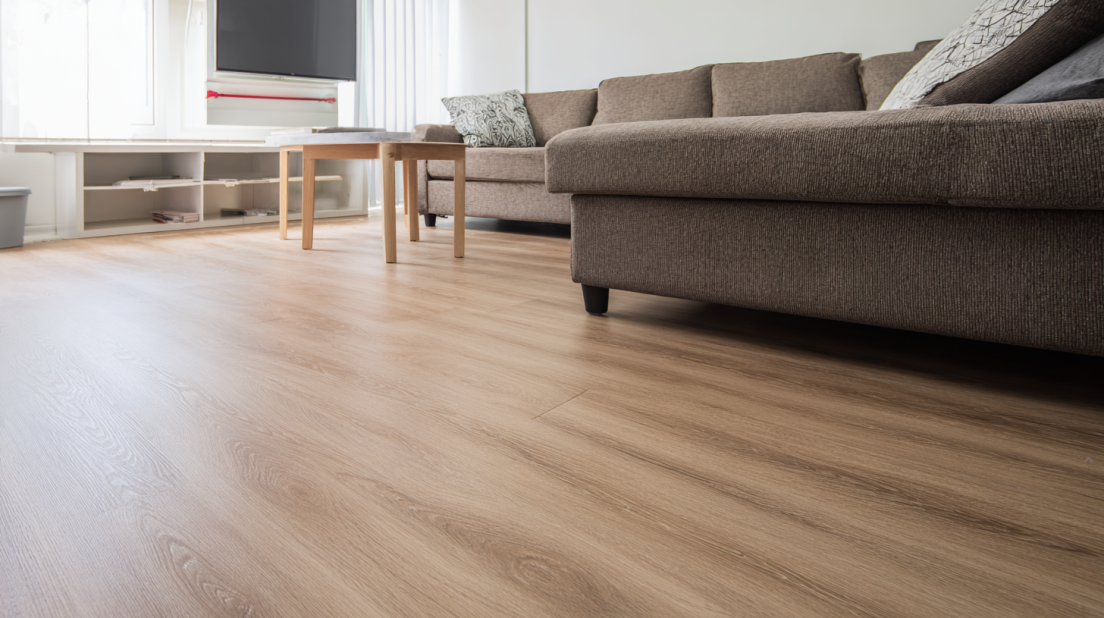
Vinyl flooring is often compared with laminate, vitrified tiles, marble, and hardwood because these materials are most commonly used in Indian homes. The differences usually come down to cost, water resistance, maintenance requirements, lifespan, and installation complexity. Here's how vinyl flooring compares to the 4 most common Indian flooring alternatives at a glance.
| Flooring Type | Approx Cost (₹/sq ft) | Water Resistance | Maintenance | Lifespan | Best For |
| Vinyl Flooring | ₹60–₹250 | Excellent | Very Low | 10–25 Years | Apartments, bedrooms, kitchens, rental homes |
| Laminate Flooring | ₹80–₹300 | Moderate | Low | 10–20 Years | Bedrooms and living rooms |
| Vitrified Tiles | ₹60–₹250 | Excellent | Very Low | 25+ Years | Whole-house flooring |
| Marble Flooring | ₹200–₹1,500+ | Good | High | 40+ Years | Luxury homes and foyers |
| Hardwood Flooring | ₹500–₹2,500+ | Poor to Moderate | High | 20–40 Years | Premium bedrooms and villas |
Best Uses of Vinyl Flooring by Room
Vinyl flooring adapts well to different rooms due to its durability, moisture resistance, and wide design range. Choosing the right type based on room usage improves performance and makes it long lasting.
1. Vinyl Flooring for Kitchen

Kitchens demand flooring that withstands spills, heat, and constant foot traffic without frequent maintenance. Vinyl flooring meets these requirements while offering practical design flexibility.
Sheet vinyl flooring works especially well in kitchens because its seamless surface prevents water seepage and makes cleaning easier, and kitchen flooring design ideas can help in choosing the right material for durability and maintenance. PVC vinyl flooring also performs reliably in high-traffic kitchen areas thanks to its stain- and scratch-resistant properties. For added comfort, some homeowners prefer vinyl carpet flooring in dry kitchen zones where prolonged standing is common.
Best Vinyl Flooring Options for Kitchens
| Type of Vinyl Flooring | Key Benefits in Kitchens |
| Sheet Vinyl Flooring | Seamless finish, water resistance, easy cleaning |
| PVC Vinyl Flooring Sheet | High durability, stain resistance, hygienic surface |
| Luxury Vinyl Tiles (LVT) | Premium appearance, scratch resistance |
| Vinyl Carpet Flooring | Cushioned feel, slip resistance, easy upkeep |
Vinyl flooring not only increases the aesthetic of your kitchen but also ensures functionality, cleanliness, and comfort. If you’re planning a kitchen renovation or setting up a new cooking space, vinyl is a smart and stylish investment.
2. Vinyl Flooring for Living Room
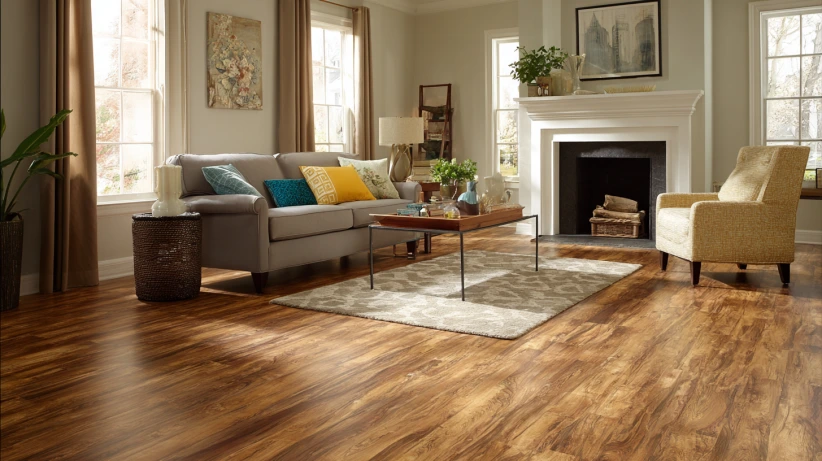
The living room requires flooring that balances appearance with everyday durability. Vinyl flooring offers multiple finishes that suit modern and traditional interiors without demanding intensive maintenance.
PVC vinyl flooring remains a popular option for living rooms due to its strength and design versatility, and living room flooring design ideas highlight how it can be used across different interior styles. Vinyl carpet flooring provides added comfort and warmth, especially in family homes. Sheet vinyl flooring suits larger living spaces where a seamless, cost-effective finish matters.
Suitable Vinyl Flooring Types for Living Rooms
| Type | Why It Works |
| Luxury Vinyl Planks (LVP) | Wood-like finish, warm visual appeal |
| Luxury Vinyl Tiles (LVT) | Stone or tile look, refined interiors |
| PVC Vinyl Flooring | Durable, suitable for daily foot traffic |
| Sheet Vinyl Flooring | Easy maintenance, uniform finish |
3. Vinyl Flooring for Bedroom
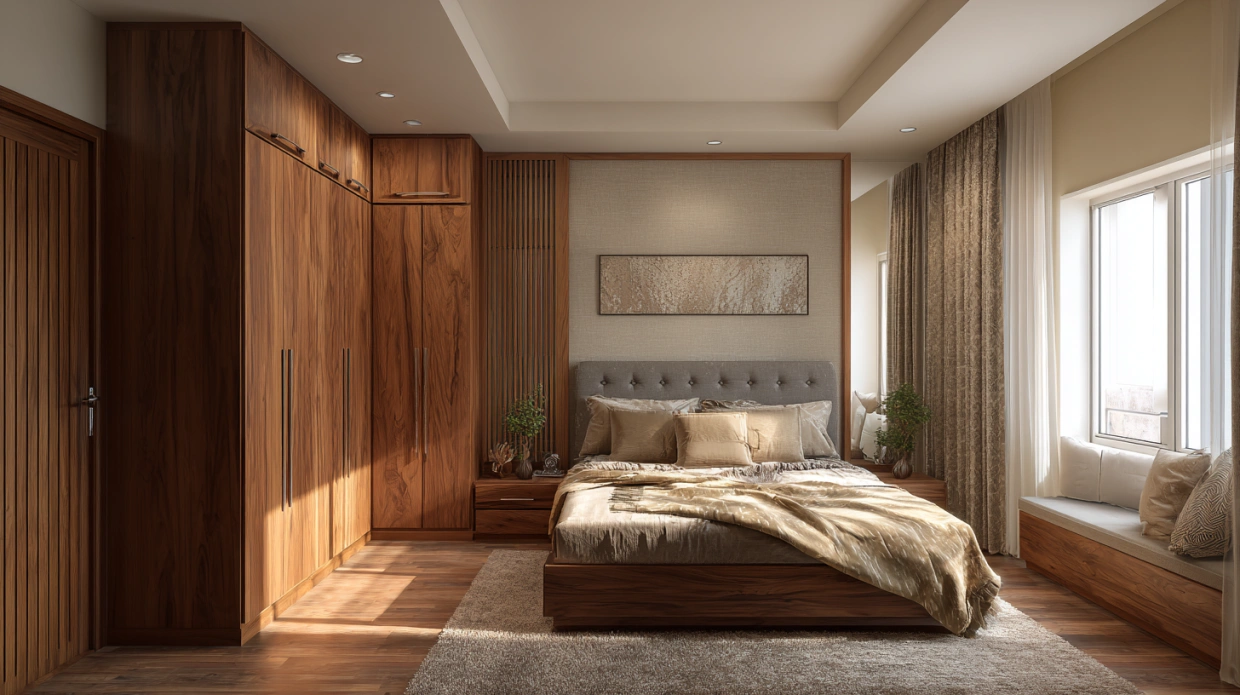
Bedrooms benefit from flooring that feels comfortable underfoot while maintaining a warm appearance. Compared to ceramic tiles, vinyl flooring provides a softer walking surface and better noise reduction. Wood look vinyl planks remain one of the most popular choices for bedrooms because they mimic the look of hardwood flooring at a much lower price per sq ft.
Best Vinyl Flooring Options for Bedrooms
| Type | Why It Works |
| Luxury Vinyl Plank (LVP) | Warm wood appearance |
| WPC Vinyl Flooring | Added cushioning and sound insulation |
| Standard Vinyl Planks | Budget-friendly bedroom flooring |
| Luxury Vinyl Tile (LVT) | Premium finishes and textures |
4.Vinyl Flooring for Bathroom
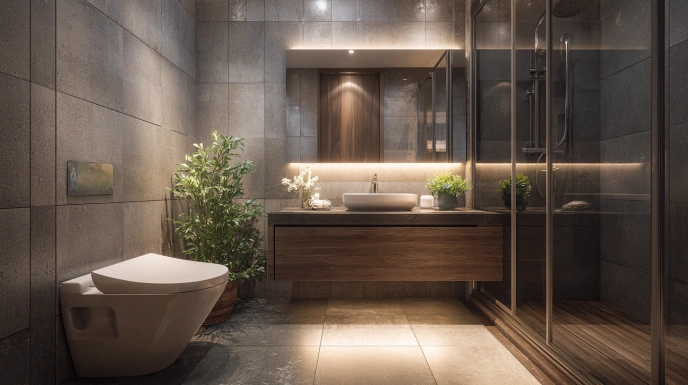
Bathrooms require flooring that can withstand constant exposure to moisture without swelling, warping, or staining. This is one reason why vinyl flooring has become increasingly popular in residential bathrooms.Sheet vinyl and SPC flooring provide some of the best water-resistant performance among modern flooring materials.
Best Vinyl Flooring Options for Bathrooms
| Type | Why It Works |
| Sheet Vinyl Flooring | Minimal joints and maximum water resistance |
| SPC Vinyl Flooring | Rigid waterproof core |
| Luxury Vinyl Tile (LVT) | Stylish appearance with moisture resistance |
| Anti-Slip Vinyl Flooring | Improved safety in wet conditions |
5. Vinyl Flooring for Kids' Room
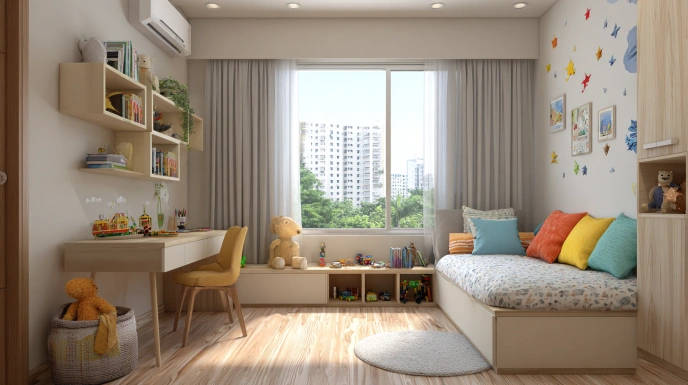
Children's rooms require flooring that can tolerate scratches, toy movement, spills, and frequent cleaning. Softer vinyl flooring options also help reduce noise and improve comfort during play. WPC flooring performs particularly well because of its cushioned core and comfortable walking surface.
Best Vinyl Flooring Options for Kids' Rooms
| Type | Why It Works |
| WPC Vinyl Flooring | Softer surface and sound absorption |
| Luxury Vinyl Planks | Scratch-resistant finish |
| Standard Vinyl Planks | Easy maintenance and affordability |
| Sheet Vinyl Flooring | Fewer seams and easy cleaning |
6. Vinyl Flooring for Balcony / Office
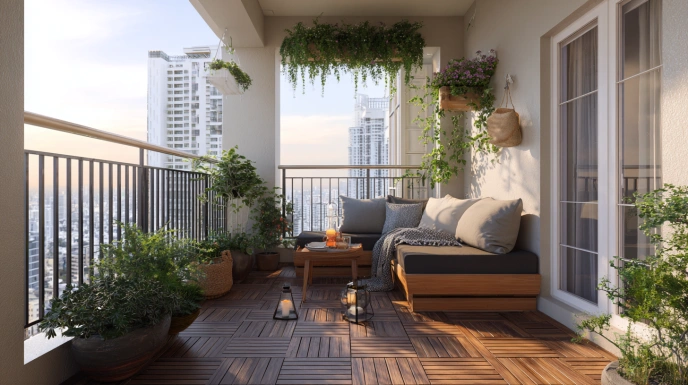
Not all balconies are suitable for vinyl flooring, particularly those fully exposed to direct sunlight and rain. Covered balconies and home offices, however, can benefit from the comfort and low maintenance of vinyl products.SPC flooring performs better in these spaces because it handles temperature fluctuations more effectively than standard vinyl materials.
Best Vinyl Flooring Options for Balconies and Home Offices
| Type | Why It Works |
| SPC Vinyl Flooring | High-dimensional stability |
| Luxury Vinyl Tile (LVT) | Professional appearance for offices |
| Luxury Vinyl Plank (LVP) | Wood-look finish for workspaces |
| WPC Vinyl Flooring | Comfortable underfoot for long work hours |
The versatility of vinyl flooring allows it to perform well across multiple rooms while requiring relatively low maintenance. Choosing the right type for each space can improve durability, comfort, and overall value over the flooring's lifespan.
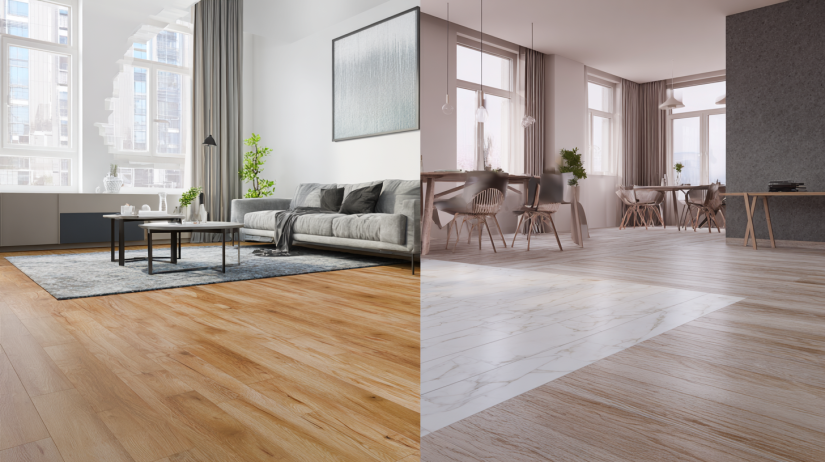
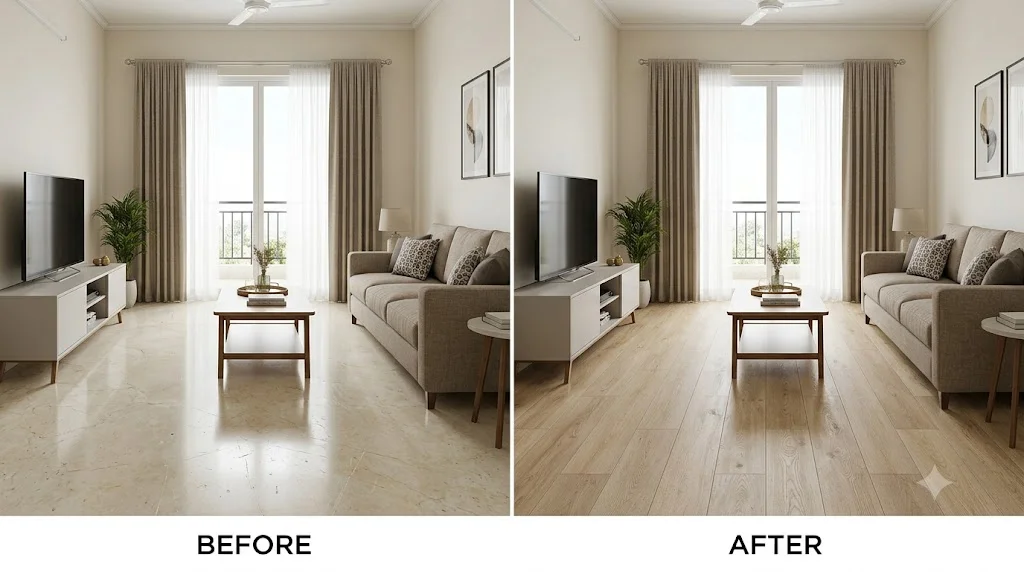
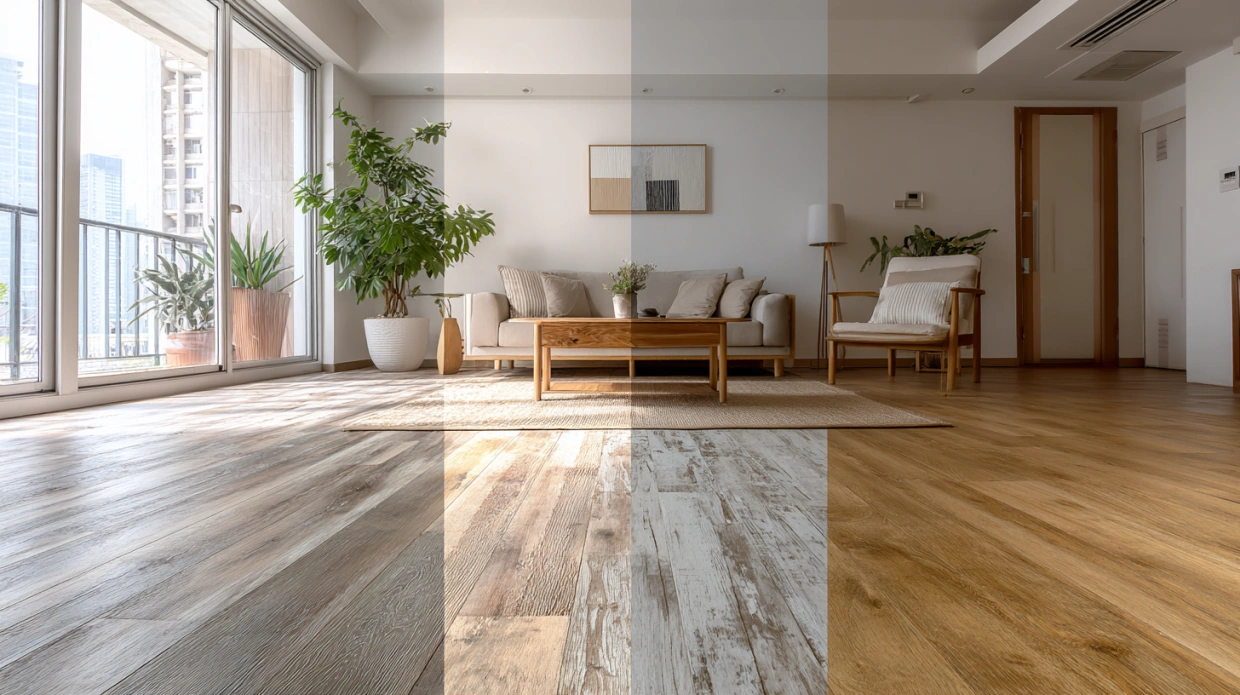
Transform Your Space: See the Power of Modern Vinyl Flooring
A striking before-and-after visual demonstrating how modern vinyl flooring can immediately elevate a living room. Luxury vinyl planks offer a stylish, durable, and cost-effective alternative to hardwood, perfect for high-traffic areas throughout the home.
Vinyl Flooring: Advantages vs. Disadvantages
| Advantages | Disadvantages |
| Waterproof & Moisture-Resistant. Ideal for kitchens and bathrooms. | Toxicity Concerns. Made from synthetic materials that may release harmful chemicals. |
| Durable & Long-Lasting. Lasts 10–20 years with proper care. | Not Eco-Friendly. Vinyl floor coverings are non-biodegradable and rarely recycled. |
| Comfortable Underfoot. Padded vinyl sheets provide cushioning. | Subfloor Sensitivity. Uneven surfaces can lead to bulges and wear on vinyl flooring. |
| Low Maintenance. Easy to clean with sweeping, mopping, and mild cleaners. | Easily Scratched or Dented. Heavy furniture or sharp objects can damage the surface. |
| Cost-Effective More affordable than wood, marble, or stone. | Difficult Repairs Damaged vinyl tiles or sheets usually require full replacement. |
| Slip-Resistant Options Available Great for bathroom safety. | Fades Over Time Prolonged exposure to sunlight can cause discolouration. |
| Wide Range of Designs Mimics wood, stone, or tile affordably. | Lower Resale Value Not considered premium flooring in high-end real estate markets. |
Vinyl flooring is an excellent choice if you're looking for a cost-effective, stylish, and easy-to-maintain solution for your home. However, be mindful of its environmental impact and vulnerability to physical damage. By weighing both the pros and cons, you can decide whether vinyl floor coverings, vinyl tiles, or vinyl sheets are the right fit for your space.
Honest Vinyl Flooring Disadvantages Every Buyer Should Know
Not every room is ideal for vinyl flooring, and not every product performs the same way. These are the most common disadvantages of vinyl flooring reported by homeowners after installation.
- Can Dent Under Heavy Furniture
Large wardrobes, refrigerators, and heavy furniture may leave permanent indentations, especially on thinner vinyl products. - Surface Scratches Are Difficult to Repair
While modern wear layers improve durability, deep scratches usually require replacing individual planks or sections rather than simple refinishing. - Direct Sunlight Can Cause Fading
Rooms with large windows or balconies may experience colour fading over time if UV protection is not provided through blinds or curtains. - Subfloor Preparation Is Critical
Any bumps, cracks, or uneven surfaces underneath can eventually become visible through the vinyl flooring surface. - Not as Premium as Natural Materials
Even high-quality LVT and SPC flooring may not provide the same prestige or resale appeal as marble, hardwood, or natural stone. - Limited Lifespan Compared to Tiles
Most vinyl flooring lasts between 10 and 25 years, whereas vitrified tiles and granite flooring can remain functional for several decades.
Low-Quality Products May Develop Joint Issues
Cheap vinyl planks and tiles can separate, curl, or lift at the edges, particularly in areas with moisture fluctuations or poor installation practices.
Laminate vs. Vinyl Flooring: What You Need to Know Before Choosing
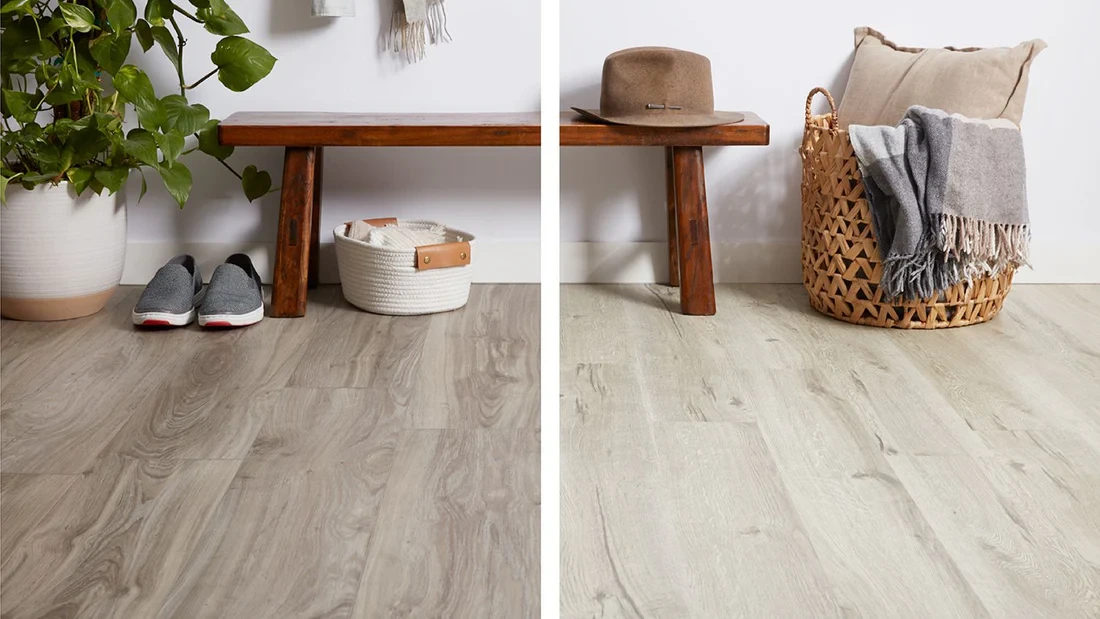
When upgrading your home floors, it's important to understand the core differences between laminate flooring and vinyl When upgrading your home’s floors, it's important to understand the key differences between laminate and vinyl flooring, two popular choices among homeowners today. While they may look similar, their performance, composition, and use cases vary significantly.
What Is Laminate Flooring?
Laminate flooring is a synthetic option designed to replicate the look and feel of natural wood or stone. It consists of four layered components:
- A durable wear layer that resists scratches
- A decorative layer with a printed design
- A high-density fibreboard (HDF) core
- A stabilising backing layer
Although it closely resembles hardwood flooring, laminate is not completely waterproof and may swell or warp if exposed to standing water for extended periods.
Advantages Of Laminate Flooring
- Offers the realistic appearance of wood or stone flooring.
- Resistant to scratches due to its hard surface layer.
- More eco-friendly compared to vinyl, as it contains a higher percentage of wood.
- A good fit for living rooms and bedrooms with low moisture exposure.
- Can complement cleanliness efforts at home, and help reinforce routines like 10 sentences on how to keep your house clean for children.
Laminate flooring has a composite core with wood fibres, giving it a more eco-conscious appeal than fully synthetic vinyl. However, the presence of melamine resin and plastic layers limits its sustainability benefits.
Disadvantages of Laminate Flooring
- Not suitable for bathrooms or kitchens due to its low moisture resistance.
- May swell or wrap in humid climates or during the rainy season.
- Needs careful maintenance; excessive water or sweeping can damage its surface.
- It can become slippery when wet, making waterproof vinyl flooring a better long-term value and easier to maintain.
However, for homes that demand durability, waterproofing, and minimal maintenance, vinyl flooring is the smarter long-term choice. Its versatility allows it to perform consistently across all rooms, making it a preferred option for modern homes. If you’re planning an upgrade, explore vinyl flooring options and professional vinyl flooring installation services to find the right fit for
Vinyl Flooring vs Laminate Flooring: Key Differences
Both flooring materials can replicate wood and stone finishes, but they perform differently under moisture, daily wear, and changing household conditions.
| Parameter | Vinyl Flooring | Laminate Flooring |
| Core Material | 100% PVC synthetic or SPC/WPC core | HDF wood-fibre core with protective top layer |
| Water Resistance | 100% waterproof | Water-resistant only; prolonged moisture can cause damage |
| Best for Kitchen & Bathroom | Yes | No |
| Cost (₹/sq ft) | ₹60–₹400 | ₹70–₹250 |
| Lifespan | 10–25 years | 8–15 years |
| Scratch Resistance | Medium; depends on wear layer thickness | High quality as AC4–AC5 rated products perform well |
| Wood-Look Realism | Good; LVP and SPC offer realistic finishes | Excellent |
| Stone / Tile Appearance | Excellent range of options | Limited compared to vinyl |
| Eco-Friendliness | Low; fully synthetic material | Medium; contains wood-fibre content |
| Refinish-ability | No | No |
| Installation | Easy; click-lock or glue-down systems | Easy; click-lock installation |
| Maintenance | Very low | Low to moderate |
For Indian homes, vinyl flooring generally performs better in kitchens, bathrooms, utility areas, and moisture-prone spaces because it is completely waterproof. Laminate flooring remains a strong option for bedrooms and living rooms where moisture exposure is limited and homeowners prioritise a realistic wood appearance. When comparing the cost of vinyl flooring per sq ft with laminate, the price difference is often smaller than expected, making long-term durability and water resistance more important decision factors than material cost alone.
Vinyl vs SPC vs Wooden Flooring: Which Is Best for Indian Homes?
The right flooring depends on your budget, moisture exposure, maintenance expectations, and desired appearance. For most Indian homes, waterproof performance and long-term durability often influence the decision more than aesthetics alone.
| Parameter | Vinyl (LVP/LVT) | SPC Flooring | Engineered Wood | Solid Wood |
| Cost (₹/sq ft) | ₹80–₹250 | ₹180–₹450 | ₹380–₹700 | ₹500–₹2,000 |
| Waterproof | 100% | 100% | No | No |
| Monsoon Suitable | Excellent | Excellent | Limited | Avoid |
| Heat & Temperature Stability | Medium | Excellent | Good | Poor |
| Wood-Look Realism | Good | Very Good | Excellent | Best |
| Refinish-ability | No | No | Yes (1–2 times) | Yes (5+ times) |
| Lifespan | 10–18 years | 20–25 years | 25–30 years | 50+ years |
| Maintenance | Very Low | Very Low | Medium | High |
| Best For | Budget homes, rentals, apartments | Long-term value and family homes | Premium homes in dry climates | Heritage and luxury interiors |
How To Clean Vinyl Flooring?
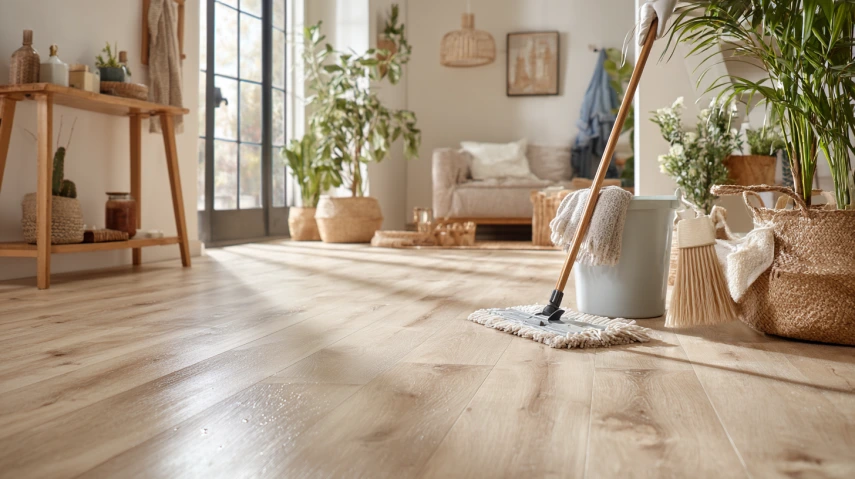
Cleaning vinyl flooring is relatively easy with a few basic tools and cleaning products. Here are some tips to help you keep your vinyl flooring looking new:
- Sweep or dry-mop regularly with a soft broom or microfiber mop to remove dust and prevent scratches.
- Mop with a mild cleaner or a vinyl floor–safe detergent mixed with water. Avoid harsh chemicals.
- Tackle stains gently using a vinegar-and-water solution or a mild cleaner. Do not scrub aggressively.
- Rinse lightly with a damp mop and avoid excess water on the floor.
- Dry the surface with a clean cloth or allow it to air-dry to prevent watermarks.
- Prevent damage by placing doormats at entrances and felt pads under furniture legs.
- Avoid steam cleaners, as heat and pressure can damage vinyl flooring.
Conclusion
Vinyl flooring covers everything you need to know, from the different types (planks, tiles, and sheets) to their cost, installation, and maintenance. Whether you're searching for vinyl flooring near me, exploring waterproof vinyl flooring for kitchens or bathrooms, or comparing vinyl vs laminate, this blog breaks it all down in simple terms. You will also discover the pros and cons of vinyl flooring, common design options for Indian homes, and smart cleaning methods to keep your floors looking new. The guide even explains vinyl flooring installation, factors affecting pricing in India (₹60–₹200/sq ft), and tips for deciding between laminate and vinyl flooring based on your space and usage.
Whether you're remodeling your living room, kitchen, or bathroom, this blog is your one-stop solution for making the right choice in floor vinyl sheets, tiles, and planks.
How NoBroker Interior Services Can Help You?
Most vinyl flooring projects become confusing long before installation begins. The real challenge is not choosing a colour or pattern, but understanding which type of flooring suits the space. SPC, WPC, LVT, and sheet vinyl perform differently, and the wrong choice can affect durability, maintenance, and long-term appearance. Costs can also become difficult to track when subfloor preparation, floor levelling, skirting, adhesives, and installation are quoted separately. In many projects, these additional requirements only become visible after work begins.NoBroker Interior Services simplifies the process through all-inclusive pricing, material selection support, 3D room visualisation, flooring samples, and professional installation planning. From helping compare vinyl options to recommending suitable installation methods, the focus remains on delivering flooring that performs well and stays within budget.
Frequently Asked Questions
What is the average cost of vinyl flooring in India?
Is vinyl flooring waterproof and suitable for kitchens and bathrooms?
Which is better: vinyl flooring or laminate flooring?
Where can I buy vinyl flooring in India?
What are the different types of vinyl flooring?
What are the disadvantages of vinyl flooring?
Is SPC vinyl flooring better than standard vinyl flooring?
How long does vinyl flooring last?
Does vinyl flooring affect a home's resale value?
Find Your Home Interior Style
Pick what vibes with you & see which style fits your home the best




Our Recent Projects



Reviews

Local Guide

Excellent service, great quality within promised budget and time. Special thanks to Subhash for end to end management and coordination ... Read more

Bindu Rai
I approached No Broker Interiors for designing my home and it was a smooth process overall. The modular kitchen has smart storage, and ... Read more

Asma Ul Husna
Overall, I found the design process helpful and appreciated the attention given to my preferences. The finished space has a clean and c... Read more

Tapas Ghosh
NoBroker Interior offered some nice ideas for improving the look and functionaliity of my living space & genuine , team

Dharohar Interiors
Costing is really good compared with others and consultant was really good experience

yuvraj srivastava
The showroom is amazing,and the consultant are really helpful with the query,happily on-boarded here today

Uma Maheswara Reddy
Experience centre was nice, they explained about each every material very well.

Varun Thammaiah
Tharun Kumar has done an excellent job as the Project Manager. He is professional, supportive, and ensures everything is handled smooth... Read more

Dimpal Sharma
Really happy with the interior service. The team was professional, understood our requirements well, and completed the work neatly. The... Read more

Asha Kashyap
"Great interior design service by NoBroker Interiors - Whitefield! Had a wonderful experience working with their team for our home inte... Read more

Rising Soft
We trusted No Broker Interiors with our interior work and the final look of our home is lovely. At the experience centre they showed us... Read more

Sarala Buduru
The interior transformation made the space feel brighter and more welcoming. The design choiices were simmple, tasteful, and suited my needs.

Hanma
The team was responsive to my queriies and explained the interior work process clearly. Truly amazing 🤗

Punam Nath
The interior team was professional and understood our requirements well. The overall experiience was smooth and satisfactory.

Divya N Raj
Whitefield Experience centre is very good

Muskan kataria
Amazing interior work! The design is elegant, modern, and beautifully finished. Every detail is thoughtfully crafted, with excellent qu... Read more

Anshika Yadav
The interior work turned out really well and the overall finish gave my space a fresh and modern look the team was helpful throughout the process

Guncreator Studio
The design suggestions were creatiive and suited the style I wanteed for my home.

Shiva Mathuriya
Team is very nice & interior planning ideas offered a nice balance between functionaility and aesthetics. The suggestions helped make ... Read more

Anamika Banik
Good interior service with clear communication and helpful suggestions. The work was completed neatlyyyy

Nitin Kumar Mandilwar
Good work done by project manager Manoj. Completed the work in time.

Divyanshu Mehta
Great work done by designer Divya and Govardhan. Hassle free work snd best part is they will customise everything as per need exactly. ... Read more

Jason Fernandes
I had a great experience here. When it comes to planning, delivery and execution, great work was done by the team members. Suhail Khan... Read more

Swathi Warker
Manoj is very responsive, finds solutions for all obstacles and provides ork around. He provides timely updates on work status. Manages... Read more

Nitin Prabhakar
Excellent Interior Design and Execution Experience . Thanks to manoj and Rakshitha for the kind support and cooperation

AKSHATHA S
I am writing this after using NoBroker Cleaning Services for my house and the difference is easy to see. Our chimney was greasy for mon... Read more

Priya Sardar
Overalll, the interior planning experience was smooth, and I liked the practical approach to the design. GOOD DESIGN 👍🏻

Abhilash Tomar
Good experience

Rahber Khan
The interior work turned out well, and I liked how the team focused on making the space both stylish and functional. They were responsi... Read more

yogesh
Recently did interior for 2BHK with NoBroker Interiors, and the overall experience has been great. Everyone has been extremely supporti... Read more

ashish jain
Great thanks to Riddhi & Sakshi for being so accommodating and flexible with all the requests and changes. They were able to complete d... Read more

DEEPAK MISHRA
*Disclaimer* for review This review is only for Project Manager Divyadeep and not for Nobrokers interior company, neither design team n... Read more

SAURABH KURADE
I am writing to recommend nobroker interior. Yes the initial stages of the project faced severe delays and communication challeng... Read more

Manav Chhabria
Working with this Nobroker interior team has been an absolute pleasure from start to finish! Every single member brought immense expert... Read more

Ananya Sharma
Our flat interiors were handled by No Broker Interiors and our time with them was pleasant. They planned the modular kitchen around how... Read more

Vikas Agrawal
I appreciate the attention to detail and the effort put into makiing the interiors look neat and functional.

Shiva Shankar
We had a wonderful experience with NoBroker Interiors for our new home at Primark Inspira. A special thanks to Abhishek for managing th... Read more

abhijit dey
Just wrapped up our home interiors with NoBroker Interiors here at Royal Orchids Apartments! A special shout-out to Project Manager Abh... Read more

T R Rao
We have done interior design and execution work in our 3 bhk flat in Hyderabad. We had a very pleasant experience with the entire proce... Read more

Adi Lakshmi Turlapati
We are extremely thankful to the TEAM NoBroker Interiors fir their wonderful work. Right from the designing stage to the execution stag... Read more

Chaitalee Vaidya
We had a very good experience with No broker The designer Sathvika was very good and patience in dealing and giving multiple options of... Read more

sri kiran
Got a satisfactory service from No broker interiors big Kudos to My project manager Abhishek on timely delivery and being patient with ... Read more

Chanikya Mamindlapalli
The service is good, Rizwan has actively responded to the issues we identified and rectified them in no time.
Testimonials
View All
NoBroker Interiors Review | Happy Customer Testimonial by Rajani
NoBroker Interiors | Customer Testimonial by Prinyakar Polley

NoBroker Interiors | Hyderabad Customer Testimonial by Prashant Choudhary

NoBroker Home Interiors | Hyderabad 4BHK Customer Review

NoBroker Interiors Customer Testimonial | Jatan's Story
NoBroker Interiors Review | Hyderabad Customer Testimonial

NoBroker Interiors Review | Modern Dream Home Customer Testimonial

NoBroker Interiors Customer Testimonial | Fast & Quality Home Interiors

NoBroker Interiors Customer Testimonial | Pune Dream Home

NoBroker Interiors| Bangalore Customer Testimonial
NoBroker Interiors: Sports Theme Interiors by NoBroker #interiordesign #nobrokerinteriors #nobroker

NoBroker Interiors - Customer Testimonials

That 3 PM meeting where ideas turn into floor plans, materials, and magic. 💫

Your 2026 list is here.

Smart wardrobe design that fits your life, beautifully.
POV: You gave your home a holiday hug.🥰

Blink and you’ll miss the makeover.👀

When your home finally gets its own weekend mood, this bar unit does the job beautifully.

A calm pooja corner every home needs.

NoBroker Home Interior Service | Saurabh & Prachi Share Their Story #interiordesign #shorts
About the Author

Dinakaran
Author
Dinakaran is a passionate interior designer dedicated to creating thoughtful and inspiring living spaces. He believes that good interior design is a perfect balance of aesthetics, functiona










Recent Blogs
Subscribe to our Newsletter
Get latest news delivered straight to your inbox