- https://www.indiacode.nic.in/bitstream/123456789/7810/1/34_of_2001_%28e%29.pdf
- https://www.indiatvnews.com/business/personal-finance/tenants-can-t-claim-ownership-of-rented-property-says-supreme-court-2025-11-12-1017156
- https://www.ptinews.com/story/national/central-law-on-eviction-of-unauthorised-occupants-prevails-over-state-rent-laws-sc/3180550
- https://www.business-standard.com/india-news/no-sarfaesi-protection-for-tenants-without-proof-tenancy-before-mortgage-125071800836_1.html
- https://www.livelaw.in/supreme-court/public-premises-act-overrides-state-rent-control-laws-unauthorised-occupants-supreme-court-overrules-2014-ruling-313068
- https://lawyerenews.com/legal_detail/perpetual-tenancy-is-a-legal-myth-moolageni-lease-does-not-override-section-5-of-rent-act-karnataka-high-court
Table of Contents
What is a Tenancy Agreement?Key Clauses in a Tenancy AgreementDocuments Required for Tenancy Agreement RegistrationTypes of Tenancy Agreement in IndiaTenancy Agreement FormatRental Agreement vs Lease AgreementPros & Cons of Tenancy vs Lease AgreementsRecent Legal Updates Affecting Tenancy Agreements (Apex Court Ruling)Summary Table: Apex Court Rulings on TenancyHow NoBroker Helps With Tenancy AgreementsFrequently Asked Questions?
Loved what you read? Share it with others!


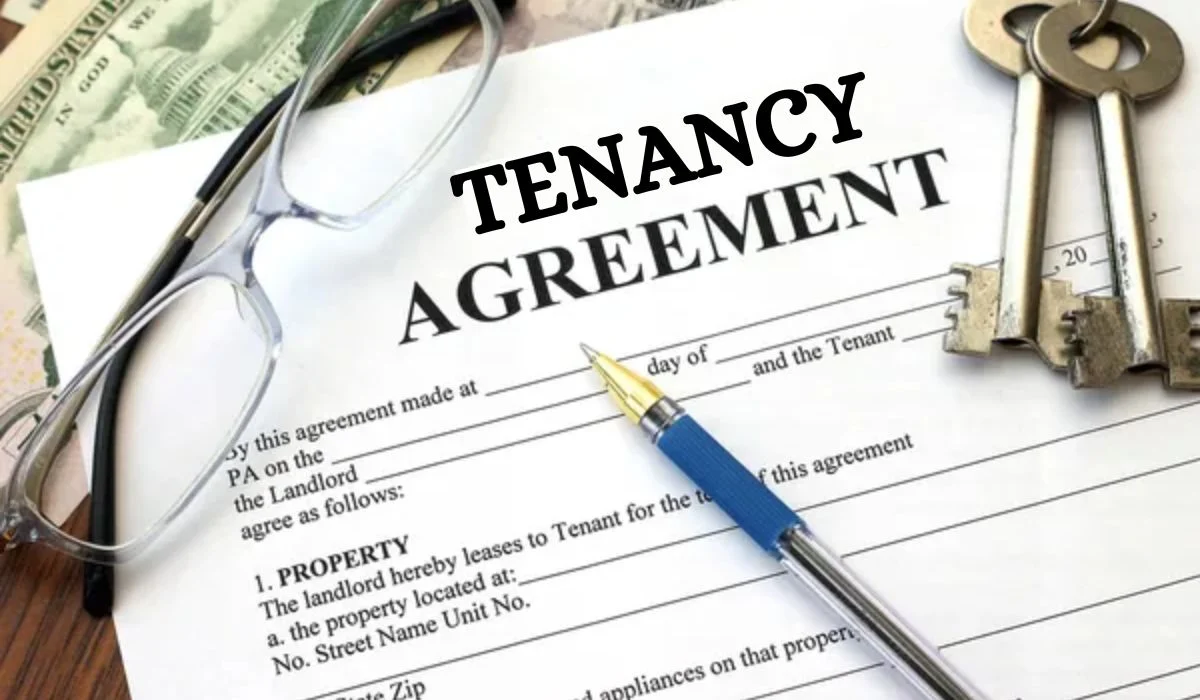
Tenancy Agreement: Meaning, Types, Key Clauses, Documents & Legal Updates in India
Updated : December 18, 2025, 2:47 PM
Author :
 Vivek
Vivek
Summary
A tenancy agreement is a written contract between the landlord and the tenant that defines the rent, duration, rights, and duties. It is needed to prevent disputes, ensure legal protection, and clarify responsibilities. In India, common types include lease agreements, leave-and-licence agreements, month-to-month tenancies, and rent agreements, each suited to different durations and needs. Proper registration, terms, and compliance protect both parties and support smooth property use and lawful occupancy throughout the rental period.
Table of Contents
What is a Tenancy Agreement?Key Clauses in a Tenancy AgreementDocuments Required for Tenancy Agreement RegistrationTypes of Tenancy Agreement in IndiaTenancy Agreement FormatRental Agreement vs Lease AgreementPros & Cons of Tenancy vs Lease AgreementsRecent Legal Updates Affecting Tenancy Agreements (Apex Court Ruling)Summary Table: Apex Court Rulings on TenancyHow NoBroker Helps With Tenancy AgreementsFrequently Asked Questions?
The tenancy agreement in India governs the legal relationship between landlords and tenants. It explains rental terms, payment rules, duration, security deposit, and exit conditions clearly. Indian rental systems evolved through rent control laws and changing state tenancy regulations after independence. Structured legal frameworks developed post-1947 to manage housing. Today, types of tenancy include lease, leave and license, and monthly and fixed-term arrangements, while registration, dispute resolution, tenancy protection, and landlord obligations vary across state laws in India.
What is a Tenancy Agreement?
A tenancy agreement is a written agreement that sets the terms of renting property, including rent, tenure, maintenance, and termination. It provides legal security, record consent, and reduces conflicts. In India, rentals are governed by state tenancy laws, rent control provisions, and the Karnataka Rent Act 1999, which protects the rights of landlords and tenants. [1]
Key Clauses in a Tenancy Agreement
Key clauses in the rental tenancy agreement define clear terms between landlord and tenant, ensuring transparency, legal safety, smooth occupancy, payments, responsibilities, and hassle-free exists throughout the rental period. Below are a few points to keep in mind:
- Rent: The rent clause specifies the monthly amount, payment date and mode, penalties for delay, and revision terms, ensuring affordability, clarity, and timely payments.
- Security Deposit: The security deposit clause defines the amount, purpose, refund timeline, permitted deductions, and measures to prevent misuse, while protecting the landlord against damages and safeguarding the tenant's interests.
- Notice Period: The notice period specifies the advanced notice required for termination, vacancy, renewal, and mutual exit, reducing disputes and enabling smooth transition planning.
- Maintenance: The maintenance clause allocates repair and utility responsibilities, wear-and-tear handling, and access rights, and ensures the property remains functional, safe, and habitable.
Documents Required for Tenancy Agreement Registration
Registering a tenancy agreement requires specific documents to verify identities, ownership, and consent, ensuring legality, transparency, and protection for both landlord and tenant during the rental registration process in India. Below is the list of documents required:
Landlord Documents:
- Property ownership proof (sale deed or tax receipt)
- Landlord identity proof (Aadhaar, PAN & Passport)
- Address proof of landlord
- Passport-sized photographs
- Bank details forthe rent receipt
Tenant Documents:
- Tenant identity proof (Aadhaar, PAN, Passport, Voter ID)
- Address proof of tenant
- Passport-sized photographs
- Employment or reference details (if required)
Types of Tenancy Agreement in India
A tenancy agreement defines a rental agreement in India, outlining the duration, rights, and obligations, while types of rental agreements help landlords and tenants choose suitable formats for flexible, secure, and property occupancy. Below are the types of tenancy agreements:
- Lease agreement: Long-term contract, usually exceeding one year, offering stronger legal rights and stability.
- Leave and License Agreement: Short-term agreement granting usage rights without transferring property interest.
- Month-to-Month Tenancy: Automatically renews monthly, providing flexibility with shorter notice periods.
- Rent agreement: A common short-duration contract, generally under eleven months, is simple and widely used.
Rental Agreement
A rental agreement is a short-term contract that defines rent, duration, rules, and responsibilities between a landlord and a tenant for residential purposes.
- It is usually valid for eleven months and renewable by mutual consent.
- Specifies rent amount, payment cycle, and security deposit clearly.
- Includes notice period, maintenance duties, and basic usage rules.
- Simple, affordable, and commonly used for residential properties.
Lease Agreement
A lease agreement is a long-term rental contract that defines property rights, duration, rent, obligations, and types of lease agreements.
- Usually valid for more than one year and legally enforceable when registered.
- Offers stability, fixed rent terms, and stronger rights for both parties.
- Clearly states renewal, termination, and usage conditions.
- Common for commercial and long-term residential properties
Tenancy Agreement Format
This Rent agreement is hereby executed at ____________ on this ________ day of ___________ between:
________________ son of _________________ R/o ______________________ (hereinafter referred to as First party/landlord) this term would include his heirs, successors, legal representatives and assigns etc.
AND
_________________ son of _________________, resident of _________________________________ (hereinafter called the tenant/Second party) of the other part, which expression shall mean and include his heirs, successors, legal representatives and assigns etc.
The premise is in the possession of the owner, who is the first party with the residential house or flat No. _____________________________________ and he has agreed to let out the said flat as monthly rent basis to the second party /tenant
NOW THIS AGREEMENT WITNESSETH AS UNDER: –
1. The monthly rental of the agreed premises is agreed and fixed at Rs___________/-(Rupees) per month, which does not include water, electricity, and other incidental charges.
2. This rental period is effective from the 1st of the agreed month till 11 months. 1st day of _______________
3. The tenant should deposit a sum of Rs. ____________/- (Rupees __________ only) as the security amount, which will be refunded /adjusted at the time of vacating the said premises.
4. The tenant should use the premises for residential purposes only and not for commercial purposes.
5. The tenant Shall not sublet or part with possession of the premiss.
6. Failure to pay rent for 2 consecutive months shall entitle the landlord to terminate the tenancy.
7. The tenant has to pay the electricity bills month on month on his responsibility and this amount is not included in the monthly rental ___________.
8. The tenant has to maintain the rental premises properly and keep all the fittings and fixtures. The second party shall not damage the fittings and fixtures and maintain them properly. In case there is any damage, he has to bear the repair charges himself.
9. The rented premise should be maintained the way it has been let out to him. He cannot make any construction or alterations to the residential premises without the permission of the landlord.
10. The landlord or any authorised person on his behalf has a right to inspect the rented residential premises at a mutually convenient time.
11. Either party can terminate the agreement by giving one month’s prior notice.
12. The above terms are binding and final for both parties.
This agreement is signed and agreed by both the parties on this day, date, month and year in the presence of witnesses at _____________.
WITNESSES: -
1- FIRST PARTY
2- SECOND PARTY
Rental Agreement vs Lease Agreement
Rental and lease agreements define property usage terms, differing mainly in duration, legal strength, flexibility, and registration, helping landlords and tenants choose suitable options for short or long-term occupancy needs.
| Basics | Rental Agreement | Lease Agreement |
| Duration | Short term, usually up to 11 months | Long term, generally more than one year |
| Registration | Usually not mandatory | Mandatory when exceeding one year |
| Flexibility | Easily renewable or terminable | Fixed term with limited flexibility |
| Rent Revision | Can be revised frequently | Usually fixed for the lease period |
| Legal Strength | Comparatively lower | Stronger legal enforceability |
| Usage | Common for residential properties | Suitable for residential and commercial use |
Pros & Cons of Tenancy vs Lease Agreements
Tenancy and lease agreements offer different benefits depending on duration, flexibility and legal protection, helping landlords and tenants decide between the short-term convenience and long-term stability.
Tenancy Agreement
Pros:
- Flexible duration with easy renewal or termination.
- Lower registration and documentation requirements.
- Suitable for short-term residential stays
Cons:
- Weeker legal protection
- Frequent rent changes are possible
- Less stability for long-term planning
Lease Agreement
Pros:
- Strong legal protection when registered
- Fixed rent and terms for longer periods
- Greater security for both parties
Cons:
- Less flexibility to exit early
- Higher registration and stamp duty costs
- Long commitment may not suit short stays
Recent Legal Updates Affecting Tenancy Agreements (Apex Court Ruling)
The Indian judiciary has long been a source of support for tenants in disputes with landlords. And the recent ruling by the Apex Court is set to shake up the rental market for the better. So, what exactly did the Apex Court rule on tenancy? Let's take a closer look.
- Tenant can never become owner: The Supreme Court ruled that a tenant, regardless of the duration of the tenancy, cannot acquire ownership of rented property by adverse possession, reinforcing landlords' property rights. [2]
- Centra; Eviction Law Prevails: The Public Premises (Eviction of Unauthorised Occupants) Act overrides state rent control laws, allowing eviction under central law, even for long-held public-sector tenancies. [3]
- No SARFAESI Protection without proof: Court held tenants cannot claim protection under the SARFAESI Act unless tenancy existed before the mortgage, affecting eviction in mortgage enforcement. [4]
- Private Settlements Can’t Override Tenancy Laws: The Apex court blocked attempts to bypass statutory tenancy protections through private compromises, upholding statutory rights. [5]
- High Court on perpetual Tenancy limit: Karnataka High Court clarified that perpetual tenancy rights do not exist; tenancy devolves on heirs only for five years under the Rent Act [6]
Summary Table: Apex Court Rulings on Tenancy
This summary table highlights key Apex court rulings on tenancy, helping landlords and tenants understand recent legal interpretations, rights, eviction rules, and protection affecting rental agreements across India.
| Ruling Focus | Key Clarification | Impact on Tenancy |
| Tenant ownership claims | Tenant cannot claim ownership through long possession | Protects landlord property rights |
| Eviction Laws | Central eviction laws override state rent laws | Faster eviction for public premises |
| Mortgage vs Tenancy | Tenancy must exist before the mortgage for protection | Limits the misuse of tenant claims |
| Private Settlements | Private agreements cannot bypass tenancy laws | Ensures statutory tenant protection |
| Perpetual Tenancy | No permanent tenancy rights for heirs | Prevents endless tenancy claims |
How NoBroker Helps With Tenancy Agreements
NoBroker simplifies tenancy agreements by offering legally vetted drafts, online registration support, stamp duty assistance, and doorstep verification. It helps landlords and tenants create compliant agreements quickly without brokers. Transparent pricing, expert guidance, renewal reminders, and digital document storage make NoBroker a reliable, time-saving, and hassle-free choice for secure rental documentation across India, ensuring speed, trust, and convenience.

Frequently Asked Questions?
Q. What is a tenant?
Ans: A tenant is a person who is occupying any residential or commercial property on rent from the landlord or the landowner.
Q. What is a tenancy agreement in India?
Ans: A tenancy agreement is a legally binding document that has mutually agreed on terms from the tenant and the property owner regarding the rental occupancy of the space.
Q. Is there a time period for tenancy agreements?
Ans: Yes, there is a pre-defined and agreed tenure of the tenancy agreement. The tenure can be mutually decided by the tenant and the owner.
Q. Is the tenancy agreement legally binding in India?
Ans: Yes, a tenancy agreement drafted on stamp paper and signed by all the parties is legally binding on the tenants as well as the owners.
Q. Can the tenancy agreement be modified to make changes in the terms and conditions?
Ans: Yes, the tenants and landowner can choose to make modifications and changes to the tenancy agreement after signing it.
Q. Is a tenancy agreement required for 11-month rentals?
Ans: Yes, a tenancy agreement is recommended for 11-month rentals to define terms, protect rights, avoid disputes, and support clarity.
Q. Can a tenancy agreement be renewed automatically?
Ans: Automatic renewal depends on agreement terms; usually, tenancy must be renewed mutually, unless a clause allows continuation under the same conditions.
Recommended Reading

Society Maintenance Charges : Meaning, Cost, Types and Calculation
January 31, 2025
202004+ views

Leave and License Agreements: Meaning, Calculator, Format and Registration in 2026
January 31, 2025
68246+ views

A Comprehensive Guide to Karnataka Rent Control Laws and Tenant Rights
January 31, 2025
62298+ views
Paying Guest Agreement Format: Rules, Terms, Sample and Legal Rights in India
January 31, 2025
38412+ views

Uttar Pradesh Rent Control Act Explained
January 31, 2025
35866+ views
ARTICLE SOURCES
Most Viewed Articles

Franking Charges Explained: Meaning and Benefits
January 31, 2025
1116968+ views
Society Maintenance Charges : Meaning, Cost, Types and Calculation
January 31, 2025
202004+ views

Daughter's Right in Fathers' Property - the Law is Finally Equal for both Genders?
June 1, 2025
146310+ views

BBMP E-Khata Registration process for property owners in Bangalore, Karnataka in 2025
March 19, 2025
145603+ views

Rectification Deed Format and Process in India 2026
June 1, 2025
136504+ views
Author
Loved what you read? Share it with others!
Recent blogs in
Article 35 I Lease Rent Deed: Process, Calculation and Legal Guidelines in 2026
March 9, 2026 by Kiran K S
Deed of Variation Lease: Meaning, Format & Legal Process Explained in 2026
March 9, 2026 by Manasvi Bachhav










 Full RM + FRM support


Join the conversation!