Table of Contents
Loved what you read? Share it with others!


How to Clean Kitchen Exhaust Fan Properly: Tools, Methods and Safety Tips in 2026
Updated : January 23, 2026, 5:25 PM
Author :

Table of Contents
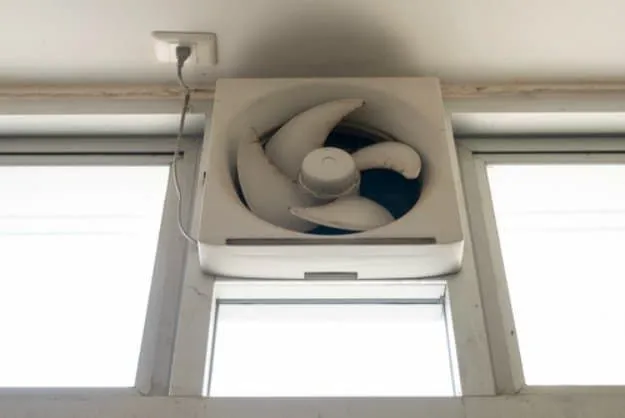
Knowing how to clean the kitchen exhaust fan helps maintain airflow and kitchen hygiene. First, switch off the power, remove the cover, and loosen the grease using warm water and dish soap. Basic tools like screwdrivers, brushes, microfiber cloths, and degreaser are enough for most homes. Regular cleaning exhaust fans routines prevents odor buildup and motor stains. DIY cleaning costs around ₹200-₹500, while professional cleaning ranges from ₹1000-₹1500, depending on size and grease level, saving time and effort for modern Indian kitchens.
Things Required to Clean Kitchen Exhaust Fan
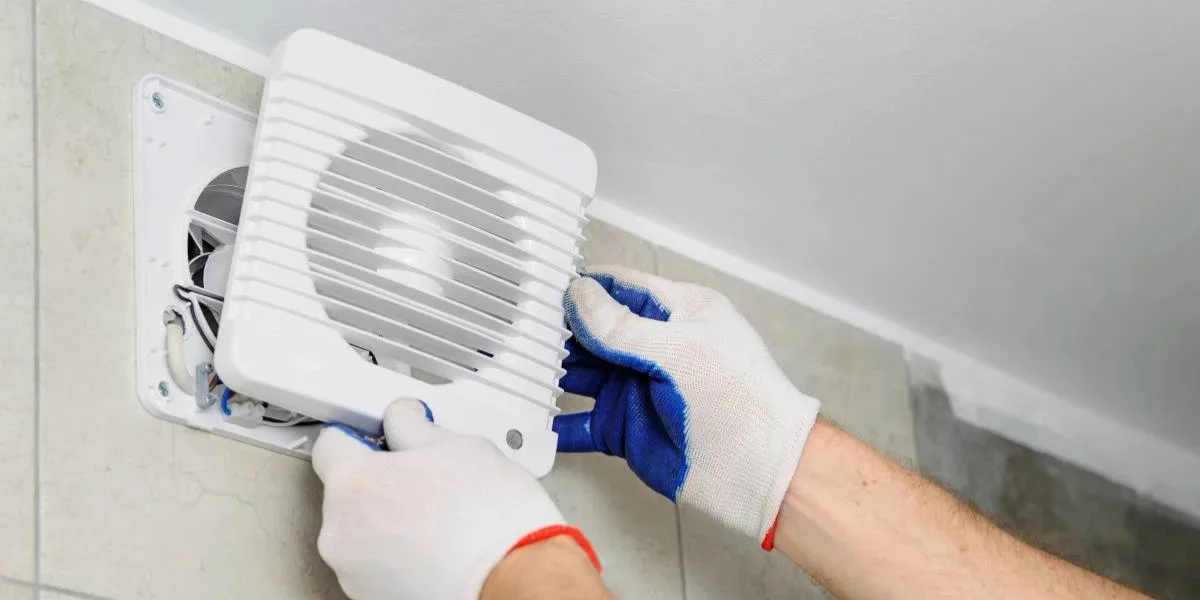
Before starting, gather essential items to ensure safe, effective cleaning and avoid damage. The table below has the list of all the products needed to protect surfaces in any kitchen with an exhaust fan safely.
| Items | Purpose |
|---|---|
| Screwdriver | To remove fan covers or filters |
| Dish soap or degreaser | Breaks down grease and oil residue |
| Baking Soda | Helps to remove stuck-on grime |
| Vinegar | Natural cleaner for dissolving grease |
| Old Toothbrush | Scrubs small and tight areas |
| Microfiber cloths | Wipes down and dries fan parts |
| Warm Water | Used for soaking and cleaning |
How to Clean Kitchen Exhaust Fan Grease?
Cleaning the grease from your kitchen exhaust fan is crucial to maintaining proper ventilation and a healthy cooking environment. Over time, the exhaust fan accumulates grease and oil, reducing its efficiency and posing potential fire risks. Wondering how to clean a greasy exhaust fan? Here's a comprehensive guide to help you through the process using some effective and proven methods:
- Step 1: Preparation: Ensure the exhaust fan is turned off and unplugged. Wear protective gloves and safety goggles for protection.
- Step 2: Remove the Exhaust Fan Filter: Use a screwdriver to remove the exhaust fan filter. It's an essential step in understanding how to clean kitchen exhaust fan filters.
- Step 3: Soaking the Filter: Fill a basin with warm water and a quality degreaser or your chosen kitchen exhaust cleaning chemicals. Allow the filter to soak for a minimum of one hour.
- Step 4: Scrubbing the Filter: After soaking, scrub away the grease and dirt using a brush. For stubborn grease spots, sprinkle some baking soda and scrub.
- Step 5: Rinse and Dry: Rinse the filter under running water to remove all cleaning solution residues. You can either let it air dry or gently pat it dry using a clean cloth.
- Step 6: Cleaning the Exhaust Fan: To remove oil from the exhaust fan blades and inner parts, wipe with a cloth soaked in a degreaser mixture. For thick grease areas, use a soft brush.
- Step 7: Reassemble the Exhaust Fan: Once everything is clean and dry, put the fan back together, ensuring all parts are secure.
How to Clean the Exhaust Fan Without Removing It?
Discover practical kitchen cleaning tips to maintain your exhaust fan's efficiency without the hassle of removing it. Follow these simple steps to ensure a clean and safe kitchen environment.
- Step 1: Safety First: Ensure the exhaust fan or range hood is turned off. Unplug the unit from the electrical outlet for safety during cleaning.
- Step 2: Remove the Filter: Most kitchen exhaust fans come with removable filters. Gently slide or pop out the filter.
- Step 3: Soak the Filter: Fill your sink or a large basin with warm water and add a few drops of dish soap or degreaser. Place the filter in the soapy water and let it soak for 10-15 minutes.
- Step 4: Scrub the Filter: After soaking, use the old toothbrush or sponge to scrub the filter gently. Pay attention to areas with thick grease or grime buildup.
- Step 5: Rinse and Dry: Thoroughly rinse the filter under running water. Shake off excess water and leave it to air dry completely before reinserting it.
- Step 6: Clean the Fan Blades and Interior: If your exhaust fan has visible blades or an internal fan, clean them gently using a cloth dampened with soapy water. Ensure not to let water drip into the motor. For hard-to-reach areas, the old toothbrush can be helpful.
- Step 7: Vacuum the Exterior: Using the brush attachment on your vacuum, gently vacuum the exterior of the exhaust fan to remove dust and cobwebs.
- Step 8: Wipe Down the Exterior: Dampen a cloth with soapy water and wring out excess moisture. Wipe down the exterior of the exhaust fan to remove grease and dirt. Then, using a dry cloth or paper towel, dry off any remaining moisture.
- Step 9: Reassemble the Unit: Once the filter is completely dry, place it back into the exhaust fan. Reconnect the unit to the electrical socket.
- Step 10: Test: Turn on the exhaust fan to ensure it's working properly.
Remember to clean your kitchen exhaust fan regularly to maintain its efficiency and prolong its lifespan. Monthly cleaning or at least once every three months is recommended, depending on how frequently you cook.
DIY Kitchen Exhaust Fan Cleaning Solutions Using Household Items
Cleaning your kitchen exhaust fan is an essential task to maintain good indoor air quality and prevent fire hazards. You can create effective DIY exhaust fan cleaning solutions using common homemade cleaning aids. Here are some methods to clean your kitchen exhaust fan at your home:
Before you start: Make sure to turn off the power to your kitchen exhaust fan and, if possible, remove the filters or cover for easier access and cleaning.
1. Baking Soda and Vinegar Solution:
- Step 1: Mix 1/2 cup of baking soda with 1/4 cup of white vinegar to create a foaming cleaning solution.
- Step 2: Apply the mixture to the fan blades, housing, and filters using a sponge or cloth.
- Step 3: Let it sit for 10-15 minutes to break down grease and grime.
- Step 4: Scrub the surfaces gently and wipe them clean with a damp cloth.
- Step 5: Rinse the filters with water and let them dry completely before reinstalling.
2. Dish Soap and Water:
- Step 1: Fill a basin or sink with warm, soapy water (use mild dish soap).
- Step 2: Remove the filters and soak them in the soapy water.
- Step 3: Wipe down the fan blades, housing, and other surfaces with a sponge or cloth soaked in soapy water.
- Step 4: Thoroughly rinse the filters and let them dry completely before reinserting them.
3. Lemon and Salt Solution:
- Step 1: Slice a lemon in two and scatter some salt over the cut surface.
- Step 2: Use the lemon as a scrubber for the fan blades and surfaces.
- Step 3: The natural acidity of the lemon helps break down grease, while the salt acts as an abrasive cleaner.
- Step 4: Wipe away the residue with a damp cloth and rinse the filters.
4. Ammonia and Water (for stubborn grease):
- Step 1: Only use this method if other methods haven't worked, and ensure proper ventilation.
- Step 2: Dilute 1/4 cup of ammonia in a gallon of water.
- Step 3: Apply the solution to the exhaust fan blades and surfaces with a sponge or cloth.
- Step 4: Allow it to sit for a few minutes to loosen stubborn grease.
- Step 5: Cleanse by wiping with a moistened fabric and ensure a thorough rinse afterwards.
How Often Should You Clean an Exhaust Fan?
Cleaning your kitchen fan regularly is important to maintain airflow and reduce grease buildup. Knowing how to clean a kitchen exhaust fan helps keep your cooking space safe and fresh. Below are a few points on how to clean it:
- Unplug the fan before cleaning: Always unplug the kitchen exhaust fan before cleaning to avoid electric shock. This is a basic safety step you should never skip during your cleaning process.
- Clean Every 1-2 Months: Grease and dust collect quickly, so cleaning the kitchen exhaust fan every 1-2 months helps maintain the airflow, prevents bad odours and reduces the risk of fire.
- Remove and Soak the Filters: Take out the mesh or baffle filters and soak them in hot water mixed with dish soap or baking soda. This loosens grease and makes scrubbing easier.
- Scrubs bladed with degreaser or Vinegar: Use a vinegar or degreaser solution and an old toothbrush to scrub the fan blades and corners where grime builds up.
- Wipe everything with a microfiber cloth: After cleaning, wipe everything with a microfiber cloth to remove any leftover moisture and grease.
When to Call a Professional Cleaner?
Sometimes, regular cleaning isn’t enough, and that’s when expert help is required. If you are not sure how to remove grease from the exhaust fan, then it’s time to call a professional cleaner. Below are a few points to keep in mind:
- Heavy Grease Buildup: If thick sticky grease won’t come off easily, call NoBroker professionals as they use an industrial-grade tool to deep clean safely.
- Fan making sound or vibrating: Unusual sounds indicate internal blockages, and an expert can fix it without damaging the appliances.
- Hard-to-reach areas are dirty: For tall chimneys and built-in fans, NoBroker offers full services and uses tools that can clean properly.
- When you haven’t cleaned for 6 months: Too much delay can clog the motor. Call NoBroker trained cleaners who will handle the job without risking the safety of the people.
- When you don’t know how to clean the exhaust fan in the Kitchen: If you are not sure about the proper method, NoBroker’s team will ensure safe, hassle-free and efficient cleaning
NoBroker Cleaning Services – Your Trusted Partner for a Pristine Kitchen!
NoBroker cleaning services keep your kitchen spotless with professional exhaust fans, chimneys, and deep-cleaning solutions. Trained experts, safe products, transparent pricing, and flexible scheduling make them reliable. Choose NoBroker for hassle-free booking, affordable plans, timely service, and consistent results that improve hygiene, airflow, and everyday cooking comfort.
Frequently Asked Questions?
A: The frequency with which you should clean your kitchen exhaust largely depends on how often you cook and what type of cooking you do. As a general guideline:
1) For light cooking (e.g., boiling, steaming): every 3-6 months.
2) For regular/moderate cooking: every 2-3 months.
3) For heavy cooking (e.g., frying, grilling): every month.
A: Absolutely! In India, NoBroker offers a wide range of home services, and you can often find professional kitchen exhaust cleaning among them. NoBroker can help you with verified service providers, ensuring safe and effective cleaning for your kitchen exhaust system.
A: If you decide to use chemicals, always opt for kitchen-safe, non-toxic, and eco-friendly solutions. Read the product label and follow the manufacturer's guidelines closely. Some chemicals can corrode or damage the exhaust if not suitable. It's crucial to rinse thoroughly after cleaning to ensure no chemical residues remain, which could contaminate the air when the exhaust is used.
A: Indications that your kitchen exhaust fan might need cleaning include:
1) Reduced airflow or weaker suction.
2) Accumulation of grease or grime when you touch the surface or the filters.
3) A noticeable increase in kitchen odours.
4) The exhaust makes more noise than usual.
5) Visible smoke or haze in the kitchen even with the fan on.
A: Yes, cleaning your kitchen exhaust regularly will help in reducing cooking odours. A clean exhaust system works more efficiently, removing cooking fumes and odours effectively. Accumulated grease and grime can trap and hold odours, so regular cleaning ensures these smells are eliminated.
A: Yes, a clogged kitchen exhaust can lead to increased electricity bills. When the exhaust or its filters are clogged, the motor needs to work harder to expel the air, leading to increased energy consumption. A clean and well-maintained exhaust system operates more efficiently, conserving energy and reducing electricity costs.
A: For optimal performance, it's recommended to clean your range hood filter every three to four months, or more frequently if you cook often
A: Kitchen vent cleaning should ideally be performed every 3-6 months to ensure optimal airflow and prevent grease buildup.
A: A residential range hood cleaning service specializes in thoroughly cleaning the exhaust system of kitchen range hoods in homes, removing grease and grime buildup for enhanced safety and efficiency.
A: Yes, it is safe to clean the kitchen exhaust fan when you turn off the power first and then follow the basic steps. Also, use a gentle cleaner and tools to avoid damaging parts.
A. If the fan still smells, grease may be stuck deep inside or in the ducts. Try to clean it again or contact a professional cleaner from NoBroker to remove hidden buildup and bad smell.
A. To clean, first turn the power off, remove the cover, soak the greasy part in warm soapy water, scrub gently with a brush, wipe blades, and dry completely.
A. Colin kitchen cleaner, Cif Degreaser, Lizon Kitchen Cleaner, Presto Degreaser spray, and Mr Muscle Kitchen Cleaner are the top 5 products that remove grease buildup.
Recommended Reading
How to Clean Kitchen Exhaust Fan Properly: Tools, Methods and Safety Tips in 2026
January 15, 2025
14302+ views
How to Clean Your Kitchen Sink: Simple Steps for a Sparkling Finish in 2026
January 31, 2025
13359+ views
14 Easy Kitchen Cleaning Tips for a Fresh, Shiny and Hygienic Home in 2026
September 11, 2025
11811+ views

How to Get Rid of Fruit Flies in Your Kitchen: Tips and Tricks
January 31, 2025
7755+ views
How to Clean Microwave Oven: Quick and Effective Cleaning Hacks You Must Try Out
January 31, 2025
6383+ views
NoBroker Easy Cleaning Tips Testimonials
Most Viewed Articles

List of the Best Home Cleaning Apps: Book Home Cleaning Services for Daily and Deep Cleaning
January 31, 2025
27259+ views
Deep Clean Your Washing Machine: Step-by-Step Guide & Tips
January 31, 2025
21697+ views
How to Get Rid of Bathroom Flies: 8 Quick Methods
January 31, 2025
20905+ views

Top 10 Tile Cleaner Liquids with Prices in India for 2026
February 23, 2025
19545+ views

Diwali Cleaning Tips and Guide: Make Your Home Shine for the Festival in 2026
January 31, 2025
18305+ views
Author
Loved what you read? Share it with others!
Recent blogs in
Move-In vs Move-Out Cleaning: Key Differences & Complete Checklist in 2026
March 9, 2026 by Krishnanunni H M
Bathroom Steam Cleaning: Process, Benefits, and Professional Tips in 2026
March 9, 2026 by Priyanka Saha










 Full RM + FRM support


Join the conversation!