- https://www.liyaans.com/industry-news/article/how-to-identify-fake-property-documents-and-avoid-fraud
- https://www.flammialaw.com/what-is-property-fraud-and-should-i-be-concerned/
- https://www.weisberglawoffices.com/blog/2024/february/types-of-real-estate-fraud/
- https://www.canada.ca/en/financial-consumer-agency/services/real-estate-fraud.html
- https://www.bricknbolt.com/blogs-and-articles/permits-and-legal/avoid-real-estate-scams-india
- https://www.puravankara.com/real-estate-blog/important-documents-check-buying-property-india
- https://propertywatcher.in/how-can-we-prevent-property-fraud-in-india/
- https://en.wikipedia.org/wiki/Real_Estate_%28Regulation_and_Development%29_Act%2C_2016
Table of Contents
Loved what you read? Share it with others!



How to Avoid Property Fraud in India: Legal Verification & Document Checklist
Updated : November 26, 2025, 4:05 PM
Author :
 Krishnanunni
Summary
Property fraud happens when fake ownership, forged documents, illegal layouts, or double-selling mislead buyers. To stay safe, it is important to check early warning signs, verify approvals, confirm seller identity, and review all property documents. Steps like title checks, encumbrance verification, RERA compliance, and proper legal due diligence help prevent scams. Government rules and professional services, such as NoBroker’s legal assistance, further protect buyers and support secure property transactions.
Table of Contents
Property fraud is growing rapidly, so buyers must stay careful when investing in land or a home. Most fraud happens when documents aren’t verified properly or ownership details aren’t clear. Understanding how to avoid property fraud is key to preventing financial loss. Always verify the seller’s identity, check title records, and review every legal document. Taking guidance from a legal expert can help detect fraud early and ensure a safe, lawful property transaction. [1]
What Is Property Fraud?
When people ask what property fraud is, they’re referring to situations where someone is deceived through fake Property ownership claims, forged documents, or misleading property details. This fraud occurs when a person unlawfully presents property as their own, tampers with legal documents, or conceals important information to gain a financial advantage. Such scams can appear during sales, registrations, rentals, or even loan processes. Victims often face financial loss, legal troubles, and delays in getting rightful ownership. Knowing how these schemes work helps buyers stay protected in any real estate transaction. [2]
Common Types of Real Estate Fraud
People who search for ‘what is real estate fraud’ often want to understand the scams that target homebuyers, sellers, and tenants. [3] [4]
- Title fraud: Occurs when someone illegally transfers ownership through forged signatures or impersonation, leading unknowing buyers to purchase property from a person with no legitimate rights.
- Fake property documents: Involves forged sale deeds, altered tax papers, or fabricated approvals created to mislead buyers into believing the property is genuine, legal, and free from disputes.
- Benami property transactions: Occur when property is purchased under another person’s name to hide the real owner, often used for illegal activities, tax evasion, or concealing undisclosed financial assets.
- Double selling of property: When a seller illegally sells the same property to multiple buyers, creating disputes, confusion, and financial loss for anyone who fails to verify past transactions properly.
- Illegal layouts/unapproved land: Fraudsters sell plots lacking government approvals or located in restricted zones, leaving buyers vulnerable to demolition, penalties, and future construction or utility restrictions.
- Encroached or disputed land: Involves selling land already under legal disputes, partially encroached, or involved in litigation, causing buyers to face long legal battles over rightful possession.
- Fraudulent power of attorney (POA): Scammers use fake, expired, or revoked POA documents to sell property without the owner’s consent, tricking buyers into completing transactions with no valid ownership transfer.
- Rental frauds: When scammers collect deposits for properties they don’t own or rent the same home to multiple tenants, causing financial loss and immediate housing uncertainty.
How to Identify Property Fraud Early?
Spotting property fraud early helps buyers avoid major financial and legal trouble. Small red flags in ownership records, pricing, approvals, or seller behavior often reveal deeper issues that need immediate attention. [5]
- Check property ownership history: Review Property ownership records, mutation entries, and past transfers to confirm the property has a clear, dispute-free background and no suspicious ownership changes.
- Verify previous transactions: Look into earlier sale deeds, mortgages, and encumbrance details to ensure no hidden loans, claims, or unresolved legal actions are tied to the property.
- Review original documents, not photocopies: Always inspect original sale deeds, tax receipts, and approvals because photocopies can hide alterations, missing pages, or forged information.
- Validate approvals and sanctioned plans: Confirm layout approvals, building permits, land-use permissions, and sanctioned plans directly with local authorities to avoid buying illegal or restricted land.
- Check for abnormal pricing: Be cautious if a property is priced too low compared to market rates, as unusually cheap deals often signal legal issues, disputes, or fraudulent intentions.
- Watch out for quick-closing pressure: Fraudsters push buyers to close deals fast, discouraging verification; pressure tactics often indicate hidden problems or incomplete documentation.
Essential Documents to Check Before Buying Property
Carefully reviewing key documents helps buyers avoid property fraud and ensures the transaction is legally valid. Each record confirms ownership, approvals, and past activity, reducing the chances of hidden issues or disputes. [6]
- Sale deed: The primary legal document proving ownership; verify seller details, property description, consideration value, and registration authenticity to ensure the transfer is lawful and free from disputes.
- Khata / Patta / RTC: These land and property records confirm lawful ownership, type of land, and revenue details; always match entries with official government portals before proceeding.
- Encumbrance Certificate: Shows previous transactions, mortgages, and legal dues; a clean EC confirms the property is free from loans, claims, litigation, or financial liabilities that could cause trouble later.
- Tax receipts: Updated tax receipts confirm the seller has paid municipal or land taxes, proving genuine ownership and avoiding future penalties or unpaid dues.
- Occupancy / Completion certificate: Issued by local authorities to confirm the building was constructed legally and is safe for use; essential for home loans and secure future resale.
- Approved building plan: Verifies that the construction follows sanctioned plans and complies with zoning laws; prevents issues related to illegal floors, deviations, or demolition risks.
How to Avoid Property Fraud?
Understanding how to avoid property fraud starts with careful verification, legal checks, and secure financial practices. Small, preventive steps can protect buyers from major disputes, forged documents, or misleading claims during a property transaction. [7]
Property Verification Steps
- Title deed check: Confirm the original registered title deed, ownership clarity, and property boundaries to ensure the seller has genuine and undisputed rights over the property.
- Encumbrance certificate verification:
Review the EC to check for mortgages, loans, legal dues, or previous claims so you don’t inherit hidden liabilities after purchase. - RERA registration check: Verify the project on the official RERA portal to ensure compliance, approvals, legal validity, and the builder’s track record.
- Khata / mutation certificate: Confirm updated Khata or mutation entries that validate ownership changes and ensure the property is recorded correctly in municipal records.
- Tax receipts & utility bills: Check for updated receipts to confirm rightful ownership and ensure there are no outstanding water, electricity, or municipal tax dues.
Legal Due Diligence
- Hire a property lawyer: A legal professional can verify documents, identify red flags, and ensure all paperwork complies with property laws.
- Conduct physical site inspection: Inspect the location, boundaries, construction status, and possible encroachments to avoid legal or structural complications later.
- Check court cases: Search for litigation history to confirm the property or seller is not involved in disputes, pending cases, or stay orders.
- Verify seller identity & PAN: Cross-check the seller’s ID, PAN, and address proof to confirm authenticity and avoid impersonation-based fraud.
Financial Safety Measures
- Avoid cash transactions: Make payments traceable and legal by avoiding cash dealings that can hide fraud or prevent future proof of payment.
- Use bank payments only: Bank transfers create a clear financial trail that protects you during disputes and ensures transparency.
- Take payment receipts: Always collect written, signed receipts for every payment to avoid future denials or confusion.
- Verify home loan eligibility and bank approval: Bank-approved properties undergo strict checks, reducing the chances of legal issues or fraudulent ownership.
Government Regulations That Help Prevent Property Fraud
Stronger government systems now make property transactions safer by improving transparency, tracking ownership, and verifying documents. [8]
- RERA compliance: RERA mandates project registration, builder accountability, and full disclosure of plans, ensuring buyers receive verified information.
- Digital land records: Government portals now provide online access to ownership details, mutation entries, and survey numbers, helping buyers cross-check land information directly from official databases.
- E-stamp and online registration: Digital stamping and online registration reduce forgery, duplicate deeds, and manipulation by ensuring secure, tamper-proof documentation and transparent transaction tracking.
- Property tax record transparency: Updated municipal tax portals allow buyers to verify property tax status, ownership names, and pending dues, preventing fraud linked to unpaid taxes or incorrect ownership entries.
How NoBroker Helps With Legal Services?
NoBroker offers reliable legal support that helps buyers avoid real estate fraud by ensuring every document and detail is thoroughly verified. Their legal team checks property papers, reviews title history, and confirms ownership so buyers know the property is genuine. They also conduct full legal due diligence, verify RERA compliance for under-construction projects, and validate the seller’s identity to prevent impersonation scams. With expert oversight at every step, NoBroker helps buyers make safe, informed, and legally secure property decisions.
Frequently Asked Questions?
Q1. Can property fraud occur even with a registered sale deed?
Ans: Yes. A registered sale deed can still involve fraud if earlier ownership records, encumbrances, or legal disputes were hidden. Always verify title history and supporting documents.
Q2. How do I verify whether a builder is RERA-registered?
Ans: Visit your state’s official RERA website, search the project or builder name, and review its registration details, approvals, and compliance status.
Q3. Can NRIs check property title records online?
Ans: Yes. Most states offer digital land-record portals where NRIs can verify ownership, mutation entries, and encumbrances from anywhere.
Q4. What should I do if I suspect real estate fraud?
Ans: Stop all payments, collect all documents, and consult a property lawyer immediately. File a police complaint if you have strong evidence or notice clear red flags.
Q5. Are digital signatures safe to rely on during property transactions?
Ans: Yes, if a licensed certifying authority issues them. Digital signatures add security, authenticity, and traceability, reducing the chances of document tampering.
ARTICLE SOURCES
Most Viewed Articles
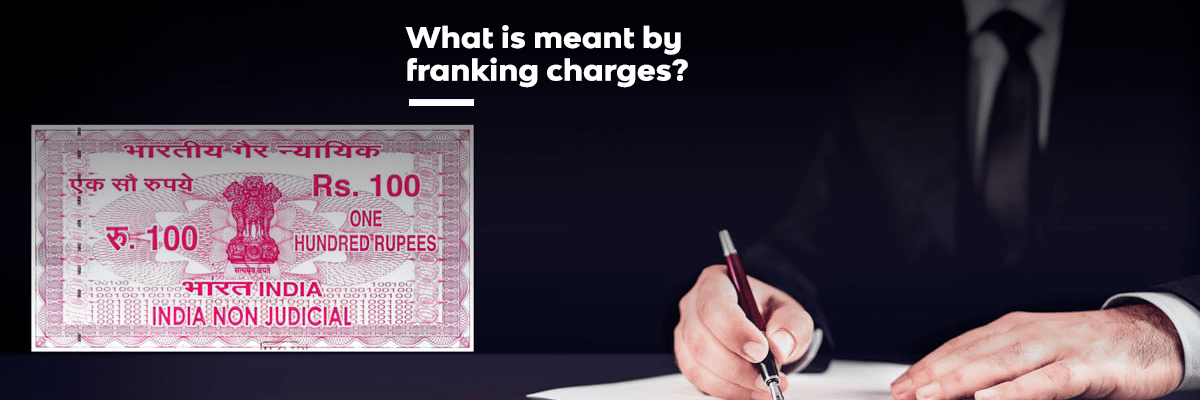
Franking Charges Explained: Meaning and Benefits
January 31, 2025
1117022+ views

Society Maintenance Charges : Meaning, Cost, Types and Calculation
January 31, 2025
202804+ views

Daughter's Right in Fathers' Property - the Law is Finally Equal for both Genders?
June 1, 2025
146894+ views

BBMP E-Khata Registration process for property owners in Bangalore, Karnataka in 2025
March 19, 2025
145603+ views
Rectification Deed Format and Process in India 2026
June 1, 2025
136952+ views
Author
Loved what you read? Share it with others!
Recent blogs in
Difference Between Perpetual Lease Deed and Conveyance Deed: Meaning & Key Features
March 23, 2026 by Ananth
Lease Deed of Immovable Property: Meaning, Legal Requirements & Execution Process
March 23, 2026 by Ananth










 Full RM + FRM support


Join the conversation!