Table of Contents
Loved what you read? Share it with others!



The House Construction Agreement: Sample and Legal Terms in 2026
Updated : March 11, 2026, 6:55 PM
Author :
 Vivek
Vivek
A house construction agreement is a legal contract signed between the builder and the property owner. It clearly states the cost, details of the work, materials needed, and timeline. This agreement is important because it prevents further disputes between the two parties. The owner is assured of quality and timely work, while the builder gets payment security. Having everything outlined in the written contract ensures a smooth, transparent, and legally safe process.
Table of Contents
A home construction contract is a written document signed between the property owner and the builder before construction begins. A house construction agreement typically includes details such as project scope, timeline, materials required, cost, and payment terms. It is needed to avoid further disputes and safeguard the right. In India, such agreements are governed by the Indian Contract Act, 1872 (Section 10, which pertains to the validity of contracts), making them legally enforceable. If registered, it gained stronger legal protection. The cost of preparing this agreement typically depends on the lawyer's fees or stamp duty charges. It is widely used in housing and commercial projects, ensuring transparency, timely completion, and quality assurance. Having a clear agreement gives peace of mind and smooth construction progress.
What is a House Construction Agreement?
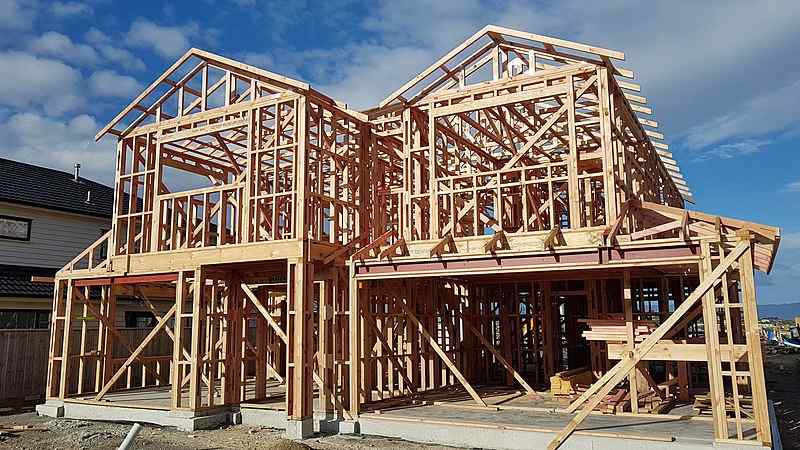
A house construction agreement is a written contract between the owner and the builder that outlines the specific responsibilities of both parties. The construction agreement ensures fairness, clarity and legal protection by documenting all important terms and conditions before construction begins.
- Legal Validity: A house construction agreement is enforceable under the Indian Contract Act 1872 [1] (Section 10). It must include free consent, lawful consideration and mutual obligations to be legally valid and binding.
- Project Scope: This agreement for building construction gives details of the type of work, designs, materials and labour charges. Clearly defining the scope avoids confusion, and the builder delivers exactly what the owner expected.
- Cost & Payment: The Contract states the estimated cost, payment schedule, and mode of payment. Stamp duty and registration under the Registration Act, 1908 [2] make the agreement stronger and legally safer for both parties.
- Timeline & Penalties: It includes start and completion dates. Delays may attract penalties or compensation. This ensures accountability, timely delivery and protects the homeowner’s investment throughout the construction process.
- Dispute Resolution: The agreement provides a solution for resolving conflicts, including arbitration and court action. Legal enforceability under the Arbitration and Conciliation Act, 1996 [3] helps resolve issues fairly without unnecessary delays.
Importance of a House Construction Agreement
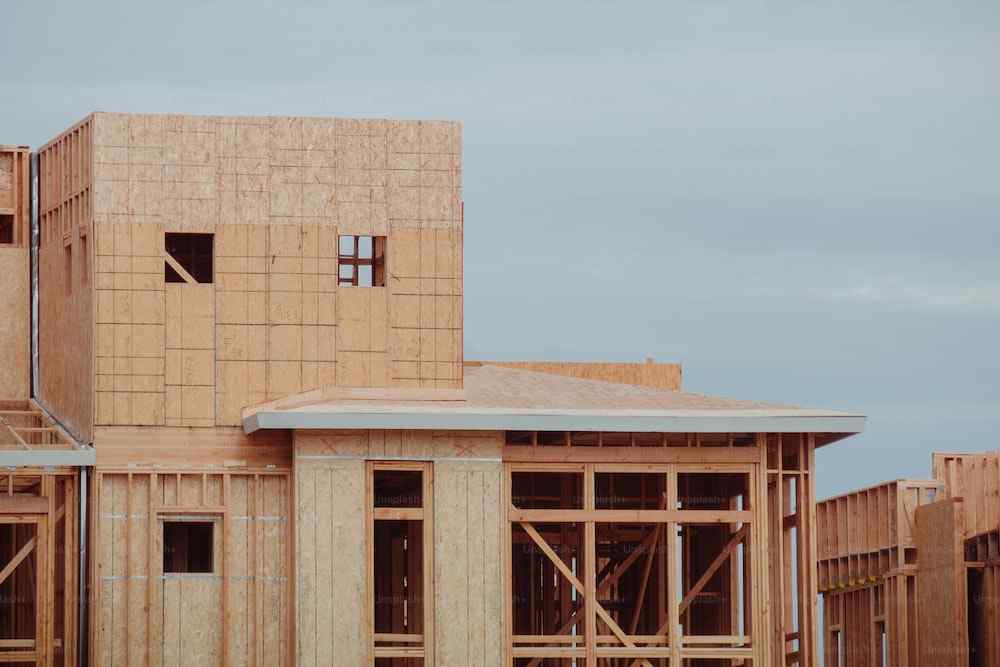
The importance of a house construction agreement must be balanced when embarking on a construction project. As a legally binding document between the homeowner and the contractor, the agreement serves as a foundation for a successful project by providing clarity, protecting interests, and mitigating risks.
- Clarity and mutual understanding: Location, design, materials, and quality of construction are just some of the aspects of a home-building project that should be specified in detail in the contract. The agreement ensures that all parties are on the same page by outlining the scope of the project and their respective responsibilities. By reducing the likelihood of disagreements and miscommunications occurring during building, everyone involved can save time, energy, and money.
- Protecting interests: The homeowner and the builder can rest easy knowing their interests will be protected by a well-thought-out home construction agreement. In doing so, it ensures that all parties are held to account for their commitments by outlining their respective rights and obligations. The parties' mutual interests are safeguarded in the contract, laying the groundwork for trust essential to the completion of any building project.
- Establishing payment terms: Conflict on construction sites regarding financial matters often stems from disagreements over money. By outlining the payment schedule and terms in detail, a house construction agreement helps reduce the likelihood of disputes arising during construction. In addition, the agreement aids in ensuring that the parties are on the same page financially by outlining the payment method, due dates, and any penalties for late payments.
- Mitigating risks: There is always a chance that a construction project will run over budget, over schedule, or have other quality control problems. A written home construction agreement that lays out the terms and conditions of the project and includes clauses for change orders, warranty claims, and dispute resolution can help reduce these dangers. In addition, the agreement's focus on foreseeing and mitigating potential risks should help keep construction on schedule and trouble-free.
- Legal recourse: In the event of a dispute or breach of contract, a house construction agreement serves as a basis for legal action and resolution. By providing a legal framework for addressing issues that may arise during the project, the agreement helps to ensure that both parties have recourse to seek a resolution.
- Professionalism: Both parties' professionalism and dedication to the project are on display in a well-written home construction agreement. It shows that the homeowner and the contractor take their roles seriously and are dedicated to completing the project successfully. With this professionalism, you can build trust and create a pleasant working environment that benefits both of you.
Key Components of a House Construction Agreement
To ensure a solid foundation for your construction project, it is essential to include specific key components in the house construction agreement between the owner and the contractor.
- Project Details: The agreement should clearly define the project's location, the scope of work, and specifications, including the materials used, the artistry quality, and unique features or requirements.
- Contractor Details: This section should include the contractor's name, address, and contact information, as well as any relevant licences, qualifications, or certifications.
- Schedule: The agreement should outline the project timeline, including milestones, completion dates, and any penalties for delays.
- Payment Terms: Clearly define the payment schedule, including the total contract amount, down payment, progress payments, and the final payment. Specifying the payment method and any late payment penalties is also essential.
- Change Orders: The agreement should establish a process for handling changes to the project scope, including approvals, cost adjustments, and schedule modifications.
- Warranty: Include a warranty clause outlining the contractor's responsibility to rectify defects in quality or materials within a specified period.
- Termination: Specify the conditions under which either party may terminate the agreement, such as breach of contract, insolvency, or failure to meet performance expectations.
- Dispute Resolution: The agreement should define the process for resolving disputes, such as mediation, arbitration, or litigation.
- Governing Law: State the governing law applicable to the agreement and the jurisdiction for any legal disputes.
- Signatures: The agreement must be signed by the homeowner and the contractor, with each party retaining a copy for their records.
Types of House Construction Agreements
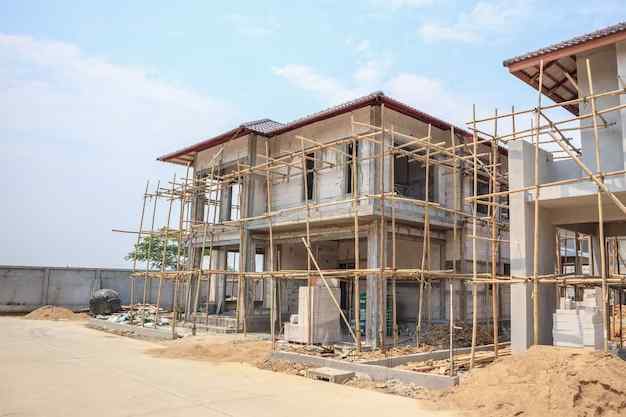
There are several types of house construction agreements, depending on the nature of the project and the relationship between the owner and the contractor.
Labour Contract Agreement for the Construction of a House
Worker conditions are prioritised in this type of contract. Details about the workforce to be employed, their responsibilities, and compensation are outlined, as are the terms and conditions between the homeowner and the contractor.
The homeowner typically provides the project's materials in exchange for the contractor's assurance that the work is completed following the contract's terms. If you're a homeowner looking to have more control over your renovation, this agreement is for you.
Agreement for the Construction of a House with Materials
The scope of this contract encompasses both labour and materials. The contractor is responsible for providing all necessary materials and labour to complete the project according to the agreed-upon specifications.
A comprehensive list of materials, quality, and quantities is typically included in such an agreement for clarity and open communication about the project. Homeowners who want the contractor to handle every aspect of their building project should consider this type of contract.
Agreement with Contractor for Construction of House
This contract covers everything from initial conceptualisation to final clean-up. In most cases, a general contractor will coordinate the efforts of everyone involved in the construction process.
The contractor's obligations, terms of payment, and project details are all laid out in the contract. Homeowners who prefer to delegate all aspects of their construction project to the contractor and want a single point of contact should consider a design-build contract.
Turnkey Construction Agreement
The contractor in a turnkey construction agreement takes full responsibility for delivering the completed project to the homeowner. In this model, the contractor is responsible for every process stage, from conceptualisation to execution to quality control.
The house is now ready for the owner to "turn the key" and move in. Turnkey agreements are the way for homeowners who would rather not get their hands dirty during construction.
Creating a House Construction Quotation

Before finalising the house construction agreement, the contractor usually provides a detailed quotation outlining the project's estimated costs. The quotation should be clear, concise, and include the following elements.
- Project description: A summary of the project's scope and specifications.
- Itemised costs: A detailed breakdown of the project's materials, labour, and other expenses.
- Taxes and fees: Include applicable taxes and fees, such as permits or inspections.
- Payment terms: State the payment schedule, including down payments, progress payments, and the final payment.
- Validity period: Indicate the time frame for which the quotation is valid, typically 30 to 60 days.
Documents Required for a House Construction Agreement
For preparing a house construction agreement, certain documents are required. A construction contract agreement becomes legally valid and safe only when supported with proper ownership, identity and project-related documents. Below are a few required documents:
- Property Ownership Proof: A sale deed or allotment letter showing legal ownership of the property. It ensures builders construct on genuine land and prevents ownership disputes.
- Approved Building Plan: Authority-approved plan confirming layout and designs. It ensures that the construction follows the legal rules to avoid penalties, fines, and demolition orders.
- Identity and Adhaar Proof: PAN, Aadhaar, and passport of both the owner and the builder. It helps verify identity, ownership and adds trust to the agreement.
- Estimate & Cost Details: Builder’s detailed estimate with material, labour and charges. It helps avoid confusion in payment and ensures transparency during project execution.
- No Objection Certificate (NOCs): NOCs from the housing societies, banks and authorities. It allows a smooth construction start and protects against legal challenges or objections later.
Sample Agreement for Construction of House
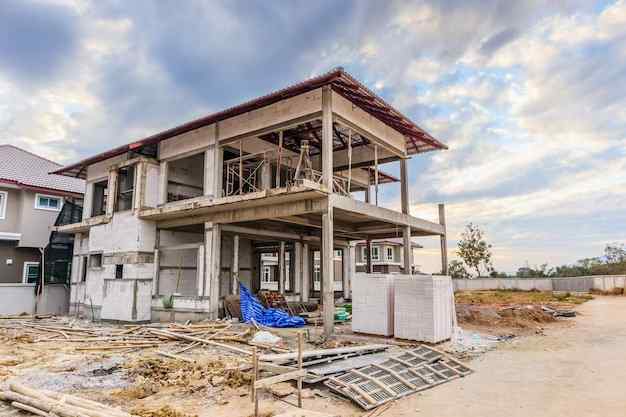
To ensure a solid foundation for your construction project, it's crucial to have a well-drafted house construction agreement. Here is a sample agreement template that you can use as a starting point.
[Homeowner's Name]
[Homeowner's Address]
[City, State, Zip Code]
[Date]
[Contractor's Name]
[Contractor's Address]
[City, State, Zip Code]
Re: House Construction Agreement
Dear [Contractor's Name],
This House Construction Agreement (the "Agreement") is entered into as of [Date], by and between [Homeowner's Name] ("Homeowner") and [Contractor's Name] ("Contractor"), collectively referred to as the "Parties."
Scope of Work: The Contractor agrees to perform the construction work (the "Work") described in Exhibit A, attached hereto and incorporated by reference.
Contract Price: The Homeowner agrees to pay the contractor a total contract price of [Amount] (the "Contract Price"), subject to adjustments as provided in this agreement.
Payment Terms: The Homeowner shall make payments to the contractor as follows.
- Down Payment: [Amount] upon execution of this agreement.
- Progress Payments: [Amount] upon completion of each milestone as outlined in Exhibit B, attached hereto and incorporated by reference.
- Final Payment: [Amount] upon completion of the Work and receipt of all required lien releases, warranties, and other documentation.
Schedule: The Contractor shall commence the Work on [Start Date] and complete the Work on or before [Completion Date], subject to adjustments as provided in this agreement.
Change Orders: Any changes to the scope of Work, Contract Price, or Schedule shall be subject to a written change order signed by both Parties.
Warranty: The contractor warrants that the Work shall be free from defects in artistry and materials for a period of [Warranty Period] from the completion date.
Termination: Either Party may terminate this agreement upon [Number of Days] written notice if the other Party breaches any material term or condition of this agreement.
Dispute Resolution: Any disputes arising out of or relating to this agreement shall be resolved by [Mediation/Arbitration/Litigation] following the laws of [Governing Law and Jurisdiction].
Entire Agreement: This Agreement, together with all exhibits, constitutes the entire agreement between the Parties and supersedes all prior agreements, understandings, and representations, whether written or oral.
IN WITNESS WHEREOF, the Parties have executed this Agreement as of the Date first above written.
[Homeowner's Name] [Contractor's Name]
Homeowner Contractor
Exhibit A: Scope of Work
[Detailed Description of Project]
Exhibit B: Schedule and Milestones
[Milestones and Completion Dates]
Any home-building project will benefit greatly from a professionally drafted house construction agreement. A well-drafted contract can protect your investment and ensure a smooth construction process by outlining the roles of the homeowner and the contractor.
Before beginning a construction project, familiarising yourself with the different kinds of agreements, the parts that make them up, and the best methods for laying solid legal groundwork is important.
Consequences of Violating a House Construction Agreement
Violating a house construction contract can cause serious issues for both the owner and the builder. This agreement protects the rights, and breaking it may result in legal, financial and project-related problems. Below are a few consequences of violation:
- Legal Action: The affected party can file a case under the Indian Contract Act, 1972, making the violator legally accountable.
- Financial Penalties: Compensation or penalties must be imposed, which increases the project cost and causes financial stress for the party that violates the rules.
- Delay in Projects: Breaking terms may stop or delay construction, resulting in losses, stress, and inconvenience for property owners.
- Loss of Trust: Violation damages trust between the owner and builder, making future cooperation and agreements difficult under a house-building contract.
- Contract Termination: The agreement may be cancelled, requiring fresh contract approvals and extra expenses to continue the construction work legally.
How NoBroker Can Help with Drafting Agreements
NoBroker helps property owners and tenants draft legal agreements online quickly and affordably. Their legal team prepares customised contracts and documents, including rental and construction agreements with doorstep delivery and e-stamping. They offer transparent pricing, professional guidance, and hassle-free service, making them the best choice for individuals who want secure, legally valid agreements without intermediaries or hidden fees.
Frequently Asked Questions
Ans. A house construction agreement is a legally binding document that outlines the terms and conditions of a construction project between the homeowner and the contractor. It protects the interests of both parties and provides a clear understanding of the project scope, payment terms, and other crucial details.
Ans. An essential part of any home construction project is the agreement between the builder and the homeowner that details the parameters of the job, how payment will be made, any risks that either party will take, and the procedures to be followed in the event of a disagreement.
Ans Project information, contractor information, timeline, payment terms, change orders, warranty, termination, dispute resolution, governing law, and signatures are all essential components of a house construction agreement.
Ans. Some common types of house construction agreements are the labour contract agreement for the construction of a house, the agreement for the construction of a house with material, the agreement with the contractor for the construction of a house, and the civil contract agreement.
Ans. Create a quotation for home construction by outlining the scope of the work, the total price, any applicable taxes or fees, the terms of payment, and the time the estimate is valid. Ensure the quotation is easy to understand and includes a comprehensive breakdown of the costs.
Ans. If the contractor delays the project, the owner may claim compensation or penalties as specified in the agreement. The delay may also lead to contract termination, legal action or hiring another builder for the work.
Ans. Yes, a house construction agreement can be modified after signing, but both parties must agree. The changes should be written, signed, and legally registered to remain legally valid.
Recommended Reading

Franking Charges Explained: Meaning and Benefits
January 31, 2025
1117079+ views

Society Maintenance Charges : Meaning, Cost, Types and Calculation
January 31, 2025
203253+ views

Revenue Stamp in India: Meaning, Types, Uses, Legal Value & Where to Buy in 2026
January 31, 2025
132336+ views

What are Society Transfer Charges as per the Housing Act and Rules in 2026?
January 31, 2025
88593+ views

What is the Difference Between Movable and Immovable Property?
May 1, 2025
72414+ views
Most Viewed Articles
Franking Charges Explained: Meaning and Benefits
January 31, 2025
1117079+ views
Society Maintenance Charges : Meaning, Cost, Types and Calculation
January 31, 2025
203253+ views

Daughter's Right in Fathers' Property - the Law is Finally Equal for both Genders?
June 1, 2025
147254+ views

BBMP E-Khata Registration process for property owners in Bangalore, Karnataka in 2025
March 19, 2025
145603+ views

Rectification Deed Format and Process in India 2026
June 1, 2025
137217+ views
Author
Loved what you read? Share it with others!
Recent blogs in
Commercial Sublease Agreement: Meaning, Key Elements & How It Works
March 27, 2026 by Ananth
Long Term Lease Agreement: Meaning, Types, Key Clauses & Legal Requirements
March 27, 2026 by Vivek Mishra
Understanding RERA: How to Verify a Project and Protect Yourself as a Homebuyer
March 25, 2026 by bikram










 Full RM + FRM support


Join the conversation!