- https://www.bergerpaints.com/colour/colour-catalogue/blue-wall-paints/brisk-blue
- https://www.asianpaints.com/colour-catalogue/blue-wall-colours/monsoon-midnight-n.html
- https://www.bergerpaints.com/colour/colour-catalogue/green-wall-paints/emerald-gem
- https://www.asianpaints.com/colour-catalogue/green-wall-colours/green-icicle.html
- https://www.asianpaints.com/colour-catalogue/orange-wall-colours/desert-sun.html
- https://www.bergerpaints.com/colour/colour-catalogue/yellow-wall-paints/tulip-field
- https://www.asianpaints.com/colour-catalogue/red-wall-colours/pure-red.html
- https://www.bergerpaints.com/colour/colour-catalogue/red-wall-paints/rose-bouquet
- https://www.asianpaints.com/colour-catalogue/grey-wall-colours/white-gold.html
- https://www.bergerpaints.com/colour/colour-catalogue/earth-tone-wall-paints/dolphin-bay
- https://www.asianpaints.com/colour-catalogue/yellow-wall-colours/saffron-smile.html
- https://www.bergerpaints.com/colour/colour-catalogue/neutral-wall-paints/silver-medal
- https://www.asianpaints.com/colour-catalogue/purple-wall-colours/lavender-secret.html
- https://www.bergerpaints.com/colour/colour-catalogue/green-wall-paints/tall-cactus
- https://www.asianpaints.com/colour-catalogue/green-wall-colours.html
- https://www.bergerpaints.com/colour/colour-catalogue/green-wall-paints/garden-paradise
- https://www.asianpaints.com/colour-catalogue/blue-wall-colours/swan-song.html
- https://www.bergerpaints.com/colour/colour-catalogue/blue-wall-paints/brisk-blue
- https://www.asianpaints.com/colour-catalogue/blue-wall-colours/blue-dawn.html
- https://www.bergerpaints.com/colour/colour-catalogue/dark-accent-wall-paints/cosmic-glow
Table of Contents
What Is Colour Psychology in Home Painting? Why Colour Psychology Matters for Your Home? How Different Colours Affect Mood Room-Wise Colour Psychology for Homes Warm vs Cool Colours Psychology How to Choose Wall Colours Using Colour Psychology? Professional Colour Consultation vs Self-Selection How NoBroker Helps with Colour Psychology-Based Painting?Frequently Asked Questions
Loved what you read? Share it with others!


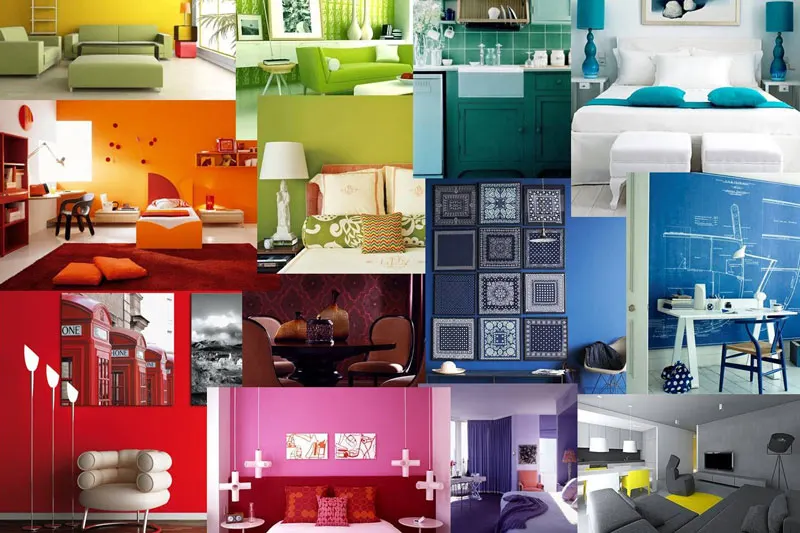
Colour Psychology for Home Interiors: How to Choose Wall Colours Based on Mood
Updated : March 27, 2026, 2:45 PM
Author :
 Kruthi
Summary
Colour psychology is the study of how different colours influence human emotions, behavior, and perception. Each colour creates a psychological response blue promotes calm and trust, red evokes energy and urgency, while green represents balance and growth. Businesses and interior designers use colour psychology to create desired moods and influence decisions. Understanding colour meanings helps improve branding, home design, and emotional well-being by creating spaces that feel comfortable, positive, and visually appealing.
Table of Contents
What Is Colour Psychology in Home Painting? Why Colour Psychology Matters for Your Home? How Different Colours Affect Mood Room-Wise Colour Psychology for Homes Warm vs Cool Colours Psychology How to Choose Wall Colours Using Colour Psychology? Professional Colour Consultation vs Self-Selection How NoBroker Helps with Colour Psychology-Based Painting?Frequently Asked Questions
Creating a beautiful home involves more than just selecting expensive furniture or modern décor; it requires a deep understanding of colour psychology. Every shade you choose for your walls sends a specific signal to your brain, influencing how you feel the moment you walk into a room. Whether you are looking to create a peaceful sanctuary for sleep or a high-energy space for social gatherings, the science of colour provides the ultimate roadmap for home improvement.
What Is Colour Psychology in Home Painting?
In the context of interior design, colour psychology is the study of how various hues, tints, and shades affect human emotions, behaviours, and mental well-being. It goes beyond simple aesthetics to examine the color psychology theory that suggests our surroundings directly dictate our mood levels. By applying these principles to home painting, you can intentionally use wall colours to evoke feelings of calm, energy, or warmth, turning a static living space into a dynamic environment that supports your daily lifestyle and emotional health.
Why Colour Psychology Matters for Your Home?
Choosing the right palette is essential because your home is the primary environment where you rest, work, and interact with loved ones.
- Affects mood and emotions: The right shade can instantly lift your spirits or provide comfort during a stressful day.
- Influences relaxation and productivity: Strategic colours help you unwind in the bedroom or maintain sharp focus in a home office.
- Creates comfort and harmony: A balanced colour psychology chart ensures that your home feels cohesive rather than chaotic.
- Impacts overall living experience: Understanding the color psychology and theory helps in creating a home that feels truly "yours."
How Different Colours Affect Mood
Each coloured family has a unique psychological profile. Understanding these traits allows you to tailor each room to its intended purpose.
1. Blue Colour Psychology
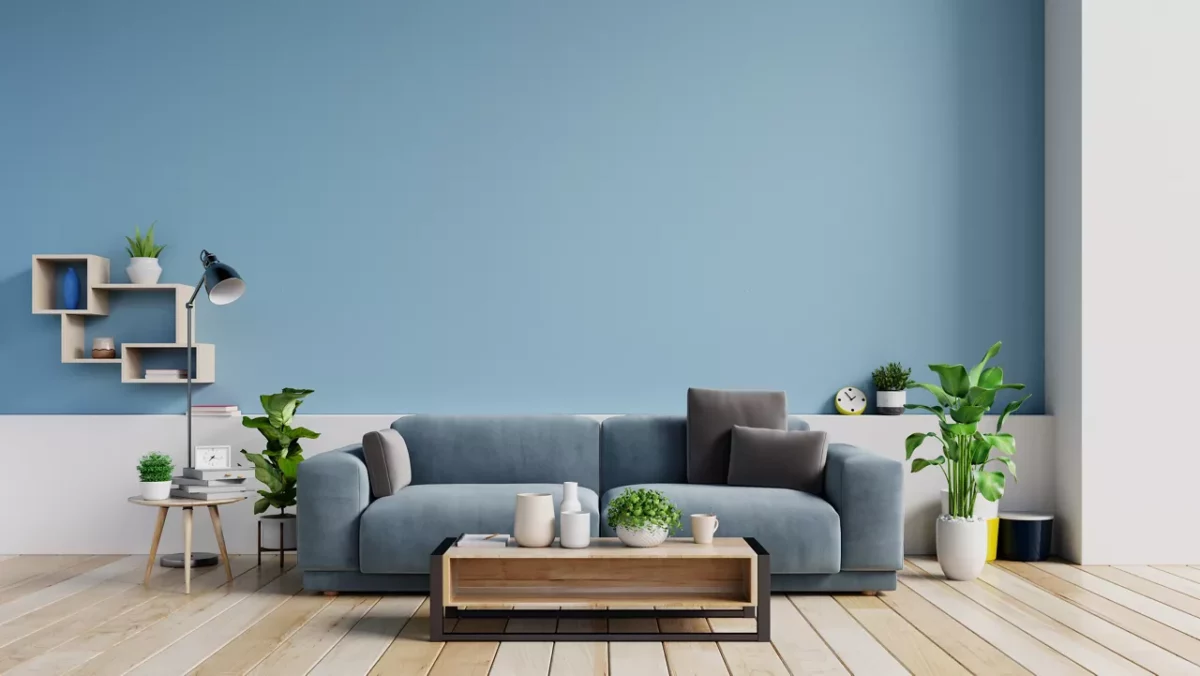
Blue represents calmness, trust, and emotional balance. Inspired by the sky and sea, it creates a soothing atmosphere that helps reduce stress and promote relaxation. For a kids’ room, blue is an excellent choice as it encourages peaceful sleep, focus, and a sense of security.
| Colour | Brand | Shade Name | Colour Code | Shade Type |
|---|---|---|---|---|
| Dark Blue | Asian Paints | Monsoon Midnight | 9644 [2] | Dark/Elegant |
| Light Blue | Berger Paints | Brisk Blue | 5T1044 [1] | Cool/Refreshing |
2. Green Colour Psychology
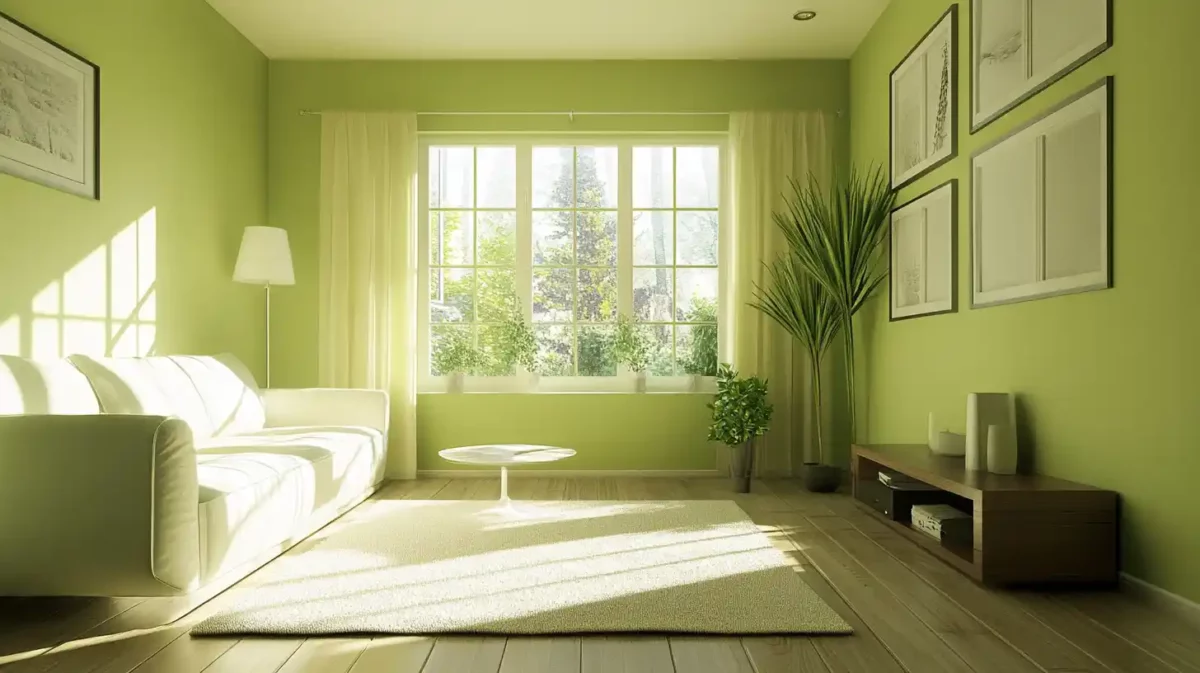
Green symbolizes balance, freshness, and a strong connection with nature. Its naturally soothing tone feels easy on the eyes and creates a refreshing atmosphere. For a kitchen, green is a wonderful choice as it promotes positivity, harmony, and a clean, lively cooking environment.
| Colour | Brand | Shade Name | Colour Code | Shade Type |
|---|---|---|---|---|
| Forest Green | Asian Paints | Amazon Trail | 7515 [4] | Deep/Nature |
| Emerald | Berger Paints | Emerald Gem | 4T0965 [3] | Rich/Jewel Tone |
3. Yellow Colour Psychology
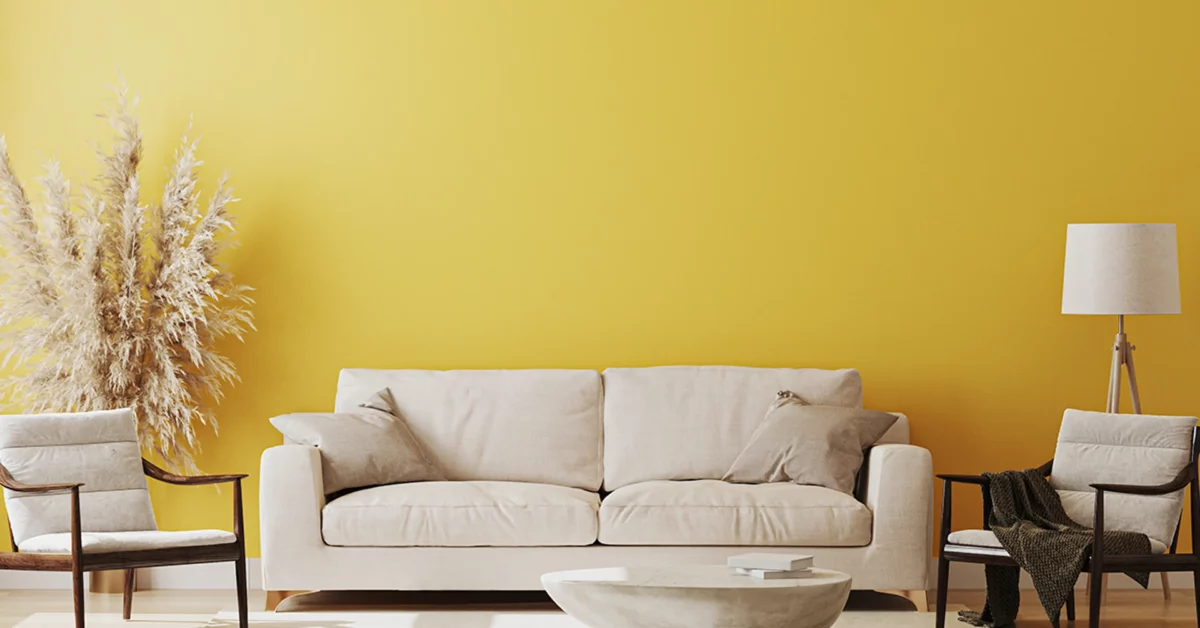
Yellow reflects happiness, warmth, and positive energy. Inspired by sunlight, it brightens up any space and creates a welcoming vibe. In a living room, yellow works beautifully to uplift mood and encourage lively conversations, but it’s best used in moderation to avoid overwhelming the space.
| Colour | Brand | Shade Name | Colour Code | Shade Type |
|---|---|---|---|---|
| Cheerful Yellow | Asian Paints | Yellow Iris | 7938 [5] | Bright/Pure |
| Deep Yellow | Berger Paints | Tulip Field | 3D2078 [6] | Deep/Rich |
4. Red Colour Psychology
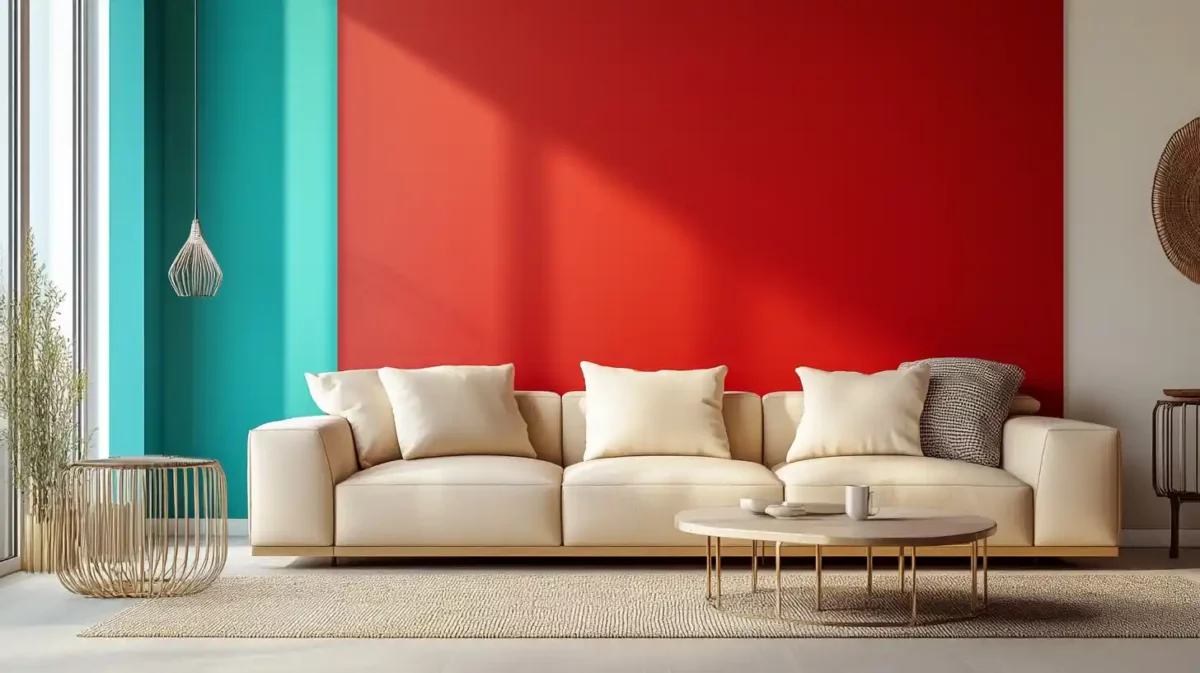
Red symbolizes energy, warmth, and passion. Its bold presence instantly adds vibrancy and excitement to a space. For a guest room, red works best as an accent colour, through décor or a feature wall, to create a welcoming, lively ambiance without overwhelming the room's overall comfort.
| Colour | Brand | Shade Name | Colour Code | Shade Type |
|---|---|---|---|---|
| Bold Red | Asian Paints | Pure Red | 8093 [7] | Bold/Primary |
| Soft Red | Berger Paints | Rose Bouquet | 1D1980 [8] | Romantic/Soft |
5. White and Neutral Colour Psychology
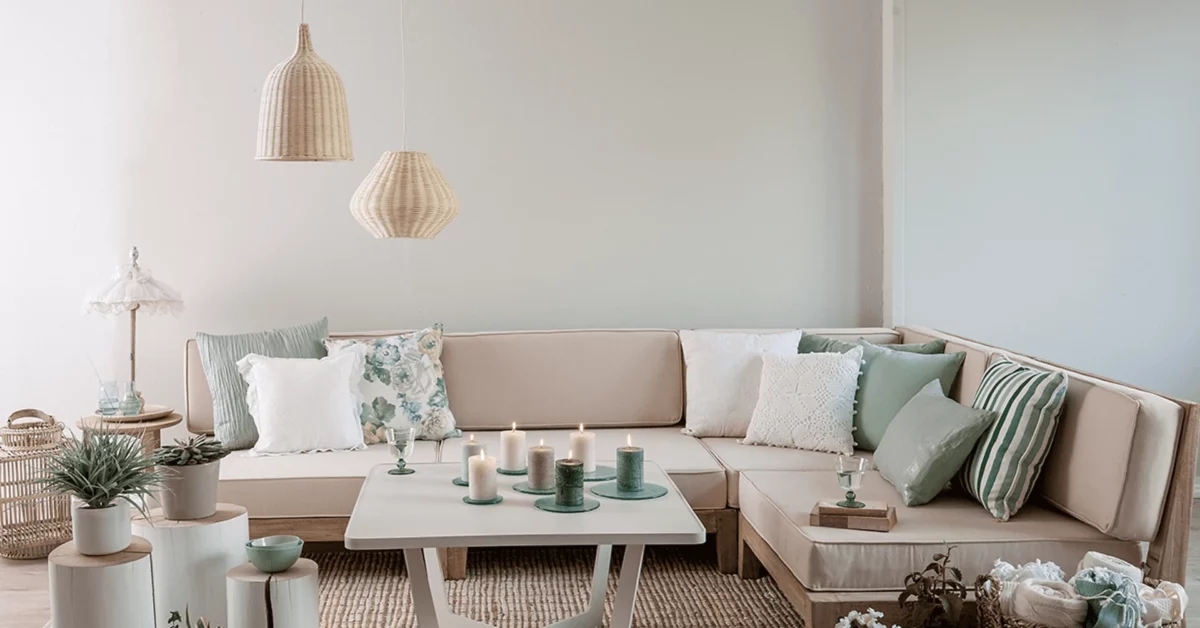
White and neutral shades like beige and grey reflect simplicity, clarity, and balance. They create a clean, distraction-free environment that feels open and organized. For a home office, these tones are ideal as they enhance focus, reduce visual clutter, and promote a calm, productive workspace.
| Colour | Brand | Shade Name | Colour Code | Shade Type |
|---|---|---|---|---|
| Warm White | Asian Paints | White Gold | 8292 [9] | Rich/Warm |
| Grey Neutral | Berger Paints | Dolphin Bay | 8T1805 [10] | Balanced/Modern |
Room-Wise Colour Psychology for Homes
Applying colour psychology requires a room-by-room strategy to ensure the emotional energy of the space matches its functional use.
6. Colour Psychology for the Living Room
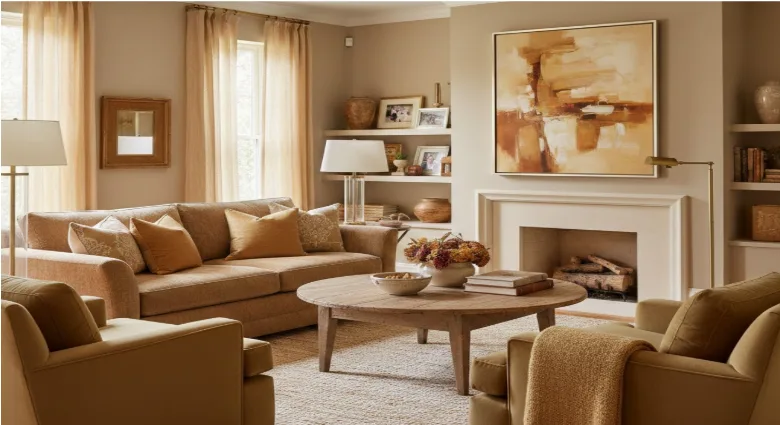
The living room is a social hub where you need to balance energy for hosting with comfort for unwinding. Warm neutrals and muted golds create a "cozy" atmosphere that encourages long conversations and family bonding.
| Colour | Brand | Shade Name | Colour Code | Shade Type |
|---|---|---|---|---|
| Muted Gold | Asian Paints | Saffron Smile | 7872 [11] | Welcoming/Rich |
| Pure White | Berger Paints | Cotton Whitewash | 8P2700 [12] | Bright/Spacious |
7. Colour Psychology for Bedroom
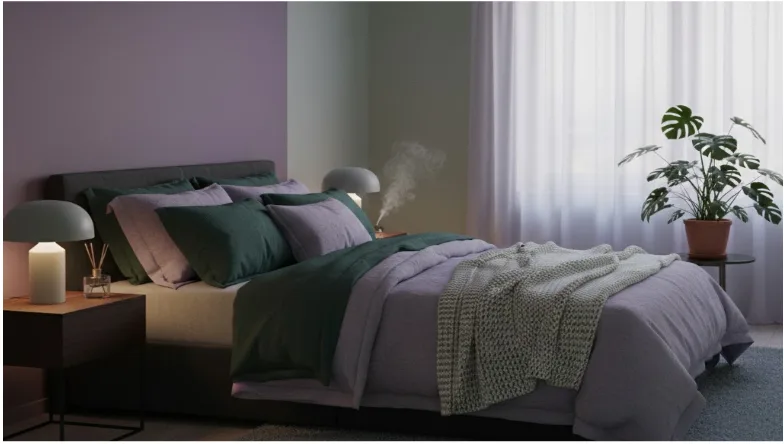
For the bedroom, the goal is restoration. Cooler shades with shorter wavelengths, such as lavenders and deep greens, signal the brain to produce melatonin, aiding in deeper sleep and calming the nervous system after a busy day.
| Colour | Brand | Shade Name | Colour Code | Shade Type |
|---|---|---|---|---|
| Soft Purple | Asian Paints | Lavender Secret | 7163 [13] | Soothing/Peaceful |
| Deep Green | Berger Paints | Fern Glade | 4D2134 [14] | Enveloping/Cozy |
8. Colour Psychology for the Kitchen
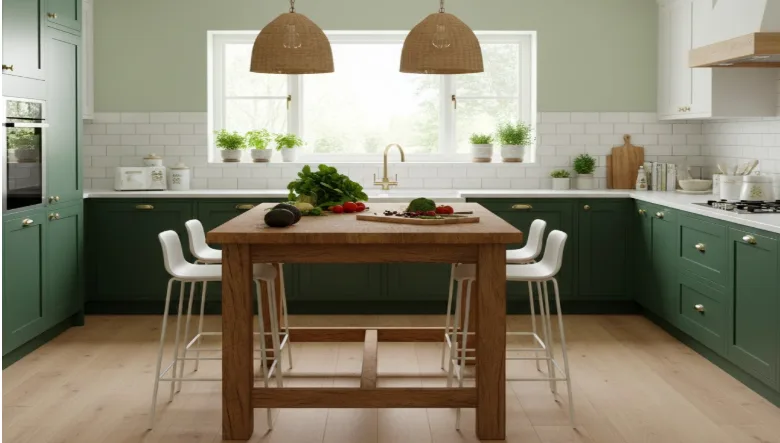
The kitchen is the energy hub of the home. Colours here should encourage productivity and cleanliness. Fresh greens and lush organic tones evoke a "farm-to-table" vibe, fostering a sense of hygiene and healthy living.
| Colour | Brand | Shade Name | Colour Code | Shade Type |
|---|---|---|---|---|
| Fresh Green | Asian Paints | Inspiring Green | 9345 [15] | Healthy/Natural |
| Lush Green | Berger Paints | Garden Paradise | 4T0925 [16] | Organic/Earthy |
9. Colour Psychology for the Home Office
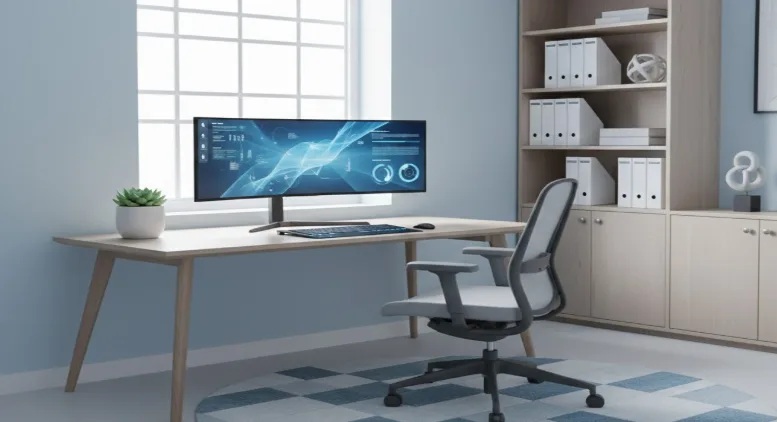
In 2026, home office design focuses on cognitive endurance. The goal is to choose shades like pale blues that reduce eye strain while keeping the mind alert, aiding logical thinking and a productive "flow state."
| Colour | Brand | Shade Name | Colour Code | Shade Type |
|---|---|---|---|---|
| Pale Blue | Asian Paints | Swan Song | 7440 [17] | Focus/Calm |
| Sky Blue | Berger Paints | Brisk Blue | 5T1044 [18] | Clarity/Clean |
10. Colour Psychology for Kids Room
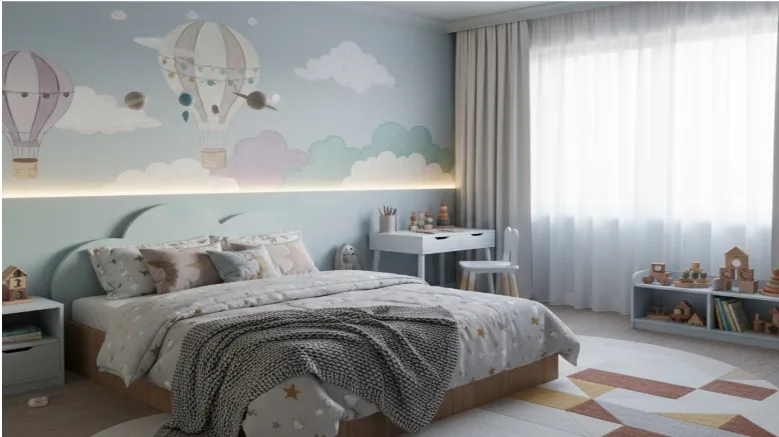
Children's rooms must balance playfulness with rest. While bright colours are great for creativity, sleep zones benefit from softer, muted versions like "Blue Dawn" to prevent overstimulation and foster a safe environment for growth.
| Colour | Brand | Shade Name | Colour Code | Shade Type |
|---|---|---|---|---|
| Calming Blue | Asian Paints | Blue Dawn | 7275 [19] | Restful Sleep |
| Enthusiastic | Berger Paints | Field of Flowers | 2A0378 [20] | Creative/Playful |
Warm vs Cool Colours Psychology
A critical part of colour psychology is distinguishing between warm and cool tones. Warm colours (reds, oranges, yellows) are energising and can make large rooms feel more intimate and inviting. Cool colours (blues, greens, purples) have a receding effect, visually pushing walls away to make small spaces feel expansive and tranquil. To achieve true harmony, it is best to balance both; for example, use a cool grey wall with warm wooden furniture or yellow accents to prevent the room from feeling too sterile or clinical.
How to Choose Wall Colours Using Colour Psychology?
Choosing the right palette requires looking at your life through the lens of color psychology theory.
- Room purpose and usage: Determine if the space is for high-energy activity (kitchen) or low-energy rest (bedroom).
- Natural and artificial lighting: Observe how the colour psychology chart shifts under sunlight versus LED bulbs at night.
- Personal preferences: Your own past experiences with certain colours can override general psychological trends.
- Furniture and décor alignment: Ensure your wall colour complements your existing pieces to create a unified emotional experience.
Professional Colour Consultation vs Self-Selection
While self-selection is common, professional guidance can help you define color psychology more accurately for your specific home layout.
| Feature | Professional Consultation | Self-Selection |
|---|---|---|
| Expert Guidance | Accurate psychological assessment | Based on trial and error |
| Cost Efficiency | Avoids expensive repainting mistakes | High risk of unsatisfactory results |
| Mood Accuracy | Achieves desired atmosphere precisely | May unintentionally create stress |
| Visualisation | Digital tools to see mood shifts | Relies on imagination |
How NoBroker Helps with Colour Psychology-Based Painting?
Finding the perfect balance in colour psychology can be challenging, but NoBroker simplifies the process. We provide expert colour consultation services that offer personalised recommendations based on the latest 2026 trends and psychological research. Our professional painters ensure that your vision is executed with high-quality materials and flawless precision. From selecting the right shade for your home office to ensuring a serene bedroom environment, NoBroker manages everything with a focus on hassle-free execution and your emotional well-being.
Frequently Asked Questions
Q1. How does colour psychology affect mood?
Ans: Colours send signals to the hypothalamus, which regulates emotions and hormones. For instance, warm tones stimulate, while cool tones relax.
Q2. Which colours are best for relaxation at home?
Ans: Soft blues, muted greens, and lavenders are top choices for relaxation, as they have been proven to lower heart rate and calm the nervous system.
Q3. Can colour psychology improve productivity?
Ans: Yes, shades of blue and certain greens are known to enhance focus and cognitive endurance, making them ideal for home offices and study areas.
Q4. Are neutral colours good for mental well-being?
Ans: Neutrals provide a "mental reset" by reducing visual clutter. They offer stability and can make a space feel safe, grounded, and timeless.
Q5. How often should wall colours be changed based on psychology?
Ans: Most experts suggest a refresh every 4 to 6 years, or whenever your lifestyle significantly changes, such as shifting from a social phase to a quieter, work-focused one.
ARTICLE SOURCES
NoBroker Painting Tips & Color Ideas Testimonials
Before this festive season
get your house painted
Most Viewed Articles
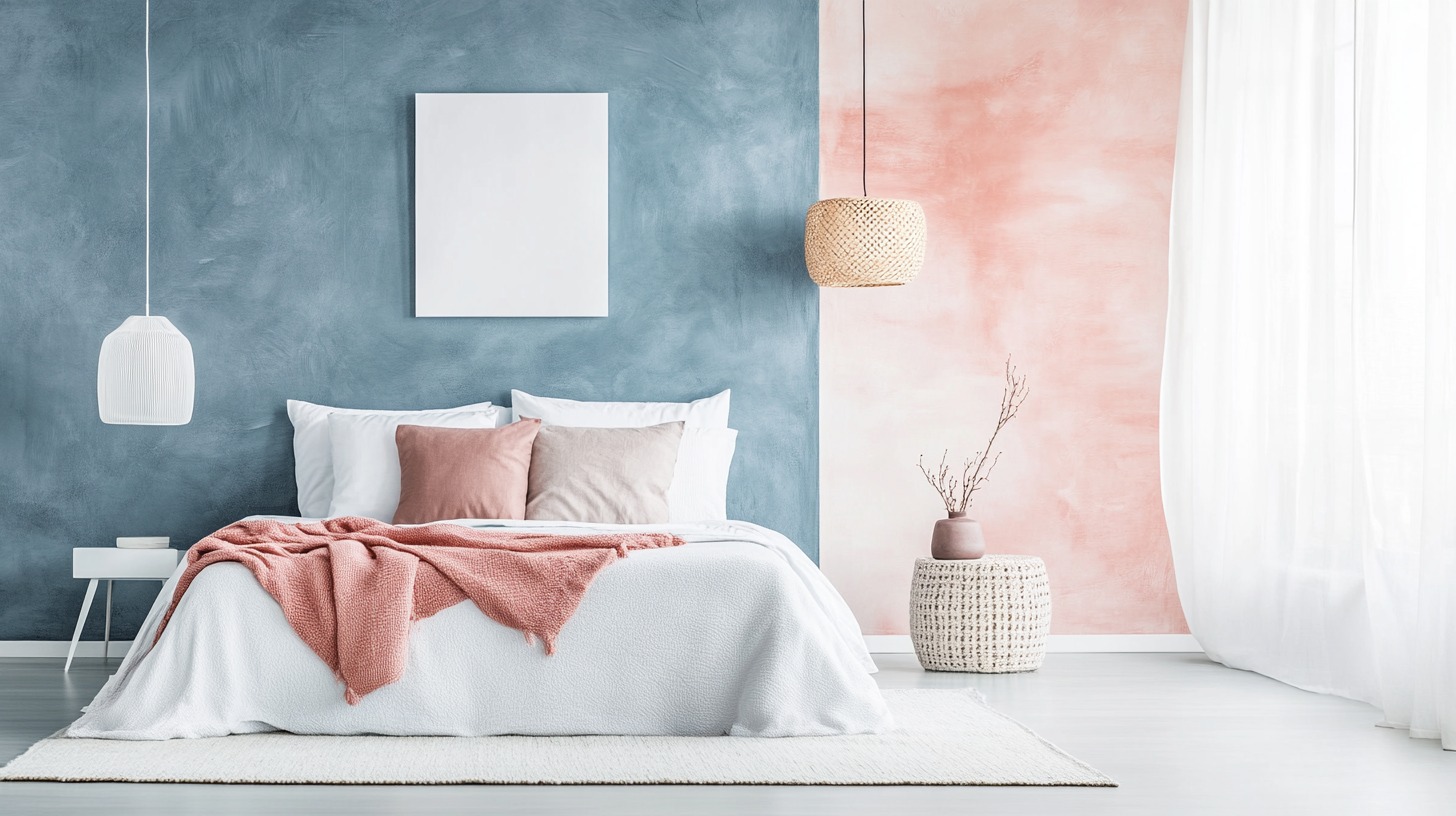
40+ Best Stunning Two Colour Combinations for Bedroom Walls to Elevate Your Space in 2026
January 31, 2025
336634+ views
Top 25 Outside Color Combinations with Colour Codes for Indian Homes in 2026
May 16, 2025
313840+ views
Asian Paint Price 20 Litre for Different Variants in India: Coverage, Durability and Benefits
May 17, 2025
175816+ views
25 Latest Main Gate Colour Combination Ideas: Direction and Placement as Per Vastu in 2026
October 9, 2025
159095+ views
Top 26 Wall Paint Colour Combinations Ideas With Codes for Every Room in 2026
February 3, 2025
136939+ views
Author
Loved what you read? Share it with others!
Recent blogs in
Top 8 Modern Marble Texture Wall Paint for Stylish Homes in [2026]
March 27, 2026 by Krishnanunni H M
Top 10 Light Grey Paint Colors Combination with Codes That Improve Room Appearance in [2026]
March 27, 2026 by Krishnanunni H M
Colour Psychology for Home Interiors: How to Choose Wall Colours Based on Mood
March 27, 2026 by Kruthi







 Full RM + FRM support



Join the conversation!