Table of Contents
Loved what you read? Share it with others!



What is Lease Deed: Meaning, Format and Registration in India 2026
Updated : January 9, 2026, 2:38 PM
Author :
 Vivek
Vivek
Table of Contents
A lease deed acts as a legally binding document that allows a tenant to occupy a property for a fixed period in exchange for rent. This guide explains the meaning, structure, and legal process in a practical manner. It covers different lease deed types, drafting stages, mandatory clauses, stamp duty rules, and registration requirements. The article also highlights the differences between a lease deed and a lease agreement, and explains how professional assistance simplifies the drafting and registration of residential and commercial properties. Indian property laws require specific clauses, proper stamp duty payment, and mandatory registration for long-term leases.
What is a Lease Deed?
A lease deed, also known as a "deed of lease agreement," is a legally binding document that formalizes the rental arrangement between a landlord (lessor) and a tenant (lessee). It outlines the terms, conditions, and rights of both parties regarding the leasing of a property. The lease deed specifies important details, including the lease term, rent amount, payment terms, maintenance responsibilities, and any additional clauses or provisions agreed upon by both parties.
Understanding key terminologies is essential when dealing with a lease deed. Familiarize yourself with these terms:
- Lessor: The Lessor is the legal owner of the property that is the subject of the lease.
- Lessee: The Lessee is the individual who acquires the rights to use and enjoy the property under lease from the Lessor.
- Duration: The time or period for which the rights to use and enjoy the property are given is referred to as the duration. The lease can be for a certain period, either explicitly or implicitly, or it can be for an indefinite period.
- Premium or Rent: Generally, it is considered to give the right to use and enjoy the property. Rent is a term used to describe the payment of money or any other valuable items regularly or at given specified times or intervals.
Types of Lease Deeds in India
Different lease deed types serve different property needs based on duration, usage, and legal requirements. Understanding each type helps property owners and tenants choose the right legal structure.
1. Registered Lease Deed
A registered lease deed offers the highest level of legal security. Indian law requires registration for lease terms exceeding twelve months. Registration ensures enforceability in court and protects both parties during a dispute.
Example: A company leases office space for a 5-year term. The landlord and tenant register the lease deed with the Sub-Registrar, paying the correct stamp duty. This document becomes key evidence in case of disputes.
2. Unregistered Lease Deed
An unregistered lease deed applies to short-term rental arrangements. This format carries limited legal value and restricts enforceability during legal conflicts. Courts accept it mainly as supporting evidence.
Example: A resident rents a flat for 8 months under an unregistered lease deed. The lease remains valid for that period, but it cannot be fully enforced in court for longer tenures.
3. Perpetual Lease Deed
A perpetual lease deed grants the lessee long-term or indefinite use rights. Authorities usually impose specific conditions on transfer and usage. Government bodies commonly issue this lease format.
Example: A landowner grants a company an indefinite lease to develop industrial sheds, with yearly ground rent payable. Such a lease may continue until both parties agree to end it.
4. Commercial vs Residential Lease
Commercial lease deeds cover business-related usage, tax compliance, and operational terms. Residential lease deeds focus on occupancy rules, maintenance duties, and living conditions. Usage type determines stamp duty and clause structure.
Example: It differs from business-to-residential deed norms, varying in tenure and terms and conditions.
How to Create a Lease Deed?
A lease deed in India is a legally binding agreement between a lessor (landlord) and a lessee (tenant) for the lease of a property. Here's a general outline of the process to create a lease deed:
- Understand the requirements: Familiarize yourself with the legal requirements and regulations related to lease agreements in India. Different states may have specific rules and regulations, so it's important to research and ensure compliance with those regulations.
- Identify the parties: Identify the lessor and lessee by including their full names, addresses, and any additional details required for identification.
- Describe the property: Provide a detailed description of the property being leased, including the address, size, boundaries, and any specific conditions or limitations.
- Term and rent details: Specify the lease duration, start and end dates, and any renewal options. Clearly state the rent amount, payment frequency, and due dates. Additionally, mention any penalties or late fees for delayed payments.
- Security deposit: If applicable, mention the amount of the security deposit and the conditions for its refund at the end of the lease term.
- Maintenance and repairs: Outline the responsibilities of the lessor and lessee regarding property maintenance, repairs, and utility payments.
- Termination clause: Include provisions for terminating the lease, including notice period requirements, grounds for termination, and penalties for early termination.
- Additional clauses: Depending on the specific situation, include any additional clauses relevant to the lease agreement. For example, restrictions on subletting, rules for alterations to the property, or any other specific terms agreed upon by both parties.
- Witness and notarization: In India, it is generally advisable to have two witnesses present when signing the lease deed. Additionally, consider notarizing the document to add an extra layer of authenticity.
- Execution and registration: Both the lessor and the lessee should sign the lease deed in the presence of witnesses. In some states, lease deeds may require registration with the Sub-Registrar of Assurances or local authorities. Check your state's specific requirements to determine whether registration is necessary.
- Stamp duty and registration fees: Pay the applicable stamp duty and registration fees, if required, in accordance with local laws. Stamp duty rates vary across states, so consult the local authorities or an expert for accurate information.
- Retain copies: Make multiple copies of the executed and registered lease deed. Keep one for each party involved, including the witnesses. These copies serve as legal evidence of the agreement.
Stages In the Creation of a Lease Deed
Extensively there are three types of lease deeds- a registered lease deed, an unregistered lease deed, and a perpetual lease deed. Each of the steps involved in completing the Lease Deed can be divided into the following categories:
- Negotiation Stage: Both parties discuss rent, lease duration, security deposit, and property usage. Clear discussions reduce future conflicts.
- Preliminary Documentation Stage: Identity proofs, ownership documents, and property details are collected. Accurate documentation supports smooth execution.
- Title Investigation or Due Diligence Stage: The tenant verifies the property's ownership and legal status. Proper due diligence prevents invalid agreements.
- Drafting Payments: A legal expert drafts the lease deed agreement with the required clauses. Parties pay applicable stamp duty as per state rules.
- Registration Stage: The sub registrar's office records the lease deed. Registration ensures enforceability and public record status.
Lease Deed Format
A standard lease deed format includes party details, property description, lease tenure, rent amount, security deposit, obligations, termination terms, and dispute resolution. Clear formatting avoids ambiguity and supports legal clarity. State laws may require additional clauses based on property usage.
Download: You can download the sample sale deed format in Word document by clicking the following link:
[Lease Deed Format for Residential Property]
Stamp Duty on Lease Deed
In India, the Indian Stamp Act of 1899 governs the stamp duty on lease deeds and provides specific rates for different types of lease agreements. Stamp duty is a tax imposed by the Indian government on various legal documents, including lease deeds. The amount payable depends on the property type, lease duration, and the state in which the property is located.
| State | Residential Lease | Commercial Lease |
| Andhra Pradesh | 6% | 8% |
| Assam | 6% | 8% |
| Bihar | 6% | 8% |
| Chhattisgarh | 6% | 8% |
| Delhi | 5% | 8% |
| Goa | 5% | 6% |
| Gujarat | 6% | 8% |
| Haryana | 7% | 12% |
| Himachal Pradesh | 7% | 10% |
| Jammu and Kashmir | 6% | 8% |
| Jharkhand | 6% | 8% |
| Karnataka | 5% | 7% |
| Kerala | 8% | 12% |
| Maharashtra | 5% (male), 6% (female) | 0.25% (up to 5 years), 1% (5–10 years), 2% (above 10 years) |
| Manipur | 6% | 8% |
| Madhya Pradesh | 7.5% | 11% |
| Meghalaya | 6% | 8% |
| Mizoram | 6% | 8% |
| Nagaland | 6% | 8% |
| Odisha | 6% | 8% |
| Punjab | 6% | 8% |
| Rajasthan | 6% | 8% |
| Tamil Nadu | 7% | 10% |
| Telangana | 5% | 7% |
| Tripura | 5% | 7% |
| Uttar Pradesh | 6% | 8% |
| Uttarakhand | 6% | 8% |
Key Clauses to Include in a Lease Deed Agreement
A lease deed defines the legal relationship between the property owner and the tenant by clearly separating ownership from possession. Indian property laws recognize a lease deed as a crucial document that protects rights, ensures compliance, and provides enforceable terms for both parties.
- Separation of ownership and possession: A lease creates a separation of ownership and control, where the Lessor retains ownership rights while excluding itself from possession during the lease period.
- Execution of lease deed:Commercial property leases often utilize a lease deed format to document the agreement, which must be jointly signed by the Lessor and Lessee to express consent to the lease conditions.
- Legal enforceability: The lease deed is a legally binding document that courts may consider as evidence in disputes between the Lessor and the Lessee.
- Stamp paper requirement: Indian law mandates execution of lease deeds on Non-Judicial Stamp Paper, with formats varying depending on the property type (e.g., residential, commercial, or agricultural land), as per the Indian Stamp Act, 1899.
- Stamp duty determination: State governments set stamp duty rates based on rent amounts and lease durations, ensuring statutory compliance.
- Registration option: Parties may register lease deeds with the Sub-Registrar’s Office having jurisdiction over the property under the Registration Act, 1908, strengthening legal validity.
- Peaceful enjoyment guarantee: The term "demise" in lease instruments confirms the Lessor’s assurance of uninterrupted possession to the Lessee.
- Right to possession:The Lessee has the right to remain in possession of the property until the lease is legally terminated through appropriate legal action.
Difference Between Lease Deed and Lease Agreement
A lease deed and a lease agreement are both legal documents that outline the terms and conditions of a rental agreement between a landlord and a tenant. However, there are some key differences between the two documents.
| Basis | Lease Deed | Lease Agreement |
| Definition | A lease deed is a formal legal document that grants property usage rights for a fixed long-term period. | A lease agreement is a contract that defines the terms of a short-term rental between a landlord and a tenant. |
| Legal nature | A lease deed acquires strong legal validity upon payment of stamp duty and registration. | A lease agreement has limited legal effect if the parties do not register it. |
| Rights granted | A lease deed grants possession and usage rights for a fixed tenure. | A lease agreement grants only temporary occupancy rights. |
| Registration | Indian law mandates registration for long-term lease deeds. | Registration remains optional for short-term lease agreements. |
| Stamp duty | A lease deed is always subject to stamp duty under state rules. | A lease agreement may be subject to stamp duty under state law. |
| Duration | Parties use a lease deed for long-term leases. | Parties use a lease agreement for short-term rentals. |
| Legal protection | A lease deed offers higher protection in disputes. | A lease agreement offers limited protection. |
| Witness and attestation | A lease deed usually requires witnesses and notarisation. | A lease agreement may not require witnesses. |
| Termination | A lease deed restricts early termination unless the lease contains clauses that allow it. | A lease agreement makes renewal or exit easier. |
A lease deed is suitable for long-term property arrangements that require strong legal protection and mandatory registration. A lease agreement is better for short-term rentals that require flexibility and simpler legal formalities.
Is a legal Deed Registration Mandatory?
Yes, Indian law mandates registration of specific legal documents to ensure enforceability and transparency. The Indian Registration Act, 1908, governs the registration of deeds, agreements, and instruments that create, transfer, or extinguish rights in immovable property.
The Act specifies that certain types of documents must be compulsorily registered to be valid and legally enforceable. Section 17 of the Registration Act provides an exhaustive list of documents that require mandatory registration, such as:
- Sale or transfer deeds: Registration validates ownership transfer of immovable property.
- Gift deeds: Legal transfer of property without consideration requires registration.
- Lease agreements exceeding one year: Long-term leases gain legal validity only after registration.
- Mortgage deeds: Registered records protect the rights of lenders and borrowers.
- Partition deeds: Formal division of jointly owned property requires registration.
- Exchange deeds: Mutual transfer of property interests needs legal recording.
- Power of Attorney for sale or transfer: Registration ensures authenticity and prevents misuse.
- Purpose of Mandatory Registration:
- Establishes legal sanctity and authenticity
- Provides public notice of property transactions
- Prevents fraud and ownership disputes
- Ensures admissibility as evidence in courts
Note: the Act mandates registration to provide legal sanctity, authenticity, and public notice to the documents.
The registration process involves submitting the document to the office of the Sub-Registrar of Assurances or the sub-registrar's office having jurisdiction over the property. The parties involved in the transaction, such as the buyer and seller, are required to be present during the registration process or may appoint an authorized representative through a Power of Attorney.
How NoBroker Helps With Lease Deed Drafting & Registration?
A properly drafted lease deed offers long-term security and legal clarity for both tenants and property owners. Clear clauses, correct lease deed format, and timely registration reduce disputes and ensure compliance with state laws. Understanding stamp duty, registration rules, and key differences between lease documents helps parties make confident decisions. NoBroker professional support further simplifies the lease deed agreement process and ensures accuracy at every stage.

Frequently Asked Questions?
Ans. There are two main types of lease documents in India: residential lease deeds and commercial lease deeds. Residential lease deeds are used for leasing out residential properties, such as apartments, houses, and flats. Commercial lease deeds are used for leasing out commercial properties, such as shops, offices, and warehouses.
Ans. The lease amount is generally refundable, but there are some exceptions. For example, if the tenant damages the property or fails to pay rent, the landlord may be able to keep some or all of the lease amount. The lease deed should specify the terms and conditions for the refund of the lease amount.
Ans. A land lease agreement is a legal document that outlines the terms and conditions for leasing a piece of land. The agreement typically specifies the duration of the lease, the amount of rent, and the rights and responsibilities of both the landlord and tenant.
Ans. When you lease a property, you are essentially renting it from the owner. You do not have any ownership rights over the property, and you are not responsible for its maintenance or repairs.When you own a property, you have complete control over it. You can do whatever you want with it, as long as you comply with the law.
Ans.The lease deed law in India is governed by the Transfer of Property Act, of 1882. The Act sets out the general principles of leasing, such as the requirements for a valid lease, the rights and responsibilities of landlords and tenants, and the termination of leases.
Ans: A lease deed is a legal document that transfers the right to use a property for a specific period, in exchange for rent, without transferring ownership. It serves as official proof of the agreement, outlining crucial aspects
Ans: Yes, it is mandatory for leases exceeding 11 months (or 12 months, depending on interpretation), as per the Registration Act, 1908, and Transfer of Property Act, 1882
Recommended Reading

Society Maintenance Charges : Meaning, Cost, Types and Calculation
January 31, 2025
202539+ views

What are Society Transfer Charges as per the Housing Act and Rules in 2026?
January 31, 2025
88182+ views

What is the Difference Between Movable and Immovable Property?
May 1, 2025
72387+ views

A Comprehensive Guide to Karnataka Rent Control Laws and Tenant Rights
January 31, 2025
62419+ views

Everything You Need to Know About Indemnity Bond
January 31, 2025
50193+ views
Most Viewed Articles
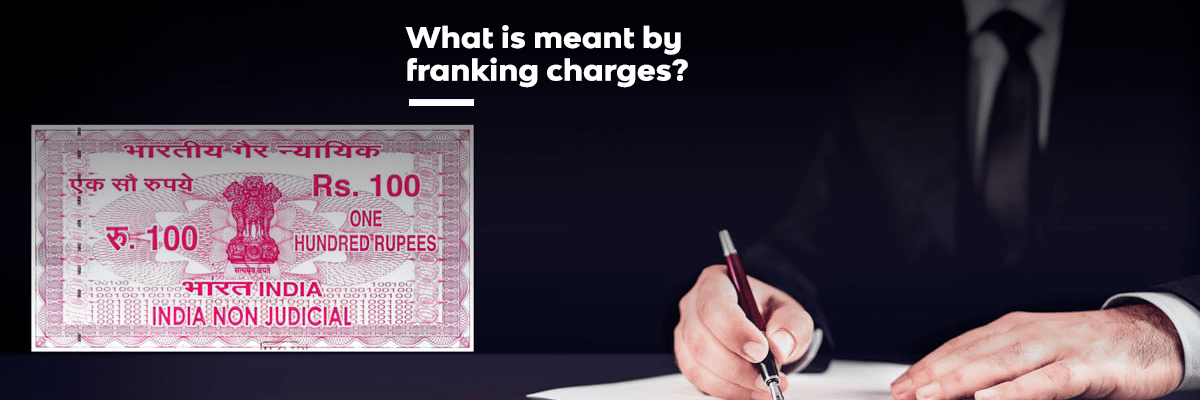
Franking Charges Explained: Meaning and Benefits
January 31, 2025
1117000+ views
Society Maintenance Charges : Meaning, Cost, Types and Calculation
January 31, 2025
202539+ views

Daughter's Right in Fathers' Property - the Law is Finally Equal for both Genders?
June 1, 2025
146674+ views

BBMP E-Khata Registration process for property owners in Bangalore, Karnataka in 2025
March 19, 2025
145603+ views

Rectification Deed Format and Process in India 2026
June 1, 2025
136799+ views
Author
Loved what you read? Share it with others!
Recent blogs in
Reddendum Clause in the Lease Deed: Meaning, Purpose, Legal Validity, and Examples
March 20, 2026 by Krishnanunni H M
What is the Difference Between Lease Agreement and Leave and License Agreement?
March 20, 2026 by Vivek Mishra
Tripartite Sub-Lease Deed: Parties, Clauses, and Registration Process in India
March 20, 2026 by Ananth










 Full RM + FRM support


Join the conversation!