Table of Contents
Loved what you read? Share it with others!


Vinegar for Cleaning: Types, Uses, Benefits and Safety Tips
Updated : November 17, 2025, 5:18 PM
Author :

Table of Contents
Vinegar is a powerful, eco-friendly liquid derived from fermented alcohol, widely used for household cleaning. Vinegar for cleaning helps disinfect, deodorise, and remove grime naturally. It’s needed because it’s safe, cheap and chemical-free. Common cleaning tips include mixing vinegar with water, lemon or baking soda for extra strength. Use it in mirrors, countertops, or bathrooms, for shine and freshness. The vinegar cleaning solution costs very little usually ₹30-₹50 per bottle and comes in apple cider, white, and distilled varieties for various cleaning needs.
The Science Behind Cleaning with Vinegar

Cleaning with natural ingredients is gaining popularity, and vinegar remains a trusted solution. It’s effective, affordable, and eco-friendly, making it ideal for sustainable home cleaning practices.
- Powerful Cleaning Action: Vinegar’s acetic acid easily removes grease, stains and mineral deposits. When combined with baking soda and vinegar, it naturally boosts cleaning strength.
- Natural Disinfectant: Vinegar effectively kills germs and neutralises odours, providing a chemical-free way to maintain hygiene and freshness throughout your home.
- Eco-Friendly & Safe: Completely biodegradable, vinegar leaves no harmful residue, ensuring a safer environment while reducing dependence on harsh, commercial cleaning products.
Types of Vinegar Used for Cleaning

Different types of vinegar offer unique cleaning benefits. From tough stain removal to odour control, each variety works differently. Understanding these helps you easily choose the best vinegar cleaning uses for every household need. Below are a few types of vinegar to choose from:
- White Vinegar: Most popular for cleaning, white vinegar effectively removes stains, disinfects surfaces, and deodorises kitchen, bathroom, and glass areas.
- Apple Cider Vinegar: Mild yet effective, apple cider vinegar works great for gentle cleaning, deodorising fabrics, and shining wooden surfaces without damaging finishes.
- Distilled Vinegar: Perfect for sensitive surfaces, distilled vinegar cleans electronics, windows, and countertops, leaving a streak-free shine and a fresh, clean scent.
DIY: Crafting the Perfect Vinegar Cleaner Mix
Vinegar is a versatile and natural cleaning solution that's been used for generations due to its cleaning, disinfecting, and deodorizing properties. The acetic acid in vinegar breaks down dirt, grease, and mineral deposits, making it effective on a variety of surfaces.
Basic Vinegar Cleaner
- Ingredients:
- White distilled vinegar
- Water
- Instructions:
- Mix equal parts of white distilled vinegar and water in a spray bottle. For a milder solution, you can use 1 part vinegar to 2 parts water.
- Shake well before each use.
- Spray onto the surface you want to clean.
- Wipe away with a cloth or sponge.
Enhanced Vinegar Cleaner (for added scent and cleaning power)
- Ingredients:
- White distilled vinegar
- Water
- Essential oil (like lemon, lavender, tea tree, eucalyptus, or peppermint)
- Optional: Lemon or orange peels
- Instructions:
- Mix equal parts of white distilled vinegar and water in a spray bottle. For a milder solution, you can use 1 part vinegar to 2 parts water.
- Add 10-15 drops of your chosen essential oil per cup of cleaner. Not only will this mask the smell of vinegar, but certain essential oils like tea tree or lemon also have antimicrobial properties.
- For an additional fresh scent and a little extra cleaning power, you can add lemon or orange peels. Simply drop them into the spray bottle.
- Let the mixture sit for a day or two, allowing the oils to infuse into the vinegar mixture.
- Shake well before each use.
- Spray onto the surface you want to clean.
- Wipe away with a cloth or sponge.
From Spills to Shines: Using Vinegar on Floors
White distilled vinegar, with its clear and potent essence, emerges as a trusted ally for floor care across a myriad of materials. When you tread upon gleaming hardwood or sleek laminate, often behind that lustre is a gentle application of this vinegar, diluted to perfection.
Tiles, with their propensity to hide grime in unseen nooks, and resilient linoleum, both respond well to its natural acidic touch. Nonetheless, a discreet spot test on any surface becomes the wise prelude to a broader application, ensuring harmony between vinegar and the floor.
How to Clean Floors with Vinegar?

Cleaning floors with natural ingredients keeps your home fresh and chemical-free. Cleaning floors with vinegar is an easy, affordable, and eco-friendly way to keep your home sparkling clean and naturally fresh every day. Below are ways to use:
- Remove loose dirt and debris from the floor by sweeping or vacuuming.
- Decide on the concentration. For general cleaning, a good ratio is half a cup of white distilled vinegar to a gallon of warm water.
- Fill a bucket with warm water and add the white distilled vinegar. Mix well.
- Dip a soft cloth or mop into the solution, and wring out excess liquid to avoid over-saturating the floor.
- Wipe or mop the floor with a dampened cloth or mop. The acetic acid in the vinegar acts as a disinfectant and degreaser.
- For stubborn stains or spots, you can apply undiluted vinegar directly to the area, let it sit for a few minutes, and then scrub gently.
- Some people prefer to rinse the floor with clean water afterwards to remove any vinegar residue, especially on floors like hardwood floors.
- Allow the floor to air dry or wipe it down with a clean, dry cloth.
- For hardwood floors, it's important to dry the floor completely to prevent water damage.
How to Clean Hardwood and Tiles with Vinegar?
Cleaning hardwood and tile floors with vinegar is a simple, affordable and eco-friendly method. It removes dirt, grime, and stains effectively while keeping your floors shiny, fresh, and safe from harsh chemicals. The table below will show you understand:
| Aspect | White Distilled Vinegar | Apple Cider Vinegar |
| Hardwood | ||
| Pros | Effective cleaner; breaks down grime. | Gentle clean; milder acidic nature. |
| Cons | Can damage the finish with regular use. | Might leave a faint apple scent; potentially dulling effect with frequent use. |
| Tiles | ||
| Pros | Breaks down mineral deposits and tough stains; clear, no colour residue. | Effective on general dirt; fresh apple scent. |
| Cons | Can etch natural stone tiles like marble. | Might be less effective on tougher stains; and potential damage to natural stone tiles. |
Culinary Spaces Transformed: Vinegar in the Kitchen

Vinegar, a staple in most kitchen pantries, has long been known not just for its culinary uses but also its potent cleaning properties When searching for effective kitchen cleaning tips, one can't overlook the versatile power of vinegar. Here's a closer look at how it can elevate your kitchen cleaning routine.
Cutting Through Grease: How to Use Vinegar for Challenging Kitchen Stains
- Preparation: For stubborn stains, mix equal parts of white vinegar and water in a spray bottle. For lighter cleaning tasks, a weaker solution (one part vinegar to three parts water) will suffice.
- Method: Spray the vinegar solution on the stained area and let it sit for a few minutes. Scrub with a brush or sponge until the stain comes off. Rinse with water.
- Why it works: The acetic acid in vinegar acts as a natural degreaser, breaking down the fatty molecules found in grease, and making it easier to wipe away.
Maintenance Hacks: Cleaning Appliances and Utensils with Vinegar
- Microwave: Fill a bowl with equal parts water and vinegar, then microwave on high for 5 minutes. The steam will help loosen any food particles, making it easier to wipe clean.
- Coffee Maker: Fill the reservoir with equal parts water and vinegar. Run a brew cycle, followed by two cycles with just water to rinse out the vinegar.
- Cutlery and Glasses: To prevent water spots, add a splash of vinegar to your dishwasher. It acts as a natural rinse agent, leaving your items sparkling.
- Garbage Disposal: Pour a cup of vinegar into your disposal, let it sit for an hour, and then rinse with cold water to eliminate odours.
Ensuring Safety: Areas and Appliances to Avoid Vinegar Application
- Natural Stone Countertops: Vinegar can damage surfaces like granite, marble, and limestone.
- Hardwood Floors: The acid can strip the finish off of hardwood floors.
- Electronic Screens: The acid might damage the screen coatings.
- Egg Stains or Spills: Vinegar can cause the proteins in eggs to coagulate, making it harder to clean.
- Some Metals: It can tarnish metals like brass, iron, and bronze.
Sparking Sanctuaries: Vinegar for Cleaning the Bathroom
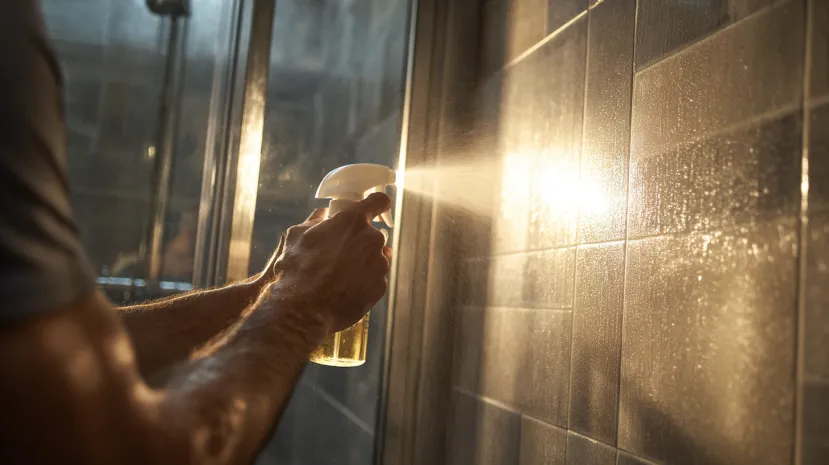
Vinegar for cleaning a bathroom is a natural and effective way to remove soap scum, water stains and germs. It keeps surfaces shiny, eliminates odours, and ensures a fresh, hygienic space without harsh chemicals.
How to Clean with Vinegar for Mirrors, Faucets, and Tiles?
- Mirrors: Mix equal parts of white vinegar and water in a spray bottle. Spray the solution onto the mirror, then wipe it clean with a lint-free cloth or newspaper for a streak-free shine.
- Faucets: Soak a cloth or paper towel in undiluted white vinegar and wrap it around your faucet. Leave it for 15-20 minutes to dissolve mineral deposits and hard water stains. Scrub with an old toothbrush or cloth to reveal the gleaming faucet beneath.
- Tiles: For tile surfaces, prepare a solution of one part white vinegar to three parts water. Spray the mixture on the tiles and grout, allowing it to sit for a few minutes. Scrub with a brush or sponge to remove soap scum and mould. Rinse thoroughly with water.
Addressing Tougher Challenges: Clean Toilet with Vinegar Methods
- Regular Cleaning: Pour one cup of white vinegar into the toilet bowl and let it sit for at least 30 minutes or overnight. Scrub the bowl with a toilet brush and flush. The vinegar helps eliminate stains and neutralize odours.
- Hard Water Stains: For stubborn hard water stains in the toilet bowl, turn off the water supply and flush to empty the tank. Pour undiluted white vinegar into the bowl, allowing it to sit for several hours or overnight. Scrub with a toilet brush and turn the water supply back on to flush away the vinegar and stains.
- Disinfecting: While vinegar is effective against many bathroom germs, you can add a few drops of tea tree oil or hydrogen peroxide to the vinegar for added disinfecting power.
Creating a Pleasant Atmosphere Post-Cleaning: Natural Scent Solutions
- Citrus Freshness: After cleaning with vinegar, cut a lemon or orange in half and rub it on faucets, countertops, and other surfaces. It not only adds a fresh scent but also helps to remove any lingering vinegar odour.
- Essential Oils: Add a few drops of your favourite essential oils, such as lavender, eucalyptus, or peppermint, to a spray bottle filled with water and a splash of vinegar. Use this natural air freshener to keep your bathroom smelling delightful.
- Baking Soda Odor Absorber: Place an open container of baking soda in your bathroom to absorb odours. You can also sprinkle a little baking soda in the trash can to keep it smelling fresh.
Beyond the Common Spaces: Vinegar in Living Rooms, Bedrooms, and Laundry
Vinegar isn't just for the kitchen and bathroom; it can also work wonders in other areas of your home. Let's explore how vinegar can be used effectively in living rooms, bedrooms, and your laundry routine.
How to Clean Carpet with Vinegar and Dawn Techniques?
- Stain Removal: For carpet stains, mix 1/4 cup of white vinegar with 1/4 cup of water and a few drops of dishwashing liquid (like Dawn). Blot the stain with the solution, then rinse with water and blot dry. This can help remove tough stains like coffee or red wine.
- Odour Elimination: To neutralize carpet odours, especially from pets, mix equal parts of water and white vinegar in a spray bottle. Lightly mist the carpet and let it air dry. The vinegar will help neutralize odours without leaving a strong vinegar scent.
Freshening Up Living Spaces: Using Vinegar to Clean Decorative Pieces
- Wooden Furniture: Mix equal parts of white vinegar and water to clean wooden furniture. Wipe down surfaces to remove dust and grime. This solution can also help restore shine to wood finishes.
- Glass and Mirrors: Just like in the bathroom, you can use a vinegar-and-water solution to clean glass tabletops, picture frames, and mirrors in your living room or bedroom.
- Electronics: Use a soft cloth slightly dampened with a vinegar-and-water solution to clean computer and TV screens, and other electronics. Be cautious not to let any liquid drip into the electronics.
Wardrobe Wonders: Tackling Tough Laundry Stains with Vinegar
- Pre-treatment: Before laundering, treat tough stains like wine, sweat, or grass with undiluted white vinegar. Apply it directly to the stain and let it sit for 10-15 minutes before washing.
- Fabric Softener: Instead of commercial fabric softeners, add 1/2 cup of white vinegar to the rinse cycle of your laundry. This softens clothes and helps remove detergent residue.
- Brightening Whites: To brighten white clothes, add 1/2 cup of vinegar to the wash cycle along with your regular detergent. This can help prevent yellowing.
Breathing Life into Old Fabrics and Curtains Using Vinegar Mix
- Reviving Curtains: Remove dust and refresh curtains by mixing equal parts of white vinegar and water in a spray bottle. Lightly mist the curtains and let them air dry. This can also help remove any lingering odours.
- Fabric Softening: If your old fabrics feel stiff, add 1/2 cup of white vinegar to a large basin of water and soak the fabrics for an hour. Rinse thoroughly and let them air dry. This will help soften the fibres.
- Colour Preservation: Vinegar can help set the colour in new fabric or fabric that you're worried might bleed. Soak the fabric in a mixture of cold water and vinegar before the first wash.
The Vinegar Veto: Things You Should Never Clean with Vinegar
While vinegar is a versatile and effective cleaning agent for many surfaces and items, there are certain things you should never clean with vinegar due to the potential for damage or adverse reactions. Here's a list of items and areas to avoid when using vinegar as a cleaning solution:
- Natural Stone Countertops: Vinegar's acidic nature can etch and damage natural stones like granite, marble, limestone, and travertine. Use a stone-specific cleaner for these surfaces.
- Hardwood Floors: The acid in vinegar can strip away the finish on hardwood floors, leaving them dull and damaged. Opt for a wood-friendly floor cleaner instead.
- Iron or Bronze Items: Vinegar can tarnish metals like iron, bronze, and brass. Use a metal-specific cleaner or polish for these items.
- Grout with Colored Sealant: If your grout has coloured sealant, avoid using vinegar as it can fade or discolour the sealant. Use a grout cleaner recommended for coloured sealant.
- Stains on Clothing or Fabrics: While vinegar can remove some stains, it can also set others, such as protein-based stains like blood or milk. Check the type of stain before using vinegar for stain removal.
- Sticky Residues: Vinegar may not effectively remove sticky residues from adhesive materials, such as tape or stickers. Opt for a specialized adhesive remover instead.
- Natural Fibers Like Silk or Wool: Vinegar can damage delicate natural fibres like silk and wool. Stick to specialized cleaners for these materials.
- Cast Iron Cookware: Cleaning cast iron with vinegar can strip away its seasoned finish. Instead, scrub with a stiff brush and hot water, then re-season the pan.
Benefits of Using Vinegar as a Cleaner
Using vinegar for cleaning purposes is a smart, eco-friendly, and affordable choice. It effectively tackles dirt, grease, and odors while keeping your home fresh, hygienic and free from harmful cleaning chemicals. Below are a few benefits of using it:
- Natural Disinfectant: Vinegar kills germs and bacteria naturally, offering a safe alternative to chemical cleaners for maintaining hygiene around your home.
- Removes odors and stains: It neutralizes unpleasant smells and lifts stubborn stains from surfaces, fabrics and floors, leaving a clean and fresh scent.
- Budget Friendly and Eco-Safe: Vinegar is inexpensive, biodegradable, and environmentally friendly, making it ideal for sustainable, chemical-free home cleaning.
How Can NoBroker Cleaning Services Help?
In conclusion, Vinegar is a powerful, natural cleaner that keeps your home fresh and spotless. Its versatility makes it ideal for everyday cleaning. For a deeper clean, trust NoBroker cleaning services and the expert team delivers professional, customised cleaning solutions for every corner of your home. Book NoBroker cleaning services today and enjoy a sparkling, refreshed living space.
Frequently Asked Questions?
Ans: No, vinegar is acidic and can damage certain tiles like marble, limestone, and travertine. Always test a small area or check the manufacturer's recommendations first.
Ans: A common dilution for household cleaning is 1 part vinegar to 1 part water. Adjust based on the cleaning requirement, but this ratio is generally safe and effective.
Ans: Vinegar can effectively remove oil stains, but turmeric stains are challenging due to their strong pigments. Pre-treat turmeric stains immediately, but vinegar may not fully remove them.
Ans: Yes, vinegar mixed with salt can be used to clean and shine brass and copper utensils. Rinse thoroughly after cleaning.
Ans: For wet grinders, vinegar can be used to descale and clean; rinse well after. Avoid using vinegar on tandoor ovens, as it can affect the clay lining and flavour. Always refer to the manufacturer's guidelines.
Ans: No, avoid using vinegar on marble or granite countertops as its acidity can damage the natural stone surface over time.
Ans: Clean your washing machine with vinegar once a month to remove buildup, eliminate odors, and keep it running efficiently.
Ans: Yes, you can mix vinegar with mild dishwashing liquid for floor cleaning, but always dilute it well before use.
Recommended Reading
Deep Clean Your Washing Machine: Step-by-Step Guide & Tips
January 31, 2025
21665+ views
Top 10 Plumbing Service Apps in 2026
January 31, 2025
16903+ views

How to Remove Rust from Iron: Step-by-Step Guide for Restoring Your Iron Items in 2026
January 31, 2025
7461+ views
How to Clean Brass Items Simple Steps for Shine and Remove Tarnish in 2026
January 31, 2025
6951+ views
12 Budget-Friendly Home Organisation Ideas
January 31, 2025
5392+ views
NoBroker Easy Cleaning Tips Testimonials
Most Viewed Articles
List of the Best Home Cleaning Apps: Book Home Cleaning Services for Daily and Deep Cleaning
January 31, 2025
27138+ views
Deep Clean Your Washing Machine: Step-by-Step Guide & Tips
January 31, 2025
21665+ views
How to Get Rid of Bathroom Flies: 8 Quick Methods
January 31, 2025
20780+ views
Top 10 Tile Cleaner Liquids with Prices in India for 2026
February 23, 2025
19438+ views
Diwali Cleaning Tips and Guide: Make Your Home Shine for the Festival in 2026
January 31, 2025
18299+ views
Author
Loved what you read? Share it with others!
Recent blogs in
Move-In vs Move-Out Cleaning: Key Differences & Complete Checklist in 2026
March 9, 2026 by Krishnanunni H M
Bathroom Steam Cleaning: Process, Benefits, and Professional Tips in 2026
March 9, 2026 by Priyanka Saha










 Full RM + FRM support


Join the conversation!