Table of Contents
Loved what you read? Share it with others!


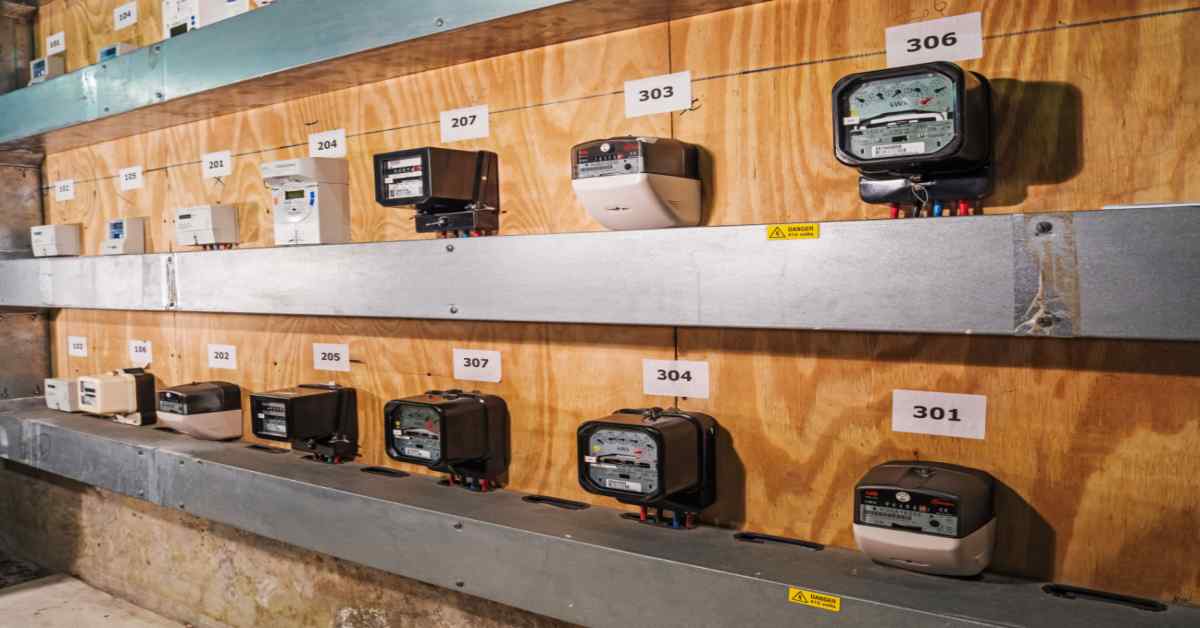
Types of Electric Meters: Uses, Features and Working Principles
Updated : February 12, 2026, 2:57 PM
Author :
 Siri Hegde K
Table of Contents
An electric meter records electricity flow for billing, load control, and system planning across users. Types of electric meters range from induction and digital models to smart, net, and prepaid systems used today. Installation cost usually ranges between ₹2,000 and ₹8,000 depending on phase, approvals, and communication technology. Types of electricity connections in India include single-phase, three-phase, domestic, and commercial supplies. Homeowners prefer smart meters for accuracy, real-time monitoring, solar readiness, alerts, and lower long-term expenses.
Types of Meters in Electrical
Electric meters measure power usage for billing, safety, and efficiency, helping homes and industries manage energy wisely using modern electrical meter types, designed for accuracy, control, and reliable performance daily.
1. By Phase and Load Different Types of Electric Meters For Homes
Electric meters for homes are selected by phase and load, inquiring about safe power supply, accurate billing, and energy efficiency use based on household size and appliance requirements.
| Phase Type | Load Capacity | Type of electric meter | Suitable for homes |
| Single-Phase | Up to 5 kW | Single-Phase Electromechanical Meter | Small homes, basic appliances |
| Single-Phase | Up to 10 kW | Single-Phase Electronic Meter | Medium homes, daily household use |
| Single-Phase | Up to 10 kW | Single-Phase Smart Meter | Modern homes with smart devices |
| Three-Phase | 10–20 kW | Three-Phase Electronic Meter | Large homes, high- power appliances |
| Three-Phase | Above 20 kW | Single-Phase Smart Meter | Villas, luxury homes, home businesses |
| Single-Phase/ Three- Phase | Varies | Prepaid electric meter | Rental homes and apartments |
2. By Technology - Different Types of Meter
Electric meters for homes vary by technology, helping users monitor consumption accurately, reduce losses, and choose suitable solutions, with types of electric meters in India supporting modern energy management needs. The table below will explain things properly.
| Types of Meter | Simple Description | Common Use |
| Electromechanical meter | Uses a roaring disk to measure energy | Older homes and buildings |
| Electronic meter | Digital meter with better accuracy | Residential and commercial |
| Smart meter | Sends real time data automatically | Modern homes and smart grids |
| Prepaid meter | Pay before using electricity | Apartments and rental properties |
| Net meter | Measures power used and solar power sent back | Solar energy homes |
Understanding The Differences Between Electric Meters
Electricity meters come in different types, sizes, and designs, and are designed to meet the different needs of different consumers. Some common types of electric meters in India include:
- Accuracy: Different meters have varying levels of accuracy. Digital meters are typically more accurate than analog meters.
- Reading display: analog meters use dials to show energy consumption, while digital meters use a digital display screen.
- Remote reading: Some meters can be read remotely, while others require physical reading.
Different Types of Meter for Homes - Detailed Insights
Electric meters for homes vary by technology and functionality, enabling accurate consumption tracking, improved billing transparency, and better energy efficiency. Different types of electric meters in India support modern household energy management needs. Below are brief explanations of each type for better understanding.
1. Analogue Meters and How They Work
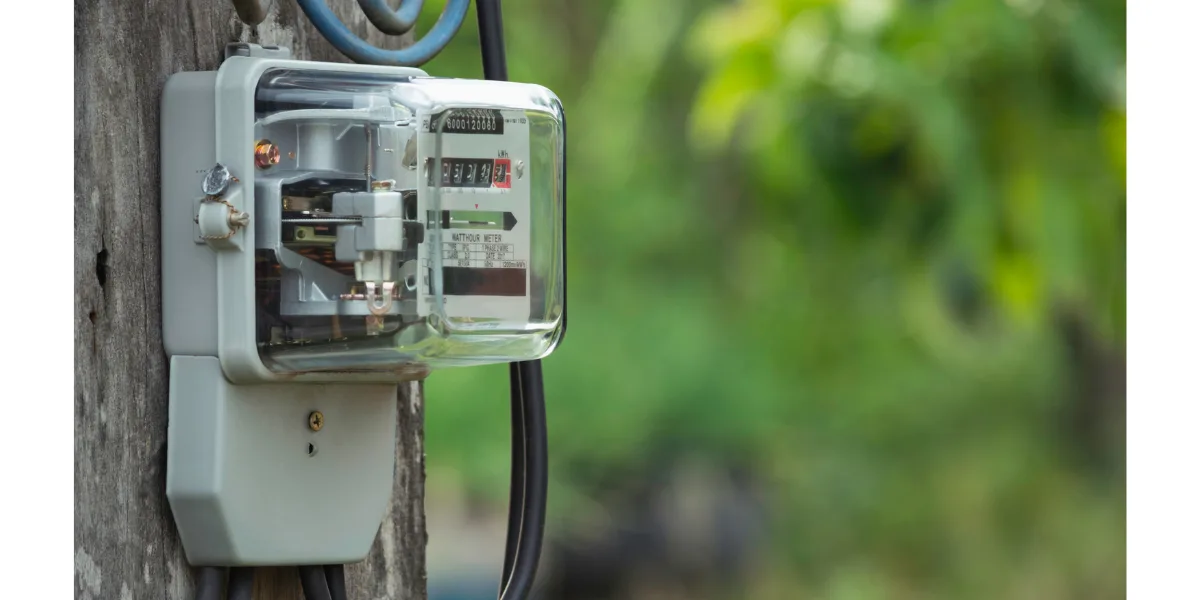
Analog meters, also known as electromechanical meters, use mechanical components to measure energy consumption.
They work by using a rotating metal disc, which turns faster or slower depending on the amount of energy consumed. analog meters are often used in older buildings and homes that have not been updated with digital meters.
Advantages And Disadvantages Of Analogue Meters
| Advantages | Disadvantages |
| Simple design and easy to understand | Less accurate than digital meters |
| Low initial cost | No real-time or remote reading |
| Durable and long-lasting | Manual reading required |
| Works without advanced technology | Not suitable for modern energy monitoring |
Different Types Of Analogue Meters For Homes
Analog meters come in different types, including
- Electromechanical meters: The most common type of analog meter, electromechanical meters use a spinning disc to measure energy consumption.
- Electronic meters: These meters use digital circuits to measure energy consumption but still display readings using analog dials.
How To Read And Interpret Analogue Meters
Analog meters display energy consumption readings using a series of dials. To read and interpret an analog meter, follow these steps:
- Start with the dial on the far left and record the number the dial is pointing at.
- Move to the next dial to the right and record the number.
- Repeat this process for each dial until you have recorded all the numbers.
Note that some dials rotate in opposite directions, so you may need to subtract some numbers from others to get an accurate reading.
2. Digital Meters and How They Work
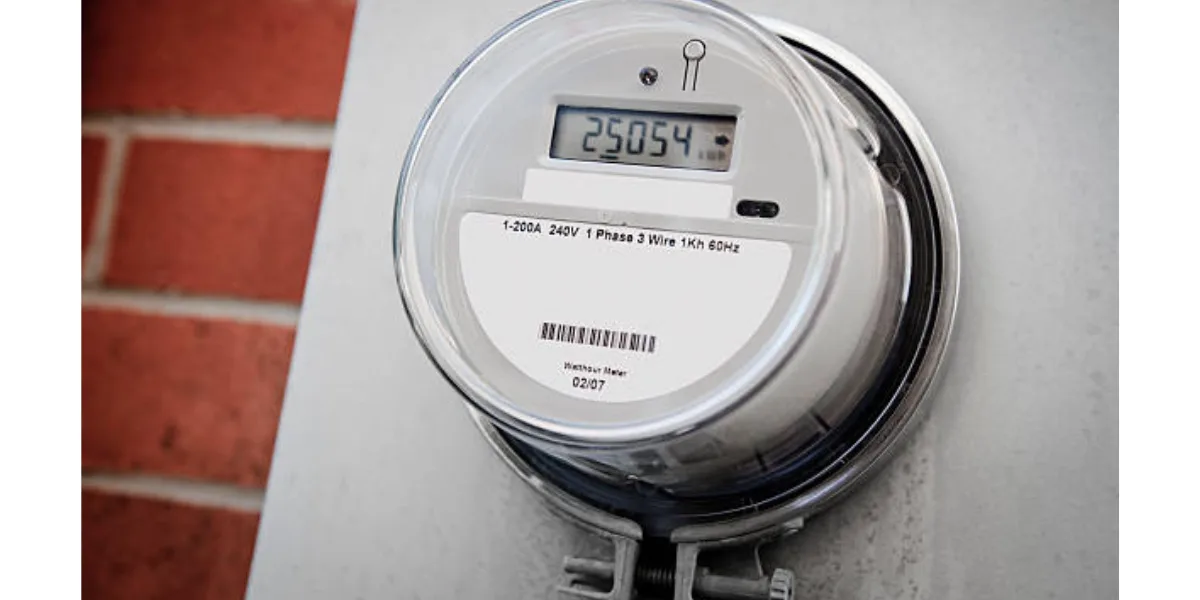
Digital meters are electrical meters that measure the amount of energy consumed and display it in a digital format. They work by recording the amount of electricity passing through them and then converting that information into a digital signal. Digital meters can be read remotely by utilities and provide more accurate data on energy usage.
Advantages And Disadvantages Of Digital Meters
Digital meters are modern, accurate electricity meters widely used in India, offering advanced features and easier energy monitoring for homes. Check the table below to understand better:
| Advantages | Disadvantages |
| High accuracy and reliable readings | Higher initial cost than analogue meters |
| Easy to read digital display | Requires electricity to function |
| Can support remote reading and monitoring | May need technical maintenance |
| Compact and durable design | Sensitive to voltage fluctuations |
| Support modern features like type-of-use billing | Cannot function during power outages without backup |
Different Types Of Digital Meters For Homes
There are several different types of digital meters for homes, including:
- Single-rate meters, which measure energy usage at a flat rate
- Time-of-use meters, which measure energy usage at different rates depending on the time of day
- Prepaid meters, which require the consumer to purchase energy credits in advance
How To Read And Interpret Digital Meters?
Digital meters are easy to read and interpret. The display will typically show the current energy usage in kilowatt-hours (kWh) and may also show the date and time of the reading. To interpret the data, consumers can track their energy usage over time and compare it to previous readings to identify trends and make adjustments to their energy consumption.
3. Smart Meters and How They Work
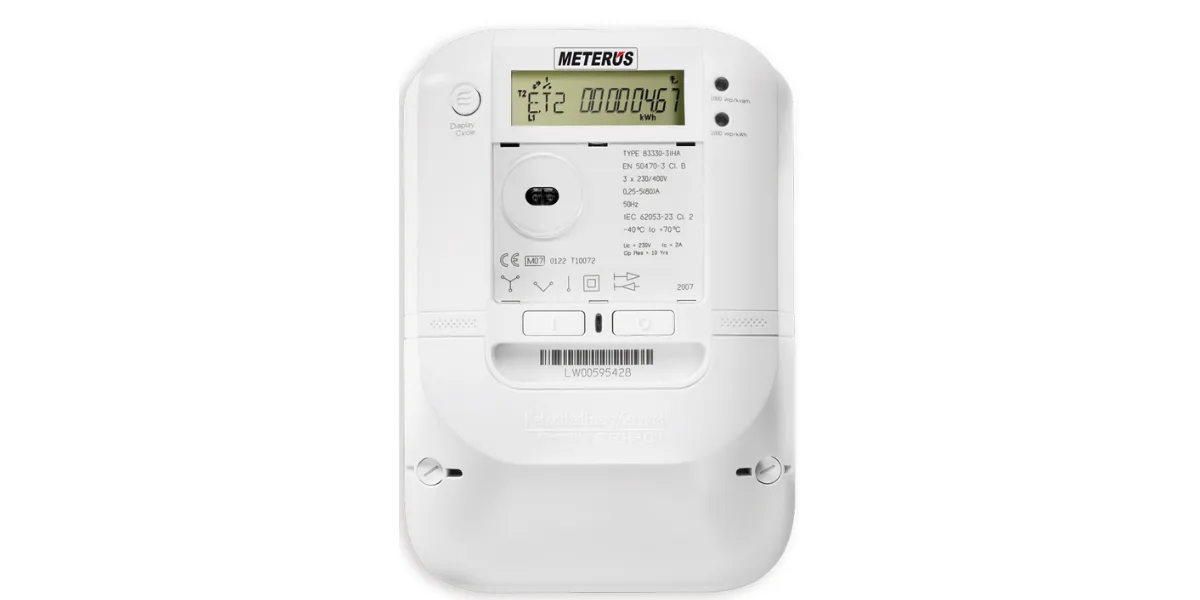
Smart meters are digital meters that are capable of two-way communication with utilities. They record energy usage and transmit that data to utilities for billing and analysis. Smart meters can also provide real-time data on energy usage to consumers and utilities, which can help to identify energy-saving opportunities.
Advantages And Disadvantages Of Smart Meters
Smart meters provide real-time energy monitoring, automated readings, and efficient management, making them ideal for modern homes and advanced electricity systems.
| Advantages | Disadvantages |
| Real-time monitoring of electricity usage | Higher installation cost |
| Supports remote reading and billing | Requires stable network connection |
| Helps identify energy wastage | May raise privacy concerns |
| Compatible with renewable energy systems | Needs professional installation |
| Enables time-of-use and dynamic pricing | Can be complex for some uses |
Different Types Of Smart Meters For Homes
There are two main types of smart meters for homes:
- AMI (Advanced Metering Infrastructure) smart meters, use wireless communication to transmit data.
- Automated Meter Reading (AMR) smart meters, use a wired connection to transmit data.
How to Read and Interpret Smart Meters
Smart meters are designed to make it easy for homeowners to keep track of their energy usage. Here are some tips on how to read and interpret the data provided by a smart meter:
- Check your meter display: Smart meters typically have an easy-to-read display that shows your energy usage in real time. You can use this display to see how much energy you're using at any given moment and how much it's costing you.
- Understand the units of measurement: Smart meters display energy usage in kilowatt-hours (kWh). This is the standard unit of measurement for energy usage and is used by all energy suppliers.
- Track your usage over time: Smart meters allow you to track your energy usage over time, which can help you identify patterns and make adjustments to reduce your energy consumption.
- Monitor your costs: Smart meters can also show you how much your energy usage is costing you in real time. This can help you make more informed decisions about when and how to use energy in your home.
- Use your in-home display: Many smart meters come with an in-home display that shows your energy usage in real time. This can be a useful tool for keeping track of your energy usage and identifying areas where you can make changes to reduce your energy consumption.
By following these tips, you can make the most of your smart meter and use it to save money on your energy bills while reducing your carbon footprint.
4. Energy Metering Devices
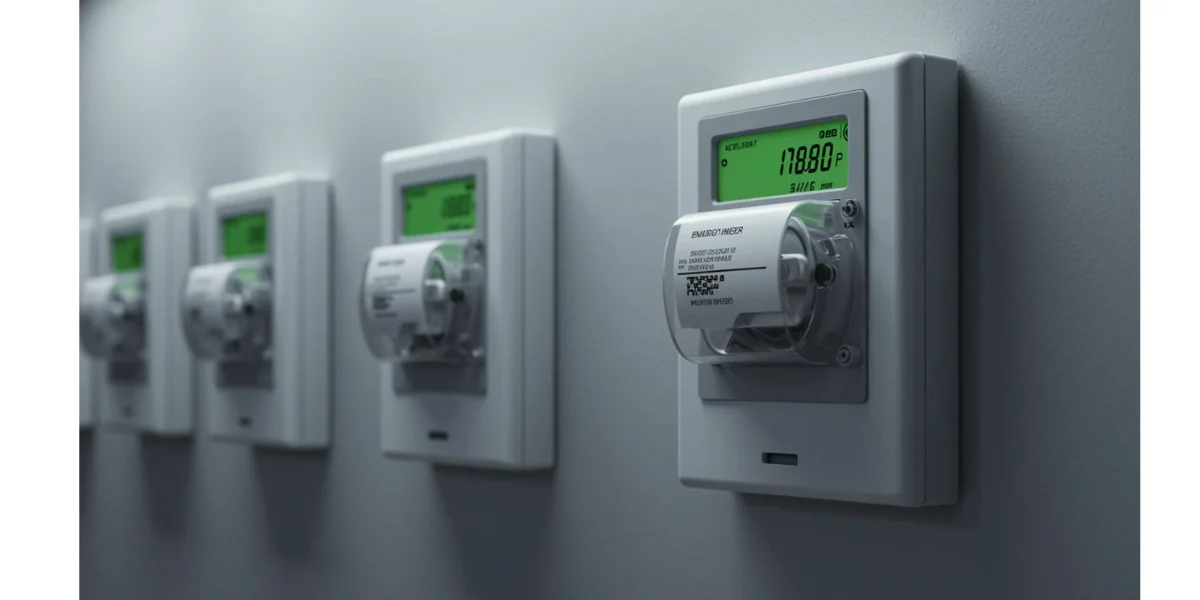
Energy metering devices are used to measure and record the amount of energy used by a home or building. They come in a variety of different types, but all work on the same basic principle: measuring the flow of electricity through a circuit.
Regardless of the type of metering device used, they all work on the same basic principle. They measure the flow of electricity through a circuit and use this information to calculate the amount of energy used over a given period.
Advantages and Disadvantages of Energy Metering Devices
Like all types of technology, energy metering devices have their advantages and disadvantages. Here are some of the pros and cons of using these devices:
| Advantages | Disadvantages |
| Measures electricity consumption accurately | Some devices have higher upfront costs |
| Helps monitor and reduce energy wastage | Certain types require technical knowledge to operate |
| Useful for billing and load management | Maintenance may be needed for long-term use |
| Supports energy efficiency initiatives | Not all meters offer remote monitoring |
| Available in various types of different needs | Older or basic models lack advanced features |
Different Types of Energy Metering Devices for Homes
Energy metering devices are used to measure the amount of electricity consumed in a household. There are different types of energy metering devices available for homes, each with its features and advantages. Here are some of the most common types of energy metering devices:
- Standard electromechanical meter: these are the traditional meters with a spinning disk that records the amount of electricity consumed. They are reliable and accurate but require manual reading and are not very energy-efficient.
- Electronic meters: these are digital meters that display the electricity consumption in real-time. They are more accurate than electromechanical meters and can communicate with other smart devices in the home.
- Prepayment meters: these are electronic meters that allow users to pay for their electricity in advance. They can help users manage their energy consumption and avoid unexpected bills.
- Smart meters: these are advanced digital meters that can communicate with the utility company to provide real-time data on energy consumption. They can also help users manage their energy usage and reduce their bills.
How to Check Electricity Meter Reading?
Checking your electricity meter reading is important for managing energy consumption and avoiding unexpected bills. Here are some ways to check your electricity meter reading:
Different Ways To Check Electricity Meter Reading?
There are several easy ways to check your electricity meter reading, helping monitor usage and ensure accurate billing at home.
- Read the meter directly: this involves checking the numbers on the meter and recording them manually.
- Use a smartphone app: many utility companies offer apps that allow users to read their meter remotely using their smartphone.
- Use an online account: some utility companies offer online accounts where users can check their meter readings and manage their bills.
How to Calculate Electricity Usage From Meter Readings?
Calculating your electricity usage from meter readings can help you manage your energy consumption and avoid overpaying on bills. Here's how to do it:
- Record the previous and current meter readings.
- Subtract the previous reading from the current reading to get your energy usage in kWh.
- Multiply the energy usage by the rate at which you are charged for electricity to get the cost of your electricity consumption.
Common Mistakes To Avoid When Reading Electricity Meters
Reading electricity meters can be confusing, and it's easy to make mistakes that can lead to inaccurate readings and bills. Here are some common mistakes to avoid:
- Misreading the numbers: make sure you read the numbers on the meter correctly, especially if there are zeros or nines.
- Forgetting to convert units: electricity is measured in kilowatt-hours (kWh), so make sure you convert the reading to kWh if necessary.
- Not checking for decimals: some meters display readings with decimals, so make sure you record the decimal accurately.
Understanding Your Electricity Bill Based on Your Meter Reading
Understanding your electricity bill can be challenging, but it is crucial to avoid any discrepancies and overcharging. Electricity bills are calculated based on the electricity meter readings. Here are some important things to understand about your electricity bill:
- Tariffs: Different tariff plans are available, such as time-of-use, peak and off-peak, and fixed rate. Be sure to choose the tariff plan that best suits your energy consumption pattern.
- Billing Cycle: The billing cycle is usually monthly, but it can vary depending on your electricity supplier. Make sure to check your billing cycle to avoid confusion.
- Units of Measurement: Electricity is measured in kilowatt-hours (kWh). Your electricity bill will show the total energy consumption in kWh for the billing period.
- Meter Reading: Your electricity bill will show your previous and current meter readings. The difference between these two readings is your energy consumption for the billing period.
- Estimated Bills: Sometimes, electricity suppliers may send estimated bills instead of actual meter readings. Make sure to provide accurate meter readings to avoid overcharging.
- Taxes and Other Charges: Your electricity bill may also include taxes and other charges, such as distribution and transmission charges.
Understanding your electricity bill can help you manage your energy consumption and avoid overcharging.
Choosing the Right Electric Meter for Your Home
Choosing the right electric meter for your home is important to ensure accurate energy consumption measurements and avoid overcharging. Here are some factors to consider when selecting an electric meter for your home:
- Type of Meter: Consider the different types of electric meters available, such as analog, digital, and smart meters. Each type has its advantages and disadvantages, so choose the one that best suits your needs.
- Tariff Plans: Consider the different tariff plans available and choose the one that best suits your energy consumption pattern.
- Accuracy: Look for meters that are accurate and certified by the relevant authorities.
- Compatibility: Make sure the meter is compatible with your electrical system.
- Cost: Consider the cost of the meter and any additional installation fees.
Choosing the right electric meter can help you manage your energy consumption and save on electricity bills.
Which Type of Electric Meter is Best Suited for Your Home?
The type of electric meter that is best suited for your home depends on your energy consumption pattern and budget. Here are some factors to consider when choosing between different types of electric meters:
- Analogue Meters: Analog meters are the most basic type of electric meter and are suitable for households with low energy consumption. They are affordable and easy to read, but they lack the features of more advanced meters.
- Digital Meters: Digital meters are more advanced than analog meters and provide more accurate readings. They are suitable for households with moderate energy consumption and are easy to read.
- Smart Meters: Smart meters are the most advanced type of electric meter and provide real-time energy consumption data. They are suitable for households with high energy consumption and help manage energy consumption.
Consider your energy consumption pattern and budget when choosing the type of electric meter that is best suited for your home.
Tips for Selecting the Right Electric Meter for Your Home
Here are some tips for selecting the right electric meter for your home:
- Do your research: Research different types of electric meters and the features they offer.
- Consider your energy consumption pattern: Consider your energy consumption pattern and choose a meter that best suits your needs.
- Look for accuracy: Look for meters that are accurate and certified by the relevant authorities.
- Choose a reputable supplier: Choose a reputable supplier to ensure quality products and installation services.
- Compare prices: Compare prices of different meters and installation services to find the best value for your money.
How Can NoBroker Help?
NoBroker helps simplify electricity management with easy meter reading and seamless bill payments through NoBroker Pay. They offer electrical services like meter installation, repair, and smart meter setup, along with other home services such as plumbing, cleaning and maintenance efficient, safe and stress-free for homeowners and tenants.
Find Trusted Electricians Near You – City-wise
Frequently Asked Questions?
A1. To read your electric meter, simply note down the numbers displayed on the meter, usually in kilowatt-hours (kWh), and subtract the previous reading from the current one to determine your energy usage.
A2. NoBroker Pay is a convenient and secure way to pay your utility bills, including your electricity bills. With NoBroker Pay, you can make payments from your smartphone, track your payments, and avoid the hassle of traditional bill payments.
A3. Electric meters measure the flow of electrical energy by monitoring the current and voltage passing through the meter. The amount of energy consumed is calculated by multiplying the current and voltage readings.
A4. Digital 3-phase energy meters offer several benefits, including more accurate measurements, better data tracking and analysis, and easier integration with other energy management systems.
A5. The four types of electric meters include standard electromechanical meters, electronic meters, smart meters, and digital meters.
Recommended Reading
August 12, 2025
453967+ views
Gruha Jyothi Scheme Karnataka: Application Process, Eligibility and Documentation in 2026
September 12, 2025
69738+ views
UPPCL Jhatpat Portal for New Electricity Connection: Process, Status Tracking and Charges in 2026
January 31, 2025
49881+ views
May 24, 2025
44651+ views
New BESCOM Connection: Step-by-Step Process 2026
January 31, 2025
42717+ views
Most Viewed Articles
August 12, 2025
453967+ views
Gruha Jyothi Scheme Karnataka: Application Process, Eligibility and Documentation in 2026
September 12, 2025
69738+ views

How to Apply Online LPG Gas Connection: Application Process, Documents and Fees in 2026
June 1, 2025
60459+ views
UPPCL Jhatpat Portal for New Electricity Connection: Process, Status Tracking and Charges in 2026
January 31, 2025
49881+ views
May 24, 2025
44651+ views
Author
Loved what you read? Share it with others!
Recent blogs in
NBPDCL Bill Payment Online: Check, Download & Pay Bihar Electricity Bill in 2026
February 19, 2026 by Manu Mausam
CSPDCL Bill Payment Online: How to Check Bill Status and Download Receipt in 2026
February 18, 2026 by Manu Mausam
MPEB Bill Payment Online: Check, Download & Pay MP Electricity Bill in 2026
February 18, 2026 by Manu Mausam
JBVNL Bill Payment Online: Check Bill Status and Payment Methods in 2026
February 18, 2026 by Ananth









 Full RM + FRM support


Join the conversation!