Table of Contents
Loved what you read? Share it with others!


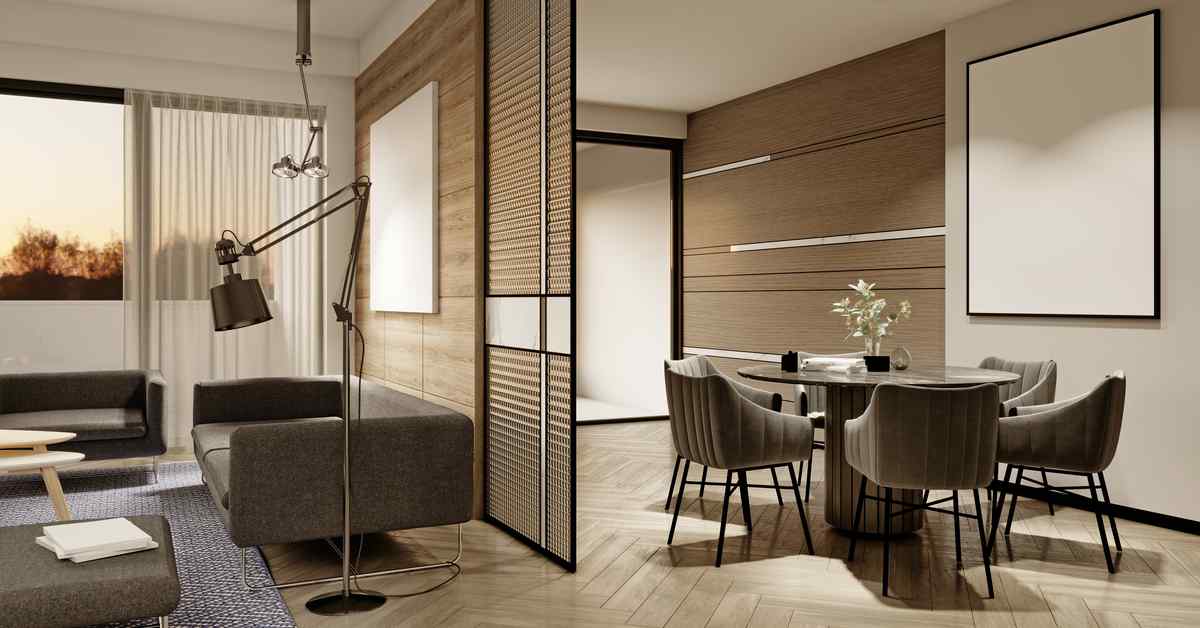
Our Round-Up of the Top Partition Designs between Living Dining
Updated : March 31, 2026, 5:59 PM
Author :
 Rakshitha
Table of Contents
Open layouts are common in modern Indian homes, where the living and dining areas share a single continuous space. While this makes the home feel larger, it often leaves both areas ill-defined. This shift has made partition designs between living and dining areas immensely important, especially in compact apartments where the dining area needs a bit of privacy during meals. In contrast, the living room is used for guests, TV, or relaxation.Many simple living dining partition ideas work well for Indian homes. Light partitions like wooden slats, glass panels, or open shelves can divide the space without making it feel smaller. In a compact home, the goal is not to close spaces but to organise them better. A well-chosen partition helps achieve that balance between openness and practical everyday use.
Quick Overview of Living Dining Partition Designs
Partition designs between living and dining help define spaces in open layouts with functional dividers that maintain flow, enhance usability, and add structure without closing off the home.
| Feature | Details |
| Purpose | Divide living and dining areas without blocking space |
| Best For | Apartments, small homes, open-plan layouts, or areas |
| Popular Materials | Wood, glass, metal, MDF |
| Design Types | Fixed panels, sliding units, shelves, slats |
| Cost Range | ₹5,000 – ₹1,50,000+ depending on design |
The Rising Trend of Partition Designs between Living Dining
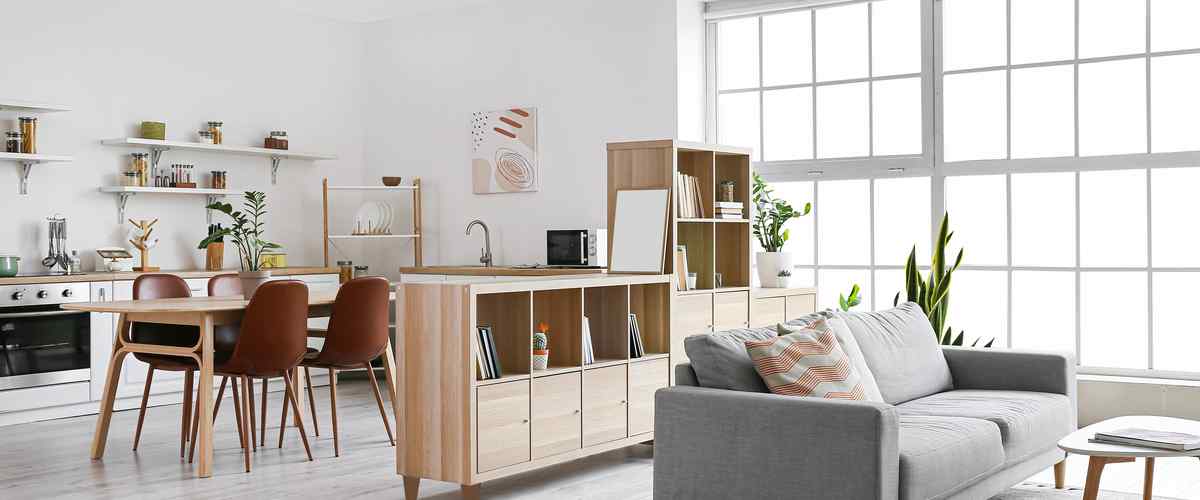
In many homes today, the living and dining areas are part of a single open space. While this improves movement, it also creates the need for better space planning. This setup improves lighting and movement, and makes the home feel more spacious. Instead of building walls, a well-planned hall partition design helps define spaces while keeping the layout open. It allows the living and dining areas to stay connected while still functioning as separate zones. Many homeowners now prefer living and dining partition ideas that balance openness with everyday practicality.
Here are some key advantages of using open or semi-open partitions:
- Better natural light: Open or glass-based partitions allow light to spread across both areas, making the space feel brighter.
- Easy movement: A connected layout improves flow between the living and dining areas, making daily use more convenient.
- Low maintenance: Fewer walls mean easier cleaning and less effort in long-term upkeep.
- Flexible furnishing: An open layout gives more freedom to arrange furniture without strict boundaries.
- Suitable for hosting: Connected spaces make it easier to manage guests, dining, and seating all in one place.
- Improved airflow: Open layouts support better ventilation, making the space feel less closed and more comfortable.
A well-designed partition between living and dining helps maintain this openness while adding structure, making the space more practical for everyday living.
Key Types of Partition Designs Between Living and Dining.
1. Wooden Partition with Storage (shelves/box)
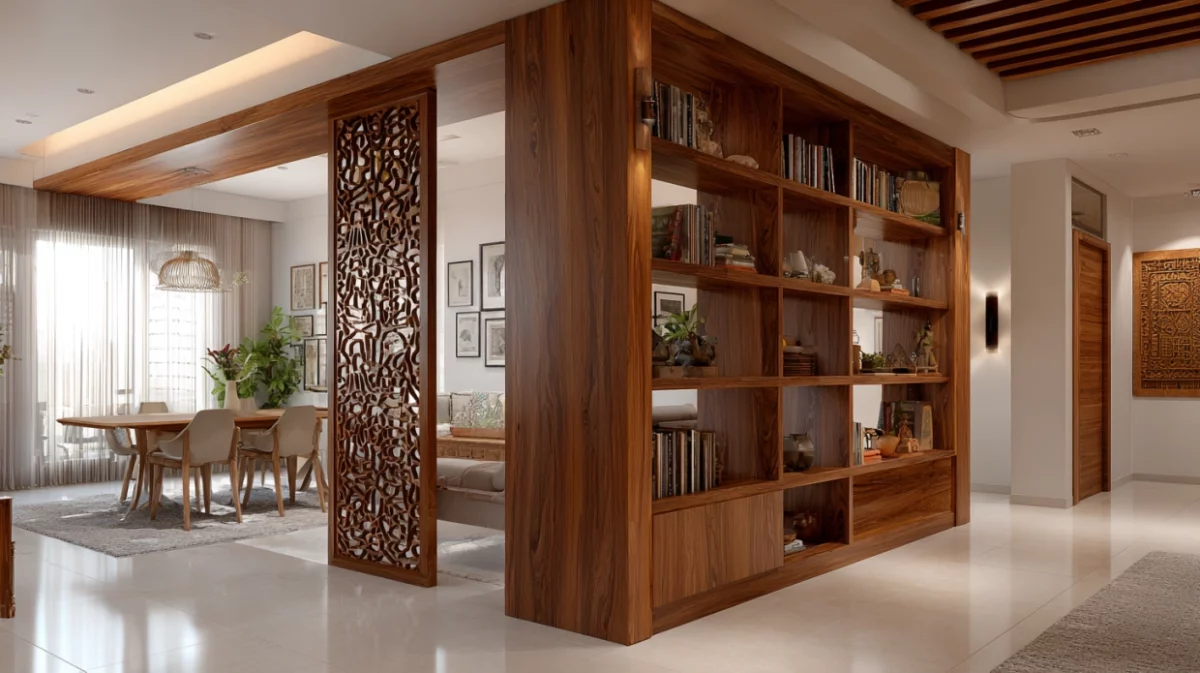
A wooden partition integrates vertical panels, cabinets, or shelving to divide the living and dining areas while aligning with furniture finishes. It creates a structured layout and adds usable storage without disrupting flow, making it practical for homes that need both zoning and organisation.
Why Choose This Design?
Works well for Indian homes where storage and zoning are both needed.
Key Features and Pro Tips
Wooden partition designs between the living and dining easily match most furniture and flooring. Adding a cabinet or shelf unit helps use the divider as storage without making the room feel heavy. Stick to neutral shades like white, beige, and wood tones to keep the space balanced.
2. Modular or Foldable Partition
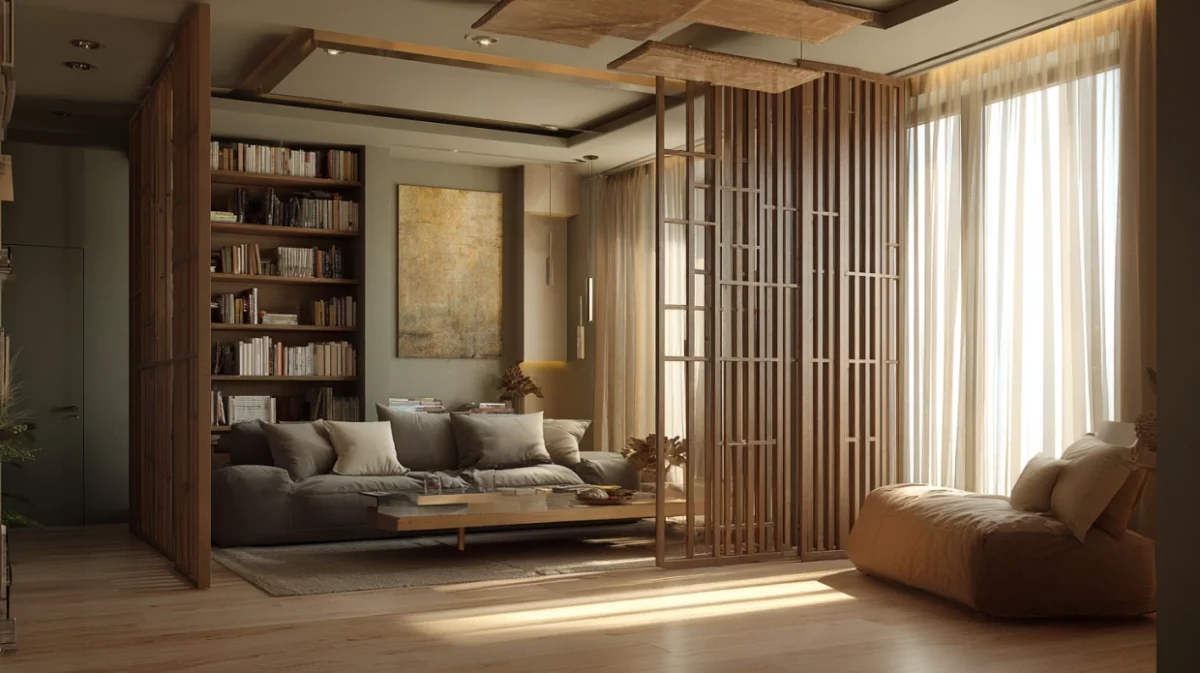
A modular partition uses foldable or movable panels to adjust space based on use. It works well in compact homes where flexibility matters, allowing the living and dining areas to function as one space or two without permanent structural changes.
Why Choose This Design?
Suitable for flexible spaces that need occasional privacy.
Key Features and Pro Tips
A sliding or foldable partition between the living and dining areas lets you open or close the space as needed. Works well for compact homes or multi-use areas, such as work + dining setups. Choose lightweight panels for easy movement.
3. Decorative Open Shelf Partition

An open shelf partition places a storage unit between spaces, creating division without blocking light or visibility. It supports display and daily use while keeping the layout visually light, making it suitable for both small and mid-sized homes.
Why Choose This Design?
Adds character while dividing space.
Key Features and Pro Tips
This hall partition design uses open sections to display decor, books, or plants. It keeps the divider light and functional. Avoid overfilling shelves to maintain a clean look. Works well in both small and mid-sized homes.
4. Wooden Sliding Partition
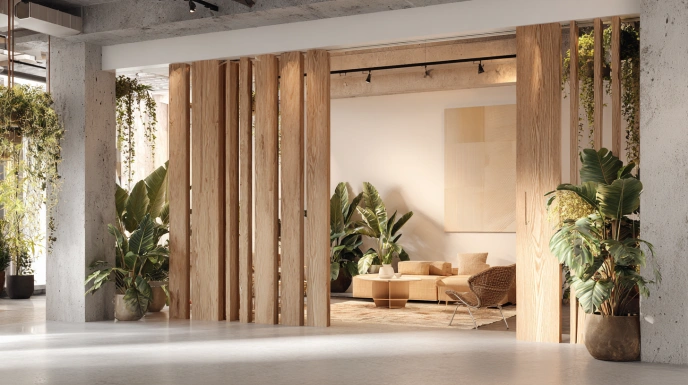
A sliding partition uses track-mounted panels to open or close the living and dining areas when required. It allows flexible separation while maintaining a clean look when open, making it suitable for layouts that shift between open and private use.
Why Choose This Design?
Offers flexibility with a minimal visual style.
Key Features and Pro Tips
Sliding wooden living-dining partition ideas suit calm, neutral interiors. Pair natural wood with light furnishings and greenery to keep the space balanced and comfortable.
5. Industrial Style Partition

An industrial partition combines metal frames, raw finishes, and wood elements to create a bold divider. It works well in layouts with exposed materials, adding character while maintaining functionality without completely enclosing either space.
Why Choose This Design?
Adds a bold yet practical design element.
Key Features and Pro Tips
This partition between the dining and living room pairs well with exposed walls, pendant lights, and wooden flooring. Keep the structure light to avoid making the space feel enclosed.
6. Patterned Glass Partition
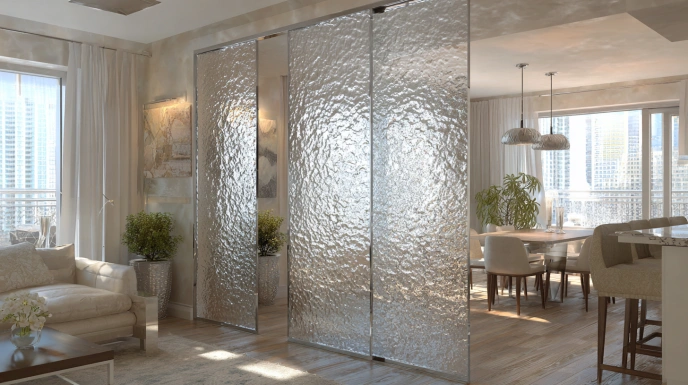
A patterned glass partition introduces texture while maintaining light flow between the living and dining areas. It defines space without adding visual weight, making it suitable for compact layouts where openness matters. Subtle patterns paired with warm, earthy tones create a balanced and refined interior.
Why Choose This Design?
Good option for adding design interest without heaviness.
Key Features and Pro Tips
Patterned partition designs between the living and dining add privacy while allowing light flow. Pair with neutral or earthy interiors to keep the look balanced.
7. Playful Partition Design
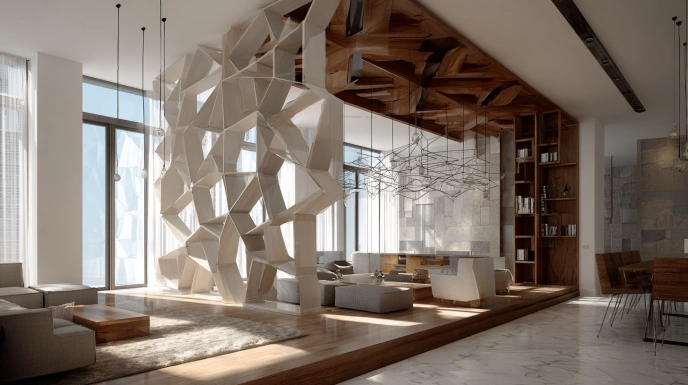
A playful partition design introduces movement through irregular forms, layered elements, or mixed materials, dividing the living and dining areas. Open sections and varied shapes create display opportunities while keeping the layout light, adding character without making the space feel structured or rigid.
Why Choose This Design?
Ideal for adding character while maintaining a sense of openness.
Key Features and Pro Tips
This partition between living and dining works best as a visual divider. Use geometric patterns, curved forms, or layered elements to create movement. Keep parts of the design open to allow light flow and avoid making the space feel crowded.
8. Split-Level Partition Design
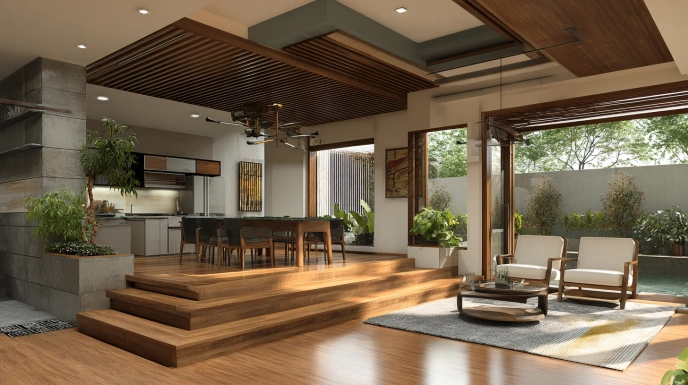
A split-level design uses a change in floor height to separate living and dining areas without physical dividers. It creates natural zoning through layout variation and works best in larger homes where ceiling height and structure allow level differences
Why Choose This Design?
Best for larger homes or unique layouts.
Key Features and Pro Tips
This hall partition design uses flooring levels rather than panels. Ideal for duplex or loft-style homes. Ensure enough ceiling height before planning this design.
9. Metal Frame Partition
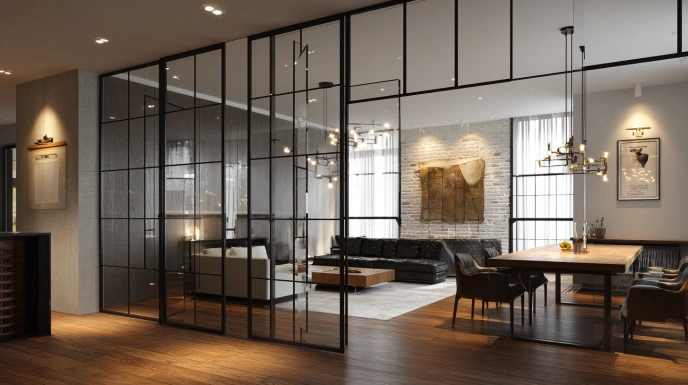
A metal partition uses slim frames or grid patterns to define space without visual bulk. Often paired with glass or wood, it adds structure and contrast, making it suitable for modern interiors that require clean lines and subtle separation.
Why Choose This Design?
Works well for modern homes that need a clean and defined look.
Key Features and Pro Tips
Metal partition designs between the living and dining use black or matte finishes to create contrast. Pair with glass or wood panels to soften the look and balance the hall partition's overall design.
10. Curtain or Fabric Partitions
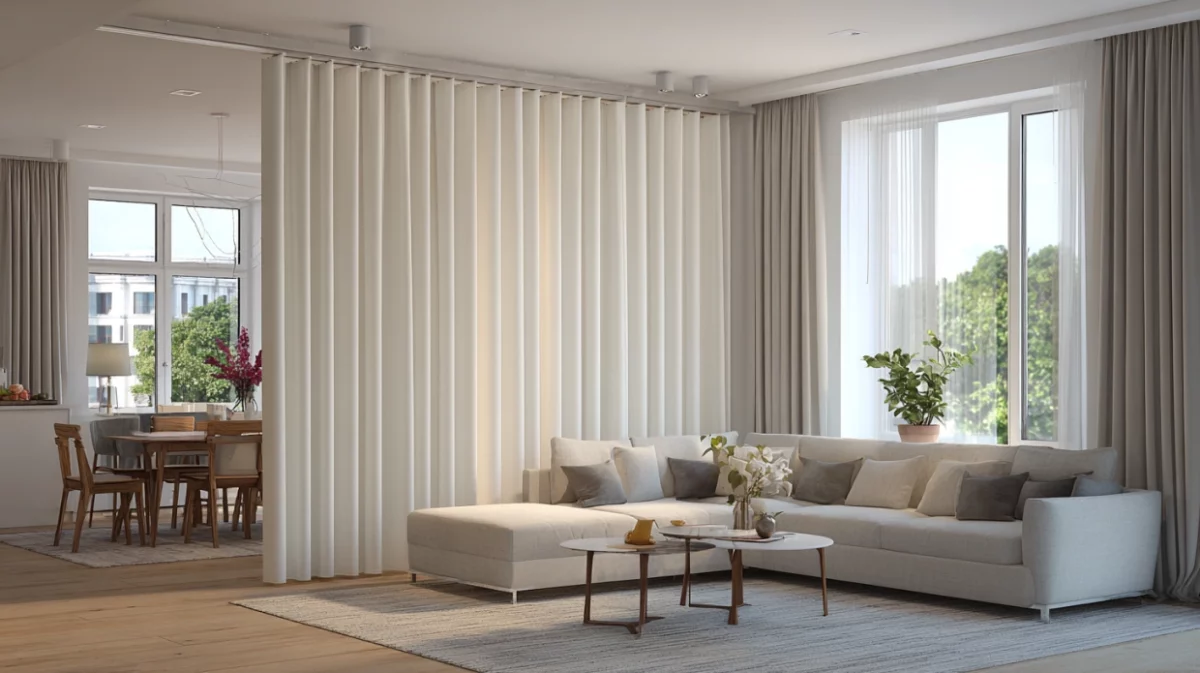
A fabric partition uses curtains or soft panels on rods or tracks to divide the space when needed. It offers a quick, budget-friendly solution that remains flexible, allowing the layout to open up easily while maintaining a light and informal feel.
Why Choose This Design?
Suitable for quick, budget-friendly separation.
Key Features and Pro Tips
Fabric-based simple partition designs between the living and dining areas are easy to install and change. Use neutral or light fabrics to keep the space airy and avoid making the area feel smaller.
Modern Partition Designs Between Living and Dining
Modern partition designs between living and dining focus on clean lines and simple forms that define space without adding visual weight. A well-planned partition between dining and living room uses minimal designs, sleek finishes, and neutral colours to maintain openness while clearly organising both zones
11. Minimal Scandinavian-Style Partition

A Scandinavian-style partition uses light wood, simple lines, and neutral tones to create a subtle divider. It blends into the overall layout instead of standing out, helping maintain openness while still defining separate zones within the home.
Why Choose This Design?
Fits homes that prefer simple and clutter-free interiors.
Key Features and Pro Tips
This partition between the living and dining rooms uses light colours, simple lines, and natural materials. Wicker furniture and greenery complement the look well. Keep the design subtle to maintain openness.
Small Space Partition Ideas: Partition Between Dining and Living Room
In compact homes, the right partition between the dining and living room should separate spaces without making the layout feel tight. Smart living dining partition ideas focus on light materials and open designs that maintain flow while still creating clear zones.
12. Glass Partition for Open Visibility

A glass partition creates a defined boundary while allowing light to pass through, keeping both areas visually connected. Variations like frosted or fluted glass add privacy without heaviness, making this design effective for compact layouts that need openness.
Why Choose This Design?
Best when you want separation without blocking light.
Key Features and Pro Tips
Glass partition between the living and dining rooms works well in compact homes. Use clear glass for openness or fluted/frosted finishes for slight privacy. Slim frames keep the design minimal.
Living Dining Partition with Storage
A functional partition between living and dining can also solve storage needs in smaller homes. These partition designs between living and dining combine zoning with usability by integrating shelves, cabinets, or media units into the divider.
13. Closed Shelves design
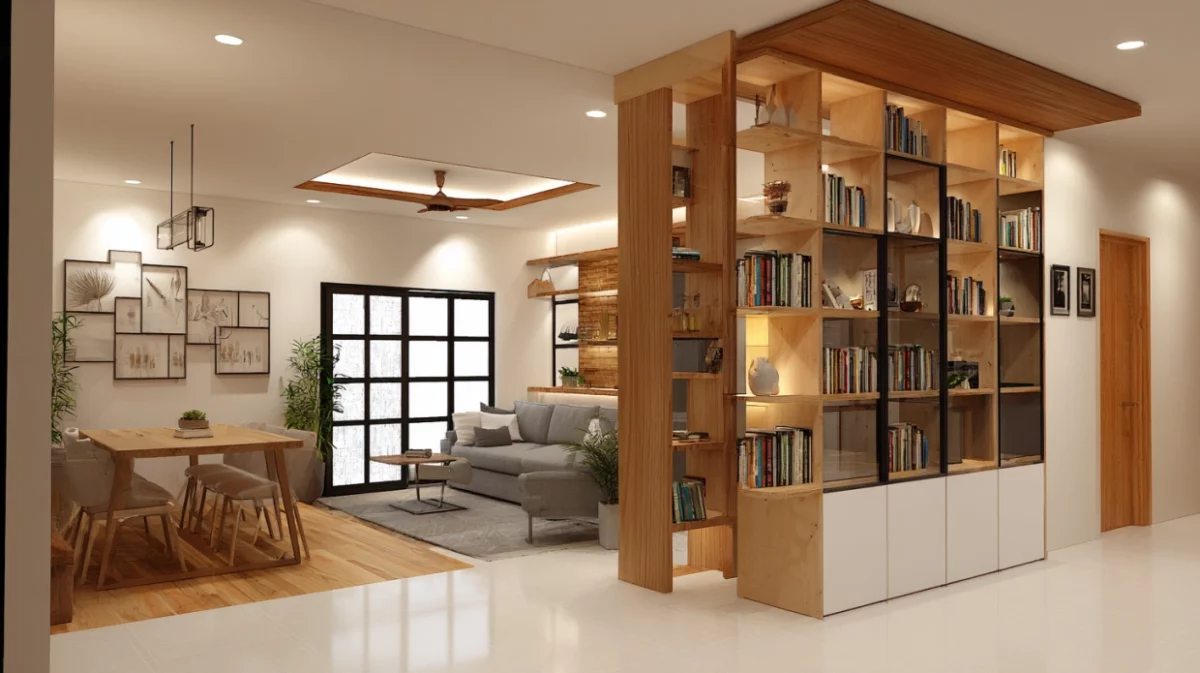
A closed-shelf partition separates the living and dining areas while providing concealed storage. It creates a strong visual boundary and keeps the area organised, making it suitable for homes that require maximum storage without exposing clutter.
Why Choose This Design?
Best for adding storage without closing off the space.
Key Features and Pro Tips
This partition between the living and dining areas serves as both a display and a storage space. Use it for books, decor, or dining essentials like crockery. Keep spacing varied and avoid filling every section to maintain light flow and visual balance.
14. Cabinets built Partition design
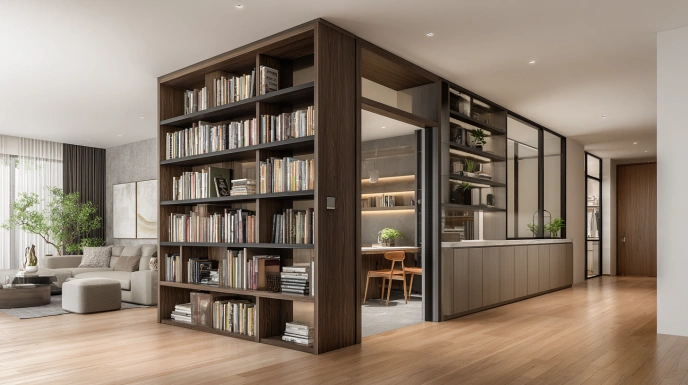
A closed storage partition uses cabinets to divide spaces while concealing household items. It creates a strong visual boundary and keeps the area organised, making it suitable for homes that require maximum storage without exposing clutter.
Why Choose This Design?
Ideal for homes that need extra storage while maintaining a clean look.
Key Features and Pro Tips
This partition between living and dining helps manage clutter by storing bulk items inside closed units. Use lower cabinets for storage and keep upper sections open or semi-open to prevent the design from feeling heavy.
Best Materials for Partition Designs
Choosing the right material is key to creating a functional and stylish partition between living and dining areas. The material not only affects the aesthetics but also the durability, maintenance, and overall feel of the space. Here’s a structured look at commonly used materials:
- Wood: Offers warmth and versatility. Works well for shelves, cabinets, or sliding partitions. Ideal for both traditional and modern interiors.
- Glass: Clear, frosted, or patterned glass keeps spaces visually connected while allowing natural light to flow. Great for small apartments.
- Metal: Slim frames, grids, or laser-cut panels create a modern, industrial look while remaining durable and light.
- MDF/Laminate: Cost-effective and easy to maintain. Can be finished in wood, matte, or glossy textures for a clean, contemporary look.
- Fabric/Curtains: Soft partitions that are flexible, budget-friendly, and easy to update. Best for temporary or semi-open separation.
Each material brings a unique character and purpose. For example, wood and metal are more permanent and sturdy, glass enhances openness, and fabric partitions provide flexibility. Choose the right material that suits your space, lighting, style and functionality.
Cost of Living Dining Partition Designs in India
The cost of a partition between living and dining areas varies depending on material, design complexity, size, and installation. Here’s a clear breakdown to help plan your budget:
| Partition Type / Material | Approx. Cost (INR) per ft² | Ideal For |
| Wooden Shelves & Cabinets | 4,000 – 12,000 | Homes needing storage + visual division |
| Glass Partition (framed) | 5,000 – 15,000 | Open, airy spaces; enhances lighting |
| Metal Frame Partition | 6,000 – 18,000 | Modern/industrial interiors |
| Sliding / Modular Panels | 7,000 – 20,000 | Flexible separation; small spaces |
| Curtain / Fabric Partition | 1,500 – 4,000 | Quick, temporary, or budget-friendly solutions |
Tips to Choose the Right Partition Design
A partition between the living and dining areas can do more than just divide space. It enhances flow, adds character, and even solves storage needs. To make the right choice for your home, keep these practical pointers in mind:
- Consider Space and Layout: In smaller apartments, glass panels, open shelves, or slim slatted partitions work best. Larger rooms can accommodate wood, metal, or modular units without feeling cramped.
- Maintain Light and Airflow: Choose designs that let natural light pass through. Semi-open shelves, glass, or vertical slats ensure your home feels airy and bright.
- Pick Materials Thoughtfully: Wood brings warmth, metal adds structure, glass maximises openness, and fabric partitions offer flexibility. Match materials with your interior style and lifestyle needs.
- Plan for Maintenance: Ensure your partition is easy to clean and durable. Tempered glass, powder-coated metal, and treated wood can withstand India's climate while preserving the design.
- Flexibility is Key: Sliding, foldable, or modular partitions allow you to adjust your space as needed, making them ideal for multi-purpose living areas.
With the right planning, a partition can seamlessly blend function and style, turning a simple divider into a statement feature in your home.
Why Choose NoBroker Interior Design Services
Every home deserves spaces that feel connected and purposeful. A carefully chosen partition can achieve this by adding structure while keeping the rooms open. When it comes to turning these ideas into reality, NoBroker Interiors makes the process simple and practical. They guide you from planning layouts to executing the design, managing every step, making the process simple and practical.
- End-to-End Assistance: From planning layouts to executing the design, NoBroker manages every step so you do not have to coordinate multiple vendors.
- Customised Solutions: Every partition, cabinet, or divider is designed to fit your space, lifestyle, and preferences, ensuring a home that feels personal and functional.
- Transparent Pricing: Clear cost estimates and no hidden charges help you plan your budget confidently.
- Expert Guidance: Professional interior designers bring practical, modern, and space-efficient solutions suited for Indian homes.
- On-Time Delivery: Projects are completed as planned, without compromising quality or style.
- Trusted Experience: With NoBroker’s presence in home services and interiors, you can be confident of a smooth, reliable process from start to finish.
NoBroker makes it simple to create living and dining spaces that are both beautiful and practical for everyday life. Every project is delivered on time without compromising on quality or style. With NoBroker’s trusted experience in home services and interiors, you can count on a smooth, reliable process from start to finish.
FAQ’s
Ans. Glass, wooden slats, and open-shelf designs are the most commonly used partitions between the living and dining areas in modern homes.
Ans. Glass partitions, vertical slats, and open shelves work best as simple partition designs between the living and dining in compact homes.
Ans. Costs vary based on material and design, ranging from ₹5,000 to ₹1.5 lakh for customised solutions.ace in an open-layout concept.
Ans. Yes, many living dining partition ideas include shelves, cabinets, or TV units for added functionality.
Ans. Not necessarily. Glass and open designs allow light to flow while still serving as a partition between the dining and living rooms.
Recommended Reading
Top Hanging Light Ideas to Illuminate Your House
January 31, 2025
395634+ views
HDHMR vs Plywood: Price, Durability & Best Use Cases 2026
January 31, 2025
25482+ views
Interior Design Cost in Bangalore
January 31, 2025
19375+ views
Inspiring Wash Basin Design Ideas for Every Home
January 31, 2025
18715+ views
Practical, Cost-Effecting & Beautiful Wardrobe Design for Bedrooms
January 15, 2025
17668+ views
NoBroker Interior Design Tips & Ideas Testimonials
Most Viewed Articles
Top Hanging Light Ideas to Illuminate Your House
January 31, 2025
395634+ views
15 Wall-Mounted Dining Table Design Ideas
January 31, 2025
106328+ views
Best 3 Bedroom House Plan: Modern and Space-Efficient Layouts for 2026
January 31, 2025
71037+ views
25 Front Gate Designs for Houses: Secure, Stylish and Functional Ideas 2026
January 31, 2025
33092+ views
How to Make a Room Soundproof: 15 Ideas That Work Like a Charm
January 31, 2025
32670+ views
Author
Loved what you read? Share it with others!
Recent blogs in
Top 9 Interior Designers in Bangalore (2026): Best Experts for Home Interiors
March 25, 2026 by Ananth
The Best Wallpaper Designs for Living Room in India 2026
August 21, 2025 by Ananth
5 Latest Wall Decoration Ideas to Transform Your Home Instantly
August 20, 2025 by NoBroker.com







 Full RM + FRM support


Join the conversation!