HDHMR vs Plywood: Price, Durability & Best Use Cases 2026


Interior Design Tips & Ideas

27.9K Views
Table of Contents
Summary
Plywood provides superior strength via cross-laminated veneers for heavy loads, while HDHMR uses compressed fibers for unmatched moisture resistance and a smooth finish. HDHMR is generally more cost-effective than marine plywood, yet pricier than standard commercial plywood. Choose Plywood for structural carcasses and HDHMR for moisture-prone areas and painted shutters.
If you are planning modular interiors this year, understanding the difference between HDHMR vs plywood can help you avoid expensive material mistakes later. HDHMR boards have become popular for wardrobes, kitchen cabinets, and modern furniture because they handle moisture better and come at a practical HDHMR board price. Plywood, however, still performs better for heavy-duty furniture and long-term durability. In this guide, we compare HDHMR vs plywood price difference in India, HDHMR board price 18mm ranges, HDMR sheet vs plywood durability, and whether options like Action Tesa HDHMR are worth considering for Indian homes in 2026.
HDHMR vs Plywood: Quick Comparison
HDHMR provides superior moisture resistance and a smooth finish at a budget-friendly price, making it best for modular kitchens and wardrobes. Conversely, plywood offers excellent structural strength and durability, making it the ideal choice for heavy furniture, base cabinets, and long-term use across residential interiors.
| Feature | HDHMR | Plywood |
|---|---|---|
| Moisture Resistance | High moisture resistance suitable for humid interior spaces | Moderate to high moisture resistance, depending on plywood grade |
| Strength | Good strength for modular furniture and residential interiors | Excellent structural strength for heavy-duty furniture |
| Durability | Durable for wardrobes, storage units, and kitchen shutters | Long-lasting performance with better load-bearing capacity |
| Cost | More budget-friendly in most interior applications | Higher overall cost due to stronger core construction |
| Best Use | Modular kitchens, wardrobes, TV units, and panel-based furniture | Heavy furniture, base cabinets, beds, and long-term structural use |
Where Should You Use HDHMR and Plywood?
Both HDHMR and plywood perform differently depending on moisture exposure, furniture load, finish requirements, and long-term usage. Choosing the right material for each space improves durability and reduces future maintenance issues.
Recommended Reading
18 Modern Hanging Light Ideas to Transfo...
396K Views

Gypsum vs POP Ceiling: Which is Better f...
32.5K Views

Wooden Partition Walls for Living Room -...
27.6K Views
Normal House Front Elevation Design For ...
26.7K Views

₹30 Lakh House Designs: Design Your Drea...
25.3K Views
Kitchen Cabinets
Kitchen cabinets are exposed to heat, steam, and moisture almost every day, especially in Indian homes. HDHMR works better here because it handles humidity well and is less likely to swell or get damaged near sinks and cooking areas.
Wardrobes
For wardrobes, the choice usually depends on whether you prioritize finish quality or long-term strength. HDHMR gives a smoother surface for laminates and acrylic finishes, while plywood feels sturdier for wardrobes that handle heavy storage and daily use.
TV Units & Living Room Furniture
HDHMR suits modern TV units and living room furniture because it gives a cleaner and more refined finish. Plywood becomes the better option when the furniture needs to support heavier loads or larger storage sections.
Bathroom Vanity / Utility Area
Bathroom vanity units and utility cabinets remain exposed to moisture year-round. HDHMR handles humid conditions better than regular boards and works well for most vanity designs, while marine plywood is safer for areas with direct water exposure.
What is HDHMR?
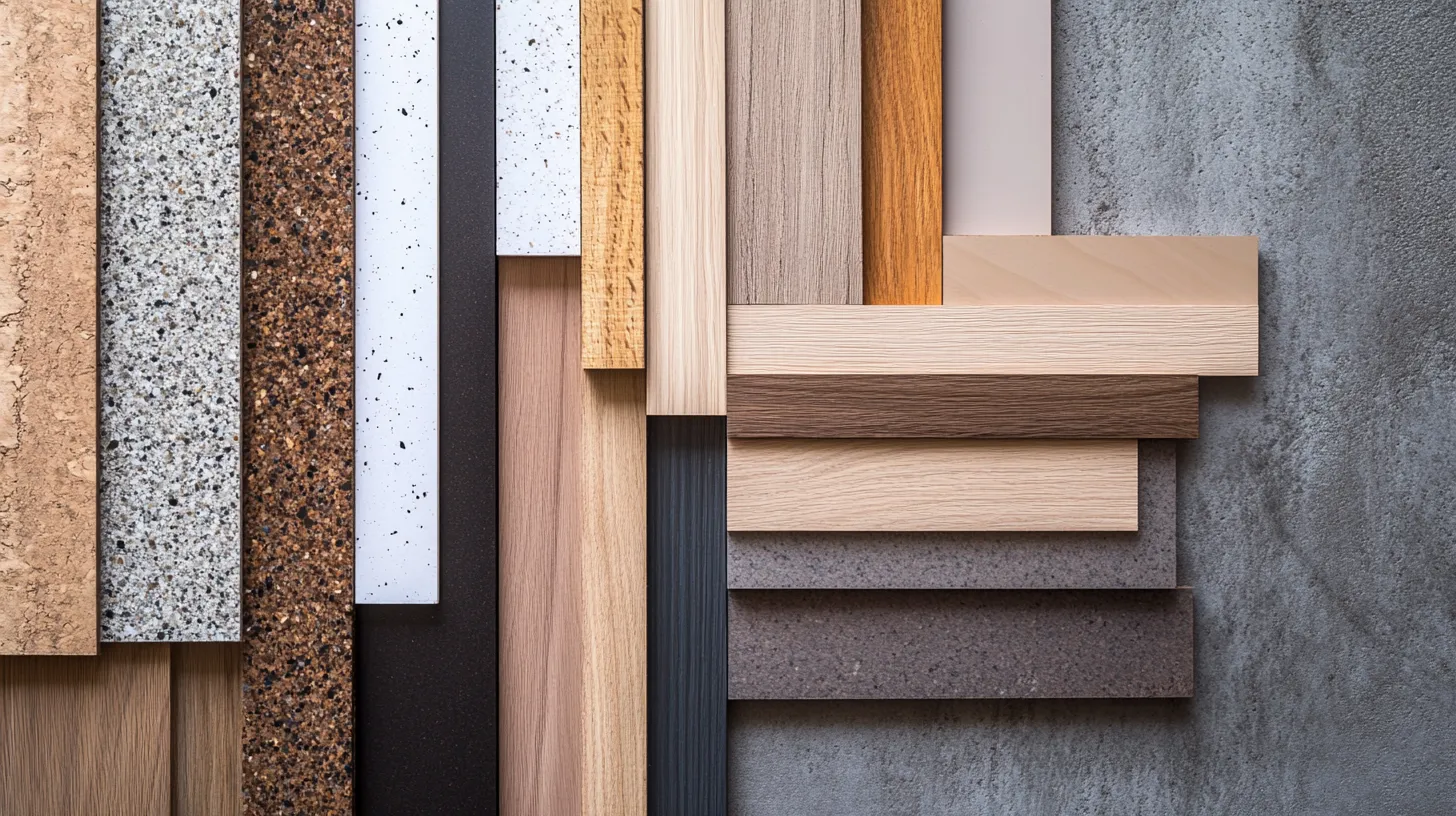
High-density, high-moisture-resistant boards are referred to as HDHMR. Consider them the elegant equivalent of traditional wood panels, designed specifically for Indian homes where moisture and humidity are persistent issues. Wood fibres are combined with unique resins and binding agents to create these engineered wood boards. So, what are the outcomes? A material that is more resilient, stronger, and better suited to our tropical climate than ordinary plywood.
How are HDHMR Boards Made?
The industrial process is what makes HDHMR special:
- Raw Material Collection: Quality wood fibres from sustainable sources like rubberwood and pine
- Mixing Process: Wood fibers are mixed with moisture-resistant resins and wax
- High-Pressure Formation: The mixture is crushed under intense pressure to create density
- Heat Treatment: Hot pressing activates the binding agents for maximum strength
- Finishing: Boards are trimmed and sanded to achieve smooth surfaces
This process creates boards with a density above 800 kg/m³, making them significantly stronger than regular plywood.
HDHMR vs Plywood Price: 2026 Market Analysis
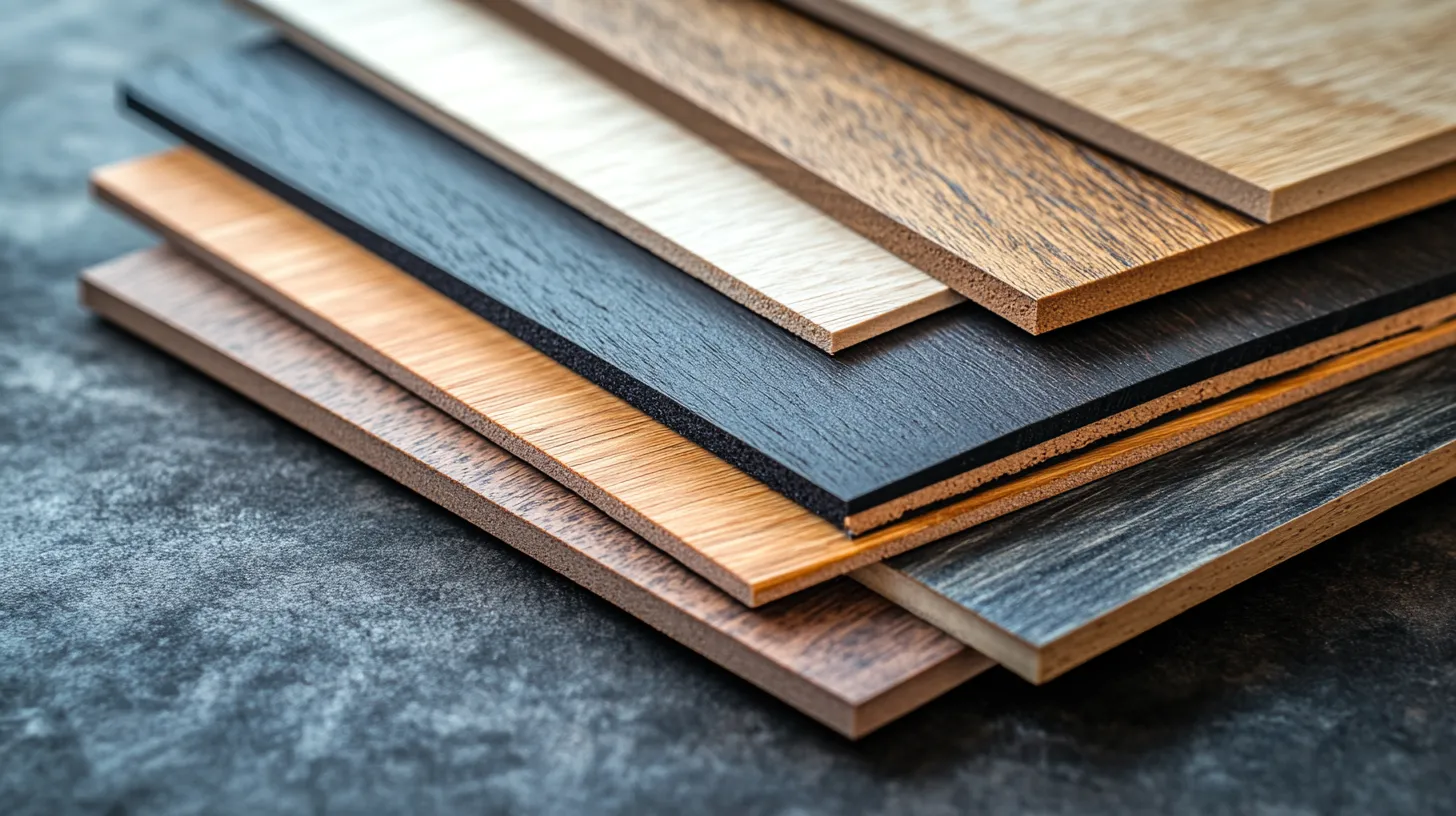
The table below provides an overview of various HDHMR board price and plywood cost, along with the cost benefits in detail:
| Category | Type | Typical Price Range (₹/sq ft) | Cost Benefit |
|---|---|---|---|
| HDHMR Boards | Raw (Plain) HDHMR | ₹60 – ₹130 | Slightly higher than basic MR plywood but good value for moisture resistance |
| Pre-laminated HDHMR | ₹105 – ₹160 | Higher upfront cost, saves on laminating labour and finishing | |
| Low-Emission (E1/E0) HDHMR | ₹120 – ₹180 | Premium option, price justified by low emissions and quality | |
| Plywood Boards | Commercial Plywood (MR) | ₹45 – ₹75 | Most economical option for dry interiors |
| BWR Plywood | ₹65 – ₹110 | Mid-range cost with better moisture resistance than MR | |
| BWP / Marine Plywood | ₹90 – ₹180 | Higher cost is suitable for high moisture and wet areas | |
| Flexible / Bendable Plywood | ₹95 – ₹160 | Higher cost due to specialty bending use | |
| Decorative / Pre-laminated Plywood | ₹100 – ₹180 | Higher cost, but reduces the need for separate finishing | |
| Calibrated / Premium Surface Plywood | ₹85 – ₹150 | Slightly higher cost with more consistent thickness | |
| Termite-Resistant / Treated Plywood | ₹70 – ₹130 | Slight premium for added pest protection |
HDHMR Board vs Plywood: Strength and Durability Comparison

| Category | Type | Strength | Durability |
|---|---|---|---|
| HDHMR Boards | Raw (Plain) HDHMR | High density and uniform strength, good load-bearing for furniture | High durability, resistant to moisture and warping in indoor use |
| Pre-laminated HDHMR | High strength similar to raw HDHMR with a finished surface | High durability with added surface protection | |
| Low-Emission (E1/E0) HDHMR | High strength with improved material quality | High durability with safer indoor performance | |
| Plywood Boards | Commercial Plywood (MR) | Moderate strength, suitable for light to medium furniture | Moderate durability in dry interior conditions |
| BWR Plywood | High strength with strong bonding resin | Good durability in humid and semi-wet areas | |
| BWP / Marine Plywood | Very high strength with waterproof bonding | Very high durability, suitable for wet and heavy-use environments | |
| Flexible / Bendable Plywood | Low to moderate strength, designed for curved surfaces | Moderate durability for decorative and curved applications | |
| Decorative / Pre-laminated Plywood | Strength depends on base plywood grade | Durability depends on surface finish and base plywood quality | |
| Calibrated / Premium Surface Plywood | High and uniform strength due to even thickness | High durability with better surface consistency | |
| Termite-Resistant / Treated Plywood | High strength with chemical treatment | High durability with added resistance to pests |
HDHMR Board Price Guide in India
HDHMR (High Density High Moisture Resistant) boards are widely used for modular kitchens, wardrobes, and modern furniture because of their durability, moisture resistance, and smooth finish quality. This 2026 HDHMR board price guide helps homeowners estimate interior material costs more accurately before planning furniture or renovation work.
HDHMR Board Price List
| Thickness | Approx Price Range (Per Sq Ft) |
|---|---|
| 6mm | ₹50 – ₹65 |
| 12mm | ₹75 – ₹95 |
| 18mm | ₹90 – ₹110 |
| 25mm | ₹125 – ₹145 |
What Affects HDHMR Board Prices?
- Board Thickness: Thicker HDHMR boards require more hardwood fibre material and compression during manufacturing, increasing the overall board cost.
- Surface Finish Type: Plain HDHMR boards remain more affordable, while pre-laminated, textured, acrylic-coated, or UV-finished variants cost significantly more.
- Brand Quality: Premium brands like Action Tesa, CenturyPly, and Greenpanel usually charge higher prices due to higher density, consistency, and manufacturing standards.
- Board Density: Higher-density HDHMR boards offer stronger screw-holding strength, better durability, and improved warp resistance, which directly affects pricing.
- Location & Transportation: Prices vary across Indian cities depending on factory proximity, dealer availability, transportation costs, and local market demand.
- Bulk Purchase Quantity: Wholesale purchases for complete home interiors generally reduce per-sheet pricing compared to smaller retail furniture orders.
The Difference between HDHMR and Marine Plywood

When selecting materials for home interiors, especially for furniture and cabinets, HDHMR and marine plywood are often popular choices. While both offer moisture resistance and durability, they differ significantly in cost, lifespan, and ideal use cases. This comparison will help you decide which is better suited for your needs and budget.
| Aspect | HDHMR | Marine Plywood |
|---|---|---|
| Cost (per sq ft) | ₹60 -110 (pre-laminated) | ₹70 -150 (varies by thickness) |
| Moisture Resistance | Excellent built-in moisture resistance | Superior water resistance with waterproof glue |
| Durability | 15 - 20 years with proper care | 50+ years with regular maintenance |
| Recommended Applications | Interior furniture, kitchen cabinets, and cost-effective options | High-end furniture, structural uses, maximum longevity |
In summary, HDHMR is a cost-effective option ideal for most interior applications, while marine plywood is a premium material built for durability and moisture-heavy environments. Your choice ultimately depends on your budget, the intended application, and how long you expect the material to last.
Real-World Applications: HDHMR vs Marine Plywood
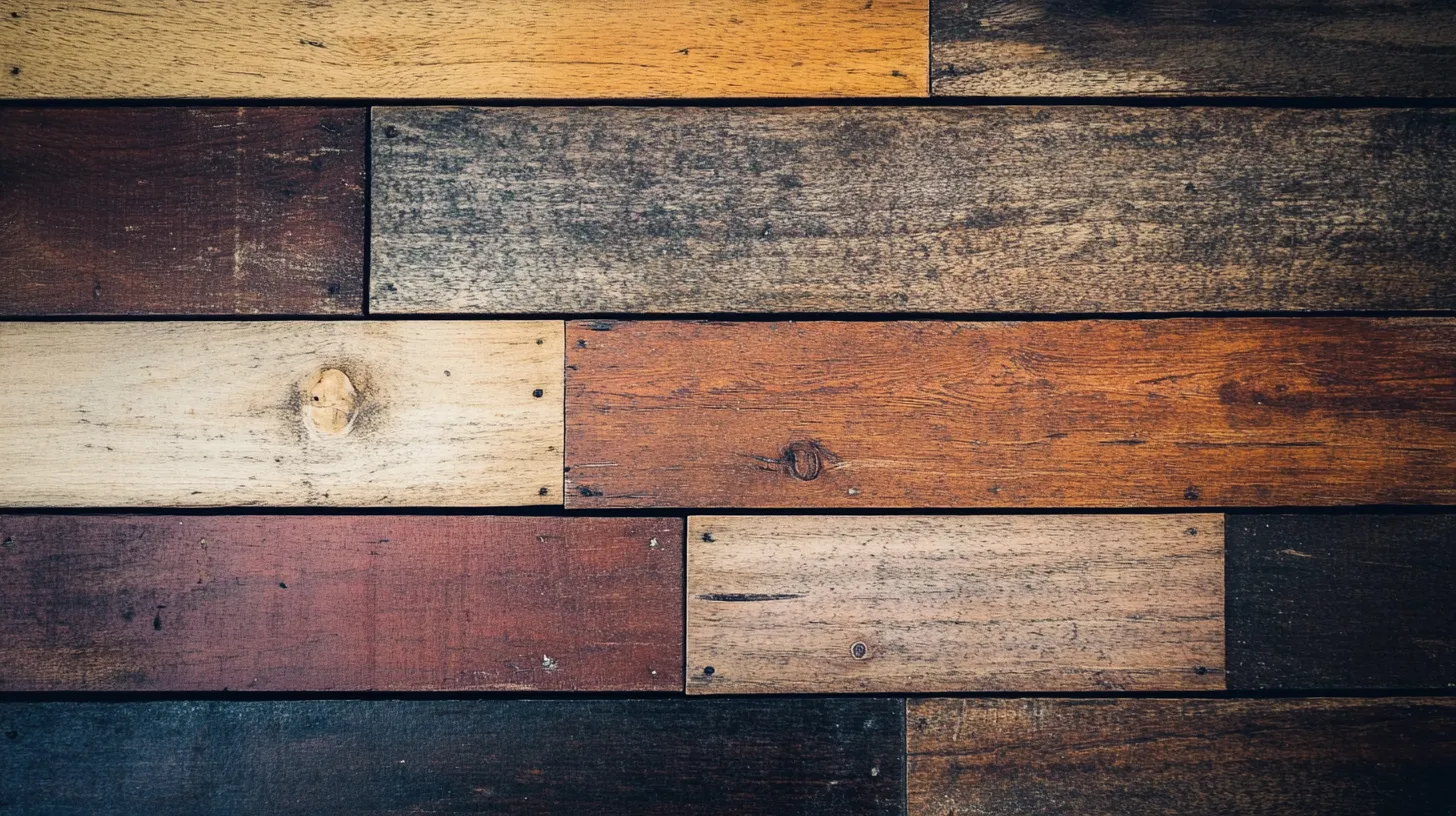
When choosing materials for home interiors and furniture, it's not just about durability or price; it’s also about suitability for specific applications. HDHMR boards and marine plywood each have their advantages, making them ideal for different areas of the home. Whether you’re planning a moisture-prone kitchen or a sturdy outdoor unit, knowing where each material works best helps you make informed decisions. Here's a detailed breakdown of where HDHMR and plywood truly shine.
| Category | HDHMR Boards | Marine Plywood |
|---|---|---|
| Kitchen Applications | Interior shelves and partitions - Cabinet backs and sides - Base units where moisture exposure is high | Cabinet doors - Furniture frames - Visible surfaces with wood finish |
| Bedroom Furniture | Vanity bases - Storage units - Wall panelling (with proper lamination) | Furniture frames - Structural base for heavy use |
| Bathroom Uses | Made from wood waste and sustainable fibres - Efficient resource use - Lower carbon footprint | Not commonly used unless a marine grade is required |
| Outdoor Projects | Not recommended for exterior use | Garden furniture (marine grade) - Exterior cladding - Structural elements |
| Environmental Factors | Made from wood waste and sustainable fibers - Efficient resource use - Lower carbon footprint | Quality depends on forestry practices - Certified sustainable wood (premium) - Traditional manufacturing |
Both HDHMR and marine plywood bring unique benefits to the table, quite literally. HDHMR is a practical, budget-friendly solution for most interior applications, especially in moisture-sensitive areas like kitchens and bathrooms. On the other hand, marine plywood excels in structural strength, long-term durability, and outdoor use. Choosing the right material depends on your priorities, be it cost, sustainability, or lifespan. Evaluate your project’s needs carefully, and you’ll end up with furniture that looks great and lasts for years.
Which is Better: HDHMR or Plywood?
HDHMR vs Plywood both offer unique advantages in furniture and interior design. Choosing the better material depends on moisture exposure, load requirements, durability expectations, and overall budget considerations:
Advantages of HDHMR:
- Highly moisture-resistant, suitable for kitchens and humid areas
- Smooth and uniform surface, ideal for lamination and modular furniture
- Termite and borer-resistant
- Less prone to warping and swelling
Disadvantages of HDHMR:
- Lower structural strength compared to plywood
- Heavier in weight
- Not suitable for heavy load-bearing furniture
Advantages of Plywood:
- High structural strength and load-bearing capacity
- Good bending resistance, suitable for beds, wardrobes, and cabinets
- Available in different grades such as MR, BWR, and Marine
- Easy to repair and widely available
Disadvantages of Plywood:
- Can warp or swell when exposed to moisture (except marine grade)
- Surface may not be as smooth as HDHMR
- Requires proper treatment for termite and moisture protection
Still Confused Between HDHMR and Plywood? Here's Your Answer
Choosing the right material is key to ensuring your furniture or interior project stands the test of time. Both HDHMR and plywood have their strengths, but their suitability depends on where and how you plan to use them. If you're stuck between the two, the comparison below will help you make a smart, well-informed decision based on price, durability, moisture resistance, and more.
| Criteria | Choose HDHMR | Choose Plywood / Marine Plywood |
|---|---|---|
| Budget | Wins the HDHMR vs plywood price comparison | Higher cost, especially for premium and marine-grade plywood |
| Moisture Resistance | Excellent for kitchens, wardrobes, and bathrooms | Marine plywood excels in extreme moisture and outdoor applications |
| Installation Ease | Lightweight and easy to cut or shape | Requires skilled handling, especially with thicker grades |
| Aesthetics | Modern, pre-laminated options for a sleek finish | Natural wood grain is ideal for premium furniture |
| Durability | 15–20 years with care | 20–50+ years; HDHMR vs marine plywood shows marine grade has the edge |
| Strength | High screw-holding capacity, uniform structure | Superior for structural or load-bearing furniture |
In short, go for HDHMR if you’re looking for a cost-effective, moisture-resistant, and easy-to-install option for modern interiors. But if aesthetic appeal, structural strength, and long-term durability are your top priorities, especially in high-end or load-bearing furniture, plywood or marine plywood is worth the investment. Let your needs, budget, and design goals guide your final choice.
Summary Of The Comparison Between HDHMR vs Plywood:
HDMR and plywood are two popular materials for interiors. HDHMR is a moisture-resistant and budget-friendly material suitable for modular kitchens, wardrobes, and indoor furniture. Plywood, especially marine-grade, is more expensive but stronger and longer-lasting, making it ideal for premium furniture and outdoor use. Choosing between the two depends on your budget, the cost of HDHMR board and plywood, the application area, and the desired lifespan.
How to Choose Between HDHMR and Plywood?
Choosing between HDHMR and plywood becomes easier when you compare moisture exposure, furniture use, durability expectations, and overall interior budget.
Step 1: Understand Usage Area
Identify where the material will be used. Kitchens, wardrobes, TV units, utility cabinets, and structural furniture all require different strength and moisture resistance levels.
Step 2: Check Moisture Exposure
Choose HDHMR for humid indoor areas with moderate moisture exposure. Select marine-grade plywood for spaces exposed to frequent water contact or long-term damp conditions.
Step 3: Compare Budget
HDHMR works better for cost-effective modular interiors, while plywood suits homeowners planning premium, long-lasting furniture with higher investment capacity.
Step 4: Evaluate Durability Needs
Plywood provides stronger structural stability and long-term durability. HDHMR performs well for standard residential furniture requiring smooth finishes and reliable daily performance.
Step 5: Match with Furniture Purpose
Use HDHMR for wardrobes, modular kitchens, and decorative furniture. Choose plywood for heavy-load cabinets, large storage units, and furniture requiring higher strength.
Why Choose NoBroker for Your Interior Needs?
At NoBroker Interiors, we understand that choosing the right material is just the first step. Our interior design experts can help you:
- Select the best materials for your specific needs
- Connect you with trusted suppliers offering competitive prices
- Provide end-to-end interior design services
- Ensure quality installation and finishing
Whether you choose HDHMR or plywood, our team ensures you get the best value for your investment.
Frequently Asked Questions
What is the current HDHMR vs plywood price difference in 2026?
HDHMR vs plywood, which is better for kitchen cabinets?
Which is better, HDHMR or plywood, for long-term durability?
In the HDHMR vs marine plywood comparison, which offers better value?
How does the HDHMR vs plywood price impact the total project cost?
Is HDHMR waterproof?
Is HDHMR suitable for kitchens?
What is the price of an 18mm HDHMR board?
Why is HDHMR more expensive than plywood?
Which material is better for wardrobes?


Our Recent Projects



Reviews

Sakshi Sharma

The designs are very unique I am really impressed by the teamwork overall it's a very affordable they deliver the work in good budget thanks

Sathish Kumar G
Interior installation & executions feel good.

nandini
Really happy with the interior service. The team understood our requiirements well and delivered a neat finish worthfulll.

Ronak Patel
Awesome, best interior team I ever experienced, so happy after seeing the final result, overall 100% amazing

Rakesh raj Chauhan
Good center

Uday Kiran
Great experience with Kundhana We got our 3BHK interiors in Bangalore done by Kundhana Team and we are very happy with the final outco... Read more

Shekar RD
Good staffs

Nisha nisha
The interior design process was smooth, and the team was helpful throughout. They listened to my requiirements and suggested practical ... Read more

Technovation 24x7
The interior design turneed out really well. The team understood the requirements and suggessted ideas that suited our home and budget.

G Venkatesh
"Outstanding experience! The final design and finish perfectly matched our expectations. A special shoutout to Manager Vishal for his e... Read more

Yashasvi Singh
Had a good experience with NoBroker Interior. The team understood our requirements well and suggested practiical design ideas withiin our budget.

Supriya Mondal
Really happy with the interior work. The team understood our requiirements and delivered a neat and modern finish.

Divya N Raj
Whitefield Experience centre is very good

Trina chatterji
I was pleased with the overall interior planning. The suggestions were useful, and the final setup felt comfortable and well organized.

Akshay Bogar
It was an amazing experience with Nobroker interiors. They understood what we wanted and delivered better than I had anticipated. Uday ... Read more

The Stylemaniac Guy
The communication was good, and the interior team was approachable. It was helpful to have guidance at eacch stage of planning.

GAUTAM SURANA
The designers were helpful and gave practical suggestions according to our space and budget. Good experience overall so luxurious desig... Read more

Deepak Ridlan
I liked how the team approached the design process. They considered my requirements and helpeed me explore different styles and layouts.

Riya Shukla
Good service and creative ideas. The team helped me chooose suitable coloours, furniture and layouts. I liked how the design matched my... Read more

Nitin Kumar Mandilwar
Good work done by project manager Manoj. Completed the work in time.

Divyanshu Mehta
Great work done by designer Divya and Govardhan. Hassle free work snd best part is they will customise everything as per need exactly. ... Read more

Jason Fernandes
I had a great experience here. When it comes to planning, delivery and execution, great work was done by the team members. Suhail Khan... Read more

Swathi Warker
Manoj is very responsive, finds solutions for all obstacles and provides ork around. He provides timely updates on work status. Manages... Read more

Nitin Prabhakar
Excellent Interior Design and Execution Experience . Thanks to manoj and Rakshitha for the kind support and cooperation

Mobi Apps
I am extremely happy with my home interior journey with NoBroker. The entire process was smooth, well-coordinated, and completed right ... Read more

Shweta Chopra
NoBroker made the interior planning process much easier for us. Communication was clear and the final work lookss beautifully thank youuu

Ritendra Basu mallick
We were happy with the way our home interior turned out. The design looks elegaant whiile still being practical for everyday use sooo nyc

Cutie Pie
I wanted a simple and modern look for my home, and the design discussions gave me some useful ideas. Happy with the overall interaction.

Khushi Wani
A smooth experience overall. From discussing ideass to finalizing the design, communication was helpful and the process was easy to follow.

yogesh
Recently did interior for 2BHK with NoBroker Interiors, and the overall experience has been great. Everyone has been extremely supporti... Read more

ashish jain
Great thanks to Riddhi & Sakshi for being so accommodating and flexible with all the requests and changes. They were able to complete d... Read more

DEEPAK MISHRA
*Disclaimer* for review This review is only for Project Manager Divyadeep and not for Nobrokers interior company, neither design team n... Read more

SAURABH KURADE
I am writing to recommend nobroker interior. Yes the initial stages of the project faced severe delays and communication challeng... Read more

Manav Chhabria
Working with this Nobroker interior team has been an absolute pleasure from start to finish! Every single member brought immense expert... Read more

Jitendra Vaze
Overall, the performance of the NoBroker team was satisfactory, and I would like to congratulate the entire team for completing the pro... Read more

Chaitalee Vaidya
We had a very good experience with No broker The designer Sathvika was very good and patience in dealing and giving multiple options of... Read more

sri kiran
Got a satisfactory service from No broker interiors big Kudos to My project manager Abhishek on timely delivery and being patient with ... Read more

ajay chaurasia
Really happy with the interior work. The team understood our requiirements well and delivered a neat finish.

Chanikya Mamindlapalli
The service is good, Rizwan has actively responded to the issues we identified and rectified them in no time.

Savita Verma
We had a good experience working with Sapna for our home interiors. She understood our requirements well and was always open to our sug... Read more

Subhra Dip
Overall, a good interior experience. The planning was well organized, the execcution was neat, and we’re happy with the final look

Sahasra Mahesh
Had a really good experience with NoBroker for our 2BHK interiors. The team gave clear explanations at every stage, maintained good coo... Read more

Nandan Babu
We have just completed our Interiors and overall, we are satisfied with the final outcome of our project. The execution team remained c... Read more
Testimonials
View All
NoBroker Interiors Review | Happy Customer Testimonial by Rajani
NoBroker Interiors | Customer Testimonial by Prinyakar Polley

NoBroker Interiors | Hyderabad Customer Testimonial by Prashant Choudhary

NoBroker Home Interiors | Hyderabad 4BHK Customer Review

NoBroker Interiors Customer Testimonial | Jatan's Story
NoBroker Interiors Review | Hyderabad Customer Testimonial

NoBroker Interiors Review | Modern Dream Home Customer Testimonial

NoBroker Interiors Customer Testimonial | Fast & Quality Home Interiors

NoBroker Interiors Customer Testimonial | Pune Dream Home

NoBroker Interiors| Bangalore Customer Testimonial
NoBroker Interiors: Sports Theme Interiors by NoBroker #interiordesign #nobrokerinteriors #nobroker

NoBroker Interiors - Customer Testimonials

That 3 PM meeting where ideas turn into floor plans, materials, and magic. 💫

Your 2026 list is here.

Smart wardrobe design that fits your life, beautifully.
POV: You gave your home a holiday hug.🥰

Blink and you’ll miss the makeover.👀

When your home finally gets its own weekend mood, this bar unit does the job beautifully.

A calm pooja corner every home needs.

NoBroker Home Interior Service | Saurabh & Prachi Share Their Story #interiordesign #shorts
About the Author

Ar. Reetu Christina John
Author
Ar. Reetu Christina John is an architect and principal interior designer known for transforming spaces into meaningful experiences. With a strong passion for creative design, she focuses on










Recent Blogs
Subscribe to our Newsletter
Get latest news delivered straight to your inbox