Home Office Design Ideas for Modern Indian Homes
A home office design combines functionality with styling to help you work effectively at home. Whether you are a freelancer, a remote employee, or an entrepreneur, having a home office design will help you be more focused and comfortable. Once you determine your ideal home office setup in terms of productivity, style, and practicality, you can achieve efficiency in even the smallest areas of your home, whether it’s a bedroom, a modern, or a minimalist layout. Let’s look at some home office design ideas to help you design your ideal space.
What is a Home Office Design?
A home office design is a productivity workspace in the home, thoughtfully designed for comfort. A home office design includes ergonomic furniture or surfaces, good lighting, storage solutions, and comfort and decor pieces that support focus and creativity. Today, many people work remotely, and home office design is now an area with multiple uses, carefully balanced between creativity and the creation of a productive, efficient work zone.
Why is a Well-Designed Home Office Important?
- Improves focus and efficiency.
- Creates precise lines between work and leisure.
- Enhances posture and body comfort.
- Increases creativity and motivation.
- Helps reduce distractions with a structured design.
Key Considerations for Home Office Design
|
Factor
|
Description |
Design Tip
|
| Space |
Select a peaceful, well-lit corner |
Utilise a corner or window location if you are short on room |
| Light |
Combine natural and artificial light |
Consider using daylight lamps to ensure less eye strain |
| Ergonomics |
Encourage good posture and effectiveness |
Research ergonomic chairs and monitor risers |
| Storage |
Organise closely with you |
When designing for small spaces, consider floating shelves or compact cabinets. |
| Aesthetics |
Show your personal taste |
Consider using art, plants, or minimalist decor |
Subcategory of Home Office Design
Modern home office designs emphasise creating a workspace that is both productive and fashionable, where comfort meets functionality. Minimalistic setups often use simple ergonomic furniture in neutral colours, with natural light, to inspire focus. When decorating, floating shelves, accent walls, and indoor plants will work with your design style. Adding smart storage solutions will help you maximise your workspace without the clutter, while remaining efficient.
1. Home Office Design
A contemporary home office design merges productivity and comfort. It utilises ergonomically designed furniture, clutter-free storage, and calming, focus-friendly colour schemes. You will want a layout that does not compromise your home’s aesthetics and that provides isolation and quiet solitude. Functional decor and programmable lighting also provide more efficiency and style.
Design Tips:
- Use minimal furniture to help balance your weight as a whole
- Combine indoor plants to induce a calming influence
- Have reliable ventilation and daylight
- Physically divide the space by using rugs or partitions.
2. Home Office Design in Bedrooms
Combining your workspace vertically into your bedroom may be the most achievable approach for small homes or apartments. A tiny desk next to a window or in a corner helps to establish a workspace without making the room feel dense. The design needs to consider comfort, soft lighting, and storage to keep the room feeling airy.
Design tips:
- Choose foldable desks or wall-mounted desks if you are space-conscious.
- Keep the colour scheme consistent with your bedroom.
- Add soft light to work in the evening.
- Avoid clutter to maintain a peaceful atmosphere.
3. Contemporary Home Office
Designing a contemporary home office is about creating a clean, functional space with minimal decor and modern technology. This can include modular desks, wireless accessories, and sleek furniture. A contemporary aesthetic is designed to create a productive ambience through minimalism and clean lines. This makes the space feel open, airy, and organised.
Design tips:
- Choose a neutral or monochromatic palette.
- Use metal and glass accents for a sophisticated look.
- Add concealed cable management.
- Incorporate an ergonomic chair for long work hours.
4. Small Home Office Design Ideas
Having an office space, even a small corner, can be valuable in an apartment. Utilising wall space, floating shelves, and corner desks are all critical for maximising your space. It is also important to emphasise the roles of storage, natural light, and multi-use furniture in a small home office setup.
Design Tips:
- Give priority to vertical storage, such as wall cabinets.
- Use lighter colours to create a spacious feeling.
- Consider foldable desks or multi-use tables.
- Use LED strips to brighten corners.
Setting up your home office
There are many variables when designing a home office. Furniture is the first consideration. Yes, but developing a home office is about creating synergy and providing a place for balance, allowing one to work while maintaining wellness. Follow this easy-to-follow process.
1. Select the Space
Once again, you want a space with little traffic. In an ideal world, a corner near a window will allow for natural light and ventilation. If you are in a studio or a small apartment, turn a corner in a bedroom or a segment of a wall into your workstation.
2. Invest in Ergonomic Furnishings
You want a sturdy desk and an adjustable ergonomic chair to maintain a productive posture during extended work hours. A modern sitting-stand desk is another option to keep you active throughout the day.
3. Work with Light
Utilise a mix of natural and artificial light sources. A task lamp should illuminate your workspace without glare, and layered lighting helps maintain focus late into the night.
4. Organise Efficiently
Clutter impacts focus, utilising floating shelves, drawers, or pegboards in your office to stay organised. Hide cords and only reveal what works to inspire creativity in your work environment.
5. Personalise Your Work Environment
Add indoor plants, framed art, or family photos to your workspace to add a human touch to your work environment. Just remember to keep it minimal to limit distraction.
6. ThinTechnologygy
Go wireless whenever you can to minimise physical clutter. Incorporate noise-cancelling headphones, a webcam, and other cable-management devices to maintain a professional posture.
7. Comfort and Acoustics
Soft materials — rugs and curtains — can absorb sound to suit your space. Varying temperatures and ventilation will help you stay focused.
8. Respect the Work-Life Balance
Work zones need boundaries – especially if your office is within another room. Visual barriers (such as screens or partitions) can support work-life balance.
Colour scheme in a home office
- Neutrals (white, beige, orange) – Calm and focused.
- Pastels – Soft and creative.
- Brights (navy, green, or terracotta) – Energetic & more deep.
- Wood / Natural textures – Warmth and balance.
Lighting in the home office design
- Task lighting: Task-focused lighting (lamp for reading or working on the computer).
- Ambient lighting: ceiling or soft-panel lights for general illumination.
- Accent Lighting: Wall sconces or LED strips can incorporate a soothing aesthetic into the home office.
- Natural Light: Position the desk near the windows to reduce fatigue.
Furniture and Decor Essentials
|
Element
|
Function |
Recommendations
|
| Desk |
Primary Work Surface |
Durable and comfortable with ergonomic design |
| Chair |
Ensures comfort while in a good posture |
Adjustable back with lumbar support |
| Storage Units |
Provide organisation and storage for essentials |
Floating shelves or drawers |
| Lighting |
Improves focus |
Task and ambient |
| Decor |
Gives some a personality |
Plants, art with elements, to minimal decor |
10 Trending Home Office Design Ideas
- Scandinavian-style office with light wood tones.
- Floating desk setups for compact corners.
- Industrial-style workspace with metal frames.
- Biophilic designs with greenery and daylight.
- Dual-function bedroom office setups.
- Bold accent walls for creative zones.
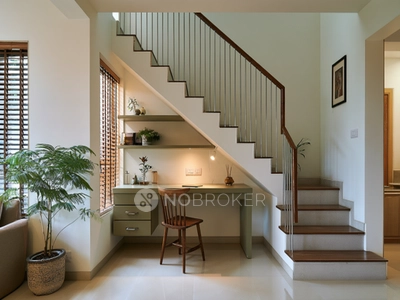
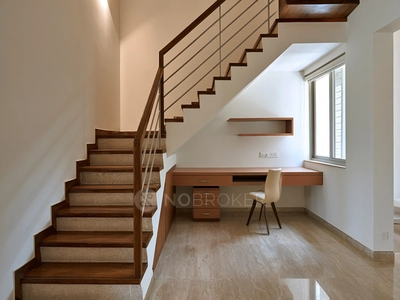
- Under-stair home offices for small apartments.
- Glass partitions for quiet, enclosed work areas.
- Colour-coded minimalism for better focus.
- Smart tech integration for clutter-free efficiency.
Smart Storage and Organisation Tips
- Use cable organisers to reduce wire clutter.
- Include drawers or file cabinets for paperwork.
- Label storage bins for easy access.
- Keep a clean, open desktop for focus.
- Add pegboards or wall grids for stationery.
Pro Tips for a Productive Home Office
- Keep personal and professional spaces distinct.
- Add motivational artwork or quotes.
- Maintain consistent colour tones for balance.
- Optimise temperature and ventilation.
- Employ sound-absorbing panels for quieter environments.
Conclusion
A perfect home office design turns your space into a backdrop for concentration, creativity, and comfort. If you work full-time, are a freelancer, or are taking classes, having a dedicated workspace can enhance your productivity and mental clarity. Your workspace could be an entire room or simply a small area in your bedroom—the goal is to thoughtfully blend work and relaxation as appropriate, with the right design, lighting, and furnishings. Also, when you start thinking about adding decorations and arranging the workspace ergonomically during the planning phase, we can create a professional yet cosy environment for carrying out today’s work-at-home duties.
A well-thought-out decor plan is never a doubt—when combined with an intuitive layout, it ensures the workstation feels professional yet still comfortable for our “new normal” of working remotely.
How NoBroker Can Help You?
NoBroker can connect you with verified interior designers who specialise in creating functional, stylish home offices. Whether you want a workspace added to your bedroom or a modern-style workstation with an ergonomically designed furniture package, NoBroker will work with and guide you through planning, design, and execution at every step. From workspace optimisation, aesthetic lighting, and colour palette to furniture selection and placement, every step will be customised to your home’s attributes and to how you ultimately want your workspace to fit your work tasks and/or working style. You can expect a seamless, affordable, and professional home office transformation, with no brokerage fee.