500+ Kitchen Design Ideas for Indian Homes in 2026
The kitchen is the centre of every house because it is where people cook, eat, talk and make memories. It may be the remodelling of an old kitchen or a complete design, but the right kitchen design ideas will entirely redefine how your kitchen looks, feels and operates. Good kitchen ideas are not merely about aesthetics; they simplify the cooking process, make storage smarter, and make everyday life easier. At NoBroker Interiors, we have designed 500+ real designs across layouts, styles, and budgets to help all Indian homeowners get their dream kitchen.
Why Kitchen Design Matters?
A well-designed kitchen is not only good-looking but also efficient and enjoyable, making the cooking process more effective and pleasant. Even the most beautiful kitchen may be exasperating to practice in every day because of poor layout, poor lighting, or incorrect material selection. This is why it is necessary to invest in considerate kitchen interior ideas early on to save time, money and effort in the long term. It is always a good plan to start with a plan, whether you have a small flat to design or a large villa, the correct interior design kitchen ideas will always start with a plan.
Key benefits of a good kitchen design include:
- Better workflow and easier movement while cooking
- Smart storage solutions for an organised space
- Proper lighting for safety and convenience
- Durable materials for long-lasting performance
- Improved aesthetics that enhance your home interiors
- Higher property value with a modern functional kitchen
Which Kitchen Layout Is Right for You?
The most crucial choice in any kitchen layout planning process, before getting down to styles and colours, is to select the proper layout. Your plan must suit your size, cooking, and family size. The finest home kitchen design ideas always begin with planning, since no amount of beautiful finishes can remedy a poorly planned kitchen. These are the most common Indian kitchen designs:
1. L-Shaped Kitchen
L-shaped kitchen is the most common in small to medium-sized Indian homes. It efficiently uses two adjoining walls to create an inherent workflow between the cooking, prep, and storage areas. Corner pull-out cabinets make full use of the available space.
| Best For |
Key Feature |
Pro Tip |
| Small to medium apartments |
Efficient workflow, open feel |
Add a breakfast counter at the open end for extra utility |
2. U-Shaped Kitchen
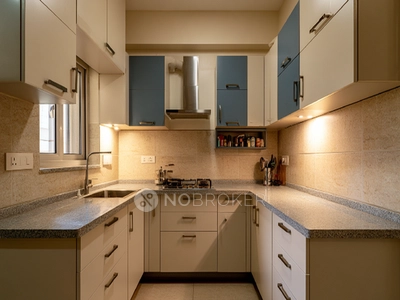
The U-shaped design wraps counters around three walls, providing the highest level of storage and work space, and is among the best kitchen redesign ideas for families who cook regularly and require ample space. It is the most popular option for larger kitchens, where space and utility are the primary considerations. All three corners should be adequately lit to be functional and stylish.
| Best For |
Key Feature |
Pro Tip |
| Large kitchens, frequent cooks |
Maximum counter and storage space |
Keep the centre walkway at least 90 cm wide for comfortable movement |
- Parallel / Galley Kitchen
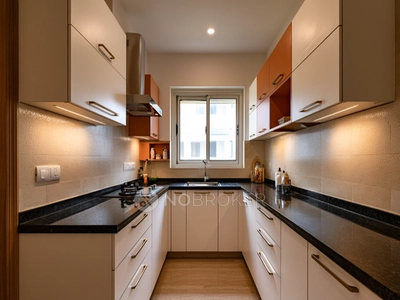
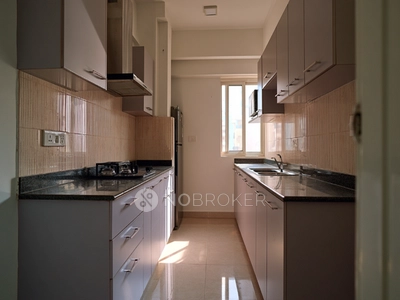
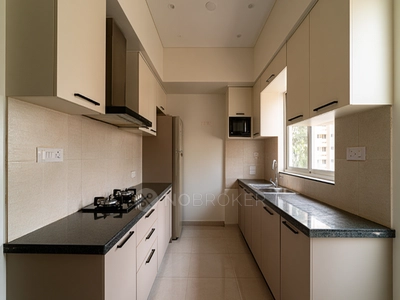
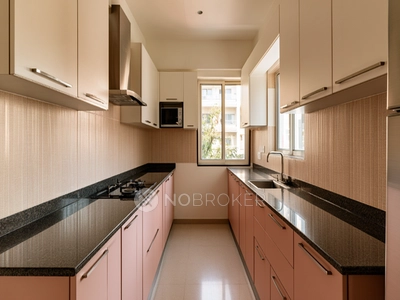
Two counters placed opposite each other on separate walls form an effective cooking lane which utilises every inch of space. This layout is perfect for narrow kitchen spaces in apartments and is widely considered one of the smartest home kitchen design ideas for compact Indian flats. Have one side for cooking and the other for prep and storage to ensure a seamless workflow.
| Best For |
Key Feature |
Pro Tip |
| Narrow kitchens, studio apartments |
Excellent workflow, space-efficient |
Use light colours and under-cabinet lighting to avoid a closed-in feeling |
4. Straight-Line Kitchen
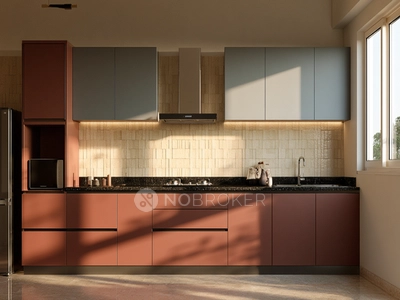
Straight Line Kitchen cabinets and appliances are all along one wall- the easiest and least space-consuming of all kitchen layout ideas. It is a low-cost, no-frills solution for studio apartments or open-plan houses, with the kitchen space shared between the living and dining rooms. The cabinets are vertical above and below the counter, maximising storage without compromising floor space.
| Best For |
Key Feature |
Pro Tip |
| Studio flats, very compact kitchens |
Space-saving, cost-effective |
Use tall vertical cabinets to increase storage capacity significantly |
5. Island Kitchen
Island kitchens feature a freestanding counter in the centre, adding extra workspace, storage, and seating. It is one of the most popular new kitchen designs for large homes and open-plan layouts where cooking and socialising happen together.
| Best For |
Key Feature |
Pro Tip |
| Large homes, open kitchens |
Extra counter space with seating |
Ensure at least 1 metre clearance around the island |
6. Peninsula Kitchen
A peninsula kitchen has a connected counter extension that extends from the main layout, offering many of the same benefits as an island while saving space. It is ideal for semi-open kitchens and medium to large homes.
| Best For |
Key Feature |
Pro Tip |
| Medium to large homes |
Extra workspace with partial divider |
Use pendant lights above the peninsula for a stylish look |
Kitchen Layout Comparison Table
Choosing the right kitchen layout is essential for creating a functional and visually appealing space. L-shaped and straight layouts work best for compact homes, while U-shaped and island kitchens are ideal for larger spaces. Select a layout based on your space and lifestyle needs, or consult a professional designer for the best results.
| Layout |
Best For |
Key Benefit |
Space Required |
| L-Shaped |
Small to medium homes |
Efficient workflow |
Moderate |
| U-Shaped |
Large kitchens |
Maximum storage |
Large |
| Parallel / Galley |
Narrow apartments |
Space-efficient |
Small to medium |
| Straight-Line |
Studio flats |
Budget-friendly |
Small |
| Island / Peninsula |
Villas, open-plan homes |
Extra counter & seating |
Large |
Difference Between a Modular Kitchen, a Semi-Modular Kitchen, and a Non-Modular Kitchen
Before choosing popular kitchen design styles, it is important to understand the different types of kitchen layouts. Your choice depends on budget, space, flexibility, and design preference.
| Kitchen Type |
Description |
Best For |
Key Benefit |
| Modular Kitchen |
Factory-made cabinets and units are installed in modules |
Modern homes, apartments |
Sleek design, quick installation |
| Semi-Modular Kitchen |
Mix of ready-made units with civil platform work |
Mid-budget homes |
Affordable with custom flexibility |
| Non-Modular Kitchen |
Fully carpenter-made traditional kitchen |
Custom homes, budget projects |
Fully customised and cost-effective |
Popular Kitchen Design Styles
After you have settled on your layout, it is time to bring your kitchen design ideas to life by choosing the right style. The way you dress it creates the mood of a room, establishes the materials, and determines the character of your kitchen. These are the best kitchen styling ideas that will be in demand in Indian homes in 2026:
| Kitchen Design Style |
Design & Finishes |
Space Optimization |
Flexibility & Installation |
Best For |
| Modular Kitchen Design |
High-gloss, matte, wood-textured laminates |
Smart cabinets and organised storage |
Easy to customise and quick installation |
Urban homes, apartments |
| Minimalist Kitchen Design |
Handleless cabinets, neutral shades, sleek surfaces |
Clutter-free layout with hidden storage |
Simple modern installation |
Compact modern homes |
| Luxury Kitchen Design |
Marble backsplashes, gold accents, and premium cabinets |
Spacious layouts with smart appliances |
Custom installation with premium fittings |
Villas, luxury apartments |
| Traditional Indian Kitchen Design |
Stone countertops, wooden shelves, deep sinks |
Dedicated masala shelves and storage |
Can combine modular + traditional setup |
Indian family homes |
| Rustic & Natural Kitchen Design |
Exposed brick, wood, stone, earthy tones |
Functional open storage |
Flexible custom design setup |
Warm and cosy homes |
Best Colour Combinations for Kitchen Interiors
The right colour combination can completely change the look and feel of your kitchen. Light shades make compact kitchens feel bigger, while bold tones add luxury and personality. Choosing the right palette also helps match your cabinets, flooring, and overall kitchen style.
| Colour Palette |
Mood |
Best For |
| White & Beige |
Clean, airy, minimal |
Small kitchens |
| Navy & Gold |
Bold, luxurious |
Premium, large kitchens |
| Sage Green & Wood |
Fresh, natural, calm |
Modern & tropical styles |
| Grey & White |
Sleek, contemporary |
Modular & minimalist kitchens |
| Terracotta & Cream |
Warm, rustic, earthy |
Traditional & rustic kitchens |
| Black & Gold |
Dramatic, high-end |
Luxury kitchens |
| Aqua & White |
Fresh, vibrant |
Contemporary modular kitchens |
Key Elements of a Great Kitchen Design
A great kitchen goes beyond the pretty facade to include intelligent planning at every level. Whether you’re working on home kitchen design ideas for a compact flat or a large family kitchen, these core elements define the quality and longevity of your space:
| Element |
Best Options |
Benefit |
| Countertops |
Granite, quartz, marble |
Durable and stylish |
| Cabinets |
Solid wood, MDF, laminated plywood |
Strong with better storage |
| Backsplash |
Subway tiles, patterned tiles, marble slab |
Easy to clean |
| Flooring |
Vitrified tiles, hardwood, vinyl |
Water-resistant and durable |
| Lighting |
LED strips, pendants, ceiling lights |
Better visibility |
| Ventilation |
Chimney, exhaust fan |
Removes smoke and odour |
| Storage |
Pull-out drawers, pantry units, and corner carousels |
Organised kitchen |
Essential Kitchen Furniture & Accessories for Modular Set-Up
The right furniture and accessories make a modular kitchen more efficient, organised, and stylish. These additions improve storage, comfort, and daily functionality.
| Item |
Purpose |
Best For |
| Tall Pantry Unit |
Store groceries and dry items |
Family kitchens |
| Pull-Out Drawers |
Easy access storage |
Daily use |
| Cutlery Organizer |
Keeps utensils arranged |
All kitchens |
| Breakfast Counter |
Dining + prep space |
Open kitchens |
| Bar Stools |
Seating for counters |
Modern homes |
| Corner Carousel |
Uses corner space efficiently |
Compact kitchens |
| Dish Drying Rack |
Organised drying area |
Sink zone |
| Under-Cabinet Lights |
Better task lighting |
Cooking area |
Materials & Finishes Used in Modular Kitchens
The right materials and finishes improve the look, durability, and maintenance of a modular kitchen. Choose options that match your budget, style, and daily usage.
| Material / Finish |
Features |
Best For |
| Laminate |
Affordable, durable, many colours |
Budget kitchens |
| Acrylic |
Glossy premium finish |
Modern kitchens |
| Membrane |
Smooth seamless surface |
Mid-range homes |
| PU Finish |
Luxury painted look |
Premium kitchens |
| Veneer |
Natural wood appearance |
Elegant interiors |
| Stainless Steel |
Hygienic and durable |
Heavy-use kitchens |
| Quartz Countertop |
Strong and stain-resistant |
Modern homes |
| Granite Countertop |
Heat-resistant and long-lasting |
Indian cooking |
Top Kitchen Trends for 2026
Kitchen trends in 2026 focus on smart, stylish, and space-saving designs. Homeowners prefer modern kitchens with convenience and elegance.
| Trend |
Benefit |
| Two-tone Cabinets |
Stylish contrast look |
| Open + Closed Storage |
Better display and storage |
| Smart Appliances |
Modern convenience |
| Patterned Backsplash |
Bold focal point |
| Breakfast Counter |
Social seating space |
| Eco-Friendly Materials |
Sustainable choice |
| Copper & Gold Hardware |
Premium finish |
| Handleless Cabinets |
Sleek modern appearance |
Kitchen Maintenance Tips
Regular kitchen maintenance keeps your space clean, hygienic, and long-lasting. Wipe countertops daily to prevent stains and bacteria buildup. Clean cabinets regularly to maintain their finish and shine. Service the chimney or exhaust fan for better ventilation, and check hinges and drawer channels to ensure smooth movement.
Quick Tips:
- Clean spills immediately to avoid stains
- Use mild cleaners on cabinets and laminates
- Deep-clean chimney filters monthly
- Keep the sink and drain area dry
Common Kitchen Design Mistakes to Avoid
Many kitchens lose efficiency because of simple planning mistakes. A poor work triangle layout can make cooking inconvenient, while insufficient storage often leads to clutter. Weak lighting reduces visibility during cooking, and choosing the wrong countertop material can affect durability. Ignoring ventilation may cause smoke and odour buildup.
Avoid These Mistakes:
- Too little counter space
- Poor appliance placement
- No dedicated pantry storage
- Dark colours in very small kitchens
- Low-quality fittings and hardware
Conclusion
The ideal combination of functionality, aesthetics and clever design is a well-designed kitchen. Be it the uncluttered ease of minimalist modular design, the cosiness of rustic kitchen styling ideas, or the opulence of a luxury kitchen design, there is an answer for every Indian household. Whether it is the selection of appropriate kitchen layout ideas and countertop materials, or the choice of the optimal colour palette and lighting, every detail counts. A good kitchen design idea is not only about creating a beautiful appearance but also about making the cooking process more pleasant, storage easier, and everyday life easier. NoBroker Interiors has 500+ curated kitchen ideas and a team of expert designers who transform your dream kitchen into reality.
How NoBroker Interiors Can Help?
We bring to life the kitchen interior ideas we have, turning them into beautifully completed realities at NoBroker Interiors. Our professional designers collaborate with you to design the ideal layout, choose the appropriate materials and install it to perfection – on time and in budget. Be it a small straight-line kitchen in a studio flat or an extensive island kitchen in a villa, we take care of it to the end with attention to detail.
Our service is available in Bangalore, Mumbai, Delhi, Pune, Hyderabad, Chennai, Gurgaon, Noida, Faridabad, Ghaziabad and Greater Noida.
- Personalised kitchen layout ideas and interior design kitchen ideas for every home size
- High-quality materials and skilled craftsmanship
- Transparent pricing with no hidden charges
- End-to-end project management and timely delivery
Book a free kitchen design consultation with NoBroker Interiors today.