Table of Contents
Loved what you read? Share it with others!



NRI Eviction Rights in India: What Are They and How To Use Them?
Updated : May 21, 2025, 4:14 PM
Author :
 Krishnanunni
Table of Contents
NRI eviction rights are specially assigned to the NRIs who possess properties in India to protect their ownership. Understanding these rights are crucial when dealing with tenants who refuse to vacate or in cases of illegal occupation. This guide explains the legal avenues available to NRIs for reclaiming their property, detailing the eviction process and addressing common challenges overseas landlords face, ensuring you can manage your property effectively from afar.
Quick Info Table - NRI Eviction Rights
Navigating property matters from abroad can be complex. Here’s a brief overview of key aspects concerning the NRI eviction process in India.
| Aspect | Description |
| Legal Process | Eviction must be pursued through the courts by filing a formal suit, adhering to Indian legal procedures. |
| Key Law | Governed by state-specific Rent Control Acts, the Transfer of Property Act, 1882, and sometimes special provisions for NRIs. |
| Tenant Protections | Indian law provides tenants with certain safeguards; eviction must be based on legally valid reasons. |
| Power of Attorney | A registered Power of Attorney (POA) empowers a designated person in India to act on the NRI's behalf in legal and property matters. |
| Time Frame | Eviction timelines vary widely, potentially from several months to a few years, influenced by case specifics and judicial efficiency. |
| Required Documents | Key paperwork includes ownership proof, lease agreements (if any), eviction notices, and communication records. |
| Common Challenges | NRIs often face procedural delays, needing personal appearances (manageable via POA), and proving legitimate requirements. |
Common Reasons for NRI Eviction Cases
NRIs may face situations requiring them to evict occupants. Understanding these common scenarios helps prepare for the eviction process.
- Unauthorised tenants or encroachers: Sometimes, individuals illegally occupy properties without a legal agreement, or tenants may sublet the property without permission. In such cases, NRIs can initiate eviction proceedings to remove these unauthorised occupants and reclaim their property. This often involves proving the lack of a valid tenancy agreement.
- Misuse of Power of Attorney: An individual granted Power of Attorney (POA) might misuse their authority, for instance, by renting out the property against the NRI’s wishes or to undesirable tenants. If the POA holder acts beyond their authorised scope, leading to problematic tenancies, the NRI may need to revoke the POA and initiate eviction.
- Family disputes leading to occupation: Property disputes with relatives can lead to family members occupying the NRI’s property without consent. These situations can be emotionally and legally complex, often requiring formal eviction suits to resolve the NRI property disputes with relatives and regain possession, especially when a tenant is not vacating an NRI property that a relative occupied under an informal arrangement.
Legal Rights of NRIs Over Their Property
NRIs retain significant legal rights over their properties in India. Knowing these rights is fundamental when facing issues of illegal possession of NRI property.
- Ownership rights under Indian law: NRIs enjoy the same ownership rights as resident Indians. This includes the right to possess, use, manage, and dispose of their property according to Indian laws like the Transfer of Property Act. Their ownership is legally protected against unauthorised occupation or encroachment.
- RERA protection (if applicable): If the property is part of a project registered under the Real Estate (Regulation and Development) Act, 2016 (RERA), NRIs benefit from its protections. This includes ensuring timely project completion and adherence to promised specifications, although RERA primarily governs developer-buyer relations rather than landlord-tenant issues.
- Right to file an eviction suit in India: NRIs have the unequivocal right to file a lawsuit in an Indian court to evict tenants or illegal occupants from their property. Special fast-track courts or provisions for NRIs may be available under specific state rental laws to expedite such cases.
Step-by-Step NRI Eviction Process
The NRI eviction process in India involves several legal steps that must be carefully followed. Here’s a general outline to help you understand how to evict a tenant from an NRI property.
- Step 1: Send a Legal Notice: The first step is to send a formal eviction notice to the tenant through a lawyer, clearly stating the grounds for eviction and the time frame to vacate.
- Step 2: File an Eviction Suit: If the tenant does not vacate after the notice period, file an eviction suit in the competent court having jurisdiction over the property.
- Step 3: Court Proceedings: Both parties will present their cases, evidence, and arguments before the court. The NRI's lawyer or POA holder can represent them.
- Step 4: Court Order: After hearing the case, the court will pass a judgment. If it is in favour of the NRI, an eviction order will be issued.
- Step 5: Execution of Eviction Order: If the tenant still refuses to vacate, the court's eviction order can be executed with the help of local authorities.
What are the Documents Required for Eviction?
Certain documents are crucial to successfully initiating and proceeding with an eviction suit, especially concerning NRI eviction rights. Having these papers in order can significantly smooth the legal process.
- Proof of ownership of the property (e.g., sale deed, title deed)
- The tenancy or lease agreement (if any)
- Copy of the eviction notice sent to the tenant
- Proof of service of the eviction notice
- Correspondence with the tenant (e.g., emails, letters)
- Photographs or other evidence of breach of tenancy terms or illegal occupation
- A registered Power of Attorney if someone is representing the NRI
Timeframe and Costs Involved
The eviction process can be lengthy and involve various costs. NRIS need to have a realistic expectation of both.
The average timeline for eviction suits in India can range from 6 months to several years, depending on the complexity of the case, the court's workload, and the state's specific rental laws. Some states have provisions for faster eviction for NRIs, but procedural delays are common.
Estimated Costs:
| Cost Head | Estimated Amount (INR) | Notes |
| Legal Consultation Fees | ₹10,000 - ₹50,000+ | Varies based on the lawyer's experience |
| Drafting & Sending Notice | ₹5,000 - ₹15,000 | Per notice |
| Court Fees | Variable | Depends on the property value and state laws |
| Litigation Charges | ₹5,000 - ₹20,000+ per hearing | Depends on the lawyer and the case complexity |
| Documentation Charges | ₹2,000 - ₹10,000 | For preparing and notarising documents |
| Power of Attorney | ₹5,000 - ₹15,000 | Includes drafting and registration |
| Miscellaneous Expenses | Variable | Travel, communication, and execution of the order |
Preventive Tips for NRIs to Avoid Future Eviction Issues
Taking proactive steps can help NRIs safeguard their property and minimise the chances of facing difficult eviction scenarios. Here are some tips to prevent issues related to tenants not vacating NRI property or illegal possession.
- Always have a written and registered rent agreement.
- Conduct thorough tenant background checks.
- Clearly state all terms and conditions in the agreement.
- Regularly inspect the property (or have a trusted person do so).
- Be prompt in addressing any breaches of the agreement.
- Maintain clear communication records with the tenant.
- If using a POA, choose a highly trustworthy individual.
- Ensure property taxes and utility bills in your name are paid on time.
- Consider professional property management services.
How can NoBroker Help?
Dealing with property disputes and the eviction process from abroad can be daunting. NoBroker NRI services offer comprehensive assistance, from finding verified tenants to property management and legal support. Our team can help you navigate the complexities, connect you with experienced legal professionals, and ensure your property interests are protected in India, providing peace of mind while you are away.
Frequently Asked Questions
Ans: Yes, NRIs can file eviction cases from abroad by granting a Power of Attorney to a trusted person in India to represent them in court.
Ans: If a relative refuses to vacate, the NRI can legally send them an eviction notice and file an eviction suit in court, similar to any other unauthorised occupant.
Ans: A duly registered Power of Attorney can authorise someone to initiate and manage eviction proceedings on behalf of the NRI, including hiring a lawyer and attending court.
Recommended Reading

NRI Buying Property in India (2026 Guide): Rules, Taxation, Documents & Investment Strategy
January 31, 2025
7957+ views

Buying A Resale Home from NRIs: Required Documents, Eligibility and Calculations in 2026
June 1, 2025
7722+ views

NRI Property Registration Process: Know Eligibility and Required Documents for 2026
January 3, 2025
4413+ views

New Rules for NRI in India: Essential Tax Updates
January 31, 2025
2674+ views

Loan Against Property for NRI: A Guide to Flexible Financing: Benefits, Eligibility & More in 2026
January 31, 2025
1172+ views
Most Viewed Articles

NRI Power of Attorney for Property in India: How to Apply, Documents Required and Format
June 1, 2025
31015+ views

Know About ICICI NRI Account: Document Required, Eligibility and Application Process in 2026
January 31, 2025
27185+ views

NRI Accounts in India: List of Best NRE, NRO & FCNR Accounts in 2026
June 1, 2025
18175+ views
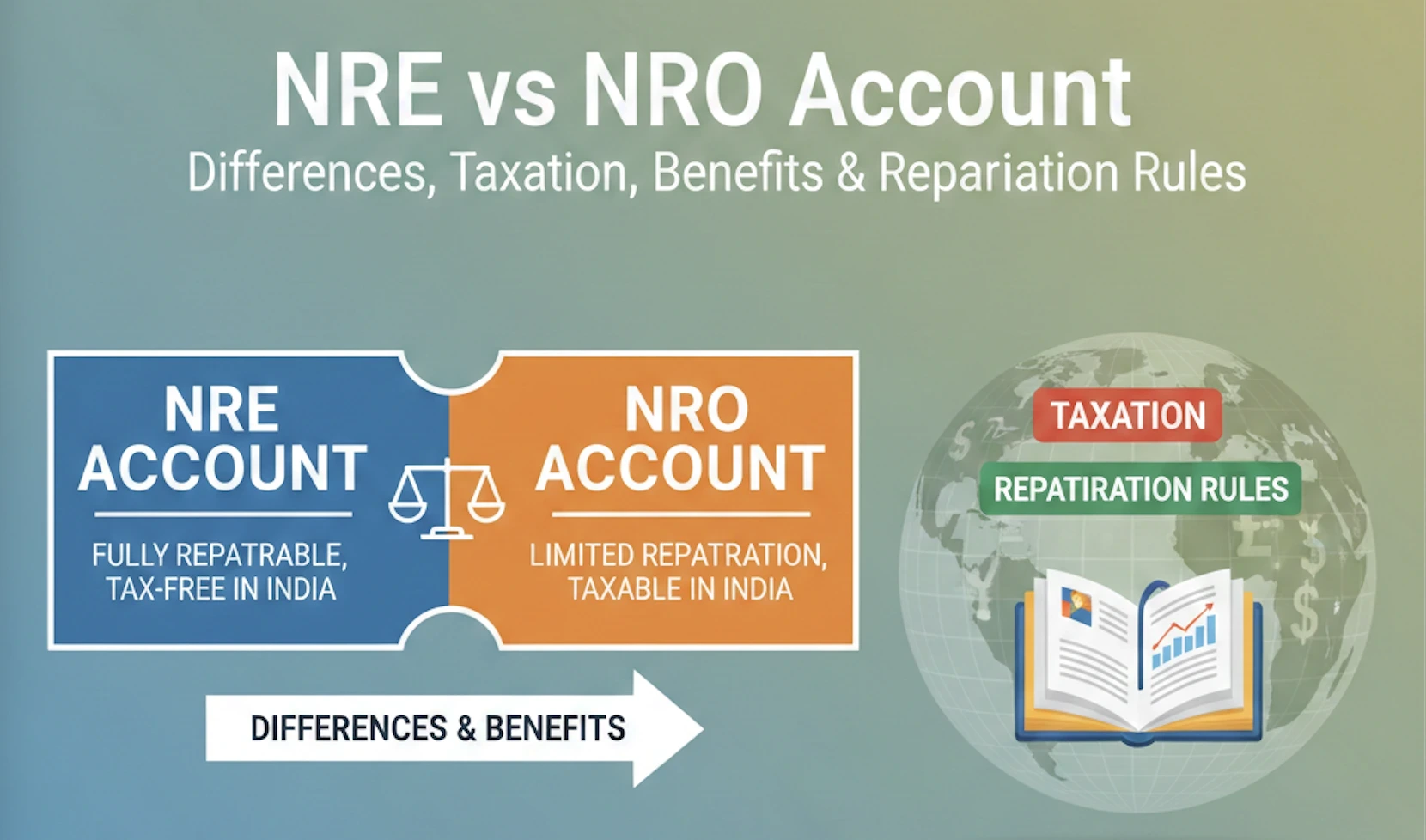
NRE vs NRO Account: Differences, Taxation, Benefits & Repatriation Rules
January 31, 2025
10030+ views

TDS on Sale of Property by NRI: 2026 Tax Rates, Rules & Process
June 1, 2025
9432+ views
Author
Loved what you read? Share it with others!
Recent blogs in
NRI Rights in India for Property: Ownership, Inheritance & Legal Rules for 2026
November 21, 2025 by Vivek Mishra
What is NRI Certificate: Meaning, Uses, Documents Required & Procedure in India
August 25, 2025 by Vivek Mishra
Power of Attorney from UAE to India: Format, Documents & Legal Process in 2026
August 25, 2025 by Vivek Mishra
Power of Attorney for India Property from UK: Format, Documents & Legal Process in 2026
August 25, 2025 by Vivek Mishra
DTAA Between India And France: Tax Relief, TDS Rules & Benefits in 2026
August 22, 2025 by Kruthi










 Full RM + FRM support


Join the conversation!