- https://hygieneforall.com/a-comprehensive-guide-to-buying-the-perfect-kitchen-towels-for-your-home/#:~:text=Why%20Quality%20Kitchen%20Towels%20Matter,great%20deal%20of%20money%20too.
- https://economictimes.indiatimes.com/magazines/panache/avoid-mopping-liquid-spills-in-kitchens-with-a-dishcloth-it-is-breeding-ground-for-harmful-bacteria/articleshow/101240176.cms?from=mdr
- https://indianexpress.com/article/lifestyle/life-style/dirty-tea-towels-breeding-grounds-bacteria-8684205/
- https://www.cleaningcompany.ae/choosing-kitchen-cleaning-cloth-for-daily-use/#:~:text=The%20texture%20of%20cleaning%20clothes,that%20fits%20your%20pocket%20range.
- https://loomhometextiles.com/blogs/news/best-fabrics-for-kitchen-towels-that-last-longer
- https://www.castle.eu.com/insights/3-advantages-of-using-reusable-cleaning-cloths/
- https://loomhometextiles.com/blogs/news/how-to-choose-the-best-kitchen-towels-for-daily-use#:~:text=December%2017%2C%202025,for%20the%20task%20at%20hand.
- https://www.sciencedirect.com/science/article/abs/pii/S0195670108004258#:~:text=Using%20premoistened%20cloths%20for%20cleaning,of%20the%2016%2Dside%20method.
- https://www.johnsons-londonlinen.co.uk/about/blog/different-cloths-used-in-a-professional-kitchen/#:~:text=Absorbency:%20Tea%20towels%20and%20microfibre,the%20best%20materials%20on%20hand.
- https://www.soonercleaning.com/how-to-choose-a-kitchen-cloth.html#:~:text=Choose%20machine%2Dwashable%20kitchen%20cloths,instantly%20boosting%20your%20cleaning%20efficiency!
- https://www.sciencedirect.com/science/article/pii/S0956713522003887#:~:text=Abstract,cloth%20to%20dry%20after%20use.
- https://www.safefood.net/professional/research/research-projects/the-microbiological-status-of-household-dishcloths#:~:text=Bacteria%20transfer,the%20risk%20of%20foodborne%20illnesses.
Table of Contents
Why Choosing the Right Kitchen Cleaning Cloth MattersTypes of Kitchen Cleaning Cloths: Which One Do You Need?How to Use Kitchen Cleaning Cloths Correctly?How to Clean and Disinfect Kitchen Cleaning Cloths?How Often Should You Replace Kitchen Cleaning Cloths?How Dirty Kitchen Cleaning Cloths Affect Kitchen Hygiene?When Regular Kitchen Cleaning Isnât Enough for Kitchen Hygiene?NoBroker Helps Maintain a Deep-Cleaned KitchenFrequently Asked Questions
Loved what you read? Share it with others!


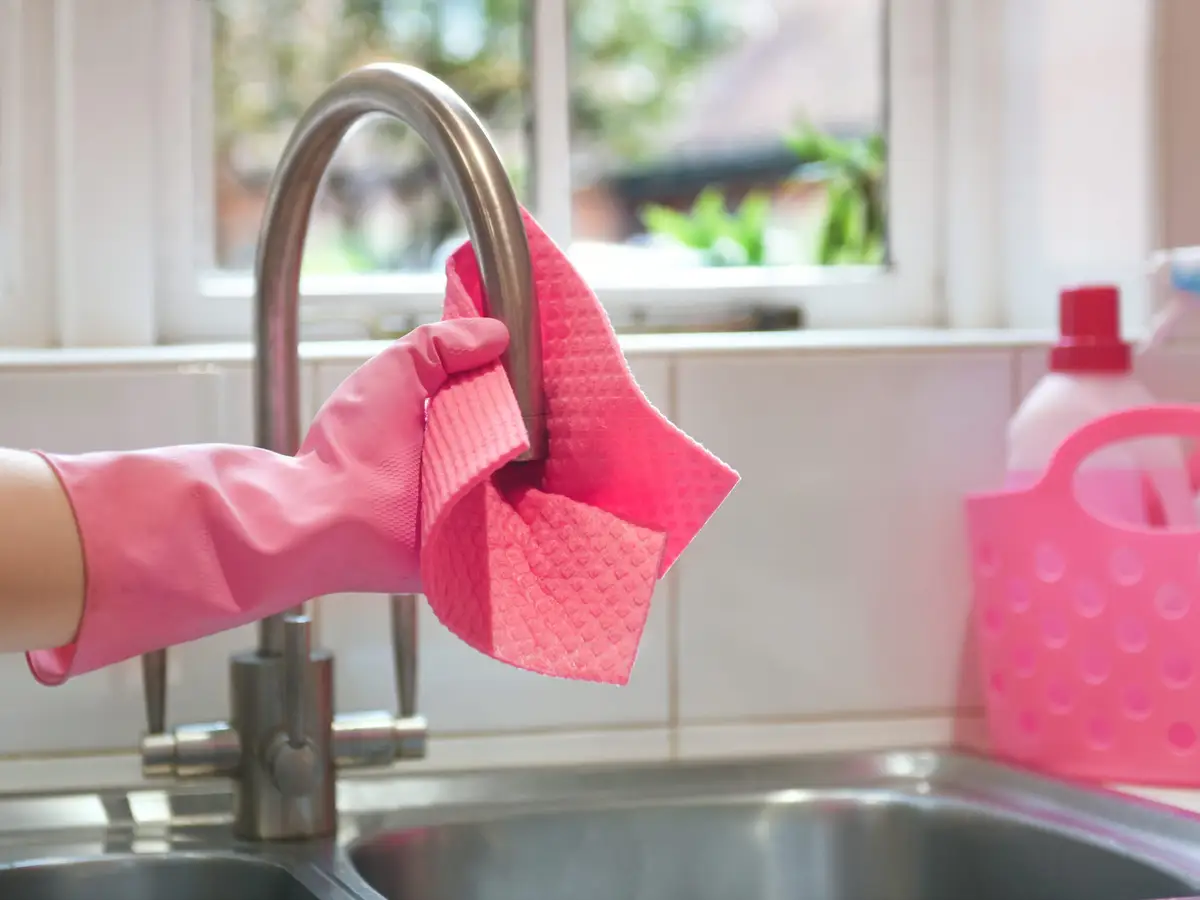
Kitchen Cleaning Cloth: Types, Uses and Cleaning Tips in 2026
Updated : March 9, 2026, 3:11 PM
Author :
 Krishnanunni
Summary
A kitchen cleaning cloth is essential for maintaining a clean kitchen. Microfiber cloths are ideal for countertops and appliances due to their high absorbency and low scratch risk, while cotton cloths work well for dish drying and spills. Disposable wipes can be used for greasy or high-risk areas to avoid cross-contamination. Rotating separate kitchen cleaning cloths for dishes, surfaces, and spills improves food safety. Regular washing in hot water keeps clothes germ-free. The approximate cost ranges from ₹50–₹300 per cloth, depending on the material and quality.
Table of Contents
Why Choosing the Right Kitchen Cleaning Cloth MattersTypes of Kitchen Cleaning Cloths: Which One Do You Need?How to Use Kitchen Cleaning Cloths Correctly?How to Clean and Disinfect Kitchen Cleaning Cloths?How Often Should You Replace Kitchen Cleaning Cloths?How Dirty Kitchen Cleaning Cloths Affect Kitchen Hygiene?When Regular Kitchen Cleaning Isnât Enough for Kitchen Hygiene?NoBroker Helps Maintain a Deep-Cleaned KitchenFrequently Asked Questions
Why Choosing the Right Kitchen Cleaning Cloth Matters
Choosing the right kitchen cleaning cloth directly affects hygiene and food safety. Using an unsuitable cloth can spread bacteria rather than remove them. The right cloth for kitchen cleaning, such as a kitchen microfiber towel for counters or sponge kitchen wipes for grease, prevents surface damage and cross-contamination, ensuring safer food preparation and a cleaner home. [1] [2] [3]
Types of Kitchen Cleaning Cloths: Which One Do You Need?
Different kitchen tasks require different kitchen cleaning towels. Some cloth wipes for kitchen use are designed to absorb spills, while others are designed to scrub grease or trap dust. Selecting the right kitchen wiping cloth for each surface improves cleaning efficiency, protects surfaces, and reduces the spread of germs throughout the kitchen. [4] [5] [6]
1. Microfiber Kitchen Cleaning Cloth
A microfiber cloth for kitchen cleaning is one of the most effective options available. Kitchen microfibre cloths trap microscopic dirt, grease, and bacteria using fine synthetic fibers. These kitchen microfiber towels work well on countertops, glass, and stainless steel and often clean effectively with just water, making them ideal for daily use.
2. Cotton Kitchen Cleaning Cloth
Cotton cloth for kitchen use is a traditional and versatile option. Commonly used as kitchen cleaning towels or wiping cloths for kitchen surfaces, cotton absorbs spills well and is gentle on dishes. However, cotton kitchen cleaning cloths require frequent washing and thorough drying to prevent odour and bacterial buildup.
3. Sponge and Scrubber Kitchen Cleaning Cloths
Sponge kitchen wipes combine absorbency with scrubbing power. These kitchen cloths are ideal for removing dried-on food, grease, and stains from stovetops, sinks, and cookware. While effective, sponge kitchen wipes must be cleaned and replaced often, as they can trap moisture and bacteria.
4. Disposable and Reusable Kitchen Wipes
Reusable kitchen wipes and disposable alternatives are designed for quick cleanups. Kitchen wipes, reusable options are eco-friendly and suitable for routine surface cleaning, while disposable wipes are useful for high-risk areas like raw meat preparation. Both serve specific purposes in maintaining kitchen hygiene.
How to Use Kitchen Cleaning Cloths Correctly?
Using kitchen cleaning cloths correctly is essential for hygiene. Assign different kitchen wiping cloths for specific tasks such as countertops, dishes, and spills. Colour-coding cloth for kitchen cleaning tasks helps avoid cross-contamination. Always rinse cloth wipes for kitchen use after cleaning and allow them to dry fully. [7] [8] [9]
How to Clean and Disinfect Kitchen Cleaning Cloths?
Simply rinsing a kitchen cleaning cloth is not enough. Proper cleaning and disinfection remove grease and kill bacteria that thrive in damp cloths. Regular washing, correct water temperature, and thorough drying are key to keeping kitchen cleaning towels safe and effective. [10] [11] [12]
Washing Kitchen Cleaning Cloths Properly
Reusable kitchen cleaning cloths should be washed daily in hot water with detergent. Avoid fabric softener on kitchen microfiber towels, as it reduces absorbency. Dry the cloth completely, preferably in sunlight or a dryer, to prevent bacterial growth.
Removing Grease, Odour & Bacteria from Kitchen Cleaning Cloths
Grease and unpleasant odours are common on kitchen wiping cloths. Soaking cloth wipes in hot water with vinegar or baking soda helps break down grease and neutralise odours. Periodic boiling or disinfectant soaking ensures deeper sanitisation of kitchen cleaning towels.
How Often Should You Replace Kitchen Cleaning Cloths?
Even well-maintained reusable kitchen cleaning cloths wear out. Replace the microfiber cloth for kitchen use when it loses grip, and the cotton cloth for kitchen cleaning when it becomes thin or frayed. Most kitchen cleaning cloths should be replaced every two to three months.
How Dirty Kitchen Cleaning Cloths Affect Kitchen Hygiene?
Keeping your kitchen cloths dirty can do more harm than good. Instead of cleaning, they can become breeding grounds for bacteria, spreading germs across surfaces and food. Understanding how contaminated cloths affect kitchen hygiene helps maintain a safe cooking environment. [7] [8] [9] [10] [11][12]
1. Food Contamination
Dirty kitchen cloths can transfer harmful bacteria directly to food, increasing the risk of foodborne illnesses. Even when surfaces appear clean, bacteria can linger on cloths and contaminate ingredients, utensils, and cutting boards during routine cleaning.
2. Kitchen Surfaces
Using unwashed or reused cloths spreads grime and microbes across countertops, sinks, and appliances. This not only reduces cleaning effectiveness but can also lead to sticky surfaces, unpleasant odours, and hidden bacterial growth over time.
3. Overall Home Hygiene
Contaminated cleaning cloths don’t just affect the kitchen—they can contribute to poor overall home hygiene. Bacteria and dirt from the kitchen can spread to dining areas, tables, and other living spaces, creating an unhealthy environment for the entire household.
When Regular Kitchen Cleaning Isn’t Enough for Kitchen Hygiene?
Daily wiping and routine cleaning may not always keep your kitchen hygienic. Sometimes, dirt, grease, and bacteria build up in areas that standard cleaning cannot reach. Knowing when regular cloth use isn’t enough helps you take timely steps toward deep cleaning. [7] [8] [11] [12]
Heavy Grease Buildup
Even after routine cleaning, heavy grease can remain on stovetops, range hoods, and backsplashes. Over time, grease attracts dust and bacteria, making surfaces sticky and harder to clean with regular cloths. Deep cleaning or specialised cloths are required to tackle this.
Stubborn StainsFre
Food spills, sauce marks, and oil splatters often leave stains that a regular cloth can’t remove. Using microfiber or specialised kitchen cloths ensures stains are lifted effectively.
Poor Odour Despite Regular Cleaning
A foul odour in the kitchen indicates bacterial contamination or food residue on surfaces or cloths. Regular wiping may temporarily mask the odour, but deep cleaning with fresh, high-absorbency cloths is necessary to eliminate the source and maintain a fresh-smelling kitchen.
NoBroker Helps Maintain a Deep-Cleaned Kitchen
NoBroker offers professional kitchen deep cleaning services to keep your kitchen spotless and hygienic. Their experts use advanced tools and techniques to remove grease, stains, and bacteria from surfaces, appliances, and corners. In addition, they emphasise the use of fresh, sanitised kitchen cleaning cloths to prevent contamination, ensuring a safe, clean, and healthy cooking environment for every home.
Frequently Asked Questions
Q1. Which kitchen cleaning cloth is best for daily use?
Ans: A microfiber cloth for kitchen cleaning is ideal for daily use due to its absorbency, durability, and ability to trap bacteria effectively.
Q2. How often should kitchen cleaning cloths be washed?
Ans: Kitchen cleaning cloths should be washed daily, especially after wiping up spills or food-preparation areas.
Q3. Can kitchen cleaning cloths spread germs?
Ans: Yes, unwashed kitchen wiping cloths can spread bacteria across surfaces, increasing the risk of food contamination.
Q4. How do I remove the bad smell from kitchen cleaning cloths?
Ans: Soak kitchen cleaning towels in hot water with vinegar or baking soda, then wash and dry thoroughly.
Q5. Does NoBroker offer professional kitchen cleaning services?
Ans: Yes, NoBroker offers professional kitchen deep cleaning services to effectively address heavy grease, stains, and hygiene issues.
Recommended Reading

How to Clean Kitchen Exhaust Fan Properly: Tools, Methods and Safety Tips in 2026
January 15, 2025
14325+ views
How to Clean Your Kitchen Sink: Simple Steps for a Sparkling Finish in 2026
January 31, 2025
13390+ views
14 Easy Kitchen Cleaning Tips for a Fresh, Shiny and Hygienic Home in 2026
September 11, 2025
11825+ views
How to Get Rid of Fruit Flies in Your Kitchen: Tips and Tricks
January 31, 2025
7765+ views
How to Clean Microwave Oven: Quick and Effective Cleaning Hacks You Must Try Out
January 31, 2025
6392+ views
ARTICLE SOURCES
NoBroker Easy Cleaning Tips Testimonials
Most Viewed Articles

List of the Best Home Cleaning Apps: Book Home Cleaning Services for Daily and Deep Cleaning
January 31, 2025
27556+ views
Deep Clean Your Washing Machine: Step-by-Step Guide & Tips
January 31, 2025
21799+ views
How to Get Rid of Bathroom Flies: 8 Quick Methods
January 31, 2025
21229+ views

Top 10 Tile Cleaner Liquids with Prices in India for 2026
February 23, 2025
19765+ views

Diwali Cleaning Tips and Guide: Make Your Home Shine for the Festival in 2026
January 31, 2025
18308+ views
Author
Loved what you read? Share it with others!
Recent blogs in
Move-In vs Move-Out Cleaning: Key Differences & Complete Checklist in 2026
March 9, 2026 by Krishnanunni H M
Bathroom Steam Cleaning: Process, Benefits, and Professional Tips in 2026
March 9, 2026 by Priyanka Saha










 Full RM + FRM support


Join the conversation!