- https://orientelectric.com/blogs/water-heaters/common-geyser-problems-and-how-to-fix-them-a-complete-troubleshooting-guide?srsltid=AfmBOorUgVAxOYH-HlQ521pQELkEtfpWFLrFI2u7v9e31srlVngGFbDC
- https://www.voltas.com/blogs/articles/common-geyser-problems-and-how-to-fix-them?srsltid=AfmBOop7oYEsg0frWSII4S0xGweX9IO2NZPuf2mIZY53WYRbNnw7LsKN
- https://www.jaquar.com/en/blog/troubleshoot-water-heater-issues
- https://www.croma.com/unboxed/common-water-heater-problems?srsltid=AfmBOop69W5US4VdNcHMzBnzYTNDC-fySLgdRN5F8XtNpZ3LDhhwVZTu
Table of Contents
Loved what you read? Share it with others!


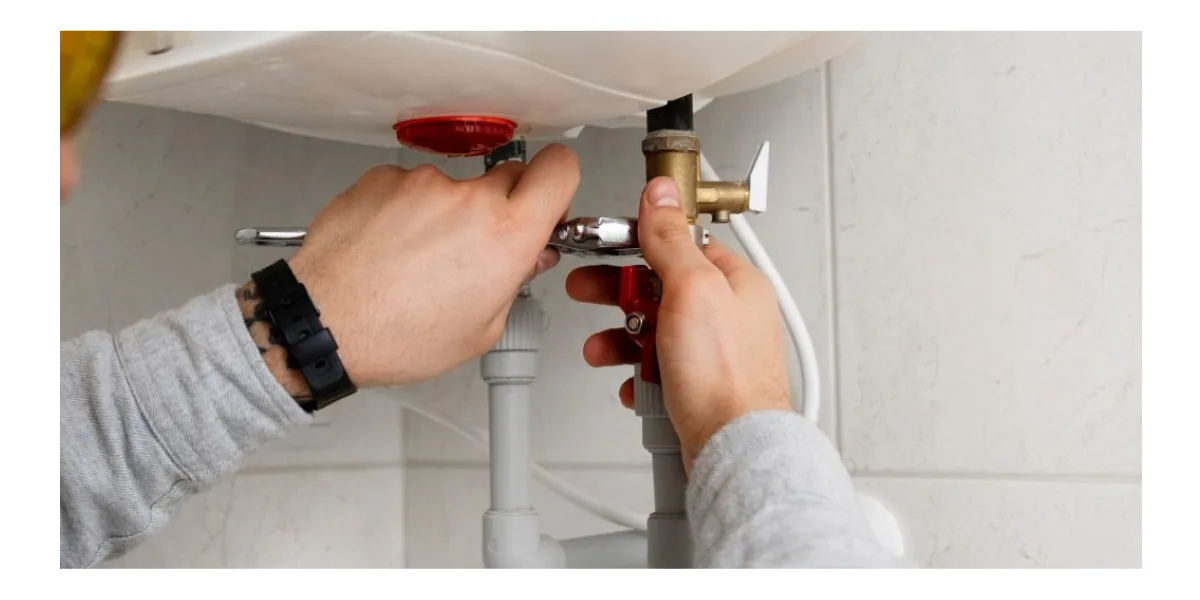
Geyser Not Heating Water: Reasons, Fixes & Maintenance Tips
Updated : December 17, 2025, 3:49 PM
Author :
 Kruthi
Summary
Geyser heating problems usually happen due to issues with power supply or internal parts. Common causes include faulty wiring, a damaged thermostat, a burnt heating element, or limescale buildup that reduces heating efficiency. Signs like water leakage, low voltage, dirty water, or strange noises suggest internal problems. Regular maintenance such as cleaning the tank, checking safety valves, and proper earthing can help avoid issues. For electrical problems, leaks, or part replacement, professional help is recommended.
Table of Contents
Waking up to find your geyser is not heating water is a frustrating experience, especially during colder months. This common household issue can stem from various causes, ranging from a simple tripped circuit breaker to a complex failure of the heating element. Understanding the signals your appliance is sending is important for effective troubleshooting. This guide will walk you through the most common reasons why your water heater stopped heating water and provide simple, formal solutions to help restore your hot water supply quickly and safely.
Common Reasons Why Your Geyser Does Not Heat Water?
When you find there is no hot water from the geyser, the fault typically lies with one of the following key components that manage power and temperature regulation. [1]
1. Problem: Power Supply Interruption
- Discuss Problem: The geyser may not be receiving any power due to a simple disconnection, a faulty wall socket, or a tripped Miniature Circuit Breaker (MCB) in your electrical panel.
- Solution: Check if the power indicator light on the geyser is illuminated. Ensure the unit is correctly plugged in. If the MCB is tripped, reset it carefully. If the breaker trips again immediately, a short circuit may be present within the unit.
2. Problem: Defective Thermostat
- Discuss Problem: The thermostat is the component that monitors the water temperature inside the tank. If it fails, it may incorrectly read the water as "hot" (even when it's cold) and refuse to switch on the heating element, leaving the geyser unheated.
- Solution: Check the thermostat setting (usually located behind a cover panel). Adjust the temperature setting slightly. If the water remains cold, the thermostat may need to be inspected and replaced by a professional.
3. Problem: Faulty Heating Element
- Discuss Problem: The heating element is the coil inside the tank that physically heats the water. A burnt out or damaged heating element often referred to as a geyser without a heating element issue.
- Solution: A visual or electrical inspection by a technician is required. If the element is visibly damaged or fails continuity tests, it must be replaced. Never attempt to replace the heating element yourself due to the high electrical risk.
4. Problem: Sediment or Limescale Buildup
- Discuss Problem: In hard water areas, mineral deposits (limescale) can accumulate heavily on the heating element over time. This sediment acts as an insulator, preventing the element's heat from effectively transferring to the surrounding water, thereby avoiding the geyser from heating the water efficiently.
- Solution: The tank needs to be drained and the heating element professionally cleaned or descaled using an appropriate solution (such as vinegar). Regular tank flushing prevents this issue.
When There Is No Hot Water from the Geyser?
Beyond the four primary component failures, several other symptoms can explain why hot water is not coming from the geyser, often stemming from maintenance or plumbing issues. [2]
- Pressure Relief Valve (PRV) Leakage: If the safety valve is constantly dripping or leaking, it indicates excessive pressure or a faulty valve. This continually drains hot water and can lead to heating inadequacy.
- Inadequate Water Volume: If your water usage exceeds the geyser’s capacity (common when multiple people shower consecutively with a small tank), the geyser will fail to deliver hot water until it completes its heating cycle.
- Discolored or Smelly Water: Water that appears rusty, brown, or has a sulfur/rotten-egg odor indicates tank corrosion or bacterial buildup. This does not prevent heating but signals a severe problem inside the tank.
- Unusual Noises: Popping, rumbling, or crackling sounds often signal a heavy buildup of limescale sediment at the bottom of the tank, where trapped air bubbles cause the noise during heating.
- Low Voltage Supply: If the electrical voltage supplied to the unit is significantly lower than required, the heating element will not draw enough power to heat the water to the desired temperature quickly or completely.
Prevention Tips to Avoid Geyser Heating Issues
Proactive maintenance is the most effective defence against sudden breakdowns and ensures that your water heater does not have heating water issues. [3]
- Regularly Flush the Tank: Drain and flush the geyser tank annually (or semi-annually in hard-water areas) to remove accumulated sediment and maintain heating efficiency.
- Monitor Anode Rod: For storage geysers, have the internal anode rod (which prevents tank corrosion) inspected and replaced every 2–3 years to prolong the tank's lifespan.
- Set Optimal Temperature: Maintain the thermostat setting between 55°C and 60°C. Settings that are too high accelerate scale buildup and energy consumption.
- Check PRV: Periodically check the Pressure Relief Valve to ensure it is not constantly dripping, which indicates a loss of hot water or pressure issues.
- Ensure Proper Earthing: Verify that the electrical wiring and the geyser socket are properly grounded (earthed) to prevent short circuits and component damage.
When to Call a Professional for Geyser Heating Issues?
While minor issues such as resetting an MCB or adjusting a visible thermostat setting can be handled at home, any issue involving electrical components, internal tank integrity, or plumbing connections requires a qualified professional. [4]
- Electrical Faults: If the circuit breaker trips immediately when the geyser is switched on, it indicates an internal short circuit in the element or wiring.
- Component Replacement: If the heating element or thermostat is diagnosed as faulty and needs physical replacement.
- Persistent Leaks: If water continues to leak after checking and tightening the external pipe connections, it suggests internal tank corrosion.
- Tank Descaling: If the geyser requires tank draining and descaling to remove heavy mineral buildup.
Geyser Repair & Installation Services in Major Cities
Frequently Asked Questions?
Q1. What causes a geyser to stop working?
Ans: A geyser that is not heating can stop working due to a tripped circuit breaker, a faulty thermostat that is incorrectly reading the water temperature, or a damaged heating element that requires replacement.
Q2. How do you solve a geyser problem when it doesn't heat?
Ans: First, check the power supply and MCB. If the power is fine, adjust the thermostat setting. If the issue persists, call a professional technician to inspect the heating element.
Q3. Why is there no hot water from my geyser after a power cut?
Ans: Often, a power cut causes the geyser's fuse or thermal cutout to trip as a safety measure. Check and reset the circuit breaker or the thermal cutout button on the unit itself.
Q4. What is the biggest danger of a faulty geyser?
Ans: The biggest danger is an electrical short circuit caused by a corroded heating element or faulty wiring, which can lead to electric shock or a fire hazard.
Q5. How long should a geyser take to heat water?
Ans: A small instant geyser should heat water in seconds to a minute. A large storage geyser typically takes 10 to 15 minutes to heat a full tank to the optimal temperature.
ARTICLE SOURCES
Most Viewed Articles

LG Fridge Vs Samsung Fridge: Comparing Features, Price & Performance in 2026
September 12, 2025
9892+ views
LG vs Samsung Washing Machine: Feature Comparision, Price & Performance 2026
August 28, 2025
8798+ views
IFB vs LG Washing Machine: Feature Comparison, Price & Performance 2026
October 30, 2025
7782+ views
10 Best Geyser Brands for Indian Homes - Top Models & Budget Options
December 3, 2025
7047+ views
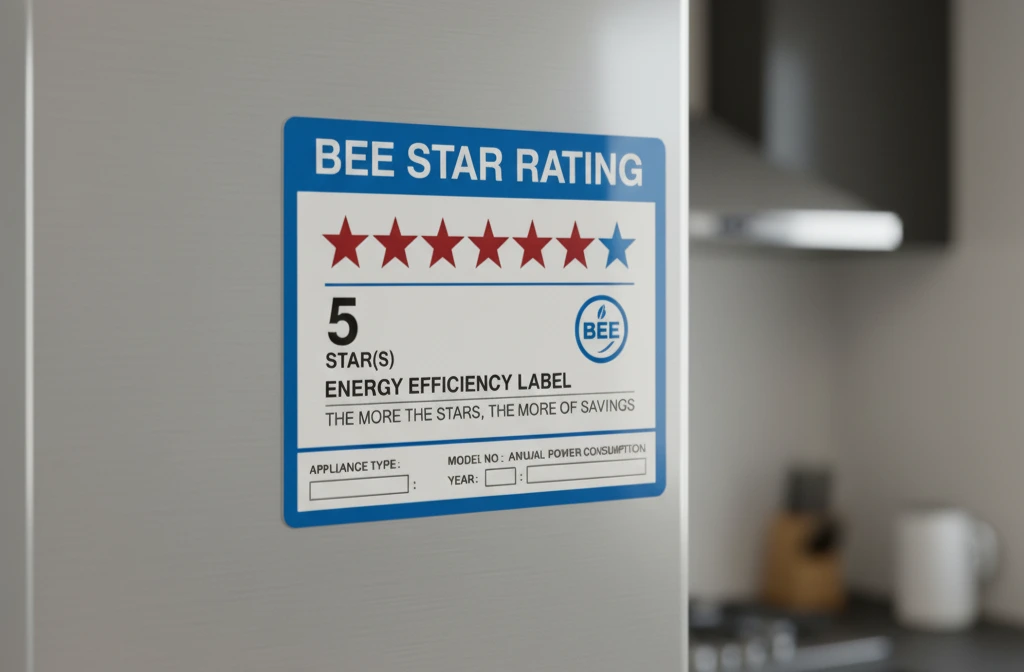
What is the BEE Star Rating? Meaning, Calculation, Importance, and How It Works
September 30, 2025
6966+ views
Author
Loved what you read? Share it with others!
Recent blogs in
Geyser Not Turning On - Common Reasons, Troubleshooting Tips and Easy Fixes at Home
January 26, 2026 by srivalli susarla
10 Best Geyser for Hard Water in India: Types, Top Brands and Features in 2026
January 6, 2026 by Krishnanunni H M
Why Is Your Geyser Making Noise: Causes and Easy Troubleshooting Tips in 2026
December 31, 2025 by Priyanka Saha









 Full RM + FRM support


Join the conversation!