Table of Contents
Loved what you read? Share it with others!


Electricity Rate per Unit in India: List of State-Wise Domestic and Commercial Electricity Rates in 2026
Updated : February 3, 2026, 3:14 PM
Author :
 Suju
Suju
Table of Contents
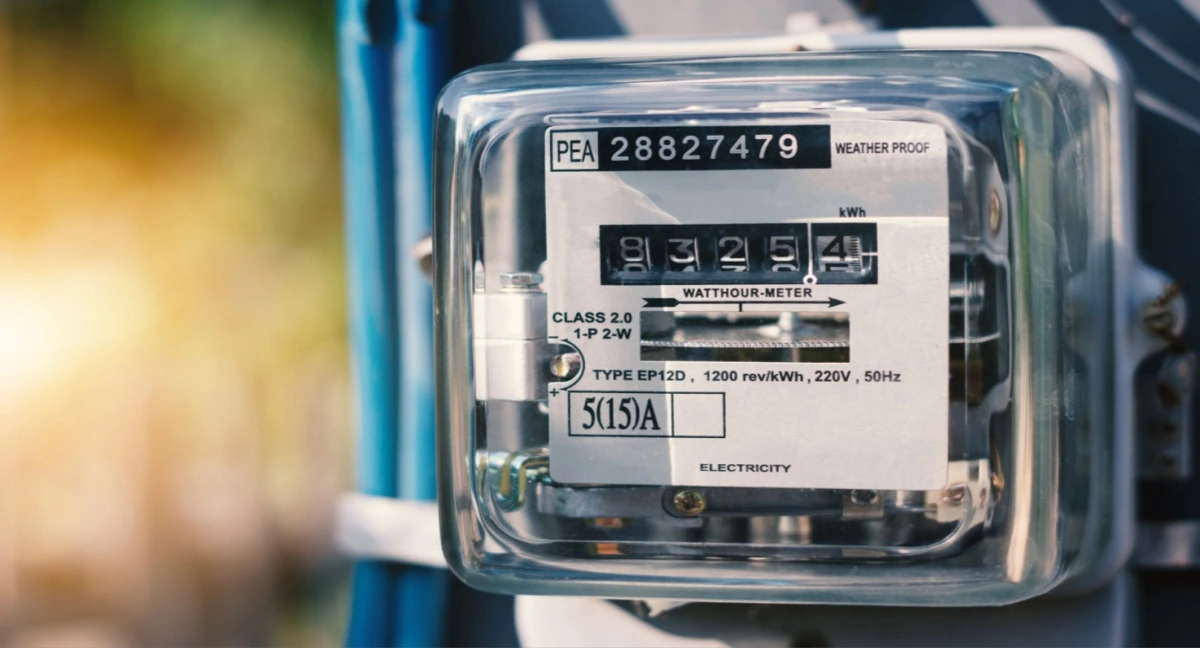
Electricity is an essential part of our lives, and it is imperative to understand its cost. The Electrical Unit Rate in India is not standardised across the country, as it is influenced by factors such as government regulations, tariffs, subsidies, and consumption levels. To help you plan your electricity costs effectively, it is essential to understand the rates, which is what this comprehensive resource is all about. It provides a list of domestic and commercial electricity rates for 2026 across all states in India.
State-wise Electricity Rate per Unit in India in 2026
In 2026, electricity rates per unit in India vary considerably across states, reflecting differences in consumption patterns, production costs, and state-specific regulations. Below is a table summarising the approximate price of electricity rates per unit for various states:
| State | Approx Residential Electricity Rate (₹/kWh) |
| Delhi | 0–200 units: ₹3.00 → Above 1200 units: ₹8.00 |
| Punjab | ~₹3.78 – ₹5.94 |
| Uttar Pradesh | ~₹3.35 – ₹6.50 |
| Maharashtra | ~₹4.43 – ₹12.83 (slab‑based) |
| Haryana | ~₹3 – ₹6+ (estimated) |
| Bihar | ~₹3.4 – ₹6.3 (approx) |
| Rajasthan | ~₹3.40 – ₹6.30+ |
| Tamil Nadu | ~₹4.95 (with subsidised lower slabs) |
| Gujarat | ~₹7 – ₹10+ (depends on tariff & subsidies) |
Note: The prices are estimates and may vary due to government regulations, subsidies, or changing market trends.
Electricity per Unit Rate in Delhi in 2026
Understanding electricity rates is essential for managing household and business expenses effectively. There has been no revision in Delhi’s electricity rates yet. Although the authorities had proposed a 7–10% hike, the decision remains on hold. Here, we provide an overview of domestic and commercial electricity per unit rate in Delhi for 2026, including tables for easy reference.
Domestic Electricity per Unit Rate in Delhi
Delhi’s domestic electricity rates vary based on consumption slabs, offering affordable household options. Below is a breakdown of the domestic electricity rates:
| Consumption Range (Units) | Rate (INR/kWh) |
| 0-200 | 3 |
| 201-400 | 5 |
| 401-800 | 6.5 |
| 801-1200 | 7 |
| Above 1200 | 8 |
Note: Rates are indicative and may vary due to government regulations, taxes, or subsidies.
Commercial Electricity per Unit Rate in Delhi
Commercial electricity rates in Delhi are higher compared to domestic rates, reflecting the increased demand and usage. Below is the electricity rate in Delhi :
| Consumption Range (Units) | Rate (INR/kWh) |
| 0-200 | 4 |
| 201-400 | 6 |
| 401-800 | 7.5 |
| 801-1200 | 8.5 |
| Above 1200 | 9 |
Electricity per Unit Rate in Punjab in 2026
Electricity rates in Punjab are structured to accommodate both residential and commercial users. Understanding these rates can help manage energy expenses effectively. Below, we outline the domestic and commercial electricity rates in Punjab for 2026.
Domestic Electricity per Unit Rate in Punjab
Punjab's domestic electricity rates for 2026 are structured to accommodate varying levels of consumption. The rate of electricity per unit in Punjab typically follows a tiered model where lower consumption is charged at a lower rate, and higher usage incurs a higher rate
| Consumption Slab (Units) | Rate per Unit (₹) |
| 0 - 100 | 4 |
| 101 - 200 | 6 |
| 201 - 300 | 6.75 |
| Above 300 | 7.5 |
Commercial Electricity per Unit Rate in Punjab
Commercial electricity rates in Punjab for 2026 also vary depending on the type and level of consumption. Typically, commercial consumers pay more due to the higher energy demands.
| Consumer Category | Rate per Unit (₹) |
| General (up to 20 kW) | 8.5 |
| Small industrial | 9 |
| Medium Industrial | 9.5 |
| Large industrial | 10 |
Note: Rates are indicative and may vary due to government regulations, taxes, or subsidies.
Electricity per Unit Rate in Uttar Pradesh in 2026
Electricity rates in Uttar Pradesh vary based on usage type and location. In April electricity bills in Uttar Pradesh increased slightly due to a 1.24% fuel surcharge, but the actual electricity rates have not yet changed. The state power company (UPPCL) has proposed a significant rate increase of approximately 30% for 2026–27, which would be one of the highest in the state’s history. If approved, rural household users could see bills climb by 40–45%, urban domestic consumers by 35–40%, commercial users by 20–25%, and industrial consumers by 15–18%. Below is a detailed insight into domestic and commercial electricity rates across the state, with a focus on Ghaziabad and Noida.
Domestic Electricity per Unit Rate in Uttar Pradesh
The domestic electricity rates in Uttar Pradesh are designed to accommodate the energy needs of households. These rates are structured based on consumption slabs, ensuring affordability for all users.
| Consumer Category | Rate per Unit (₹) |
| 0-100 Units | 3.5 |
| 101-200 Units | 5 |
| 201-400 Units | 6.5 |
| Above 400 Units | 8 |
Note: Rates are indicative and may vary due to government regulations, taxes, or subsidies.
Electricity per Unit Rate in Ghaziabad
Ghaziabad, being a major city in Uttar Pradesh, follows the state’s electricity tariff structure with slight variations based on urban energy demands. The electricity per unit rate in Ghaziabad for domestic and commercial consumption is as follows:
| Consumer Category | Rate per Unit (₹) |
| 0-150 Units | 5.5 |
| 151-300 Units | 6 |
| 301-500 Units | 6.5 |
| Above 500 Units | 7 |
Electricity per Unit Rate in Noida
Noida’s electricity rates are tailored to meet the needs of a rapidly growing urban population and industrial hub. The electricity per unit rate in Noida is slightly higher than in other parts of the state due to increased infrastructure costs.
| Consumer Category | Rate per Unit (₹) |
| 0-100 Units | 3.5 |
| 101-200 Units | 5 |
| 201-400 Units | 6.5 |
| Above 400 Units | 8 |
Note: Rates are indicative and may vary due to government regulations, taxes, or subsidies.
Commercial Electricity per Unit Rate in UP
Commercial electricity rates in UP are higher than domestic rates, reflecting the increased demand and usage in commercial activities. These UP commercial electricity rates per unit are uniform across most regions, with minor variations.
| Consumer Category | Rate per Unit (₹) |
| 0-100 Units | 7 |
| 101-300 Units | 9 |
| 301-500 Units | 9.5 |
| Above 500 Units | 10 |
Note: Rates are indicative and may vary due to government regulations, taxes, or subsidies.
Electricity per Unit Rate in Maharashtra in 2026
Electricity rates in Maharashtra cater to the diverse needs of its urban and rural populations. These rates are segmented based on usage type and region to ensure equitable access. Below, we delve into domestic and commercial electricity rates per unit in Maharashtra.
Domestic Electricity per Unit Rate in Maharashtra
Maharashtra’s domestic electricity rates are designed to provide affordable energy solutions for households while promoting efficient energy use. The electricity rates in Maharashtra per unit are tiered based on consumption levels. In a historic move, the state government has approved a 10% cut in electricity rates in the first year, followed by a phased reduction totalling 26% over the next five years for all types of consumers.
| Consumer Category | Rate per Unit (₹) |
| 0-100 Units | 4.43 |
| 101-300 Units | 9.64 |
| 301-500 Units | 12.83 |
| Above 500 Units | 14.33 |
Note: Rates are indicative and may vary due to government regulations, taxes, or subsidies.
Commercial Electricity per Unit Rate in Maharashtra
Commercial electricity rates in Maharashtra reflect the state’s focus on supporting businesses while encouraging efficient energy use. These commercial electricity rates per unit in Maharashtra are uniform across most regions, with slight variations for major urban centres.
| Consumer Category | Rate per Unit (₹) |
| 0-100 Units | 8.40 |
| 101-300 Units | 12 |
| 301-500 Units | 13.5 |
| Above 500 Units | 16 |
Note: Rates are indicative and may vary due to government regulations, taxes, or subsidies.
Electricity per Unit Rate in Pune
Pune, a key city in Maharashtra, has electricity rates aligned with the state’s structure, with minor variations to account for urban infrastructure and demand. Below is the electricity per unit rate in Pune:
| Consumer Category | Rate per Unit (₹) |
| 0-150 Units | 5.5 |
| 151-300 Units | 7 |
| 301-500 Units | 8 |
| Above 500 Units | 9 |
Note: Rates are indicative and may vary due to government regulations, taxes, or subsidies.
Electricity per Unit Rate in Haryana in 2026
In 2026, Haryana's electricity rates for domestic consumers will remain steady, with no significant changes from previous years. The state continues to offer affordable electricity tariffs, ensuring households can afford electricity. The tariff rates for domestic consumers are as follows:
Domestic Electricity per Unit Rate in Haryana
The Haryana government abolished the monthly minimum charges for domestic power consumers. Electricity bills are now calculated solely based on the number of units consumed, providing significant relief to consumers. For domestic consumers, Haryana power regulator HERC has increased the electricity rate by 20 paise per kWh. Here is the Haryana electricity rate per unit:
| Consumer Category | Per kWh |
| 0-50 | 2.20 |
| 51-100 Units | 2.70 |
| 101-150 Units | 2.95 |
| 151-300 Units | 5.25 |
| 301-500 Units | 6.45 |
| Above 500 Units | 7.10 |
Note: Rates are indicative and may vary due to government regulations, taxes, or subsidies.
Commercial Electricity per Unit Rate in Haryana
The Haryana Electricity Regulatory Commission (HERC) has not implemented any changes to the commercial electricity rate per unit in Haryana. The existing rates continue to apply, with no increases announced.
| Consumer Category | Rate per Unit (₹) |
| 0-100 Units | 7 |
| 101-200 Units | 9 |
| 201-400 Units | 10 |
| Above 400 Units | 11.5 |
Note: Rates are indicative and may vary due to government regulations, taxes, or subsidies.
Electricity per Unit Rate in Bihar in 2026
In Bihar, the electricity tariffs are set by the Bihar Electricity Regulatory Commission (BERC). 1 unit electricity cost in Bihar 2026 is categorised based on consumption slabs for both domestic and commercial consumers.
North Bihar Electricity Bill Rate per Unit
The North Bihar Power Distribution Company Limited (NBPDCL) oversees electricity distribution in North Bihar. The North Bihar electricity bill rate per unit for the financial year 2026 is as follows:
Domestic Electricity per Unit Rate in Bihar
| Consumer Category | Rate per Unit (₹) |
| 0-100 Units | 3.75 |
| 101-200 Units | 5 |
| 201-400 Units | 6 |
| Above 400 Units | 7.5 |
Note: Rates are indicative and may vary due to government regulations, taxes, or subsidies.
Commercial Electricity per Unit Rate in Bihar
| Consumer Category | Rate per Unit (₹) |
| 0-100 Units | 7.5 |
| 101-200 Units | 9 |
| 201-400 Units | 10 |
| Above 400 Units | 11.5 |
Note: Rates are indicative and may vary due to government regulations, taxes, or subsidies.
South Bihar Electricity Bill Rate per Unit
The South Bihar Power Distribution Company Limited (SBPDCL) manages electricity distribution in South Bihar. The tariff for the South Bihar electricity bill rate per unit for the financial year 2026 is as follows:
Domestic Electricity Bill Rate per Unit in South Bihar
| Consumer Category | Rate per Unit (₹) |
| 0-100 Units | 4 |
| 101-200 Units | 5 |
| 201-400 Units | 6.5 |
| Above 400 Units | 8 |
Note: Rates are indicative and may vary due to government regulations, taxes, or subsidies.
Commercial Electricity Bill Rate per Unit in South Bihar
| Consumer Category | Rate per Unit (₹) |
| 0-100 Units | 8 |
| 101-200 Units | 9 |
| 201-400 Units | 11 |
| Above 400 Units | 13 |
Note: Rates are indicative and may vary due to government regulations, taxes, or subsidies.
Electricity per Unit Rate in Rajasthan in 2026
Rajasthan has implemented revised electricity tariffs, affecting both domestic and commercial consumers. The primary change involves an increase in fixed charges, while per-unit energy charges have largely remained stable.
Domestic Electricity per Unit Rate in Rajasthan
For domestic consumers, the electricity per unit rate in Rajasthan has not changed significantly. There will be no increase in the electricity rates in Rajasthan, as said by the electricity minister.
| Consumer Category | Rate per Unit (₹) |
| 0-50 Units (BPL) | 4 |
| 0-150 Units (General) | 4.75 |
| 151-300 Units | 6.5 |
| Above 300 Units | 7.95 |
Note: Rates are indicative and may vary due to government regulations, taxes, or subsidies.
Commercial Electricity per Unit Rate in Rajasthan
Commercial consumers have also experienced changes in fixed charges, with per-unit energy charges remaining relatively stable.
| Consumer Category | Rate per Unit (₹) |
| 0-200 Units | 7.55 |
| 201-500 Units | 8.85 |
| Above 500 Units | 8.95 |
Note: Rates are indicative and may vary due to government regulations, taxes, or subsidies.
Electricity per Unit Rate in Tamil Nadu in 2026
Tamil Nadu has seen an increase in electricity tariffs for both domestic and commercial consumers in 2026. The state's power distribution tariffs aim to balance rising electricity demand while maintaining affordable rates for households and businesses.
Domestic Electricity per Unit Rate in Tamil Nadu
Tamil Nadu's domestic electricity rates are structured across multiple consumption slabs, where the per-unit charge increases with higher usage. The per-unit price of electricity for various household sizes is given below:
| Consumer Category | Rate per Unit (₹) |
| 0-400 kWh | 4.95 |
| 401-500 kWh | 6.65 |
| 501-600 kWh | 8.80 |
| 601-800 kWh | 9.95 |
| Above 800 kWh | 11.05 |
Note: Rates are indicative and may vary due to government regulations, taxes, or subsidies.
Commercial Electricity per Unit Rate in Tamil Nadu
Commercial electricity rates in Tamil Nadu are higher than domestic rates, reflecting higher energy consumption by businesses and industries.
| Consumer Category | Rate per Unit (₹) |
| 0-50 kW | 8.25 |
| 50-112 kW | 8.25 |
| Above kW | 8.25 |
Note: Rates are indicative and may vary due to government regulations, taxes, or subsidies.
Electricity per Unit Rate in Gujarat in 2026
In 2026, Gujarat's electricity rates reflect the state's continued commitment to providing reliable and affordable power to its consumers. The rates for domestic and commercial users are designed to meet the growing energy demands while ensuring sustainability in the power sector.
Domestic Electricity per Unit Rate in Gujarat
Gujarat offers a tiered electricity pricing structure for domestic consumers, where the rate per unit increases with higher consumption.
| Consumer Category | Rate per Unit (₹) |
| 0-100 Units | 3.6 |
| 101-200 Units | 4.85 |
| 201-300 Units | 6.1 |
| Above 300 Units | 7.3 |
Note: Rates are indicative and may vary due to government regulations, taxes, or subsidies.
Commercial Electricity per Unit Rate in Gujarat
Commercial electricity rates in Gujarat are higher due to the increased demand from businesses, with a fixed charge based on the consumption slab.
| Consumer Category | Rate per Unit (₹) |
| 0-200 Units | 8 |
| 201-500 Units | 9 |
| Above 500 Units | 10.5 |
Note: Rates are indicative and may vary due to government regulations, taxes, or subsidies.
How Electricity Bill Is Calculated
Understanding how electricity bill is calculated is simple when you know the basic formula:
Electricity Bill Formula
Total Bill = (Units Consumed × Tariff Rate) + Fixed Charges + Taxes & Other Fees
Example
- Units Used: 150 units
- Tariff Rate: ₹6 per unit
- Fixed Charges: ₹100
- Taxes: ₹50
Calculation:
150 × 6 = ₹900
Fixed Charges = ₹100
Taxes = ₹50
Total Electricity Bill = ₹900 + ₹100 + ₹50 = ₹1,050
Pay Your Bill With NoBroker Pay
Electricity Rate per unit in India varies by state and region, but on average, the cost of one unit (kWh) can range from ₹3 to ₹8. Factors like usage, electricity providers, and government subsidies influence the rates. Residential consumers typically face different rates than commercial or industrial users.
For a hassle-free payment experience, NoBroker Pay makes paying your electricity bill online easy. With NoBroker Pay, you can quickly pay bills, track payments, and manage your accounts in one place. It's secure, simple, and saves time! Use NoBroker Pay to handle all your utilities effortlessly.
Frequently Asked Questions
Ans. Electricity rates differ across states because of varying generation costs, transmission and distribution charges, state government subsidies, and regional policies. Each state’s electricity regulatory authority sets the tariff based on these factors.
Ans. In some regions, the maximum electricity rate can go up to ₹15 per unit for commercial or industrial users. The exact rate depends on usage type, location, and the tariff set by the electricity provider.
Ans. Yes. Commercial and industrial users usually pay between ₹6 and ₹15 per unit due to higher consumption levels and additional premium charges applied for business usage.
Ans. An electricity bill is calculated by multiplying the total units consumed with the applicable slab rates. Fixed charges, taxes, and fuel surcharges are then added to arrive at the final payable amount.
Ans. Yes. Many state governments offer subsidies for farmers, low-income families, and senior citizens. These subsidies lower the effective per-unit rate for eligible users.
Ans: Maharashtra and West Bengal often have the highest electricity rates in India, with domestic tariffs reaching ₹8–12 per unit, influenced by consumption slabs and surcharges.
Recommended Reading
August 12, 2025
456490+ views
Gruha Jyothi Scheme Karnataka: Application Process, Eligibility and Documentation in 2026
September 12, 2025
70174+ views
UPPCL Jhatpat Portal for New Electricity Connection: Process, Status Tracking and Charges in 2026
January 31, 2025
50002+ views

May 24, 2025
44819+ views
New BESCOM Connection: Step-by-Step Process 2026
January 31, 2025
42841+ views
Most Viewed Articles
August 12, 2025
456490+ views
Gruha Jyothi Scheme Karnataka: Application Process, Eligibility and Documentation in 2026
September 12, 2025
70174+ views
How to Apply Online LPG Gas Connection: Application Process, Documents and Fees in 2026
June 1, 2025
61763+ views
UPPCL Jhatpat Portal for New Electricity Connection: Process, Status Tracking and Charges in 2026
January 31, 2025
50002+ views
May 24, 2025
44819+ views
Author
Loved what you read? Share it with others!
Recent blogs in
NBPDCL Bill Payment Online: Check, Download & Pay Bihar Electricity Bill in 2026
February 19, 2026 by Manu Mausam
CSPDCL Bill Payment Online: How to Check Bill Status and Download Receipt in 2026
February 18, 2026 by Manu Mausam
MPEB Bill Payment Online: Check, Download & Pay MP Electricity Bill in 2026
February 18, 2026 by Manu Mausam
JBVNL Bill Payment Online: Check Bill Status and Payment Methods in 2026
February 18, 2026 by Ananth









 Full RM + FRM support


Join the conversation!