- https://cleartax.in/s/difference-between-tds-and-tcs
- https://cleartax.in/s/tds
- https://www.bankbazaar.com/tax/tax-collected-at-source.html
- https://www.iciciprulife.com/insurance-library/income-tax/difference-between-tds-and-tcs.html
- https://groww.in/blog/difference-between-tds-and-tcs
Table of Contents
What Is TDS in Income Tax?What Is TCS in Income Tax?Key Differences Between TDS and TCSHow TDS and TCS Affect Taxpayers?How NoBroker Can Help with Legal Services?Frequently Asked Questions?
Quality Service Guarantee Or Painting Free
Unbeatable Price
5-Star Rated Partner!
2200+ Shades!
Top Quality Paint
Free Cancellation!

Get a rental agreement with doorstep delivery

Find the BEST deals and get unbelievable DISCOUNTS directly from builders!

5-Star rated painters, premium paints and services at the BEST PRICES!
Loved what you read? Share it with others!
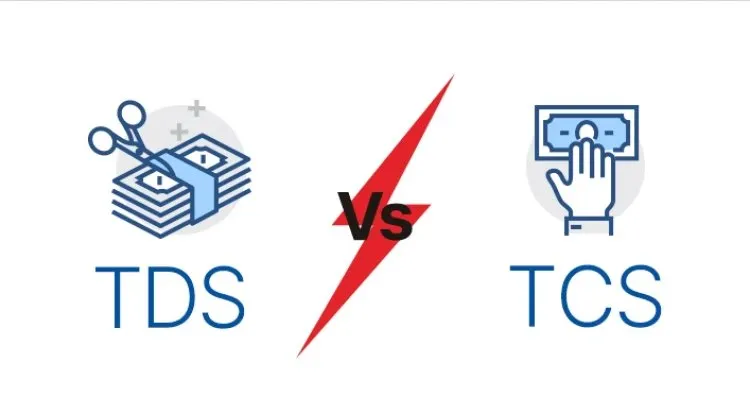
Difference Between TDS and TCS: Meaning, Applicability, Key Rules and Examples
Published : November 30, 2025, 9:21 PM
Updated : November 30, 2025, 9:23 PM
Author :
 VIVEK
VIVEK
Summary
TDS is deducted from income like salary, rent, or interest before the recipient gets paid, while TCS is collected by sellers on specific goods or transactions such as motor vehicles, scrap, or foreign remittances. Both are reflected in Form 26AS and adjusted against your final tax liability. This blog clearly explains applicability, rates, examples, and compliance rules to help taxpayers avoid confusion and ensure smooth filing.
Table of Contents
Tax collection at the source is an important part of India’s compliance system, and many taxpayers are still confused about how TDS and TCS function. TDS is tax deducted from payments such as salary, interest, or professional fees before the receiver gets the amount. TCS is tax collected by the seller from buyers on specific goods or transactions at the time of sale. Since both involve upfront tax collection, people often confuse them. But keep reading to get clarity on the difference between TDS and TCS. [1]
What Is TDS in Income Tax?
Tax Deducted at Source (TDS) is a system in which the payer deducts a specified percentage of tax before making a payment to the recipient. This applies to salary, interest, rent, professional fees, commission, and several other income categories. The purpose of TDS is to collect tax right at the point of income generation. Understanding how TDS works also helps clarify the difference between TDS and TCS, since both relate to tax collection but operate at different stages. [2]
When is TDS Applicable?
- Salary payments: Deducted monthly by the employer based on the employee’s income slab, exemptions, and declarations.
- Bank interest: Banks deduct TDS on interest earned from fixed or recurring deposits when the total annual interest exceeds the specified limit, helping the government collect tax directly on financial earnings.
- Rent over threshold: Tenants must deduct TDS when rent paid for residential or commercial property exceeds the prescribed threshold.
- Contractor payments: Businesses deduct TDS on payments made to contractors for labour, services, or contract-based activities once the annual or single-payment threshold is crossed, ensuring transparent tax reporting for service transactions.
- Commission/brokerage: TDS applies when agents or brokers receive commission or brokerage income above the taxable limit, helping maintain compliance and preventing underreporting of intermediaries’ earnings across various commercial activities.
- Professional fees: Payments to consultants, lawyers, freelancers, doctors, and other professionals require TDS deduction when they exceed the specified threshold, ensuring tax is collected upfront from service providers’ income.
- NRI payments: TDS is deducted at higher rates on payments to NRIs for property purchase, rent, interest, or professional services, ensuring strong compliance and accurate tax collection on cross-border transactions.
TDS Rate & Threshold
TDS rates vary based on the nature of payment, while deductions apply only when the transaction crosses the threshold set under the Income Tax Act, ensuring accurate tax collection without burdening small payments.
Quality Service Guarantee Or Painting Free
Unbeatable Price
5-Star Rated Partner!
2200+ Shades!
Top Quality Paint
Free Cancellation!
Get a rental agreement with doorstep delivery
Find the BEST deals and get unbelievable DISCOUNTS directly from builders!
5-Star rated painters, premium paints and services at the BEST PRICES!
What Is TCS in Income Tax?
Tax Collected at Source, or TCS, is a system where the seller collects a specific percentage of tax from the buyer at the time of receiving payment for certain notified goods. These include items such as scrap, minerals, timber, and high-value transactions covered under the Income Tax Act. The purpose of TCS is to ensure tax collection at the point of purchase, improving transparency and preventing revenue leakage. It also helps authorities track high-value transactions more effectively. [3]
When is TCS Applicable?
- Sale of scrap: TCS applies when businesses sell scrap generated from manufacturing processes, ensuring tax collection at the time of sale and preventing revenue leakage from high-volume scrap transactions.
- Sale of minerals: TCS is collected on the sale of minerals such as coal, lignite, and iron ore, helping authorities track mining-related transactions and ensure compliance with the Income Tax Act.
- Alcoholic liquor: Sellers must collect TCS on the sale of alcoholic liquor for human consumption, ensuring proper tax reporting on regulated goods and preventing unaccounted transactions across distribution channels.
- Motor vehicles over ₹10 lakh: TCS applies when sellers receive payment for motor vehicles priced above ₹10 lakh, enabling authorities to monitor high-value purchases and ensure tax transparency.
- Overseas tour packages: TCS is collected by tour operators when customers purchase overseas tour packages, ensuring transparency in international travel spending tracked under the Income Tax Act.
- Foreign remittances under LRS: Banks collect TCS on foreign remittances made under the Liberalised Remittance Scheme, helping track international fund transfers and ensuring compliance with cross-border tax regulations.
- Sale of forest products: TCS applies to the sale of forest products like timber and tendu leaves, ensuring regulated tax collection on goods extracted from forest-based industries.
TCS Rate & Provisions
TCS rates vary by transaction type, and sellers must collect tax while receiving payment for specified goods or remittances, ensuring proper reporting and compliance under Income Tax Act provisions.
Key Differences Between TDS and TCS
Keep reading to understand the key difference between TDS and TCS with example: [4]
| Aspect | TDS | TCS |
| Meaning | Tax is deducted at source from payments before release. | Tax collected at source by the seller during payment receipt. |
| Who Applies | Payer, such as an employer, buyer, tenant, or service recipient. | Seller, trader, dealer, or operator handling specified goods. |
| Applies On | Salary, interest, rent, commission, professional fees, contractor payments. | Scrap, minerals, alcoholic liquor, motor vehicles, forest products, remittances, and tour packages. |
| Deducted/Collected From | Deducted from the recipient’s income. | Collected from the buyer at the time of payment. |
| Responsible Person | Person making the payment. | Person selling specified goods or receiving remittances. |
| Governing Sections | Sections 192 to 196 of the Income Tax Act. | Section 206C of the Income Tax Act. |
| Deposit Timeline | Generally, by the 7th of the following month. | Generally, by the 7th of the following month. |
| Example | TDS on ₹50,000 professional fees. | TCS on a ₹12 lakh motor vehicle sale. |
Examples of TDS (Tax Deducted at Source)
TDS is deducted from income before payment is made to the recipient.
| Scenario | Who Deducts TDS? | Applicable Section | Example |
|---|---|---|---|
| Salary payment | Employer | Section 192 | A company deducts TDS from an employee’s salary every month before paying them. |
| Bank interest on FD | Bank | Section 194A | Bank deducts TDS if interest exceeds ₹40,000 in a year (₹50,000 for senior citizens). |
| Rent payment | Tenant / Company | Section 194I | A business deducts TDS on commercial/office rent paid to the owner. |
| Contractor or professional fees | Business | Section 194C/194J | A company deducts TDS from a contractor’s bill or a CA’s consultancy fees. |
| Property purchase | Buyer | Section 194-IA | If a buyer purchases property worth over ₹50 lakh, they must deduct 1% TDS before paying the seller. |
Examples of TCS (Tax Collected at Source)
TCS is collected by the seller at the time of sale of goods or services.
| Goods/Service | Who Collects TCS? | Applicable Section | Example |
|---|---|---|---|
| Sale of motor vehicle > ₹10 lakh | Car showroom | Section 206C(1F) | Dealer collects TCS from customer while selling a luxury vehicle. |
| Alcoholic liquor, tobacco, timber | Seller | Section 206C(1) | A liquor contractor pays TCS to the government via the seller. |
| Scrap sale | Scrap dealer | Section 206C(1) | Industrial scrap dealers collect TCS from buyers on sales invoices. |
| Overseas tour package | Travel company | Section 206C(1G) | A travel agency collects TCS on international tour bookings. |
| Remittances under LRS | Bank/Authorized dealer | Section 206C(1G) | Bank collects TCS when you send funds abroad (example: fees for studying abroad). |
How TDS and TCS Affect Taxpayers?
TDS and TCS play an important role in how taxpayers plan and file their income tax.
- With TDS (Tax Deducted at Source), a part of your income is deducted before you receive it, like on salary, interest, or rent.
- With TCS (Tax Collected at Source), you pay a little extra tax while buying certain goods or services, like vehicles, scrap, or foreign remittances.
Both TDS and TCS are not extra taxes, they are adjusted against your final tax while filing returns. You can easily track them in Form 26AS or AIS.
For businesses, TDS and TCS come with responsibilities such as deducting/collecting the correct amount, depositing it on time, and filing quarterly returns. Proper compliance helps avoid penalties and ensures smooth, transparent tax management for the entire year.
How NoBroker Can Help with Legal Services?
NoBroker offers quick and reliable property legal services through verified experts. They assist with rental agreements, sale deeds, title checks, property verification, and NRI documentation, all with transparent pricing and digital convenience. From drafting to filing, their team ensures every step is accurate and hassle-free, helping you complete property transactions with confidence and peace of mind.
Frequently Asked Questions?
Q1. Is TDS refundable, but TCS not?
Ans: Both TDS and TCS are refundable when they exceed your final tax liability. After filing your income tax return, the income tax department issues the refund to your bank account.
Q2. Who must collect TCS under the income tax rules?
Ans: TCS must be collected by sellers dealing in specified goods like scrap, minerals, alcohol, motor vehicles, forest products, overseas tour packages, and foreign remittances processed under LRS as required today.
Q3. Do individuals also need to deduct TDS?
Ans: Individuals must deduct TDS when paying high-value rent, purchasing property from residents or NRIs, or making other specified payments covered under the Income Tax Act rules requiring TDS.
Q4. Can TDS and TCS both apply to the same transaction?
Ans: Generally, only one applies; however, both may apply when overlapping provisions exist, and a transaction qualifies simultaneously as an income payment and a specified goods sale under tax rules requiring compliance.
Q5. Where can I check my TDS and TCS credits?
Ans: You can check TDS and TCS credits in Form 26AS, AIS, or TRACES, where all deductions and collections linked to your PAN are displayed clearly for verification during the filing process.
Loved what you read? Share it with others!
ARTICLE SOURCES
Most Viewed Articles

Franking Charges Explained: Meaning and Benefits
January 31, 2025
1116851+ views

Society Maintenance Charges : Meaning, Cost, Types and Calculation
January 31, 2025
200614+ views

BBMP E-Khata Registration process for property owners in Bangalore, Karnataka in 2025
March 19, 2025
145603+ views

Daughter's Right in Fathers' Property - the Law is Finally Equal for both Genders?
June 1, 2025
145275+ views

Rectification Deed Format and Process in India 2025
June 1, 2025
135750+ views
Author
Recent blogs in
What Is Cidco Lease Deed: Types, Tenure, Rights and Responsibilities in India 2026
February 20, 2026 by Ananth
Perpetual Lease Deed: Meaning, Rights, Benefits and Registration Process in India 2026
February 20, 2026 by Vivek Mishra
Ground Lease Vs Land Lease: Meaning, Key Features and Legal Distinctions in 2026
February 20, 2026 by Vivek Mishra
Lease Extension Agreement: Required Documents, Cost and Registration in India 2026
February 20, 2026 by Ananth
Mobile Home Lease Agreement: Types, Rights, Rules & Legal Requirements in 2026
February 20, 2026 by Ananth










 Full RM + FRM support


Join the conversation!