- https://www.crompton.co.in/blogs/kitchen-appliances-guide/what-is-the-difference-between-a-microwave-and-an-oven
- https://www.whirlpool.com/blog/kitchen/microwave-vs-convection-oven.html
- https://www.croma.com/unboxed/microwaves-vs-ovens-all-you-need-to-know
- https://www.bajajfinserv.in/insights/6-tips-to-help-you-choose-between-a-convection-microwave-and-an-otg
- https://www.samsung.com/ph/explore/entertainment/microwave-vs-oven/
- https://www.kitchenaid.com/pinch-of-help/major-appliances/convection-oven-vs-microwave.html
- https://www.toshiba-lifestyle.com/me/blog/types-of-microwave-ovens-solo-grill-and-convection
- https://agarolifestyle.com/blogs/kitchen-appliances/microwave-oven-types-explained
Table of Contents
What is a Microwave / Microwave Oven?What is Oven (Conventional, Convection, etc.)?Key Differences Between Microwave and OvenWhen to Choose a microwave vs When to Use an Oven?Hybrid Options & Microwave Ovens with Convection / Grill FeaturesCommon Misconceptions (Microwave vs Oven)How NoBroker Can Help?Frequently Asked Questions
Loved what you read? Share it with others!


Difference Between Microwave and Oven: Uses, Features, Benefits and Key Differences
Updated : September 27, 2025, 9:25 AM
Author :
 Kruthi
Summary
Understanding the difference between a microwave and an oven is crucial for choosing the right kitchen appliance. A microwave offers speed and convenience for reheating, defrosting, and quick meals. An oven provides traditional cooking methods like baking, roasting, and browning, creating textures and flavours microwaves can't replicate. Ovens need more space, preheating, and energy, but are essential for complex recipes. Hybrid convection microwaves combine the benefits of both, offering versatility in smaller kitchens. The choice depends on your cooking style, priorities, and lifestyle.
Table of Contents
What is a Microwave / Microwave Oven?What is Oven (Conventional, Convection, etc.)?Key Differences Between Microwave and OvenWhen to Choose a microwave vs When to Use an Oven?Hybrid Options & Microwave Ovens with Convection / Grill FeaturesCommon Misconceptions (Microwave vs Oven)How NoBroker Can Help?Frequently Asked Questions
In a modern kitchen, the difference between a microwave and an oven is a fundamental concept that defines how we cook. While both are used for heating food, they operate on entirely different scientific principles and are designed for distinct culinary tasks. A microwave uses electromagnetic waves for rapid heating, whereas an oven utilizes radiant heat for traditional cooking methods, such as baking and roasting. This formal guide will provide a detailed comparison to help you understand their unique capabilities and choose the right appliance for your home. [1]
What is a Microwave / Microwave Oven?
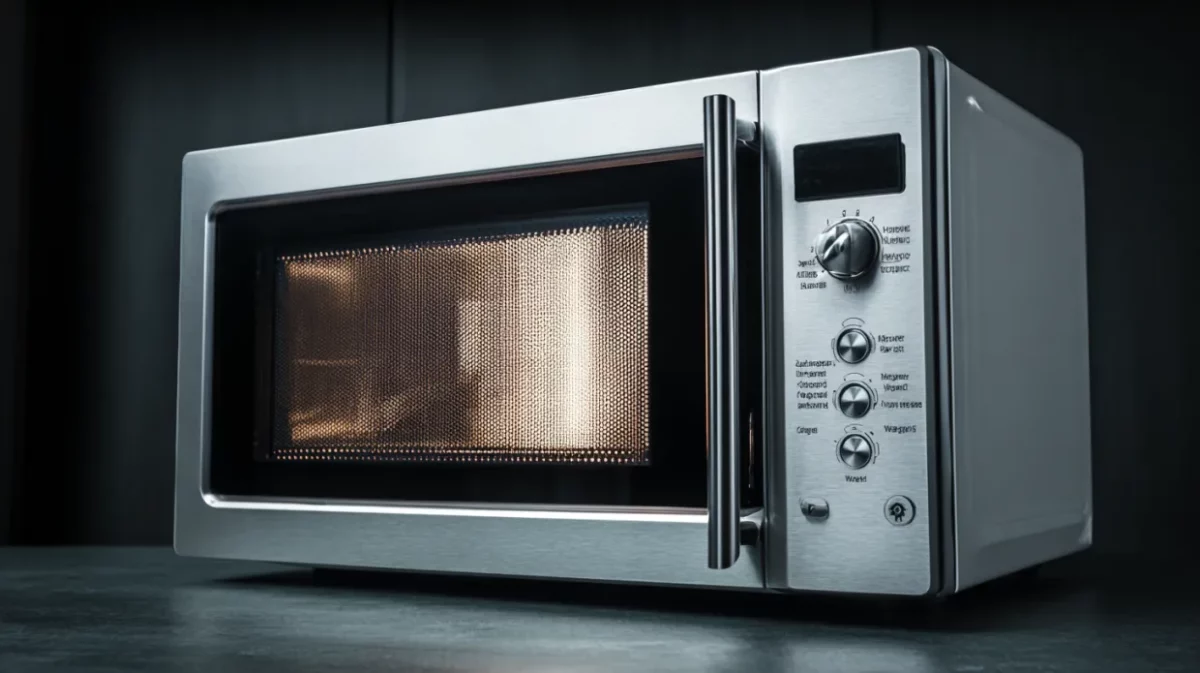
A microwave, also known as a microwave oven, is a kitchen appliance that utilises a specific type of electromagnetic radiation to cook or reheat food at incredible speed. Its primary function is convenience, allowing for the rapid heating of leftovers, defrosting of frozen items, and cooking of simple meals in a fraction of the time required by conventional methods. It is an essential tool for fast-paced lifestyles. [1][2]
What is Oven (Conventional, Convection, etc.)?
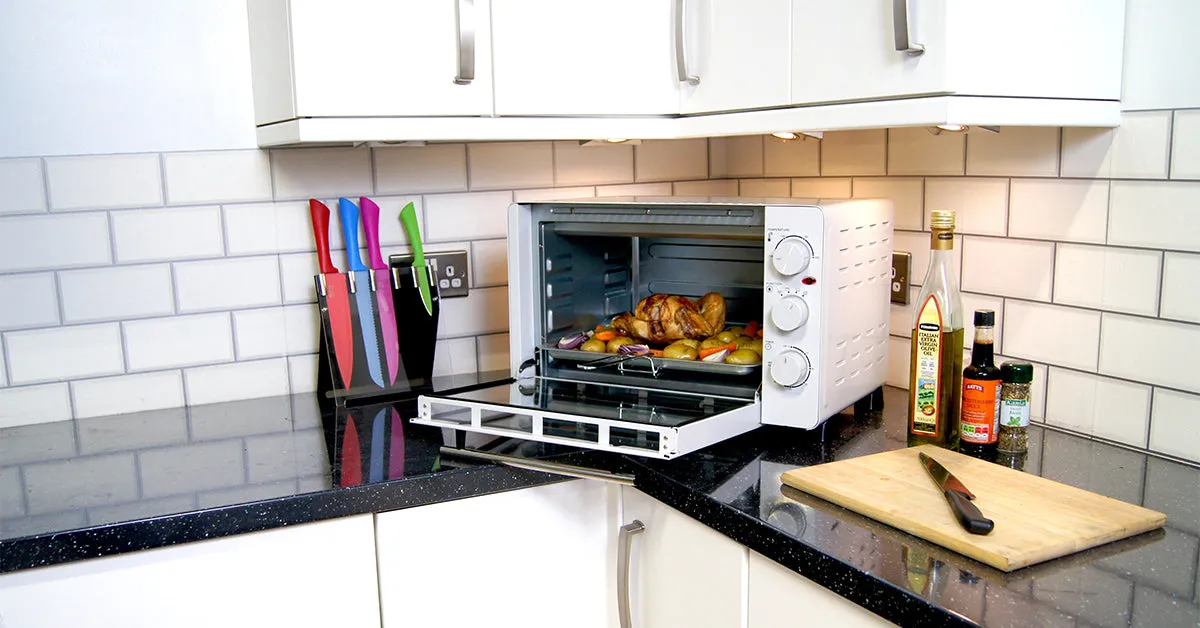
An oven is an insulated chamber that uses a heating element (electric or gas) to create a hot, dry environment for cooking food. Unlike a microwave, it cooks with ambient heat. A conventional oven uses static heating elements, whereas a convection oven incorporates a fan to circulate hot air, resulting in faster and more even cooking. Ovens are essential for traditional cooking methods like baking, roasting, and broiling.[3][4]
Key Differences Between Microwave and Oven
To fully understand the microwave & oven difference, a direct comparison of their technology, performance, and physical attributes is essential. [2][3]
1. Cooking Method / How They Heat Food
The core differences between microwave and oven lie in the fundamental scientific principles they use to generate heat. [1][6]
| Aspect | Microwave / Microwave Oven | Oven (Conventional / Convection) |
|---|---|---|
| Technology | Dielectric Heating (Electromagnetic Waves) | Thermal Radiation and Convection |
| Heating Source | A magnetron that generates microwaves. | Electric heating elements or gas burners. |
| Heating Process | Agitates water molecules inside the food, generating heat from the inside out. | Heats the air and surfaces inside the oven, which then cooks the food from the outside in. |
| Result | Fast, moist heat ideal for reheating and steaming. | Slower, dry heat ideal for baking, roasting, and browning. |
2. Speed of Cooking / Heating Time
The time required to cook food is one of the most significant and practical differences between the two appliances. [3]
| Aspect | Microwave / Microwave Oven | Oven (Conventional / Convection) |
|---|---|---|
| Preheating | Not required. | Mandatory 10-20 minutes preheating |
| Reheating Speed | Extremely fast. | Very slow (typically 15-20 minutes) and can dry out food. |
| Cooking Speed | Significantly faster | Slower, as it relies on heating the entire chamber |
3. Temperature Range & Control
The level of heat and the precision of control offered by each appliance are suited for different cooking styles. [7]
| Aspect | Microwave / Microwave Oven | Oven (Conventional / Convection) |
|---|---|---|
| Temperature Control | Controlled by power levels (e.g., Low, Medium, High) rather than precise temperature. | Allows for precise temperature control (e.g., 180°C, 220°C), which is crucial for baking. |
| Maximum Temperature | Does not generate high ambient heat. | Can reach high temperatures (up to 250°C or more), essential for roasting and broiling. |
| Heat Consistency | Can sometimes heat unevenly, creating hot and cold spots in the food. | Provides a consistent and even ambient temperature, especially in convection models. |
4. Browning, Crisping & Texture of Food
The final texture of the food is a direct result of the heating technology used by each appliance. [2][7]
| Aspect | Microwave / Microwave Oven | Oven (Conventional / Convection) |
|---|---|---|
| Browning (Maillard Reaction) | Poor. The moist heat steams the food, preventing the chemical reaction that causes browning. | Excellent. The dry, radiant heat is perfect for browning meats and creating a golden-brown crust on baked goods. |
| Crisping | Poor. Foods often become soft or soggy due to the steam generated from internal moisture. | Excellent. Perfect for making foods like pizza, roasted potatoes, and cookies crispy. |
| Texture | Tends to create a softer, steamed texture. | Tends to create a firmer, drier, or roasted texture. |
5. Size, Capacity & Space Requirements
The physical dimensions and internal capacity of these appliances cater to different kitchen layouts and family sizes. [6][7]
| Aspect | Microwave / Microwave Oven | Oven (Conventional / Convection) |
|---|---|---|
| Typical Size | More compact, typically designed for countertop placement. | Larger and heavier, often designed to be built into kitchen cabinetry or as a standalone range. |
| Capacity | Smaller internal capacity, measured in litres (e.g., 20-40 litres). | Larger internal capacity, allowing for multiple dishes, large roasts, or multi-level baking. |
| Space | Takes up less kitchen space. | Requires significantly more dedicated kitchen space. |
6. Energy Efficiency & Power Consumption
While their power ratings can be similar, their efficiency is best measured by the total energy used per task.
| Aspect | Microwave / Microwave Oven | Oven (Conventional / Convection) |
|---|---|---|
| Power Rating (Watts) | Typically 700W - 1700W. | Typically 2000W - 5000W. |
| Energy Consumption | More energy-efficient for small tasks like reheating, as it runs for a very short time. | Consumes more electricity overall due to long preheating and cooking times. |
| Efficiency | Highly efficient at converting electricity to heat within the food itself. | Less efficient, as a lot of energy is used to heat the large, empty oven cavity. |
7. Cost (Purchase vs Operating)
The financial investment includes both the initial price of the appliance and its long-term running costs.
| Aspect | Microwave / Microwave Oven | Oven (Conventional / Convection) |
|---|---|---|
| Initial Cost | Generally more affordable, with basic models available at a low price point. | Significantly more expensive, especially for built-in convection models. |
| Operating Costs | Lower, as it completes tasks quickly, using less total electricity per use. | Higher, due to higher power consumption over longer durations. |
When to Choose a microwave vs When to Use an Oven?
The right choice depends entirely on the specific cooking task you need to perform. [3][4]
1. Reheating & Quick Meals
For speed and convenience, the microwave is the clear winner in this category.
- Use a microwave to reheat leftovers in minutes.
- Use a microwave to cook ready-to-eat meals or steam vegetables quickly.
- Use a microwave to make beverages like hot coffee or tea.
2. Baking, Roasting & More Complex Cooking
For any cooking that requires browning, crisping, or a traditional texture, the oven is the only option.
- Use the oven to bake cakes, cookies, bread, and pastries.
- Use the oven to roast meats and vegetables to perfection.
- Use the oven to make dishes like lasagna, casseroles, and pizzas.
3. Defrosting & Soft Cooking
The microwave's ability to gently heat food makes it superior for certain delicate tasks.
- Use the microwave's defrost setting to thaw frozen food quickly and safely.
- Use a microwave to soften butter or melt chocolate without burning it.
- Use a microwave for simple, moist-heat cooking, like making scrambled eggs or oatmeal.
Hybrid Options & Microwave Ovens with Convection / Grill Features
To bridge the gap between the two appliances, manufacturers have created hybrid models known as convection microwaves. [1][4]
- Combined Technology: A convection microwave combines the standard microwave function with a heating element and a fan, similar to those found in a convection oven.
- Versatility: This feature enables the appliance to perform a wider range of tasks, including baking, roasting, grilling, reheating, and defrosting.
- Best of Both Worlds: While it may not perform as well as a dedicated, full-sized oven for professional baking, it is an excellent all-in-one, space-saving solution for most modern kitchens.
Common Misconceptions (Microwave vs Oven)
Several common myths surround these appliances that can lead to confusion for consumers. [1]
- Myth 1: "Microwaves make food radioactive." This is false. Microwaves use non-ionising radiation that makes water molecules vibrate; it does not alter the food's chemical structure or make it radioactive. [5]
- Myth 2: "Ovens are only for baking." This is untrue. Ovens are incredibly versatile and can be used for roasting, broiling, grilling, dehydrating, and slow-cooking a wide variety of dishes.
- Myth 3: "Microwaves destroy nutrients." All cooking methods can reduce the nutrient content of food to some extent. Because microwave cooking is speedy and uses less water, it can actually be better at preserving certain vitamins and minerals than boiling or prolonged oven cooking. [6]
How NoBroker Can Help?
Microwaves and ovens serve different purposes in the kitchen. Microwaves are ideal for quick heating, defrosting, and simple meals, while ovens are better for baking, roasting, and crispy textures. For versatile cooking and professional results, an oven is smarter. The right choice depends on your cooking habits, space, and budget. And in case you need help repairing or maintaining your microwave or oven, trust no one but NoBroker’s expert electronic repair specialists. Our experts will help you enjoy a smooth and stress-free experience. We're here to help you maintain all your appliances in top condition with ease.
Frequently Asked Questions
Q: What is the main difference between a microwave and an oven?
Ans: Microwave heats food quickly from the inside out using electromagnetic waves. An oven cooks food slowly from the outside in using radiant heat from heating elements.
Q: Can I bake a cake in a microwave?
Ans: You cannot bake a cake in a standard solo microwave. You would need a convection microwave, which has a special mode that uses a fan and heating element to bake like an oven.
Q: Is an oven better than a microwave?
Ans: Neither is "better"; they are designed for different tasks. The oven is better for baking and roasting, while the microwave is better for reheating and defrosting.
Q: Which uses more electricity, a microwave or an oven?
Ans: The oven uses more electricity per hour, and because it runs for much longer, its total energy consumption for a cooking task is significantly higher than a microwave's.
Q: What is a convection oven?
Ans: A convection oven is a type of oven that has a fan to circulate the hot air. This makes it cook food faster and more evenly than a traditional conventional oven.
ARTICLE SOURCES
Most Viewed Articles

LG Fridge Vs Samsung Fridge: Comparing Features, Price & Performance in 2026
September 12, 2025
9640+ views
LG vs Samsung Washing Machine: Feature Comparision, Price & Performance 2026
August 28, 2025
8687+ views
IFB vs LG Washing Machine: Feature Comparison, Price & Performance 2026
October 30, 2025
7418+ views

10 Best Geyser Brands for Indian Homes - Top Models & Budget Options
December 3, 2025
6938+ views
What is the BEE Star Rating? Meaning, Calculation, Importance, and How It Works
September 30, 2025
6920+ views
Author
Loved what you read? Share it with others!
Recent blogs in
Geyser Not Turning On - Common Reasons, Troubleshooting Tips and Easy Fixes at Home
January 26, 2026 by srivalli susarla
10 Best Geyser for Hard Water in India: Types, Top Brands and Features in 2026
January 6, 2026 by Krishnanunni H M
Why Is Your Geyser Making Noise: Causes and Easy Troubleshooting Tips in 2026
December 31, 2025 by Priyanka Saha










 Full RM + FRM support


Join the conversation!