Table of Contents
Loved what you read? Share it with others!


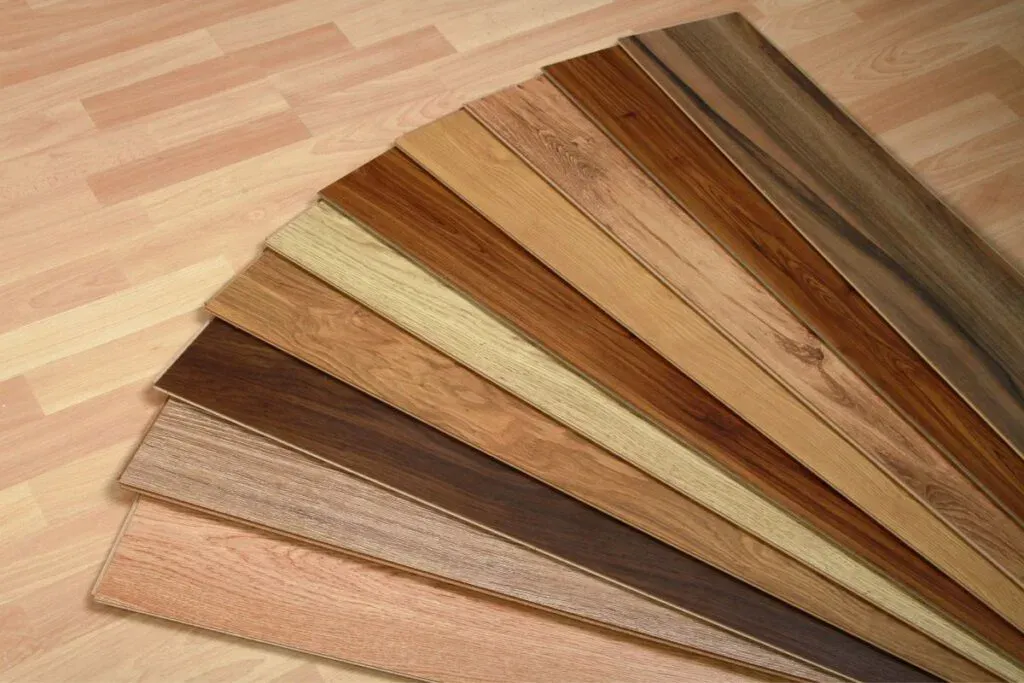
Type of Wood for Flooring: Best Options for Homes & Durability Explained
Updated : November 24, 2025, 6:21 PM
Author :
 Krishnanunni
Table of Contents
Choosing the right wood for flooring is important because it affects both the look and durability of your home. Wood floors, whether solid or engineered, are long-lasting and increase property value. The best type depends on hardness, moisture resistance, and climate. Popular options include Teak, Oak, Walnut, Maple, and Bamboo, each offering a unique finish and strength. This guide helps you pick the ideal wood based on usage and home conditions.
What Is Wood Flooring?
Wood flooring is a floor covering material made from timber harvested from trees. It is prized in interior design for its warmth, natural beauty, and acoustic properties. Unlike synthetic alternatives, real wood is hygroscopic, meaning it naturally reacts to ambient moisture and humidity. This inherent property necessitates specialized manufacturing processes and installation methods, which vary significantly between the three main structural types: solid hardwood, engineered wood, and laminate.
Main Types of Wood Used for Flooring
The primary structural classification defines the material's composition and its resilience to environmental factors such as moisture and temperature fluctuations.
Solid Hardwood Flooring
- Solid hardwood flooring is cut from a single, solid piece of timber (usually 3/4 inch thick). This traditional flooring option is typically held together with a tongue-and-groove system and then nailed to the concrete subfloor.
- Solid wood is revered for its authenticity and longevity; it can be sanded and refinished multiple times over its lifespan, which can exceed 100 years when maintained properly.
- Its main drawback is its susceptibility to warping or cupping in high-moisture environments.
Engineered Wood Flooring
- Engineered wood is a factory-made flooring solution constructed by pasting a thin layer of real wood veneer (the top layer) onto multiple layers of high-density fibreboard (HDF) or plywood.
- This cross-ply construction gives the flooring superior stability and makes it highly resistant to moisture and warping, especially compared to solid wood.
- Engineered wood is a more sustainable and cost-effective option, often lasting between 25 and 30 years.
Laminate Wood Flooring
- Wooden laminate flooring is not made of real wood. It is a synthetic product made of photographic images of wood grain pressed onto a core layer of high-density fibreboard, sealed with a clear protective wear layer.
- This is the cheapest and easiest type of wood flooring to install (floating installation). While highly resistant to scratches and relatively easy to maintain, it cannot be sanded or refinished, and it is the least resistant to severe water damage.
Different Wood Species for Flooring (Most Popular Options)
The species of wood determines its hardness, grain pattern, and color, which are critical factors for aesthetic and durability requirements. The Janka Hardness Scale is the standard metric for comparing the dent resistance of different wood species.
North American Hardwoods
- Oak: A highly popular choice known for its durability, pronounced grain pattern, and attractive tone. Both Red Oak and White Oak are common hardwood floor options.
- Maple Flooring: Known for its light color and subtle grain, Maple is one of the hardest available domestic woods, making it excellent for high-traffic areas.
- Hickory: One of the hardest woods available, Hickory is characterized by striking grain patterns and significant color variation.
- Ash Wood Flooring: Known for its light color and straight grain, Ash is renowned for its strength and shock resistance, making it durable and versatile.
Exotic & Tropical Hardwoods
- Teak: Prized in India for its rich golden-brown color, natural oils, and exceptional resistance to moisture, insects, and decay, making it a highly durable and luxury choice.
- Brazilian Cherry (Jatoba): A highly dense and durable wood with dramatic reddish-brown tones.
- Mahogany Wood Flooring: Celebrated for its deep, reddish-brown color and fine grain, Mahogany adds a touch of richness and sophistication to any high-end room.
Softwoods and Alternatives
- Pine: Pine offers a rustic, knotty charm. It is softer than hardwoods and develops a unique patina of wear over time.
- Bamboo Flooring: A highly sustainable and rapidly renewable grass, Bamboo is engineered to be harder and more durable than many traditional hardwoods.
- Cork: A unique and eco-friendly option that is soft underfoot, provides excellent insulation, and has natural anti-microbial properties.
Engineered Wood Flooring Types (Based on Structure & Wear Layer)
The primary way engineered wood is categorized is by the thickness of its veneer, or wear layer. This directly determines how many times the floor can be refinished.
- Thin Wear Layer: Veneers less than 2mm thick are generally budget-friendly and cannot be sanded or refinished. They are often treated as a single-life floor.
- Thick Wear Layer: Veneers 3mm or thicker can be lightly sanded and refinished once or twice over their lifespan. This adds to the durability and cost, but makes the product a longer-term investment.
- Core Material: The core is typically made of plywood (offering good stability) or High-Density Fibreboard (HDF), which offers good resistance to minor dents.
Types of Wooden Floor Tiles
The term types of wooden floor tiles can refer to two very different product types: actual wood pieces arranged in a pattern, or ceramic/synthetic tiles designed to look like wood.
- Parquet Flooring: Parquet flooring is composed of small blocks of solid or engineered wood arranged in intricate geometric patterns (like herringbone or chevron). This is a highly specialized installation, valued for its classic and elegant aesthetic.
- Wood-Look Tiles (Vitrified/Ceramic): These tiles mimic the look and grain of real wood. They offer zero maintenance, high water resistance, and superior scratch resistance, making them a practical alternative in high-moisture areas.
- Vinyl Wood Plank Flooring: This synthetic material mimics natural wood while offering enhanced durability and water resistance, making it an excellent choice for areas prone to moisture, such as kitchens and bathrooms.
Types of Wood Flooring Based on Installation Method
The installation method is dictated by the flooring's structural design and is essential to ensuring longevity.
- Nail-Down Installation: Primarily used for solid hardwood flooring. The planks are blind-nailed to a wooden subfloor or concrete subfloor, creating a permanent, secure fit.
- Glue-Down Installation: This method uses specialized adhesive to bond the flooring directly to the concrete subfloor. It is commonly used for engineered wood, bamboo, and intricate patterns like parquet flooring.
- Floating Installation: This is the easiest and fastest method, typically used for laminate or click-lock engineered wood. The planks lock together and "float" over the subfloor without being permanently attached, making it ideal for temporary or quick installations.
How to Choose the Best Type of Wood for Flooring?
The choice of type of wood for flooring must be based on a careful assessment of the intended use and the local climate.
- Climate and Humidity: In highly humid climates in India, engineered wood is generally the safer choice due to its stability. Solid wood is prone to expansion and warping when exposed to significant moisture.
- Room Usage: For high-traffic areas like living rooms and hallways, opt for high Janka-rated woods like Oak or Maple. For kitchens and bathrooms, highly moisture-resistant options like Teak or Engineered Wood are recommended.
- Durability and Lifespan: Solid hardwood is the best option as it lasts a lifetime and can be refinished multiple times. If low maintenance and moisture resistance are the priority, engineered wood is superior.
- Budget and Installation: Laminate and thinner engineered woods offer the lowest cost per square foot and lower installation charges, making them ideal for budget-conscious projects.
Comparison Table – Popular Wood Types for Flooring
Selecting the ideal wood flooring types of wood requires comparing key performance metrics. This table provides a quick guide on durability, water resistance, and costs for popular options based on different species and structures.
| Wood Type | Durability (Janka Rating) | Water Resistance | Maintenance | Cost (₹/sq. ft.) | Best For |
|---|---|---|---|---|---|
| Solid Hardwood (Oak) | High (Excellent dent resistance) | Low (Prone to cupping/warping in moisture) | High (Requires periodic sanding/sealing) | ₹400 – ₹1,000 | Living Rooms, Bedrooms |
| Engineered Wood | Medium-High (Stable and less prone to warping) | High (Cross-ply core resists moisture better) | Medium (Can be cleaned with damp mop) | ₹150 – ₹500 | Basements, Kitchens, High-Traffic Areas |
| Teak (Exotic) | Very High (Resistant to decay and insects) | Excellent (Natural oils prevent moisture absorption) | Low-Medium (Requires occasional oiling) | ₹800 – ₹1,500+ | Outdoor/Indoor, High Humidity Zones |
| Laminate | High (Highly scratch-resistant wear layer) | Very Low (Core is prone to swelling if wet) | Low (Easy to wipe clean) | ₹70 – ₹150 | Bedrooms, Dry Areas, Budget Projects |
Advantages & Disadvantages of Wooden Flooring
Choosing any form of wooden flooring offers inherent benefits and trade-offs in terms of care and longevity.
Pros
- High Resale Value: Wooden floors are highly desirable and generally increase a property's market value, providing a good return on investment.
- Timeless Aesthetic: Wood adds warmth, elegance, and sophistication, complementing almost any interior style and design.
- Durability and Lifespan Expectations: High-quality solid wood and engineered wood floors are highly durable, with many lasting over 25 years. Solid wood can be refinished multiple times, potentially lasting a century.
Cons
- Moisture Sensitivity: All real wood products are sensitive to excessive water and humidity, so spills must be cleaned up immediately to prevent warping, swelling, or cupping.
- Scratching and Denting: Wood surfaces may be prone to scratches and dents if furniture is dragged or heavy objects are dropped.
- Higher Maintenance: Real wood requires periodic resealing or oiling (typically every few years) to protect the finish and prevent moisture damage.
Cost of Wood Flooring in India (Updated Estimates)
The overall wooden flooring cost per sq. ft. includes the cost of the material and the labor required for installation.
- Solid Wood Cost: Solid wood planks are the most expensive material, typically costing between ₹400 and ₹1,500 per sq. ft. (depending on the species).
- Engineered Wood Cost: Engineered wood offers significant savings, typically costing between ₹80 and ₹300 per sq. ft.
- Wood-Look Tile Cost: While not wood, wood-look vitrified tiles are a competitive alternative, often costing between ₹50 and ₹150 per sq. ft.
- Installation Charges: Installation labor charges add significantly to the final cost. Installation for nail-down solid wood is the highest (up to ₹200–₹500 per sq. ft.), while floating laminate installation is the lowest (around ₹50 per sq. ft.).
Maintenance Tips for Wooden Floors
Proper care is essential to ensure the longevity and beauty of your wooden floors.
- Immediate Spill Cleanup: Always wipe up any spills, especially water, immediately to prevent moisture from seeping into the seams and damaging the core.
- Use Soft Cleaners: Dust or mop the floor with a slightly damp microfibre cloth only. Avoid using excessive water, steam mops, or harsh chemical detergents.
- Protect Furniture: Place felt pads or rugs under all heavy furniture to prevent scratches and dents on the floor during moving.
- Vacuum Regularly: Use a vacuum cleaner with a soft-bristle or felt attachment to remove dirt and abrasive particles that can dull the finish over time.
How NoBroker Can Help?
Choosing the right wood for flooring requires considering durability, moisture resistance, installation, appearance, budget, climate, and maintenance. These factors will help you find a suitable, long-lasting choice. A comprehensive approach ensures your flooring fits your budget and needs, offering decorative ideas. NoBroker provides carpentry services to create beautiful, functional spaces. Schedule a consultation today for expert guidance and an easy booking process to realise your residential dreams.
Frequently Asked Questions
Ans: The "best" type of wood for flooring depends on the location. Engineered lumber offers the best stability and moisture resistance for humid climates, while Oak is the best traditional option for durability.
Ans: Solid wood is one piece of timber and can be refinished many times. Engineered wood has a real wood veneer layered over a stable plywood core, offering superior moisture resistance.
Ans: Yes, but engineered wood flooring is generally better suited to India's varying humidity levels due to its structural stability. Solid wood requires more careful moisture control.
Ans: Wooden tiles (wood-look ceramic/vitrified) are better for high-moisture areas like bathrooms and kitchens because they are 100% waterproof and require no specialized maintenance.
Recommended Reading
Best 10 Plywood Brands in India: Price, Quality & Durability in 2026
August 3, 2025
11694+ views

Best 18mm Waterproof Plywood 8x4 Price List: Features & Durability in 2026
August 3, 2025
9743+ views

12mm Waterproof Plywood 8x4 Price List: Top Brands, Factors Affecting Price and Tips
July 31, 2025
8764+ views
10 Best Waterproof Plywood in India: Quality, Durability and Price in 2026
August 3, 2025
5906+ views
How to Open Locked Door Knob with Keyhole: Tools, Types of Lock and Unlocking Method
July 31, 2025
3276+ views
Most Viewed Articles
10 Best Apps for Buying Used Furniture in 2026
January 31, 2025
14550+ views
Best 10 Plywood Brands in India: Price, Quality & Durability in 2026
August 3, 2025
11694+ views
Best 18mm Waterproof Plywood 8x4 Price List: Features & Durability in 2026
August 3, 2025
9743+ views
12mm Waterproof Plywood 8x4 Price List: Top Brands, Factors Affecting Price and Tips
July 31, 2025
8764+ views
10 Best Waterproof Plywood in India: Quality, Durability and Price in 2026
August 3, 2025
5906+ views
Author
Loved what you read? Share it with others!
Recent blogs in
Top 11 Best Wood for Furniture in India 2026: Durable and Stylish Options
December 22, 2025 by Krishnanunni H M
How to Hang Pictures Without Nails: Easy No-Drill & 8 Effective Damage-Free Methods
November 24, 2025 by Siri Hegde K
How to Put Hooks on Curtains Easily: Step-By-Step Hanging Method
November 24, 2025 by Priyanka Saha
Type of Wood for Flooring: Best Options for Homes & Durability Explained
November 24, 2025 by Krishnanunni H M









 Full RM + FRM support


Join the conversation!