- https://www.kaercher.com/in/inside-kaercher/company/kaercher-stories/cleaning-and-hygiene-in-times-of-coronavirus/professional-steam-cleaners-and-steam-vacuum-cleaners.html
Table of Contents
What Is Steam Cleaning?What Is Chemical Cleaning?Steam Cleaning vs Chemical Cleaning â Key DifferencesPros and Cons of Steam CleaningPros and Cons of Chemical CleaningSteam Cleaning vs Chemical Cleaning â Which Is Better for Indian Homes?Cost Comparison â Steam Cleaning vs Chemical Cleaning in IndiaHealth and Environmental ImpactWhen to Choose Steam Cleaning Over Chemical Cleaning?When to Choose Chemical Cleaning Over Steam Cleaning?How NoBroker Helps You Choose the Right Cleaning MethodFrequently Asked Questions?
Loved what you read? Share it with others!


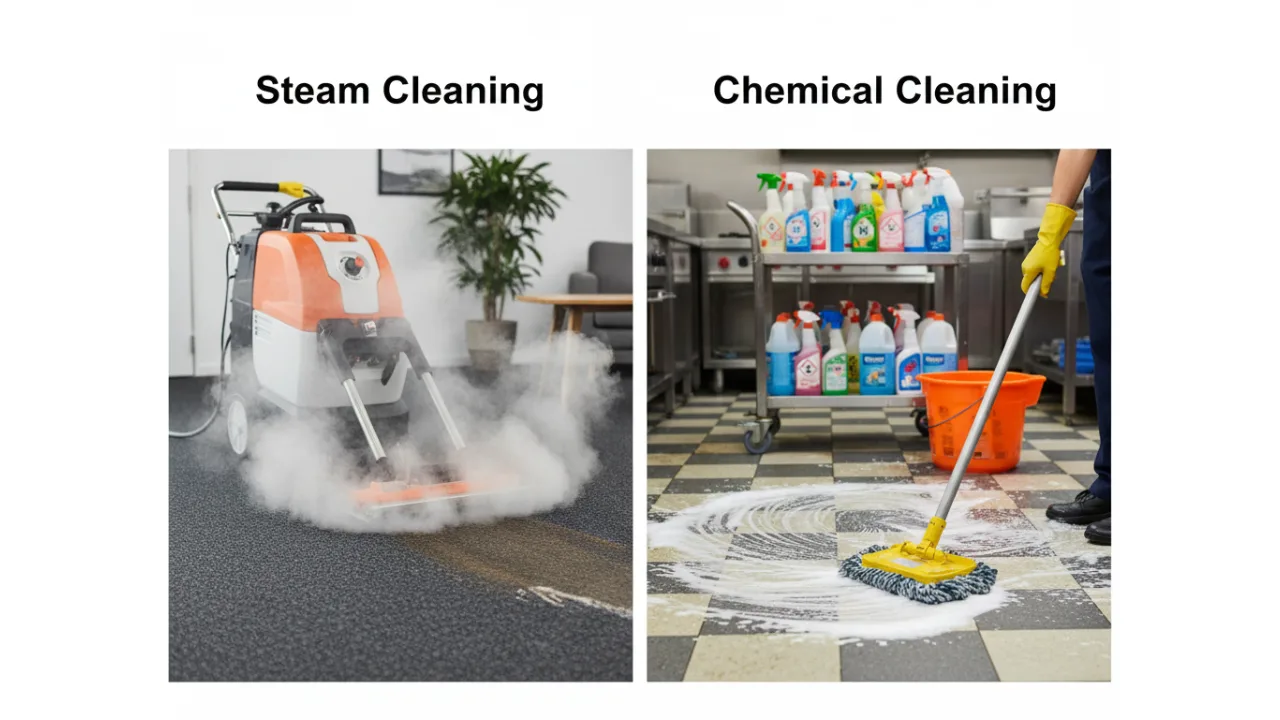
Steam Cleaning vs Chemical Cleaning: Meaning, Key Differences, Cost Comparison, Pros and Cons
Updated : November 21, 2025, 5:06 PM
Author :
 Vivek
Vivek
Summary
Steam cleaning offers a chemical-free, eco-friendly, and highly sanitizing option that kills 99.9% of germs using heat, ideal for families with allergies or pets. In contrast, chemical cleaning delivers quick and powerful stain removal but poses health and environmental risks. Steam cleaning ensures long-term safety and sustainability, while chemical cleaners excel at targeted stain removal. NoBroker’s experts combine both methods for a safe, effective, and customized home cleaning experience.
Table of Contents
What Is Steam Cleaning?What Is Chemical Cleaning?Steam Cleaning vs Chemical Cleaning â Key DifferencesPros and Cons of Steam CleaningPros and Cons of Chemical CleaningSteam Cleaning vs Chemical Cleaning â Which Is Better for Indian Homes?Cost Comparison â Steam Cleaning vs Chemical Cleaning in IndiaHealth and Environmental ImpactWhen to Choose Steam Cleaning Over Chemical Cleaning?When to Choose Chemical Cleaning Over Steam Cleaning?How NoBroker Helps You Choose the Right Cleaning MethodFrequently Asked Questions?
Keeping a home clean in India presents unique challenges. We constantly battle dust, pollution, humidity that encourages mould, tough kitchen grease from our flavorful cooking, and hard water stains. To fight this, two home deep-cleaning methods stand out: steam cleaning vs. chemical cleaning. One promises a deep, sanitizing clean using only water, while the other offers the fast, targeted power of modern science. This guide will help you understand the differences between steam cleaning and chemical cleaning so you can choose the best, safest method for your family.
What Is Steam Cleaning?
Steam cleaning is a deep cleaning method that uses only water and heat. A steam cleaning machine heats ordinary tap water to a very high temperature (well over 100°C) until it turns into a hot, pressurized vapour or "dry" steam. This hot mist is then released through a nozzle. The high temperature effectively loosens and dissolves dirt, grease, and grime, while the force of the steam blasts it away from the surface.
What Is Chemical Cleaning?
Chemical cleaning is the more traditional method that relies on specially formulated liquid or powder solutions to clean surfaces. These products use active ingredients like detergents, solvents, acids, or alkalisto cause a chemical reaction that breaks down or dissolves dirt. For example, some chemicals are designed to dissolve grease, while others are made to break down mineral deposits like hard water stains. The loosened dirt is then wiped or scrubbed away.
Steam Cleaning vs Chemical Cleaning – Key Differences
To understand the advantages and disadvantages of chemical and steam cleaning, it is helpful to compare them side-by-side. [1]
| Parameter | Steam Cleaning | Chemical Cleaning |
|---|---|---|
| Method of Action | Uses high-temperature (100°C+) vapour to loosen dirt and sanitize. | Uses active chemical ingredients to dissolve or break down dirt. |
| Effect on Germs | Sanitizes: Kills 99.9% of bacteria, viruses, and dust mites with heat. | Disinfects: Kills germs using chemical agents (like bleach or phenols). |
| Health Safety | No chemical fumes or residue. Ideal for allergies. | Fumes may trigger asthma or allergies. Residue can be unsafe for pets. |
| Environmental Impact | Uses only water and minimal electricity. | Runoff pollutes water and Plastic bottles create waste. |
| Effect on Grease | The high heat melts and blasts away oil and grease. | Requires specific degreasing chemicals, which can be harsh. |
| Effect on Hard Water | Heat does not dissolve mineral deposits. | Requires a specific acid-based cleaner to dissolve limescale. |
| Surface Safety | Safe for most sealed surfaces | Can damage surfaces like marble (with acid) or metal (with bleach). |
| Odor | Leaves no smell, just a neutral, fresh scent. | Leaves a strong artificial scent (like lemon or pine) or a harsh bleach smell. |
| Long-Term Cost | High initial cost for a machine; very low running cost (water). | Low initial cost for bottles; high recurring cost. |
Pros and Cons of Steam Cleaning
The advantages and disadvantages of steam cleaning provide a clear picture of a powerful, modern method. It is highly effective in some areas but has a few limitations.
Pros of Steam Cleaning
- Deep Sanitization Without Chemicals: The high temperature of the steam kills 99.9% of germs, bacteria, viruses, mould spores, and dust mites. This is not just cleaning; it is sanitizing.
- Superior for Allergies: Because steam cleaning uses only water, it does not release any chemical fumes (often called VOCs) into the air. This makes it the best cleaning method for Indian homes.
- Eco-Friendly and Sustainable: Top advantages of steam cleaning include using only a small amount of tap water and electricity.
- Versatile on Many Surfaces: A good steam cleaner comes with attachments for many jobs. You can use it on sealed hard floors, kitchen counters, bathroom fixtures, glass, and even to sanitize mattresses and upholstery.
- Excellent at Removing Grease: Great for dealing with the tough, oily grease common in Indian kitchens.
Cons of Steam Cleaning
- High Initial Cost: The initial steam cleaning cost in India can be much higher than buying a few bottles of chemical cleaners.
- Not for All Surfaces: You should never use a steam cleaner on unsealed wood floors, unsealed grout, or delicate materials like velour upholstery or certain plastics, as it can cause them to warp or melt.
- Ineffective on Certain Stains: Steam is a powerful cleaner and sanitizer, but it is not a stain remover. It may not remove old, set-in stains like ink, wine, or turmeric that have permanently dyed a fabric. It also cannot remove hard water mineral stains.
Pros and Cons of Chemical Cleaning
Chemical cleaning pros and cons highlight its convenience and power, as well as its significant risks.
Pros of Chemical Cleaning
- Highly Effective on Specific Stains: A chemical is formulated for a single purpose. An acid-based cleaner is the only effective way to remove hard water (limescale) stains from taps and shower glass. A bleach-based cleaner is powerful for whitening stained toilet bowls or grout lines.
- Fast and Convenient: For a quick, immediate clean, nothing beats the convenience of a chemical spray.
- Low Initial Cost: A bottle of all-purpose cleaner or floor cleaner is very inexpensive and available in every local shop.
- Wide Availability: There is a specific chemical product for every imaginable cleaning problem, from clogged drains and rusty metal to stained carpets and dirty glass.
Cons of Chemical Cleaning
- Significant Health Risks: Chemical cleaning safety is a major concern. The fumes from many cleaners can irritate people with lung issues, allergies, babies or pets.
- Environmental Damage: The chemicals entering the water system can be harmful to aquatic life and the environment.
- Surface Damage: Acidic cleaners can etch and dull the surface of natural stones like marble and granite. Bleach can corrode metal fixtures over time. Strong solvents can strip the finish from wood.
- Leaves Residue and Fumes: Unlike steam, which leaves nothing behind, chemical cleaners leave a residue. This film can sometimes be sticky, attracting more dirt. They also leave strong, artificial fragrances that can be overwhelming.
Steam Cleaning vs Chemical Cleaning – Which Is Better for Indian Homes?
When comparing steam cleaning vs chemical cleaning, the best cleaning method for Indian homes often depends on the task. For the daily challenges of dust, allergens, and tough kitchen grease, steam cleaning is superior. It sanitizes deeply using only water, making it safer for families. However, chemical cleaning is often necessary for removing stubborn hard water stains, a common issue in many Indian cities.
Cost Comparison – Steam Cleaning vs Chemical Cleaning in India
The steam cleaning cost in India, compared to chemicals, depends on whether you do it yourself or hire a professional.
- DIY Cost: Chemical cleaning has a low initial cost (₹200-₹500 for various bottles), but requires repurchasing. Steam cleaning has a high initial cost (a good machine costs ₹4,000 - ₹15,000) but almost no recurring cost.
- Professional Service Cost: A professional home deep cleaning service using chemicals for a 2-bedroom home can cost between ₹4,000 and ₹8,000. A professional steam cleaning service for the same home is often priced similarly, perhaps slightly higher at ₹5,000 to ₹10,000, as it requires specialized equipment and can take more time.
Health and Environmental Impact
Steam cleaning is a healthy, safe, and green cleaning method. It improves indoor air quality by trapping allergens. Chemical cleaning, in contrast, poses health risks from fumes and skin contact, and its runoff damages the environment. It is a major source of indoor air pollution, making it a poor choice for eco-friendly cleaning options in India.
When to Choose Steam Cleaning Over Chemical Cleaning?
Steam cleaning is the best choice for most of your regular and deep cleaning tasks. You should choose steam when:
- You are doing a regular deep clean of your floors, tiles, and grout.
- You or your family members have allergies, asthma, or chemical sensitivities.
- You have small children or pets who are in close contact with floors.
- You need to sanitize surfaces like mattresses, sofas, or soft toys.
- You are cleaning tough, caked-on grease in the kitchen (ovens, hobs).
- You want to kill mould and mildew in a humid bathroom.
When to Choose Chemical Cleaning Over Steam Cleaning?
While steam is a great all-rounder, you should use a targeted chemical cleaner when:
- You need to remove stubborn hard water stains (limescale) from taps or glass.
- You have a specific, set-in stain, like permanent marker, dye, or old wine.
- You need to whiten stained toilet bowls or tile grout.
- You need to unclog a drain (using a specific drain-opening product).
- You need a very fast, 30-second wipe-down of a non-porous surface.
How NoBroker Helps You Choose the Right Cleaning Method
Understanding the steam-cleaning vs. chemical-cleaning debate is one thing; doing it is another. This is where NoBroker’s professional home cleaning services can help. We take the guesswork out of it. Our trained experts assess your home's needs. They use advanced steam cleaning machines for deep sanitization of floors, kitchens, and bathrooms. For tough spots like hard water stains, they use specialized, safe chemicals. This hybrid approach gives you the best of both worlds, ensuring a perfectly clean, safe, and healthy home.
Frequently Asked Questions?
Q1. What is the difference between steam cleaning and chemical cleaning?
Ans: Steam cleaning uses hot water vapour (steam) to loosen dirt and sanitize. Chemical cleaning uses liquid solutions (like bleach or acids) to dissolve dirt.
Q2. Which is safer for homes with kids and pets – steam or chemical cleaning?
Ans: Steam cleaning is much safer. It uses only water and leaves no harmful chemical residues on floors where children and pets play.
Q3. Does steam cleaning kill bacteria and viruses?
Ans: Yes. The high temperature of the steam (over 100°C) is extremely effective at killing 99.9% of bacteria, viruses, and other germs.
Q4. Is chemical cleaning harmful to health?
Ans: It can be. The fumes can trigger allergies and asthma, and direct contact can irritate skin. The residue can also be harmful if ingested.
Q5. How much does steam cleaning cost in India?
Ans: Professionally, a steam cleaning service for a 2-bedroom home can cost between ₹5,000 and ₹10,000. A personal machine costs ₹4,000 to ₹15,000 to buy.
Q6. Can I combine both steam and chemical cleaning?
Ans: Yes. This is often the best approach. Use steam for 90% of your home and a specific chemical cleaner only for tough stains like hard water.
Q7. Which cleaning method removes grease better?
Ans: Steam cleaning is excellent for kitchen grease. The high heat melts the oil and grime, making them easy to wipe away without harsh chemicals.
Q8. Does steam cleaning remove stains from upholstery?
Ans: Steam cleaning can remove dirt and grime from upholstery and will sanitize it. However, it may not remove old, set-in stains (like ink or wine).
Q9. Is steam cleaning eco-friendly?
Ans: Yes, it is one of the most eco-friendly cleaning options available in India. It uses only water and electricity, with no harmful chemicals going into the environment.
Q10. Does NoBroker offer steam cleaning services in India?
Ans: Yes, NoBroker offers professional home deep cleaning services using advanced steam-cleaning machines for a hygienic, chemical-free clean.
Recommended Reading
List of the Best Home Cleaning Apps: Book Home Cleaning Services for Daily and Deep Cleaning
January 31, 2025
27035+ views

Diwali Cleaning Tips and Guide: Make Your Home Shine for the Festival in 2026
January 31, 2025
18296+ views
Top 10 Best Robot Vacuum Cleaner in India 2026: Feature, Price and Performance
January 31, 2025
18044+ views
Top 30 Cleaning Tools You Need for a Spotless and Well-Maintained Home in 2026
January 31, 2025
10985+ views
How to Keep Your Home Dust-Free: Best Cleaning Tips & Tricks in 2026
November 28, 2023
10939+ views
ARTICLE SOURCES
NoBroker Easy Cleaning Tips Testimonials
Most Viewed Articles
List of the Best Home Cleaning Apps: Book Home Cleaning Services for Daily and Deep Cleaning
January 31, 2025
27035+ views
Deep Clean Your Washing Machine: Step-by-Step Guide & Tips
January 31, 2025
21645+ views
How to Get Rid of Bathroom Flies: 8 Quick Methods
January 31, 2025
20668+ views
Top 10 Tile Cleaner Liquids with Prices in India for 2026
February 23, 2025
19385+ views
Diwali Cleaning Tips and Guide: Make Your Home Shine for the Festival in 2026
January 31, 2025
18296+ views
Author
Loved what you read? Share it with others!
Recent blogs in
Move-In vs Move-Out Cleaning: Key Differences & Complete Checklist in 2026
March 9, 2026 by Krishnanunni H M
Bathroom Steam Cleaning: Process, Benefits, and Professional Tips in 2026
March 9, 2026 by Priyanka Saha









 Full RM + FRM support


Join the conversation!