Table of Contents
Loved what you read? Share it with others!


Rubbing Alcohol for Cleaning: Types, Uses, Safety Tips & Benefits
Updated : November 20, 2025, 4:30 PM
Author :
 Priyanka.saha
Table of Contents
A clean home is refreshing, healthy, and surprisingly easy to maintain once one knows the proper techniques. One deceptively simple yet powerful cleaner is alcohol itself, good for anything from the most stubborn stains to surfaces infested with bacteria. Whether it is trying to save fabrics from stains, freshen up your shoes, or safely clean electronics, alcohol for cleaning works fast and impressively. In this blog, we go over why it works so well, which types of surfaces work best, and how to use it safely to keep your house effortlessly clean and hygienic.
The Science Behind Rubbing Alcohol as a Cleaner
The structure of rubbing alcohol, or isopropyl alcohol, makes it a good cleaner: it can dissolve oils and grease, as well as organic residues that water cannot wash out. Moreover, it is a fast-acting disinfectant against both bacteria and viruses because it denatures proteins. It evaporates rapidly, leaving surfaces free of streaks and safe for electronics; few solvents are as effective a sanitiser.
Why It Works
- Dissolves grease, oils, and organic buildup
- Disinfects by denaturing proteins in microbes
- Works quickly on bacteria and viruses
- Evaporates fast with no residue
- Suitable for electronics and moisture-sensitive areas
Types of Alcohol Used for Cleaning
Different types of alcohol are commonly used in cleaning because they dissolve grime, evaporate quickly, and provide strong disinfecting properties suitable for various surfaces and purposes.
- Isopropyl Alcohol (IPA): Most widely used for household cleaning, electronics, and disinfecting surfaces.
- Ethanol (Ethyl Alcohol): Common in sanitisers and medical settings; effective against bacteria and viruses.
- Denatured Alcohol: Strong solvent used for heavy-duty cleaning, degreasing, and removing tough residues.
Unique Ways to Use Rubbing Alcohol in Household Cleaning
Rubbing alcohol, commonly known in its scientific form as isopropyl alcohol, is not just a staple in medical kits but also a remarkable cleaning agent for your home. Its ability to dissolve grime and act as a disinfectant makes it a versatile tool for household cleaning. Here are four innovative ways to incorporate rubbing alcohol into your cleaning routine:
1. Microwave Cleaning

For a sparkling clean microwave, turn to a simple yet effective solution of rubbing alcohol spray. Begin by mixing equal parts of rubbing alcohol and water in a microwave-safe bowl – a half-cup of each should suffice. Place this bowl in the microwave and heat it for about one to two minutes.
This process generates steam, which loosens up any hardened food particles and grime. After the heating is done, carefully remove the bowl. Then, using a cloth soaked in the warm solution, gently wipe the interior of the microwave, paying special attention to tough spots. Finish by wiping the microwave with a damp cloth, and leave the door open to air it out, ensuring a fresh, clean finish.
2. Glass and Hard Surface Cleaning

Rubbing alcohol can also be your go-to solution for a streak-free shine on glass and hard surfaces. Create your cleaning mixture by combining one cup of water, one tablespoon of vinegar, and one cup of rubbing alcohol.
This blend is not just effective for glass but also works wonders on chrome, stainless steel, and hard tiles. When cleaning, use a clean, lint-free cloth or even an old newspaper to avoid streaks. Spray the solution onto the cloth and wipe the surface in a circular motion, ensuring every part gleams.
3. Microfiber Couch Cleaning

To tackle stains on a microfiber couch, rubbing alcohol provides a surprisingly effective solution. Alcohol Spray the stained area with rubbing alcohol and use a light-coloured sponge (to prevent colour transfer) to scrub gently. You will notice the stains transferring onto the sponge.
Since alcohol evaporates quickly, the couch dries fast too. Once dry, use a scrub brush to gently fluff the fabric in a circular motion, restoring its original texture. For water stains, follow the same process using distilled water.
4. Chandelier Cleaning

Chandeliers can be tricky to clean, but a homemade solution of rubbing alcohol can make the task much simpler. Mix rubbing alcohol and distilled water in a 1:4 ratio and pour it into a spray bottle. Carefully wipe each part of the chandelier with a microfiber cloth sprayed with this solution. It’s recommended to wear gloves to avoid leaving fingerprints. This method ensures your chandelier sparkles without the risk of damage from harsh chemicals.
In these ways, rubbing alcohol can be a game-changer in your cleaning regimen, offering effective, eco-friendly, and cost-efficient solutions for maintaining a pristine home.
5. Alcohol for Cleaning Clothes

Alcohol serves as a good cleaner for clothes since it can dissolve particularly stubborn stains that detergents alone may not be able to do. It works splendidly on ink, grease, makeup, and deodorant stains by dissolving oils and pigments that are caught in fabric fibres. Being of a quick-evaporating nature, it merely doesn't over-saturate the fabric or leave behind moisture that may further cause odors. Besides, it has mild disinfecting properties and is good for emergency spotting of garments that require refreshing. However, it must be tested on delicate or coloured fabrics to avoid fading.
6. Alcohol for Cleaning Shoes

Alcohol is an effective cleaning medium for shoes because it removes dirt, grime, and oily residues from the surface without harming most materials. Its quick-drying nature makes it ideal for refreshing footwear without leaving moisture inside that can give rise to odours or mould. Alcohol can disinfect shoe interiors, reducing bacteria that contribute to unpleasant smells. On the outside, it may be used as a cleaning agent on leather, rubber, and synthetic surfaces with ease. However, it should be used carefully on more sensitive or colored fabrics to avoid drying or fading.
Rubbing Alcohol for Odour Elimination and Disinfection
Rubbing alcohol, a staple in first aid kits is not just for minor medical care. Its powerful properties extend to odour elimination and disinfection, making it a must-have for maintaining cleanliness and freshness in your home.
1. Kitchen Odour Removal
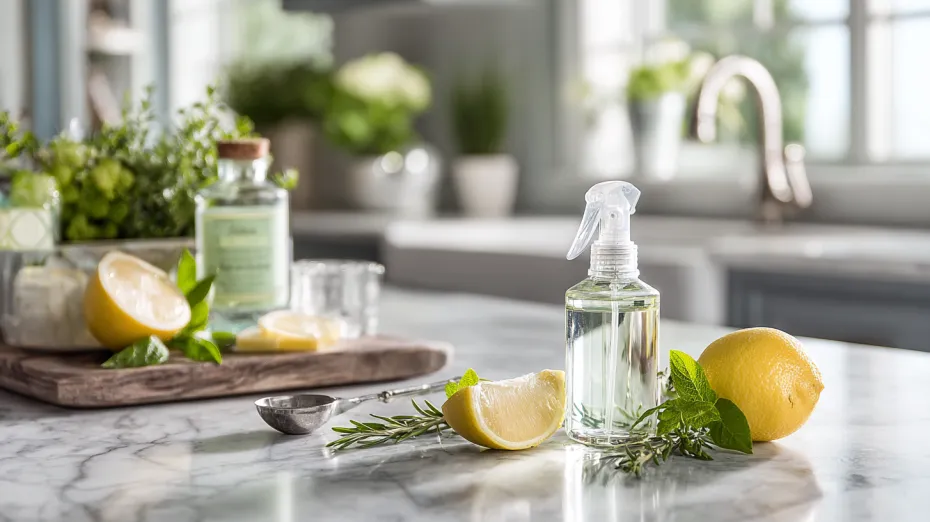
The kitchen, a hub of culinary activities, often bears the brunt of lingering odours. Whether it's the pungent smell of onions or the lingering aroma of fish, rubbing alcohol can help neutralise these unwanted scents.
Recipe for Rubbing Alcohol-Based Deodorising Solution
- Ingredients:
- 1 cup of 70% isopropyl alcohol
- 2 cups of water
- 10-15 drops of your choice of essential oil (lavender or eucalyptus work well for their pleasant scent and additional antibacterial properties)
- Instructions:
- In a spray bottle, mix the isopropyl alcohol and water.
- Add the essential oil drops and shake well to blend.
- To use, lightly spray the solution on kitchen countertops and surfaces.
- Wipe with a clean cloth to not only clean but also leave a fresh, pleasant scent.
- Note: This solution is not only effective in odour elimination but also acts as a disinfectant, making your kitchen surfaces safer for food preparation.
2. Disinfecting Gadgets

Our gadgets, from computer keyboards to cell phones, are breeding grounds for germs due to frequent use and minimal cleaning. Rubbing alcohol, with its disinfecting properties, is perfect for tackling this issue.
Instructions for Cleaning Keyboards and Cell Phones
- For Keyboards:
- Dampen a cotton swab or Q-tip with rubbing alcohol. Ensure it’s not dripping wet.
- Gently clean the spaces between the keys and the key surfaces.
- Allow it to air dry; the quick evaporation of alcohol speeds up the drying process.
- Caution: Avoid over-wetting to prevent liquid from seeping beneath the keys.
- For Cell Phones: Prepare a solution of equal parts distilled water and isopropyl alcohol.
- Lightly dampen a microfiber cloth or lint-free rag with the solution. Do not oversaturate.
- Gently wipe the exterior surfaces of the phone, avoiding direct contact with charging ports, speakers, and microphones.
- Allow the phone to air dry.
- Reminder: Never spray the solution directly onto the phone to prevent moisture damage.
By integrating rubbing alcohol into your cleaning regimen, you can maintain a more hygienic and fresh-smelling home environment. Its versatility and effectiveness make it an indispensable ally in your quest for cleanliness.
Uses of Isopropyl Rubbing Alcohol
Rubbing alcohol, known for its disinfecting and cleaning prowess, is not just confined to typical household cleaning tasks. One of its more unexpected yet highly effective uses is in the removal of tree sap from car windshields. Tree sap, notorious for its stubborn, sticky nature, can be a nuisance for car owners, especially those who frequently park outdoors. However, the alcohol cleaning solution lies in the simple bottle of rubbing alcohol sitting in your cabinet.
Effectiveness in Removing Tree Sap
- Solvent Properties: The solvent properties of rubbing alcohol make it ideal for tackling sticky substances like tree sap. It can dissolve the sap without the need for excessive scraping or rubbing, which might otherwise damage the windshield.
- Quick Action: Rubbing alcohol works quickly to break down the sap, making the cleaning process less time-consuming and more effective compared to other cleaning agents.
Application Techniques to Avoid Damage
1. Soft Cloth Application
- Begin by dampening a soft cloth with rubbing alcohol. It's important to use a cloth that is gentle on the glass to avoid any scratches.
- Avoid using abrasive materials like steel wool or rough sponges, as these can leave permanent marks on the windshield.
2. Gentle Rubbing
- Place the alcohol-dampened cloth on the sap-covered area and let it sit for a minute. This allows the alcohol to penetrate and soften the sap.
- Gently rub the area in a circular motion. The softened sap will start to lift off from the windshield. If the sap is particularly thick, you may need to reapply the alcohol a few times.
3. Rinse and Wipe
- Once the sap is removed, rinse the area with water to remove any residual alcohol, which could potentially leave streaks if left to dry on its own.
- Use a clean, dry microfiber cloth to wipe the windshield, ensuring it is left clear and streak-free.
4. Precautionary Measures
- It's crucial to avoid over-saturating the cloth with rubbing alcohol, as excess liquid can drip onto the car's paint and potentially cause damage.
- Always perform this cleaning task in a shaded area or when the windshield is cool to touch. Direct sunlight or heat can cause the alcohol to evaporate too quickly, reducing its effectiveness.
The unassuming bottle of rubbing alcohol is not just for first aid or basic cleaning. Its role in removing stubborn tree sap from windshields is a testament to its versatility. By following these simple yet effective techniques, you can maintain a clear and sap-free windshield, ensuring unobstructed visibility and maintaining the aesthetic appeal of your vehicle.
Pros and Cons of Cleaning with Alcohol
Cleaning with alcohol offers powerful disinfecting and degreasing benefits, but it also comes with limitations depending on the surface and concentration used. Understanding both sides helps ensure safe and effective cleaning.
| Pros | Cons |
| Powerful disinfectant that kills bacteria and viruses | Can damage delicate fabrics and finishes |
| Evaporates quickly without leaving residue | Not suitable for porous or unsealed surfaces |
| Removes oils, grease, and sticky buildup easily | Can dry out leather, wood, or skin |
| Ideal for electronics and moisture-sensitive items | Highly flammable and must be used with caution |
| Provides streak-free cleaning on glass and metal | Strong odour may be unpleasant for some users |
Useful Tips and Safety Points When Using Alcohol for Cleaning
When it comes to using rubbing alcohol for cleaning, it's crucial to be aware of its potential effects on various surfaces and to exercise caution to ensure safety. Here are some essential tips and precautions to keep in mind:
1. Surfaces to Avoid
- Delicate Materials: Rubbing alcohol can be harsh on certain surfaces. Avoid using it on delicate materials like silk, acetate, and some plastics, as it can cause discolouration or damage.
- Finished or Painted Surfaces: Exercise caution when using rubbing alcohol on painted or finished surfaces, such as lacquered or varnished wood, as it can strip away the finish.
- Electronic Screens: Steer clear of using rubbing alcohol directly on electronic screens, like those of TVs and smartphones, as it can remove the protective coating and lead to clouding.
2. Avoid Dangerous Combinations
- Never Mix with Bleach: Combining rubbing alcohol with bleach creates chloroform, a toxic and potentially harmful compound. This mixture can cause respiratory issues, irritation, and in extreme cases, unconsciousness.
- Flammable Nature: Remember that rubbing alcohol is flammable. Keep it away from open flames, sparks, or heat sources during use.
3. Always Conduct a Test-Run
- Test on Small Areas: Before using rubbing alcohol on any surface, it's advisable to do a spot test. Apply a small amount to an inconspicuous area to check for any adverse reactions like staining or damage.
- Wait for Results: After applying on a test area, wait a few minutes to observe any changes. This precaution ensures safety and effectiveness before you proceed with broader application.
By following these guidelines, you can safely incorporate rubbing alcohol into your cleaning routine, harnessing its power to tackle tough stains and grime while protecting your household items and surfaces.
Keep Your Home Spotless with NoBroker’s Proven Cleaning Practices
Cleaning with alcohol remains one of the most effective ways to remove grime, tackle stains, and disinfect surfaces when done correctly. While it delivers great results, several cleaning requirements require more knowledge for safety, durability, and overall hygiene. This is where professional cleaning services from NoBroker come in to make your tasks reliable, comprehensive, and hassle-free for every nook and corner of your home. Their trained professionals will look after everything, from effective stain treatment to deep cleaning of the whole home, with care and precision. Opt for the cleaning services by NoBroker for a cleaner, healthier home.
Frequently Asked Questions
Ans: Rubbing alcohol, also known as isopropyl alcohol, is a versatile household item known for its cleaning and disinfecting properties. It's a powerful solvent that can dissolve oils, grease, and organic materials, making it an effective tool for a variety of cleaning tasks.
Ans: Isopropyl alcohol for cleaning is known for its effectiveness in dissolving oils, grease, and organic materials, making it ideal for tackling tough stains and residues that water alone can't clean.
Ans: Some unique applications of alcohol include using it to remove tree sap from car windshields, refreshing microfiber couches, and even eliminating odours in the kitchen.
Ans: While cleaning alcohol, specifically rubbing alcohol, is safe for many surfaces, it's important to exercise caution with delicate materials like silk and certain plastics, as it may cause discolouration or damage. Always perform a spot test on an inconspicuous area before use.
Ans: Yes, rubbing alcohol for cleaning is safe and effective for disinfecting electronic gadgets. However, it's essential to apply it to a microfiber cloth or lint-free rag rather than directly on the device to avoid damage to sensitive components.
Ans: Alcohol is safe for many fabrics when used sparingly, especially for spot-cleaning stains. Always test on a hidden area first to avoid fading, discolouration, or fabric damage.
Ans: Yes, alcohol evaporates very quickly due to its volatile nature. This fast drying prevents moisture buildup, reduces streaks, and makes it ideal for cleaning electronics and surfaces that should not stay wet.
Ans: You can safely mix isopropyl alcohol with mild soap for stronger cleaning, but avoid mixing it with vinegar since the combination offers no added benefit and may reduce cleaning effectiveness.
Recommended Reading
Deep Clean Your Washing Machine: Step-by-Step Guide & Tips
January 31, 2025
21662+ views
Top 10 Plumbing Service Apps in 2026
January 31, 2025
16897+ views
How to Remove Rust from Iron: Step-by-Step Guide for Restoring Your Iron Items in 2026
January 31, 2025
7460+ views
How to Clean Brass Items Simple Steps for Shine and Remove Tarnish in 2026
January 31, 2025
6951+ views
12 Budget-Friendly Home Organisation Ideas
January 31, 2025
5392+ views
NoBroker Easy Cleaning Tips Testimonials
Most Viewed Articles
List of the Best Home Cleaning Apps: Book Home Cleaning Services for Daily and Deep Cleaning
January 31, 2025
27121+ views
Deep Clean Your Washing Machine: Step-by-Step Guide & Tips
January 31, 2025
21662+ views
How to Get Rid of Bathroom Flies: 8 Quick Methods
January 31, 2025
20768+ views
Top 10 Tile Cleaner Liquids with Prices in India for 2026
February 23, 2025
19435+ views
Diwali Cleaning Tips and Guide: Make Your Home Shine for the Festival in 2026
January 31, 2025
18298+ views
Author
Loved what you read? Share it with others!
Recent blogs in
Move-In vs Move-Out Cleaning: Key Differences & Complete Checklist in 2026
March 9, 2026 by Krishnanunni H M
Bathroom Steam Cleaning: Process, Benefits, and Professional Tips in 2026
March 9, 2026 by Priyanka Saha








 Full RM + FRM support


Join the conversation!