Table of Contents
Loved what you read? Share it with others!


Indian Vs Western Toilet: Differences, Benefits, and Which One to Choose in 2026
Updated : December 23, 2025, 12:27 PM
Author :

Table of Contents
Choosing the right toilet for your home is more than just about appearance — it directly impacts daily comfort, health, and hygiene. The debate between Indian and Western toilets highlights two different approaches to sanitation, each with its own advantages and disadvantages. From design and texture to water usage and cost, understanding these differences is essential for making an informed choice that fits your family's lifestyle, bathroom space, and budget. To achieve the best results, both Indian and Western toilets need professional plumbing services for proper installation, dependable maintenance, and long-lasting performance.
Quick Comparison Table: Indian Toilet vs Western Toilet
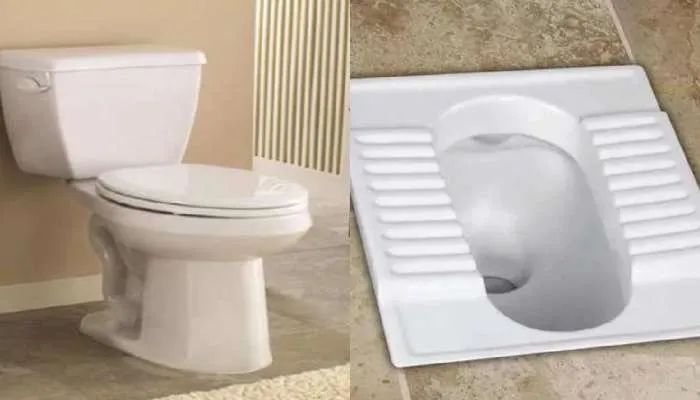
For a quick overview of the Western vs Indian toilet debate, this table provides a snapshot of their primary differences across several key aspects of design and functionality.
| Aspect | Indian Toilet (Squat Style) | Western Toilet (Seated Style) |
|---|---|---|
| Design | A floor-mounted pan requires a squatting posture. | A raised, chair-like bowl with a seat, for a sitting posture. |
| Usage | Requires the user to squat over the pan. | Allows the user to sit comfortably on a seat. |
| Comfort | Can be challenging for the elderly and those with joint issues. | Generally more comfortable for people of all ages and abilities. |
| Cost | Lower initial cost and more affordable maintenance. | Higher initial investment and potentially costlier repairs. |
| Space Needed | Compact design, making it suitable for smaller bathrooms. | Requires more floor space for installation and use. |
| Accessibility | Not suitable for individuals with mobility challenges. | Highly accessible, with options for added support features. |
What Is an Indian Toilet (Squat Toilet)?
An Indian toilet, often referred to as a squat toilet, is a traditional and straightforward sanitary fixture that is installed at floor level. It consists of a pan over which the user squats. This design has been prevalent for centuries, especially in South Asia and the Middle East, and is valued for its affordability, straightforward installation, and minimal maintenance needs.
What Is a Western Toilet (Seated/EWC)?
A Western toilet, also known as a seated toilet or a European Water Closet (EWC), features a raised bowl with a seat that resembles a chair. This design allows users to sit, which is a posture widely preferred for comfort. It features a flushing mechanism to dispose of waste and has become the standard toilet type in most modern homes worldwide.
What Are the Health Benefits and Concerns of Each?
The posture adopted on each toilet type directly influences digestive health and physical comfort. The choice between an Indian toilet and a Western toilet often involves considering these physiological factors.
- The squatting position of an Indian toilet aligns the colon for a more natural and complete bowel movement.
- Regular use of a squat toilet may help in reducing instances of constipation and haemorrhoids.
- The seated position of a Western toilet offers superior comfort and reduces strain on the knees and hips.
- Western toilets are particularly beneficial for individuals with joint pain, those recovering from surgery, or pregnant women.
Which Is More Hygienic and Easier to Maintain?
The debate between an Indian commode vs a Western commode often comes down to hygiene. An Indian toilet eliminates direct body contact with any surface, thereby reducing the risk of cross-contamination. However, a Western toilet is generally easier to clean using modern tools, although its seat must be regularly disinfected to prevent the buildup of germs.
How Do They Differ in Water Use, Space & Installation?
Practical considerations such as water consumption, space, and installation costs are crucial. This table breaks down the differences between a Western commode and an Indian toilet.
| Feature | Indian Toilet | Western Toilet |
|---|---|---|
| Water Usage | Typically uses less water per flush, often relying on manual flushing. | Tends to use more water, though modern models feature water-saving dual-flush systems. |
| Space Requirement | Its floor-level, compact design makes it an excellent choice for small bathrooms. | The unit itself is larger and requires more surrounding space for comfortable use. |
| Installation | Installation is generally less complex and more budget-friendly due to its simple design. | It can be more complicated and expensive to install, especially for wall-mounted variants. |
What About Accessibility & User Comfort?
When it comes to user comfort and accessibility, the Western toilet has a clear advantage. The seated position is less physically demanding and is more comfortable for most users, particularly for extended periods. It is the preferred and often necessary choice for elderly individuals, people with physical disabilities, and those with limited mobility, as it provides stability and support.
Which Is Better: an Indian or a Western Toilet?
Deciding which is superior depends on individual priorities and household needs. To help you decide, here is a final summary table outlining the main advantages of each style.
| Reasons to Choose an Indian Toilet | Reasons to Choose a Western Toilet |
|---|---|
| Lower overall cost of purchase and installation. | Superior comfort for all users, especially the elderly. |
| Encourages a potentially healthier squatting posture. | Excellent accessibility for those with mobility issues. |
| Hygienic due to the absence of direct body contact. | Easy to clean and maintain with standard products. |
| Water-efficient and environmentally friendly. | Fits well with modern bathroom designs and aesthetics. |
| Ideal for bathrooms with limited space. | Widely available with various features and styles. |
Common Myths and Facts
It's essential to distinguish fact from fiction when selecting a toilet. Many myths persist, so let's clarify the most common ones with simple facts.
- Myth: Indian toilets are inherently unclean.
- Fact: With regular cleaning, the no-contact nature of Indian toilets can make them very hygienic.
- Myth: Western toilets are always the more hygienic choice.
- Fact: Without proper and frequent cleaning of the seat and bowl, a Western toilet can easily accumulate bacteria.
- Myth: You can't have both types of toilets in one home.
- Fact: Many modern Indian homes install both to cater to the diverse needs and preferences of family members.
How NoBroker can Help?
Ultimately, whether you choose an Indian toilet or a Western one, the most important thing is to ensure that it is properly installed and regularly maintained. Taking good care of your toilet ensures that it runs smoothly and lasts a long time, making your daily routine more comfortable and hassle-free. Regardless of your preferred style, reliable plumbing is crucial for maintaining long-term hygiene and durability. Keep in mind that NoBroker offers professional plumbing services for both types of toilets, with experienced experts who carefully handle the installation and provide reliable maintenance, so you can relax and enjoy a peaceful, worry-free moment.
Frequently Asked Questions
Ans: Squatting may aid in more complete bowel movements by aligning the colon. Sitting is more comfortable and reduces strain on the knees, making it better for those with joint issues.
Ans: Indian toilets can be more hygienic due to the lack of direct body contact. However, a well-maintained Western toilet is equally sanitary if the seat is cleaned regularly.
Ans: Western toilets are more suitable for the elderly and people with disabilities because they provide a seated position that offers comfort, stability, and reduces physical strain.
Ans: Traditionally, yes. But modern Western toilets often include dual-flush technology, which significantly reduces water consumption, making them much more efficient than older models.
Ans: Yes, it is very common for homes in India to have both an Indian and a Western toilet to accommodate the preferences and needs of all family members and guests.
NoBroker Easy Cleaning Tips Testimonials
Most Viewed Articles

List of the Best Home Cleaning Apps: Book Home Cleaning Services for Daily and Deep Cleaning
January 31, 2025
27363+ views
Deep Clean Your Washing Machine: Step-by-Step Guide & Tips
January 31, 2025
21725+ views

How to Get Rid of Bathroom Flies: 8 Quick Methods
January 31, 2025
20979+ views

Top 10 Tile Cleaner Liquids with Prices in India for 2026
February 23, 2025
19633+ views

Diwali Cleaning Tips and Guide: Make Your Home Shine for the Festival in 2026
January 31, 2025
18305+ views
Author
Loved what you read? Share it with others!
Recent blogs in
Move-In vs Move-Out Cleaning: Key Differences & Complete Checklist in 2026
March 9, 2026 by Krishnanunni H M
Bathroom Steam Cleaning: Process, Benefits, and Professional Tips in 2026
March 9, 2026 by Priyanka Saha










 Full RM + FRM support


Join the conversation!