Table of Contents
Loved what you read? Share it with others!


How to Use a Washing Machine: Understand Settings, Cycles and Care in 2026
Updated : February 3, 2026, 2:15 PM
Author :

Table of Contents
A well-functioning home relies on clean, fresh clothes, and knowing how to use a washing machine efficiently makes all the difference. Many people underestimate the importance of proper washing technique, which helps maintain fabric quality and extend garment life. Common mistakes people make when using a washing machine include overloading, using too much detergent, or choosing the wrong cycle. These errors can lead to dull colours, residue, and even damage to clothes. Using the right methods ensures your clothes stay cleaner, softer, and last significantly longer with every wash.
Understanding Your Washing Machine Type
Before learning how to use a washing machine, it’s essential to understand the type you own. Each machine operates differently, with unique settings, water levels, and efficiency. Knowing your model helps you select the correct detergent, load size, and wash cycle. Let’s explore the major types and learn, step by step, how to operate washing machine models for the best cleaning results.
Front-Load Washing Machine
Front-load washing machines are known for their energy efficiency, gentle fabric care, and superior cleaning performance. They use less water and detergent compared to other types, making them an eco-friendly choice for modern homes. Understanding how to operate a washing machine of this type ensures your clothes are both clean and durable.
Top Load Washing Machine
Top-load washing machines are convenient, easy to use, and ideal for quick laundry routines. They allow you to add clothes mid-cycle and are generally faster than front-load models. Knowing how to operate a washing machine of this type helps you achieve clean, fresh laundry without hassle.
Semi-Automatic Washing Machine
Semi-automatic washing machines are economical and ideal for households that want more control over water and energy usage. They feature two tubs, one for washing and one for spinning, and require some manual effort. Understanding how to work a washing machine of this type ensures effective cleaning while saving resources.
Fully Automatic Washing Machine
Fully automatic washing machines offer the highest level of convenience, performing washing, rinsing, and spinning in one seamless cycle. Perfect for busy households, they save time and effort while ensuring excellent cleaning results.
How to Use a Washing Machine – Step-by-Step Process
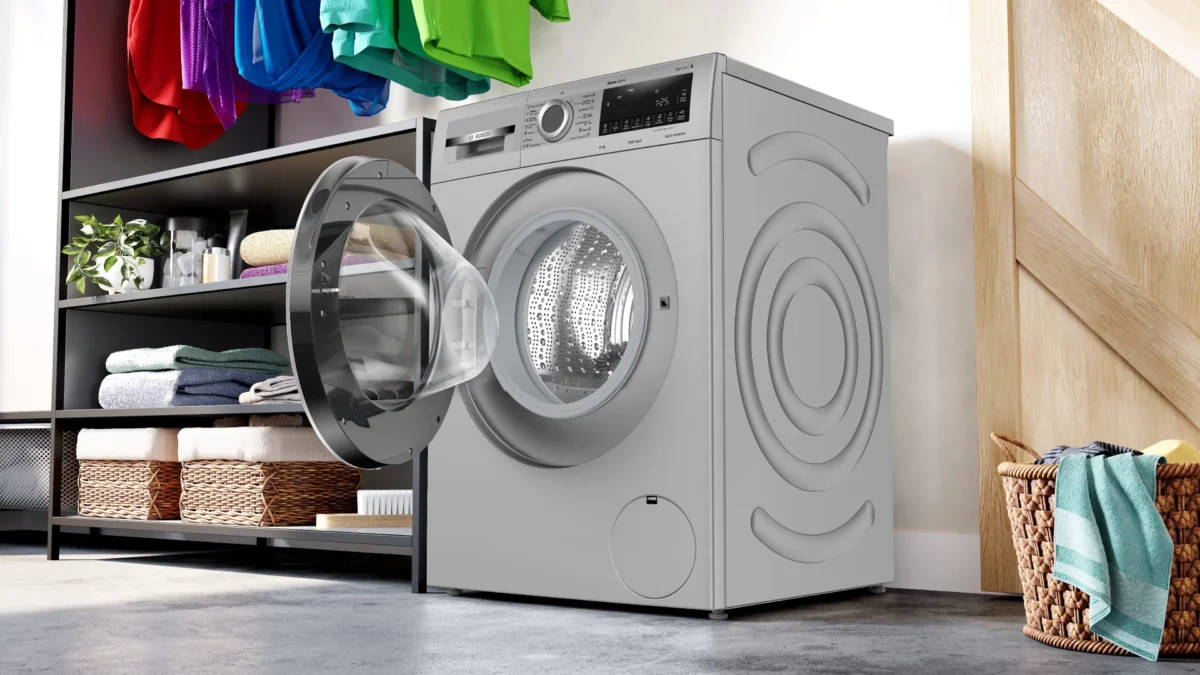
Learning how to use the washing machine correctly ensures cleaner clothes, longer fabric life, and optimal energy use. Whether you own a front-load, top-load, or fully automatic model, understanding the right washing technique is key. By following these simple steps, you can prevent damage, save detergent, and enjoy fresh, spotless laundry every time.
Front-Load Washing Machine
Front-load washing machines are known for their energy efficiency, gentle fabric care, and powerful cleaning performance. They use less water and detergent compared to other types, making them eco-friendly and cost-effective. If you are wondering to yourself, ‘ How do I use a washing machine?’ then keep reading!
Steps to operate:
- Sort your laundry into whites, darks, and delicates to prevent color bleeding and fabric damage.
- Add detergent to the designated drawer compartment, using a high-efficiency (HE) detergent suitable for front-load machines.
- Load clothes evenly into the drum without overfilling; leave some space for proper tumbling and rinsing.
- Select the appropriate cycle and temperature based on fabric type gentle for delicates, normal for cottons, or heavy-duty for soiled garments.
- Press the start button and let the machine complete the wash, rinse, and spin cycles automatically.
Semi-Automatic Washing Machine
Semi-automatic washing machines are ideal for those who prefer manual control and water efficiency. They come with two separate tubs—one for washing and another for spinning—and require some hands-on effort. Learning to use a washing machine of this type helps you save water, manage wash time, and ensure thorough cleaning while keeping costs low.
Steps to Operate:
- Fill the wash tub manually using a hose or bucket, adding enough water for the load size.
- Add detergent to the water and mix well before placing clothes inside to ensure even distribution.
- Place clothes evenly in the wash tub, making sure not to overload it.
- Set the wash timer according to the type and dirt level of your clothes, then let the machine agitate.
- Once washing is done, drain the dirty water using the outlet pipe.
Top Load Washing Machine
Top-load washing machines are known for their ease of use, quick washing cycles, and ergonomic design. They allow users to add clothes mid-cycle and are perfect for everyday laundry needs. Understanding how to use a washing machine of this type ensures your clothes are cleaned efficiently while maintaining their quality and texture over time.
Steps to Operate:
- Sort your clothes based on color, fabric type, and washing requirements to avoid color bleeding and damage.
- Open the lid and load the clothes evenly into the drum. Do not overload; leave enough room for proper water circulation.
- Add detergent either directly into the drum or in the detergent compartment, depending on your machine’s model.
- Select the water level, temperature, and wash cycle suitable for the load. Lighter loads need less water, while heavier fabrics need higher levels.
- Close the lid and press the start button to begin washing. The machine will automatically wash, rinse, and spin.
Fully Automatic Washing Machine
Fully automatic washing machines are designed for maximum convenience and efficiency, making laundry care effortless. They handle washing, rinsing, and spinning in one continuous process, requiring minimal manual input. Understanding how to use a washing machine of this type helps you save time, water, and energy while ensuring your clothes receive the perfect wash every time.
Steps to Operate:
- Sort your laundry into light, dark, and delicate fabrics to prevent color transfer and damage.
- Open the lid or door and load clothes evenly into the drum, leaving enough space for water movement. Avoid overloading to ensure a proper wash.
- Add detergent and fabric softener into their designated compartments according to the load size and machine type.
- Select the wash program based on fabric type and soil level—options often include normal, gentle, quick wash, or heavy-duty.
- Press the start button and let the machine automatically handle water filling, washing, rinsing, and spinning.
How to Wash Clothes in a Washing Machine Efficiently?
Many people often wonder, ‘How do I use the washing machine effectively to get clean, fresh clothes without damaging fabrics?’. By following the right steps, including sorting clothes, using proper detergent, selecting suitable cycles, and maintaining your machine, you can achieve optimal cleaning results while protecting fabrics and prolonging the life of both your clothes and washing machine.
- Sort Clothes Before Washing: Separate laundry into whites, darks, and delicates to prevent color bleeding and damage. Sorting clothes ensures that each fabric receives the right care, improving wash quality and efficiency.
- Check Care Labels: Always read garment instructions to determine suitable wash cycles, temperatures, and special care requirements. Following labels correctly prevents shrinkage, fading, or damage while ensuring every load is cleaned safely and effectively.
- Load Clothes Properly: Avoid overloading the drum and leave space for water and detergent circulation. Proper loading ensures better washing performance, prevents tangling, and allows clothes to move freely for thorough cleaning.
- Add Detergent and Softener: Use the recommended amount of detergent for your machine type and load size. Include fabric softener if needed to enhance softness and fragrance, while avoiding residue build-up on garments.
- Select the Right Cycle and Temperature: Choose the appropriate wash cycle for the fabric type and soil level. Using cold water when possible saves energy while still effectively cleaning everyday clothes.
- Maintain Your Washing Machine: Clean the drum, filters, and detergent compartments regularly to ensure optimal performance. Proper maintenance helps your machine last longer and consistently delivers efficient, high-quality washes.
- Understand “How Do I Use the Washing Machine?”: Review the user manual or settings if unsure about specific functions. Knowing your machine’s capabilities ensures safe, efficient, and effective laundry every time.
Common Washing Machine Settings Explained
Many people often ask, How do you use a washing machine effectively to achieve clean and fresh clothes while protecting fabrics. Understanding the common settings on your machine is essential for optimizing performance, saving energy, and preventing damage. Each setting—such as water temperature, spin speed, or wash cycle—has a specific purpose, and knowing how to adjust them properly ensures better results for every load of laundry.
| Setting | Function | Tips for Use | Keywords / Notes |
| Wash Cycle | Determines the intensity and duration of washing | Select cycles based on fabric type and soil level. Use gentle for delicates and heavy for heavily soiled items. | Cycle selection, fabric care |
| Water Temperature | Controls the temperature of the water used | Cold for delicate fabrics, warm for regular clothes, hot for towels, and heavily soiled laundry. Saves energy and protects fabrics. | Temperature control, energy efficiency |
| Spin Speed | Adjusts the drum’s rotation to remove water | Higher speeds dry clothes faster, and lower speeds protect delicate fabrics from stretching or damage. | Spin control, fabric protection |
| Soil Level | Indicates how dirty clothes are | Select light, normal, or heavy soil levels to optimize cleaning performance. | Soil setting, stain removal |
| Rinse Options | Adds extra rinse cycles | Use additional rinses for sensitive skin or heavily soiled loads to remove detergent residue. | Rinse efficiency, hygiene |
| Delay Start | Schedules wash cycles for later | Ideal for running laundry at off-peak hours or to finish when convenient. | Scheduling, energy saving |
| Pre-Wash | Provides an initial wash for heavily soiled items | Useful for mud-stained or very dirty clothes to improve overall cleaning results. | Pre-wash, stain removal |
| Quick Wash | Shortens the wash cycle for lightly soiled items | Saves time and energy, perfect for small loads or daily laundry. | Time-saving, efficiency |
| Fabric Settings | Optimizes the wash for fabric types | Adjust settings for cotton, synthetics, wool, or delicates to protect clothes while cleaning effectively |
How NoBroker Can Help
To take great care of your clothes, it's helpful to learn how to use your washing machine properly. Choose the right cycles and detergents, perform regular maintenance, and sort your laundry carefully without overloading the machine. Machines with changeover switches are designed to help stabilise power, prevent electrical issues, and keep you safe. NoBroker provides dependable appliance repair, installation, cleaning, and maintenance services, making your laundry routine simple and stress-free. Properly caring for your appliances can boost their performance and longevity, giving you confidence and peace of mind.
Frequently Asked Questions
Ans: To use a washing machine for the first time, carefully read the user manual for your specific model. Sort clothes by color and fabric type, add the recommended detergent, select the appropriate wash cycle, and start the machine for a clean and efficient wash.
Ans: Most clothes can be washed at 30°C to protect fabrics and save energy, while heavily soiled items like towels, bed sheets, and kitchen linen may require 60°C. Always follow the garment care label for the best results.
Ans: Use the recommended amount of detergent according to your load size and machine type. Typically, two tablespoons suffice for a regular load. Excess detergent can leave residue on clothes and may require extra rinse cycles, reducing efficiency.
Ans: While vinegar is often suggested as a natural cleaner, frequent use can damage rubber seals, hoses, and other components. It's better to use manufacturer-recommended washing machine cleaners to ensure safe and long-lasting maintenance.
Ans: It is advisable to clean your washing machine every 30 days or after roughly 30 wash cycles. Running an empty maintenance cycle with a washing machine cleaner keeps the drum, pipes, and filters hygienic, preventing odors and buildup.
Recommended Reading
LG vs Samsung Washing Machine: Feature Comparision, Price & Performance 2026
August 28, 2025
8748+ views

Whirlpool vs Haier Washing Machine: Features Comparison, Price & Performance in 2026
October 30, 2025
3417+ views
How to Use a Washing Machine: Understand Settings, Cycles and Care in 2026
October 30, 2025
402+ views
Most Viewed Articles

LG Fridge Vs Samsung Fridge: Comparing Features, Price & Performance in 2026
September 12, 2025
9811+ views
LG vs Samsung Washing Machine: Feature Comparision, Price & Performance 2026
August 28, 2025
8748+ views
IFB vs LG Washing Machine: Feature Comparison, Price & Performance 2026
October 30, 2025
7637+ views

10 Best Geyser Brands for Indian Homes - Top Models & Budget Options
December 3, 2025
6999+ views
What is the BEE Star Rating? Meaning, Calculation, Importance, and How It Works
September 30, 2025
6949+ views
Author
Loved what you read? Share it with others!
Recent blogs in
Geyser Not Turning On - Common Reasons, Troubleshooting Tips and Easy Fixes at Home
January 26, 2026 by srivalli susarla
10 Best Geyser for Hard Water in India: Types, Top Brands and Features in 2026
January 6, 2026 by Krishnanunni H M
Why Is Your Geyser Making Noise: Causes and Easy Troubleshooting Tips in 2026
December 31, 2025 by Priyanka Saha










 Full RM + FRM support


Join the conversation!