Table of Contents
Loved what you read? Share it with others!


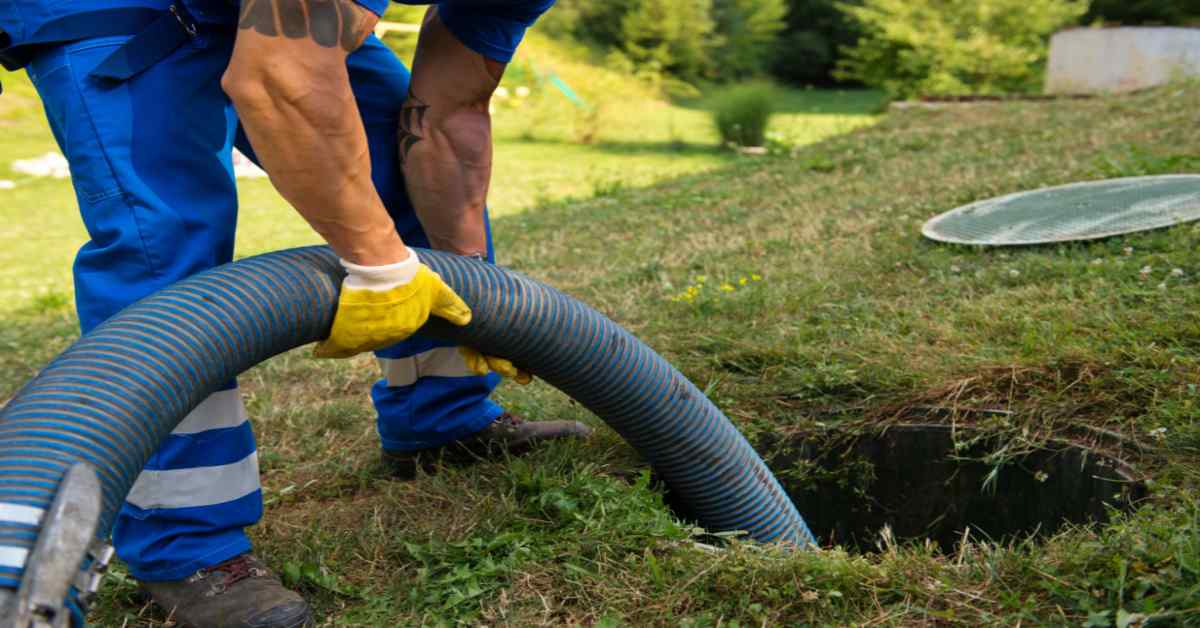
How to Clean a Septic Tank: Methods, Cost, and Maintenance Tips for a Healthy System
Updated : August 29, 2025, 4:28 PM
Author :
 Siri Hegde K
Table of Contents
A septic tank is crucial for managing household wastewater, and proper care is essential to avoid costly damage. Knowing how to clean a septic tank helps keep it running smoothly. Cleaning involves removing sludge, inspecting the tank and using a reliable septic tank cleaner. Professionals may use vacuum trucks, biological agents and jetting tools to clean it properly. DIY cleaners are affordable, starting from ₹300 to ₹1,000, while those of professional services range between ₹5,000 to ₹15,000, depending on the tank size and location. Regular cleaning every 3 to 5 years ensures hygiene, prevents clogs, and increases the tank’s lifespan. By understanding the right products and steps, you can maintain a clean and effective septic system for years.
How to Clean a Septic Tank: Quick Information
Cleaning septic tank systems regularly is vital to avoid blockages, bad smells and health risks. The table below will guide you with key details and how to clean the tank, and the cost:
| Parameter | Quick Info |
| Purpose | Removes sludge, scum, and waste buildup from the septic tank |
| Recommended Frequency | Every 3-5 years (depends on household size and usage) |
| Best Cleaning Method | Professional pumping and inspection |
| Key Tools (For minor cleaning) | Protective gloves, septic-safe hose, bacterial additives |
| Signs cleaning is needed | Slow drains, foul odour, gurgling pipes, water pooling |
| Safety Precaution | Avoid entering the tank, as toxic gases can be fatal |
| Estimated cost in India | ₹5,000 to ₹15,000 depending on the tank size and location |
How to Clean a Septic Tank?
Cleaning a septic tank is an essential task to ensure that it functions efficiently and prevents costly problems. Here’s a detailed explanation of how much to empty a septic tank, and how to clean a septic tank effectively:
1: Gather the Necessary Tools and Equipment
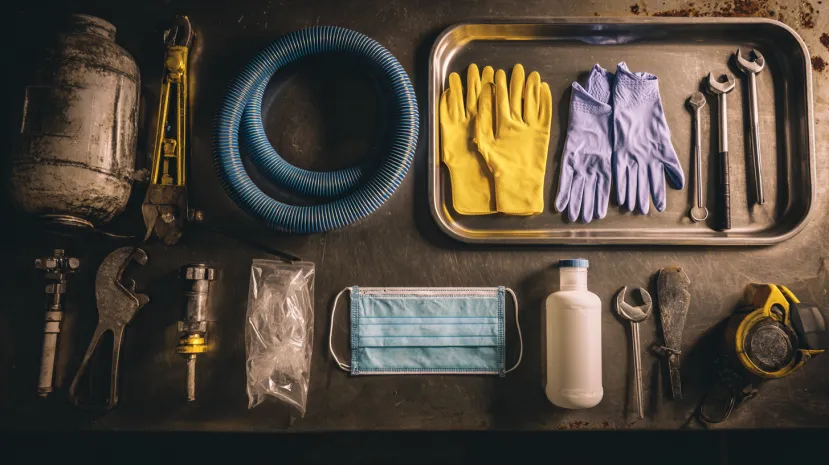
Before you start cleaning your septic tank, you'll need to gather the required tools and equipment. Here's what you'll need:
- Safety Gear: Wear appropriate safety gear, including gloves and eye protection, to protect yourself from exposure to sewage and harmful fumes.
- Septic Tank Pumping Equipment: You'll need a septic tank pump or a vacuum truck to remove the solids and sludge from the tank.
- Access Tools: You may require shovels, a crowbar, or other tools to uncover the septic tank access point.
- Hoses and Disposal Container: You'll need hoses to connect to the pump and a suitable container to collect the waste for proper disposal.
- Sewer Tank Cleaning Chemicals/Additives (if necessary): Depending on the condition of your septic tank, you may consider using septic tank cleaning chemicals or additives. These can help break down solids and improve bacterial activity in the tank.
2: Locate and Uncover the Septic Tank Access
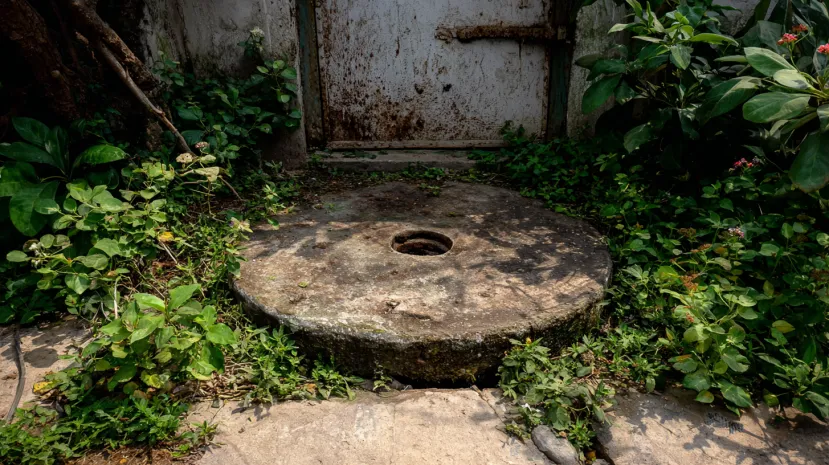
The septic tank access point is usually a round or rectangular lid on the ground's surface. It may be buried under soil, grass, or concrete. To locate and uncover it:
- Start by identifying the septic tank's rough location based on your property's layout and any documentation you have.
- Use a probe or metal detector to pinpoint the exact location of the access point.
- Once located, carefully remove the lid or cover using appropriate tools like a shovel or crowbar. Be cautious not to damage the lid, as you'll need to reseal it later.
3: Pump Out the Solids and Sludge
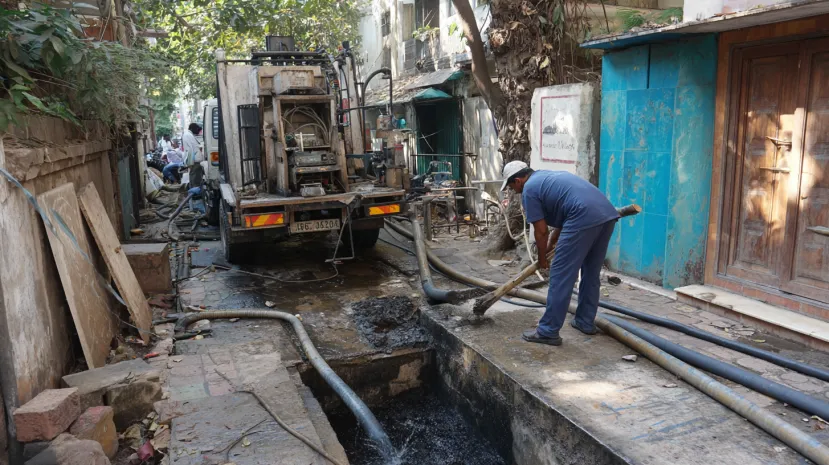
This is a critical step in safety tank cleaning. The solids and sludge that accumulate in the tank need to be pumped out to maintain proper functionality. Follow these steps:
- Connect the septic tank pump or vacuum truck to the access point.
- Begin pumping out the contents of the tank. The pump will remove both liquid and solid waste.
- Ensure that the tank is thoroughly emptied. It's crucial to remove all solids and sludge to prevent clogs and backups.
4: How to clean septic field lines
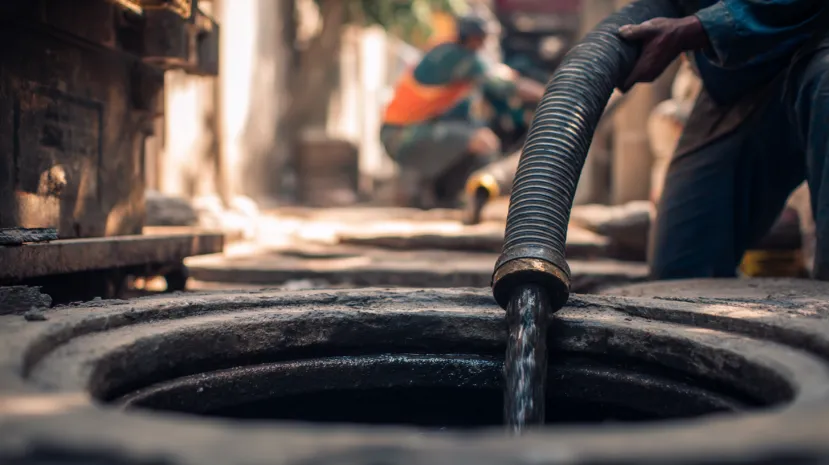
After pumping out the tank, you may choose to add septic tank cleaning chemicals or additives. These products can help break down remaining organic matter and promote the growth of beneficial bacteria in the tank. Follow the manufacturer's instructions carefully when using these products.
5: Perform Regular Inspections and Maintenance
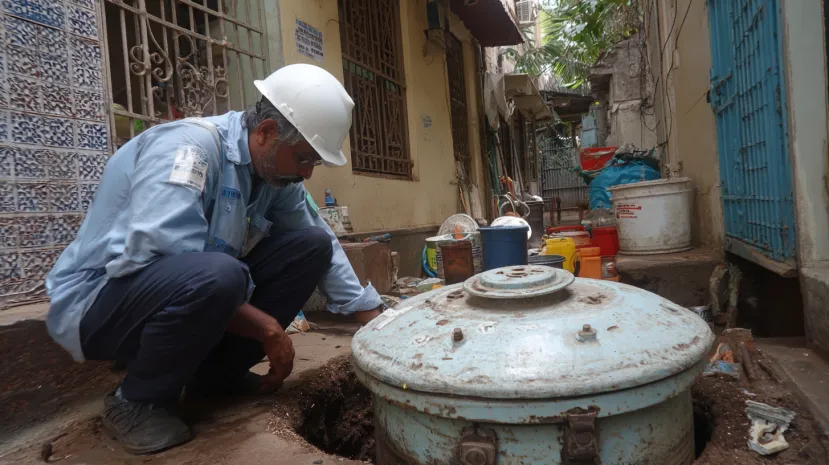
To ensure the continued health of your septic system, it's essential to perform regular inspections and maintenance. Here are some key maintenance tasks:
- Regularly inspect the tank and its components for signs of damage or leaks.
- Check the effluent filter, if present, and clean or replace it as needed.
- Monitor the level of solids in the tank and schedule pumping when necessary (typically every 3-5 years, but this can vary).
- Be mindful of what you flush or pour down drains to avoid clogs and excessive waste buildup.
By following these steps and maintaining a regular cleaning and inspection schedule, you can keep your septic tank in good working condition, preventing costly issues and ensuring the safe and efficient treatment of wastewater on your property.
Septic Tank Maintenance Tips
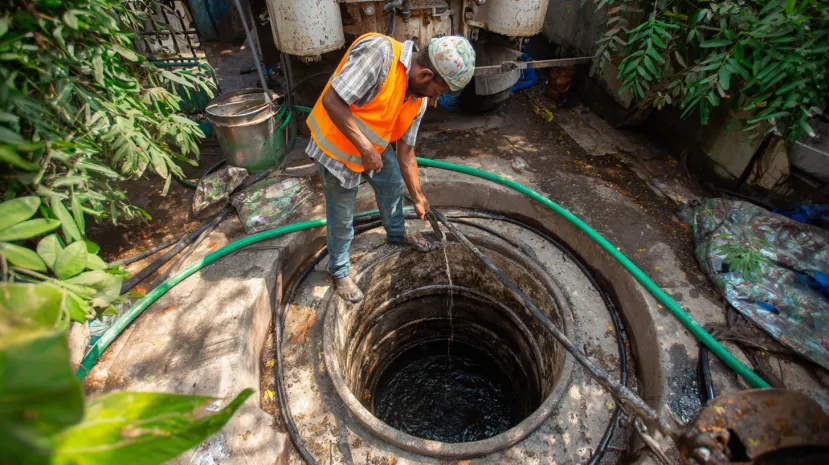
1. Schedule Regular Inspections
- Regular inspections by a professional are essential to catch potential issues early.
- Professionals can assess the condition of your septic tank, check for leaks, and ensure the components are working correctly.
- It's typically recommended to have your septic tank inspected every 1 to 3 years, depending on the tank's size and usage.
2. Be Mindful of Water Usage
- Excessive water usage can overload your septic system, leading to issues like backups and drainage problems.
- Fix any leaks in faucets or toilets promptly.
- Use water-saving appliances and practices, such as low-flow toilets and taking shorter showers.
3. Avoid Flushing Non-Biodegradable Items
- Only flush toilet paper and human waste down the toilet.
- Never flush non-biodegradable items like feminine hygiene products, wipes, diapers, cigarette butts, or chemicals, as they can clog the system and hinder the natural breakdown of waste.
4. Consider Septic Tank Cleaning Powder or Additives
- Septic tank cleaning powder or additives can help enhance the bacterial activity in the tank, aiding in the decomposition of solids.
- Choose products specifically labelled as septic-safe and follow the manufacturer’s recommendations.
- These products can be particularly helpful if your system has been neglected or experiences issues.
5. Maintain Your Drain Field
- The drain field plays a crucial role in wastewater treatment and disposal.
- Avoid parking vehicles or placing heavy structures over the drain field, as this can compact the soil and disrupt its function.
- Plant only grass or shallow-rooted vegetation over the drain field to prevent damage to the pipes and soil absorption area.
How Often Should You Clean a Septic Tank?
Regular maintenance is vital for a healthy septic system. Knowing how to clean a septic tank prevents clogs, foul odours, and costly repairs, ensuring smooth waste management and long-term functionality.
- Every 3-5 years for average homes: This schedule prevents sludge buildup, keeps drains flowing and avoids expensive septic repairs later on.
- Annually, for a large household: More people mean faster waste accumulation, so yearly cleaning avoids overflow and system strains.
- Check every 2-3 years for inspection: Regular inspections help detect early damage, cracks or leaks before a major issue occurs.
- Use the Pumping frequency charts: These show ideal cleaning intervals based on tank size, household usage, and waste type.
- Understand how to clean: Knowing how a septic tank is cleaned helps schedule the cleaning appropriately, ensuring a thorough job and maintaining long-term system health.
How to Clean a Septic Tank without Pumping?
While there are methods to maintain your septic tank and potentially extend the time between pumpings, it's important to understand that completely avoiding pumping isn't recommended. Here are some approaches to consider:
Preventative Measures:
- Use septic-safe products: Avoid harsh chemicals, grease, and non-biodegradable items that can clog your system.
- Minimise solid waste: Garbage disposals can contribute excess solids. Compost food scraps instead.
- Maintain a healthy bacterial balance: Use commercial septic tank additives containing enzymes and bacteria to aid in waste breakdown.
Limited Cleaning Methods:
- Aeration systems: These can introduce oxygen to promote bacterial growth and break down sludge, potentially reducing pumping frequency. (Professional installation recommended)
- Breaking up sludge (professional only): A septic professional can use tools to break up compacted sludge, allowing liquids to flow more efficiently.
Consult Professionals for Major Issues
- If you experience significant problems with your septic system, such as persistent sewage backups, foul odors, or visible damage, it's essential to consult professionals promptly.
- Septic tank issues can worsen quickly, so don't delay in seeking expert assistance.
- Professionals can assess the problem, perform necessary repairs or replacements, and ensure your system operates efficiently.
Remember that proper maintenance of your septic system is essential to prevent costly repairs and environmental contamination. Following these septic tank maintenance tips will help you keep your septic system in good working order and ensure the safe and effective treatment of wastewater on your property.
Septic Tank Cleaning Cost in India
The cost of septic tank cleaning in India can indeed vary significantly depending on several factors. Here's a breakdown of the factors that influence the cost of septic tank cleaning:
- Tank Size: The size of your septic tank is a major determinant of the cost. Larger tanks will require more time and effort to clean, which can result in higher costs.
- Location: The location of your property plays a role in determining the cost. If your property is in a remote or less accessible area, it may be more expensive to get the necessary equipment and personnel to the site. You can also follow Vastu guidelines for septic tank placement for optimum flow of positive energy in your home.
- Access Difficulty: If the septic tank access is difficult to reach, such as being buried under concrete or extensive landscaping, it may require additional labor and equipment, which can increase the cost.
- Depth: The depth of the septic tank can also affect the cost. Deeper tanks may require more specialized equipment and safety measures, contributing to higher expenses.
- Service Provider: Different service providers may offer varying prices for septic tank cleaning. It's essential to obtain quotes from multiple reputable companies to compare costs and services.
- Additional Services: Some service providers may offer additional services as part of their package, such as inspecting and repairing minor issues in the system. These services can affect the overall cost.
- Frequency: If your septic tank hasn't been cleaned in a long time or is severely clogged, it may require more extensive cleaning efforts, which can be costlier.
| Service Type | Average Cost Range |
| Manual cleaning ( small tank) | ₹2,000 to ₹3,500 |
| Machine Vacuum pumping | ₹5,000 to ₹15,000 |
| Inspection + Cleaning (Comprehensive) | ₹7,000 to ₹20,000 |
When to call a Professional Cleaner?
Knowing how to clean a septic tank is useful, but some jobs need expert hands. Below are a few reasons when you can call a professional cleaner:
- When there is slow drainage and a bad smell, it is advisable to call an expert like NoBroker to clean the septic tank.
- When there is a frequent blockage, it is a sign that a skilled professional is needed to clean the tank
- When there is water clogging near the tank, opt for NoBroker to get it checked and repaired.
- When it has been a long time since the last cleaning, call NoBroker for affordable cleaning on time.
- When you don’t know how to clean it, call a professional like NoBroker, who will safely do the work.
How Can NoBroker Help?
Mastering the process of how to clean a Septic Tank is crucial for maintaining a healthy and functional septic system. NoBroker is a platform that offers a range of services to help individuals find and connect with trusted professionals for various home-related needs, including plumbing services. Here’s how NoBroker can help with plumbing services:
- Easy Access to Professionals: NoBroker provides a convenient and user-friendly platform where you can easily find and connect with qualified plumbing professionals. You can browse through a list of verified plumbers in your area.
- Verified Service Providers: NoBroker ensures that all service providers listed on their platform are verified and reliable. This means you can have confidence in the quality of service you'll receive.
- Transparent Pricing: NoBroker provides transparent pricing information for plumbing services. You can get an estimate of the cost before booking a service, helping you make an informed decision.
- Variety of Services: Whether you need routine plumbing repairs, installation of plumbing fixtures, or emergency plumbing services, NoBroker can help you find the right professional for the job.
- Customer Reviews and Ratings: NoBroker allows users to leave reviews and ratings for the plumbing services they receive. This feedback can be valuable in helping you choose the best plumber for your specific needs.
- Booking and Scheduling: You can easily book plumbing services through the NoBroker platform. They offer a convenient scheduling system that allows you to choose a time that works for you.
- Location-Based Services: NoBroker provides location-based recommendations, making it easy to find plumbing services in your specific neighbourhood or locality.
- Additional Services: In addition to plumbing services, NoBroker offers a wide range of other home-related services, such as electricians, carpenters, pest control, and more. This makes it a comprehensive platform for all your home maintenance needs.
Conclusion:
Regular septic tank cleaning is essential to keep the wastewater system healthy and problem-free. Without it, sludge and waste can build up, causing damage, bad smell and costly damage. Cleaning also prevents leaks that may contaminate the soil and water around the house. Whether you use a septic tank cleaner yourself or hire a professional, timely maintenance ensures smooth functioning and a longer lifespan of the tank.
Frequently Asked Questions
A1: In India, the cost of septic tank cleaning can range from approximately ₹2,000 to ₹10,000 or more, depending on the factors. It’s important to note that prices can vary from region to region and from one service provider to another.
A2: Yes, you can clean your septic tank yourself if you have the necessary tools and knowledge. However, hiring a professional is recommended for safety and efficiency.
A3: Some septic tank cleaning chemicals can be used safely if they are labelled as septic-safe. However, it’s crucial to follow the manufacturer’s instructions and use them sparingly.
A4: Signs of a full septic tank include slow drains, foul odours, and sewage backup. Regular maintenance and inspections can help prevent these issues.
A5: Septic tank cleaning powder can be a helpful additive, but it's not a substitute for pumping out solids and sludge. Pumping is essential for proper maintenance.
A6: The most effective method for cleaning a septic tank involves arranging for a professional service every three to five years, coupled with a strict practice of not disposing of non-biodegradable substances down the drain.
A7: To naturally clean your septic tank, regularly flush a mixture of yeast, brown sugar, and lemon juice, which helps maintain healthy bacteria levels and decomposes waste effectively.
A8: If you don’t clean a septic tank, waste builds up, causing clogs, bad smells and costly damage to the drainage system as well as the surrounding.
A9. Chemical cleaning can harm the natural bacteria in the septic tank, reducing efficiency. It is safer to use septic-safe cleaners or biological treatments for effective and long-lasting cleaning.
Recommended Reading
How to Clean a Septic Tank: Methods, Cost, and Maintenance Tips for a Healthy System
January 16, 2025
14519+ views
Water Tank Cleaning Liquids: 10 Best Solutions for Safe and Effective Cleaning for 2026
April 28, 2025
11263+ views
How to Clean a Sintex Water Tank at Home: Step-by-Step Guide
January 31, 2025
9996+ views

How to Clean Water Tank Without Removing Water: Easy and Safe Methods for 2026
May 3, 2025
4577+ views
NoBroker Easy Cleaning Tips Testimonials
Most Viewed Articles
List of the Best Home Cleaning Apps: Book Home Cleaning Services for Daily and Deep Cleaning
January 31, 2025
27524+ views
Deep Clean Your Washing Machine: Step-by-Step Guide & Tips
January 31, 2025
21780+ views
How to Get Rid of Bathroom Flies: 8 Quick Methods
January 31, 2025
21195+ views

Top 10 Tile Cleaner Liquids with Prices in India for 2026
February 23, 2025
19740+ views

Diwali Cleaning Tips and Guide: Make Your Home Shine for the Festival in 2026
January 31, 2025
18308+ views
Author
Loved what you read? Share it with others!
Recent blogs in
Move-In vs Move-Out Cleaning: Key Differences & Complete Checklist in 2026
March 9, 2026 by Krishnanunni H M
Bathroom Steam Cleaning: Process, Benefits, and Professional Tips in 2026
March 9, 2026 by Priyanka Saha










 Full RM + FRM support


Join the conversation!