Table of Contents
Loved what you read? Share it with others!


How to Keep Your Home Dust-Free: Best Cleaning Tips & Tricks in 2026
Updated : December 22, 2025, 11:27 PM
Author :
 Krishnanunni
Table of Contents
Knowing how to avoid dust in your home begins with understanding its importance, as dust can trigger allergies, affect breathing, and make cleaning more challenging. For a dust-free home, start by vacuuming the carpet and upholstery with a HEPA filter, dusting with microfiber cloths, and mopping the floors regularly. Use products such as all-purpose cleaners, air purifiers, and anti-dust sprays for better results. Prevent dust by sealing gaps in windows and doors, using doormats and washing fabrics often. Natural remedies include using a vinegar water spray for cleaning and placing indoor plants that improve air quality. Essential tools include microfiber mops, lint rollers, and vacuum cleaners. Additionally, professional cleaning costs range from ₹1,000 to ₹5,000, depending on the size of the house, making regular upkeep both affordable and essential.
| Aspect | Quick Answer |
| Main Cause of Dust | Outdoor dirt, fabrics, pet dander, skin cells |
| Best Prevention Tip | Vacuum with HEPA filter weekly |
| Best Natural Method | Keep windows closed and use indoor plants |
| Recommended Cleaning Frequency | Light cleaning daily, deep cleaning monthly |
| Best Tools | Microfiber cloth, vacuum and air purifier |
| Cost to Keep Home Dust-Free | ₹500 to ₹2,000 depending on the cleaning supplies and filter maintenance |
Top 10 Effective Ways to Keep Your Home Dust-Free
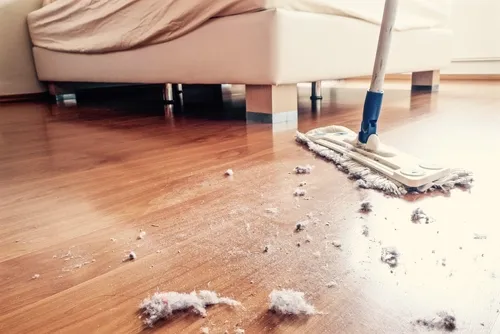
A dust-free house feels fresher, cleaner and supports better health. With the proper techniques and habits, you can reduce dust buildup and enjoy a more comfortable living space.
1. Seal Gaps and Cracks in Your Home
Sealing gaps and cracks is a simple yet effective way to block dust and improve your home’s air quality.
- Inspect windows and doors for visible gaps or cracks that may allow dust and allergens inside.
- Clean the identified area properly before applying any sealing material for better adhesion.
- Use caulk or other quality sealants to close gaps and improve insulation.
- Test for remaining leaks by checking for drafts.
2. Buy a Vacuum Cleaner and Vacuum Clean Regularly
Effective vacuuming not only removes visible dirt and debris but also removes smaller dust particles, allergens, and microscopic pollutants that can affect indoor air quality.
- Invest in a vacuum cleaner with a HEPA filter to trap fine dust, and choose one that is specifically designed for your cleaning surface.
- Vacuum all your carpets, rugs, and upholstery at least once a week to prevent dust buildup.
- Move it slowly to allow the filter to capture more particles. Don't rush the process.
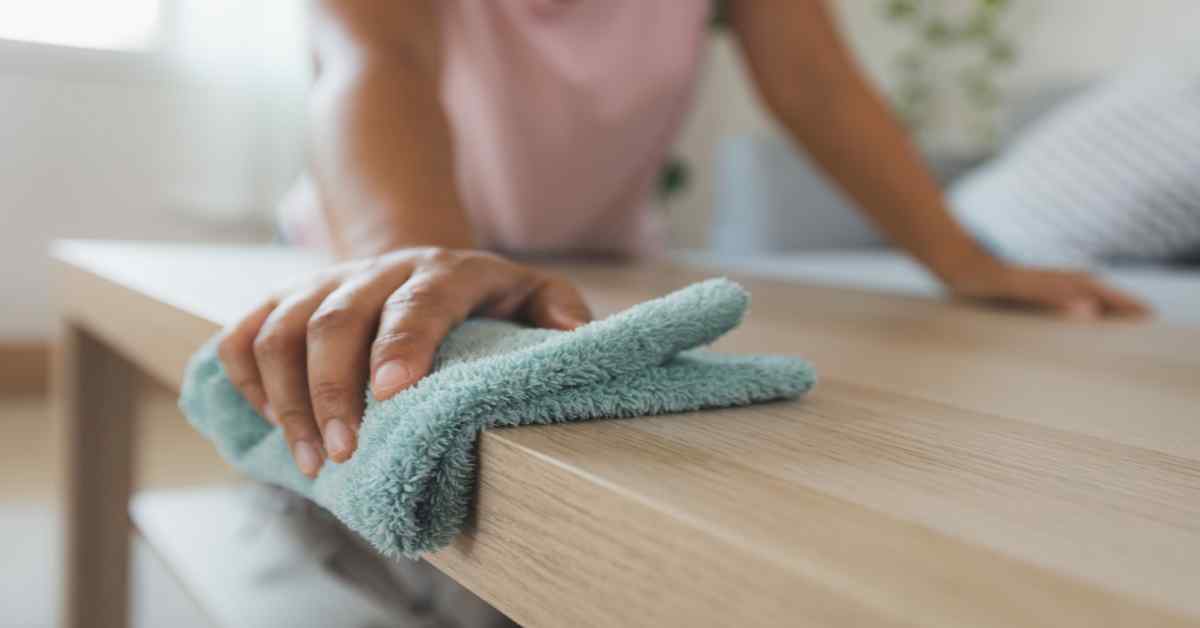
3. Don’t Dry Dust, instead, Wet Wipe
Dry dusting can often lead to the dispersion of dust particles into the air, making it harder to effectively remove them from your home. Instead, consider wet wiping as a more effective and actionable method to eliminate dust from your living space.
Here's how to wet wipe:
- Gather Supplies: Collect microfiber cloths, a suitable cleaning solution.
- Dampen Cloth: Ensure it's damp, not overly wet, and wring out excess liquid.
- Start High, Be Methodical: Begin cleaning high areas methodically to avoid dust resettling.
- Maintain Regularly: Include wet wiping in your cleaning routine, focusing on detailed cleaning and proper dust disposal.
4. Keep Windows Closed and plants on Window Sills
Keeping windows closed and using plants can significantly reduce indoor dust, making your home cleaner and fresher throughout the year.
- Maintain plans regularly to ensure they stay healthy.
- Keep windows closed to prevent outdoor dust from entering your house.
- Place plants on windowsills to naturally filter and freshen the air.
5. Avoid Carpets and Rugs
Carpets and rugs can trap dust, but with a few smart habits, you can keep your indoor air fresh and clean.
- Vacuum carpets weekly with a HEPA filter vacuum to effectively remove dust and allergens.
- Place doormats at the entrance to reduce dirt and dust from entering the home.
- Follow a no-shoes policy indoors to prevent outdoor debris from collecting on carpets.
6. Use Blinds Instead of Drapes
Switching from heavy curtains to blinds can help reduce buildup and make window cleaning quicker and more manageable.
- Use blinds instead of heavy drapes to minimise dust and allergens.
- Clean blinds regularly with a microfiber cloth or duster.
- Choose moisture-resistant blinds for easier maintenance and longer-lasting cleanliness.
7. Install an Air Purifier
Adding an air purifier with a HEPA filter can reduce dust and allergens, making your indoor air cleaner and healthier.
- Select an air purifier equipped with a HEPA filter for optimal removal of dust and allergens.
- Run the purifier daily for consistent air cleaning and freshness.
- Maintain the purifier by cleaning and replacing the filter as recommended.
8. Use Dust-Proof Pillow and Mattress Covers
Using dust-proof covers on pillows and mattresses helps block dust mites and allergens, keeping your bedding fresher for longer.
- Use high-quality dust-proof covers to prevent dust mites from settling in bedding.
- Wash covers and bedding regularly in hot water to remove allergens.
- Replace old pillows and mattresses when they are difficult to clean or have lost their support.
9. Minimize Clutter
Reducing clutter helps prevent dust buildup, makes cleaning easier, and keeps your home looking neat, fresh, and well-organised.
- Remove unnecessary items that collect dust, like old books and unused decor.
- Store essentials in closed cabinets or boxes to limit dust exposure.
- Declutter regularly to maintain a cleaner and more organised living space.
10. Smart Air Monitoring
A smart air quality monitor tracks indoor dust levels in real time, helping you maintain a cleaner and healthier home.
- Use a smart air quality monitor to detect rising dust levels quickly.
- Adjust cleaning habits based on real-time air quality readings
- When the dust levels are high, improve ventilation or use an air purifier.
3 Bonus Tips for Dust Control in Your Home
- Change Air Purifier Filters Regularly: If you use an air purifier, especially important in India's dusty climate, be sure to change its filters as recommended by the manufacturer. Clean filters ensure the purifier continues to effectively remove dust and pollutants from the air.
- Install Monsoon-Proof Door Seals: Heavy rains and winds can bring in dust and debris. Installing monsoon-proof door seals can help keep the elements out, minimizing the amount of dust entering your home.
- Opt for Dust-Repellent Fabrics: When choosing curtains, upholstery, and bedding in India's dust-prone environment, consider fabrics that are treated to repel dust. These fabrics can be particularly helpful in maintaining a cleaner living space.
How Often Should You Dust Your Home?

Regular dusting is essential for a clean and healthy living space. Practising dust prevention at home helps reduce allergens, improve air quality, and keep surfaces fresh and well-maintained throughout the year. Below are a few pointers to help you understand how you should dust:
- Daily: Lightly dust high-traffic areas, such as countertops, electronics, and dining tables, to prevent buildup and maintain cleanliness, especially in homes with pets or high outdoor exposure.
- Weekly: Dust furniture, shelves and decor with a microfiber cloth and vacuum attachment to keep surfaces dust-free and reduce allergens.
- Monthly: Perform a deep cleaning, including ceiling fans, vents, and areas behind furniture, to remove hidden dust and prevent it from spreading.
- Seasonally: Clean curtains, wash bedding, and service air purifiers to remove accumulated dust from fabrics and filters, ensuring a healthier environment.
Common Mistakes That Make Your Home Dust Free
While trying to achieve a dust-free house, many overlook simple habits. Understanding how to avoid dust at home means knowing the mistakes that actually increase dust instead of reducing it. Below are common mistakes to look for:
- Ignoring air filters: Not cleaning or replacing air filters regularly allows dust to circulate indoors, reducing air quality and making it harder to clean. Change filters every 1-3 months for best results.
- Dry Dusting Surfaces: Using a dry cloth just moves dust around instead of removing it. Use a damp microfiber cloth to trap particles and prevent them from spreading.
- Skipping fabric cleaning: Not washing bedding, curtains, and upholstery often leads to trapped dust and allergens. Wash these fabrics at least every two weeks to maintain a cleaner environment.
- Overlooking Hidden Areas: Forgetting to clean behind appliances, under furniture, and inside vents allows dust to build up. These hidden spots need regular attention to keep your home truly clean.
- Poor Ventilation: Lack of fresh airflow traps indoor dust. To know how to prevent dust, open the window occasionally and use an air purifier.
How NoBroker Can Help With Cleaning Services
Knowing how to avoid dust in your home starts with regular cleaning, sealing gaps, using an air purifier and minimising clutter. Simple steps, such as vacuuming with a HEPA filter, washing fabrics, and keeping windows closed, go a long way in improving indoor air quality. To make it easier, NoBroker offer professional cleaning services that save time. By learning how to protect the home from dust and using expert help, you can enjoy a cleaner and healthier living space.
Frequently Asked Questions
Ans: Close windows, use door mats, seal gaps and keep the shoes outside. Regular cleaning and air purifier can further reduce dust from entering the house.
Ans: Sealing the gaps blocks dust, allergens, and insects from entering the house. It also improves insulation, lowers energy costs and maintains a cleaner, healthier indoor environment for your family.
Ans: Use a vacuum cleaner with a HEPA filter. It traps fine dust particles, preventing them from recirculating back into the air during cleaning, thereby improving air quality.
Ans: Vacuum carpets and upholstery at least once a week. Increase the frequency where there are pets or high dust for better results.
Ans: No, dry dusting often spreads dust instead of removing it. Use a damp microfiber cloth to trap and remove dust.
Ans: Use an air purifier, keep windows closed during high dust, add indoor plants and maintain proper ventilation to improve indoor air quality.
Ans: Vacuum weekly with a HEPA filter, use doormats, and deep clean annually. Follow a no-shoes policy to keep carpets and rugs clean.
Ans: An air purifier removes dust, allergens, and pollutants from the air, making it cleaner to breathe and reducing allergy symptoms at your house.
Ans: They block dust mites and allergens from settling in bedding, improving sleep quality and reducing allergy triggers. For a healthier sleep.
Ans: Clutter collects dust, making cleaning harder. Reducing unnecessary items helps keep the surface cleaner and creates a more organised, dust-free house.
Ans: A smart air quality monitor tracks indoor dust levels in real time, helping to take quick action like cleaning and improving ventilation.
Recommended Reading
List of the Best Home Cleaning Apps: Book Home Cleaning Services for Daily and Deep Cleaning
January 31, 2025
27396+ views

Diwali Cleaning Tips and Guide: Make Your Home Shine for the Festival in 2026
January 31, 2025
18306+ views
Top 10 Best Robot Vacuum Cleaner in India 2026: Feature, Price and Performance
January 31, 2025
18124+ views

Top 30 Cleaning Tools You Need for a Spotless and Well-Maintained Home in 2026
January 31, 2025
11030+ views
How to Keep Your Home Dust-Free: Best Cleaning Tips & Tricks in 2026
November 28, 2023
10977+ views
NoBroker Easy Cleaning Tips Testimonials
Most Viewed Articles
List of the Best Home Cleaning Apps: Book Home Cleaning Services for Daily and Deep Cleaning
January 31, 2025
27396+ views
Deep Clean Your Washing Machine: Step-by-Step Guide & Tips
January 31, 2025
21737+ views
How to Get Rid of Bathroom Flies: 8 Quick Methods
January 31, 2025
21026+ views
Top 10 Tile Cleaner Liquids with Prices in India for 2026
February 23, 2025
19666+ views
Diwali Cleaning Tips and Guide: Make Your Home Shine for the Festival in 2026
January 31, 2025
18306+ views
Author
Loved what you read? Share it with others!
Recent blogs in
Move-In vs Move-Out Cleaning: Key Differences & Complete Checklist in 2026
March 9, 2026 by Krishnanunni H M
Bathroom Steam Cleaning: Process, Benefits, and Professional Tips in 2026
March 9, 2026 by Priyanka Saha










 Full RM + FRM support


Join the conversation!