Table of Contents
Loved what you read? Share it with others!


A guide to Upgrade Your Home Ventilator Design Today
Updated : March 26, 2026, 12:32 AM
Author :
 Ar. Mohammed Shahaan
Table of Contents
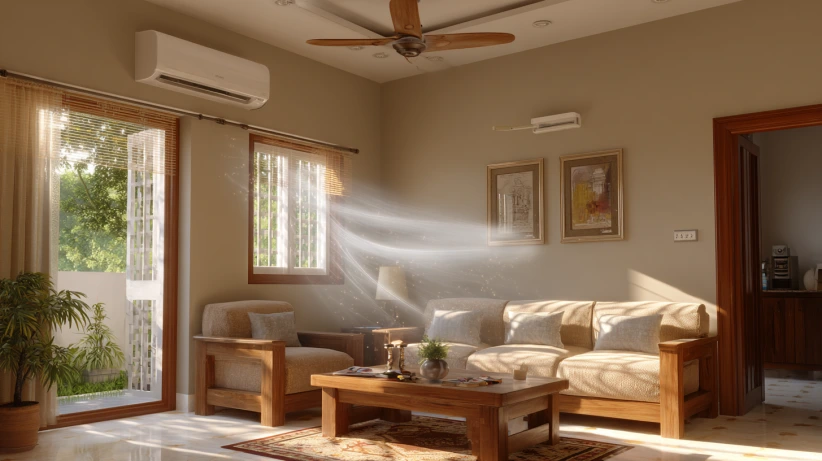
A well-designed home ventilator design system can transform your living space by improving airflow, reducing humidity, and removing indoor pollutants. Proper ventilation brings in fresh air and natural light, enhancing comfort, energy efficiency, and overall health. This guide explores different ventilator designs, compares natural and mechanical systems, and offers practical tips for creating a breezy, healthy, and inviting home environment.
Understanding Home Ventilation
A 2026 study by the Indian Green Building Council found that homes optimised for natural lighting and airflow can reduce energy use by 20–30%, while improving thermal comfort and indoor air quality. Home ventilation involves exchanging indoor air with fresh outdoor air to maintain a balanced, healthy environment. It is particularly important in Indian homes, where humidity, heat, and pollution can affect comfort and air quality.
A well-designed system:
- Maintains optimal indoor temperatures
- Controls moisture levels
- Removes odours and airborne contaminants
- Reduces energy use by supporting natural cooling and heating
Analysing the Effectiveness of Home Ventilation Designs
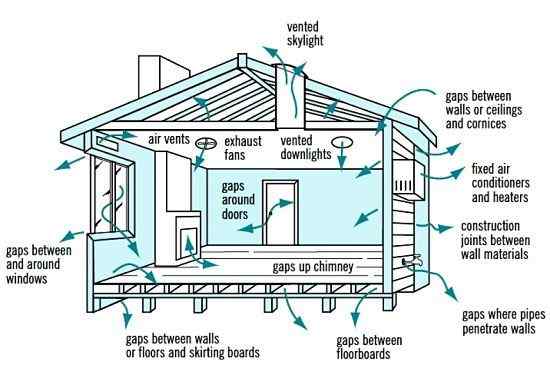
When evaluating the efficiency of house ventilation design, numerous factors must be considered, including the type of ventilation system used, climate conditions, the ability to control moisture, and long-term operating costs.
- Type of ventilator used: As this can have a significant impact on air quality and energy efficiency. For instance, a well-designed mechanical ventilator can ensure that fresh air is constantly circulated throughout the home while also minimising energy waste.
- Ability to evaporate moisture while still keeping out pollutants: Properly designed exhaust systems should allow moisture generated by activities like cooking or showering while simultaneously preventing outside contaminants from entering the home’s interior spaces.
- Its operating cost over time: In addition to initial installation costs, an inefficient system will lead to higher monthly bills due to increased energy consumption or maintenance needs compared with an efficient system.
With careful planning and thoughtful design decisions, it is possible to balance comfort and cost-efficiency when building a new home or renovating an existing one. Each space in a home needs a different airflow solution to balance comfort, hygiene, and energy efficiency. Understanding the available design options helps you make informed choices that suit both function and interior planning.
Popular Home Ventilator Designs for Indian Homes
Home ventilator designs vary based on placement, material, and airflow method. From window-based solutions to ceiling- and wall-mounted options, each design serves a specific purpose. The sections below explain common home ventilator designs, their use cases, and key details to help you select the right option for every room in your home.
1. Window Ventilator Design for Home
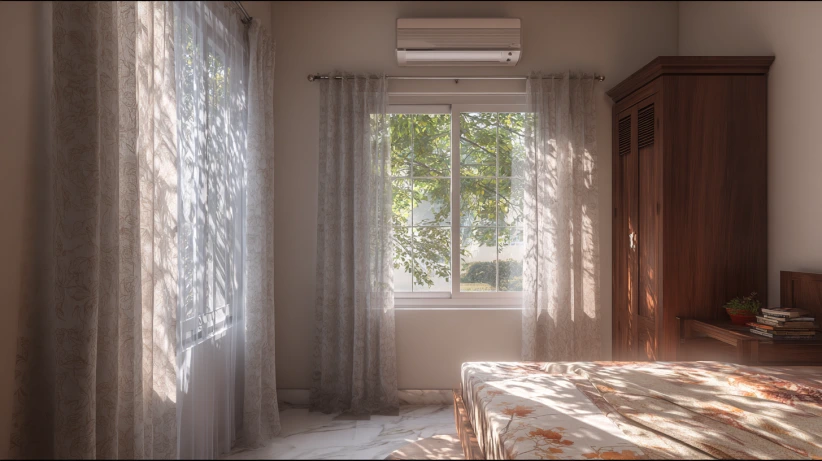
The window ventilator design provides steady airflow without fully opening windows. This design helps reduce dust, noise, and heat while keeping indoor spaces comfortable. It fits well in apartments where controlled ventilation matters every day.
| Parameter | Details |
| Approximate price | ₹800 to ₹3,000 per unit, depending on size and material |
| Best for | Bedrooms and living rooms where privacy and airflow both matter |
| Possible materials | Aluminium for durability, UPVC for insulation, glass panels for light |
| Ventilation type | Natural airflow through the pressure difference between inside and outside |
| Maintenance level | Low since no electrical parts are involved |
| Noise control | Reduces outside noise better than fully open windows |
2. Wooden Ventilator Design for Home
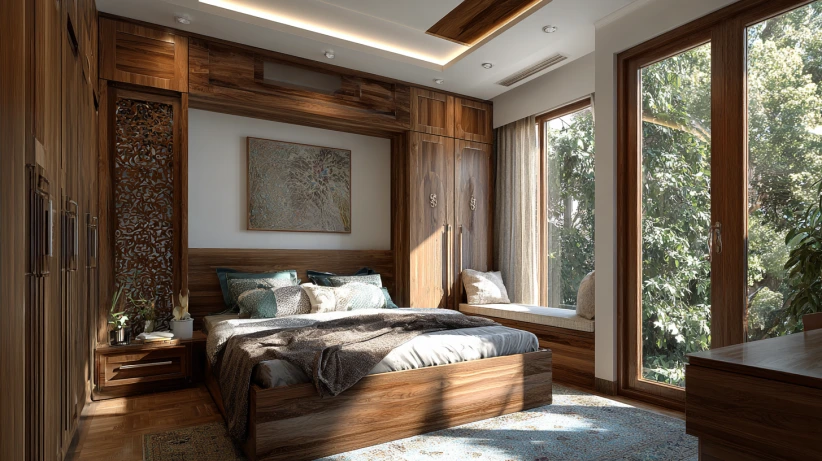
Wooden ventilator design blends ventilation with interior warmth. This design suits homes that use wood in doors, windows, or wall panels. Proper spacing allows airflow while the finish protects the surface from moisture damage.
| Parameter | Details |
| Approximate price | ₹2,500 to ₹8,000 per unit based on wood quality |
| Best for | Living rooms, pooja rooms, villas with classic interiors |
| Possible materials | Teak wood for strength, sal wood for durability, engineered wood for cost control |
| Ventilation type | Natural airflow through carved or slatted openings |
| Maintenance level | Medium due to polishing and moisture care |
| Visual appeal | Adds warmth and matches traditional interior themes |
3. Wall-Mounted Home Ventilator Design
Wall-mounted ventilator design improves airflow in spaces with limited windows. This design helps remove moisture and odours effectively. Compact sizing makes it suitable for functional areas that need regular air exchange.
| Parameter | Details |
| Approximate price | ₹1,200 to ₹4,500 per unit, depending on airflow capacity |
| Best for | Kitchens, bathrooms,and utility areas with moisture buildup |
| Possible materials | PVC for moisture resistance, aluminium for long-term use |
| Ventilation type | Natural airflow or exhaust-assisted airflow |
| Maintenance level | Low with simple cleaning every few months |
| Moisture control | Prevents damp walls and ceiling stains |
4. Exhaust Fan Home Ventilator Design
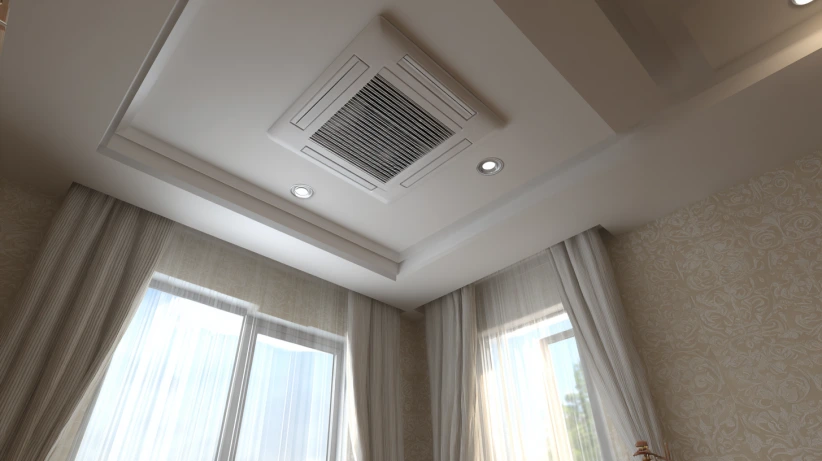
Exhaust fan ventilator design removes hot air, smoke, and humidity quickly. This design works best in closed spaces where natural airflow remains limited. Correct placement improves performance and energy efficiency.
| Parameter | Details |
| Approximate price | ₹1,500 to ₹6,000 per unit based on blade size |
| Best for | Kitchens, toilets, and store rooms with poor airflow |
| Possible materials | Plastic body for rust control, metal blades for strength |
| Ventilation type | Mechanical airflow using an electric motor |
| Maintenance level | Medium due to dust buildup on blades |
| Air removal speed | Clears smoke and moisture within minutes |
5. Ceiling Home Ventilator Design
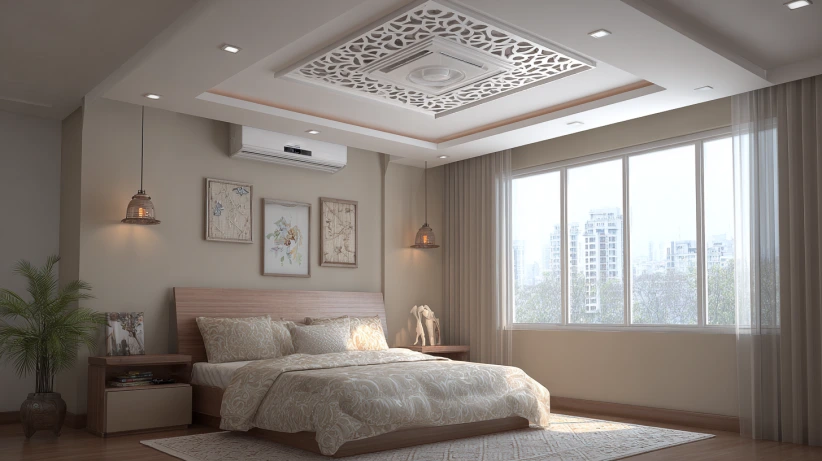
The ceiling ventilator design helps release trapped hot air from the upper areas of a room. This design suits homes with high ceilings where heat collects near the top. It improves comfort without heavy power use.
| Parameter | Details |
| Approximate price | ₹2,000 to ₹7,000 per unit, depending on size |
| Best for | High ceiling rooms, top floor homes, and halls |
| Possible materials | Aluminium for lightweight, steel for strength |
| Ventilation type | Natural airflow sis upported by heat movement |
| Maintenance level | Low with periodic dust cleaning |
| Heat control | Reduces room temperature naturally |
The Distinction Between Mechanical and Natural Ventilation
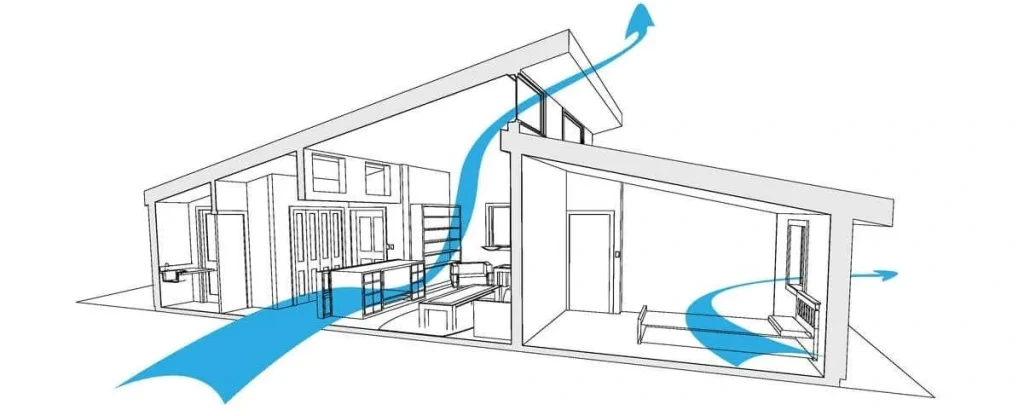
Natural ventilation is the process of moving air through an environment without the use of powered equipment, while mechanical ventilation uses fans or blowers to move air throughout a space.
| Feature | Natural Ventilation | Mechanical Ventilation |
| Airflow Method | Open windows and vents | Fans or blowers actively circulate air |
| Energy Use | Zero electricity consumed | Requires electricity |
| Consistency | Weather dependent | Consistent airflow year-round |
| Filtration | Not available | Advanced filters improve air quality |
| Cost | Low | Higher installation and running costs |
| Reliability | Variable | Reliable regardless of outdoor conditions |
The Functions of a House's Ventilation System
Home ventilation design plays an important role in providing a comfortable, healthy, safe indoor environment. It ensures that fresh air is consistently circulated throughout the home and stale air is removed. Proper home ventilation also helps reduce energy costs by reducing the need for cooling and heating systems.
Some of the most common functions of house ventilation design include:
- Temperature Control– Ventilation helps maintain optimal temperatures across different rooms of the house by controlling humidity levels and balancing indoor and outdoor temperatures, reducing energy costs for cooling and heating systems.
- Humidity Levels– Ventilation helps regulate humidity by drawing in moisture-rich outdoor air and expelling moisture-laden indoor air when needed.
- Odour Removal – Home ventilation removes unwanted odours through exhaust fans or open windows, while introducing fresher scents into your living spaces through regular airflow cycles.
- Contaminant Removal – By regularly exchanging fresh outdoor air with stale indoor air, these contaminants can be removed from our living spaces, thereby improving overall health and comfort levels in our homes.
Steps to Improve House Ventilation
Upgrading your home's ventilation is essential to improve air quality and overall comfort. You can take several steps to ensure your house has adequate ventilation, including checking that all exhaust fans are working correctly, sealing cracks around windows and doors, and installing a ventilation system.
Here are detailed steps to enhance ventilation in your home:
- Ensure Exhaust Fans Are Fully Functional: Check kitchen and bathroom exhaust fans for dust, blockages, or damage. Clean them regularly and ensure they vent air directly outside to prevent moisture buildup.
- Seal Cracks and Gaps Around Doors and Windows: Inspect frames for cracks and seal them with caulk or weatherstripping. This prevents dust and pollutants from entering while supporting controlled ventilation.
- Install a Full-House Ventilation System: For consistent airflow throughout your home, consider a whole-house ventilation system. Whole-house systems provide steady airflow by bringing in fresh air and removing stale air. Professional installation ensures balanced airflow and better efficiency.
- Incorporate an Energy Recovery Ventilator (ERV): Energy Recovery Ventilator (ERV) systems transfer heat and moisture between incoming and outgoing air. They improve comfort, reduce humidity, and lower energy use in extreme climates.
- Optimize Window Placement and Cross Ventilation: Place windows on opposite walls to allow natural airflow. Open them during cooler hours and use fans to enhance circulation where needed.
- Maintain Ducts and Air Filters: Replace or clean filters as recommended by the manufacturer and inspect ductwork periodically for leaks or blockages. Dirty ducts and clogged filters reduce airflow, decrease system efficiency, and allow allergens to circulate.
- Avoid Obstructing Airflow: Furniture, curtains, or storage placed in front of vents or windows can block airflow and reduce ventilation effectiveness. Arrange interiors to allow unobstructed air movement and keep vents clear for maximum efficiency.
Tips for Better Indoor Air Ventilation
One of the best ways to improve indoor air quality is by ensuring proper ventilation in the home. Here are a few tips to help ensure that your home’s ventilation system is working optimally.
- Utilise exhaust fans in the kitchen, bathroom, and other areas prone to moisture build-up. These should be powerful enough and properly installed to move air out of the home and should be replaced every five years.
- Look for strategic locations around the house where you can place vents to draw air out of problem areas, such as attics or basements with limited airflow. This will help regulate humidity levels in these spaces and reduce the risk of mould or mildew growth.
- Ensure your ventilator design meets local building codes, including ductwork sizing requirements and fan capacity specifications. Work with a qualified professional to ensure your system is up to code and optimised for efficiency.
- Ensure all exhaust fans function properly and seal any cracks or gaps around windows or doors where air could escape. This will create an energy-efficient environment while also improving indoor air quality by preventing pollutants from entering through these openings.
By following these simple tips, you can ensure that your home’s ventilation system works optimally and provides better indoor air quality for your family’s health and comfort over time!
Benefits of Good House Ventilation Design
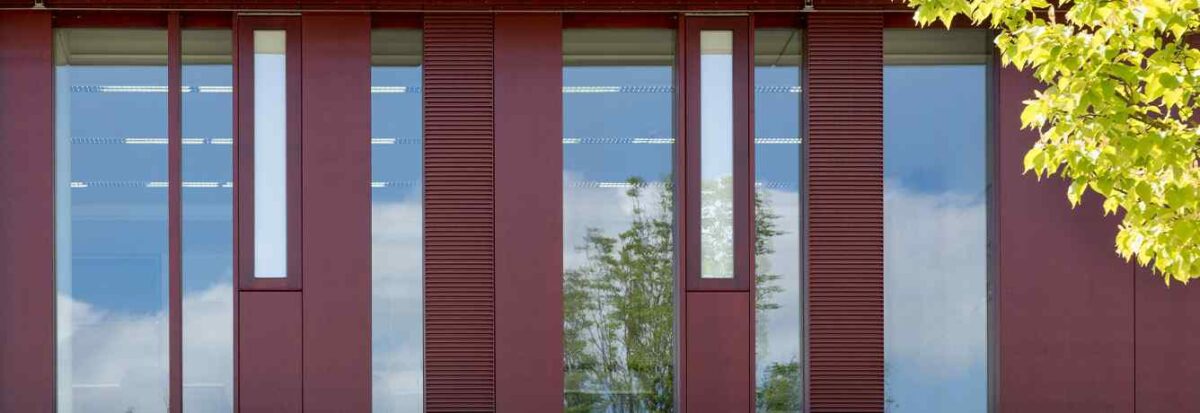
Good house ventilation design plays a key role in creating a comfortable and healthy living space. Proper airflow prevents excess moisture, improves air quality, and reduces the risk of mould growth and health issues.
- Lower energy use and heating costs: Effective ventilation helps retain warmth during winter and allows cool air to circulate in summer. Balanced airflow controls humidity levels, reduces condensation on walls and windows, and prevents mould that can trigger respiratory problems.
- Better indoor air quality: A well-planned ventilation system removes indoor pollutants from sources such as smoke, cleaning products, and daily activities. Homes with good airflow report fewer allergy and asthma-related issues over time.
- A more comfortable living environment: Fresh air improves indoor air quality and enhances overall comfort. A thoughtfully planned home ventilation system supports energy efficiency, moisture control, and long-term indoor air quality.
- Protection of Home Structure and Interiors: Proper ventilation helps prevent moisture damage, peeling paint, and decay to walls, ceilings, furniture, and wooden elements.
- Longer Life of Appliances and Fixtures: Controlled humidity reduces rust and corrosion in electrical fittings, kitchen appliances, and bathroom fixtures.
- Improved Sleep and Daily Productivity: Better oxygen flow and a more balanced temperature support quality sleep and improved focus during the day.
- Higher Property Value and Buyer Appeal: Homes with efficient ventilation systems are more attractive to buyers and tenants, especially in urban markets.
A well-designed home ventilation system can improve indoor air quality, reduce energy costs, and promote healthier indoor air. By considering the type of ventilator used, climate conditions, moisture control, and long-term operating costs, you can ensure your home's ventilation system is working effectively and efficiently. To learn more about home ventilators and their designs, visit the NoBroker website.
How NoBroker Can Help with Home Ventilator Design?
NoBroker Interior helps homeowners plan the right home ventilation design with expert guidance and verified interior professionals. You can explore ventilation-friendly interior layouts, room-wise design ideas, and material options that suit Indian homes and climate needs. NoBroker connects you with trusted interior designers and renovation experts who ensure proper airflow planning, moisture control, and energy efficiency. This support helps improve indoor air quality, protect home interiors, and enhance long-term comfort without unnecessary costs.

FAQ's
A home ventilator is designed to bring in fresh air and expel stale air. It works by drawing in outside air, which is usually filtered and treated, and pushing it into the home's living space.
Many benefits are associated with having a home ventilator installed in your residence. These include improved air quality from increased fresh-air circulation, reduced heating/cooling costs from optimised thermostat settings, better humidity control, less dust accumulation, and fewer airborne allergens in the living space.
Home ventilators typically consist of two main components – an intake fan unit and an exhaust fan unit. The intake fan draws in outside air, which is then filtered, depending on the type of system you have installed.
The filtered air is then pushed through ducts or pipes into your living space while simultaneously pulling stale indoor air out through the exhaust unit, which expels it outdoors.
Yes, there are several types of ventilation systems available for homes, including central ventilation systems, LEV (Local Exhaust Ventilation) systems, MVHR (Mechanical Ventilation with Heat Recovery) systems, natural stack ventilation systems, hybrid systems that combine multiple methods such as LEV & MVHR together, and more.
It’s important to consider local climate conditions when selecting a system that meets your needs. Some options may be more suitable than others. Home Ventilator Design
Depending on where you live.
We strongly advise hiring a professional if you intend to install one, even if some individuals may decide to do it themselves for their own use. If not adequately addressed upfront by someone with expertise, it might result in costly repairs down the road due to safety concerns or other legal issues arising from faulty installation or setup processes.
Recommended Reading
Top Hanging Light Ideas to Illuminate Your House
January 31, 2025
395618+ views
Best 3 Bedroom House Plan: Modern and Space-Efficient Layouts for 2026
January 31, 2025
70379+ views
How to Make a Room Soundproof: 15 Ideas That Work Like a Charm
January 31, 2025
32558+ views
25 Front Gate Designs for Houses: Secure, Stylish and Functional Ideas 2026
January 31, 2025
31869+ views

South Indian Village House Design: Top 15 Trending of 2026
January 31, 2025
30949+ views
NoBroker Interior Design Tips & Ideas Testimonials
Most Viewed Articles
Top Hanging Light Ideas to Illuminate Your House
January 31, 2025
395618+ views
15 Wall-Mounted Dining Table Design Ideas
January 31, 2025
106311+ views
Best 3 Bedroom House Plan: Modern and Space-Efficient Layouts for 2026
January 31, 2025
70379+ views
How to Make a Room Soundproof: 15 Ideas That Work Like a Charm
January 31, 2025
32558+ views
25 Front Gate Designs for Houses: Secure, Stylish and Functional Ideas 2026
January 31, 2025
31869+ views
Author
Loved what you read? Share it with others!
Recent blogs in
Top 9 Interior Designers in Bangalore (2026): Best Experts for Home Interiors
March 25, 2026 by Ananth
The Best Wallpaper Designs for Living Room in India 2026
August 21, 2025 by Ananth
5 Latest Wall Decoration Ideas to Transform Your Home Instantly
August 20, 2025 by NoBroker.com









 Full RM + FRM support


Join the conversation!