Table of Contents
Loved what you read? Share it with others!


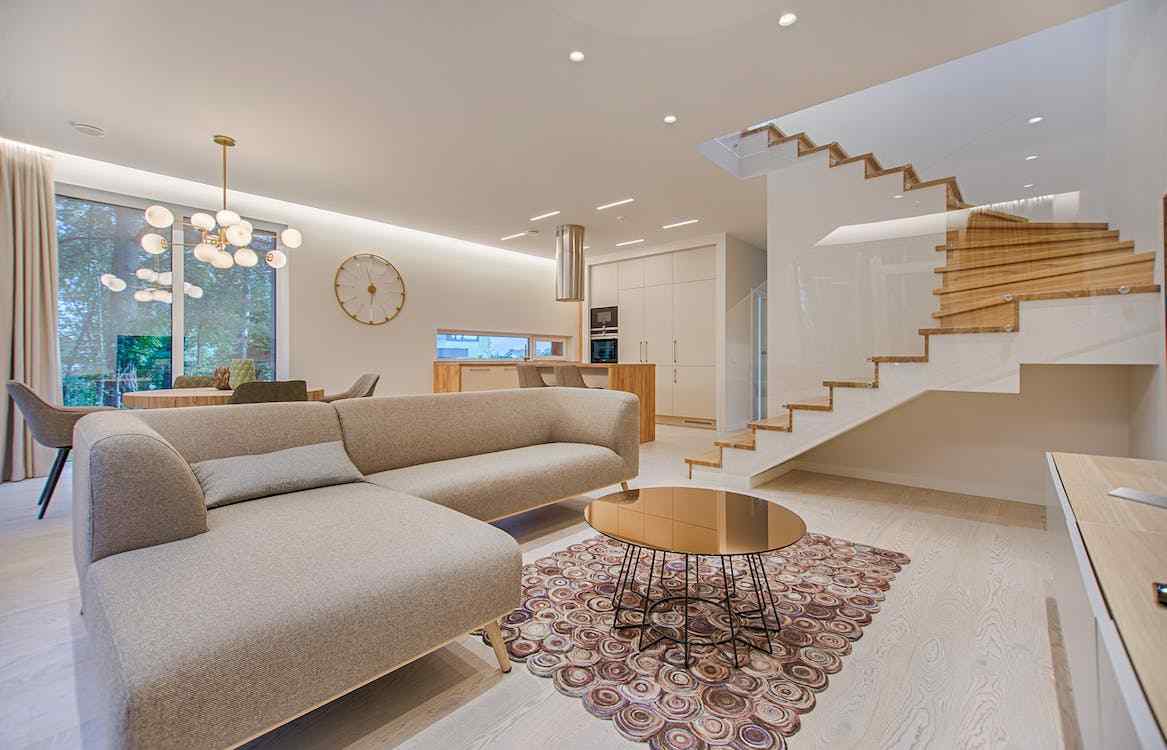
Gypsum vs POP: Which is Better for False Ceilings?
Updated : March 6, 2026, 3:32 PM
Author :

Gypsum vs POP ceiling, both options offer distinct benefits for interior design. Gypsum ceilings are factory-made, durable, moisture-resistant, and require minimal maintenance, making them suitable for modern homes and offices. POP ceilings provide greater design flexibility and decorative finishes but are more prone to cracking and need regular maintenance, particularly in humid conditions.
Table of Contents
Picking the right false ceiling can work wonders for your interiors, but many people are left perplexed when deciding between the two. The gypsum vs pop ceiling comparison may leave you wondering about the strength, finish, price, and value for money. But if you are looking for an elegant, functional ceiling that meets your needs, it is high time you knew the difference. The comparison highlights what is important, generates interest in the flexibility and ease of maintenance, creates a desire for a smarter, better choice, and motivates you to make the right decision.
Gypsum vs POP Ceilings: Which is Better for False Ceilings?

Picking the right false ceiling can completely change your interiors, but many people get confused when comparing POP vs. gypsum false ceiling options. The gypsum vs pop ceiling comparison may often leave you wondering about the strength, finish, price, and overall value for money. If you are looking for an elegant, functional ceiling that suits your lifestyle, it is essential to understand the differences. This comparison highlights what's important, generates interest in the flexibility and maintenance aspects, creates a desire for a smarter, better choice, and motivates you to make the right decision by helping you choose between the two.
Gypsum Ceiling vs POP Ceilings: Quick Info
The table below will show the detailed information about the gypsum false ceiling vs pop false ceiling
| Features | Gypsum Ceiling | POP Ceiling |
| Installation | Quick, factory-made board | Labour-intensive, slower |
| Finish | Smooth, seamless joints | Slightly rough, unless polished |
| Moisture Resistance | Good | Poor (prone to dampness) |
| Fire Resistance | Yes, fire-rated boards are available | Basic resistance |
| Cost | ₹50 to ₹120 (per sq ft) | ₹40 to ₹100 (per sq ft) |
| Durability | 15 to 20 years | 10 to 12 years |
| Designs | Limited curve, best for clean lines | Excellent for curves and intricate patterns |
| Best for | Living room, bedroom, commercial space, kitchen and bathroom | Living room, bedroom, commercial space, kitchen, and bathroom |
What is Gypsum Ceiling?

A gypsum ceiling is a type of false ceiling made from gypsum boards, factory-manufactured for uniformity and strength. It is lightweight, durable, and resistant to fire and moisture, making it ideal for modern homes. Gypsum false ceilings offer smooth finishes, support stylish designs, and are quick to install and easy to maintain.
Gypsum False Ceiling: Advantages vs Disadvantages
| Advantages | Disadvantages |
| Can be moulded into any shape or design for versatile interiors | Gets damaged in damp and leakage-prone areas like the kitchen and bathroom |
| Durable and resistant to daily wear and moderate humidity | Not water resistant, easily damaged in damp areas |
| Offers smooth, textured, or patterned finishes for a great aesthetic | Made of non-combustible materials, withstands high temperature, safer in fire-prone areas. |
| Made of non-combustible materials, it withstands high temperatures and is safer in fire-prone areas. | Higher material and installation costs compared to POP ceilings |
What are POP Ceilings?

POP ceilings are false ceilings made using Plaster of Paris, a quick-setting material known for its flexibility and smooth finish. They are lightweight, easy to mould into creative shapes, and widely used for decorative interiors. POP ceilings are cost-effective but less durable than gypsum and are often prone to cracks over time.
POP False Ceiling: Advantages vs Disadvantages
| Advantages | Disadvantages |
| Can be moulded into any shape or design, giving endless options for interior customisation | May develop cracks if not installed properly, reducing overall ceiling appeal |
| Withstand daily wear and tear, and can handle moderate humidity | Not water resistant, unstable in damp and leakage-prone areas |
| Available in smooth, textured, or patterned finishes for stylish interiors. | Matching the original texture and finish during repair is challenging |
| Lightweight, quick to set up, easy to handle | Available in smooth, textured, or patterned finishes, these options complement stylish interiors. |
Unlock stunning PoP colour combinations that suit every interior style - Explore!
Difference Between POP and Gypsum Ceilings

When choosing a false ceiling, understanding the differences between gypsum vs pop ceiling helps homeowners pick a durable, aesthetic, and cost-effective solution
| Features | Gypsum False Ceiling | POP False Ceiling |
| Material | Factory-made gypsum boards ensure consistent quality and durability | Made from Plaster of Paris, mixed and applied on site |
| Durability | Long-lasting, moisture and fire resistance | Prone to cracks and less durable over time |
| Design Flexibility | Offers modern, sleek designs, but limited moulding flexibility | Ideal for intricate, creative shapes, and detailed designs |
| Weight & Installation | Heavier, requires professional installation with minimal maintenance | Lightweight, easy to install, but may require frequent repair |
| Cost | Pricier but perfect for modern and durable interiors | Budget-friendly and suitable for decorative purposes |
Cost Comparison Between Gypsum and POP False Ceilings

Understanding the differences between gypsum and plaster of Paris false ceilings helps homeowners choose the right option based on their budget and design needs. The table below will show the cost comparison to make the right choice:
| Features | Gypsum false ceiling | POP false ceiling |
| Material cost | ₹50 to ₹120 per sq. ft | ₹40 to ₹100 per sq. ft |
| Installation cost | ₹40 to ₹80 per sq. ft | ₹30 to ₹60 per sq. ft |
| Maintenance Cost | ₹5 to ₹10 per sq. ft yearly | ₹15 to ₹25 per sq. ft yearly |
| Total approx cost | ₹95 to ₹210 per sq. ft | ₹85 to ₹125 per sq. f |
Durability Comparison Between Gypsum and POP False Ceilings
The key differences between the durability of gypsum and POP false ceilings are listed below, which describe the strength, resistance to cracking, moisture resistance, maintenance, and durability of both materials:
- Gypsum ceilings are less prone to cracking, whereas POP ceilings often develop hairline cracks with time.
- Gypsum boards are less prone to dimensional changes and less affected by temperature and structural changes than POP.
- Gypsum (particularly moisture-resistant boards) is more suitable in humid and wet environments, whereas POP fails quickly in wet environments.
- Gypsum ceilings can withstand minor impacts without much damage, whereas POP is brittle and prone to chipping and cracking.
- Gypsum ceilings require less maintenance than POP ceilings, which require frequent repairs and touch-ups.
- Gypsum boards can be easily replaced, whereas POP repairs are often patchwork and noticeable.
- Gypsum false ceilings have a longer lifespan (8-15 years) than POP ceilings (5-12 years).
- Gypsum ceilings maintain their shape and finish (slice) over time, whereas POP ceilings may sag if they come into contact with water or moisture.
- In general, gypsum false ceilings are more durable, stable, and reliable than POP false ceilings in normal environmental conditions.
Factors to Consider When Choosing Between Gypsum and POP False Ceilings
Here are the key factors to consider when choosing between gypsum board ceiling vs POP falseceilings based on durability, cost, design needs, maintenance, and environmental conditions:
- Material Quality: Gypsum boards are manufactured in the factory with consistent quality, whereas POP is made on site, with greater emphasis on workmanship.
- Durability: Gypsum boards are more durable and less prone to cracking than POP ceilings.
- Moisture Resistance: Gypsum performs better in humid or damp conditions, whereas POP is highly sensitive to moisture.
- Design Flexibility: POP supports decorative and curved designs, whereas Gypsum is well-suited to simple, modern layouts.
- Maintenance: Gypsum requires minimal maintenance, whereas POP requires frequent crack repairs and repainting.
- Installation Time: Gypsum installation is faster and cleaner, while POP installation is slow and messy.
- Repair and Replacement: Gypsum boards can be easily replaced if damaged, whereas POP repairs are patch-based and noticeable.
- Weight: Gypsum ceilings are lighter and place less load on the structure compared to POP ceilings.
- Cost: POP is typically cheaper upfront, but gypsum is more cost-effective over the long term due to lower maintenance costs.
- Suitability: The final choice depends on budget, design needs, climate conditions, and durability requirements.
How Can NoBroker Help?
NoBroker's interior team makes home renovation hassle-free and straightforward. They first understand your space, style, and budget and then provide a detailed plan. Using advanced 3D visualisation, they will show exactly how your ceiling will look, helping you make better design choices. The team handles everything from material selection to installation, ensuring quality and timely execution. Most projects are completed efficiently without unnecessary delays. With transparent pricing, expert guidance, and professional execution, NoBroker Interior Services ensures a smooth experience. Homeowners can visualise, customise, and complete their interiors with confidence, making NoBroker a reliable choice for interior solutions.

Frequently Asked Questions
Ans: Gypsum ceilings are durable, moisture- and fire-resistant, while POP ceilings are cheaper, flexible for design, but less durable and prone to cracking.
Ans: Gypsum ceilings are better as they resist moisture and heat, while POP may get damaged in damp areas.
Ans: Gypsum false ceilings can be more expensive than POP false ceilings due to the material's higher quality and durability. However, the cost difference may vary by location and the specific design and installation requirements.
Ans: Both gypsum and POP false ceilings can be installed in any room; however, it's essential to consider factors such as lighting, maintenance, and climate before making a decision.
Ans: Gypsum false ceilings are more eco-friendly than POP false ceilings because they are made of natural gypsum, a non-toxic, recyclable material. POP false ceilings, on the other hand, are made of plaster of Paris, which is derived from gypsum but requires additional processing and energy consumption
Ans: Plasterboard is a modern construction material made of gypsum sandwiched between layers of paper, ideal for walls and ceilings. Plaster of Paris (POP) is traditionally used to create decorative elements due to its moldability.
Recommended Reading
Gypsum vs POP: Which is Better for False Ceilings?
January 31, 2025
29985+ views

29 Popular Bedroom POP Ceiling Design Ideas for Your Home In 2026
April 30, 2025
21995+ views

Modern POP Ceiling Designs for Living Rooms, Bedrooms, Halls, Kitchens and Bathrooms in 2026
May 3, 2025
19189+ views
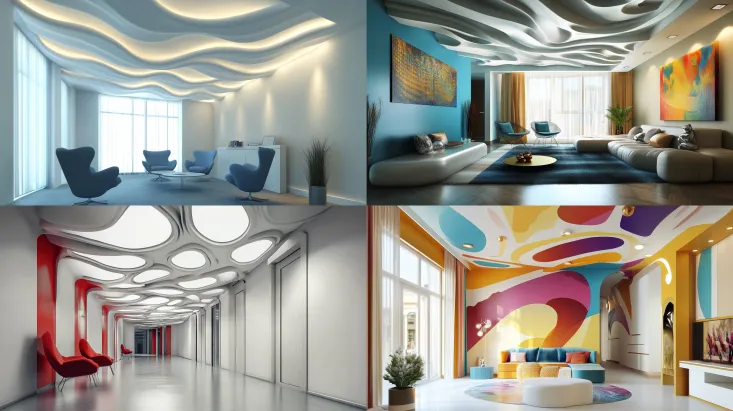
25 Best Modern Pop Plus Minus Design: Sleek Ceiling Ideas for a Contemporary Look for 2026
January 15, 2025
14888+ views

Top 15 PVC Panel Ceiling Designs for the Bedroom
January 15, 2025
14766+ views
NoBroker Interior Design Tips & Ideas Testimonials
Most Viewed Articles

Top Hanging Light Ideas to Illuminate Your House
January 31, 2025
395603+ views
15 Wall-Mounted Dining Table Design Ideas
January 31, 2025
106291+ views
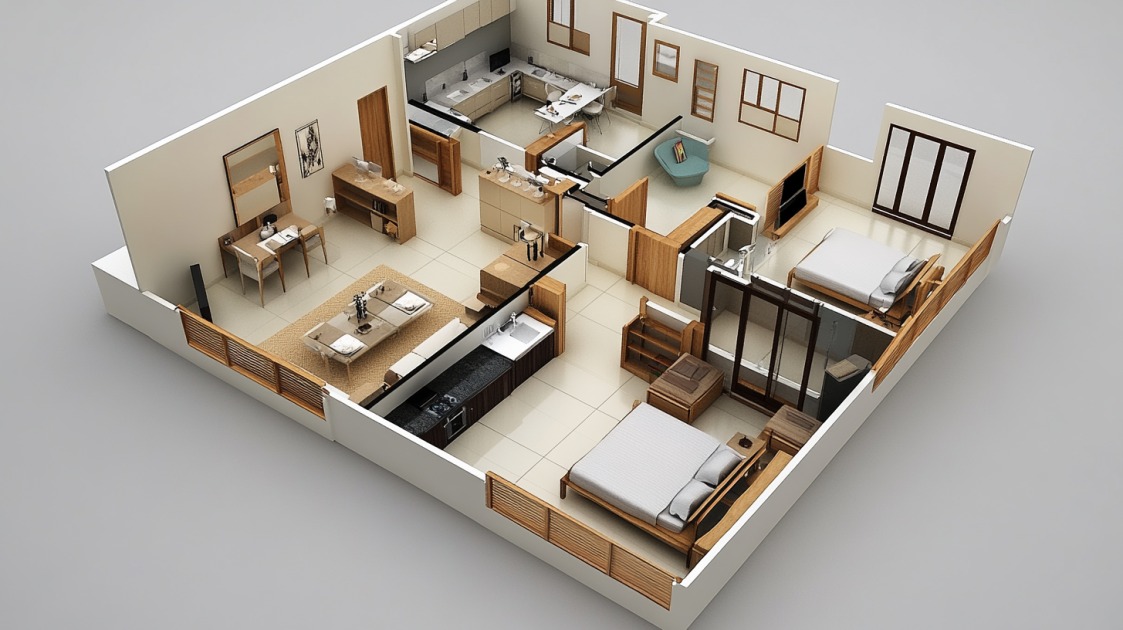
Best 3 Bedroom House Plan: Modern and Space-Efficient Layouts for 2026
January 31, 2025
69799+ views
How to Make a Room Soundproof: 15 Ideas That Work Like a Charm
January 31, 2025
32454+ views
25 Front Gate Designs for Houses: Secure, Stylish and Functional Ideas 2026
January 31, 2025
30834+ views
Author
Loved what you read? Share it with others!
Recent blogs in
The Best Wallpaper Designs for Living Room in India 2026
August 21, 2025 by Ananth
5 Latest Wall Decoration Ideas to Transform Your Home Instantly
August 20, 2025 by NoBroker.com
Modern Luxury Bedroom Interior Design Ideas for Contemporary Indian Homes in 2026
May 15, 2025 by Manu Mausam










 Full RM + FRM support


Join the conversation!