- https://www.croma.com/unboxed/detergents-for-front-and-top-load-washing-machines?
- https://www.vijaysales.com/blog-listing/top-vs-front-load-detergent-what-is-best-for-your-machine
- https://www.paiinternational.in/blog-details/which-detergent-is-right-for-your-washing-machine
- https://washmart.in/powder-vs-liquid-detergents/
- https://www.haier.com/in/blogs/20230531_210387.shtml
Table of Contents
Key Differences Between Top Load and Front Load Detergents What Is Front-Load Detergent? What Is Top Load Detergent? Front Load vs Top Load Detergent: Key Differences Can You Use Top-Load Detergent in a Front-Load Machine? Can You Use Front-Load Detergent in a Top-Load Machine? Signs You Are Using the Wrong Detergent? What happens if you use the wrong detergent? Tips for Choosing the Right Detergent for Your Washing Machine Choosing the Right Detergent: Final RecommendationsFrequently Asked Questions?
Loved what you read? Share it with others!


Front Load vs Top Load Detergent: What is the Difference and Which is Better in 2026
Updated : December 30, 2025, 12:49 PM
Author :
 Krishnanunni
Summary
Front load detergents are low-foam, high-efficiency detergents designed for front load washing machines that use less water. They prevent excess suds, residue and drum damage. Top load detergents create more foam because top load machines use more water and stronger agitation. Using the wrong detergent can cause poor cleaning, bad smell, overflow of foam or even machine damage. For best results, always use HE or front load detergent for front loaders and regular top load detergent for top loaders.
Table of Contents
Key Differences Between Top Load and Front Load Detergents What Is Front-Load Detergent? What Is Top Load Detergent? Front Load vs Top Load Detergent: Key Differences Can You Use Top-Load Detergent in a Front-Load Machine? Can You Use Front-Load Detergent in a Top-Load Machine? Signs You Are Using the Wrong Detergent? What happens if you use the wrong detergent? Tips for Choosing the Right Detergent for Your Washing Machine Choosing the Right Detergent: Final RecommendationsFrequently Asked Questions?
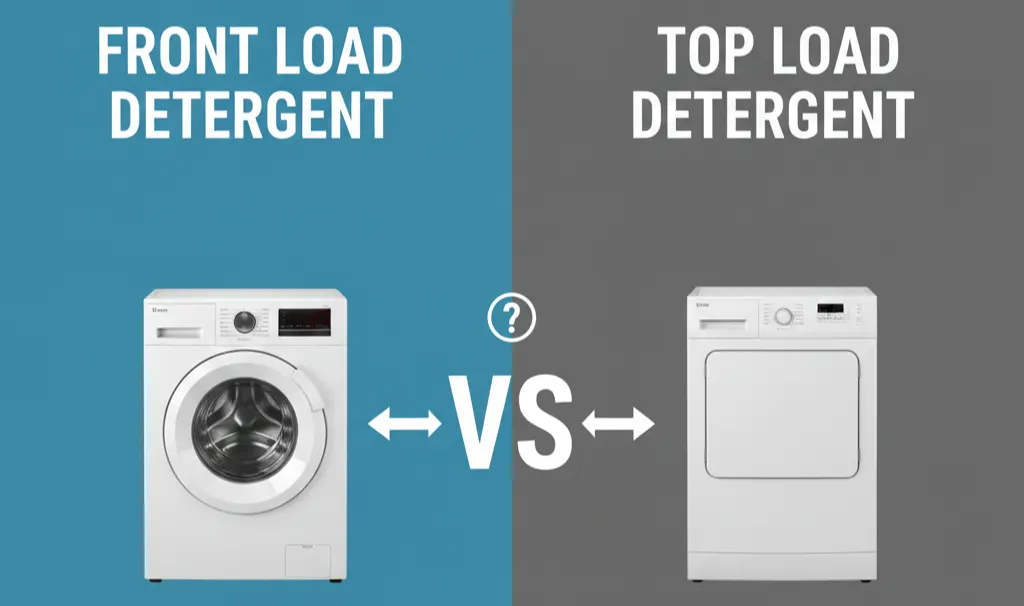
The choice between front load vs top load detergent is more than just selecting a brand; it is a compatibility issue that directly impacts your washing machine’s efficiency and lifespan. Top-load formulas create high suds for vertical stirring in high water, while front-load (High-Efficiency or HE) products produce minimal foam for gentle horizontal tumbling in low water. Understanding this essential difference between front load and top-load detergents prevents machine damage and ensures your clothes are cleaned and rinsed properly.
Key Differences Between Top Load and Front Load Detergents
The core difference between front and top-load detergents lies in the formula's density and foaming capability, features dictated entirely by the physics of the washing machine itself.
| Feature | Top Load Detergent | Front Load Detergent (HE) |
|---|---|---|
| Suds/Foam Level | High suds, high lather (Required for high water levels) | Minimal suds, low foam (Required for low water levels) |
| Concentration | Less concentrated per dose | Highly concentrated per dose |
| Water Requirement | Designed for machines that submerge clothes fully (More water) | Designed for machines that use a spray/tumble action (Less water) |
| Washing Action | Works with mechanical vertical agitation (stirring) | Works with gentle horizontal tumbling and gravity |
| Rinsing | Relies on high water volume to flush out foam | Low suds rinse out easily with minimal water volume |
| Risk if Misused | Poor cleaning, inadequate dirt suspension | Excessive foam, overflow, damage to internal sensors/pump |
What Is Front-Load Detergent?
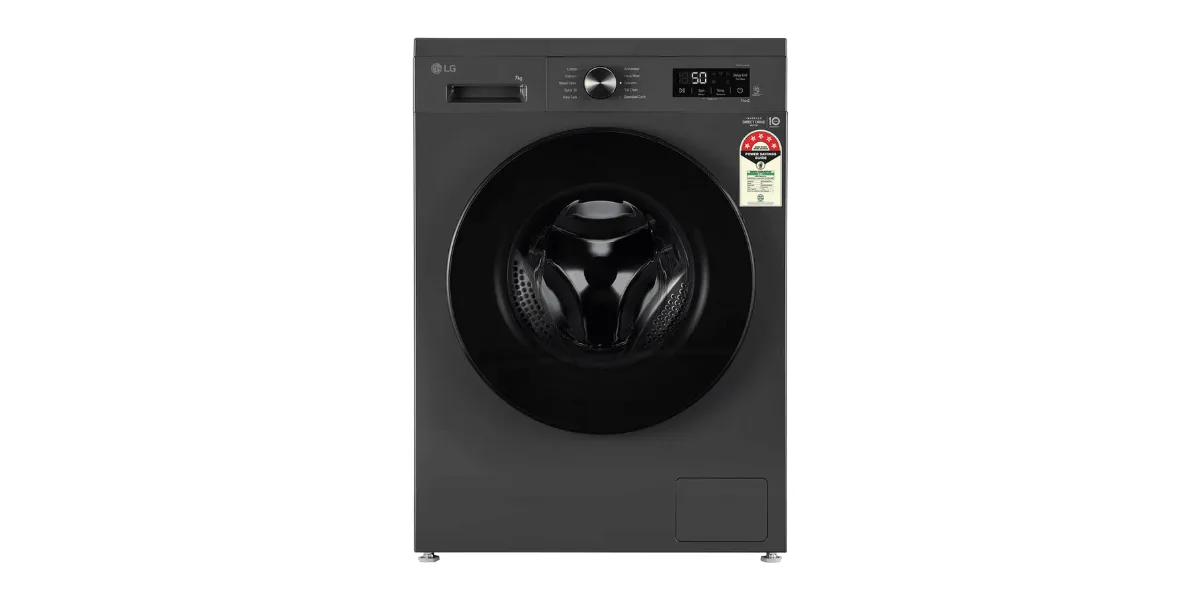
Front-load detergent is a highly concentrated formula used in horizontal-drum washing machines. This formula is often labeled High-Efficiency (HE) because it is engineered to clean effectively in the low-water environment of a front-load washer, relying on the fabric tumbling action rather than massive foam generation. [1]
- Key Details
- The chemical composition includes specialized agents to prevent excessive foaming and often polymers that help suspend dirt particles even in minimal water.
- When to Use
- Always use front load detergent exclusively in front-load washing machines. This is mandatory for protecting the appliance's sensors and for achieving powerful stain removal.
- Pros:
- Low-suds formula rinses easily, protecting fabrics and preventing residue.
- Concentrated, using less water and energy while still cleaning effectively.
- Helps protect motor seals, pump, and sensors from foam-related damage.
- Cons:
- Higher cost per unit compared to regular top-load detergents.
- Not suitable for top-load machines due to low sudsing for vertical agitation.
What Is Top Load Detergent?
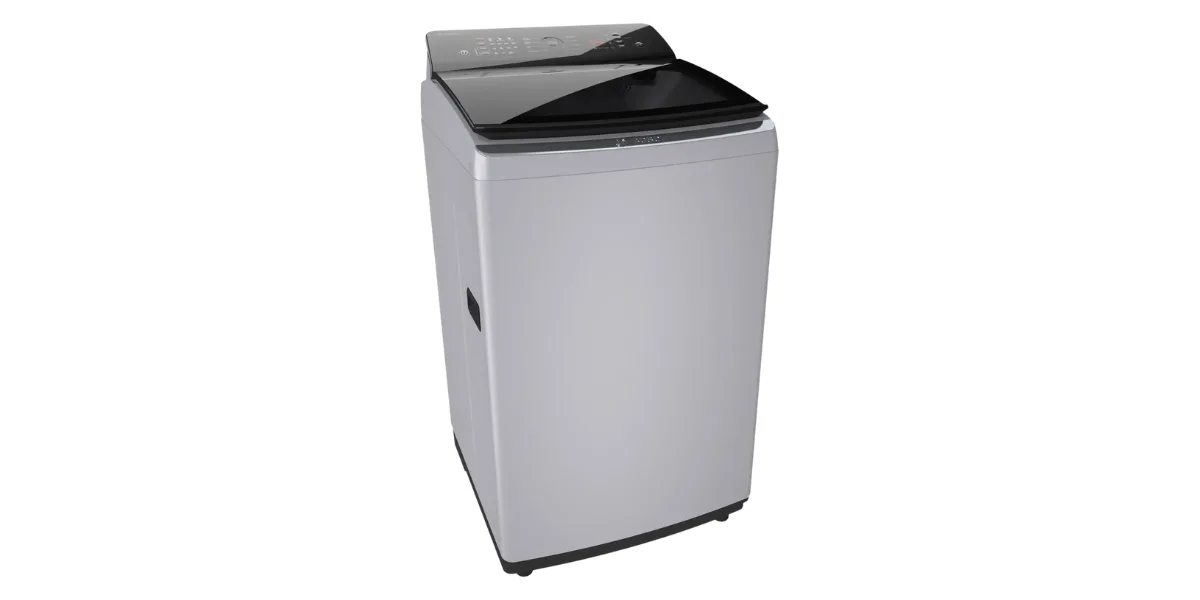
Top-load detergent is formulated to work best in high-water-volume, vertical washing of top-load washing machines. The chemical composition is designed to generate high suds and a thick lather, which are necessary to lift dirt from submerged clothes and carry it away in the large volume of water. This high foaming action is precisely why it is wholly unsuitable for front-load machines. [2]
- Key Details
- Top-load detergent contains robust sudsing agents that create thick, stable foam, which is necessary to circulate and lift dirt effectively within the machine's high-capacity water tank.
- When to Use
- Always use top-load detergent exclusively in top-load washing machines, as it provides the required lather for the agitator or impeller system to suspend and remove dirt properly.
- Pros:
- Lower upfront cost, making it more affordable initially.
- Produces enough suds for effective cleaning in high-water washes.
- Provides proper lubrication and foam for vertical agitation.
- Cons:
- Uses more water, making it less water-efficient.
- High foaming can leave sticky detergent residue on clothes.
Front Load vs Top Load Detergent: Key Differences
The primary difference between top-load and front-load detergents revolves around preventing machine malfunctions or achieving a proper clean, which is directly tied to the machine's required operating environment. [3]
- Top-load formulas create aggressive foam for vertical stirring; front-load formulas create minimal suds for horizontal tumbling.
- Front-load (HE) liquids are chemically denser and more concentrated per dose. Top-load liquid is lighter and requires a larger measure per wash to achieve results.
- Top-load detergents need the clothes to be fully submerged. Front-load detergents need the clothes to tumble through minimal water and concentrated cleaning agents.
- While top load vs front load detergent costs differ upfront, the high concentration of front-load detergent often means it is cheaper per wash cycle.
Can You Use Top-Load Detergent in a Front-Load Machine?
The answer to this is a firm no, as it can be dangerous and detrimental to the appliance. High-sudsing agents will generate an overwhelming volume of foam in a low-water environment. This foam will coat the clothes, leave residue, interfere with tumbling, and damage internal components such as sensors and the pump. [4]
Can You Use Front-Load Detergent in a Top-Load Machine?
While less damaging than the reverse, using front-load detergent in a top-load machine is still not advisable for effective cleaning. The low-suds HE formula will not generate sufficient lather to properly suspend the dirt and carry it away within the large volume of water used by the top-load washer. This lack of suds and cleaning lubrication results in poor wash performance. [4]
Signs You Are Using the Wrong Detergent?
Recognizing these symptoms is the fastest way to protect your machine and your clothes, highlighting the differences between front-load and top-load detergents.
- Excess Foam/Lather: The machine overflows, or the foam is visible through the door seal during the wash cycle (common with top-load detergent in a front-load washer).
- Sticky/Stiff Clothes: Clothes feel stiff, heavy, or sticky after drying due to unrinsed detergent film left on the fabric.
- Poor Cleaning: Clothes remain stained or dirty after the wash cycle due to insufficient dirt suspension (common with low-suds detergents in top-load machines).
- Extended Cycle Time: The machine repeatedly runs rinse cycles to handle the excessive foam volume, significantly increasing wash time.
What happens if you use the wrong detergent?
The consequences of ignoring the difference between front-load and top-load washing machines go beyond cleaning quality; they affect the appliance's core functionality and longevity. [5]
- Appliance Damage: In front loaders, excess foam puts strain on the motor, clogs the drain pump, and damages the rubber door seals and internal sensors.
- Cleaning Failure: In top loaders, low suds mean dirt and grime redeposit onto the clothes, leading to consistently poor cleaning results and the need for rewashing.
- Fabric Damage: High residue left on clothes by poorly rinsed detergent can lead to stiffness, discoloration, and premature wear of the fabric fibres.
- Warranty Voidance: Many manufacturers require specific HE detergent for front-load machines, and using the wrong product can legally void the machine's warranty.
Tips for Choosing the Right Detergent for Your Washing Machine
Selecting the correct product is simple if you follow these basic guidelines, ensuring your detergent is chemically compatible with your machine's operation. [6]
- Check the HE Symbol: If you own a front-load washer, always look for the "HE" (High Efficiency) symbol clearly printed on the detergent packaging.
- Refer to the Manual: Always check the machine's user manual or the washer's inside panel, as manufacturers specifically detail the recommended detergent type.
- Liquid vs. Powder: Liquid detergent typically dissolves more easily in the low water volumes of front loaders, reducing the risk of powder residue buildup in the drum.
- Use the Measuring Cap: Never rely on guesswork; use the provided cap to ensure you use the exact recommended dosage, which is essential for concentrated HE formulas.
Choosing the Right Detergent: Final Recommendations
The debate between front load vs top load detergent is defined by their foaming capability, which is directly tied to the machine's operating mechanism and water consumption. Always use the specified detergent HE for front-load, high-suds for top-load to ensure optimal dirt suspension, protect your machine from internal damage caused by foam buildup, and uphold the manufacturer's warranty, guaranteeing superior cleaning every time.
Frequently Asked Questions?
Q1. Is it okay to use HE detergent in a top-load machine?
Ans: It is not ideal. The low-suds HE formula will not create enough lather to lift dirt effectively in the large volume of water used by a top-load machine, resulting in poor cleaning.
Q2. Why is front load liquid detergent more expensive?
Ans: Front-load liquid detergent is more expensive because it is highly concentrated and contains specialized anti-foaming agents, meaning you use a significantly smaller, more efficient dose per wash.
Q3. What happens if I accidentally use the wrong detergent?
Ans: If you use the wrong detergent, you risk poor cleaning performance (if using HE in a top-load) or excessive foam and residue buildup that can damage the machine's pump and motor seals (if using top-load in a front-load).
Q4. Does the wrong detergent void my washing machine warranty?
Ans: Yes, many washing machine manufacturers explicitly require the use of specific HE detergents for front-load machines, and using the wrong type can void the appliance's warranty.
Q5. How much detergent should I use for a front load machine?
Ans: You should use only the amount specified by the manufacturer, typically a minimal, precisely measured dose of the concentrated HE detergent, as excessive use will cause foam problems.
ARTICLE SOURCES
Most Viewed Articles

LG Fridge Vs Samsung Fridge: Comparing Features, Price & Performance in 2026
September 12, 2025
9782+ views
LG vs Samsung Washing Machine: Feature Comparision, Price & Performance 2026
August 28, 2025
8733+ views
IFB vs LG Washing Machine: Feature Comparison, Price & Performance 2026
October 30, 2025
7606+ views

10 Best Geyser Brands for Indian Homes - Top Models & Budget Options
December 3, 2025
6989+ views
What is the BEE Star Rating? Meaning, Calculation, Importance, and How It Works
September 30, 2025
6947+ views
Author
Loved what you read? Share it with others!
Recent blogs in
Geyser Not Turning On - Common Reasons, Troubleshooting Tips and Easy Fixes at Home
January 26, 2026 by srivalli susarla
10 Best Geyser for Hard Water in India: Types, Top Brands and Features in 2026
January 6, 2026 by Krishnanunni H M
Why Is Your Geyser Making Noise: Causes and Easy Troubleshooting Tips in 2026
December 31, 2025 by Priyanka Saha










 Full RM + FRM support


Join the conversation!