- https://en.wikipedia.org/wiki/Short_circuit
- https://www.gmmodular.com/blog/what-is-a-short-circuit-causes-dangers-and-prevention-tips
- https://vivoasia.com/how-electrical-shorts-cause-fires/
- https://www.goldmedalindia.com/blog/8-ways-to-prevent-short-circuit/
Table of Contents
Loved what you read? Share it with others!


Cause of Short Circuit in Homes: Common Reasons, Safety Risks, and Prevention in 2026
Updated : December 23, 2025, 1:27 PM
Author :
 Kruthi
Summary
A short circuit happens when electricity bypasses its path, leading to sudden surges and fire risks. It is often caused by damaged insulation, faulty appliances, water leaks, loose connections, incorrect wiring, or overloads, and can occur in outlets, extension cords, fans, appliances, and outdoor wiring. Warning signs include sparks, burning smell, buzzing sounds, charred outlets, shocks, or tripping breakers. For safety, cut power, unplug devices, check fire risk, and call an electrician. Prevention includes inspections, avoiding overloads, keeping wiring dry, upgrades, and using AFCIs.
Table of Contents
A short circuit is a common yet dangerous electrical problem that occurs when an improper connection is made between two nodes of an electric circuit. This sudden surge of current generates immense heat, creating a significant risk of fire and damage to your electrical system.[1] Understanding the potential causes is the first step toward prevention.
What is a Short Circuit?
In simple terms, a short circuit is an electrical fault where the current bypasses its intended path and takes a "shortcut." Normally, electricity flows through a complete circuit to power an appliance. However, when a live wire touches a neutral wire or the ground wire, the resistance drops dramatically, causing a massive and instantaneous surge of electricity.[1]
Common Causes of Short Circuits
Several factors can lead to this hazardous situation. Identifying the most frequent cause of a short circuit can help homeowners take preventive measures to protect their property. [2] [3]
- Damaged Wire Insulation: The plastic or rubber coating on wires prevents them from touching each other. If this insulation is old, cracked, or damaged, the exposed wires can make contact, leading to a short circuit.
- Loose Wire Connections: Over time, the connections within outlets, switches, or fixtures can become loose. This can cause the live and neutral wires to touch, creating an immediate short circuit.
- Faulty Appliances: Old or malfunctioning appliances are a major cause of short circuit. Internal wiring can degrade, or plugs and cords can become damaged, creating a pathway for electricity to escape its intended circuit.
- Pests: Rodents like rats and squirrels often chew on electrical wiring and strip the insulation from wires, leaving the bare conductors exposed and likely to touch, causing a fault.
- Water or Liquid Intrusion: Water is an excellent conductor of electricity. If water leaks into an outlet, switch, or junction box, it can create a bridge between the live and neutral connections, resulting in a short circuit. [2]
- Incorrect Wiring: During installation or repairs, if wiring is not done correctly by a qualified electrician, it can be a significant cause of a short circuit. Crossing wires or using improper materials can create a hazardous situation.
- Overloaded Circuits: Overloading generates excessive heat, which can cause the wire insulation to melt over time, eventually allowing the wires to touch and short-circuit. [4]
- Damaged Power Cords: Cords that are pinched by furniture, walked on, or bent excessively can suffer internal damage. The live and neutral wires inside can break and touch, causing a short.
Location-Specific Short Circuit Causes
The cause of a short circuit can also be related to where it happens in your home. Different areas have unique risks associated with their electrical installations. [2]
- In Wall Outlets: Often caused by loose connections, incorrect wiring during installation, or degradation of the outlet's internal components over many years of use.
- In Extension Cords: Frequently caused by physical damage from being stepped on, bent sharply, or covered by rugs, which can break the internal wiring.
- In Ceiling Fans or Light Fixtures: Usually happens due to vibrations loosening the wire connections over time or from heat damaging the insulation within the fixture's housing.
- In Large Appliances (e.g., Refrigerators, Washing Machines): Typically results from aging internal components, damaged power cords, or moisture getting into the appliance's electrical systems.
- Outdoor Wiring: Often caused by exposure to the elements like rain and sunlight, which degrades insulation, or by accidental damage from gardening tools.
Signs and Symptoms of a Potential Short Circuit
Recognising the warning signs of an impending short circuit is crucial for preventing a major incident. Be vigilant and look out for these common indicators. [1] [4]
- A Burning Smell: A distinct smell of burning plastic or rubber often indicates that wire insulation is melting due to excessive heat.
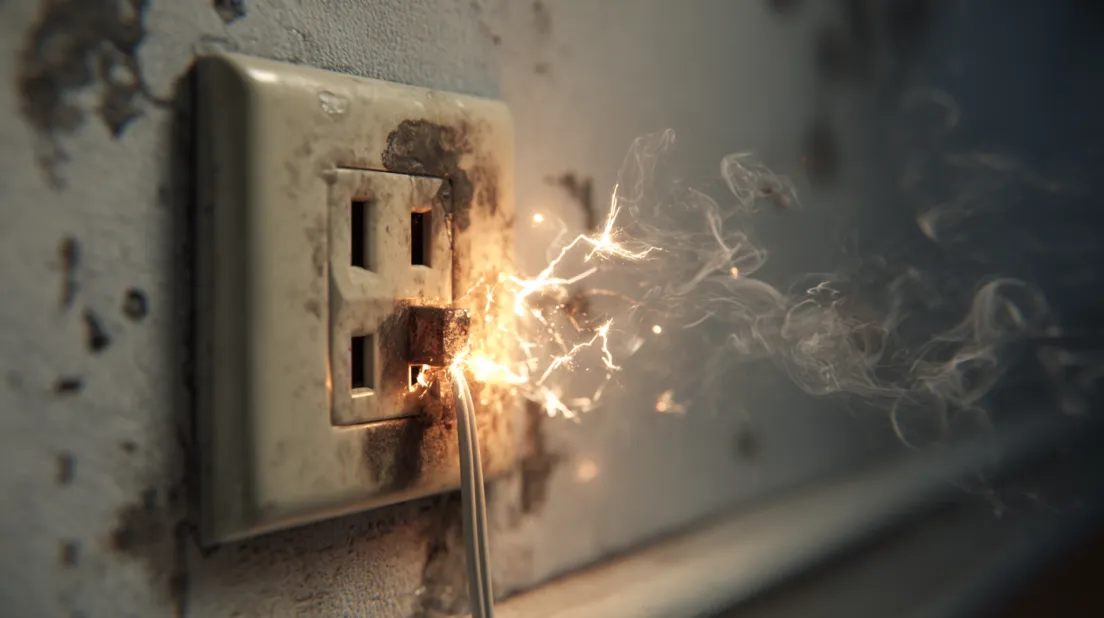
- Visible Sparks: Seeing sparks coming from an outlet or appliance when you plug it in is a clear sign of a serious electrical fault.
- Buzzing or Popping Sounds: Unusual noises coming from an outlet, switch, or your electrical panel suggest a loose connection or an active short.
- Charred or Discoloured Outlets: Black or brown marks around the slots of an outlet are evidence of overheating and small electrical fires caused by shorting.
- Frequently Tripping Circuit Breakers: If a specific circuit breaker trips repeatedly, it is likely protecting your home from a persistent short circuit or overload in that line.
- Flickering Lights: While sometimes caused by a faulty bulb, persistent flickering across multiple lights can indicate a problem with the circuit's wiring.
- Getting a Mild Shock: Receiving even a small shock when touching an appliance or switch is a dangerous sign that electricity is not being properly contained.
Immediate Actions When a Short Circuit Occurs
If you suspect a short circuit is occurring, your immediate response is crucial to ensure safety. Follow these steps promptly to manage the situation effectively. [2]
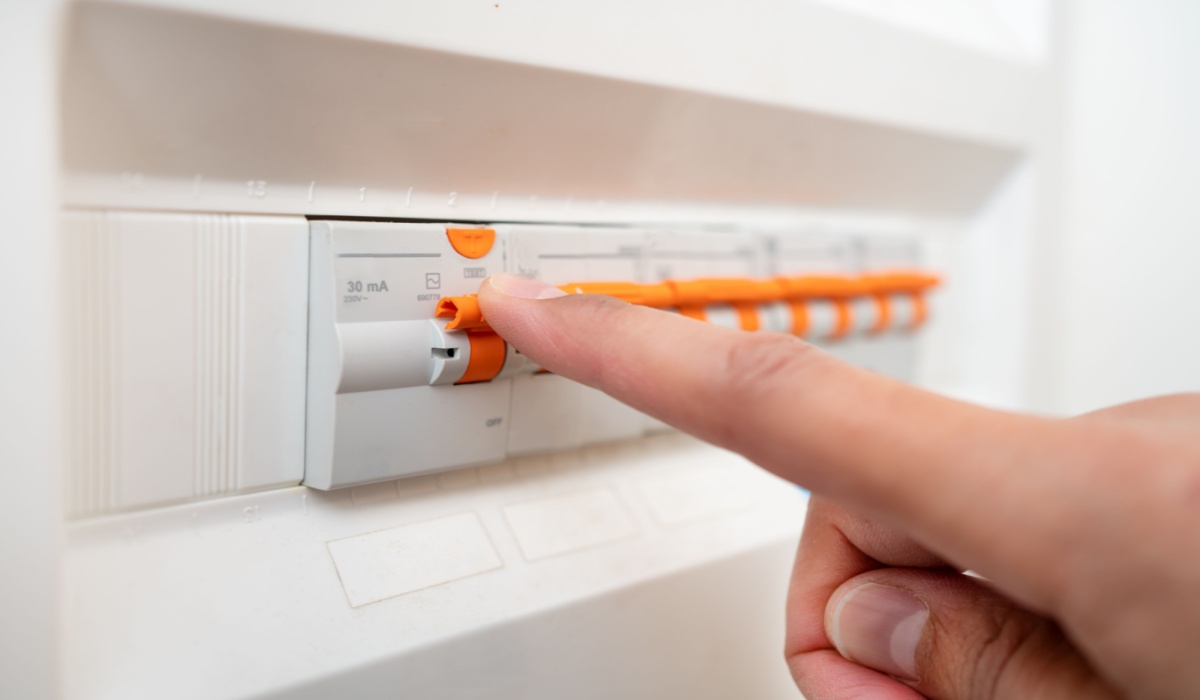
- Turn Off the Power: Shut off the circuit breaker. If you are still unsure, turn off the main power switch for the entire house.
- Unplug All Appliances: In the affected area, unplug all devices from the wall outlets. This helps isolate the problem and prevents damage to your electronics.
- Do Not Touch Anything That Sparked: Avoid touching any outlets, switches, or appliances that you saw sparking or that smell like they are burning.
- Check for Fire: If you see smoke or flames, evacuate the house immediately and call the fire department. Electrical fires can spread very quickly.
- Call a Professional Electrician: Never attempt to fix the problem yourself unless you are a qualified professional. A licensed electrician can safely diagnose and repair the cause of a short circuit.
- Avoid Using the Circuit: Do not turn the power back on or use any outlets on that circuit until an electrician has declared it safe.
Prevention Methods
The best way to deal with a short circuit is to prevent it from happening in the first place. Adopting good electrical safety habits can significantly reduce your risk. [2] [4]
- Regular Inspections: Check your appliances for any signs of frayed wires, cracked insulation, or damaged plugs.
- Avoid Overloading Outlets: Do not plug too many high-power appliances into a single outlet or extension cord.
- Keep away from Water: Ensure that outlets and appliances in kitchens, bathrooms, and outdoor areas are protected from moisture.
- Get experts: Have a licensed electrician inspect your home's wiring every few years, especially if you live in an older property.
- Use safely: Do not use extension cords for major appliances, and ensure you are using the correct wattage for light fixtures.
- Change Old Wiring: If your home has outdated wiring (like aluminium wiring), consider having it replaced with modern, safer copper wiring.
- Install Arc-Fault Circuit Interrupters (AFCIs): These devices are designed to detect dangerous arcing conditions and shut off the power before a fire can start.
How NoBroker Can Help with Electrician Services?
Dealing with electrical issues can be daunting and dangerous. The primary cause of short circuit is often hidden within walls or inside appliances, requiring expert knowledge to diagnose and fix safely. Instead of risking your safety, trust the professionals. NoBroker provides access to verified and experienced electricians who can quickly identify the root of the problem and perform the necessary repairs with precision. By booking a service through NoBroker, you ensure that your home's electrical system is in safe hands. [2]
Frequently Asked Questions
Q: What’s the difference between a short circuit and an overload?
Ans: Short circuits happen when electricity flows outside its intended path. Discover the common causes, risks, and how to protect your home from hazards.
Q: Can a short circuit start a fire?
Ans: Yes, absolutely. The intense heat generated during a short circuit is one of the leading causes of electrical fires in homes.
Q: How do I know if my house has outdated wiring?
Ans: Signs include frequently tripping breakers, flickering lights, discoloured outlets, a burning smell, or having two-prong, ungrounded outlets throughout the house. An inspection can confirm this.
Q: Do circuit breakers always trip during a short circuit?
Ans: A functioning circuit breaker should trip almost instantly during a short circuit to cut the power. If it doesn't, the breaker itself may be faulty and needs immediate replacement.
Q: Can I fix a short circuit myself?
Ans: No, attempting to fix a short circuit without proper training and tools is extremely dangerous. Always call a licensed electrician to handle any electrical repairs.
ARTICLE SOURCES
Most Viewed Articles
Best 10 Switch Brands in India 2026: Top Picks for Smart, Stylish, & Safe Homes
August 25, 2025
104864+ views
Top 10 Wire Companies in India: Founding Year, Valuation, Share Value and More Details in 2026
September 26, 2025
82384+ views
Wire Colour Code in India: Electrical Safety Simplified
January 31, 2025
44900+ views

10+ Best Electrical Wire For Home: Top Brands, Safety, Prices, Pros and Cons in 2026
September 5, 2025
19146+ views
10 Best Ceiling Fan Brands in India: Features, Price & Warranty in 2026
July 29, 2025
18457+ views
Author
Loved what you read? Share it with others!
Recent blogs in
V-Guard Vs Polycab Wires: Compare Quality, Safety, Price and Durability
December 18, 2025 by Vivek Mishra
Anchor Vs Havells Wire: Copper Purity, Insulation, Durability & Safety
December 17, 2025 by Ananth
Finolex vs RR Kabel: Safety, Durability, Copper Quality and Price Range
December 17, 2025 by Vivek Mishra
Top 10 Smart Touch Switches Brands in India: Types, Price Range and Warranty
November 18, 2025 by Priyanka Saha
Types of Wiring in a House: Importance, Comparison, Costs and Safety Tips
November 18, 2025 by Priyanka Saha










 Full RM + FRM support


Join the conversation!