Table of Contents
Loved what you read? Share it with others!


Types of Wiring in a House: Importance, Comparison, Costs and Safety Tips
Updated : November 18, 2025, 6:18 PM
Author :
 Priyanka.saha
Table of Contents
Electrical wires are constructed from copper or aluminium. These conductive metals are cautiously insulated to deliver electricity to various corners of our home. When it comes to household wiring, several options are available. So, before you install new wiring, make sure to understand the basics of the different types of wiring in a house so that you can choose the right one.
Importance of Choosing the Right Wiring
If there is a disruption to the normal flow of electricity, your modern appliances will stop working properly. As a matter of fact, a complex web of electrical wires is behind every switch and socket. Therefore, it is necessary to learn about the different types of electrical wiring in a house.
Types of Wiring in a House
The right type of electric circuit in a house can either future-proof someone’s space or restrict smarter wiring decisions later on. Therefore, it is recommended not to cut corners on wiring. Some common wiring types frequently used are
1. Knob and Tube Wiring
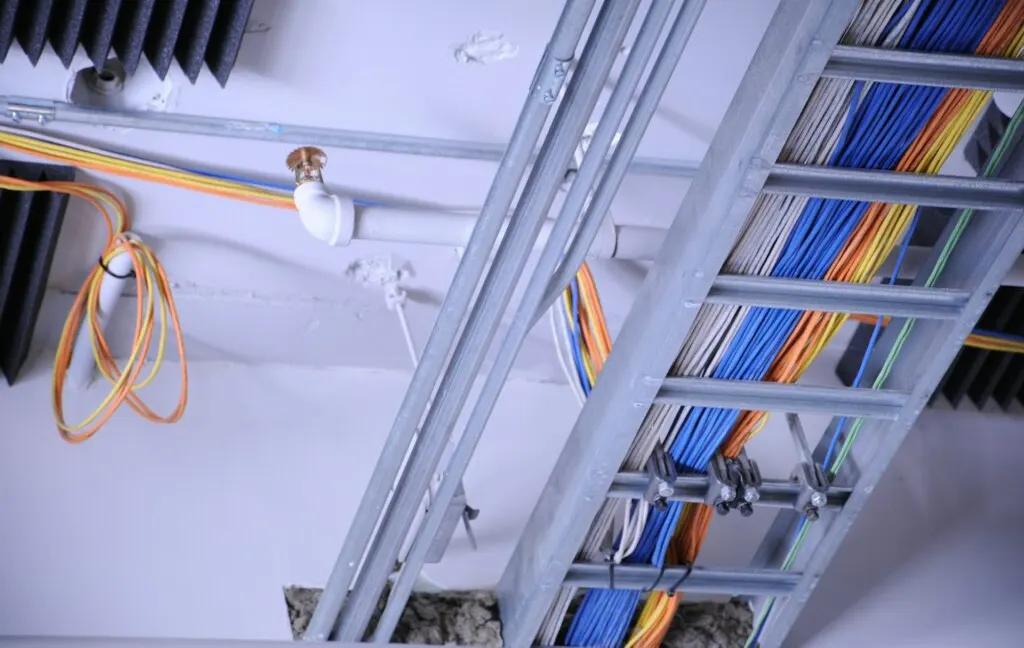
Knob and tube style is a traditional electrical wiring method that uses porcelain knobs and tubes to support and protect the wires. While this system usually requires less maintenance over time, many choose to replace it for better security and reliability.
Key Features
- Uses separate wires for hot and neutral connections
- Wires are supported by ceramic knobs and tubes, offering better durability
- Air insulation provides natural cooling
Advantages
- Easy to inspect and repair
- Long-lasting, if properly maintained
- Efficiently controls the risk of overheating
Disadvantages
- Lacks grounding protection
- Not compatible with various modern appliances
- Difficult to upgrade
Suitable For
Mostly used in old houses or restoration projects
2. Casing and Capping Wiring

If you are in favour of budget-friendly types of wiring systems in houses, the casing and capping structure can be a good alternative. In this system, the wires run inside wooden or PVC casings, which gives a clear appearance and is easy to repair.
Key Features
- Wires are enclosed in PVC or wooden casing
- Capping covers wires securely, reducing accident chances
- These are available in multiple colours and finishes
Advantages
- Installation is budget-friendly
- Gives a neat and organised appearance
- Electricians can repair the network without any wall damage
Disadvantages
- Not the best option for heat or moisture resistance
- May deteriorate in humid surroundings
- Requires frequent maintenance
Suitable For
Decent option for buyers looking for affordable types of house wiring in India.
3. Conduit Wiring

One of the most frequently used types of connections in house wiring, the conduit wiring structure is either surface-mounted or concealed inside walls. They offer superior insulation and are renowned for their fire-resistant properties.
Key Features
- Cables protect the wires inside metal or plastic conduits
- Structures can be concealed or surface-mounted
- Provides strong mechanical protection
Advantages
- These are highly durable and long-lasting
- Offers excellent protection against fire hazards
- Can be installed for both indoor and outdoor power supply
Disadvantages
- Expensive installation cost
- Difficult to bring modifications once concealed
- Time-consuming setup
Suitable For
Long-term and modern residential or commercial buildings
4. Low Voltage Wiring
Low-voltage wiring suits devices or appliances that require lower voltage for operation, such as telephones, doorbells, or smartphone chargers. They are very safe to handle and can be easily placed inside conduits or raceways.
Key Features
- Carries voltage under 50V
- Particularly used for communication systems, security and control devices
- Ideal with raceways or conduits
Advantages
- Very safe for installers and users
- Reduces energy consumption significantly
- Great for smart applications
Disadvantages
- Limited power transmission capacity
- Not suitable for heavy electrical loads
- Requires separate routing from main circuits
Suitable For
Compatible with smart devices, alarms, and low-power electronics
5. Cleat Wiring
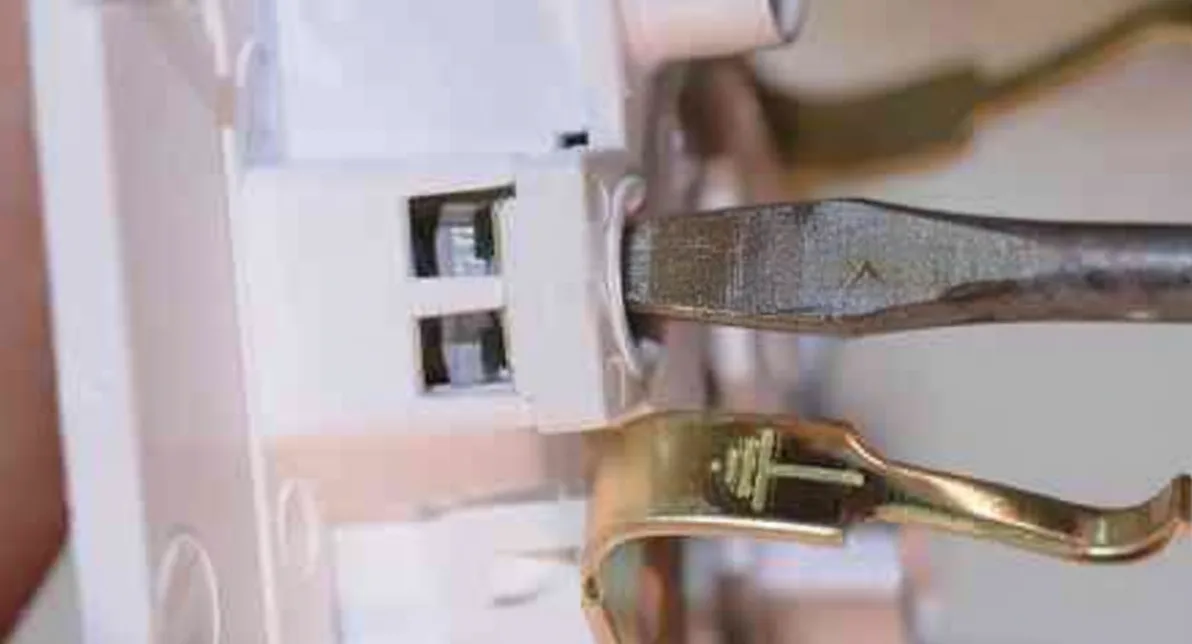
Insulated wires are used in cleat wiring with porcelain, wood, or plastic cleats. You can mostly find them in a temporary setup, like construction sites, and are generally avoided in permanent domestic house wiring.
Key Features
- Uses cleats made of porcelain or plastic
- Wires are mounted temporarily on the walls
- Commonly used for short-term power supply
Advantages
- Known for simple and quick installation
- The wires are easy to remove or replace
- Needs minimal material and labour cost
Disadvantages
- Not recommended for permanent setups
- Cleat wiring offers poor mechanical protection
- Aesthetic appeal is very low
Suitable For
Temporary needs like a workshop or a construction site
Factors to Consider Before Choosing Wiring
You can ensure that your house wiring meets standards for efficiency and safety by addressing these 5 factors
- Best Quality Material: Always consider using electrical wires made of high-grade copper or aluminium for better conductivity and durability. Best-quality materials reduce heat generation, prevent short circuits, and ensure long-lasting, safe electrical performance.
- Insulation Type: It is essential to choose insulation that is heat-resistant and moisture-proof to safeguard the residents against electric shocks and fire hazards. PVC or XLPE insulation types provide excellent safety, especially in humid or high-temperature environments.
- Wire Gauge and Size: Selecting the correct wire gauge ensures optimal current flow without any energy loss or overheating. Undersized wires can overload circuits, while oversized ones increase electricity costs unnecessarily.
- Compliance and Standards: Ensure your electrical setup follows ISI and BIS standards for safety and efficiency. Proper compliance guarantees that your home wiring meets approved specifications and passes professional inspection easily.
- Flexibility and Strength: Different types of wiring in a building require wires with varying tensile strength. Thus, you should select wires that offer flexibility without compromising strength. It will facilitate easier installation and prevent breakage during bending.
Other Modern Wiring Options
Nowadays, you can find even more advanced types of cables used in a household setup. While not overly costly, these setups enhance safety and lifespan by individually sheathing each wire, elevating the circuit's overall wiring standards. Here are some options:
- PVC Insulated Wiring: These are very common in modern homes as their PVC coating not only prevents electric shocks but also resists moisture and chemical corrosion.
- Non-Metallic Sheathed Cable (NM Cable): This type of wiring combines multiple conductors under a plastic sheath. Its design is ideal for dry indoor spaces like walls and ceilings.
- Armoured Cable: With a tough metal casing around the wires, armoured cables are perfect when you need extra protection against physical damage, especially in garages or outdoor areas.
- Underground Feeder (UF) Cable: UF cables are perfect for garden lights or sheds as they can be buried without conduit due to their moisture-resistant properties.
- Smart Wiring: This modern setup integrates data, power, and communication lines into a single system, letting you control lighting, security, and entertainment from your smartphone or voice assistant.
Comparison Table: Types of Wiring
Check the table below to identify which types of wiring in a house best suit your needs.
| Wiring Type | Safety | Longevity | Versatility | Ideal Choice For |
| Knob and Tube Wiring | Moderate safety and not the best choice for high electrical loads | Long-lasting if well-maintained | Low due to limited compatibility with new-age appliances | Restoration projects |
| Casing and Capping Wiring | Basic as they are prone to damage in humid or hot environments | Requires periodic maintenance | Good, as they are easy to remove and replace | Budget-friendly projects |
| Conduit Wiring | Excellent due to strong insulation and fire resistance | Durable and damage-resistant | Suitable for both indoors and outdoors | Modern, long-term residential or commercial use |
| Low Voltage Wiring | Very safe and ideal for saving electricity costs | Long-lasting with minimal wear | Limited versatility, as these can be used with low-power devices | Smart homes |
| Cleat Wiring | Low safety as the wires are exposed to the surroundings | Not designed for longevity | Limited, as these are ideal for temporary setups | Temporary power supply |
Which Wiring is Best for Homes Today?
Conduit wiring is frequently regarded as the ideal option for contemporary residences. It gives excellent safety, toughness, and versatility since the wires are housed in protective metal or plastic conduits that help prevent fire hazards and mechanical damage.
While the installation costs can be on the higher side, these installations are suitable for both indoor and outdoor use, making them much more desirable for today’s residential and commercial buildings.
Cost of House Wiring in India
House wiring costs in India comprise typical material prices along with installation charges. Here is a brief breakdown with approximate costs:
| Wiring Type | Approximate Cost Range (₹ per metres or per point) |
| Knob and Tube Wiring | ₹220/ metre (cable only), labour cost varies |
| Casing and Capping Wiring | ₹20 - ₹90/ metre (material), ₹38/ point + labour cost |
| Conduit Wiring | ₹10 - ₹140/ metre (PVC/rigid conduit), ₹20 - ₹60/ labour (per metre) |
| Low Voltage Wiring | ₹45 - ₹140/ metre (cable), ₹300 - ₹400/ point (harness assembly) |
| Cleat Wiring | ₹35 - ₹150/ cleat (hardware), labour cost is cheap |
Safety Tips for Home Wiring
Electrical wiring is the hidden backbone of every home. However, without proper safety precautions, it can pose serious risks. Here are some safety tips you must follow:
- Always use ISI-certified wires with proper insulation to prevent overheating, short circuits, and electrical fires.
- Ensure that the technicians correctly choose the wire gauge by calculating the appliance load. Undersized wires can overheat and cause hazards.
- Installers must not overlook loose joints and poor splicing. Well-soldered connections reduce the risk of arcing and slow-burning electrical fires.
- Install safety devices like Miniature Circuit Breakers (MCBs) and Residual Current Circuit Breakers (RCCBs) for automatic electrical fault protection.
How NoBroker Can Help with Electrician Services?
All homeowners must know the kind of wiring that is installed in their homes. Selecting the appropriate types of wiring in a house will not only increase electrical safety and efficiency but also long-term reliability. In simple words, it makes your home adaptable to meet future power and smart system needs.
Frequently Asked Questions
Ans: The safest electrical wire setup varies based on particular needs. However, most homeowners go with conduit wiring for its durability and fire-resistant traits.
Ans: Electrical outlets need to be planned depending on the placement of each room. For instance, kitchens require several outlets near corners while living spaces need switchboards near entertainment systems. Similarly, electrical outlets should be far away from water sources in bathrooms.
Ans: The standardised codes for wiring are black (live), red (secondary live), white or grey (neutral), and green or bare copper (ground). To maintain a safe and uncomplicated electrical system, a basic understanding of this colour code is essential.
Ans: To pick the right wire gauge, you must think about the current load, how long the wires run, and finally, your wiring type.
Ans: Different types of wires are designed for outdoors. However, the most suitable type is a UF cable as it is safe and fully functional even in wet environments.
Recommended Reading

Top 10 MCB Brands In India: Key Features, Types and Price Range in 2026
September 23, 2025
7575+ views

Top 5 Modular Switches Brands in India: Design, Safety, Durability and Prices
November 18, 2025
5347+ views

Top 10 Smart Touch Switches Brands in India: Types, Price Range and Warranty
November 18, 2025
4206+ views

Light Flickering: Causes, Solutions and Safety Tips for Your Home in 2026
August 25, 2025
3509+ views

How Power Fluctuations Damage Appliances & What You Can Do to Prevent It in 2026
July 27, 2025
3497+ views
Most Viewed Articles
Best 10 Switch Brands in India 2026: Top Picks for Smart, Stylish, & Safe Homes
August 25, 2025
106282+ views
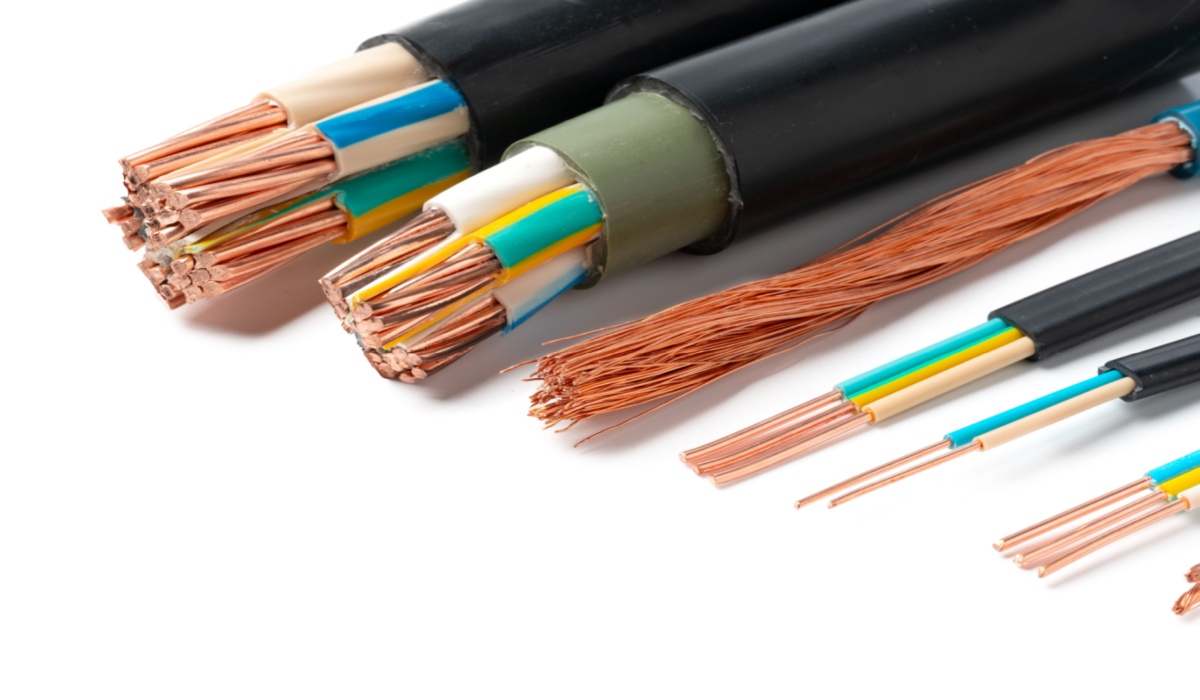
Top 10 Wire Companies in India: Founding Year, Valuation, Share Value and More Details in 2026
September 26, 2025
83019+ views
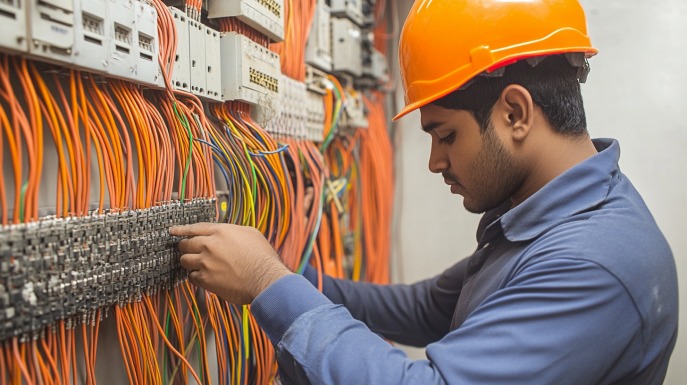
Wire Colour Code in India: Electrical Safety Simplified
January 31, 2025
44980+ views

10+ Best Electrical Wire For Home: Top Brands, Safety, Prices, Pros and Cons in 2026
September 5, 2025
20404+ views
10 Best Ceiling Fan Brands in India: Features, Price & Warranty in 2026
July 29, 2025
18872+ views
Author
Loved what you read? Share it with others!
Recent blogs in
V-Guard Vs Polycab Wires: Compare Quality, Safety, Price and Durability
December 18, 2025 by Vivek Mishra
Anchor Vs Havells Wire: Copper Purity, Insulation, Durability & Safety
December 17, 2025 by Ananth
Finolex vs RR Kabel: Safety, Durability, Copper Quality and Price Range
December 17, 2025 by Vivek Mishra
Top 10 Smart Touch Switches Brands in India: Types, Price Range and Warranty
November 18, 2025 by Priyanka Saha
Types of Wiring in a House: Importance, Comparison, Costs and Safety Tips
November 18, 2025 by Priyanka Saha










 Full RM + FRM support


Join the conversation!