Table of Contents
Loved what you read? Share it with others!


Types of Electrical Wiring and Which One Is The Best for Your Home?
Updated : December 17, 2025, 4:16 PM
Author :
 Jessica
Table of Contents
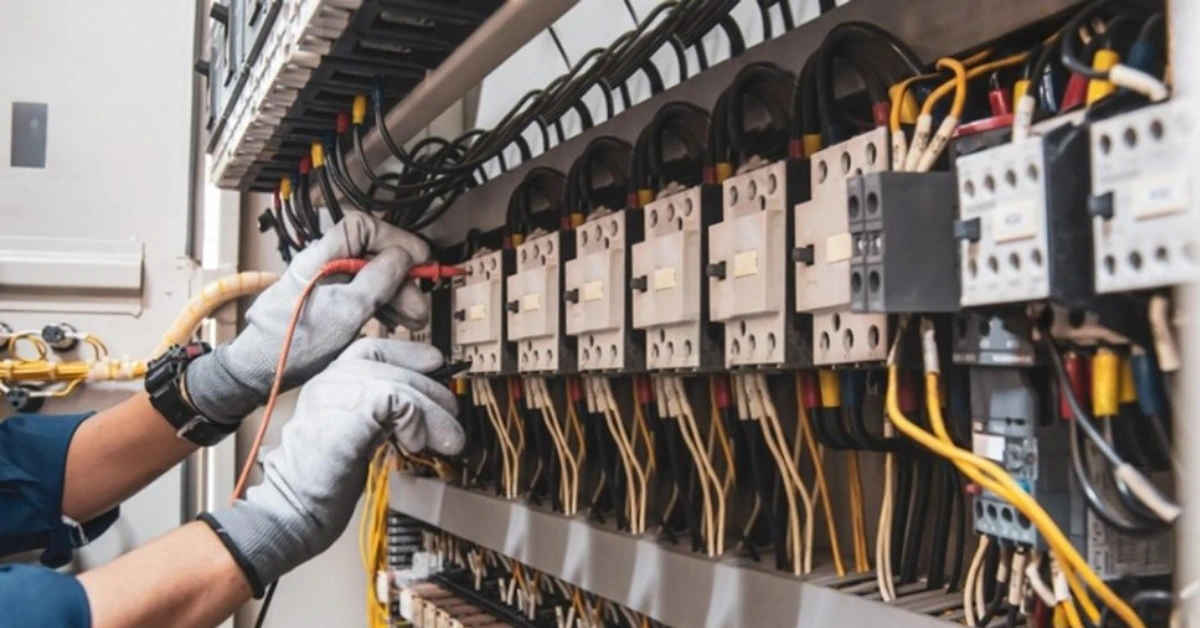
Understanding the various types of electrical wiring is fundamental to ensuring the safety, efficiency, and reliability of your home’s power supply. Choosing the correct system is not just about functionality; it is a critical decision that impacts long-term safety and can prevent potential hazards. This guide provides an overview of different wiring systems for residential, commercial, and industrial applications.
Types of Electrical Wiring - A Quick Information
To get a brief overview, it is helpful to compare the most common types of electrical wiring systems used in buildings today. Each has its application, safety profile, and cost implications. The cost is often estimated on a per-square-foot basis for full-home projects.
| Wiring Type | Common Use | Safety | Estimated Cost Range (per sq. ft.) |
|---|---|---|---|
| Concealed Conduit Wiring | Modern homes, offices, and commercial buildings. | Very High | ₹160 – ₹350 |
| Surface Conduit Wiring | Workshops, industries, or for adding new connections. | High | ₹120 – ₹250 |
| Casing-Capping Wiring | Affordable surface wiring solutions, often for renovations. | Moderate | ₹100 – ₹180 |
| Batten Wiring (CTS/TRS) | Obsolete system found in very old homes; not for new construction. | Low | N/A |
Concealed Wiring vs. Surface Wiring
When planning your home's electrical layout, the first major decision is whether to conceal the wiring or run it along the surface. Both methods have distinct advantages and are suited for different situations.
Concealed Wiring
This is the most common and aesthetically pleasing method used in modern construction.
- Appearance: As the name suggests, the types of electrical wiring pipes (conduits) are hidden inside the walls, ceilings, and floors before the plastering is done. The only visible parts are the switchboards and outlet plates, leading to a clean, seamless look.
- Safety and Durability: This system offers the highest level of safety. The wires are protected from physical damage, moisture, and environmental factors, significantly reducing the risk of any electrical problems. The long lifespan of concealed wiring makes it a durable, long-term investment.
- Modification Challenges: The main drawback is the difficulty in making changes. Adding a new outlet or altering a circuit requires breaking open the wall, which is a complex and costly process.
Surface Wiring
In this method, the wiring is run on the outside of the walls, either in a plastic casing or through pipes.
- Accessibility and Flexibility: The primary advantage of surface wiring is its accessibility. It is very easy to install, inspect, and repair. Adding new connections or troubleshooting a wire problem is straightforward and does not require any civil work.
- Cost-Effectiveness: Surface wiring is generally more affordable and faster to install than concealed wiring, making it a popular choice for workshops, garages, or in rented properties where major alterations are not permitted.
- Aesthetics: The visible pipes or casings can detract from the interior design of a home, which is why it is less preferred for primary living spaces in new constructions.
What Materials Are Used in Electrical Wiring?

The quality and type of materials used in your home’s wiring are critical for safety and performance. From the conductor that carries the current to the insulation that protects it, every component matters.
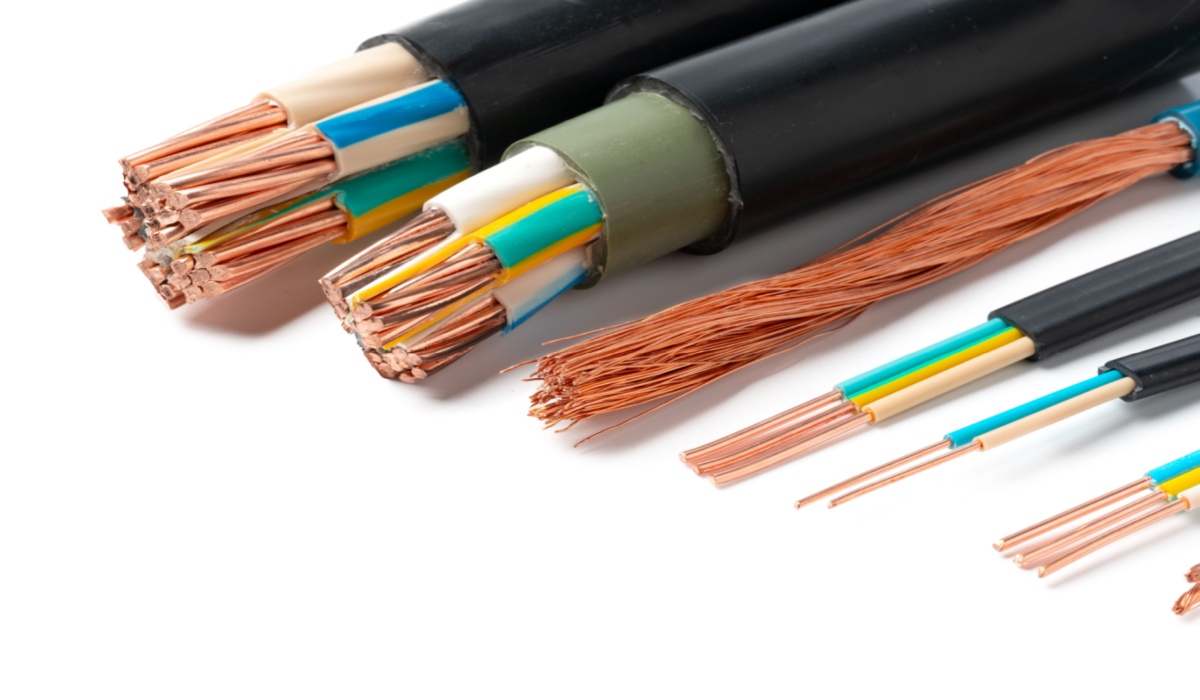
- Conductor Material: The two primary materials used for wires are copper and aluminium. Copper is the preferred choice for residential wiring as it is an excellent conductor, highly durable, and less prone to corrosion. Aluminium is lighter and cheaper but requires more maintenance and is typically used for heavy-duty utility grid lines rather than internal home wiring. You can learn more about the various types of electrical cables and their specific uses.
- Insulation: This is the protective outer layer of the wire that prevents the conductor from touching other wires or surfaces. Modern wires use PVC (Polyvinyl Chloride) insulation, which is fire-retardant and offers excellent protection. Different colour codes are used to identify the live, neutral, and earth wires.
- Conduits/Pipes: These pipes house the wires, offering physical protection. In India, heavy-duty PVC conduit pipes are the standard for concealed wiring due to their strength, durability, and non-corrosive properties. Metal conduits are used in industrial settings for enhanced protection.
- Casing-Capping: For surface wiring, a PVC casing-capping system is common. This consists of a rectangular hollow casing that is fixed to the wall, and a cap that encloses the wires within it.
- Switches, Sockets, and Boards: The quality of your modular switches, sockets, and switchboards is also crucial. Reputable brands offer better safety features, including fire-retardant materials and child-proof shutters on sockets.
Factors to Consider When Choosing Wiring for Your Home
Selecting the right wiring type in homes involves more than just picking a method. Several factors must be considered to create a safe, efficient, and future-proof electrical system.
- Load Calculation: Before installation, an electrician must calculate the total electrical load of your house. This involves considering all the appliances you will use, from lights and fans to ACs and geysers. This calculation determines the correct thickness of the wires and the capacity of the circuit breakers.
- Wire Quality and Certification: Always insist on using wires from reputable brands that have the ISI mark. This certification ensures that the wire meets stringent safety and quality standards. Using the best electric wire for home use is a non-negotiable aspect of electrical safety.
- Future-Proofing: Consider your future needs. If you plan to add high-power appliances like an EV charger or more air conditioners later, it is wise to install wiring and circuits that can handle the extra load from the beginning.
- Budget: While it can be tempting to cut costs, the electrical wiring is not the place to do so. Prioritising quality materials and professional installation will prevent costly and dangerous power issues down the line.
- Understanding Your Meter: Your electrical system connects to your meter, which measures consumption. Being aware of modern options like a smart electricity meter or the possibility of an electric sub-meter can help in managing your home's energy usage more effectively.
Cost Comparison of Wiring Types (Indicative)
The cost of electrical wiring is a significant part of any construction or renovation budget. The table below gives an indicative cost comparison for different house electrical wires and systems.
| Wiring Type | Indicative Installation Cost (per point/connection) | Lifespan | Safety Level |
|---|---|---|---|
| Concealed Conduit Wiring | Starts from ₹95 | 40+ years | Very High |
| Surface Conduit Wiring | Starts from ₹120 | 30+ years | High |
| Casing-Capping Wiring | Starts from ₹80 | 15-20 years | Moderate |
Electrical Wiring Safety Tips

Ensuring ongoing electrical safety at home is crucial, even after the best wiring has been installed. Following these tips can prevent accidents and maintain the integrity of your system.
- Never Overload Sockets: Avoid plugging too many high-power appliances into a single outlet or extension cord. Distribute the load across different circuits.
- Regularly Inspect Cords: Periodically check the cords of your appliances for any signs of fraying, cracks, or damage. Replace damaged cords immediately.
- Keep Water Away from Electronics: Never handle electrical devices with wet hands, and ensure outlets in kitchens and bathrooms are protected from moisture.
- Use the Correct Wattage for Bulbs: Always check the maximum recommended wattage on light fixtures and use bulbs that comply to prevent overheating.
- Don't Ignore Warning Signs: If you notice frequent breaker trips, flickering lights, or a burning smell, it is a sign of a problem that needs immediate attention.
- Educate Your Family: Teach everyone in the household, especially children, about the dangers of electricity and basic safety rules.
- Professional Inspections: It is advisable to have a professional electrician inspect your home's wiring every 7-10 years, particularly if you live in an older property. A professional will use a variety of electrical hand tools to perform a thorough check.
When to Hire a Professional Electrician?
While understanding the different types of electrical wiring is valuable, the installation and repair work should always be left to a licensed professional. Improper wiring is one of the leading causes of house fires. An expert ensures that the installation is compliant with all safety codes and that the materials used are appropriate for your home's specific needs. For a safe, reliable, and code-compliant installation, consider using a trusted service like NoBroker, which connects you with verified and experienced electricians. You can easily find the right professional using the best electrician app for your needs.
Frequently Asked Questions
Ans: Concealed conduit wiring using copper wires is considered the best and safest type of wiring for modern homes due to its high durability and protection against physical damage.
Ans: Concealed wiring is when the electrical pipes are hidden inside the walls. It is preferred for its superior safety, long life, and clean, aesthetic appearance.
Ans: High-quality concealed copper wiring can last for over 40 years. However, it is recommended to have it inspected every 10 years to ensure its integrity.
Ans: Yes, surface wiring (like casing-capping) is often a good solution for rented houses as it is easy to install and remove without causing major damage to the walls.
Ans: Single-phase wiring is standard for most homes and supports typical lighting and appliance loads. Three-phase wiring provides more power and is used for larger homes with heavy loads, like multiple large ACs or in commercial settings.
Recommended Reading

10+ Best Electrical Wire For Home: Top Brands, Safety, Prices, Pros and Cons in 2026
September 5, 2025
20409+ views

Finolex Vs Polycab: Safety, Durability, Copper Quality and Price Range in 2026
September 3, 2025
12565+ views
Kalinga Wire vs Havells: Price, Safety, and Performance Comparison
October 10, 2025
3805+ views
Types of Electrical Wiring and Which One Is The Best for Your Home?
July 29, 2025
3654+ views
Finolex vs RR Kabel: Safety, Durability, Copper Quality and Price Range
December 17, 2025
2929+ views
Most Viewed Articles
Best 10 Switch Brands in India 2026: Top Picks for Smart, Stylish, & Safe Homes
August 25, 2025
106285+ views
Top 10 Wire Companies in India: Founding Year, Valuation, Share Value and More Details in 2026
September 26, 2025
83020+ views
Wire Colour Code in India: Electrical Safety Simplified
January 31, 2025
44980+ views
10+ Best Electrical Wire For Home: Top Brands, Safety, Prices, Pros and Cons in 2026
September 5, 2025
20409+ views
10 Best Ceiling Fan Brands in India: Features, Price & Warranty in 2026
July 29, 2025
18872+ views
Author
Loved what you read? Share it with others!
Recent blogs in
V-Guard Vs Polycab Wires: Compare Quality, Safety, Price and Durability
December 18, 2025 by Vivek Mishra
Anchor Vs Havells Wire: Copper Purity, Insulation, Durability & Safety
December 17, 2025 by Ananth
Finolex vs RR Kabel: Safety, Durability, Copper Quality and Price Range
December 17, 2025 by Vivek Mishra
Top 10 Smart Touch Switches Brands in India: Types, Price Range and Warranty
November 18, 2025 by Priyanka Saha
Types of Wiring in a House: Importance, Comparison, Costs and Safety Tips
November 18, 2025 by Priyanka Saha










 Full RM + FRM support


Join the conversation!