Table of Contents
Loved what you read? Share it with others!


MCB Keeps Tripping: Reasons, Solutions, and Prevention Tips
Updated : November 7, 2025, 4:47 PM
Author :
 Vivek
Vivek
Table of Contents
Electrical safety in homes and workplaces depends heavily on properly functioning circuits. When an MCB keeps tripping, it indicates a problem in the electrical system, often due to overloads, short circuits, or faulty appliances. An MCB (Miniature Circuit Breaker) automatically interrupts electrical current to prevent overheating, fires, or damage. Understanding why your MCB trips repeatedly is crucial for maintaining safety and avoiding costly repairs. Ignoring frequent tripping can lead to more serious electrical faults or even hazards. Addressing the issue promptly not only safeguards your electrical network but also ensures a consistent power supply, improved energy efficiency, and a longer equipment lifespan. [1] [2] [3]
Common Reasons for MCB Tripping
Frequent circuit interruptions can be frustrating and disruptive, especially when you’re unsure of the MCB trip reason. Understanding what triggers an MCB to cut power is the first step toward resolving the issue effectively. Below are the most common causes that lead to MCB tripping and how to identify them step-by-step. [2]
Overloaded Circuit
An overloaded circuit occurs when multiple high-power appliances run simultaneously on the same circuit, exceeding the MCB’s rated capacity. The breaker trips automatically to prevent overheating, fire hazards, or damage to wiring. Properly distributing electrical loads and avoiding the simultaneous use of heavy appliances can significantly reduce the chances of the MCB tripping due to overload. [1]
Short Circuit
A short circuit happens when the live and neutral wires come into direct contact, causing a sudden surge of excessive current. The MCB trips instantly to protect the wiring and connected devices from potential fire or damage. Short circuits often arise from faulty appliances, damaged wires, or improper electrical connections, requiring immediate attention. [2]
Faulty Appliances
Defective, ageing, or poorly maintained appliances can draw irregular or excessive current, causing the MCB to trip repeatedly. Appliances with damaged cords, internal malfunctions, or leakage issues are common culprits. Identifying and disconnecting the faulty device can resolve the problem and prevent repeated interruptions, ensuring a stable power supply in your home or workplace. [3]
Ground Fault
A ground fault occurs when electrical current leaks from a live wire to the ground, often due to insulation damage, moisture, or wiring issues. This leakage can be dangerous and triggers the MCB to trip as a safety measure. Detecting and repairing the source of the fault is essential to prevent electric shocks or fire hazards. [1]
Loose or Damaged Wiring
Loose connections, frayed wires, corroded terminals, or poor-quality wiring can cause intermittent current flow, overheating, and frequent MCB tripping. Regular inspection and maintenance of wiring, switches, and distribution boards help identify these issues early and ensure a safer, more reliable electrical system for your home or office. [2]
How to Diagnose the Cause of Frequent MCB Tripping?
Finding the exact reason for the MCB trip requires a careful and systematic approach. Instead of randomly resetting the breaker, it’s essential to inspect potential sources step by step. Correct diagnosis helps prevent recurring power interruptions and ensures the safety of your electrical system. Follow these steps to identify the root cause of frequent MCB tripping. [1]
Turn Off All Appliances
Begin by switching off and unplugging all devices connected to the affected circuit. This eliminates any potential load and ensures your safety. It also helps determine whether the MCB tripping is caused by faulty appliances or by a wiring or electrical panel issue.
Reset the MCB
After unplugging all devices, flip the tripped MCB back to the “ON” position. Observe whether it remains on without any load. If it stays stable, the wiring and breaker are likely functioning correctly, and the issue may lie with one or more connected appliances.
Reconnect Appliances One by One
Reconnect each appliance individually, turning them on one at a time. Monitor the MCB for any trips during this process. This method allows you to identify the faulty device or overloaded appliance causing repeated tripping and ensures the rest of your circuit is functioning safely. [2]
Check for Circuit Overload
If the MCB trips when multiple devices are connected simultaneously, it may indicate an overloaded circuit. The total power consumption may exceed the MCB’s rated capacity. To resolve this, redistribute appliances to other circuits or consult a professional to upgrade the circuit safely. [3]
Inspect Wiring Connections
Examine all outlets, switches, and distribution boards for loose connections, damaged insulation, or frayed wires. Poorly connected or degraded wiring is a common cause of frequent MCB trips. Timely detection and repair prevent overheating, potential fires, and future electrical hazards. [2]
Test for Short or Ground Faults
Use a multimeter or have an electrician check for short circuits or current leakage to ground. These faults can be dangerous if left unresolved. Identifying and fixing these problems ensures the safety of your home and prevents repeated MCB tripping. [1]
Seek Professional Assistance
If the MCB continues to trip despite performing the above steps, contact a certified electrician. Persistent tripping may indicate deeper issues such as faulty wiring, a damaged distribution panel, or an incorrectly rated MCB, all of which require professional evaluation and repair. [3]
Tips to Prevent MCB from Tripping Frequently
Dealing with an ongoing MCB tripping problem can be both inconvenient and risky. Preventive measures not only save time and repair costs but also enhance electrical safety and system efficiency. By adopting smart usage habits and routine maintenance, you can minimise the chances of unexpected breaker trips. Follow these practical tips to keep your MCB running smoothly and your electrical network stable. [2]
- Avoid overloading circuits with too many high-power devices.
- Schedule regular electrical inspections by professionals.
- Replace damaged or old appliances promptly.
- Ensure wiring connections are tight and corrosion-free.
- Use quality MCBs that match your load requirements.
- Keep circuits clean and dry to prevent moisture-related faults.
When to Call a Professional Electrician?
If your MCB keeps tripping even after basic troubleshooting, it’s a clear sign that your electrical system needs expert attention. Frequent tripping often indicates deeper problems such as faulty wiring, insulation damage, or internal circuit faults that can’t be safely handled without technical expertise. Attempting DIY fixes beyond simple checks may worsen the issue or pose serious safety risks. A professional electrician can accurately diagnose the problem, test circuit integrity, and ensure all components meet safety standards. They can also assess if your MCB is properly rated for your electrical load and replace it if necessary. Timely professional intervention not only restores consistent power flow but also protects your property and appliances from potential electrical hazards. [1] [3]
How Can NoBroker Help
Experiencing situations where your MCB keeps tripping can be stressful, but it’s also a crucial warning that your electrical system needs attention. At NoBroker, we understand how inconvenient electrical problems can be. Our certified electricians provide reliable, on-time service to quickly diagnose and fix MCB tripping issues, wiring faults, and other electrical concerns. You can book expert help in just a few clicks through the NoBroker app or website. Don’t wait for repeated power cuts. Book a professional electrician with NoBroker today and keep your home safe, efficient, and worry-free.
Frequently Asked Questions
Ans: When your MCB keeps tripping, it usually indicates an overload on the circuit, a short circuit, or a faulty appliance. The MCB is designed to automatically cut off electricity to prevent overheating, fire hazards, and damage to wiring or connected devices.
Ans: Even if tripping seems random, there is always a cause. Loose wiring, hidden short circuits, insulation damage, or moisture in sockets or switches can trigger the MCB, protecting your system from potential hazards. It’s never truly “without reason.”
Ans: To address repeated trips, unplug all devices, reset the MCB, and reconnect appliances one by one. This helps identify a faulty device or overloaded circuit. If it continues tripping, you may need a professional inspection to avoid serious electrical faults.
Ans: Yes, frequent MCB tripping is a warning sign. It could indicate serious issues like wiring faults, short circuits, or appliance malfunctions. Ignoring it may lead to overheating, fire hazards, or damage to appliances, so immediate action is essential for safety.
Ans: Old or worn-out MCBs may lose their calibration over time and trip unnecessarily, even if the load is normal. Replacing outdated MCBs ensures proper protection, prevents false trips, and maintains consistent electrical flow across your circuits safely and efficiently.
Recommended Reading

Top 10 MCB Brands In India: Key Features, Types and Price Range in 2026
September 23, 2025
7576+ views

Top 5 Modular Switches Brands in India: Design, Safety, Durability and Prices
November 18, 2025
5349+ views

Top 10 Smart Touch Switches Brands in India: Types, Price Range and Warranty
November 18, 2025
4206+ views

Light Flickering: Causes, Solutions and Safety Tips for Your Home in 2026
August 25, 2025
3509+ views

How Power Fluctuations Damage Appliances & What You Can Do to Prevent It in 2026
July 27, 2025
3497+ views
Most Viewed Articles
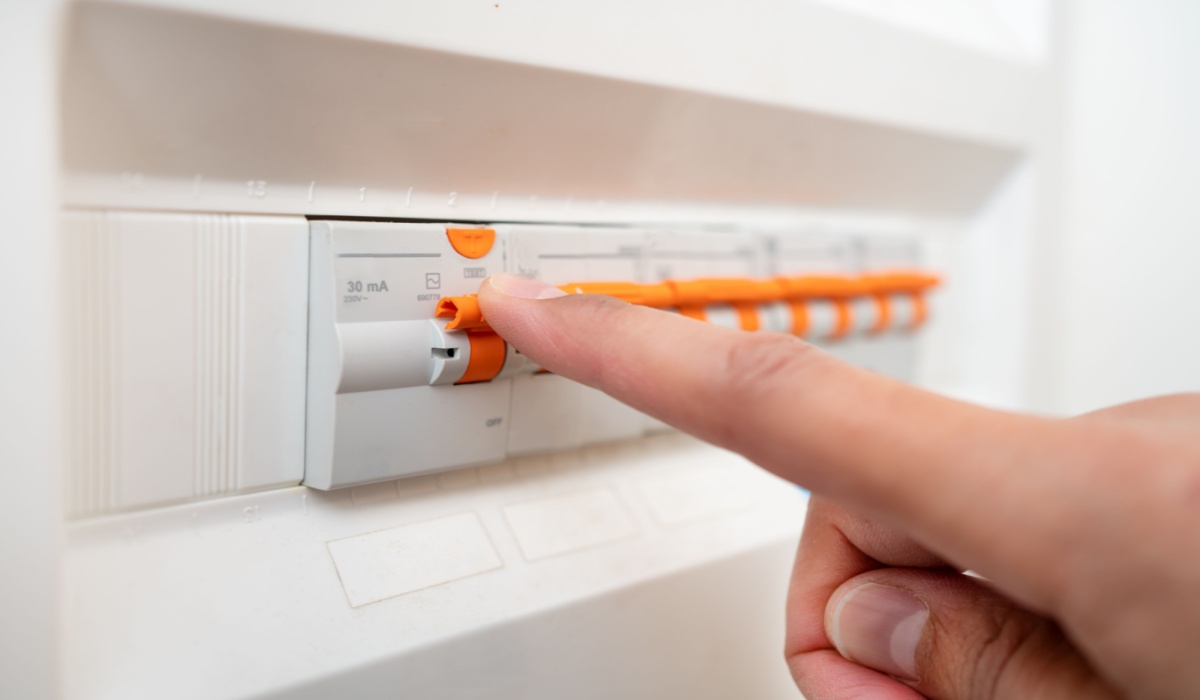
Best 10 Switch Brands in India 2026: Top Picks for Smart, Stylish, & Safe Homes
August 25, 2025
106286+ views
Top 10 Wire Companies in India: Founding Year, Valuation, Share Value and More Details in 2026
September 26, 2025
83020+ views

Wire Colour Code in India: Electrical Safety Simplified
January 31, 2025
44980+ views

10+ Best Electrical Wire For Home: Top Brands, Safety, Prices, Pros and Cons in 2026
September 5, 2025
20410+ views
10 Best Ceiling Fan Brands in India: Features, Price & Warranty in 2026
July 29, 2025
18872+ views
Author
Loved what you read? Share it with others!
Recent blogs in
V-Guard Vs Polycab Wires: Compare Quality, Safety, Price and Durability
December 18, 2025 by Vivek Mishra
Anchor Vs Havells Wire: Copper Purity, Insulation, Durability & Safety
December 17, 2025 by Ananth
Finolex vs RR Kabel: Safety, Durability, Copper Quality and Price Range
December 17, 2025 by Vivek Mishra
Top 10 Smart Touch Switches Brands in India: Types, Price Range and Warranty
November 18, 2025 by Priyanka Saha
Types of Wiring in a House: Importance, Comparison, Costs and Safety Tips
November 18, 2025 by Priyanka Saha










 Full RM + FRM support


Join the conversation!