- https://viribright.com/blogs/insights/comparing-led-vs-cfl-vs-incandescent-light-bulbs
- https://www.gelighting.com/inform/cfl-led-debunking-myths
- https://eerem.delhi.gov.in/eerem/cfl-and-led
- https://testbook.com/key-differences/difference-between-led-and-cfl-bulbs
- https://www.usailighting.com/stuff/contentmgr/files/1/92ffeb328de0f4878257999e7d46d6e4/misc/lighting_comparison_chart.pdf
Table of Contents
Loved what you read? Share it with others!


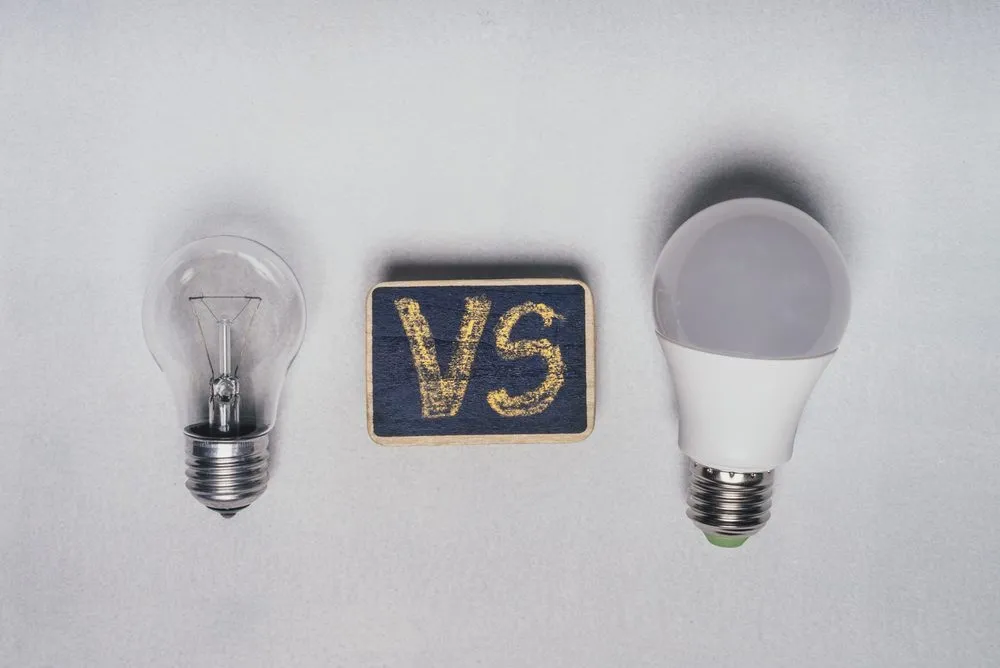
LED vs CFL Bulb: Advantages, Limitations and Comparison in 2026
Updated : December 23, 2025, 1:35 PM
Author :
 Vivek
Vivek
Summary
The differences between CFL and LED bulbs helps make informed lighting choices. LEDs offer higher energy efficiency, longer lifespan, and better durability, while CFLs provide moderate savings and lower upfront costs. Factors such as brightness, environmental impact, and compatibility with fixtures should guide selection. Evaluating these aspects ensures optimal energy use, cost savings, and effective lighting for homes and workplaces.
Table of Contents
When considering home lighting upgrades, understanding the differences between LED vs CFL bulb options is essential. LEDs, or Light Emitting Diodes, use semiconductors to produce light efficiently, while CFLs, or Compact Fluorescent Lamps, rely on a small amount of mercury vapour to create illumination. This guide will explore the performance, lifespan, and cost differences between LED and CFL bulbs, highlight their energy efficiency, and provide practical recommendations for various settings. By the end, you’ll have a clear strategy for smart lighting choices. [1][2]
CFL vs LED – Side by Side Table - Quick Overview
When comparing home lighting options, a side-by-side analysis of CFLs vs. LEDs makes it easier to understand their differences at a glance. Both types have unique features, energy usage patterns, and lifespan considerations that affect your choices. [1][3][4][5].
| Feature | CFL (Compact Fluorescent Lamp) | LED (Light Emitting Diode) | Notes / Comparison |
| Energy Efficiency | Moderate (uses 25–35% less energy than incandescent bulbs) | High (uses 75–80% less energy than incandescent bulbs) | LEDs are significantly more energy-efficient, reducing electricity costs faster. |
| Lifespan | 8,000–10,000 hours | 25,000–50,000 hours | LEDs last 3–5 times longer than CFLs, minimising replacements. |
| Warm-up Time | 30 seconds to 2 minutes to reach full brightness | Instant full brightness | LEDs provide immediate illumination, ideal for frequently switched lights. |
| Light Quality | Slight flicker, limited color options, may affect eye comfort | Stable, wide range of color temperatures, no flicker | LEDs offer superior lighting quality and eye-friendly options. |
| Durability | A fragile glass tube can break easily | Highly durable, solid-state design | LEDs are safer for households with children or pets. |
| Heat Emission | Moderate heat, can get warm to the touch | Very low heat | LEDs stay cooler, reducing fire risk and air conditioning load. |
| Initial Cost | Low upfront cost | Higher upfront cost | LEDs are more expensive initially but cost-effective long term. |
| Operating Cost | Higher electricity consumption, more frequent replacement | Low electricity usage, long-lasting | LEDs save money over the lifespan of the bulb. |
| Environmental Impact | Contains mercury, needs careful disposal | Mercury-free, recyclable | LEDs are more eco-friendly and easier to dispose of. |
| Compatibility | May not work with dimmers or enclosed fixtures | Compatible with most dimmers and fixtures | LEDs offer more flexible installation options. |
| Color Temperature Options | Limited: usually warm white or cool white | Wide spectrum: warm, neutral, daylight | LEDs allow customisation for different moods and spaces. |
| Voltage Sensitivity | Sensitive to voltage fluctuations | More resistant to voltage changes | LEDs are better for areas with an unstable power supply. |
| UV Emission | Low UV emission may attract insects | Negligible UV emission | LEDs are better for protecting artwork and fabrics from UV. |
| Maintenance | Frequent replacement, careful handling | Minimal maintenance required | LEDs reduce effort and replacement frequency. |
This table gives readers an in-depth, easy-to-read comparison of CFL vs LED bulbs, covering everything from cost to durability and environmental impact.
What is a CFL Bulb?

A Compact Fluorescent Lamp (CFL) is an energy-saving alternative to traditional incandescent bulbs. It produces light using a small amount of mercury vapor that emits ultraviolet light when electrically charged, which is then converted to visible light via a fluorescent coating. CFLs are popular for their energy efficiency and longer lifespan compared to older bulbs. [2].
Definition and Working Principle
- Definition: A CFL (Compact Fluorescent Lamp) is a type of fluorescent lighting designed to replace incandescent bulbs while using less energy.
- Working Principle: When electricity flows through the bulb, it excites mercury vapor inside, producing ultraviolet light. This UV light then interacts with a phosphor coating on the inside of the tube, producing visible light. [1][3].
Advantages of CFL Bulbs
- Energy Efficiency: Uses 25–35% less energy than incandescent bulbs.
- Longer Lifespan: Lasts 8,000–10,000 hours, reducing the frequency of replacements.
- Lower Heat Emission: Produces less heat than incandescent bulbs, making them safer.
- Cost Savings: Reduced electricity bills over time due to lower energy consumption. [2][4]
Limitations of CFL Bulbs
- Warm-up Time: Takes 30 seconds to 2 minutes to reach full brightness.
- Fragility: Glass tubes can break easily, and handling requires care.
- Mercury Content: Contains a small amount of mercury, requiring careful disposal.
- Compatibility Issues: May not work well with dimmers or enclosed fixtures.
- Limited Color Options: Usually available only in warm or cool white, less versatile than LEDs. [3][5].
What is an LED Bulb?

LEDs, or Light Emitting Diodes, produce light by passing an electric current through a semiconductor, which emits photons. Known for their durability, low energy consumption, and long lifespan, LED bulbs have rapidly become the preferred choice for households and commercial spaces seeking sustainable and cost-effective lighting solutions. [1][2]
Definition and Working Principle
- Definition: An LED (Light Emitting Diode) bulb is a solid-state lighting device that converts electricity into light using semiconductors.
- Working Principle: When current flows through the semiconductor material, it excites electrons, releasing energy in the form of visible light. Unlike CFLs, LEDs do not rely on mercury or gas to produce illumination. [4][5]
Advantages of LED Bulbs
- High Energy Efficiency: Uses up to 75–80% less energy than incandescent bulbs.
- Long Lifespan: Typically lasts 25,000–50,000 hours, minimizing replacements.
- Instant Brightness: Lights up immediately with no warm-up time.
- Durable and Safe: Resistant to breakage, contains no mercury, and emits very little heat.
- Wide Color Options: Available in various color temperatures, suitable for different settings.
- Environmentally Friendly: Low power consumption and recyclable materials reduce environmental impact. [2][3][4]
Limitations of LED Bulbs
- Higher Initial Cost: More expensive upfront than CFL or incandescent bulbs.
- Sensitivity to Voltage Fluctuations: Can be affected by unstable electricity supply if not properly managed.
- Dimming Compatibility: Some LED bulbs may require specific dimmer switches.
- Light Directionality: Produces focused light, which may require multiple bulbs or diffusers for even room illumination. [1][5]
LED vs CFL – Detailed Comparison
When choosing between lighting options, understanding the differences in performance, cost, and efficiency is crucial. Installing a single-phase changeover switch can help manage multiple lighting types, ensuring smooth transitions and energy savings. Comparing LED and CFL bulbs side by side highlights key factors such as brightness, energy consumption, lifespan, and environmental impact, helping homeowners make smarter lighting choices. [1][3][4]
Key Comparison Points
- Energy Efficiency: LED bulbs consume up to 75–80% less electricity than traditional incandescent bulbs, while CFLs save about 25–35%. Using a single phase changeover switch ensures optimal energy use by controlling multiple lighting systems efficiently. [1][2][3]
- Lifespan: CFLs last approximately 8,000–10,000 hours, whereas LEDs can reach 25,000–50,000 hours. Integrating a single phase changeover switch can reduce wear and tear by managing load distribution effectively. [2][5]
- Brightness and Light Quality: CFLs may flicker or take time to reach full brightness, while LEDs provide instant, stable illumination. A single-phase changeover switch helps maintain consistent lighting levels in homes or offices. [1][3]
- Cost Efficiency: CFLs have lower upfront costs but higher long-term electricity and replacement costs. LEDs cost more initially but save significantly over time. A single-phase changeover switch can further optimize energy expenditure. [2][4]
- Environmental Impact: CFLs contain mercury, requiring careful disposal, whereas LEDs are mercury-free and recyclable. Using a single-phase changeover switch supports eco-friendly energy management by reducing unnecessary consumption. [3][5]
- Durability and Safety: CFLs are fragile and can break easily; LEDs are robust and generate minimal heat. A single-phase changeover switch adds an extra layer of protection by controlling power surges and preventing electrical faults. [4][5]
How NoBroker Can Help
Choosing the right lighting solution requires balancing energy efficiency, cost, and environmental impact. In the debate of LED vs CFL bulbs, LEDs clearly outperform in terms of lifespan, energy savings, and durability, while CFLs offer a lower initial cost and moderate energy efficiency. With a variety of brightness levels and color temperatures, LEDs can transform any space while reducing electricity bills.
Frequently Asked Questions
Q: Which is more energy-efficient: CFL or LED?
Ans: LED bulbs are far more energy-efficient than CFLs, consuming up to 75–80% less electricity than traditional incandescent bulbs. CFLs save around 25–35%, making LEDs the better choice for long-term energy savings and reducing electricity bills.
Q: What is the average lifespan of LED and CFL bulbs?
Ans: LED bulbs have an impressive lifespan, typically lasting 25,000 to 50,000 hours, which is about 3–5 times longer than CFLs that usually last 8,000 to 10,000 hours. This longevity significantly reduces replacement frequency and maintenance costs over time.
Q: Are LED bulbs more expensive than CFLs?
Ans: Yes, LED bulbs generally cost more upfront than CFLs. However, their longer lifespan, low energy usage, and reduced maintenance expenses make them more cost-effective over time, delivering better value despite the initial investment.
Q: Do LED bulbs emit UV radiation?
Ans: LED bulbs emit negligible UV radiation, making them safer to use around sensitive materials like artwork, fabrics, or documents. In contrast, CFLs emit low levels of UV, which can gradually damage such items over prolonged exposure.
Q: Can I use LED bulbs in enclosed fixtures?
Ans: Many LED bulbs are compatible with enclosed fixtures, but it’s important to check the manufacturer’s guidelines. Some LEDs may overheat in fully enclosed spaces if not rated for such use, so compatibility ensures safe and long-lasting performance.
ARTICLE SOURCES
Most Viewed Articles
Best 10 Switch Brands in India 2026: Top Picks for Smart, Stylish, & Safe Homes
August 25, 2025
106255+ views
Top 10 Wire Companies in India: Founding Year, Valuation, Share Value and More Details in 2026
September 26, 2025
83003+ views

Wire Colour Code in India: Electrical Safety Simplified
January 31, 2025
44979+ views

10+ Best Electrical Wire For Home: Top Brands, Safety, Prices, Pros and Cons in 2026
September 5, 2025
20382+ views
10 Best Ceiling Fan Brands in India: Features, Price & Warranty in 2026
July 29, 2025
18853+ views
Author
Loved what you read? Share it with others!
Recent blogs in
V-Guard Vs Polycab Wires: Compare Quality, Safety, Price and Durability
December 18, 2025 by Vivek Mishra
Anchor Vs Havells Wire: Copper Purity, Insulation, Durability & Safety
December 17, 2025 by Ananth
Finolex vs RR Kabel: Safety, Durability, Copper Quality and Price Range
December 17, 2025 by Vivek Mishra
Top 10 Smart Touch Switches Brands in India: Types, Price Range and Warranty
November 18, 2025 by Priyanka Saha
Types of Wiring in a House: Importance, Comparison, Costs and Safety Tips
November 18, 2025 by Priyanka Saha









 Full RM + FRM support


Join the conversation!