Table of Contents
Loved what you read? Share it with others!


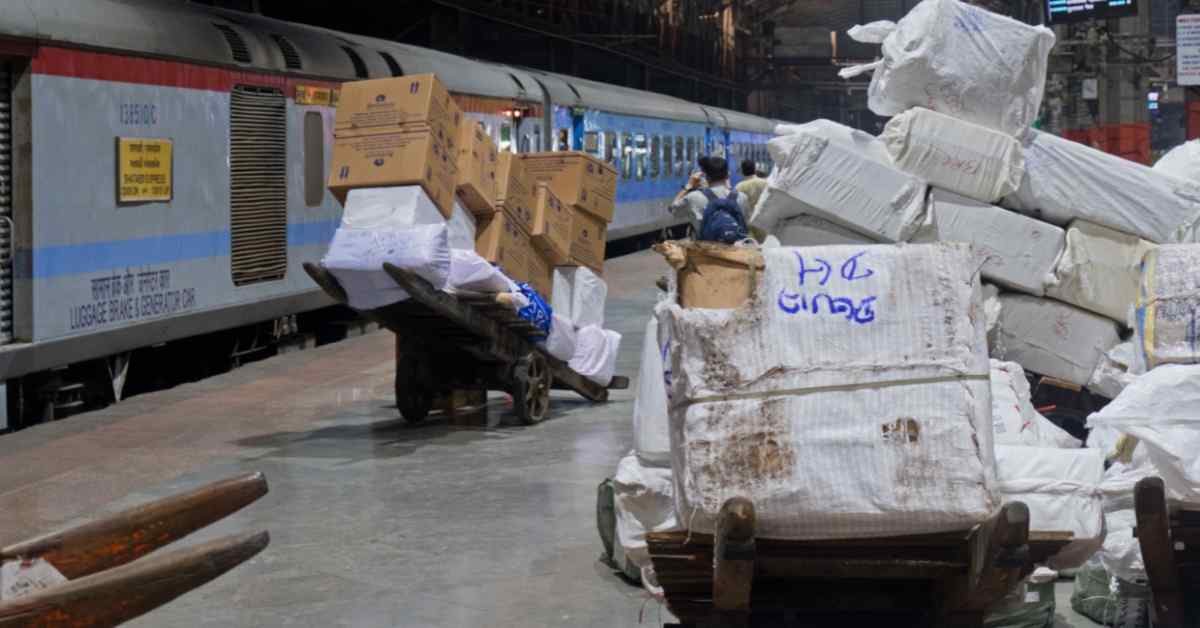
How to Transport Goods by Train in India: Services, Charges and Required Documents in 2026
Updated : February 6, 2026, 12:45 PM
Author :
 Sourabh
Table of Contents
Transportation of goods by train in India is one of the most cost-effective logistics methods in 2026. With the growing availability of rail freight, reasonable tariffs, and robust tracking, many are opting for rail freight. Awareness of appropriate services, tariffs, and paperwork makes it easier for you to plan your shipment wisely. Whether you are moving household items or business products, awareness will make you more confident when dealing with rail freight services in India in 2026. By knowing how to transport goods by train and packing guidelines, you can enjoy a smooth, economical, and reliable transportation experience.
Reasons to Choose Trains for Goods Transport
Transporting goods via train in India has several compelling advantages. Many businesses and individuals prefer trains because they are cost-effective, safe, and fast. Here’s why you might consider choosing rail transport for your next shipment:
1. Affordability
Trains are among the most economical modes of transportation. When you need to send large quantities of goods or move bulky items, trains offer a much lower cost per tonne than transporting by road or air. This makes it an ideal choice for businesses looking to reduce shipping costs and for individuals on a budget.
2. Safety
Rail transport is renowned for its safety. The risks associated with road accidents and the unpredictability of air travel make trains a safer alternative. Goods transported by train in India are less likely to be damaged due to the stable and secure environment offered by railway freight services.
3. Speed
While trains may not match the speed of air travel, they are significantly faster than road transport, especially over long distances. Trains have dedicated tracks and minimal stops, which allows them to maintain a consistent speed throughout the journey. This reduces travel time and ensures the timely delivery of your goods.
Types of Railway Transport Services
Indian Railways provides two primary transport services: Parcel Service and Luggage Service. Here’s a simple breakdown of each option to help you decide which suits your needs best:
1. Parcel Service
If you need to send goods without travelling with them, the Parcel Service is the ideal choice. This service allows you to ship packages from one station to another across the country. You can book this service in advance at any railway parcel office or even online, making it convenient to send everything from personal belongings to commercial goods. The railway ensures that your items travel securely, even when you are not accompanying them.
2. Luggage Service
The luggage service provides a practical solution for those moving with their goods. This service lets you bring your items on the same train you travel, ensuring you keep your belongings close. It is beneficial if you are relocating or need to transport items that require personal supervision, such as fragile goods, pets, or vehicles like bicycles, cars, and car transport by train.
3. Lease of Wagons
Businesses that require the transportation of large volumes of goods can lease entire wagons or even train rakes. This service is ideal for industrial shipments, such as raw materials, machinery, and other heavy or bulk commodities. Leasing wagons allows for greater flexibility in managing logistics and is cost-effective for large-scale shipments.
4. Container Transport
Indian Railways provides container services for transporting containerised cargo through its subsidiary, CONCOR (Container Corporation of India). This service is suitable for transporting manufactured goods, perishables, electronics, and other items that require protection from the elements. Containers provide secure and weatherproof shipping options across extensive rail networks.
5. Automobile Freight Train Operator (AFTO)
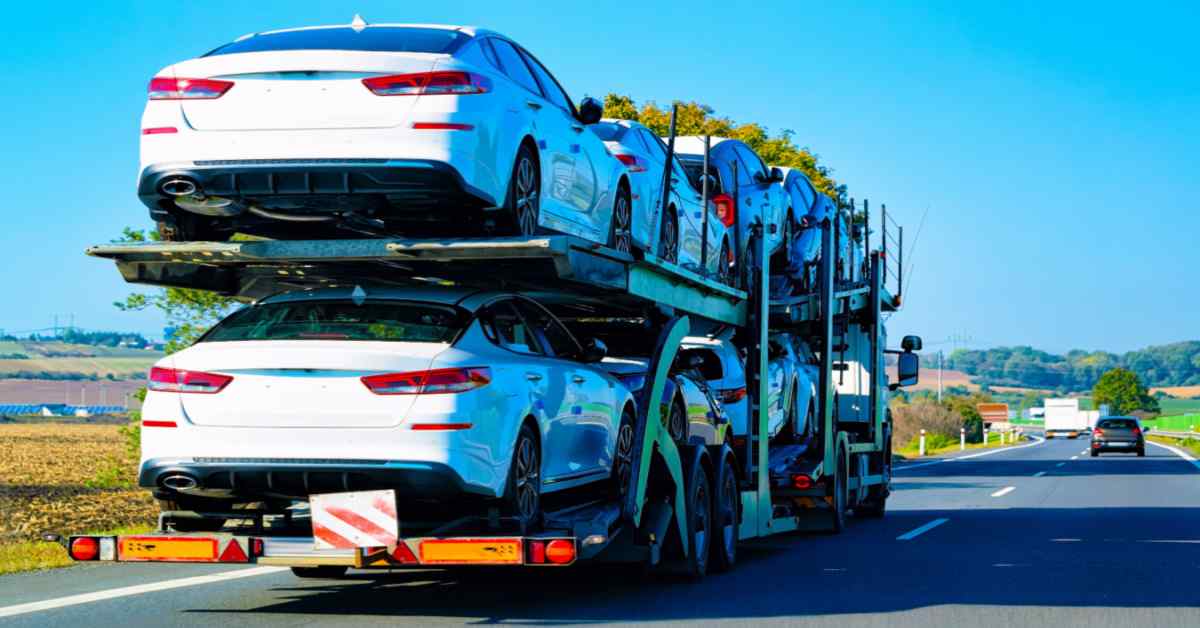
Automobile Freight Train Operator (AFTO) is a specialised Indian Railways service designed to transport cars and two-wheelers safely across long distances. It uses enclosed, multi-level wagons to protect vehicles from damage, weather, and theft, offering a cost-effective, reliable alternative to road transport.
How to Pack Your Goods for Train Transport?
Packing your goods correctly is crucial to ensure they arrive safely and undamaged. Here are straightforward guidelines and a list of materials you'll need to pack your items effectively for train shipment.
Essential Packing Materials
- Sturdy Boxes: Use strong cardboard boxes that can handle weight and stacking.
- Wrapping Material: Bubble wrap, foam sheets, and old newspapers are great for cushioning your items.
- Packing Tape: Use strong packing tape to keep boxes sealed and prevent them from opening during transit.
- Labels: Label each box with instructions such as "Fragile" or "This Side Up" to ensure proper handling.
Packing Tips for Secure Transport
- Choose the Right Box Size: Use a box that fits your items snugly, leaving no excess space. Excess space can cause items to shift and get damaged.
- Wrap Items Individually: Wrap each item separately in bubble wrap or foam sheets to protect them from bumps and scratches.
- Fill Gaps: Use crumpled newspaper, foam peanuts, or other soft materials to fill any box gaps. This prevents the contents from moving around during transport.
- Seal Boxes Securely: Use strong packing tape to seal all openings and seams of the box to prevent them from opening during the journey.
- Label Everything: Write the contents and destination on each box. Include handling instructions to aid railway handlers in treating your goods with care.
- Pack Heavy Items First: Place heavier items at the bottom of the box and lighter items on top to maintain balance and prevent damage.
How to Book Train Transport for Your Goods?
Booking the transport of your goods by train involves straightforward steps, whether you choose Parcel or Luggage services. Here's what you need to know for each option:
1. Booking Parcel Transport
You have two main options for sending your goods via Parcel Service: at the railway parcel office or online. Both methods require some essential steps and documentation.
2. At the Railway Parcel Office:
- Visit the Parcel Office: Go to your nearest railway parcel office.
- Fill Out the Form: Complete the parcel booking form with details about your shipment, such as content, weight, and destination.
- Submit Documents: Provide identification and any other required documents.
- Pay Train Parcel Charges: The office will calculate your train parcel charges per kg based on weight and distance. Pay the required amount.
- Receive Your Receipt: Collect the receipt, which you'll need to pick up your goods at the destination.
3. Online Booking:
- Log On to the Official Site: Visit the Indian Railways parcel website.
- Enter Details: Fill in your goods' origin, destination, and details.
- Submit the Form: Complete the digital booking form and submit it.
- Pay Online: Pay the freight charges as calculated by the system.
- Print the E-Forwarding Note: Print the note you'll need to show when you drop off and pick up your parcel.
4. Booking Luggage Transport
If you're travelling with your goods, you'll need to book Luggage Transport. Here’s how to ensure your goods travel with you:
- Have a Valid Travel Ticket: Ensure you have a confirmed train ticket for your journey.
- Visit the Luggage Office: Go to the luggage office at the station where you'll depart.
- Fill Out the Luggage Form: Complete the form with your ticket details and information about your goods.
- Pay the Luggage Fees: The fees depend on the weight and type of goods. After payment, you'll receive a luggage receipt.
- Arrive Early on Travel Day: On the day of travel, arrive at the station early to handle your luggage. Show your luggage receipt, and the railway staff will help load your goods.
5. Booking Luggage as a Passenger
Booking luggage as a passenger simplifies long-distance travel by ensuring your belongings are safely transported through Indian Railways’ reliable hostline services:
- Book your luggage at the railway parcel office at least 24 hours before train departure
- Carry a confirmed or RAC valid train ticket for luggage booking
- Ensure luggage is properly packed and labelled before submission
- Pay applicable luggage charges based on weight and distance
- Collect and keep the luggage receipt safely for delivery tracking and claim purposes
Train Transport Charges 2026
In 2026, train transport continues to be one of India's most cost-effective and reliable modes of shipping goods and personal items. Whether relocating household items, sending two-wheelers, or transporting commercial goods, Indian Railways provides a wide range of cargo and parcel services suited for every need.
To calculate the parcel cost, select the from and to stations, enter the weight of the goods, and then click on submit. For example, if you want to parcel goods from Amravati to Mysore, here are the price rates:

Understanding Train Goods Transport Charges
When planning to transport goods by train in India, it's important to understand the costs involved in order to budget effectively. This section will help you understand typical expenses and offer tips on reducing costs.
Freight Charges
Freight charges for transporting goods by train depend on several factors:
- Type of Goods: Different rates apply depending on the nature of the items (e.g., perishable, fragile, hazardous).
- Weight and Volume: Charges are often based on the weight and size of the goods.
- Distance: Longer distances generally mean higher costs.
- Service Type: Costs vary between Parcel and Luggage services, with Parcels typically being less expensive for non-accompanied items.
To calculate freight charges, you can use the Indian Railway Freight Calculator available on their official website. Enter the necessary details about your shipment, such as weight, type of goods, origin, and destination, to get an estimate.
Tips to Minimise Expenses
- Pack Efficiently: Reducing the volume and weight of your shipment can lower costs significantly. Use lightweight packing materials and pack tightly to avoid paying for unnecessary space.
- Choose the Right Service: Based on your specific needs, evaluate whether Parcel or Luggage service would be more cost-effective.
- Book in Advance: Some services may offer lower rates if you book well ahead of your transport date.
- Check for Discounts: Occasionally, promotions or discounts are available for certain types of goods or during specific periods.
Watch Out for Hidden Costs
- Insurance: While not always mandatory, opting for insurance can protect you against loss or damage. Be sure to consider this cost.
- Handling Fees: Some stations may charge extra for loading and unloading goods, especially if special handling is required.
- Storage Charges: If your goods remain at the station beyond a certain period after arrival, you may incur storage fees.
Collecting Your Goods at the Destination
Once your goods arrive by train, following the correct collection process ensures a smooth and quick retrieval. Here’s what you need to know about collecting your goods upon arrival:
Necessary Documents
To collect your shipped goods, you will need to present several important documents:
- Railway Receipt (RR): This is issued when you book your shipment. It serves as proof of consignment and is essential for collecting your goods.
- Identification Proof: To verify your identity, a government-issued ID card (like Aadhaar or PAN card).
- Booking Details: Any documentation or receipts related to your booking might be helpful if further verification is required.
Collection Process
- Go to the Parcel Office: Upon arrival at the destination station, head straight to the railway parcel office. This is where all parcels and luggage are held.
- Speak to the Staff: Present your documents to the staff at the parcel office. They will verify your details and direct you to the location where your goods are stored.
- Inspect Your Goods: Before you leave, inspect your goods for damage. You can sign the necessary paperwork to complete the collection process if everything is in order.
Advantages and Challenges of Train Transport for Goods
Transporting goods by train is a popular choice in India, but, like any mode of transportation, it has its pros and cons. Here's a straightforward comparison of road and air transport, and some specific limitations and challenges of using trains.
Advantages of Train Transport
- Cost-Effective: Train transport is generally more affordable than air transport, especially for heavy or bulk goods over long distances.
- Safety: Trains have a lower accident rate than road transport, making them safer for moving fragile or hazardous materials.
- Environmental Impact: Trains emit less greenhouse gas per ton-kilometre than trucks, making them a more environmentally friendly option.
- Capacity: Trains can carry large volumes of goods simultaneously, which benefits large-scale shipments.
Challenges of Train Transport
- Speed: While faster than road transport, trains are generally slower than air transport. This can be a disadvantage for urgent shipments.
- Schedule Rigidity: Train schedules are fixed, offering less flexibility than road transport. This can lead to delays if your shipping schedule doesn’t align perfectly with train timetables.
- Limited Coverage: Trains are restricted to areas with railway infrastructure. This means they might not be suitable for delivery to remote or rural locations without train service.
- Additional Logistics: Since trains do not offer door-to-door service, last-mile delivery requires separate arrangements, which can complicate logistics and increase costs.
Essential Tips for Hassle-Free Train Shipping
Understanding the process of transporting goods by train for the first time can seem daunting. Here are some straightforward tips to help ensure a smooth transportation experience, along with advice on avoiding common pitfalls and handling potential issues.
Plan Ahead
- Check Timetables: Familiarise yourself with train schedules well in advance to align your shipping plans accordingly.
- Book Early: Secure your booking early to avoid last-minute hassles and potential delays.
Pack Smart
- Use Quality Materials: Use durable packing materials to protect your goods during transit.
- Label Clearly: Clearly label all items with handling instructions and destination details to prevent mix-ups and ensure proper handling.
Stay Informed
- Track Your Shipment: Utilise tracking services to stay updated on your shipment's status and location.
- Know the Rules: Understand the railway's rules and regulations regarding goods transport to ensure compliance and avoid penalties.
Prepare for Collection
- Document Ready: Have all necessary documents, such as your railway receipt and ID, ready for a quick and easy collection process.
- Inspect Upon Arrival: Check your goods for damage as soon as they arrive. If there are any discrepancies, notify the railway authorities immediately.
Addressing Issues
- Speak Up: If you encounter any issues, communicate with railway officials promptly. Clear communication can help resolve most problems quickly.
- Seek Assistance: If you’re unsure about any part of the process, don't hesitate to ask station staff for help or seek advice from more experienced shippers.
Why Choose NoBroker Packers & Movers?
Are you considering transporting goods by train in India? Train transport offers an efficient and cost-effective solution for your shipping needs. Partnering with NoBroker Packers & Movers can enhance your experience if you shift your goods by train. Here’s why NoBroker is the smart choice for transporting goods by train:
- Expert Packing: Our team of experts ensures your goods are securely packed using high-quality materials for train transport.
- Streamlined Process: We handle the complexities of documentation and booking, making the process hassle-free.
- End-to-End Service: From packing at your doorstep to collecting your goods at the destination, we manage everything, ensuring your items arrive safely and on time.
Consider NoBroker Packers & Movers for reliable and effective transportation services when planning your next move. Whether you're relocating across the state or the country, we're here to help every step of the way.
Frequently Asked Questions?
Ans: Railway goods transport charges per kg vary depending on the type of goods, distance, and specific railway service used. For the most accurate and up-to-date rates, consult the official Indian Railways website or contact a local railway parcel office.
Ans: To complete a railway parcel booking online, visit the official Indian Railways website, fill out the required details, and submit the form to get a booking confirmation.
Ans: To transport goods by train, book through Indian Railways' Parcel or Luggage services for a cost-effective and reliable option.
Ans: You can track your goods using the tracking number provided when you book the parcel service.
Ans: Transport time varies based on the distance and train schedule, but parcel services generally take 5-7 days.
Ans: To send luggage by train, you need to book it either as accompanied or unaccompanied luggage through the luggage office at the railway station. Pack your items, visit the parcel counter with a valid ID, fill out the required form, pay the charges based on weight and distance, and collect the booking receipt for delivery.
Ans: You can send a parcel by visiting the railway station's parcel office. Submit a parcel booking form along with your ID proof, get the items weighed, and pay the applicable charges. Once booked, you'll receive a receipt with a parcel waybill number for tracking.
Ans: To transport household goods by train, use the Indian Railways parcel service or book a full luggage van if you have large volumes. Pack your items, list them in a declaration form, and visit the parcel office to initiate the process. Charges depend on the weight, volume, and distance.
Ans: Yes, parcel shipments can be tracked using the Progressive Reference Record number provided on the booking receipt.
Ans: Yes, Indian Railways sets maximum weight and size limits for parcels, which vary by train type and route.
Ans: Yes, two-wheelers and cars can be transported through railway parcel services, subject to packing and safety guidelines.
Ans: You need the parcel receipt or luggage ticket along with valid identification to collect your goods at the destination.
Ans: Passengers can send luggage by train by visiting the railway parcel office, securely packing the items, submitting the required documents, paying the charges, and collecting the luggage receipt for tracking.
Ans: You can book a parcel in a train by visiting the railway parcel office, filling out the booking form, providing the required documents, paying the charges, and obtaining the parcel receipt.
Recommended Reading
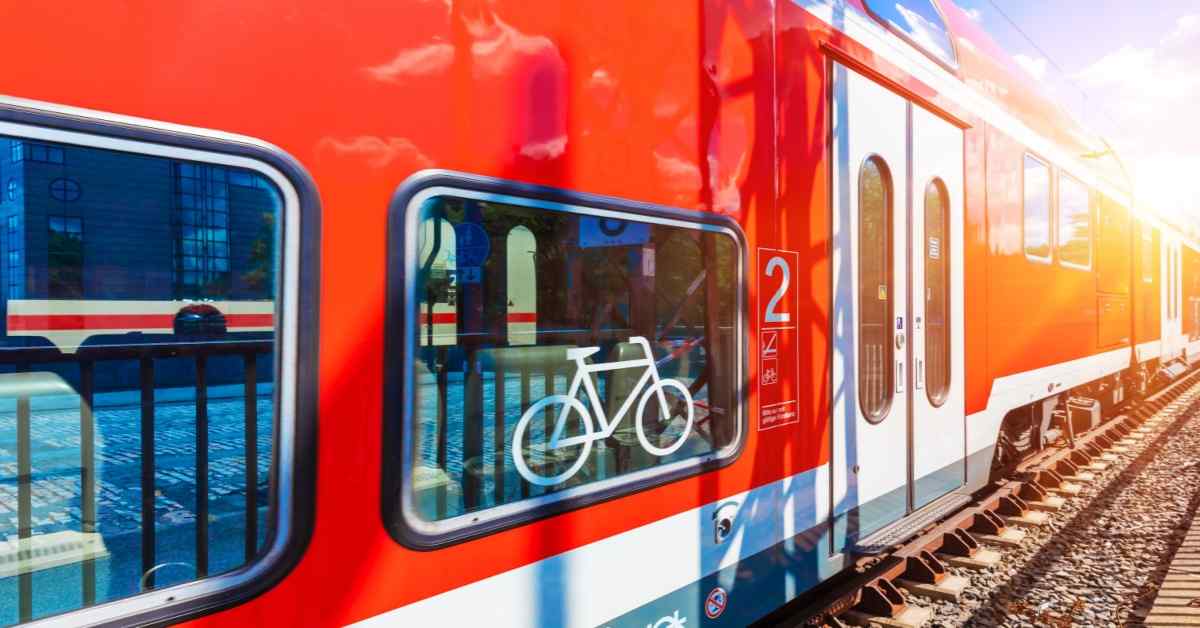
Bike Transport by Train in India: Charges, Booking Process & Documents Needed in 2026
April 30, 2025
110923+ views
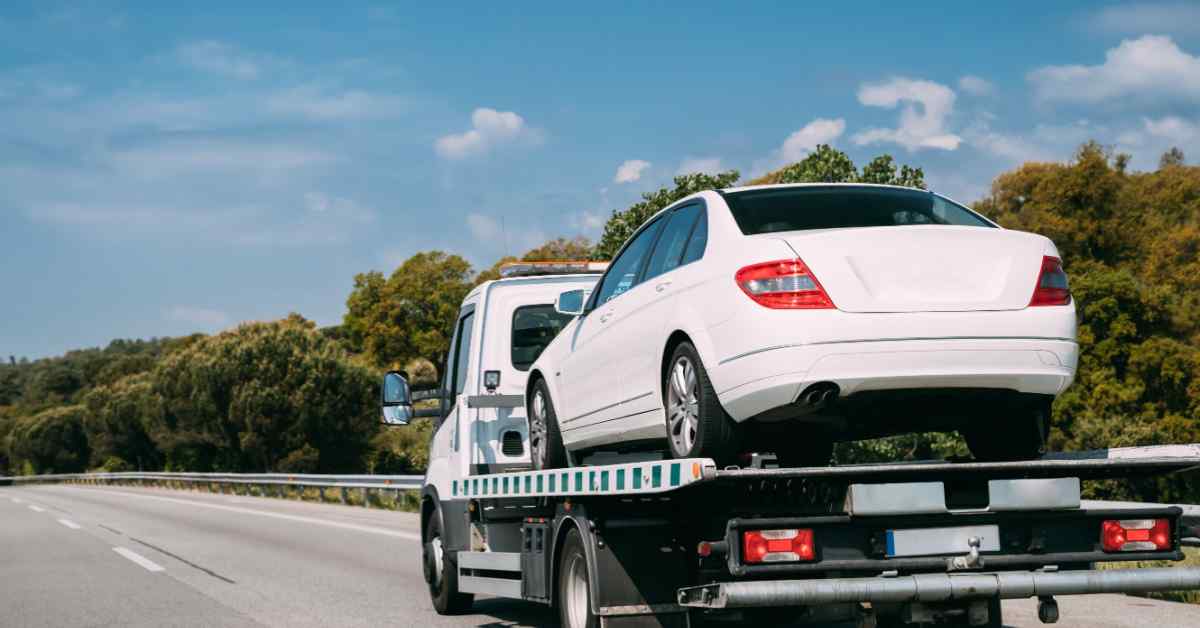
Vehicle Shifting Services in Bangalore: Booking Process, Charges and Required Documents in 2026
February 19, 2025
44999+ views
Best Vehicle Shifting Services in Mumbai
February 19, 2025
41099+ views
Best Vehicle Shifting Services in Pune
February 19, 2025
33608+ views
How to Transport Goods by Train in India: Services, Charges and Required Documents in 2026
April 30, 2025
32897+ views
NoBroker Packers and Movers Tips Testimonials
Most Viewed Articles

15 Best Local Packers and Movers in Bangalore: Quick Home and Office Relocation Services 2026
February 25, 2025
549696+ views

Bike Transport by Train in India: Charges, Booking Process & Documents Needed in 2026
April 30, 2025
110923+ views
Vehicle Shifting Services in Bangalore: Booking Process, Charges and Required Documents in 2026
February 19, 2025
44999+ views

New House Checklist Before Moving into Your New Home
January 31, 2025
43916+ views
Author
Loved what you read? Share it with others!
Recent blogs in
2026 में गृह प्रवेश के लिए शुभ दिन, तिथियां, नक्षत्र और सही मुहूर्त
January 12, 2026 by Yumna Ahmed
10 Best Packers and Movers in Delhi: Budget Friendly Moving Services in 2026
July 22, 2025 by Sourabh









 Full RM + FRM support


Join the conversation!