Table of Contents
Loved what you read? Share it with others!


10 Dangerous Plants You Should Never Keep at Home for Health & Safety in 2026
Updated : January 26, 2026, 1:40 AM
Author :

Table of Contents
When you choose plants for your garden or home, what do you keep in mind? Do you pick them based on their looks or function? Size or colour? Do you research what plants you want to have at home or do you pick up plants based on your mood? No matter how you choose to pick your plants, you should be careful of harmful plants, there are some plants that you should not have at home. If you’re wondering which are the bad plants for your home, they are
🌿 List of 10 Plants You Should Never Keep at Home in 2026
These plants may look attractive but can be harmful to health, pets, and indoor air quality. Avoid keeping them at home to ensure a safer living environment.
- Lilies
- Amaranthus
- Ricinus (Castor Bean Plant)
- English Ivy
- Philodendron (Split Leaf Philodendron)
- Aloe Vera
- Caladium (Elephant Ear Plant)
- Oleander
- Poinsettia
- Dieffenbachia (Dumb Cane)
10 Most Dangerous Plants Not Good for Home
These plants may look attractive but can be harmful to health, especially for children and pets. Some can cause poisoning, allergies, skin irritation, and breathing issues when kept indoors. Here is our list of the plants you should avoid placing in your home.
1. Are lilies Dangerous?
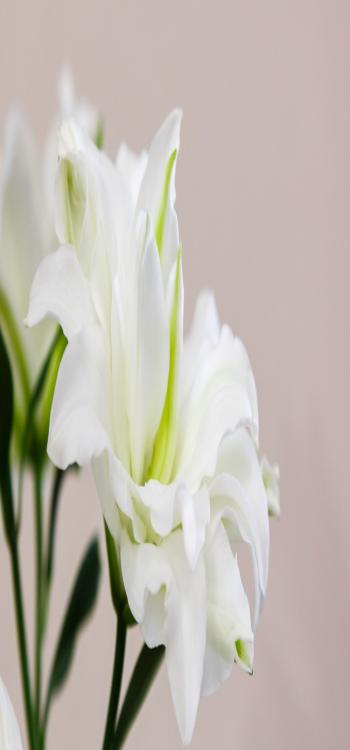
The lily is a beautiful flowing plant. It adds so much colour and cheer to your garden and home. But there are few species of lilies that are safe for home, the others are real dangerous plants, especially for your pet cats. From the leaves to the flower, every part of the lily plant is poisonous for cats. The varieties you should be cautious about are –
- Calla lily
- Easter lily
- Rubrum lily
- Tiger lily
- Day lily
- Asian lily
The reactions could range from mild ones like vomiting, lethargy, and lack of appetite, and it could even lead to death if they are not treated in time. So, if you have pets at home this plant is not good for your home.
🌿 Lilies
- Why it’s dangerous: Highly toxic, especially to pets; ingestion can cause serious health issues.
- Common symptoms: Vomiting, nausea, lethargy, stomach irritation.
- Who is at risk: Cats, dogs, and small children.
- How to identify: Large colorful flowers with long petals and strong fragrance.
- Precaution: Avoid keeping indoors, especially in pet homes.
- Safe alternative: Spider plant, areca palm.
2. Can You be Allergic to Amaranth?
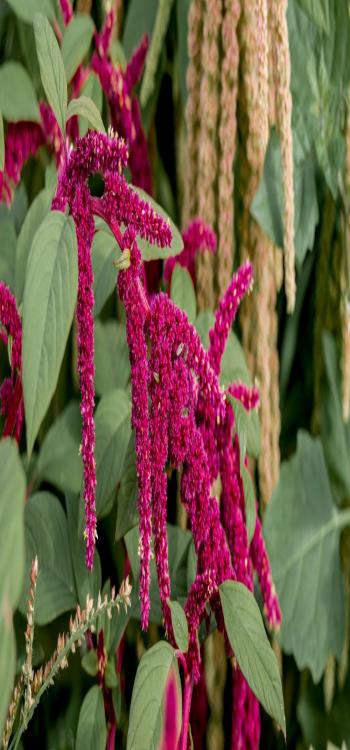
This is one that you’ll be sad you can’t have at home, it’s a stunning plant and would ideally make a great centrepiece. The Amaranthus, unfortunately, tops the list of which plants are not good for the home. The plant is a top pollen producer, if you suffer from allergies, then can make you really sick. In the dry seasons like summer, your allergy symptoms will get much worse, it is a good idea to skip this plant.
🌿 Amaranthus
- Why it’s dangerous: Can trigger allergies and respiratory discomfort.
- Common symptoms: Sneezing, itching, breathing problems, skin irritation.
- Who is at risk: Allergy-prone people and children.
- How to identify: Broad leaves with bright red or green clusters.
- Precaution: Keep outdoors and avoid touching frequently.
- Safe alternative: Money plant, basil.
3. Is Ricinus Communis Poisonous?
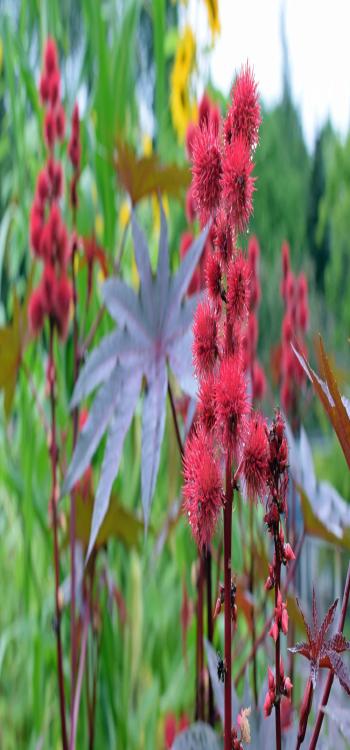
You probably know this one better by its other name, - castor bean. This is the plant that produces castor beans, from where we get castor oil. The plant is considered extremely toxic to animals, from small animals like your pet dog and cat, to larger animals like goats and cows. It grows rapidly and takes over your garden if you don’t notice it, so it is best not to have this plant in your home garden.
🌿 Ricinus (Castor Bean Plant)
- Why it’s dangerous: Extremely poisonous seeds and leaves.
- Common symptoms: Severe stomach pain, vomiting, weakness.
- Who is at risk: Children and pets.
- How to identify: Large star-shaped leaves and spiky seed pods.
- Precaution: Never keep inside homes.
- Safe alternative: Rubber plant (non-toxic varieties).
4. Can English Ivy Make You Ill?
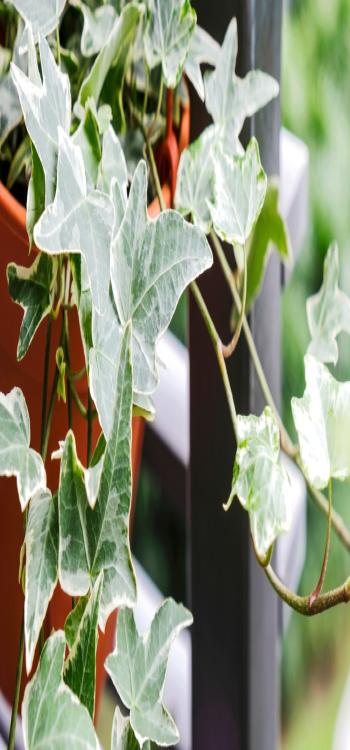
English Ivy is a very common vine. It looks beautiful when you grow it on a trellis and adds so much charm to your home. Grow it in hanging pots and it looks so lovely spilling out from the top, it’s also great at purifying the air around it, so why does it appear in the list of plants you shouldn’t keep at home? Well, because sadly it is a poisonous plant to humans and animals. Ivy causes skin irritation, and if you eat it, it can be very toxic.
🌿 English Ivy
- Why it’s dangerous: Contains toxins that irritate skin and stomach.
- Common symptoms: Skin rashes, nausea, breathing irritation.
- Who is at risk: Kids, pets, sensitive skin users.
- How to identify: Climbing vine with pointed green leaves.
- Precaution: Avoid indoor growing or keep far from reach.
- Safe alternative: Boston fern, pothos.
5. Are Split Leaf Philodendrons Poisonous?
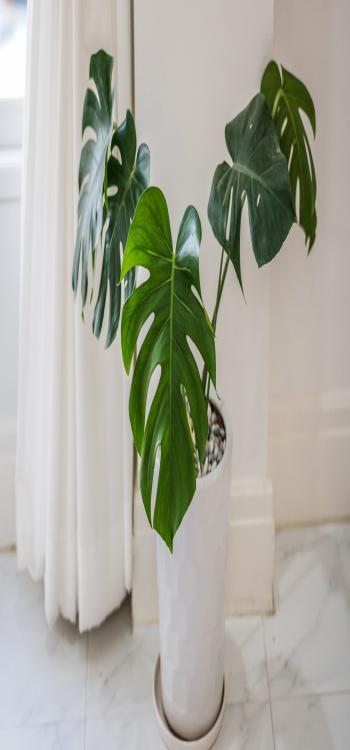
These are very common vastu plants for homes; they are lush and green and need very little effort to grow. What most people don’t know is that the Philodendrons are poisonous indoor plants that contain calcium oxalate crystals, which is toxic for both humans and pets. If you ingest it, you will develop an itchy rash, swelling of the mouth and digestive tract for kids and adults. If you have pets, you need to keep this out of their reach, for cats and dogs the Philodendrons is considered very toxic, it can cause spasms, seizures, and pain.
🌿 Philodendron
- Why it’s dangerous: Toxic sap can cause mouth and skin irritation.
- Common symptoms: Swelling, burning sensation, nausea.
- Who is at risk: Pets and toddlers.
- How to identify: Large glossy heart-shaped leaves.
- Precaution: Keep out of reach or avoid indoors.
- Safe alternative: Calathea, prayer plant.
6. Is Aloe Vera Safe for Pets?
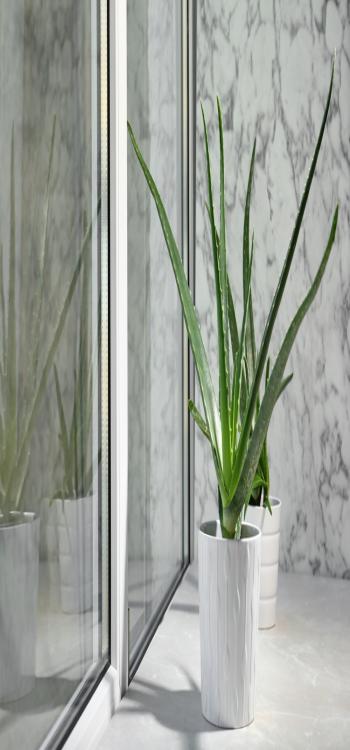
The aloe vera plant is extremely beneficial to humans. We use the gel for our skin and can even drink the juice to help with digestion, it is well known for its healing properties. As good as it is for humans, it’s equally bad for your pets. The latex (aloe juice, under the skin of the plant) is toxic. If your pet happens to eat it, you’ll notice it causes abdominal upsets and cramping. If you must have it, keep it away from your pets, but it is best to avoid having this plant in your home.
🌿 Aloe Vera
- Why it’s dangerous: Harmful if eaten by pets despite human benefits.
- Common symptoms: Vomiting, diarrhea, lethargy in animals.
- Who is at risk: Cats and dogs.
- How to identify: Thick spiky green leaves with gel inside.
- Precaution: Keep away from pets.
- Safe alternative: Areca palm.
7. Are Caladiums Toxic?
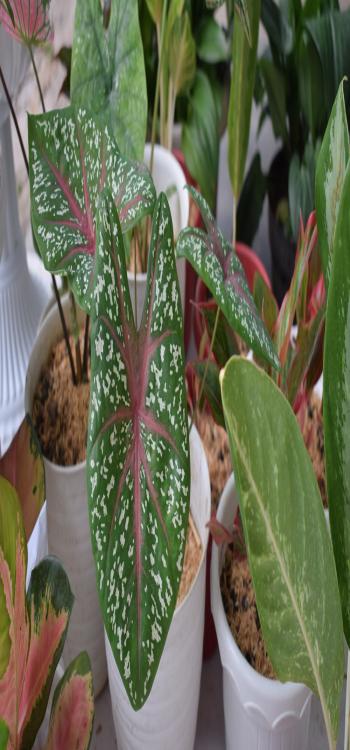
Why are the prettiest plants the ones you can’t have at home? The Caladium, aka elephant’s ears or angel’s wings, are a very popular landscaping plant and is very frequently seen at home. It comes in a variety of colours like red, pink, and white, so when you want to add a pop of colour, most gardeners will recommend this plant. Unfortunately, all parts of this plant are considered toxic to humans and animals. If ingested, it is known to cause burning and swelling of your mouth, lips, tongue, and throat. Sometimes, it has blocked airways and caused difficulty in breathing, and in the worst cases can lead to death.
🌿 Caladium (Elephant Ear Plant)
- Why it’s dangerous: Contains crystals that cause severe irritation.
- Common symptoms: Burning mouth, swelling, breathing trouble.
- Who is at risk: Children and pets.
- How to identify: Large colorful heart-shaped leaves.
- Precaution: Avoid indoor placement.
- Safe alternative: Bamboo palm.
8. What does Oleander do to the Body?
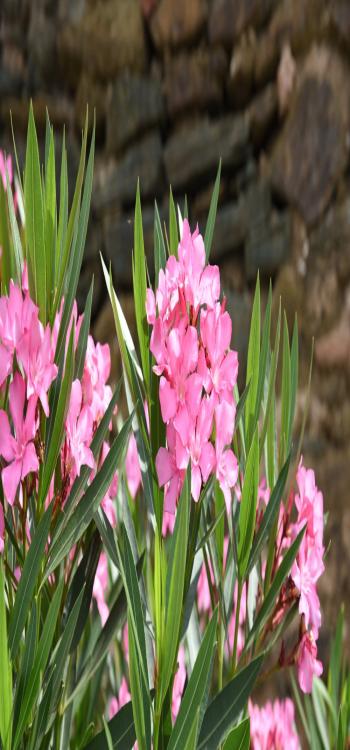
This is one plant that most people have heard of, the oleander. It is considered to be a poisonous indoor plant, for humans and pets too. If ingested, it can cause arrhythmia, dizziness, and tremors. There are a few cases where people have died after ingesting a large quantity of the leaves.
If your pet eats it, it can cause arrhythmia, vomiting, and cold extremities. It is best to avoid keeping this plant in your home.
🌿 Oleander
- Why it’s dangerous: One of the most poisonous house plants.
- Common symptoms: Heart issues, vomiting, dizziness.
- Who is at risk: Everyone, especially kids and animals.
- How to identify: Narrow leaves with pink or white flowers.
- Precaution: Never keep inside the house.
- Safe alternative: Hibiscus (non-toxic).
9. Poinsettia Facts!
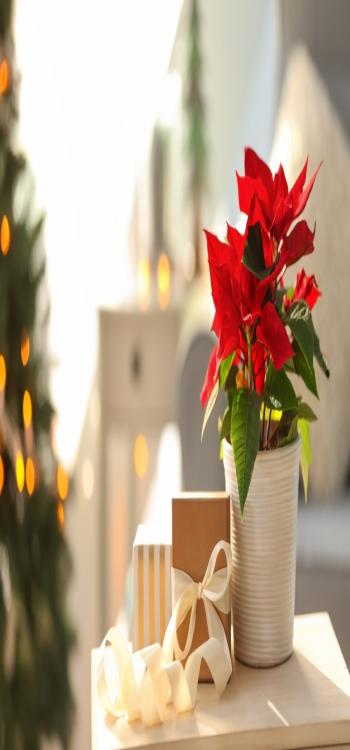
This is a colourful plant, and it’s a huge hit during the Christmas season as some leaves turn bright red and some stay green. People even use the leaves to make DIY Christmas decorations and more! The danger is not in its leaves, it is in the milky sap of the plant. The sap is known to contain toxins that are bad for humans and pets alike. If ingested, it can cause severe health complications, two people have even been said to have died after ingesting some of the Poinsettia sap.
🌿 Poinsettia
- Why it’s dangerous: Milky sap can irritate skin and stomach.
- Common symptoms: Redness, itching, mild vomiting.
- Who is at risk: Children and pets.
- How to identify: Bright red leaves around small flowers.
- Precaution: Place far from reach.
- Safe alternative: Christmas cactus.
10. Can Dieffenbachia Kill You?
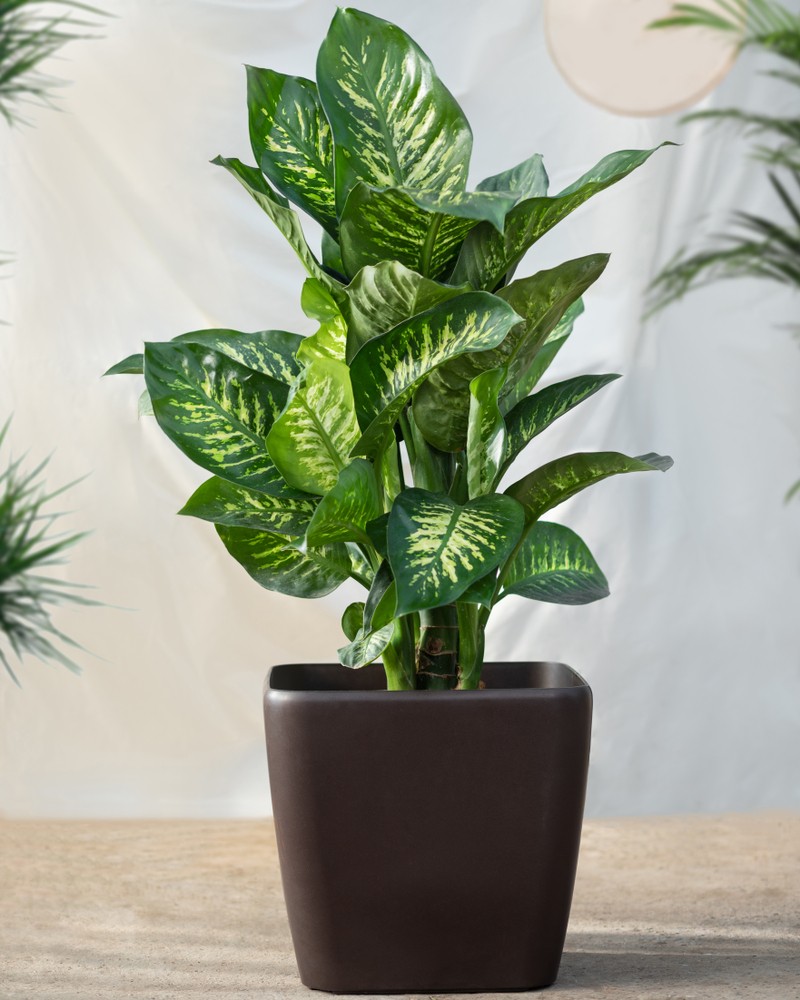
This is another common house plant that you will find in India. It looks great, the green, yellow and white add the perfect amount of colour to any room, they don’t need much care or attention and grow easily. The downside of having this plant at home is that its plant tissue has calcium oxalate. This causes swelling in your mouth, tongue, and airways, you won’t be able to talk after coming in contact with the milky sap of the plant. This is the reason the plant is included in our list of the 10 plants not to grow in your garden. This plant is often confused with Devil’s Ivy which is also known as money plant. As per money plant vastu, it is supposed to be placed in the southeastern direction.
🌿 Dieffenbachia (Dumb Cane)
- Why it’s dangerous: Toxic sap causes intense irritation.
- Common symptoms: Swelling, speech difficulty, burning sensation.
- Who is at risk: Kids and pets.
- How to identify: Large green leaves with white patterns.
- Precaution: Avoid indoor use or keep secured.
- Safe alternative: Peace lily alternatives like parlor palm.
How are certain plants poisonous to people or pets?
Toxins can come from:
- consuming or contacting leaves
- consuming roots, fruit, or blooms
- putting sap or fluids on your skin
- eating dirt
- consuming liquids from a plant tray
Avoid plants belonging to the nightshade family. Particularly the plant known as Datura. Dhatura is referred to as Lord Shiva's offering in the Puranas. It is where Lord Shiva lives, according to astrology. It is advised to utilise black datura in the home on Sundays and Tuesdays in this circumstance. Despite what Datura plant at home vastu dictates, it is an especially poisonous plant and is best avoided.
The majority of garden centres don't mark their potted plants with warnings about potential toxicity. Find out which common plants can be the biggest threats to the more susceptible members of your home before you buy that wonderful lily or philodendron.
Plants and Their Toxicity Levels to Human and Animals
| Plant | Toxic to Humans? | Toxic to Dogs? | Toxic to Cats? |
| Lily | Moderately | Moderately | Yes |
| Peace Lily | Yes | Yes | Yes |
| Philodendron | Mildly | Yes | Yes |
| Pothos | Yes | Yes | Yes |
| Mother-in-Law's Tongue | Moderately | Moderately | Moderately |
| Ivy | Mildly | Yes | Yes |
| Oleander | Extremely | Extremely | Extremely |
| Caladium | Yes | Yes | Yes |
| Dieffenbachia | Moderately | Moderately | Moderately |
| Arrowhead | Mildly | Mildly | mildly |
Tips to Reduce Chances of Exposure to Plant Toxins
- Remember that plants left outside during the summer might be harmful to pets kept outside. On porches or plant stands, hang them up high.
- Pets should always have access to fresh water so they aren't enticed to drink from plant trays. Water can get contaminated by toxins.
- To keep plants and animals safe from hazardous water and mould, use automatic plant waterers or self-watering containers.
- Try using hanging bird cages to hold the pots if you want to prevent cats from getting to plants that are out of reach of kids and dogs. Additionally protecting the plants, cages also add a little visual appeal to the space.
- Keep plants out of children's and dogs' reach or in areas where they are not permitted.
- Regularly maintain plants and keep clutter cleared away.
- The name of the plant and whether it is poisonous should be written on the containers.
- When handling plants that could irritate skin or eyes, wear gloves or promptly wash your hands.
- Keep plant trimmings out of sight and away from wildlife.
- Teach kids to avoid touching plants.
- Trim plants to keep animals and children from climbing on them. You'll still get fullness and air-purifying leaves in return from the plants.
Some More Safety Tips
- Keep fertilisers and potting soil out of children's reach.
- Check for insects on plants.
- Regularly check pots and soil for mould and mildew.
- Replacing pots with cracks or breaks. This is crucial for plastic pots that have spent time outside exposed to the elements.
- Make sure the hanging baskets are strong enough to hold the plant's weight.
- Place vining plants away from areas where the tendrils can be accessed. The plant could be yanked off the shelf by a child or animal.
- Make sure the plant can be supported by the plant shelves and ceiling hooks.
Which Plants are Not Good for Home According to Vastu Shastra?
Vastu Shastra has intricate guidelines about how to set up the perfect home. Let's take a look at which plants are not good for home as per Vastu:
- Bonsai
- Cactus
- Mehendi
- Dead Plants
- Cottan Plant
These are the plants that should not be planted at home as per Vastu. These are the plants that are definitely not good for home, especially if you have kids or pets at home. If you have a plant from our list of which plants are not good for home, then ensure you keep them out of reach from your kids and pets. If you’re looking for a home that is large enough for you to start your dream garden, then start your search on NoBroker. You’ll find a home for any budget and they are all without brokerage!
Frequently Asked Questions
Ans. Yes, some plants can be harmful. It's crucial to identify and avoid having toxic plants indoors, especially if you have pets or small children.
Ans. Several common house plants can be toxic to cats, including lilies, philodendron, and pothos. Ensure your indoor environment is safe for your feline friends by choosing non-toxic alternatives.
Ans. Yes, some house plants can be harmful to dogs. Examples include azaleas, philodendron, and certain palms. It's essential to be aware of these plants and keep them out of reach.
Ans. Some indoor plants that are toxic to dogs include snake plants, aloe vera, and schefflera. Take precautions to create a pet-friendly environment by selecting non-toxic plant options.
Ans. Identify poisonous plants by checking online databases, consulting with local nurseries, or using plant identification apps. Keep a list of toxic plants away from areas accessible to pets or children.
Most Viewed Articles
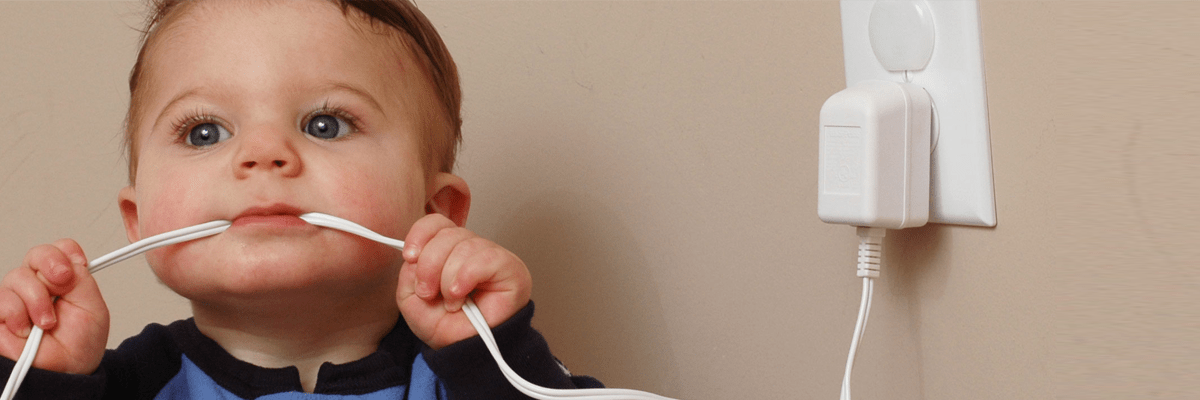
15 Safety Rules at Home for Kids
May 18, 2020
419184+ views
Plants That Need Only Water to Grow and How it is Different from Hydroponics
July 27, 2023
123431+ views

Kutcha House - Construction, Purpose and Significance!
January 15, 2025
59005+ views
10 Best Ways to Get Rid of Houseflies at Home: DIY & Quick Fixes for 2026
January 31, 2025
52751+ views

4 BHK House Plan in 2026: Modern Designs for Spacious Living and Luxurious Lifestyle
January 15, 2025
50115+ views
Author
Loved what you read? Share it with others!
Recent blogs in
How to Start a Terrace Garden - Ideas & Design Guide 2026
August 20, 2025 by NoBroker.com
Indoor Gardening Tips & Techniques for Beginners
August 20, 2025 by Anda Warner
5 Budget-Friendly Ways to Decorate Your Balcony
January 31, 2025 by NoBroker.com
How to Keep Your House Smelling Good All the Time?
January 31, 2025 by NoBroker.com
DIY Christmas Decoration: Tree Craft and More
January 31, 2025 by NoBroker.com









 Full RM + FRM support


Join the conversation!