Table of Contents
Loved what you read? Share it with others!


What is a Changeover Switch: Types, Usage, and Cost in 2026
Updated : December 23, 2025, 1:33 PM
Author :
 Vivek
Vivek
Table of Contents
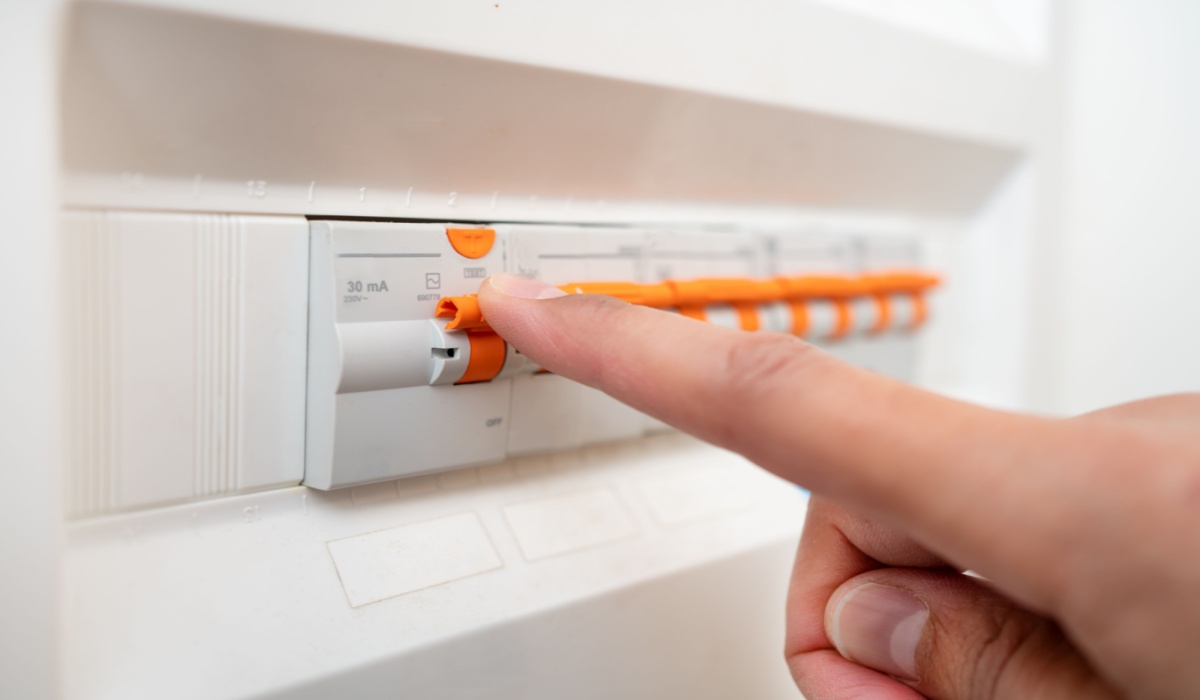
A reliable power system is vital for homes and businesses, and a changeover switch ensures dependability. It safely transfers power between two sources, like the main supply and a generator, during outages, maintaining uninterrupted power and preventing equipment damage. This switch improves safety, efficiency, and energy continuity. There are manual and automatic types; manual switches need human operation, while automatic switches transfer power instantly, providing greater convenience and a continuous supply.
Types of Changeover Switches
A changeover switch is an essential electrical component that ensures a continuous power supply by transferring the load between the main source and a backup generator during outages. Understanding its types helps in selecting the right switch for homes, offices, and industries. Each type serves specific needs based on automation level, convenience, and application requirements.
Manual Changeover Switch
A manual changeover switch requires physical operation to transfer power between the main supply and an alternate source, like a generator. It is cost-effective, simple to install, and ideal for smaller setups where occasional power interruptions are manageable.
Automatic Changeover Switch
An automatic changeover switch instantly detects a power failure and switches to the backup source without human intervention. It ensures seamless power continuity, making it suitable for homes, offices, hospitals, and industries where uninterrupted electricity is essential for safety and efficiency.
Working Principle of a Changeover Switch
A changeover switch operates on a straightforward yet highly effective principle that maintains an uninterrupted power supply between the main and backup sources, such as a generator. An automatic changeover switch continuously monitors the incoming power from the primary supply. When it detects a failure, voltage drop, or disruption, it instantly transfers the electrical load to the backup source, ensuring continuous electricity without manual intervention.
Once the main supply stabilises, the automatic changeover switch safely reverts the load back to the primary source. This mechanism prevents backfeeding, safeguards sensitive electrical equipment, and minimises operational downtime. Automating the switching process enhances safety, reliability, and efficiency, making it ideal for homes, commercial spaces, and industrial environments.
3-Phase vs Single-Phase Changeover Switch
A 3-phase and a single-phase changeover switch both transfer power between the main supply and the backup. They differ in capacity, usage, and design, which helps you choose the right switch for residential, commercial, or industrial use. Here's a detailed comparison.
| Feature | Single-Phase Changeover Switch | 3-Phase Changeover Switch |
| Power Supply Type | Works on one phase (230V) | Works on three phases (415V) |
| Usage | Ideal for homes, small offices, and light loads | Suitable for industries, factories, and large commercial setups |
| Power Capacity | Handles lower power loads | Manages higher power demands efficiently |
| Design Complexity | Simple design, easy to install | More complex structure and installation process |
| Switching Mechanism | Transfers power between one live wire and neutral | Transfers power across three live wires and neutral |
| Cost | More affordable and compact | Higher cost due to advanced components and capacity |
| Maintenance | Requires minimal maintenance | Needs regular maintenance for reliable performance |
| Efficiency | Sufficient for limited power usage | Ensures balanced load distribution across phases for high efficiency |
| Applications | Residential setups and small businesses | Industrial plants, data centers, and large buildings |
This comparison highlights that while single-phase switches suit smaller setups, a 3-phase changeover switch is essential for high-load environments needing stability and balanced power distribution.
Advantages of Using Changeover Switches
A three-phase changeover switch is vital for a stable power supply, especially in high-demand environments. It enables automatic or manual switching between sources, ensuring smooth operation, safety, and energy efficiency in industrial, commercial, and institutional settings.
- Continuous Power Supply: A three-phase changeover switch ensures seamless power transfer between the main grid and backup, keeping machines, lighting, and critical systems running without downtime.
- Improved Electrical Safety: It improves electrical safety by preventing overloads, short circuits, voltage fluctuations, protecting equipment, and reducing fire or failure risks in high-power environments.
- Enhanced Efficiency: Distributing electrical loads evenly with a three-phase switch optimises performance, reduces energy losses, and enhances management of high-power equipment in industrial and commercial settings.
- Automatic Functionality: An automatic three-phase changeover switch detects power loss and switches to backup instantly, ensuring seamless energy and reducing delays during outages.
- Wider Application Range: The three-phase changeover switch suits factories, hospitals, data centers, and offices needing uninterrupted, balanced power for productivity, safety, and stability.
Installation Guidelines
Proper installation of a single-phase changeover switch is crucial for safe, efficient power transfer. A properly configured system reduces hazards, prevents malfunctions, and ensures reliable power during outages. Following standard practices guarantees system protection and longevity.
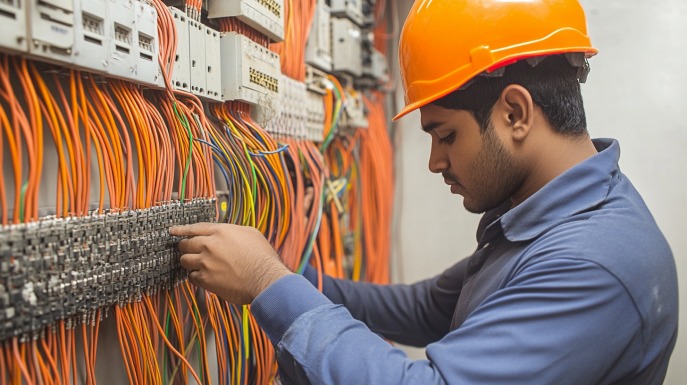
- Professional Installation: Always hire a certified electrician to install a single-phase changeover switch, ensuring compliance with safety codes, accurate wiring connections, and proper grounding for dependable and secure operation.
- Select the Right Location: Install the switch in a dry, accessible area with adequate ventilation, away from direct heat or moisture, to maintain the durability and efficiency of the single-phase changeover switch.
- Use Proper Wiring: Follow manufacturer guidelines for correct cable sizing and secure connections. Proper wiring prevents voltage drops, overheating, and short circuits, ensuring safe operation of the single-phase changeover switch.
- Regular Maintenance Checks: Periodically inspect terminals, wiring, and switch movement for wear or damage. Routine maintenance enhances the lifespan and performance reliability of your single-phase changeover switch.
- Test Before Full Use: Before connecting all loads, test the single-phase changeover switch for smooth operation and correct power transfer between sources to confirm safe and efficient functionality.
Applications of Changeover Switch
A 3-phase automatic changeover switch maintains continuous power by automatically switching from the main supply to the backup generator during outages. It ensures smooth operations, protects equipment, and prevents downtime. Its reliability makes it essential for industries, commercial buildings, healthcare, and critical infrastructure.
Industrial Facilities
A 3-phase automatic changeover switch provides continuous power to industrial machinery, production lines, and automated systems, preventing costly downtime, ensuring efficiency, and protecting equipment from power fluctuations. Critical in factories and processing plants for safety and productivity.
Hospitals and Healthcare Centers
In healthcare facilities, a 3-phase automatic changeover switch provides continuous power to critical equipment, ensuring patient safety and uninterrupted medical procedures during outages. It is essential in emergencies and intensive care.
Data Centres and IT Infrastructure
A 3-phase automatic changeover switch for data centers and IT hubs provides reliable power to servers, networking, and storage, preventing data loss, downtime, and service interruptions. It protects equipment from voltage fluctuations, ensuring business continuity and the continuous operation of critical 24/7 IT infrastructure.
Commercial Buildings and Offices
A 3-phase automatic changeover switch is vital in commercial buildings and offices, supporting elevators, HVAC, lighting, and equipment. It ensures a steady power supply during outages, preventing disruptions, improving safety, and maintaining comfort for employees and clients, enabling efficient business operation without power failure interruptions.
Public Utilities and Emergency Services
In public utilities and emergency services, a 3-phase automatic changeover switch ensures critical operations like water treatment, communication, and emergency systems continue running. It offers seamless power transfer during outages, keeps essential services operational, protects equipment, and supports community infrastructure.
Common Issues and Troubleshooting
A changeover switch ensures uninterrupted power but can face issues over time. Regular monitoring, maintenance, and troubleshooting are essential for efficiency. Early problem detection prevents damage, ensures safety, and maintains seamless transfer between main and backup sources in various settings.
- Power Transfer Failure: If the switch fails to transfer power between the main supply and backup, it may be due to wiring faults, tripped breakers, or a malfunctioning switch mechanism requiring immediate inspection and repair.
- Frequent Tripping: Repeated tripping of the changeover switch often indicates overload, short circuits, or faulty connections, which must be addressed promptly to prevent damage to appliances and maintain system reliability.
- Unresponsive Automatic Switching: An automatic changeover switch may not respond if sensors or control circuits are defective, requiring testing, calibration, or replacement to ensure seamless power transfer during outages.
- Mechanical Wear and Tear: Manual switches may experience worn-out components or loose connections over time, necessitating lubrication, tightening, or part replacement to maintain smooth and safe operation.
- Voltage Fluctuations: Irregular power output or voltage fluctuations from the switch can damage connected devices, often caused by poor wiring, unbalanced loads, or internal faults, which should be rectified immediately for safe performance.
How NoBroker Can Help
A changeover switch is vital for continuous power in homes, offices, and industries. It switches seamlessly between primary and backup power, protecting appliances and reducing outages. Knowing its types, uses, and maintenance boosts system reliability. Investing in quality switches ensures long-term performance. Manual or automatic, choosing the right switch guarantees smooth operation and avoids costly outages. NoBroker offers premium switches for various applications. Browse our range to keep power uninterrupted and protect your systems. Upgrade now for reliable, safe energy.
Frequently Asked Questions?
Ans: The primary purpose of a changeover switch is to maintain an uninterrupted power supply by transferring the load between the main and backup sources. It protects appliances from electrical damage, prevents downtime, and ensures smooth operation during power outages.
Ans: Changeover switches are used in homes, commercial buildings, hospitals, data centers, and industrial plants. They ensure continuous electricity, protect sensitive equipment, and support critical operations, making them essential for environments where power interruptions can disrupt safety or productivity.
Ans: Choosing the right changeover switch depends on voltage, current capacity, load requirements, and phase type. Additionally, deciding between manual and automatic operation ensures compatibility with your electrical system, safety, and uninterrupted power continuity for your specific application.
Ans: While technically possible for someone with electrical knowledge, it is strongly recommended to hire a licensed electrician. Proper installation ensures compliance with safety codes, reliable operation, and prevents risks of electrical hazards, equipment damage, or system failures.
Ans: Maintenance includes inspecting wiring and terminals for wear, cleaning dust and debris, testing switch operation, and tightening loose connections. Regular upkeep ensures long-term reliability, prevents electrical faults, and guarantees smooth, uninterrupted power transfer when needed.
Most Viewed Articles
Best 10 Switch Brands in India 2026: Top Picks for Smart, Stylish, & Safe Homes
August 25, 2025
106286+ views
Top 10 Wire Companies in India: Founding Year, Valuation, Share Value and More Details in 2026
September 26, 2025
83020+ views
Wire Colour Code in India: Electrical Safety Simplified
January 31, 2025
44980+ views

10+ Best Electrical Wire For Home: Top Brands, Safety, Prices, Pros and Cons in 2026
September 5, 2025
20410+ views

10 Best Ceiling Fan Brands in India: Features, Price & Warranty in 2026
July 29, 2025
18872+ views
Author
Loved what you read? Share it with others!
Recent blogs in
V-Guard Vs Polycab Wires: Compare Quality, Safety, Price and Durability
December 18, 2025 by Vivek Mishra
Anchor Vs Havells Wire: Copper Purity, Insulation, Durability & Safety
December 17, 2025 by Ananth
Finolex vs RR Kabel: Safety, Durability, Copper Quality and Price Range
December 17, 2025 by Vivek Mishra
Top 10 Smart Touch Switches Brands in India: Types, Price Range and Warranty
November 18, 2025 by Priyanka Saha
Types of Wiring in a House: Importance, Comparison, Costs and Safety Tips
November 18, 2025 by Priyanka Saha










 Full RM + FRM support


Join the conversation!