


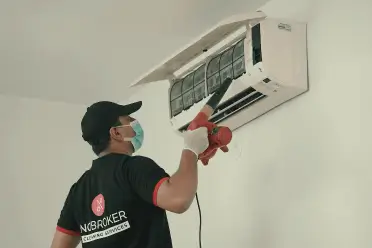
Whirlpool AC Problem: Common Issues, Troubleshooting Tips and Easy Fixes
Whirlpool air conditioners are designed to deliver efficient and consistent cooling, but like any electronic appliance, they may occasionally experience operational issues. You might notice your AC failing to cool properly, leaking water, not responding to the remote, or refusing to start. While these situations can be frustrating, many of them are caused by minor issues that can be resolved with basic troubleshooting. This guide explores the most common Whirlpool AC problems, their likely causes, and practical solutions to help you restore your air conditioner to normal working condition.
Understanding Common Whirlpool AC Problems
An air conditioner performs efficiently only when all its components work together seamlessly. If one part develops a fault, it can impact cooling, airflow, or the overall operation of the unit.
Some of the most common reasons behind a Whirlpool AC problem include:
- Dirty air filters
- Incorrect cooling settings
- Refrigerant leakage
- Drainage blockage
- Remote control issues
- Electrical power interruptions
- Outdoor unit malfunction
- Faulty sensors
- Lack of routine servicing
- PCB or wiring faults
Many of these issues can be identified early with a few basic checks before scheduling a repair.
Quick Whirlpool AC Troubleshooting Checklist
Before contacting a technician, it’s worth checking a few common problem areas. These simple inspections can help identify the issue quickly and may even restore normal operation.
| Problem | First Thing to Check | Suggested Solution |
| Whirlpool AC unit not turning on | Power supply | Check the socket and circuit breaker |
| Whirlpool AC cooling problem | Air filters | Clean the filters |
| Whirlpool AC is leaking water | Drain pipe | Remove any blockage |
| Remote not responding | Batteries | Replace the batteries |
| Indoor unit running but not cooling | Cooling mode | Verify temperature settings |
| Outdoor unit not working | Airflow | Clear dust and obstructions |
Whirlpool AC Unit Not Turning On
If your Whirlpool AC unit isn’t turning on, the cause isn’t always a serious electrical fault. In many cases, startup issues are linked to power interruptions or incorrect operating conditions.
Check the Power Supply
Start with these simple inspections:
- Make sure the wall socket is supplying electricity.
- Inspect the circuit breaker for trips.
- Confirm the main power switch is turned on.
- Check whether the voltage stabiliser is working properly.
A stable electrical supply is essential for the AC to start normally.
Inspect the Remote Control
Sometimes the indoor unit is ready to operate, but the remote fails to send commands.
Try these quick checks:
- Replace the batteries.
- Point the remote directly at the indoor unit.
- Remove anything blocking the receiver.
- Test the AC using the manual power button.
If the unit starts manually, the remote is likely the source of the problem.
Allow the Compressor Protection Delay
Many Whirlpool AC models include a built-in delay that prevents the compressor from restarting immediately after the unit has been switched off.
Waiting a few minutes before turning the AC back on can often resolve this issue.
Whirlpool Air Conditioner Remote Control Is Not Working
A non-responsive remote doesn’t always mean the air conditioner itself has developed a fault. In many situations, the issue lies with the remote or its communication with the indoor unit.
Possible Causes
Your Whirlpool air conditioner remote control is not working because of:
- Weak batteries
- Dirty battery terminals
- Damaged buttons
- Faulty infrared transmitter
- Receiver sensor issues
What You Can Do
Before replacing the remote:
- Install a fresh set of batteries.
- Clean the battery contacts.
- Point the remote directly towards the receiver.
- Test the infrared signal using your smartphone camera.
If the remote is transmitting normally but the AC doesn’t respond, the indoor receiver should be inspected.
Whirlpool Air Conditioning Is Not Cooling
When an air conditioner runs without effectively lowering the room temperature, the issue often develops gradually. Reduced cooling performance can usually be traced back to maintenance or airflow problems.
Whether you’re dealing with a Whirlpool air conditioning is not cooling, a Whirlpool AC cooling problem, or wondering, “My Whirlpool air conditioner is not cooling,” the following areas should be checked first.
Dirty Air Filters
As dust collects inside the filters, airflow becomes restricted, making it harder for the AC to cool efficiently.
Common signs include:
- Weak airflow
- Longer cooling time
- Dust around the vents
- Increased electricity consumption
Cleaning the filters regularly helps improve cooling performance and indoor air quality.
Low Refrigerant Level
The refrigerant carries heat from inside your room to the outdoor unit. If the level drops because of a leak, the AC won’t cool effectively.
You may notice:
- Warm air coming from the vents
- Ice on refrigerant pipes
- Continuous compressor operation
- Gradually decreasing cooling performance
Only a trained technician should repair refrigerant leaks and recharge the system.
Incorrect Operating Settings
Sometimes the problem is simply caused by unsuitable settings.
For better cooling:
- Select Cool Mode.
- Set the temperature between 22°C and 24°C.
- Use Auto or High fan speed.
Running the AC in Fan Mode won’t provide cooling.
Blocked Outdoor Unit
The outdoor unit needs unrestricted airflow to release heat properly.
Cooling efficiency can be reduced if:
- Dust covers the condenser.
- Plants or stored objects block ventilation.
- Leaves and debris accumulate around the unit.
Keeping the outdoor unit clean helps maintain consistent cooling.
Whirlpool Air Conditioner Not Working
If your Whirlpool air conditioner is not working, begin by checking whether the issue affects the entire system or only one specific function.
Possible Causes
Your AC may stop operating because of:
- Electrical supply interruption
- Compressor fault
- PCB malfunction
- Internal wiring issue
- Protection mode
- Remote communication failure
Things You Can Check
Before requesting professional servicing:
- Restart the AC after turning off the main power.
- Confirm the electrical supply is stable.
- Replace the remote batteries.
- Check for any indicator lights.
- Listen for unusual sounds from the outdoor unit.
If the AC remains completely unresponsive, further diagnosis by a technician is recommended.
Whirlpool AC Types and Their Common Problems
Different Whirlpool AC models are designed to suit different room sizes and cooling needs. Understanding the common issues associated with each type can help you maintain your unit more effectively.
| Whirlpool AC Type | Common Problems | Maintenance Level |
| Split AC | Refrigerant leakage, drainage issues, dirty filters | Moderate |
| Inverter Split AC | Sensor faults, communication issues | Low |
| Window AC | Noise, vibration, restricted airflow | Moderate |
| Cassette AC | Drain blockage, ceiling leakage | High |
| Tower AC | Dust buildup, fan motor wear | Moderate |
Whirlpool AC Unit Leaking Water
If you notice water collecting beneath your indoor unit, it’s a sign that the condensation isn’t draining properly. Although this issue is quite common, it shouldn’t be ignored, as continuous leakage can damage your walls, ceiling, or furniture.
The same solutions apply if you’re experiencing a Whirlpool AC unit leaking water, a Whirlpool air conditioner leaking water, a Whirlpool AC dripping water, a Whirlpool AC leaking water, or a Whirlpool aircon leaking water.
Possible Causes
Water leakage may occur due to:
- Blocked drain pipe
- Dirty air filters
- Frozen evaporator coil
- Incorrect installation angle
- Damaged drain pan
- Excess indoor humidity
What You Can Do
Before arranging a repair, perform these simple checks:
- Clean the indoor air filters.
- Inspect the drain pipe for blockages.
- Ensure the indoor unit is properly installed.
- Turn off the AC if the water leakage becomes excessive.
If the problem continues, it’s best to have the drainage system inspected by a qualified technician.
Whirlpool AC EC Problem
If your air conditioner displays the Whirlpool AC EC problem, it usually indicates that the system has detected a fault affecting its cooling performance. In many Whirlpool models, the EC code is commonly linked to refrigerant-related issues, though the exact meaning can vary depending on the model.
Possible Causes
The EC error can appear because of:
- Refrigerant leakage
- Low refrigerant pressure
- Faulty temperature sensor
- PCB communication issues
- Electrical faults
What You Can Do
If the EC error appears:
- Turn off the AC immediately.
- Disconnect the power supply for five minutes.
- Restart the unit and check whether the error returns.
- Observe if the cooling performance has reduced.
If the EC code keeps reappearing, avoid continuous operation and arrange professional servicing.
Whirlpool AC Issues
Some AC problems develop slowly and don’t always point to a single faulty component. Paying attention to unusual changes in performance can help prevent bigger repairs later.
Some commonly reported Whirlpool AC issues include:
- Weak cooling
- Water leakage
- Remote control malfunction
- Frequent restarting
- Unusual operating sounds
- Poor airflow
- High electricity consumption
- Outdoor unit not operating
Recognising these warning signs early can help maintain efficient cooling and extend the life of your AC.
Whirlpool AC Troubleshooting
Many common problems can be identified by carrying out a few simple checks before requesting professional assistance.
Simple Checks Before Calling a Technician
Follow this troubleshooting checklist:
- Check that the power supply is working.
- Replace the remote control batteries.
- Clean the indoor air filters.
- Ensure Cool Mode has been selected.
- Inspect the outdoor unit for blocked airflow.
- Restart the AC after switching off the power for five minutes.
- Look for any indicator lights or error codes.
These basic steps can resolve many everyday Whirlpool AC problems without requiring major repairs.
Choosing the right air conditioner depends on your cooling needs, available installation space, and maintenance preferences. The comparison below highlights the key differences between various AC types.
Whirlpool Inverter vs Split vs Window vs Cassette AC Comparison
| Feature | Inverter AC | Split AC | Window AC | Cassette AC |
| Cooling Performance | Excellent | Excellent | Good | Excellent |
| Energy Efficiency | Highest | High | Moderate | High |
| Noise Level | Very Low | Low | Moderate | Low |
| Common Issues | Sensor faults, communication issues | Refrigerant leakage, drainage issues | Noise, vibration | Drain blockage |
| Maintenance | Low | Moderate | Moderate | High |
| Best Suited For | Daily home use | Homes and apartments | Small rooms | Offices and commercial spaces |
Tips to Prevent Common Whirlpool AC Problems
Simple maintenance habits can go a long way in keeping your air conditioner working efficiently and reducing the chances of unexpected breakdowns.
Follow these preventive measures:
- Clean the air filters every two to four weeks.
- Schedule professional servicing once every year.
- Keep the outdoor unit clean and free from obstructions.
- Inspect the drain pipe regularly.
- Avoid operating the AC at extremely low temperatures for long periods.
- Replace remote batteries whenever they become weak.
- Get the refrigerant level checked if cooling performance declines.
- Use a voltage stabiliser if your area experiences frequent voltage fluctuations.
Routine maintenance helps improve cooling efficiency while extending the overall life of your Whirlpool AC.
When Should You Call a Technician?
Basic troubleshooting is useful for minor issues, but some problems require professional diagnosis and repair.
Contact a technician if:
- The AC doesn’t start after checking the power supply.
- Cooling remains poor even after cleaning the filters.
- Water leakage continues.
- The EC error repeatedly appears.
- The outdoor unit isn’t operating.
- You hear grinding or buzzing noises.
- A burning smell comes from the unit.
- The same issue returns after restarting the AC.
Seeking professional help early can prevent further damage and reduce repair costs.
Final Verdict
Experiencing a Whirlpool AC problem doesn’t always mean your air conditioner needs major repairs. Many common issues, including poor cooling, water leakage, startup failures, and remote control problems, can often be prevented with regular maintenance and timely servicing. Identifying the warning signs early and carrying out simple troubleshooting can improve your AC’s performance and lifespan. However, if your Whirlpool air conditioner is not working even after these checks, it’s best to seek professional assistance for a proper inspection and repair.
Frequently Asked Questions
1. Why is my Whirlpool AC blowing air but not cooling the room?
This usually happens due to dirty filters, low refrigerant, incorrect settings, or restricted airflow around the outdoor unit.
2. Can I use my Whirlpool AC continuously throughout the day?
Yes, but it’s advisable to give the unit short breaks when possible and ensure regular maintenance to avoid unnecessary strain on the compressor.
3. Why does my Whirlpool AC make a clicking sound while starting?
A light clicking sound during startup is usually normal. However, repeated loud clicking may indicate an electrical or relay issue.
4. How can I improve the cooling performance of my Whirlpool AC?
Clean the filters regularly, keep doors and windows closed, maintain the recommended temperature, and ensure the outdoor unit has proper airflow.
5. Why does my Whirlpool AC produce an unpleasant smell?
Bad odours are often caused by dust, mould, or bacteria inside the filters or evaporator coil. Cleaning and servicing the AC usually resolve the issue.
6. Does regular servicing improve the life of a Whirlpool AC?
Yes. Routine servicing helps maintain cooling efficiency, reduces wear on components, and can significantly increase the lifespan of the unit.
7. What temperature should I set on my Whirlpool AC for everyday use?
A temperature between 22°C and 24°C generally provides comfortable cooling while helping reduce electricity consumption.
8. Why is my Whirlpool AC vibrating more than usual?
Excessive vibration may occur because of loose mounting brackets, an unbalanced fan, or improper installation of the indoor or outdoor unit.
9. How do I know if my Whirlpool AC needs professional servicing?
If the AC cools poorly, leaks water, makes unusual noises, displays an error code, or frequently shuts down, it’s time to arrange professional servicing.
10. Can regular cleaning help prevent Whirlpool AC problems?
Yes. Cleaning the filters, keeping the outdoor unit free from dust, and inspecting the drain pipe regularly can prevent many common Whirlpool AC problems.