


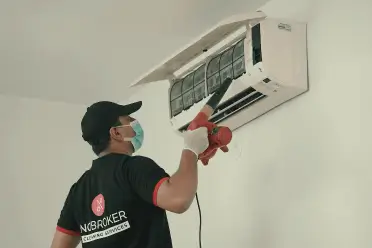
Air Conditioner Gas Leaks: How to Detect and Prevent
Air Conditioner gas leaks are often silent but harder to notice. They can significantly increase cooling efficiency, increase energy bills, and cause long-term damage to the system. Understand simple, practical steps to keep the AC efficient, save money, and ultimately get reliable, year-round cool comfort.
11 Key Signs & Symptoms of Air Conditioner Gas Leaks You Shouldn’t Ignore
Recognising the signs and symptoms of air conditioner gas leaks is crucial for ensuring the safety and optimal performance of your cooling system. Here are common indicators that may suggest a gas leak in your air conditioner:
1. Decline in Cooling Efficiency
One of the initial signs of a gas leak is a noticeable decrease in your air conditioner’s cooling efficiency. If you find that your AC is not cooling the space as effectively as before, it may indicate a refrigerant leak.
2. Hissing Sounds
Unusual hissing or bubbling sounds from the indoor or outdoor unit of an air conditioner may indicate a gas leak. These sounds are often associated with refrigerant escaping from the system.
3. Unusual Odours
Refrigerants used in air conditioners often have distinct odours. If you notice any unusual, sweet, or chemical-like smells around the air conditioner, it could be a sign of a refrigerant leak. Take such odours seriously and investigate promptly.
4. Frozen or Icy Coils
A refrigerant leak can cause an imbalance in the system, leading to the evaporator coils freezing. If you observe ice buildup on the coils or any part of the unit, it may indicate a gas leak.
5. Oil Stains or Residue
Refrigerants often carry oil within the system. If you observe oily stains or residue around the refrigerant lines, connections, or the unit itself, it could signal a leak. The oil may appear as a dark or rainbow-coloured substance.
6. Visible Damage to Refrigerant Lines
Inspect the refrigerant lines for any visible signs of damage, such as cracks, punctures, or corrosion. Damaged lines can lead to leaks and should be addressed promptly.
7. Increased Electricity Bills
A sudden increase in electricity bills without any apparent change in usage could indicate a refrigerant leak. As the air conditioner’s efficiency decreases, it may have to work harder to maintain the desired temperature.
8. Respiratory Issues or Discomfort
In rare cases, prolonged exposure to certain refrigerants can lead to respiratory issues, dizziness, or discomfort. If you or occupants of the space experience such symptoms, it’s essential to investigate the possibility of a gas leak.
9. AC is Not Cooling Despite Running For a Long Time
Generally, when an AC runs for too long without cooling, it indicates low refrigerant levels, dirty filters, blocked coils, or compressor issues. It may also include restricted airways, problematic thermostats, or undersized units, all of which lead to less effective cooling and slower temperature reduction.
10. Water Leakage from the Indoor Unit
Water leakage from the indoor unit often occurs due to a clogged drain pipe, damaged drain tray, or excessive condensation. Clogged filters, improper installation, or a low refrigerant level may also lead to moisture and noticeable drips, causing dampness indoors.
11. AC Compressor Runs Continuously
A constantly running compressor can indicate a malfunctioning thermostat, insufficient refrigerant, dirty coils, or poor insulation that allows heat to build up continually. Similarly, blocked airflow, oversized spaces, or electrical faults prevent the system from cycling off. Thus, this increases energy use and wear on it.
Note: If you suspect a gas leak in your air conditioner based on these signs, it is crucial to prioritise safety. Avoid direct contact with the refrigerant, turn off the AC immediately, and seek professional assistance for inspection and repairs.
Causes of AC Gas Leaks
The following points outline the primary AC gas leak causes and provide a clear understanding of how these AC gas leak problems typically develop:
- Corroded copper coils gradually weaken and create openings that allow refrigerant to escape.
- Loose joints and poorly tightened fittings allow gas to escape during AC operation.
- Refrigerant pipes damaged during drilling or renovation work often develop slow leaks.
- Outdoor copper lines exposed to moisture and pollution may rust and start leaking.
- Incorrect installation, weak brazing, or substandard pipes increase leakage.
- Older AC units experience normal wear, which slowly reduces refrigerant levels.
- Rodents chewing on insulated copper lines can create holes that cause gas loss.
- A worn Schrader valve at the service port can continuously leak refrigerant.
- System pressure can cause overcharging or airflow issues and push gas into weak spots.
How to Check for a Gas Leak in an Air Conditioner
Ensuring the safety of your living space involves AC gas leakage check actively checking for gas leaks in your air conditioner. Here’s a step-by-step guide to empower you with the knowledge to conduct a thorough inspection:
Visual Inspection
Begin by visually inspecting the entire exterior of your air conditioner unit. Look for any visible signs of damage, including rust, corrosion, or oil stains. Pay close attention to the refrigerant lines and connections.
Listen for Unusual Sounds
Turn on your air conditioner and listen for any hissing or bubbling sounds. Unusual noises may indicate a refrigerant leak. If you notice such sounds, it’s crucial to investigate further.
Check for Unusual Odours
Be attentive to any unusual odours around the air conditioner. Refrigerants often have distinct odours, and detecting a sweet or chemical-like odour could indicate a gas leak.
Examine Refrigerant Lines
Inspect the refrigerant lines for visible damage. Look for cracks, punctures, or signs of wear and tear. Any abnormalities in the lines can contribute to gas leaks.
Use a UV Dye Test
Consider using a UV dye test to identify refrigerant leaks. UV dye can be added to the refrigerant, and if there is a leak, it will leave a visible trail. UV lights can then be used to detect the dye and pinpoint the leak.
Check the Evaporator Coils
Inspect the evaporator coils for any signs of frost or ice buildup. Frozen coils may indicate a refrigerant leak or a system imbalance.
Utilise a Refrigerant Leak Detector
Invest in a refrigerant leak detector, a specialised tool that detects refrigerant gases. Follow the manufacturer’s instructions to use the detector effectively.
Pay Attention to System Performance
Monitor the overall System performance of your air conditioner. If you notice a significant decrease in cooling efficiency or an increase in your electricity bills, it could be due to a refrigerant leak.
Note: If any of these checks raise concerns or if you suspect a gas leak, turn off the air conditioner immediately and seek professional assistance. Attempting to fix a gas leak without the necessary expertise can be dangerous and may lead to further complications.
Using Air Conditioner Gas Leak Detectors
Using air conditioner gas leak detectors helps accurately identify refrigerant leaks by selecting the right device and following the proper detection steps. The points below explain the process clearly. Here are the essential steps and considerations for using AC gas leak detectors effectively.
Types of Gas Leak Detectors
There are different types of gas leak detectors available, including electronic, ultrasonic, and infrared sensors. Electronic detectors are commonly used for refrigerant gases. Choose a detector that suits your needs and budget.
How Gas Leak Detectors Work
Gas leak detectors detect gas concentrations in the air. When the detector detects an elevated level of refrigerant gas, it triggers an alarm or provides a visual indication to alert you to a leak.
Selecting the Right Detector
Consider the specific refrigerant used in your air conditioner when choosing a detector. Some detectors are designed for specific types of refrigerants. Ensure compatibility for accurate results.
Using the Detector
Follow the manufacturer’s instructions for using the detector. Typically, you’ll need to move the detector close to potential leak points, such as connections, joints, or refrigerant lines. Slowly sweep the detector over these areas to detect any concentrations of gas.
Interpreting Detector Readings
Pay attention to the readings on the detector. If the device indicates an increase in gas concentration, it suggests the presence of a leak. Some detectors provide visual and audible alarms to enhance user awareness.
Pinpointing the Leak
Move the detector methodically around the air conditioner, focusing on areas where leaks are more likely. Pinpointing the exact location of the leak is crucial for targeted repairs.
Confirming the Leak
After detecting a potential leak, confirm its presence with additional methods, such as a UV dye test or a professional inspection. This confirmation ensures accurate identification and facilitates effective repairs.
Safety Precautions
When using gas leak detectors, adhere to safety guidelines. Ensure proper ventilation in the area, and use personal protective equipment if required. Take precautions to minimise direct exposure to refrigerant gases.
Conducting an Air Conditioner Gas Leak Test
Periodic gas leak testing is a crucial part of preventive maintenance for your air conditioner. Here’s a guide on how to conduct a basic gas leak test:
Safety First
Before starting any testing procedures, prioritise safety. Turn off the air conditioner, ensure proper ventilation in the area, and use personal protective equipment if necessary.
Gather Necessary Equipment
For a basic gas leak test, you’ll need soap bubbles (a mixture of soap and water) and a soft brush. The soap bubbles will help identify leaks by forming visible bubbles at the site of escaping gas.
Apply Soap Bubbles to Potential Leak Points
Carefully apply the soap bubble mixture to potential leak points, including connections, joints, and refrigerant lines. Use the soft brush to spread the mixture evenly over these areas.
Observe for Bubbling
Watch for the formation of bubbles. If there is a gas leak, the escaping refrigerant will cause bubbles to form at the site of the leak. Take note of the location and size of the bubbles.
Inspect Other Components
Extend the test to other components of the air conditioner, including the refrigerant lines, connections, and joints. Be thorough in your inspection to ensure comprehensive coverage.
Confirming Leak Locations
After observing bubbles, confirm the locations of the leaks. Use additional methods like a UV dye test or a professional inspection to validate and pinpoint the exact spots where the refrigerant is escaping.
Document Findings
Document your findings, including the locations and sizes of observed bubbles. This information will be valuable when seeking professional assistance for repairs.
Seek Professional Inspection
While a basic gas leak test can identify visible leaks, it’s essential to complement it with professional inspection and testing. Professionals have the expertise and tools to conduct comprehensive leak tests and ensure accurate results.
Addressing Air Conditioner Gas Leaks
Discovering a gas leak in your air conditioner demands immediate attention and a systematic approach to address the issue. Here are the recommended steps to take if you suspect or confirm a gas leak:
Turn Off the Air Conditioner
In the event of a gas leak, the first and most crucial step is to turn off the air conditioner immediately. This prevents further refrigerant from being released into the environment.
Ventilate the Area
Ensure proper ventilation around the air conditioner. Open windows and doors to allow fresh air to circulate and disperse any lingering refrigerant gases.
Evacuate the Space
If the gas leak is substantial or you experience symptoms such as dizziness or respiratory issues, evacuate the premises. Move to a safe location and seek medical attention if necessary.
Do Not Attempt DIY Repairs
It’s important to refrain from attempting DIY repairs to fix the gas leak. Handling refrigerants requires specialised knowledge and equipment. DIY attempts can pose safety hazards and further damage the system.
Contact Professional Assistance
Reach out to professional HVAC technicians or air conditioner service providers with expertise in handling refrigerant leaks. These professionals are equipped to assess the situation, identify the source of the leak, and perform necessary repairs safely.
Provide Information
When contacting professional services, please provide them with information gathered during your initial inspection, including the locations of observed bubbles or other signs of a gas leak. This information aids in a quicker and more accurate diagnosis.
Follow Safety Guidelines
Adhere to safety guidelines during the repair process. Allow the professionals to handle refrigerant-related tasks, and avoid direct exposure to the gases. Safety is paramount in addressing gas leaks.
Preventive Measures
In addition to repairing the immediate issue, discuss preventive measures with the professionals. They may recommend comprehensive checks, periodic maintenance, or upgrades to enhance the reliability of your air conditioning system.
How to Prevent AC Gas Leaks?
Preventing AC gas leaks requires regular maintenance, proper installation, and protective measures. The following points outline essential practices that help maintain system integrity, reduce leak risks, and ensure cooling efficiency:
- Regularly schedule AC servicing to detect signs of wear, corrosion, or loose connections.
- Ensure the proper installation with high-quality copper pipes, strong brazing, and correct refrigerant pressure.
- Also, prevent excessive pressure buildup in the system by keeping coils and filters clean.
- Insulate outdoor copper lines to prevent corrosion and weather damage.
- Avoid drilling or renovation work near refrigerant pipes without appropriate marking or guidance.
- Periodically check and tighten flare nuts, joints, and valves to prevent loosening.
- Install rodent-proofing measures to prevent animals from gnawing at insulated copper lines.
- Use the correct refrigerant and avoid overcharging to prevent stressing the system and causing leaks.
Manage Air Conditioner Gas Leak with NoBroker HVAC Professionals
A leaking AC can disrupt comfort and even raise safety concerns, and that’s where NoBroker steps in with reliable, expert-driven support. Our verified HVAC professionals use advanced tools to accurately identify and fix leaks, ensuring safe, efficient cooling. We offer precise refrigerant refilling, deep cleaning, repairs, installations, and comprehensive maintenance. Transparency in pricing and doorstep convenience make NoBroker’s way of managing AC gas leaks simple, stress-free, and consistently dependable.
Frequently Asked Questions
What are the signs of an air conditioner gas leak?
Signs of a gas leak in an air conditioner include reduced cooling efficiency, hissing sounds, or unusual odours. If you notice these symptoms, it’s crucial to investigate further.
How can I check for a gas leak in my air conditioner?
You can check for a gas leak by performing a visual inspection, listening for unusual sounds, and paying attention to any unusual smells. Additionally, you can use a gas leak detector or soapy water to identify potential leak points.
Is using a gas leak detector for air conditioners safe?
Yes, gas leak detectors designed for air conditioners are safe to use when used as directed by the manufacturer. These detectors help identify the presence of refrigerant gases, providing an early indication of a potential leak.
How does an air conditioner gas leak detector work?
Air conditioner gas leak detectors work by sensing the concentration of gases in the air. When the detector detects an elevated level of refrigerant gas, it triggers an alarm or displays a visual indication, alerting you to a leak.
Can I conduct a gas leak test on my air conditioner myself?
Yes, you can perform a basic gas leak test using soapy water or a gas leak detector. However, for comprehensive and accurate results, it’s advisable to complement DIY tests with professional inspections, especially if you suspect a gas leak.
How dangerous is an AC gas leak?
The usual effects of an AC gas leak are not immediately dangerous but include symptoms like dizziness, headache, reduced cooling, and environmental harm. Prolonged exposure in enclosed areas presents some health risks, which need to be dealt with as soon as possible.
Can an AC gas leak be repaired at home?
Air Conditioner gas leak repair is not recommended at home due to the specialized nature of the tools and methods required for leak detection and sealing. Professional technicians will do the correct repair, handle it safely, and recharge the refrigerant correctly.
How much does an AC gas refill cost?
The cost of refilling AC gas would, therefore, vary with the type of refrigerant, the level of leakage, and the place where the service is required. On average, these prices can be moderate to high, especially for newer eco-friendly gases like R32 or R410A.
How long does AC refrigerant last?
AC refrigerant is supposed to last the life of the unit and never depletes naturally. It only needs to be refilled in the case of a leak, making regular maintenance key to long-lasting performance.
Can an AC run without gas?
No, an AC cannot operate effectively without gas, as refrigerant enables heat transfer. Running the unit without it can cause compressor overheating, reduced cooling, system damage, and increased repair expenses.
What gas is used in modern ACs?
Modern ACs commonly use environmentally friendly refrigerants like R32 and R410A. These gases offer efficient cooling performance, reduced environmental impact, and compliance with updated global regulations for safer, sustainable operation.