


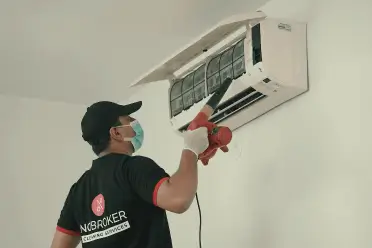
AC Problems and Solutions: Everything You Need to Know to Keep Your AC Running Perfectly
A hot day can get even more irritating if your air conditioner is not working properly. For instance, poor cooling, strange noises, leakage of water, or increased electricity bills are some of the common AC problems that people often encounter. Learning about AC problems and their solutions can help you quickly identify what might be wrong with your AC. In some situations, you may just need to clean your AC filters, while in other situations, you may need to seek professional help. Learning the right AC problems and their solutions can save you a lot of time and help you enjoy your AC. In this article, we are going to discuss some of the AC problems and their solutions.
10 Most Common AC Problems and Solutions – Quick Guide Table
Air conditioners can develop several issues that affect cooling, airflow, and efficiency. This quick guide table to AC problems and solutions helps you identify common faults and understand simple fixes in seconds:
| AC Problem | Cause | Solution |
| AC Not Cooling Properly | Dirty filters, low refrigerant, blocked condenser | Clean filters, clear the outdoor unit, and check the refrigerant |
| AC Not Turning On | Power supply issues, tripped breaker, faulty thermostat | Check power connection, reset breaker, inspect thermostat |
| Water Leaking from AC | Clogged drain pipe, frozen coils | Clean the drain line, replace dirty filters |
| Strange Noises from AC | Loose components, debris in the fan | Tighten parts, clean internal components |
| Bad Smell from AC | Mold buildup, dirty filters | Clean filters and coils, disinfect the unit |
| AC Remote Not Working | Dead batteries, sensor blockage | Replace batteries, clean sensor area |
| AC Freezing Up | Restricted airflow, low refrigerant | Clean filters, ensure proper airflow |
| AC Short Cycling | Dirty filters, thermostat issues | Replace filters, check thermostat placement |
| Weak Airflow | Blocked vents, clogged filters | Clean vents and filters |
| High Electricity Bills | Poor maintenance, inefficient operation | Service AC regularly and optimize thermostat settings |
10 Most Common AC Problems and Solutions
Air conditioners may have problems that can affect cooling, efficiency, and comfort. Below are 10 major air conditioner problems and solutions that you can quickly identify in seconds:
1. AC Not Cooling Properly
When the AC runs, but the room still feels warm, it usually indicates restricted airflow, low refrigerant, or dirty components affecting the cooling performance.
Causes:
- Dirty or clogged air filters
- Low refrigerant levels
- Blocked outdoor condenser unit
- Incorrect thermostat settings
- Dirty evaporator coils
Solution:
- Clean or replace air filters
- Set the thermostat correctly
- Clear debris around the outdoor unit
- Schedule regular AC servicing
- Clean condenser and evaporator coils
When to Call a Technician
If cleaning filters and adjusting the thermostat does not improve cooling, the issue may involve refrigerant leaks, compressor faults, or deeper system problems requiring professional inspection.
2. AC Not Turning On
If the air conditioner does not start at all, the issue is often related to electrical problems, thermostat errors, or internal component failure.
Causes:
- Power supply issues
- Tripped circuit breaker
- Faulty thermostat
- Damaged wiring
- Capacitor failure
Solution:
- Check power connections
- Reset the circuit breaker
- Replace thermostat batteries
- Inspect the power switch
- Ensure proper electrical supply
When to Call a Technician
If the AC still does not turn on after checking the power supply and thermostat, a technician should inspect electrical components, wiring, or the capacitor for potential faults.
3. Water Leaking from AC
Water dripping from the indoor unit usually occurs when condensation cannot drain properly due to blockages or installation issues.
Causes:
- Clogged drain pipe
- Dirty air filters
- Frozen evaporator coils
- Improper AC installation
- Cracked drain pan
Solution:
- Clean the drain pipe
- Replace or wash air filters
- Defrost frozen coils
- Ensure proper installation angle
- Clean the drainage system
When to Call a Technician
If water leakage persists after clearing the drain line and cleaning the filters, there may be internal damage or installation issues that require professional repair.
4. Strange Noises from AC
Unusual sounds such as rattling, buzzing, or grinding can indicate loose components, fan issues, or motor problems inside the AC unit.
Causes:
- Loose internal parts
- Debris in the fan
- Worn-out motor bearings
- Faulty compressor
- Damaged fan blades
Solution:
- Tighten the loose component
- Remove debris from the unit
- Clean the fan and coils
- Ensure proper installation
- Schedule regular maintenance
When to Call a Technician
Persistent grinding or buzzing noises may indicate compressor or motor damage, which should be inspected and repaired by a qualified AC technician.
5. Bad Smell from AC
A musty or unpleasant smell from your AC often results from mold, dust buildup, or bacteria growing inside the unit.
Causes:
- Mold inside the evaporator coils
- Dirty air filters
- Bacteria buildup in drain lines
- Dust accumulation
- Moisture inside the unit
Solution:
- Clean or replace air filters
- Clean evaporator coils
- Flush the drain line
- Use AC disinfectant cleaners
- Schedule periodic servicing
When to Call a Technician
If the smell persists after cleaning filters and coils, professional cleaning may be needed to remove mold or bacterial growth inside internal components.
6. AC Remote Not Working
If the AC does not respond to the remote control, the issue is usually related to battery failure or signal problems.
Causes:
- Dead remote batteries
- Sensor blockage
- Remote damage
- Signal interference
- Faulty AC receiver
Solution:
- Replace remote batteries
- Ensure a clear line of sight to the AC
- Clean the remote sensor
- Reset the AC unit
- Use the manual control panel
When to Call a Technician
If the AC still does not respond after replacing batteries and checking sensors, the receiver board or internal electronics may need professional inspection.
7. AC Freezing Up
Ice formation on the evaporator coil can impede airflow and significantly reduce cooling performance.
Causes:
- Dirty air filters
- Low refrigerant levels
- Blocked airflow
- Faulty blower fan
- Extremely low thermostat settings
Solution:
- Turn off the AC to defrost
- Clean or replace filters
- Ensure vents are not blocked
- Set the thermostat properly
- Schedule AC maintenance
When to Call a Technician
If the coils freeze repeatedly even after cleaning filters and improving airflow, refrigerant leaks or mechanical issues may require professional repair.
8. AC Turning On and Off Frequently
Short cycling occurs when the AC turns on and off too often, reducing efficiency and causing unnecessary wear on components.
Causes:
- Dirty air filters
- Incorrect thermostat placement
- Oversized AC unit
- Refrigerant issues
- Electrical faults
Solution:
- Replace dirty filters
- Check thermostat placement
- Ensure the correct AC size for the room
- Maintain proper airflow
- Schedule routine servicing
When to Call a Technician
If short cycling continues despite filter cleaning and thermostat adjustments, a technician should inspect refrigerant levels, electrical components, or system sizing.
9. Weak Airflow from Vents
Weak airflow can prevent cool air from circulating properly, making rooms feel uncomfortable even when the AC is running.
Causes:
- Clogged air filters
- Blocked vents
- Duct leaks
- Fan motor issues
- Dirty evaporator coils
Solution:
- Replace air filters
- Ensure vents are open and unobstructed
- Clean coils and internal components
- Check duct connections
- Maintain regular servicing
When to Call a Technician
If airflow remains weak after cleaning filters and vents, a professional may need to inspect the duct system, blower motor, or internal airflow components.
10. High Electricity Bills from AC
A sudden rise in electricity bills may indicate that the AC is working inefficiently due to maintenance issues or outdated components.
Causes:
- Dirty filters and coils
- Poor insulation in the room
- Old or inefficient AC unit
- Continuous AC usage
- Refrigerant problems
Solution:
- Clean filters and coils regularly
- Maintain proper room insulation
- Use energy-efficient temperature settings
- Schedule routine AC servicing
- Upgrade to an energy-efficient AC if necessary
When to Call a Technician
If energy bills remain unusually high despite proper maintenance and thermostat settings, a technician should evaluate the system efficiency and check for mechanical issues.
Why AC Problems Happen: Common Causes You Should Know
AC malfunctions usually result from poor maintenance, clogged air filters, refrigerant leaks, and electrical problems. Dust clogging affects air flow, whereas worn-out parts decrease efficiency. Inappropriate settings and old systems contribute to constant failures and inefficient cooling.
- Lack of regular maintenance: Skipping regular servicing leads to dust buildup, reduced efficiency, higher energy consumption, and increased chances of unexpected breakdowns over time.
- Dirty filters and coils: Clogged filters and coils restrict airflow, forcing the AC to work harder, reducing cooling performance and increasing electricity consumption significantly.
- Improper installation: Incorrect installation affects airflow and refrigerant flow, causing inefficient cooling, higher energy usage, and long-term damage to the AC system.
- Refrigerant leakage: Low refrigerant levels reduce cooling efficiency, make the compressor overwork, increase energy usage, and may damage internal components if ignored.
- Electrical issues: Faulty wiring, loose connections, or voltage fluctuations can disrupt AC performance, cause frequent shutdowns, and potentially damage key electrical components.
- Overuse or incorrect settings: Continuous usage with poor settings, like low temperatures or turbo mode, strains the system, increases power consumption, and reduces overall efficiency.
Top AC Brands and Their Most Common Problems
Different AC brands may face specific issues based on design, usage, and maintenance. Here’s a quick comparison to help you identify common problems and simple tips to handle them.
| Brand | Common AC Problems | Quick Tips |
| Daikin | Gas leaks, cooling issues | Regular servicing and gas check |
| Mitsubishi | Sensor faults, high repair cost | Use a stabilizer, timely maintenance |
| Panasonic | App/connectivity issues | Update the app and reset settings |
| LG | PCB issues, smart feature glitches | Avoid voltage fluctuation |
| Samsung | Cooling delay, sensor issues | Clean filters regularly |
| Hitachi | Noise, airflow problems | Service fan and filters |
| Carrier | Compressor issues, inefficiency | Annual professional servicing |
| Voltas | Inconsistent cooling, noise | Clean coils and check installation |
| Blue Star | Minor noise, performance dips | Routine maintenance |
| Godrej | Cooling inefficiency | Check gas level and airflow |
| Lloyd | Water leakage, cooling issues | Clear the drain pipe regularly |
| IFB | Sensor and PCB issues | Avoid overuse, schedule servicing |
| Onida | Remote/control issues | Replace batteries, reset the remote |
| Haier | Cooling inconsistency | Clean filters and check the gas |
| Gree | Compressor faults | Use a proper voltage supply |
| Whirlpool | Water leakage, noise | Clean the drain and the indoor unit |
| O General | High power usage, minor cooling delay | Use eco mode and proper settings |
| Videocon | Remote issues, reduced cooling | Regular cleaning and servicing |
| Croma | Cooling inconsistency, minor noise issues | Regular maintenance and proper installation |
DIY vs Professional Help: Can You Fix Your AC Yourself or Do You Need a Technician?
Some AC issues, like cleaning filters or resetting settings, can be fixed at home, but complex problems like gas leaks, electrical faults, or compressor issues require a trained technician for safe repair.
| AC Issue | DIY Fix Possible? | Professional Help Needed? |
| Dirty filters | Yes | No |
| Remote issues | Yes | No |
| Water leakage | Sometimes | Yes |
| Gas refill | No | Yes |
| Compressor issue | No | Yes |
| Electrical fault | No | Yes |
| Strange noise | Sometimes | Yes |
AC Repair and Maintenance Cost Breakdown: How Much Will It Really Cost?
Knowing repair costs helps you plan better and avoid unexpected expenses. Here’s a quick breakdown of common AC services and their approximate pricing:
| AC Problem | How Much Will It Cost | NoBroker Charges |
| General Servicing | ₹500 – ₹1,000 | ₹429 onwards |
| AC Inspection | ₹300 – ₹800 | ₹ 289 onwards |
| Noise Reduction Repair | ₹700 – ₹2,000 | ₹ 349 onwards |
| Gas Refilling | ₹2,000 – ₹3,500 | ₹2,749 onwards |
| Water Leakage Fix | ₹500 – ₹1,500 | ₹469 onwards |
| Electrical Repair | ₹800 – ₹2,000 | ₹699 onwards |
| Installation | ₹1,500 – ₹3,000 | ₹779 onwards |
| Uninstallation | ₹800 – ₹1,500 | ₹669 onwards |
What Happens When You Ignore AC Problems: Risks of Delaying Repairs
Ignoring AC issues can lead to bigger damage, higher repair costs, and reduced efficiency. Small problems quickly turn serious if not addressed on time.
- AC not cooling → Compressor failure
- Water leakage → Wall and furniture damage
- Strange noise → Internal component damage
- Gas leakage → Complete system breakdown
- Dirty filters → Poor air quality and health issues
AC Maintenance Tips to Prevent Problems and Save Money
Regular AC maintenance not only helps your AC run efficiently, but it can also help you avoid unexpected AC breakdowns and save you money on your utility bills. By following some simple AC maintenance tips, you can not only extend the lifespan of your AC, but you can also know the best air conditioner faults and solutions:
- Clean or change air filters regularly: Air filters should be clean and free of dust to help your AC run efficiently. They should be clean or changed every few weeks.
- Keep the outdoor unit clean: The AC condenser unit should be clean and free of dust, leaves, and other debris.
- Clean AC coils: The evaporator and condenser coils should be clean and free of dust. Cleaning them can help your AC run efficiently.
- Inspect the drain line: A clogged drain line might cause water to leak. It is therefore essential to flush the drain line periodically to prevent such occurrences.
- Set the right temperature: Using an energy-efficient temperature setting helps save electricity and prevents the AC from overworking.
- Seal doors and windows: Proper insulation prevents the AC from losing cooled air, enabling it to maintain the required temperature.
- Schedule professional servicing: Servicing the AC at least once a year helps identify underlying issues, ensuring it works efficiently.
- Use the AC wisely: It is not recommended to run it continuously for long periods. It is therefore essential to take a break from the AC at times.
Conclusion
Air conditioners sometimes malfunction with cooling, leakage, or noise. If such problems are ignored or neglected, they may cause additional electricity charges and even repairs. By knowing some common AC problems and solutions, one can maintain their air conditioner in good condition. With timely maintenance and repairs from professionals, your air conditioner will serve you for a longer period with maximum efficiency. For hassle-free repairs and maintenance, book professional NoBroker AC services and keep your cooling system in top condition.
1. Why is my AC running but not cooling the room?
Ans. If your AC is running but not cooling properly, the problem may be caused by dirty air filters, blocked airflow, low refrigerant levels, or incorrect thermostat settings. Cleaning filters and checking airflow can often improve cooling performance.
2. How often should an air conditioner be serviced?
Ans. It is recommended to service your air conditioner at least once a year. Regular AC maintenance helps improve efficiency, prevent unexpected breakdowns, and keep the cooling system functioning smoothly.
3. Why is water leaking from my AC indoor unit?
Ans. Water leakage from the indoor unit usually occurs due to a clogged drain pipe, frozen evaporator coils, or dirty air filters. Cleaning the drain line and replacing filters can help prevent this issue.
4. What are the signs of low refrigerant in an AC?
Ans. Common signs of low refrigerant include poor cooling, ice buildup on evaporator coils, unusual hissing sounds, and higher electricity bills. A professional technician may need to inspect and refill the refrigerant.
5. How can I reduce my AC electricity consumption?
Ans. You can reduce AC energy consumption by cleaning filters regularly, setting an energy-efficient temperature, sealing doors and windows, and scheduling routine maintenance to keep the unit running efficiently.
6. Why does my AC make noise while starting or stopping?
Ans. A slight sound is normal, but loud noises may indicate loose parts, fan issues, or compressor problems. Regular servicing can help prevent damage.
7. How do I know if my AC filter needs cleaning?
Ans. If airflow is weak, cooling is poor, or dust is visible on the filter, it’s time to clean it. Ideally, filters should be cleaned every 2–4 weeks.
8. Can low voltage damage my air conditioner?
Ans. Yes, voltage fluctuations can damage the compressor and PCB. Using a stabilizer can protect your AC from electrical issues.
9. Is it normal for an AC to release water outside?
Ans. Yes, water dripping from the outdoor unit is normal as it releases condensation during cooling.
10. What is the main reason for AC gas leakage?
Ans. Gas leaks usually occur due to corrosion, poor installation, or damaged coils. Professional repair is required to fix and refill refrigerant.