


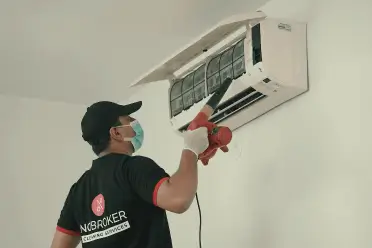
Bad Smell From AC: Causes, Solutions, and When You Should Call a Professional
Have you ever switched on your AC only to notice a strange, unpleasant smell filling the room? A bad smell from the AC is more than just an inconvenience—it can indicate dirt, mould, bacteria, electrical issues, or even pest infestations inside the unit. While some odours are harmless and easy to fix, others require immediate attention to avoid damage to your air conditioner or potential health risks.
In this guide, we’ll explain why your air conditioner smells, what each type of odour means, how to fix it, and when it’s time to book professional AC servicing.
Why Is There a Bad Smell From Your AC?
A bad smell from the AC can develop for several reasons. Since an air conditioner continuously circulates indoor air, dust, moisture, and contaminants can collect inside the unit over time. Without regular cleaning, these deposits create the perfect environment for bacteria, mould, and mildew.
Some smells disappear after a few minutes, while others continue as long as the AC is running. Identifying the type of smell is the first step toward finding the right solution.
Common Types of AC Smells and What They Mean
Different odours usually point to different problems. Recognising the smell can help you understand whether the issue is minor or requires professional repair.
The table below explains the most common AC odours, their likely causes, and what you should do. Identifying the smell early can help prevent expensive repairs later.
| Type of Smell | Possible Cause | What You Should Do |
| Musty or damp smell | Mould, mildew, dirty evaporator coil | Clean filters and schedule servicing |
| Rotten egg smell | Dead pest inside the unit | Turn off the AC and inspect it or call a technician |
| Burning smell | Electrical wiring or motor problem | Switch off immediately and seek professional help |
| Chemical smell | Refrigerant leak or cleaning chemical residue | Contact an AC technician immediately |
| Sewage smell | Dry drain trap or contaminated drain line | Clean the drainage system |
| Fishy smell | Electrical insulation overheating | Stop using the AC and get it inspected |
Why Your Air Conditioner Smells Musty
One of the most common complaints is that the air conditioner smells musty. This usually happens because moisture remains inside the evaporator coil or drain pan after the AC is turned off. Over time, mould and mildew begin to grow, producing an unpleasant odour.
If your AC smells musty, it doesn’t necessarily mean the entire unit is damaged. In many cases, a thorough cleaning solves the problem.
Common reasons include:
Dirty Air Filters
Air filters trap dust, pollen, and airborne particles. When they become clogged, moisture gets trapped inside, encouraging mould growth and causing a musty smell from the AC unit.
Most manufacturers recommend cleaning filters every two to four weeks, especially during heavy summer usage.
Dirty Evaporator Coil
The evaporator coil stays damp while cooling your room. Dust settling on this moist surface becomes a breeding ground for bacteria and fungi, resulting in an air conditioner mildew smell.
Professional coil cleaning removes stubborn dirt that regular filter cleaning cannot.
Blocked Condensate Drain Line
Your AC continuously removes moisture from indoor air. If the drain pipe becomes blocked, stagnant water collects inside the unit.
This standing water eventually develops bacteria and mildew, causing a mildew smell from the AC and sometimes even water leakage.
Excess Indoor Humidity
Homes with high humidity create ideal conditions for mould growth. Even if your AC is working correctly, excessive moisture indoors can make the air conditioner unit smell musty after long periods of use.
Using Dry Mode or a dehumidifier can help reduce moisture levels.
Why the Air Conditioner Smells Like Mildew
If your air conditioner smells like mildew, fungal growth is usually responsible. Mildew thrives in damp, dark spaces, making the indoor unit of an AC an ideal environment when maintenance is neglected.
Some signs include:
- Persistent damp odour
- Reduced cooling efficiency
- Increased sneezing or allergies
- Black or green spots near vents
- Moisture around the indoor unit
Ignoring an air conditioner smelling mouldy can worsen indoor air quality and may trigger respiratory problems in sensitive individuals.
Reasons Why Your AC Stinks
If your AC stinks instead of smelling slightly musty, the issue may be more serious. Strong odours often indicate contamination, electrical faults, or pest activity.
Some common reasons include:
Dead Rodents or Insects
Small animals occasionally enter outdoor units or ductwork. If one gets trapped, decomposition causes an extremely unpleasant, bad AC smell that becomes stronger every time the system runs.
Dirty Drain Pan
Standing water mixed with dust forms bacteria over time, producing a foul smell from the AC that spreads throughout the room.
Clogged Air Ducts
If you use a central air conditioning system, accumulated dust, mould, or pests insidethe ductwork may create a bad odour from the air conditioner.
Professional duct cleaning is often the best solution.
Electrical Problems
Burning plastic or fishy smells usually indicate overheating electrical components. This type of weird smell from the AC should never be ignored because it could become a fire hazard.
Turn the unit off immediately and contact a qualified technician.
Why Does the AC Smell Bad When First Turned On?
Many homeowners notice that the AC smells bad when first turned on, but the smell fades after a few minutes.
This typically happens because:
- Moisture accumulated overnight
- Dust settled on internal components
- Minor mildew growth
- The AC hasn’t been used for several days
If the smell disappears quickly, it is usually not a major concern. However, if the odour continues every day, your system likely needs professional cleaning.
How to Identify the Smell Coming From the AC
Sometimes homeowners struggle to determine where the smell coming from the AC is actually originating.
This quick reference guide helps match common smells with their most likely causes, making it easier to decide whether simple maintenance or professional servicing is required.
| Smell | Likely Source |
| Damp cloth | Dirty evaporator coil |
| Wet basement | Mould inside the indoor unit |
| Rotten eggs | Dead animal |
| Burning plastic | Electrical wiring |
| Chemicals | Refrigerant leak |
| Sewage | Drainage blockage |
| Dust | Dirty filters or long idle period |
How to Get Rid of Bad Smell From AC
If there is a bad smell coming from the AC, the good news is that many issues can be resolved with proper maintenance. However, if the smell persists after basic cleaning, professional servicing is the safest option.
Follow these steps to remove the bad smell coming from the air conditioner effectively.
Clean or Replace the Air Filter
The air filter is the first place where dust, pollen, pet hair, and airborne particles collect. When left uncleaned, these contaminants trap moisture and create the perfect environment for mould and bacteria.
Wash reusable filters with clean water and let them dry completely before reinstalling. If your AC uses disposable filters, replace them according to the manufacturer’s recommendations.
Clean the Evaporator Coil
The evaporator coil remains damp while cooling your room. Dust stuck to the coil combines with moisture, causing bacteria and mildew to develop.
Professional coil cleaning removes stubborn dirt that ordinary household cleaning cannot, eliminating the air conditioner bad smell while improving cooling efficiency.
Flush the Drain Line
A blocked condensate drain line traps water inside the AC. Stagnant water quickly develops algae, mould, and bacteria that create a foul odour fromthe air conditioner.
Cleaning the drain line restores proper water flow and prevents recurring odours.
Keep the Indoor Unit Dry
After switching off the cooling mode, many modern ACs offer a Fan or Self Clean function. Running this mode for a few minutes dries the evaporator coil and reduces moisture buildup.
This simple habit helps prevent an aircon smelling musty in the future.
Schedule Professional AC Servicing
If the smell comes from the AC even after cleaning the filters, the issue may be inside components that require specialised tools.
Professional servicing includes:
- Deep cleaning of evaporator and condenser coils
- Drain pipe cleaning
- Blower fan cleaning
- Filter inspection
- Refrigerant leak inspection
- Electrical safety checks
Regular servicing keeps your AC hygienic and improves its lifespan.
When Should You Call an AC Technician?
Some odours indicate problems that should never be ignored. Delaying repairs can increase repair costs or even create safety hazards.
The following situations require immediate professional attention because they may involve electrical faults, refrigerant leaks, or severe contamination that cannot be fixed through basic cleaning.
| Situation | Should You Call a Technician? |
| Burning smell | Yes, immediately |
| Chemical smell | Yes |
| Refrigerant leak suspected | Yes |
| Rotten animal smell | Yes |
| Persistent mould smell after cleaning | Yes |
| Dirty air filter only | Usually No |
| Dust smell after long storage | Usually No |
How to Prevent Bad Smells From Your Air Conditioner
Preventive maintenance is always easier and less expensive than fixing a neglected AC. Following a few simple habits can stop unpleasant odours before they start.
Clean Filters Regularly
Wash or replace filters every two to four weeks during heavy summer use.
Service Your AC Every 6 to 12 Months
Professional maintenance keeps internal components clean and prevents mould growth.
Use Self-Clean or Fan Mode
Allowing the fan to run after cooling helps dry moisture trapped inside the indoor unit.
Keep the Room Well Ventilated
Proper airflow reduces humidity and prevents fungal growth inside the AC.
Check the Drain Pipe
Ensure condensate water drains properly without blockages or standing water.
Don’t Ignore Strange Smells
A small odour today could become a major repair tomorrow if left untreated.
DIY vs Professional AC Cleaning
Some maintenance tasks can be done at home, while others require trained technicians.
Understanding which maintenance jobs are safe to perform yourself and which require professional expertise can help protect your AC from accidental damage.
| Maintenance Task | DIY | Professional |
| Clean air filters | Yes | Yes |
| Wipe the indoor panel | Yes | Yes |
| Clean air vents | Yes | Yes |
| Deep coil cleaning | No | Yes |
| Drain line flushing | Limited | Yes |
| Refrigerant inspection | No | Yes |
| Electrical inspection | No | Yes |
| Compressor diagnosis | No | Yes |
How Can NoBroker Help with AC Services?
If the bad smell from Ayour C continues despite cleaning the filters and maintaining the unit, professional servicing is the best solution. NoBroker connects you with experienced AC technicians who diagnose the exact cause of unpleasant odours and restore your air conditioner’s performance.
With NoBroker AC services, you get:
- Verified and experienced AC technicians
- Same-day doorstep service in many locations
- 180-day service warranty
- Transparent pricing with no hidden charges
- Genuine spare parts, if a replacement is required
- Easy online booking and quick technician assignment
Whether your air conditioner smells musty, there’s a bad odour fromthe AC, or you notice a persistent weird smell from the AC, professional servicing can eliminate the root cause before it turns into a bigger problem.
Final Verdict
A bad smell from the AC is often caused by dirty filters, mould, clogged drain lines, or poor maintenance, but it can also indicate electrical or refrigerant-related issues. Regular cleaning and timely servicing help prevent unpleasant odours while improving cooling efficiency and indoor air quality. If the smell is strong, persistent, or resembles burning or chemicals, stop using the AC immediately and arrange a professional inspection to avoid expensive repairs and potential safety risks.
Frequently Asked Questions
1. Why is there a bad smell from my AC every time I switch it on?
A bad smell usually occurs due to dirty filters, mould, mildew, stagnant water, or accumulated dust inside the indoor unit. Regular servicing usually resolves the problem.
2. Why does my air conditioner smell musty even after cleaning the filter?
If the filter is clean but the air conditioner smells musty, the evaporator coil, blower fan, or drain line may contain mould or mildew that requires professional cleaning.
3. Is it safe to use an AC that smells bad?
It depends on the type of smell. Mild musty odours may only require cleaning, but burning, chemical, or rotten smells should be inspected immediately by an AC technician.
4. Why does my AC smell bad only when I first turn it on?
If your AC smells bad when first turned on, moisture and dust may have collected inside the unit while it was not in use. If the smell disappears quickly, it is usually not a serious issue.
5. Can mould inside an AC affect my health?
Yes. Mould and mildew can lower indoor air quality and may trigger allergies, coughing, sneezing, or respiratory discomfort, especially in children and elderly family members.
6. How often should I service my AC to prevent bad smells?
Most experts recommend professional AC servicing every 6 to 12 months, along with cleaning the air filters every two to four weeks during frequent use.
7. What causes a burning smell from an air conditioner?
A burning smell often indicates overheating electrical components, damaged wiring, or a failing motor. Switch off the AC immediately and arrange professional repairs.
8. Can a clogged drain line cause a foul smell from the AC?
Yes. A blocked condensate drain traps dirty water, encouraging bacteria and mould growth that produce unpleasant odours.
9. Why does my air conditioner smell like mildew during the rainy season?
Higher humidity levels during the monsoon increase moisture inside the AC, making it easier for mould and mildew to grow if the unit is not cleaned regularly.
10. When should I call a professional for a bad smell coming from my air conditioner?
You should contact a technician if the smell persists after cleaning, keeps returning, becomes stronger over time, or smells like burning plastic, chemicals, sewage, or something rotten.