Round Door Design Ideas for Modern, Traditional, and Luxury Homes in 2026


6.8K Views
Table of Contents
Summary
Round Door Design creates a unique focal point by combining architectural creativity with timeless elegance. Popular in luxury homes, traditional spaces, and contemporary interiors, round doors can be used for entrances, garden access, feature rooms, and statement doorways. Available in wood, glass, metal, and custom-crafted styles, these designs add character, improve visual appeal, and help create a memorable first impression while complementing a wide range of architectural themes.
Round door design adds a curved detail that changes how an entryway looks and feels. In Indian homes, doors do more than connect spaces. They define movement, create separation, and reflect everyday needs like privacy and comfort. A round door design stands out for its soft form, which you often see in traditional architecture and now in modern homes as well.
Instead of sharp lines, a round main door design uses a curved top that feels lighter and easier on the eye. This shape softens wall edges, improves the flow between spaces, and adds character without making the design heavy. Whether it is a single round door design for compact rooms or a wooden round double door design for main entrances, the form works across different layouts.
From a half-round door design to a full circle door design, these options suit both simple and detailed interiors. This guide covers different round door designs for home setups, explains how they compare with regular doors, and helps you choose the right material, style, and layout for practical use.
Recommended Reading

Best 3 Bedroom House Plans: Modern and S...
78.4K Views

30+ Front Gate Design Ideas for Houses: ...
55.6K Views

South Indian Village House Design: 15 Tr...
36.5K Views
12 Modern Roof Sheet Design Ideas for St...
23.2K Views
3D Printed House in India: Cost, Technol...
19.4K Views
What is a Round Door?
A round door, often referred to as an arched door, features a curved or semi-circular top instead of a straight horizontal frame. This design creates a softer opening and adds variation to standard rectangular doorways without changing the basic function.
| Aspect | Round Door Design |
| Style | Works across classic, contemporary, and modern interiors, depending on finish and detailing |
| Shape | Curved or arched top (semi-circle or soft arch) with a standard rectangular base |
| Best For | Main entrance doors, living room transitions, pooja rooms, and feature passages |
| Material | Solid wood, engineered wood, glass panels, metal frames, or wood-glass combinations |
| Cost Range | ₹8,000 to ₹25,000 (basic) ₹25,000 to ₹60,000 (mid-range) ₹60,000+ (custom/premium) |
| Finish Options | Matte, polished, laminate, veneer, painted, or carved detailing, depending on style |
Note: We shall not be addressing circular door designs, which differ significantly in their form and function from the distinctive roundtop concept.
Best Round Door Designs For Your Home
Ready to step into a world of enchantment? We've got 13 captivating new round-door designs. From magical realms to futuristic passages, let's explore imaginative ideas to add that extra flair to your space!
1. Rustic Wooden Portal
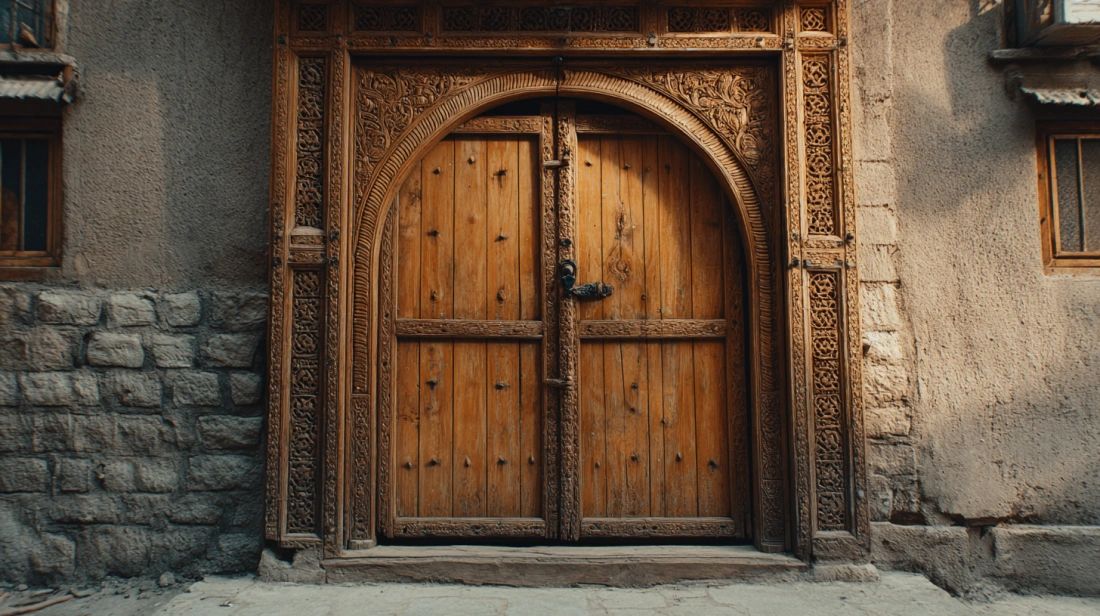
A carved wooden round-top door introduces depth through detailed craftsmanship and natural grain patterns. The curved frame softens the entrance while traditional carving adds visual weight, making it suitable for homes that favour solid materials and defined entry facades.
- Best suited for: Independent houses, traditional main entrances
- Materials used: Solid wood (teak, sheesham), wrought iron hardware
- Approximate cost range: ₹25,000 to ₹80,000
2. Art Deco Elegance
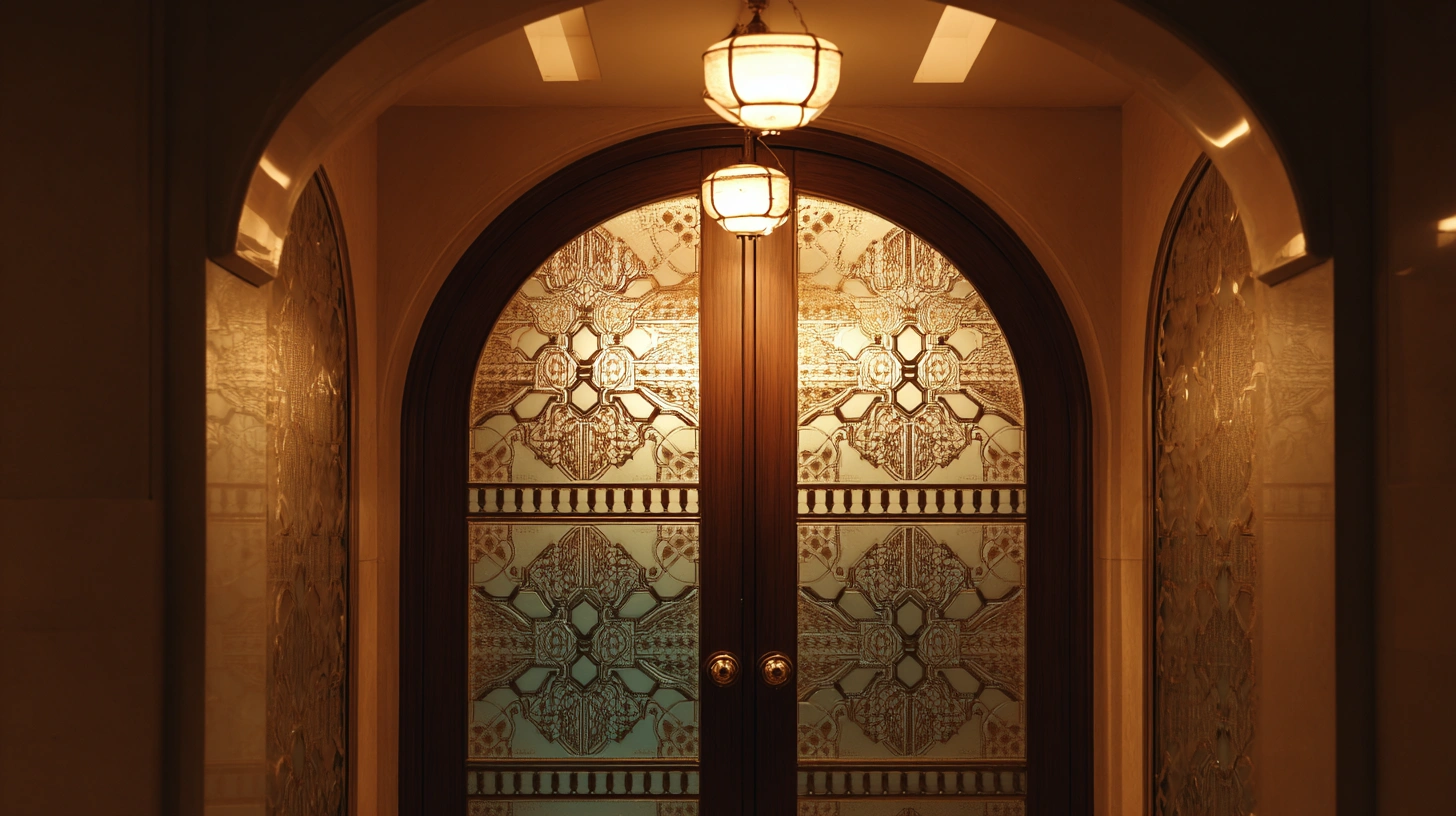
An arched double-door format with geometric detailing creates a structured yet decorative entry. Glass inserts balance the frame’s heaviness while metallic accents define symmetry, making it suitable for formal living areas or main doors that require a strong visual presence.
- Best suited for: Villas, formal living room entrances
- Materials used: Wood, frosted glass, metal inlays
- Approximate cost range: ₹40,000 to ₹1,20,000
3. Moroccan Oasis
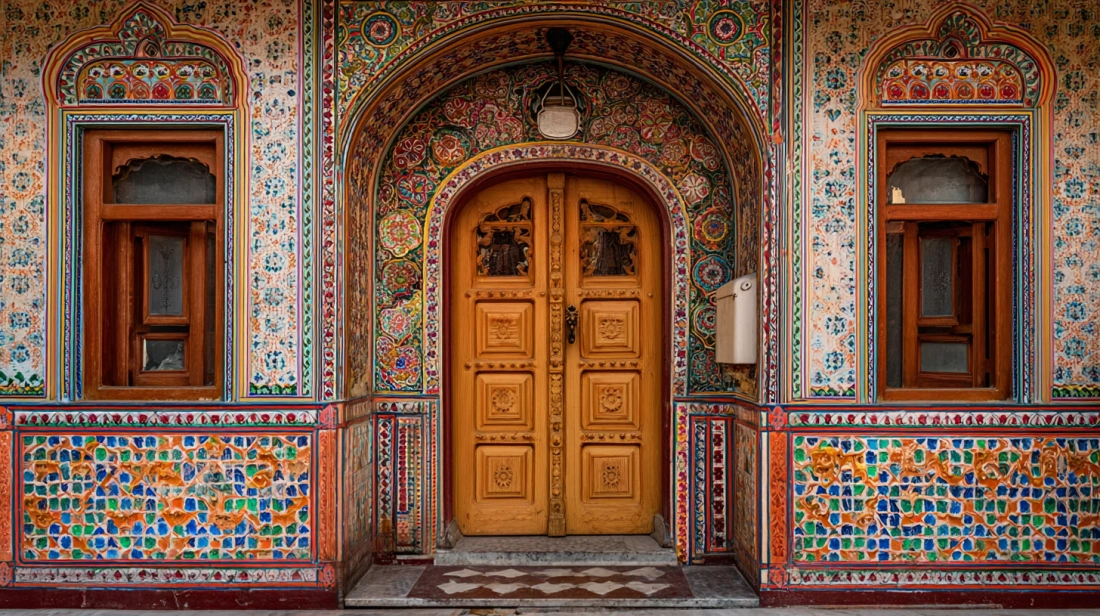
A rounded arch combined with tile or painted detailing builds a layered surface across the doorway. The design highlights colour and pattern within the frame, turning the door into a focal point instead of a simple passage element in the layout.
- Best suited for: Accent entrances, courtyard-facing doors
- Materials used: Wood, ceramic tiles, painted finishes
- Approximate cost range: ₹30,000 to ₹90,000
4. Modern Metal Arch Door

A simplified curved door with clean edges prioritises form over ornamentation. The smooth surface and minimal detailing make it suitable for contemporary layouts where durability, low maintenance, and clear geometric lines define the overall interior structure.
- Best suited for: Apartments, modern home entrances
- Materials used: Aluminium, steel, engineered panels
- Approximate cost range: ₹20,000 to ₹70,000
5. Nature-Inspired Carved Door

Organic patterns like leaves or vines carved into a round-top door create a natural visual flow. The curved profile supports continuous detailing without sharp breaks, making it suitable for entrances connecting indoor spaces to garden views or landscaped surroundings.
- Best suited for: Garden-facing entrances, villas
- Materials used: Solid wood, engraved panels
- Approximate cost range: ₹30,000 to ₹85,000
6. Stained Glass Arch Door
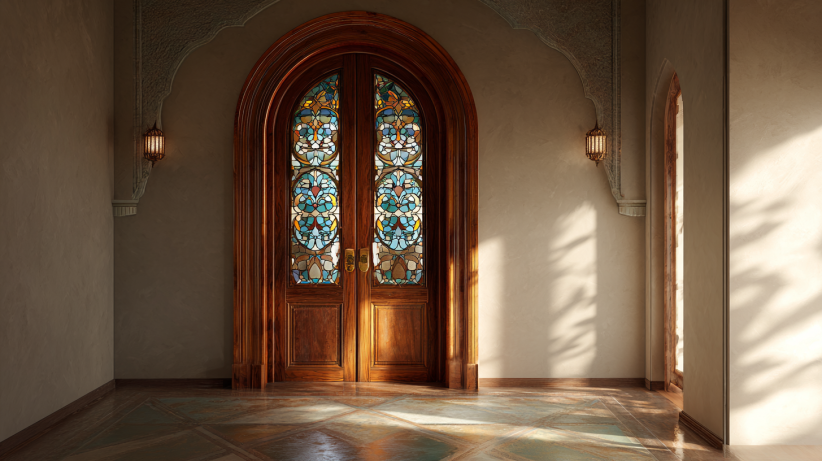
A stained-glass panel set within an arched frame filters light into the interior while adding colour variation. The curved top helps distribute light softly, making this design suitable for entry foyers or spaces that require both privacy and controlled illumination.
- Best suited for: Entry foyers, pooja rooms
- Materials used: Wood frame, stained glass
- Approximate cost range: ₹35,000 to ₹1,00,000
7. Japanese Minimal Arch Door

A restrained round-top door with light framing and translucent panels creates a balanced visual composition. The design reduces visual clutter and supports compact layouts, making it suitable for bedrooms or study areas where simplicity and controlled light remain priorities.
- Best suited for: Bedrooms, study rooms
- Materials used: Wood, paper panels, glass
- Approximate cost range: ₹15,000 to ₹50,000
8. Mediterranean Arched Entry

A thick wooden door with iron detailing placed within a rounded frame creates depth through material contrast. The design relies on strong construction and layered surfaces, making it suitable for large entrances that require a visually grounded and structured appearance.
- Best suited for: Bungalows, large main entrances
- Materials used: Wood, wrought iron
- Approximate cost range: ₹40,000 to ₹1,20,000
9. Gothic Arch Door

A taller curved door with darker finishes and metal accents creates vertical emphasis within the entry. The design uses proportion and finish to establish character, making it suitable for statement doorways that require a strong architectural presence without excessive surface detailing.
- Best suited for: Statement entryways, large homes
- Materials used: Hardwood, iron studs
- Approximate cost range: ₹35,000 to ₹90,000
10. Victorian Panelled Arch Door

Detailed wood panelling combined with stained glass creates a layered surface within the arched frame. The design focuses on proportion and craftsmanship, making it suitable for heritage-style homes where decorative elements and structured detailing define the entrance appearance.
- Best suited for: Heritage homes, formal entrances
- Materials used: Wood, decorative glass
- Approximate cost range: ₹45,000 to ₹1,30,000
11. Coastal Style Arch Door

A light-finished round-top door with minimal detailing maintains an open and relaxed appearance. The curved frame prevents the design from appearing flat, making it suitable for spaces that prioritise ventilation, brightness, and a visually uncluttered entrance structure.
- Best suited for: Beach homes, airy interiors
- Materials used: Treated wood, laminate finishes
- Approximate cost range: ₹20,000 to ₹60,000
12. Cottage Style Round Door
Soft colours and subtle detailing combined with an arched frame create a relaxed entry feature. The design focuses on proportion and finish rather than heavy materials, making it suitable for smaller homes or secondary entrances that require a simple visual identity.
- Best suited for: Small homes, secondary entrances
- Materials used: Wood, painted finishes
- Approximate cost range: ₹15,000 to ₹45,000
13. Art Nouveau Arch Door
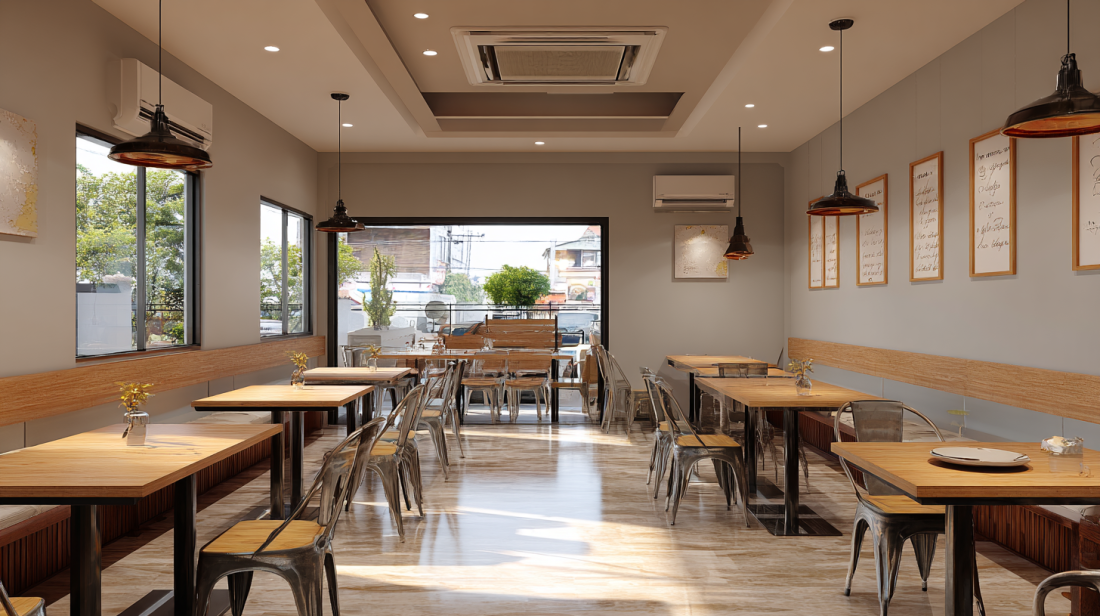
Flowing patterns integrated into the curved frame create continuity between structure and detailing. The arch supports organic motifs without sharp transitions, making it suitable for feature doors where artistic expression and form-driven design define the overall visual composition.
- Best suited for: Feature entrances, artistic interiors
- Materials used: Wood, glass, metal detailing
- Approximate cost range: ₹35,000 to ₹1,10,000
14. Contemporary Glass Arch Door
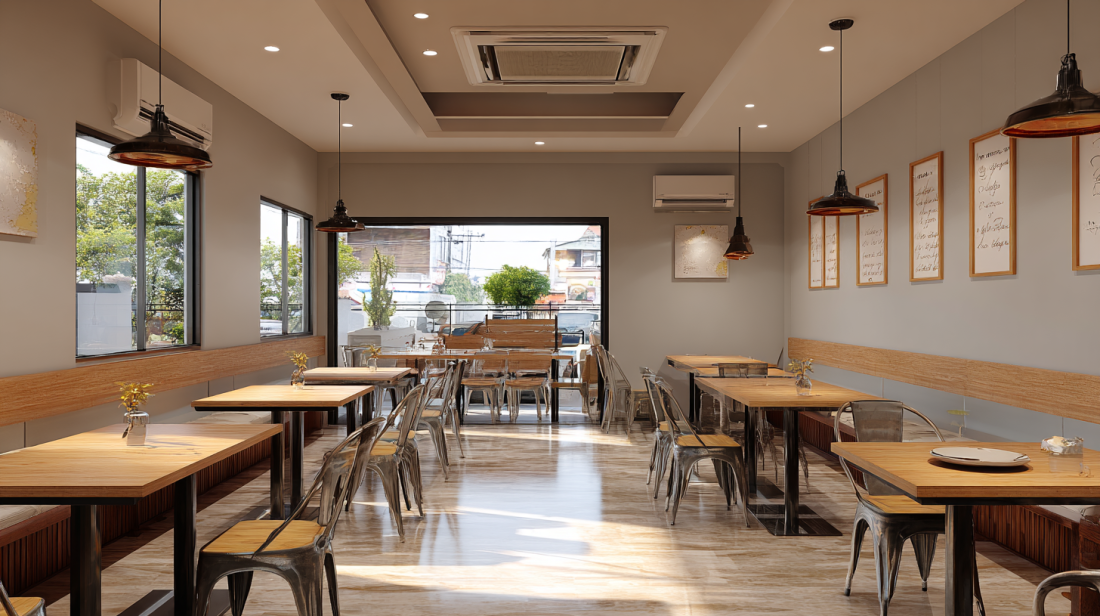
A round-top door with large glass panels creates a visually open and light entry. The curved frame softens the structure while maintaining transparency, making it suitable for interiors that require brightness, spatial continuity, and a clean connection between adjacent rooms.
- Best suited for: Living rooms, interior partitions
- Materials used: Toughened glass, wood or aluminium frame
- Approximate cost range: ₹25,000 to ₹75,000
15. Semi-Circle Panelled Door
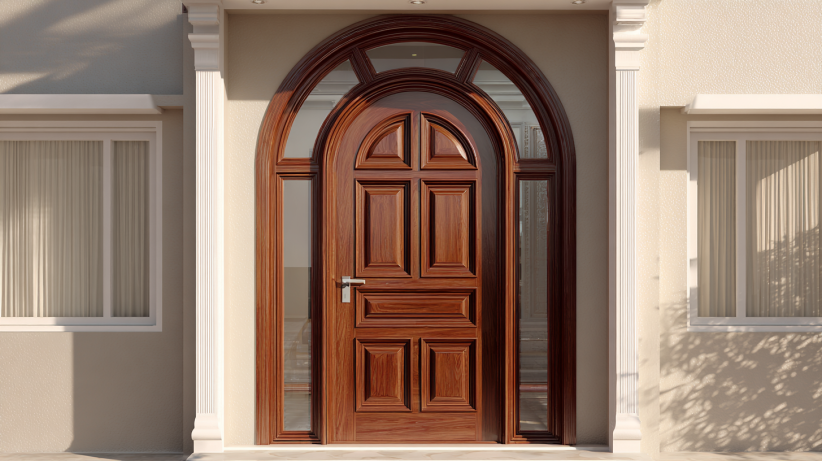
A semi-circle arched door with structured panel detailing creates a balanced mix of curve and geometry. The segmented panels add depth without excessive ornamentation, making it suitable for entrances that require a defined design while maintaining a controlled and structured appearance.
- Best suited for: Main doors, apartment entrances
- Materials used: Solid wood, MDF panels, laminate finish
- Approximate cost range: ₹20,000 to ₹65,000
India's Timeless Elegance: The Enchanting Allure of Round Door Designs
Round door designs reflect India’s architectural depth while adapting easily to modern spaces. These curved entrances combine heritage detailing with spatial softness, making them suitable for both traditional homes and contemporary layouts. Their form improves visual flow, adds character, and creates a distinct transition between spaces without relying on heavy structural elements.
- Ancient Heritage:
Circular and arched doorways appear throughout historic Indian architecture, from temple complexes to fortified structures such as the Sanchi Stupa. These entrances combined craftsmanship with function. The curved form distributes structural loads more evenly and resists external forces better than flat lintels, making it both durable and visually refined. - Symbolism:
The circular form holds deep meaning in Indian culture. It represents continuity, balance, and completeness, which aligns with spiritual principles in Hinduism and Buddhism. In temple architecture, arched or rounded entrances mark a transition into sacred space, guiding movement while creating a sense of entry into a focused, inward environment. - Traditional Architecture:
Round door designs appear across regional styles, especially in Rajasthan and Gujarat, where havelis feature carved wooden or stone arches. These entrances highlight craftsmanship through detailed patterns, thick frames, and layered borders. The rounded form also softens the facade, balancing the otherwise strong geometry of traditional structures. - Modern Application in Homes:
Round and arched doors now work as statement elements in modern interiors. This adaptability makes them relevant for searches around arched and circular doorway designs in Indian homes. They fit well as:- Main entrance features in villas or independent homes
- Pooja room entrances for a softer, defined threshold
- Living room transitions in open layouts
- Garden or courtyard access points
- Material and Finish Options:
While traditional designs used stone and solid wood, modern versions explore a wider palette:- Engineered wood or MDF for budget-friendly interiors
- Metal frames for slim, contemporary profiles
- Glass inserts combined with arches for light flow
- Design Benefits:
Round door designs offer practical and visual advantages:- Reduce harsh lines in compact layouts
- Improve movement flow between connected spaces
- Create a focal point without additional decor
- Add architectural interest even in simple interiors
- Vastu and Spatial Flow
- Curved forms support smoother energy movement compared to sharp edges. In Vastu-based planning, such transitions can help maintain a balanced and continuous spatial experience, especially in areas like entrances or prayer rooms.
- Round vs Rectangular Doors
- Round doors introduce softness and visual depth
- Rectangular doors remain space-efficient and standard
- Choosing between them depends on layout, ceiling height, and the level of visual emphasis required. This approach preserves cultural richness while making the design practical, searchable, and relevant to modern Indian homes.
4 Alternatives to Traditional Round Doors
From arched doors exuding timeless elegance to sliding barn doors adding rustic charm, here are alternatives to round doors. Find the perfect entrance solution for your home:
- Sliding Barn Doors

Sliding barn doors have become increasingly popular in modern interior design. While they typically have a rectangular shape, you can find versions with rounded tops or circular cutouts for a unique twist. These doors slide along a track, saving space and providing the room with a rustic or industrial aesthetic.
- Pivoting Doors

Pivoting doors are a contemporary alternative that can be designed with rounded elements. These doors rotate on a central axis rather than swinging on hinges, making them an eye-catching and functional option. A pivoting round door can create a modern and minimalist entrance to a home or office.
- Folding Doors

Folding doors, or accordion doors, consist of multiple panels hinged together. They can be folded to one side to create a wide opening. While most folding doors are rectangular, you can find designs with rounded tops for a more distinctive look. Folding doors are commonly used to connect indoor and outdoor spaces, such as patios or gardens, providing a seamless transition between them.
- Dutch Doors

Dutch doors, also known as stable doors, are horizontally divided doors that can be opened and closed independently. While the typical design is rectangular, you can find variations with rounded tops for a softer, more distinctive look. Dutch doors are charming and practical, allowing you to keep the bottom half closed while opening the top half to let in fresh air and light.
Materials Used in Round Door Design
Round door designs use a mix of structural and decorative materials based on durability, style, and placement.
- Solid wood (teak, sheesham, oak) for strength and carving
- Engineered wood (MDF, plywood) for budget-friendly designs
- Glass panels (clear, frosted, tinted) for lighter visual appeal
- Metal (steel, aluminium, brass) for frames and detailing
- Wood-glass combinations for balanced aesthetics
- Laminates and veneers for finish variation
- Stone or concrete framing for exterior arched entries
Types of Round Door Designs in 2026
Round door designs vary based on structure, material, and placement within the home. Each type fits a specific layout need, from compact interiors to statement entrances, while maintaining a softer visual flow compared to standard door forms.
- Single Arched Doors for Compact Spaces
A single arched door works well in smaller rooms or internal passages. It adds shape without taking extra space and suits bedrooms, study areas, or narrow transitions. - Double Arched Doors for Main Entrances
Double-arched doors create a wider, more prominent entry. This design suits main entrances in villas or larger homes where symmetry and openness define the layout. - Wooden Carved Round Doors for Traditional Homes
Solid wood doors with carved detailing reflect traditional Indian craftsmanship. These designs fit well in heritage-style homes, especially where texture and material richness define the space. - Glass Panel Arched Doors for Modern Interiors
Arched doors with glass panels allow light to pass through while maintaining separation. This design suits living areas, kitchens, or balconies in modern layouts. - Metal Frame Arched Doors for Industrial Styles
Slim metal frames with arched tops create a strong, minimal profile. This type works well in industrial or loft-style interiors where structure and clean lines matter. - Minimal Flush Arched Doors for Contemporary Layouts
Flush doors with a curved top maintain a clean and simple look. They blend into the wall surface while still introducing a subtle design variation. - Arched French Doors for Indoor Partitions
French-style arched doors with multiple panels suit partitions between living and dining areas. They allow visibility while defining zones within open layouts. - Semi-Arched (Half-Round) Doors for Subtle Detailing
Semi-arched doors combine a straight frame with a curved top edge. This design offers a balanced option for those who want a softer look without a full circular form.
Round Door Design Cost in India
Round door design cost in India depends on material, size, and detailing. Basic designs start from ₹8,000, while customised wooden or double-door designs can go beyond ₹80,000 depending on finish and hardware.
Cost Breakdown for Round Door Designs
| Type of Door | Approximate Cost (₹) | What It Includes |
| Basic Arched Door | ₹8,000 – ₹20,000 | Simple design, MDF/plywood, basic finish |
| Mid-Range Wooden Door | ₹20,000 – ₹50,000 | Solid/engineered wood, standard polish |
| Glass + Wood Door | ₹30,000 – ₹70,000 | Glass panels with wooden frame |
| Double Arched Main Door | ₹50,000 – ₹1,20,000 | Larger size, detailed design, hardware |
| Premium Custom Door | ₹1,20,000+ | Carving, premium wood, designer finishes |
Round Door vs Regular Door
| Aspect | Round Door Design | Regular Door Design |
| Shape | Curved or arched top | Flat horizontal top |
| Visual Impact | Softer, more architectural | Simple and functional |
| Design Style | Works in modern + traditional layouts | Common across all standard designs |
| Space Feel | Makes the space feel open and fluid | Creates a more defined, boxed look |
| Cost | Higher due to custom framing | More budget-friendly |
| Installation | Requires precise arch construction | Standard installation process |
| Usage | Feature doors, main entrances, transitions | All rooms, standard usage |
Pros and Cons of Round Door Designs
Round-top door designs are a timeless choice for many. However, before choosing this classic style, it's essential to consider various factors to ensure it harmonises seamlessly with your space. Explore three key reasons why a round-top door might not be the perfect fit for everyone.
- Architectural Incompatibility: If your home has a more modern or contemporary design, a round top door might clash with the overall aesthetic - in such cases, straighter alternatives like panel door designs tend to integrate more seamlessly. In such cases, it's essential to consider a door style that complements the existing architecture and design of your home.
- Space Constraints: Round-top doors require specific clearance in both the horizontal and vertical directions to function properly. If you have limited space in your entryway or the area around the door is cramped, a round top door might not be practical.
- Cost and Customization: If you're on a tight budget, opting for a round-top door might not be financially feasible. Additionally, finding off-the-shelf round-top doors that perfectly fit your requirements can be challenging, making a modern safety door design a more practical and budget-friendly alternative for many homeowners.
How NoBroker Interiors Can Help?
Round door designs offer a distinct way to break away from standard flat-top entries while adding character to both interiors and main entrances. From traditional wooden arches to modern minimal frames, the design adapts well across styles, materials, and space sizes.
If you’re planning to include a round door in your home, professional guidance can help with the right proportions, materials, and installation details. NoBroker Interior supports the process from design planning to execution, helping you achieve a well-finished and practical result without managing multiple vendors.

Frequently Asked Questions
Are round doors practical?
How much does a round door cost in India?
Can round doors be used as main entrance doors?
Which home styles suit round door designs?
Are round doors Vastu compliant?
Find Your Home Interior Style
Pick what vibes with you & see which style fits your home the best






Our Recent Projects



Reviews

Lishanth Hari

I had an excellent experience with NoBroker Home Interiors. The quality of work done in my flat was outstanding, and I am extremely sat... Read more

Ganesh Bawaskar
Excellent work done by NoBroker team for my new flat. Best part is quality and cost both were good. No delay in work which showcase pro... Read more

Sakshi Sharma
Had a wonderful, hassle free experience with the NoBroker team: Touheed special thanks to you for quick execution, smooth communication... Read more

Poojithagowda Sullia
Great experience ....Beautiful interior designs, and a friendly team. Had a wonderful visit.

Harley Jeetu
Had a wonderful experience with our project manager Shreyas. Everything was well coordinated and project finished well in time.

Belal Qasim
Good showroom and people

Suganthen
We had a wonderful experience with NoBroker Interiors. Special thanks to project manager Touched he was very calm and responsive. Produ... Read more

Sanoj Kumar
Good center

Archi Dubey
Truly More Organized Living Space I wanted interiors that looked attractive but were also practical for daily use. Crew professional ... Read more

Swathi Vs
Amazing experience given by NOBROKERS interiors... preferable...Tharun performance was ultimate...thanq so much tharun and team

Shreya Shukla
The team is creative, ✨enthusiastic, and highly precise &The design quality blew us away. 🙌Thank you team! 👌

Rina Dey
I had a good experience with NoBroker Interior. The team understood my requirements and suggested practicalll ideass that suited my hom... Read more

Vinodhkumar
I had a wonderful experience with Vishal V, the interior designer at NoBroker. His way of explaining things, point-by-point detailing, ... Read more

Divya Pendem
We are done our 3BHK flat interior work from No Broker. It was exlent and as we expected they done. Thank you all who involved in this ... Read more

Sarala Buduru
The interior transformation made the space feel brighter and more welcoming. The design choiices were simmple, tasteful, and suited my needs.

Hanma
The team was responsive to my queriies and explained the interior work process clearly. Truly amazing 🤗

Ravi Swami
Product manager Ullas did great job.completed on time. I would strongly recomnd No broker interiors.

Shilpa Mathew
We had a wonderful experience with the team! They understood our vision, paid attention to every detail, and transformed our home beaut... Read more

Pinky Mandal
NoBroker Interiors provided a useful starting point for planning a home makeoverrr according to my preferences.

S K.K
Helpful Design Guidance team bhot suggestive hai & As someone with limited knowledge of interior design, I appreciated having different... Read more

Guncreator Studio
The design suggestions were creatiive and suited the style I wanteed for my home.

Anamika Banik
Good interior service with clear communication and helpful suggestions. The work was completed neatlyyyy

Nitin Kumar Mandilwar
Good work done by project manager Manoj. Completed the work in time.

Divyanshu Mehta
Great work done by designer Divya and Govardhan. Hassle free work snd best part is they will customise everything as per need exactly. ... Read more

Jason Fernandes
I had a great experience here. When it comes to planning, delivery and execution, great work was done by the team members. Suhail Khan... Read more

Ankit Talele
We had a great overall experience with NoBroker for our medium-sized 2 BHK interior project, completed about four months ago. The work ... Read more

prem chandra Gupta
⭐⭐⭐⭐⭐ I had a great experience with NoBroker Interiors. My project was completed successfully, and I am very satisfied with t... Read more

kamal jeet
Everyone from the carpenters to the relationship managers behaved with absolute professionalismmm

Rohit Gangal
We recently renovated our flat through NoBroker Interiors and it has largely been a good experience. There were some issues with the de... Read more

Nikhil Nag
I had a great experience with NoBroker Home Interiors. A special appreciation for the Project Manager Mr. Amit Toro for the excellent ... Read more

Vineeta Dalai
A big thank you to Mr. Ashwin Jaiswal, Sr. Project Manager, for turning my dream home into reality and making the entire interior journ... Read more

Deepika Khilar
Quality work done by NoBroker. Zaki as a project manager was very sincere and good in getting things done. Few improvement suggestions... Read more

Priya Sardar
Overalll, the interior planning experience was smooth, and I liked the practical approach to the design. GOOD DESIGN 👍🏻

Himashri ysm
Highly disciplined team. They set a timeline during our initial meeting and stuck to it until the handover

kranthi kumar
Great work by NoBroker, especially in project management and coordination. Our Project Manager Nazeer did a good job in coordinating th... Read more

Krishna Varma
We had a very good experience with NoBroker Interiors for our home interior work. Designer Shivani understood our requirements well an... Read more

nagaruru sree ranga varun kumar
Did my 2bhk interiors with NoBroker team and excellent design choices. Initial on-boarding process taken care smoothly by Saurav and sa... Read more

afrose alam
Project Misbah Tasleem Mr. SK Ali and Mr. Rizwan were extremely supportive throughout the entire process. They handled everything very... Read more

Sai kiran tharala
I recently got my home interiors completed by NoBroker, and I’m extremely happy with the outcome. Initially, I was unsure about frame... Read more

Mohammed Moizuddin
We recently got our home interiors done through NoBroker Interiors, and we are very happy with the final output. The overall finish and... Read more

Sree Harsha Yandamuri
Project finished on time, quality was top-notch. The associate caught issues we'd have missed -> that's what you want in a quality chec... Read more

Adi M
We had a wonderful experience with NoBroker while planning the interiors for our new flat. A special thanks to Sathvika for her profess... Read more

Kandagatla Laxman
We just finished our home interiors at Praneeth Pranav Solitaire NoBroker. A big thanks to our Project Manager, Abhishek! He managed th... Read more
Testimonials
View All
NoBroker Interiors Review | Happy Customer Testimonial by Rajani
NoBroker Interiors | Customer Testimonial by Prinyakar Polley

NoBroker Interiors | Hyderabad Customer Testimonial by Prashant Choudhary

NoBroker Home Interiors | Hyderabad 4BHK Customer Review

NoBroker Interiors Customer Testimonial | Jatan's Story
NoBroker Interiors Review | Hyderabad Customer Testimonial
NoBroker Interiors Review | Modern Dream Home Customer Testimonial
NoBroker Interiors Customer Testimonial | Fast & Quality Home Interiors

NoBroker Interiors Customer Testimonial | Pune Dream Home

NoBroker Interiors| Bangalore Customer Testimonial
NoBroker Interiors: Sports Theme Interiors by NoBroker #interiordesign #nobrokerinteriors #nobroker

NoBroker Interiors - Customer Testimonials

That 3 PM meeting where ideas turn into floor plans, materials, and magic. 💫

Your 2026 list is here.

Smart wardrobe design that fits your life, beautifully.
POV: You gave your home a holiday hug.🥰

Blink and you’ll miss the makeover.👀

When your home finally gets its own weekend mood, this bar unit does the job beautifully.

A calm pooja corner every home needs.

NoBroker Home Interior Service | Saurabh & Prachi Share Their Story #interiordesign #shorts
About the Author

Dileep
Author
Dileep is a passionate interior designer with a civil engineering background, bringing strong technical knowledge into the world of creative interior design. His engineering foundation help










Recent Blogs
Subscribe to our Newsletter
Get latest news delivered straight to your inbox