Tray Ceiling Designs: Complete Guide for Indian Homes

163 Views
Table of Contents
Summary
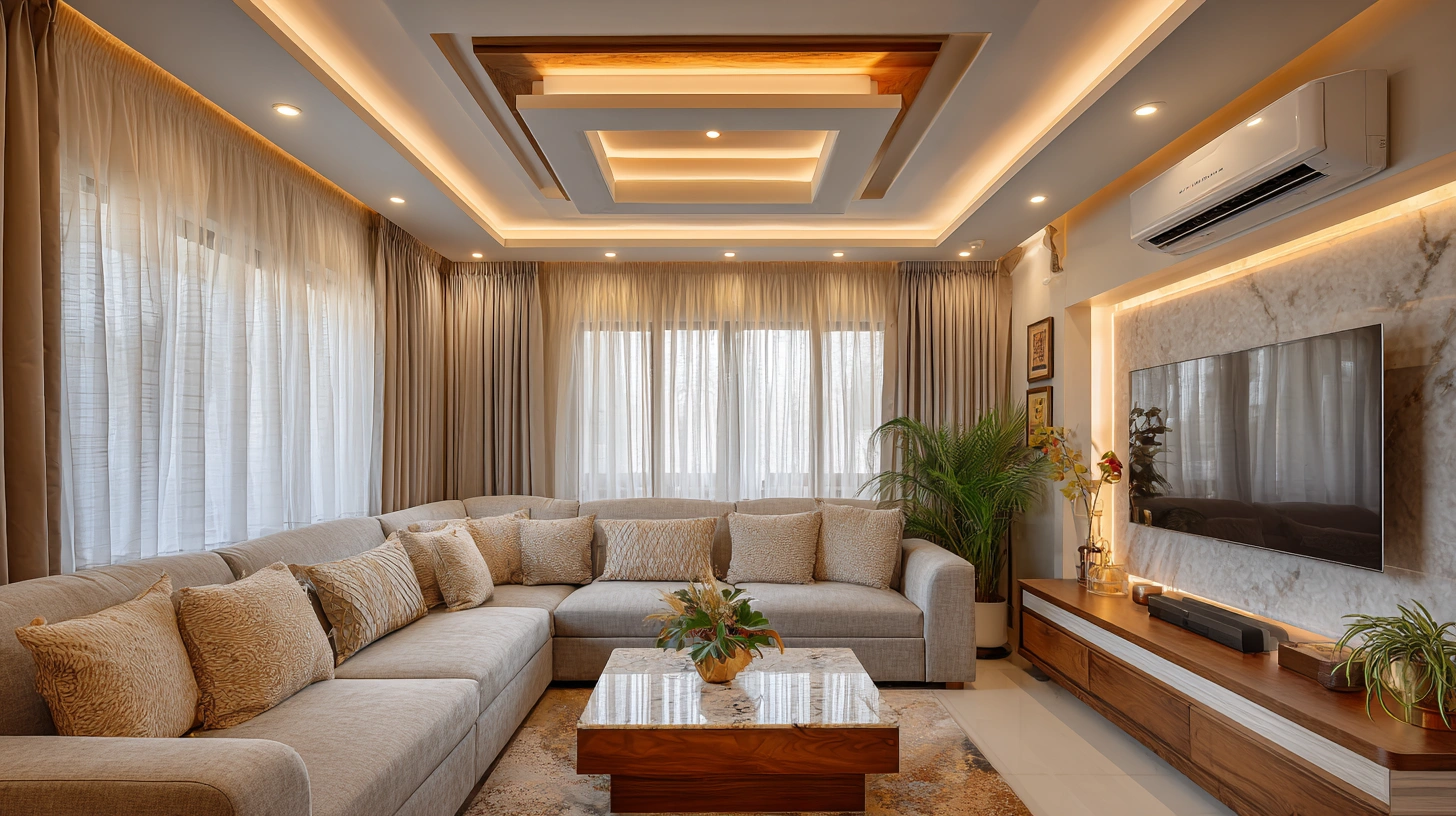
Tray ceiling designs feature a recessed centre section set higher than the border, creating a layered, elegant look. They are now accessible across all budgets in Indian homes, made from materials such as POP, gypsum, and MDF, and featuring LED lighting. Popular styles include simple single-level, coffered, wooden, geometric, and luxury metallic designs, each suited to different rooms and budgets ranging from ₹80 to ₹600+ per sq ft. Key considerations before installation include ceiling height, room size, lighting planning, and waterproofing. 2026 trends favour warm wood insets, curved edges, and minimalist Japandi aesthetics. Overall, a well-planned tray ceiling is one of the most impactful and versatile upgrades for any Indian home.
In Indian homes, tray ceiling designs have grown from a luxury feature seen only in premium villas to a mainstream interior upgrade found in mid-range apartments and builder flats alike. The widespread availability of gypsum, POP, and MDF false-ceiling materials, combined with LED strip lighting, has made ceiling-tray design accessible across almost every budget. Whether you want a simple, clean recess above the bed or an elaborately layered false-ceiling tray design in the living room with cove lighting and wooden accents, the options available today are broader and more affordable than ever. This guide walks you through everything you need to know to make the right choice for your home.
What is a Tray Ceiling?
A tray ceiling design is a recessed ceiling style in which the central section is set higher than the perimeter, creating a multi-level or stepped effect resembling an upside-down serving tray.
It differs from a standard false ceiling in that it intentionally creates depth and layers rather than simply lowering the ceiling height throughout the room. The recessed central section can be finished with paint, wallpaper, wooden cladding, or backlit with LED strip lighting for a dramatic effect.
Recommended Reading
Top 20+ Modern PVC Wall Panel Designs fo...
13.3K Views

Trending L-Shaped False Ceiling Design I...
11.4K Views

20+ POP Light Design Ideas for Kitchen, ...
10.3K Views

Wallpaper Designs for Bedroom: Modern &a...
9.9K Views
Folding Gate Design: Enhancing Security ...
9.4K Views
Key characteristics of a tray ceiling:
- The central section is raised 6 to 18 inches above the surrounding border
- Creates a defined, framed focal point on the ceiling
- Works with single-level or multi-level stepped configurations
- Compatible with cove lighting, pendant fittings, and recessed spotlights
- Suitable for living rooms, bedrooms, dining areas, and foyers
Why Choose a Tray Ceiling Design for Your Home?
Tray ceiling designs offer a combination of aesthetic and functional benefits that few other interior upgrades can match at a comparable cost. They work in both compact apartments and spacious villas, though the design approach differs significantly between the two.
In Indian apartments with standard 9–10-foot ceilings, a well-planned tray false ceiling design can actually make the room feel taller by drawing the eye upward to the central recess. The layered effect creates an illusion of height and space that a flat ceiling simply cannot achieve.
Here is why tray ceiling ideas are worth serious consideration for your next home renovation.
| Benefit | What It Delivers |
| Visual Height | Recessed centre makes ceilings feel taller than they are |
| Defined Focal Point | Frames the room's centrepiece bed, dining table, or sofa |
| Integrated Lighting | Cove LEDs and spotlights are built directly into the ceiling layers |
| Acoustic Improvement | Additional ceiling layers reduce echo and sound transmission |
| Resale Value | Premium ceiling finish increases perceived property value |
| Design Flexibility | Works across styles: modern, classic, ethnic, and luxe |
Popular Tray Ceiling Design Styles
Choosing the right style for your ceiling tray design is the most important decision in the entire process. Different styles suit different rooms and budgets. A heavily layered, ornate tray-ceiling design with crown moulding may be perfect for a large living room, but it can feel overwhelming in a compact bedroom. Simpler, cleaner designs often work best in smaller spaces.
Here are the most popular tray ceiling designs for Indian homes today.
1. Simple Single-Level Tray Ceiling
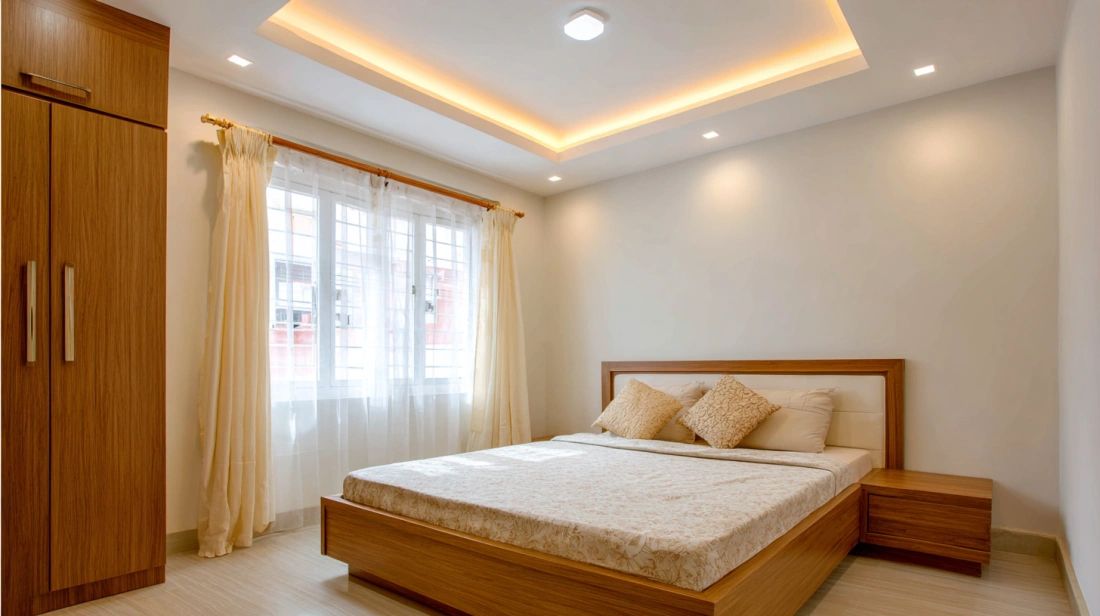
A simple single-level tray ceiling is one of the most affordable and elegant ceiling options for modern Indian homes. This tray ceiling design suits minimalist interiors and works especially well in compact bedrooms, study rooms, and apartments where a clean ceiling layout helps the room feel visually spacious and uncluttered.
| Detail | Specification |
| Recess Depth | 4–8 inches |
| Best Rooms | Bedroom, study, compact living room |
| Finish Options | Paint, wallpaper, matte laminate |
| Lighting | LED strip or recessed spotlights |
| Avg. Cost | ₹80 – ₹150 per sq ft |
| Ceiling Height Needed | Minimum 9.5 feet |
2. Double or Multi-Level Tray Ceiling
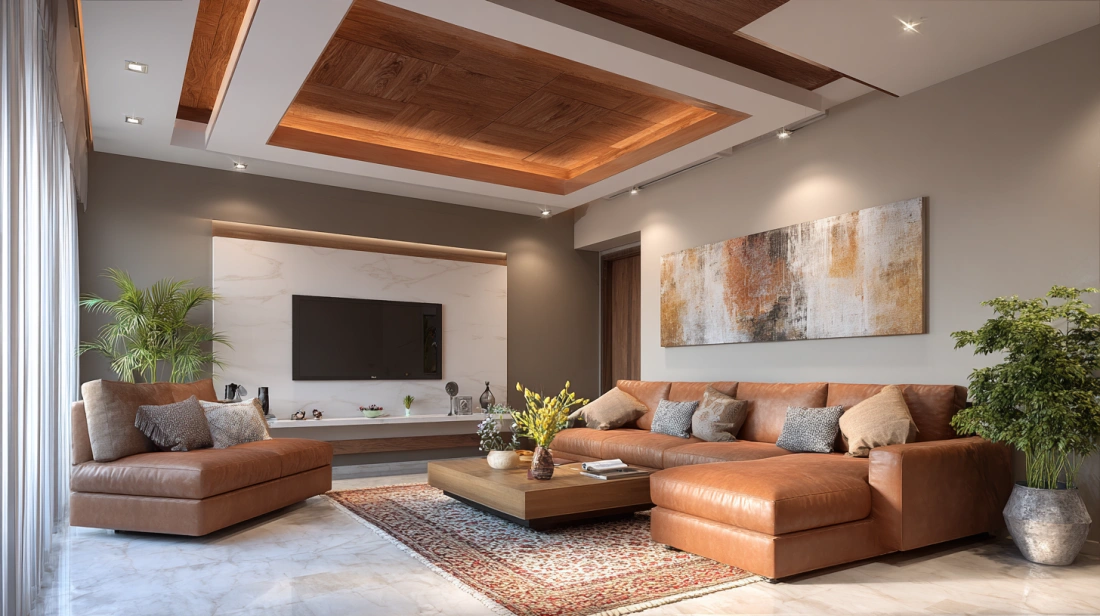
A double or multi-level tray ceiling creates depth and luxury through layered recessed sections. This tray false ceiling design is popular in premium apartments and villas where larger rooms can accommodate multiple ceiling levels without making the space feel visually heavy or cramped.
| Detail | Specification |
| Recess Depth | 4–6 inches per level |
| Best Rooms | Large living room, dining room design |
| Finish Options | Paint + wood cladding combinations |
| Lighting | Layered LED strips and pendant lights |
| Avg. Cost | ₹150 – ₹280 per sq ft |
| Ceiling Height Needed | Minimum 10 feet |
3. Coffered Tray Ceiling
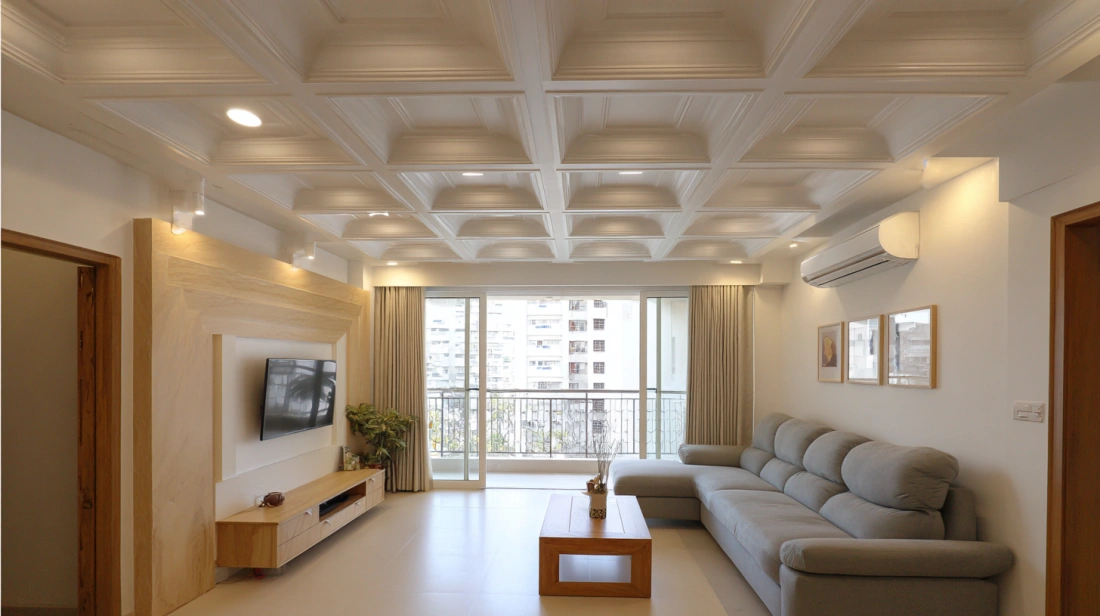
A coffered ceiling divides the space into recessed, grid-like sections, creating a highly structured and luxurious look. This tray ceiling design works beautifully in formal living rooms, home libraries, and premium villas where homeowners prefer timeless and architectural interior detailing.
| Detail | Specification |
| Panel Size | 2x2 ft to 4x4 ft |
| Best Rooms | Formal living room, library |
| Finish Options | White POP, wood-finish panels |
| Lighting | Recessed spotlights |
| Avg. Cost | ₹250 – ₹450 per sq ft |
| Ceiling Height Needed | Minimum 10.5 feet |
4. Cove-Lit Tray Ceiling
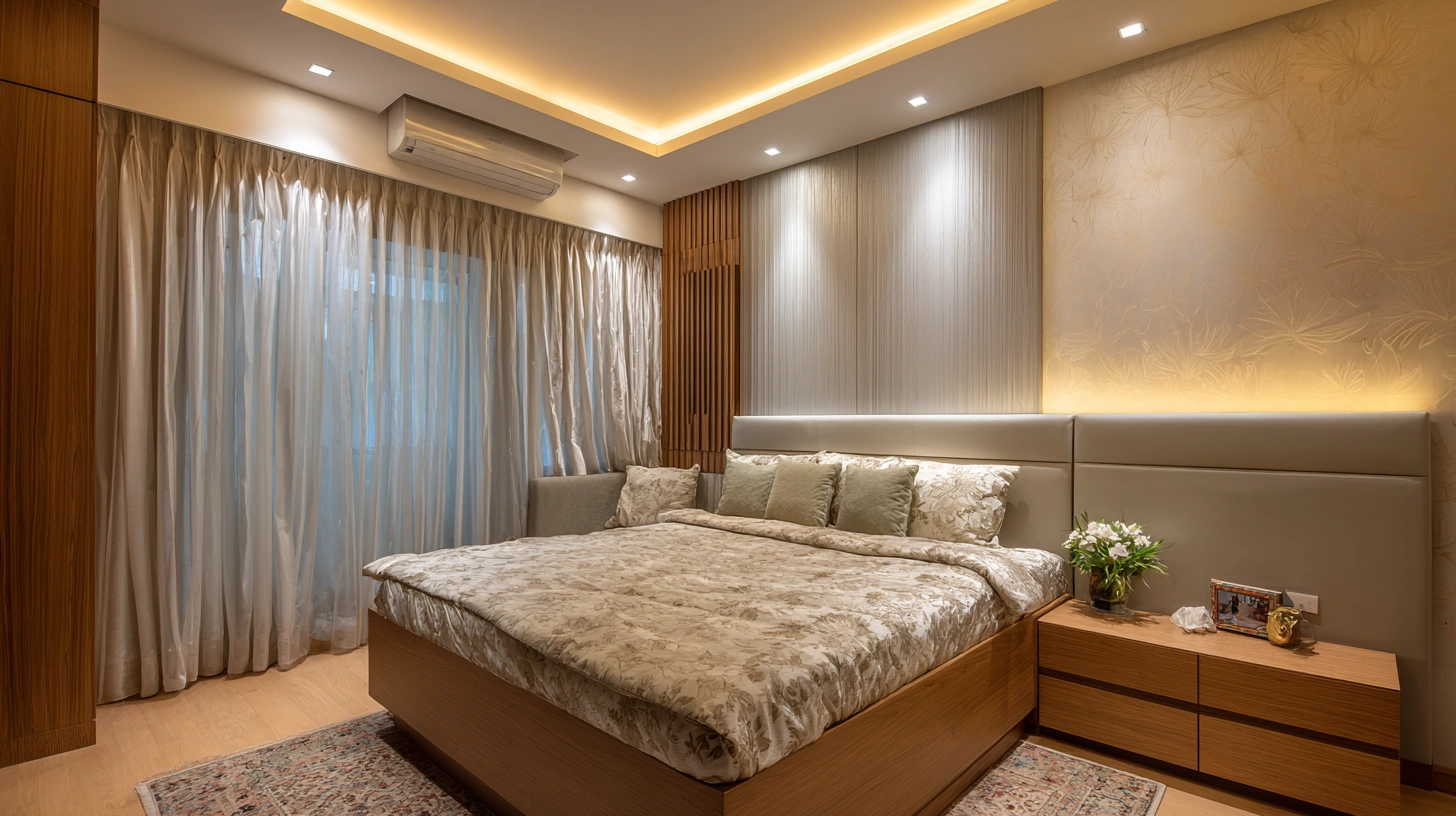
A cove-lit tray ceiling uses concealed LED strips along the recessed borders to create warm and indirect lighting. This is one of the most popular tray ceiling ideas for urban apartments because it offers premium visual appeal while maintaining a clean, contemporary ceiling layout.
| Detail | Specification |
| Cove Width | 4–8 inches |
| Best Rooms | Bedroom, living room, home theatre room design |
| Finish Options | Smooth white POP finish |
| Lighting | Warm white or RGB LED strips |
| Avg. Cost | ₹120 – ₹200 per sq ft |
| Ceiling Height Needed | Minimum 9.5 feet |
5. Wooden Tray Ceiling
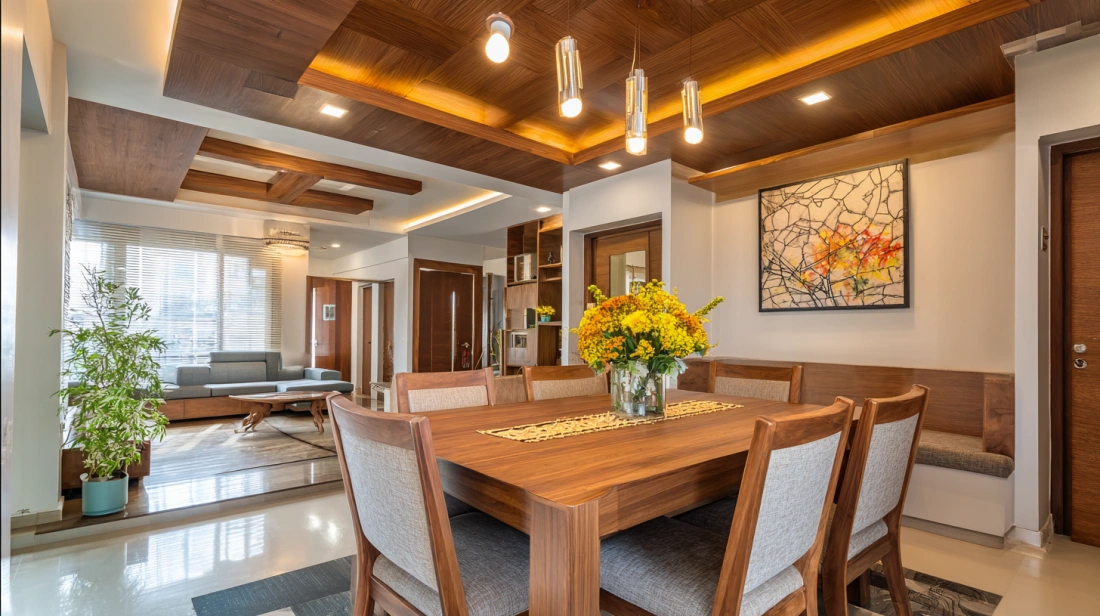
A wooden tray ceiling combines recessed ceiling sections with natural wood finishes, creating warmth and texture within the interior. This tray ceiling design has become extremely popular in 2026 because it balances modern ceiling layouts with earthy and luxurious material finishes.
| Detail | Specification |
| Wood Options | Teak veneer, walnut, oak |
| Best Rooms | Dining room, bedroom, study |
| Finish Options | Natural or stained wood |
| Lighting | Spotlights and perimeter LEDs |
| Avg. Cost | ₹200 – ₹400 per sq ft |
| Ceiling Height Needed | Minimum 9.5–10 feet |
6. Geometric Tray Ceiling
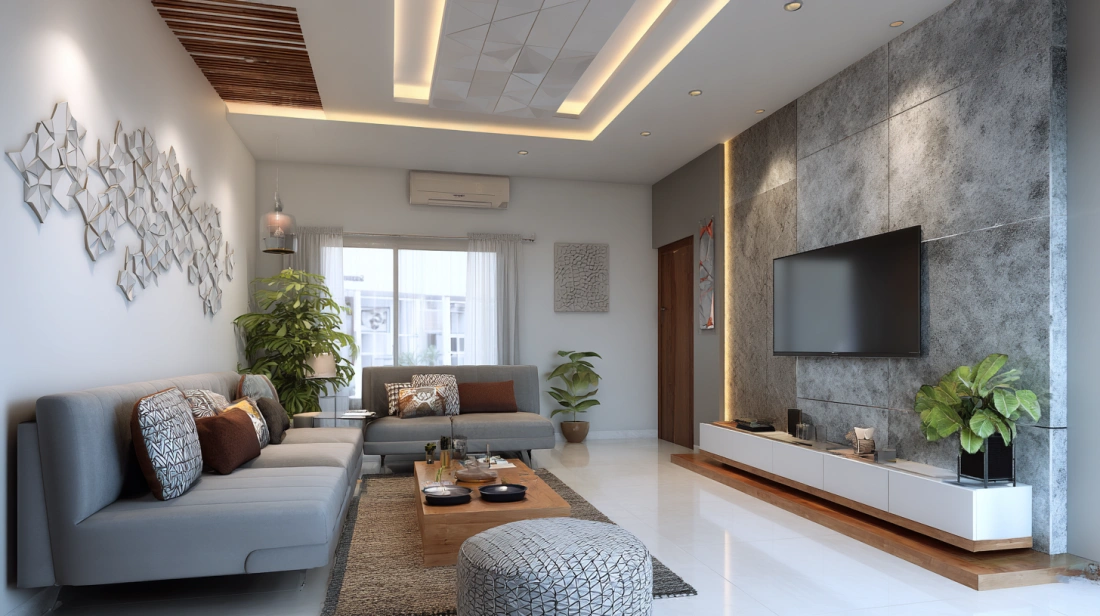
A geometric tray ceiling incorporates angular patterns, hexagons, or linear recessed layouts to create a bold modern aesthetic. This tray ceiling design is ideal for homeowners who want a contemporary and visually striking ceiling without excessive decorative detailing.
| Detail | Specification |
| Pattern Type | Linear, hexagonal, angular |
| Best Rooms | Living room, entertainment room |
| Finish Options | Matte paint, dual-tone finish |
| Lighting | LED strip and panel lighting |
| Avg. Cost | ₹180 – ₹320 per sq ft |
| Ceiling Height Needed | Minimum 10 feet |
7. Circular Tray Ceiling
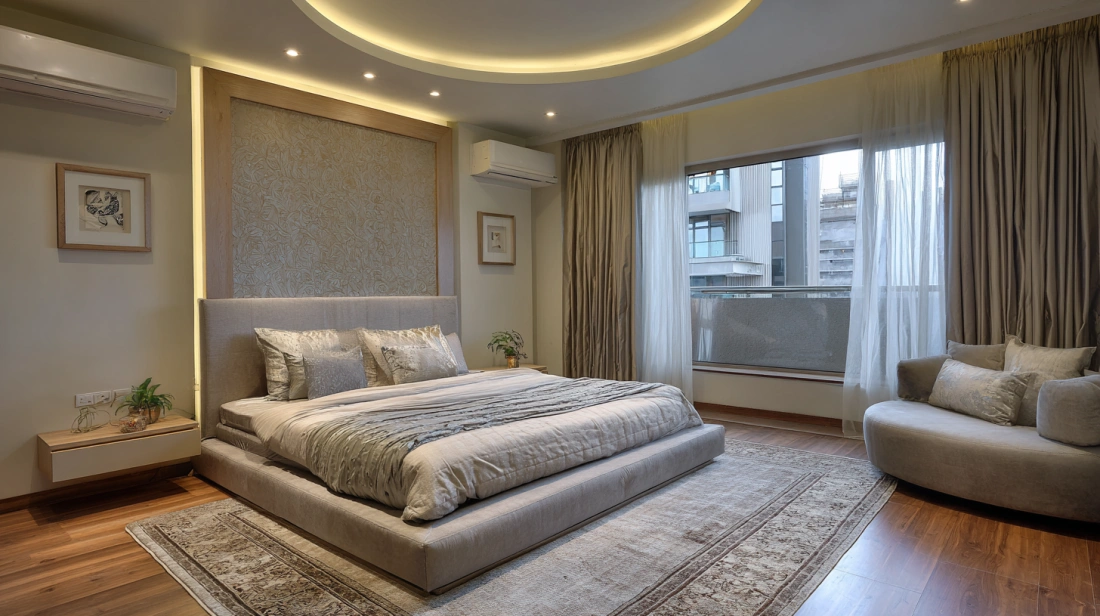
A circular tray ceiling uses curved recessed forms to soften the room’s appearance and create a central focal point. This style works especially well in dining spaces, master bedrooms, and luxury living rooms where elegant ceiling symmetry enhances the overall interior design.
| Detail | Specification |
| Shape | Circular or oval tray |
| Best Rooms | Dining room, Master bedroom design |
| Finish Options | POP, textured paint |
| Lighting | Chandelier with concealed LEDs |
| Avg. Cost | ₹170 – ₹300 per sq ft |
| Ceiling Height Needed | Minimum 10 feet |
8. Floating Tray Ceiling
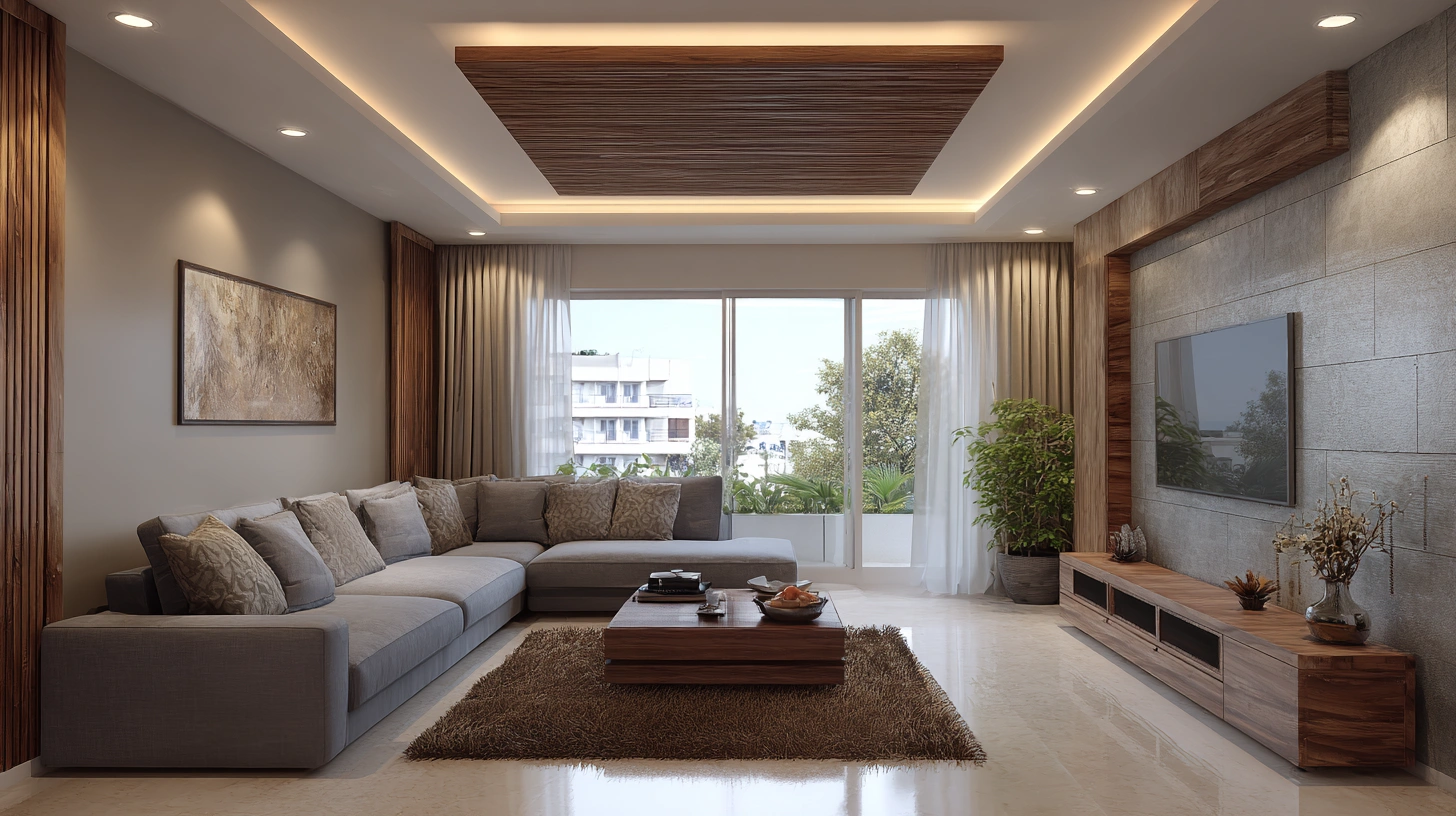
A floating tray ceiling creates the illusion that the ceiling panel is suspended independently from the slab. Hidden LED lighting around the panel edges enhances the floating effect, making this one of the most modern tray ceiling ideas for contemporary apartments and luxury homes.
| Detail | Specification |
| Floating Gap | 1–3 inches |
| Best Rooms | Modern living rooms, bedrooms |
| Finish Options | Matte white or wood veneer |
| Lighting | Hidden LED perimeter lighting |
| Avg. Cost | ₹180 – ₹350 per sq ft |
| Ceiling Height Needed | Minimum 10 feet |
9. POP + Gypsum Hybrid Tray Ceiling
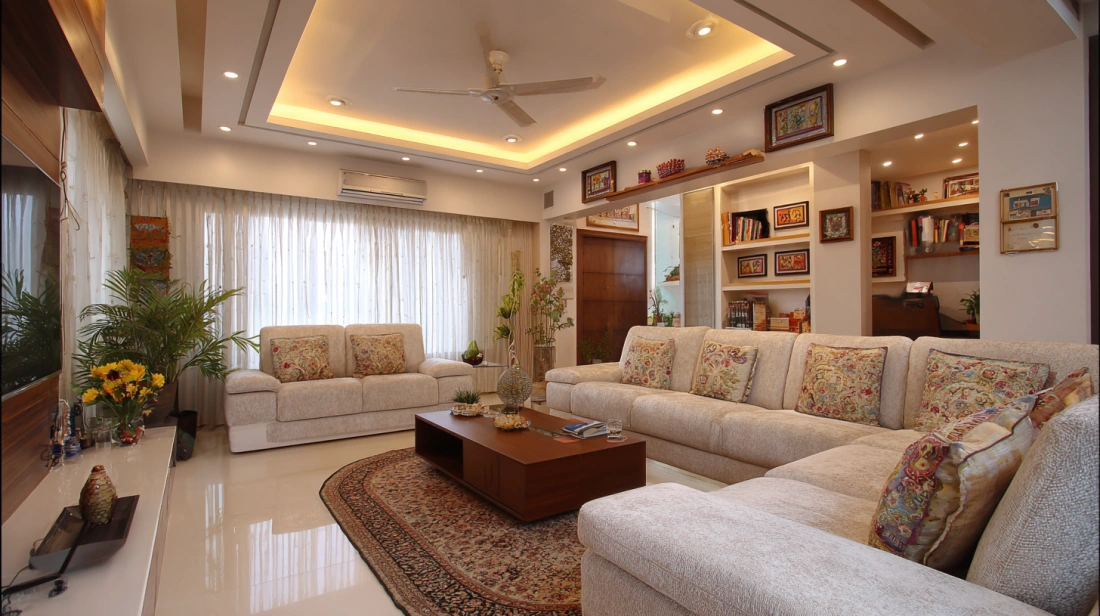
A hybrid tray ceiling combines gypsum boards with decorative POP detailing to balance affordability and design flexibility. This tray false ceiling design is widely used in Indian apartments because it offers premium aesthetics without the high cost of fully customised POP work.
| Detail | Specification |
| Material Combination | Gypsum board + POP detailing |
| Best Rooms | Living room, bedroom |
| Finish Options | Paint with cove accents |
| Lighting | Recessed LEDs and cove lighting |
| Avg. Cost | ₹140 – ₹250 per sq ft |
| Ceiling Height Needed | Minimum 9.5 feet |
10. Luxury Metallic Tray Ceiling
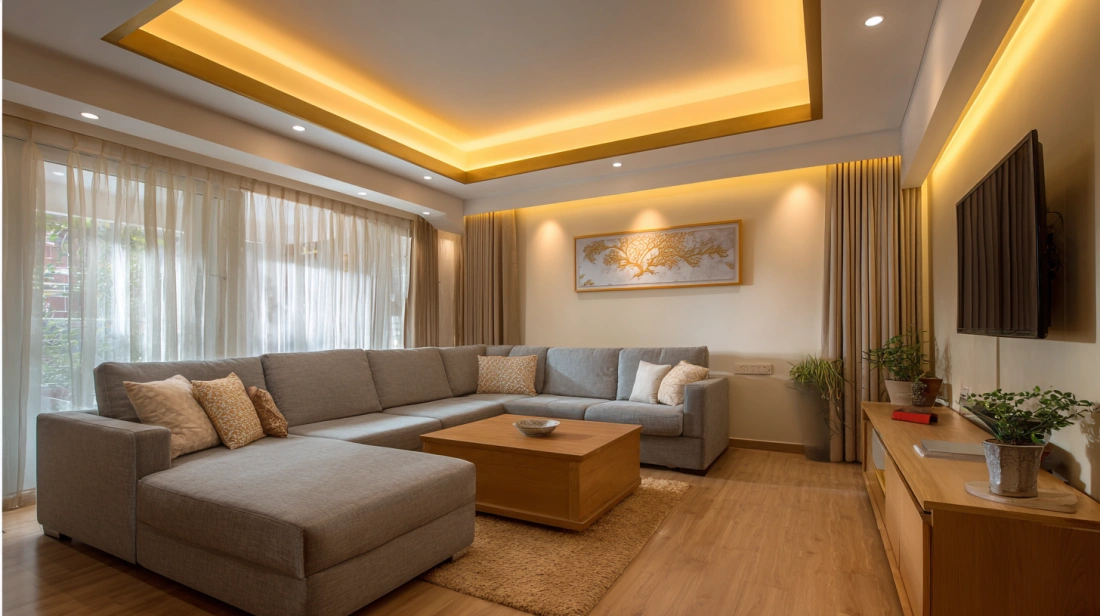
A luxury metallic tray ceiling incorporates metallic accents, gold trims, or brushed-finish panels for a high-end appearance. This premium tray ceiling design is often used in luxury apartments, designer homes, and entertainment lounges where statement interiors are the priority.
| Detail | Specification |
| Finish Type | Gold trim, metallic laminate |
| Best Rooms | Luxury living rooms, lounges |
| Finish Options | Metallic paint and veneer |
| Lighting | Designer chandeliers and LEDs |
| Avg. Cost | ₹300 – ₹600 per sq ft |
| Ceiling Height Needed | Minimum 10.5 feet |
Room-Wise Tray Ceiling Design Ideas
Applying the right ceiling tray design to the right room is as important as choosing the style itself. Each room has different proportions, lighting needs, and functional requirements that influence what type of tray ceiling will work best.
A bedroom tray ceiling should feel calm and restful. A living room tray false ceiling design needs to be more dramatic and visually engaging. Here is a room-by-room guide to the best tray ceiling ideas for Indian homes.
| Room | Recommended Style | Lighting Choice | Key Consideration |
| Master Bedroom | Single or double-level with cove LED | Warm white (2700K–3000K) | Align the tray directly above the bed |
| Living Room | Multi-level or coffered with pendants | Warm + accent spotlights | Should frame the main seating zone |
| Dining Room | Single-level centred over the dining table | Pendant lamp in the recess | Tray should match table dimensions |
| Kids' Room | Simple single-level with colour LED | RGB LED strips (dimmable) | Keep the design simple and playful |
| Foyer Designs | Single deep tray with spotlight cluster | Warm focused spotlights | Creates an immediate wow factor on entry |
| Home Theatre | Deep tray with RGB cove lighting | Dimmable RGB LEDs | Blackout-compatible warm ambient light |
Materials Used in Tray Ceiling Designs
The material you choose for your false ceiling tray design directly affects the final look, durability, weight load, and cost of the project. Each material has clear strengths suited to different design goals and budget ranges. In Indian homes, gypsum board and POP (Plaster of Paris) remain the most popular base materials. Still, wood, MDF, and metal accents are increasingly used to add character and texture to modern tray ceiling ideas.
| Material | Cost (per sq ft) | Durability | Best For | Finish Options |
| POP (Plaster of Paris) | ₹60 – ₹120 | Medium | Traditional, ornate designs | Smooth paint, textured |
| Gypsum Board | ₹80 – ₹160 | High | Modern, clean designs | Paint, wallpaper |
| MDF Panels | ₹100 – ₹200 | Medium-High | Wooden look, carved patterns | Veneer, laminate, paint |
| Engineered Wood | ₹180 – ₹350 | High | Premium, warm interiors | Natural, stained, painted |
| Metal (Aluminium / GI) | ₹150 – ₹300 | Very High | Industrial, contemporary | Powder-coated, brushed |
| PVC Panels | ₹50 – ₹100 | Medium | Budget renovations, wet areas | Printed, plain |
Cost Breakdown for Tray Ceiling Designs in India
Understanding the full cost of a tray ceiling design project upfront prevents budget overruns and helps you make informed decisions about where to invest and where to save. Labour, materials, lighting, and finishing all contribute to the final figure.
Costs for ceiling tray design projects vary significantly based on city, contractor, ceiling area, number of levels, and the complexity of the chosen design. The table below provides a realistic planning baseline for Indian homeowners.
| Design Type | Material | Cost per Sq Ft (₹) | Total Cost for 150 sq ft Room (Approx.) |
| Simple Single-Level Tray | POP / Gypsum | ₹80 – ₹150 | ₹12,000 – ₹22,500 |
| Cove-Lit Tray Ceiling | Gypsum + LED strips | ₹120 – ₹200 | ₹18,000 – ₹30,000 |
| Double-Level Tray | Gypsum + POP | ₹150 – ₹280 | ₹22,500 – ₹42,000 |
| Wooden Tray Ceiling | MDF + Wood Veneer | ₹200 – ₹400 | ₹30,000 – ₹60,000 |
| Coffered Tray Ceiling | POP + MDF | ₹250 – ₹450 | ₹37,500 – ₹67,500 |
| Premium Multi-Level | Gypsum + Wood + Metal | ₹350 – ₹600+ | ₹52,500 – ₹90,000+ |
Note: LED strip lighting costs an additional ₹150–₹500 per meter. Painter charges are typically ₹15–₹30 per sq ft extra.
Modern Tray Ceiling Ideas for 2026
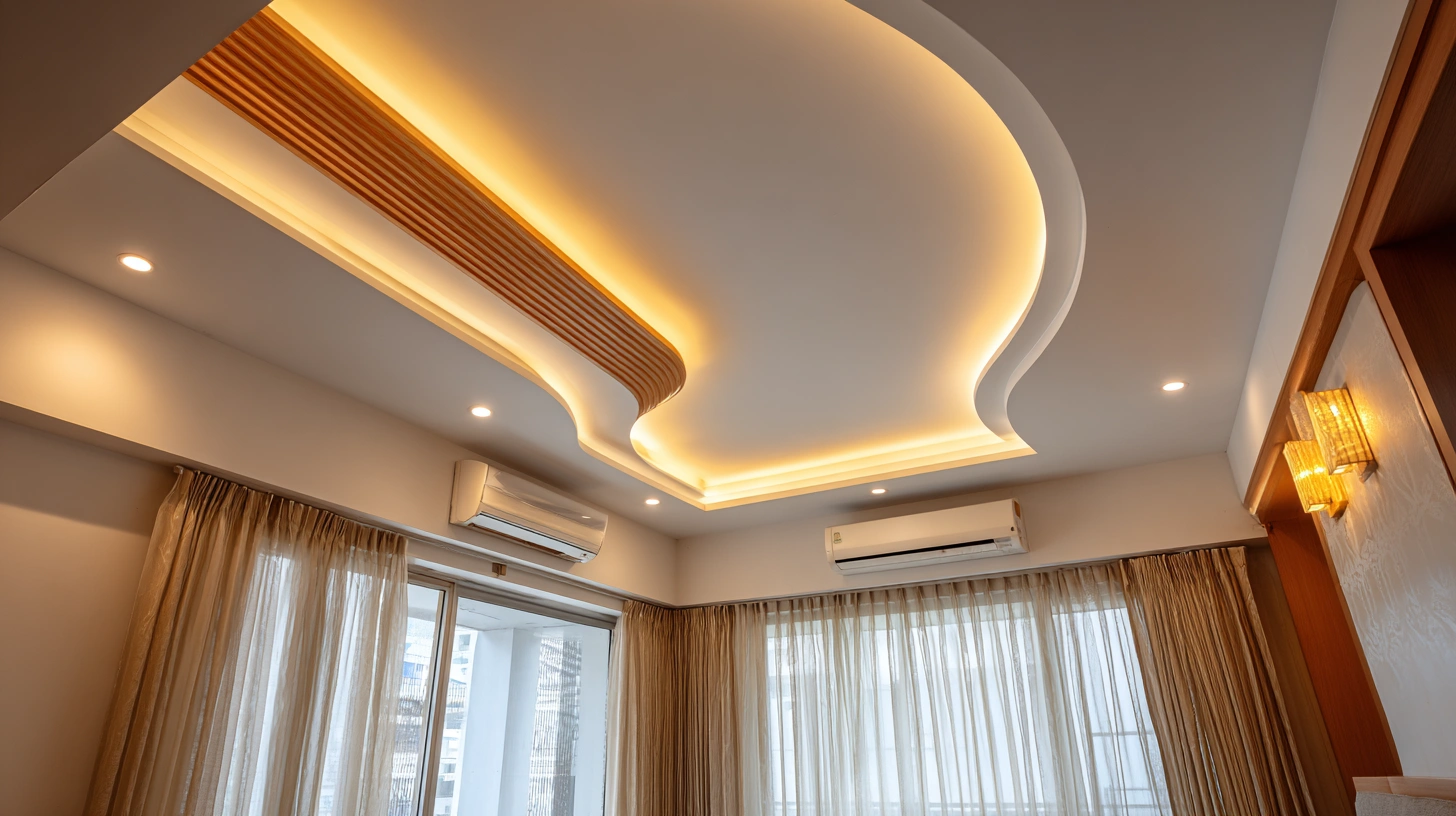
The design language around modern tray ceiling ideas is evolving rapidly in Indian interiors. Homeowners are moving away from heavy, ornate POP ceilings toward cleaner, warmer, and more materially interesting tray ceiling designs that complement contemporary living spaces.
The best tray ceiling ideas for 2026 blend functionality, integrated lighting, acoustic panels, and hidden curtain tracks with strong aesthetic intent. Here are the top trends shaping false ceiling tray design in India right now.
- Warm Wood Insets: Engineered wood or veneer panels in the central tray recess replacing cold white POP finishes
- Layered Cove Lighting: Multiple LED strip layers in warm white and warm amber, creating rich, dimmable ambience
- Curved Tray Edges: Replacing sharp 90-degree corners with soft, rounded tray profiles for a more organic, contemporary feel
- Japandi-Inspired Minimalism: Ultra-simple single-level trays in warm off-white with a single recessed spotlight cluster
- Integrated Curtain Tracks: False ceiling tray borders concealing ceiling-mounted curtain tracks for a clean, hotel-style window treatment
- Biophilic Accents: Incorporating bamboo, cane webbing, or moss-panel insets into the tray recess for a nature-inspired ceiling detail
Things to Consider Before Installing a Tray Ceiling
Before committing to any tray ceiling design, every Indian homeowner must carefully evaluate several practical factors. Skipping these considerations is the leading cause of costly mid-project changes and unsatisfactory results.
The most critical factor is ceiling height. A ceiling tray design in a room with a standard 9-foot ceiling requires extremely careful planning. The false ceiling border typically drops 8–12 inches, which can make the room feel lower than it did before if not handled correctly.
Keep these key considerations in mind before finalising your tray false ceiling design.
- Ceiling Height: Minimum 9.5 feet for a single-level tray; 10 feet+ recommended for multi-level designs
- Room Size: The tray should be proportionate to the room; a tray that's too small looks lost, too large feels oppressive
- Lighting Plan: Decide on the complete lighting layout before construction begins, not after
- Waterproofing: If installing in a flat below another occupied flat, ensure waterproofing is confirmed before false ceiling work.
- Electrical Points: Plan all fan, light, and AC duct positions before the false ceiling framework is fixed
- Material Weight: Heavier materials like solid wood require a stronger framework; confirm with the contractor before specifying
- Maintenance Access: Ensure the design allows access panels for electrical wiring and plumbing above the false ceiling
Conclusion
A well-designed tray ceiling is one of the most transformative upgrades available in home interiors, adding height, depth, drama, and a sense of architectural completeness to any room. From a simple cove-lit, single-level recess in a compact bedroom to an elaborate coffered ceiling tray design in a grand living room, the options are genuinely vast and accessible at every budget.
NoBroker Interiors is one of India's most trusted end-to-end home interior services, with extensive experience in delivering beautiful ceiling-tray design projects across living rooms, bedrooms, and dining areas in apartments and villas nationwide. Their team handles design, material sourcing, contractor coordination, and quality inspection so you don't have to.
Frequently Asked Questions
Q1. What is a tray ceiling design?
Q2. How much does a tray ceiling design cost in India?
Q3. What is the minimum ceiling height required for a tray ceiling?
Q4. Which rooms are best suited for tray ceiling designs?
Q5. What materials are used in false ceiling tray designs?
Q6. Can a tray ceiling be installed in a flat with a 9-foot ceiling?
Q7. What lighting works best with tray ceiling designs?
Q8. How long does it take to install a tray ceiling?
Q9. Is a tray ceiling design suitable for small rooms?
Q10. Does a tray ceiling increase home resale value?


Our Recent Projects



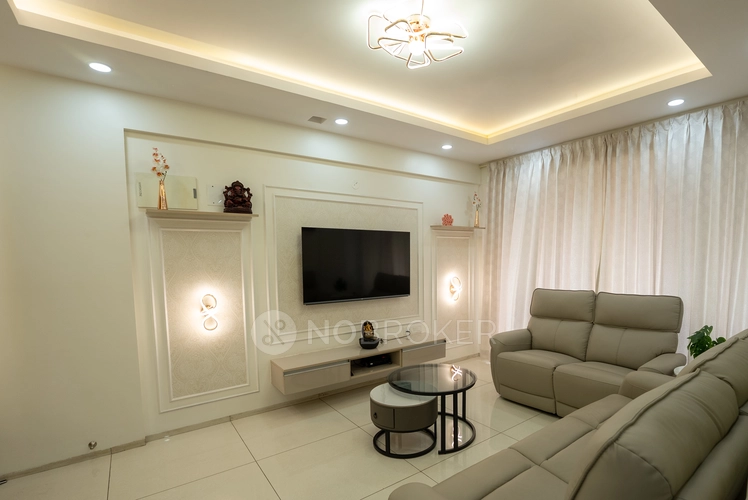
Reviews

Local Guide

Excellent service, great quality within promised budget and time. Special thanks to Subhash for end to end management and coordination ... Read more

Bindu Rai
I approached No Broker Interiors for designing my home and it was a smooth process overall. The modular kitchen has smart storage, and ... Read more

Asma Ul Husna
Overall, I found the design process helpful and appreciated the attention given to my preferences. The finished space has a clean and c... Read more

Tapas Ghosh
NoBroker Interior offered some nice ideas for improving the look and functionaliity of my living space & genuine , team

Dharohar Interiors
Costing is really good compared with others and consultant was really good experience

yuvraj srivastava
The showroom is amazing,and the consultant are really helpful with the query,happily on-boarded here today

Uma Maheswara Reddy
Experience centre was nice, they explained about each every material very well.

Varun Thammaiah
Tharun Kumar has done an excellent job as the Project Manager. He is professional, supportive, and ensures everything is handled smooth... Read more

Sriya
The designs are very unique I am really impressed by the teamwork overall it's a very affordable they deliver the work in good budget thanks

Asha Kashyap
"Great interior design service by NoBroker Interiors - Whitefield! Had a wonderful experience working with their team for our home inte... Read more

Rising Soft
We trusted No Broker Interiors with our interior work and the final look of our home is lovely. At the experience centre they showed us... Read more

Sarala Buduru
The interior transformation made the space feel brighter and more welcoming. The design choiices were simmple, tasteful, and suited my needs.

Hanma
The team was responsive to my queriies and explained the interior work process clearly. Truly amazing 🤗

Punam Nath
The interior team was professional and understood our requirements well. The overall experiience was smooth and satisfactory.

Divya N Raj
Whitefield Experience centre is very good

Muskan kataria
Amazing interior work! The design is elegant, modern, and beautifully finished. Every detail is thoughtfully crafted, with excellent qu... Read more

Anshika Yadav
The interior work turned out really well and the overall finish gave my space a fresh and modern look the team was helpful throughout the process

Guncreator Studio
The design suggestions were creatiive and suited the style I wanteed for my home.

Anamika Banik
Good interior service with clear communication and helpful suggestions. The work was completed neatlyyyy

Nitin Kumar Mandilwar
Good work done by project manager Manoj. Completed the work in time.

Divyanshu Mehta
Great work done by designer Divya and Govardhan. Hassle free work snd best part is they will customise everything as per need exactly. ... Read more

Jason Fernandes
I had a great experience here. When it comes to planning, delivery and execution, great work was done by the team members. Suhail Khan... Read more

Swathi Warker
Manoj is very responsive, finds solutions for all obstacles and provides ork around. He provides timely updates on work status. Manages... Read more

Nitin Prabhakar
Excellent Interior Design and Execution Experience . Thanks to manoj and Rakshitha for the kind support and cooperation

Mobi Apps
I am extremely happy with my home interior journey with NoBroker. The entire process was smooth, well-coordinated, and completed right ... Read more

AKSHATHA S
I am writing this after using NoBroker Cleaning Services for my house and the difference is easy to see. Our chimney was greasy for mon... Read more

Priya Sardar
Overalll, the interior planning experience was smooth, and I liked the practical approach to the design. GOOD DESIGN 👍🏻

Abhilash Tomar
Good experience

Rahber Khan
The interior work turned out well, and I liked how the team focused on making the space both stylish and functional. They were responsi... Read more

yogesh
Recently did interior for 2BHK with NoBroker Interiors, and the overall experience has been great. Everyone has been extremely supporti... Read more

ashish jain
Great thanks to Riddhi & Sakshi for being so accommodating and flexible with all the requests and changes. They were able to complete d... Read more

DEEPAK MISHRA
*Disclaimer* for review This review is only for Project Manager Divyadeep and not for Nobrokers interior company, neither design team n... Read more

SAURABH KURADE
I am writing to recommend nobroker interior. Yes the initial stages of the project faced severe delays and communication challeng... Read more

Manav Chhabria
Working with this Nobroker interior team has been an absolute pleasure from start to finish! Every single member brought immense expert... Read more

Kandagatla Laxman
We just finished our home interiors at Praneeth Pranav Solitaire NoBroker. A big thanks to our Project Manager, Abhishek! He managed th... Read more

Ananya Sharma
Our flat interiors were handled by No Broker Interiors and our time with them was pleasant. They planned the modular kitchen around how... Read more

Vikas Agrawal
I appreciate the attention to detail and the effort put into makiing the interiors look neat and functional.

Shiva Shankar
We had a wonderful experience with NoBroker Interiors for our new home at Primark Inspira. A special thanks to Abhishek for managing th... Read more

abhijit dey
Just wrapped up our home interiors with NoBroker Interiors here at Royal Orchids Apartments! A special shout-out to Project Manager Abh... Read more

T R Rao
We have done interior design and execution work in our 3 bhk flat in Hyderabad. We had a very pleasant experience with the entire proce... Read more

Adi Lakshmi Turlapati
We are extremely thankful to the TEAM NoBroker Interiors fir their wonderful work. Right from the designing stage to the execution stag... Read more

Chaitalee Vaidya
We had a very good experience with No broker The designer Sathvika was very good and patience in dealing and giving multiple options of... Read more

sri kiran
Got a satisfactory service from No broker interiors big Kudos to My project manager Abhishek on timely delivery and being patient with ... Read more
Testimonials
View All
NoBroker Interiors Review | Happy Customer Testimonial by Rajani
NoBroker Interiors | Customer Testimonial by Prinyakar Polley

NoBroker Interiors | Hyderabad Customer Testimonial by Prashant Choudhary

NoBroker Home Interiors | Hyderabad 4BHK Customer Review

NoBroker Interiors Customer Testimonial | Jatan's Story
NoBroker Interiors Review | Hyderabad Customer Testimonial

NoBroker Interiors Review | Modern Dream Home Customer Testimonial

NoBroker Interiors Customer Testimonial | Fast & Quality Home Interiors

NoBroker Interiors Customer Testimonial | Pune Dream Home

NoBroker Interiors| Bangalore Customer Testimonial
NoBroker Interiors: Sports Theme Interiors by NoBroker #interiordesign #nobrokerinteriors #nobroker

NoBroker Interiors - Customer Testimonials

That 3 PM meeting where ideas turn into floor plans, materials, and magic. 💫

Your 2026 list is here.

Smart wardrobe design that fits your life, beautifully.
POV: You gave your home a holiday hug.🥰

Blink and you’ll miss the makeover.👀

When your home finally gets its own weekend mood, this bar unit does the job beautifully.

A calm pooja corner every home needs.

NoBroker Home Interior Service | Saurabh & Prachi Share Their Story #interiordesign #shorts
About the Author

Dileep
Author
Dileep is a passionate interior designer with a civil engineering background, bringing strong technical knowledge into the world of creative interior design. His engineering foundation help










Recent Blogs
Subscribe to our Newsletter
Get latest news delivered straight to your inbox