Modern Sliding Window Designs for Every Room in Your Home

9.5K Views
Table of Contents
Summary
Sliding windows offer an efficient, space-saving solution for modern Indian homes by operating horizontally along tracks without obstructing surrounding indoor or outdoor space. Among frame materials, uPVC provides exceptional thermal insulation and low maintenance at an affordable price, while aluminium frames offer high structural strength and slim profiles for expansive glass panels. For glazing, double glazing or Low-E glass is highly recommended to reduce street noise and heat gain during harsh summer months.
Sliding windows have become an indispensable feature of modern home architecture, offering a sleek way to optimize daylight, improve airflow, and maximize space without the clearance issues of traditional hinged windows. Whether you need a 3-track uPVC sliding window with a built-in mosquito mesh for daily ventilation or large aluminium glass panels to open up a balcony view, selecting the right frame and glazing transforms both comfort and aesthetics.
In this guide, we explore the latest room-by-room sliding window designs, compare frame materials like uPVC, aluminium, and wood, and break down per-square-foot pricing across India to help you pick the perfect fit for your home.
Type of glass or glazing utilised in Sliding Window Glass Designs
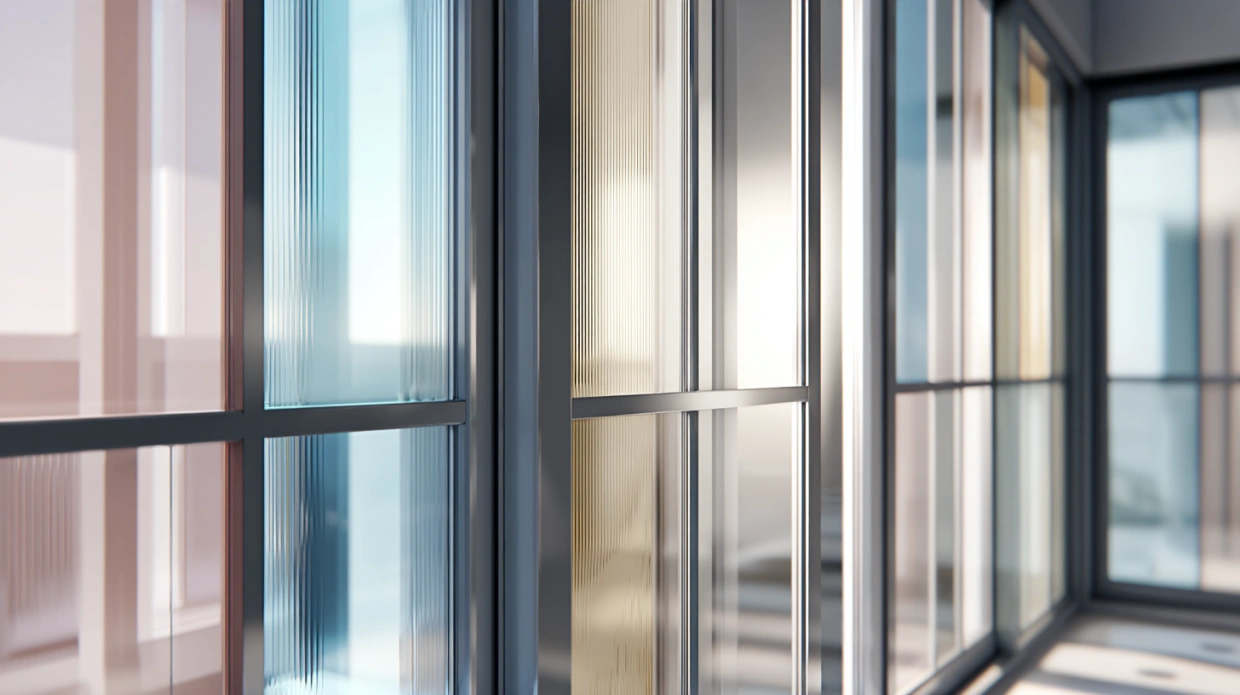
Sliding window designs use horizontal panels within a fixed frame, keeping operation simple without taking extra space. The type of glass used in these windows affects heat control, noise levels, safety, and everyday comfort, especially in regions with strong sunlight and changing weather conditions. Choosing the right glass for your sliding window can improve comfort, safety, and efficiency, while also complementing the room’s style:
Recommended Reading

Best 3 Bedroom House Plans: Modern and S...
78.1K Views

30+ Front Gate Design Ideas for Houses: ...
54.9K Views

South Indian Village House Design: 15 Tr...
36.2K Views

How to Make a Room Soundproof: 10 Practi...
34.3K Views
12 Modern Roof Sheet Design Ideas for St...
22.8K Views
- Low-Emissivity (Low-E) Glass: A special coating that reflects heat while allowing light through, improving energy efficiency.
- Single Glass Sliding Design : A basic option for everyday ventilation and daylight. Suitable for smaller or less exposed rooms.
- Double Glazing Sliding Design: Two layers of glass separated by an air or gas gap, improving insulation, reducing noise, and keeping interiors cooler.
- Triple Glazing Sliding Design: Three layers of glass for maximum thermal efficiency and soundproofing, ideal for high-rise apartments or extreme climates.
- Toughened (Tempered) Glass: Strong, shatter-resistant glass, providing safety in kitchens, balconies, and high-traffic areas.
- Laminated Glass: Layers of bonded glass that remain intact if broken, adding security and reducing noise.
- Tinted or Heat-Reflective Glass: Controls glare and reduces heat gain, keeping rooms cooler in sunny conditions.
Latest Sliding Window Design Ideas for Homes
Sliding window designs combine space efficiency with clean visual lines, making them suitable for compact and large layouts. They improve ventilation, allow consistent daylight, and adapt easily to different rooms, including sliding window bedroom setups and balcony sliding window configurations. Let's get started by exploring the most popular sliding window glass designs, which have captured the attention worldwide.
Living Room Sliding Window Designs
1: Large Glass Panel Sliding Window
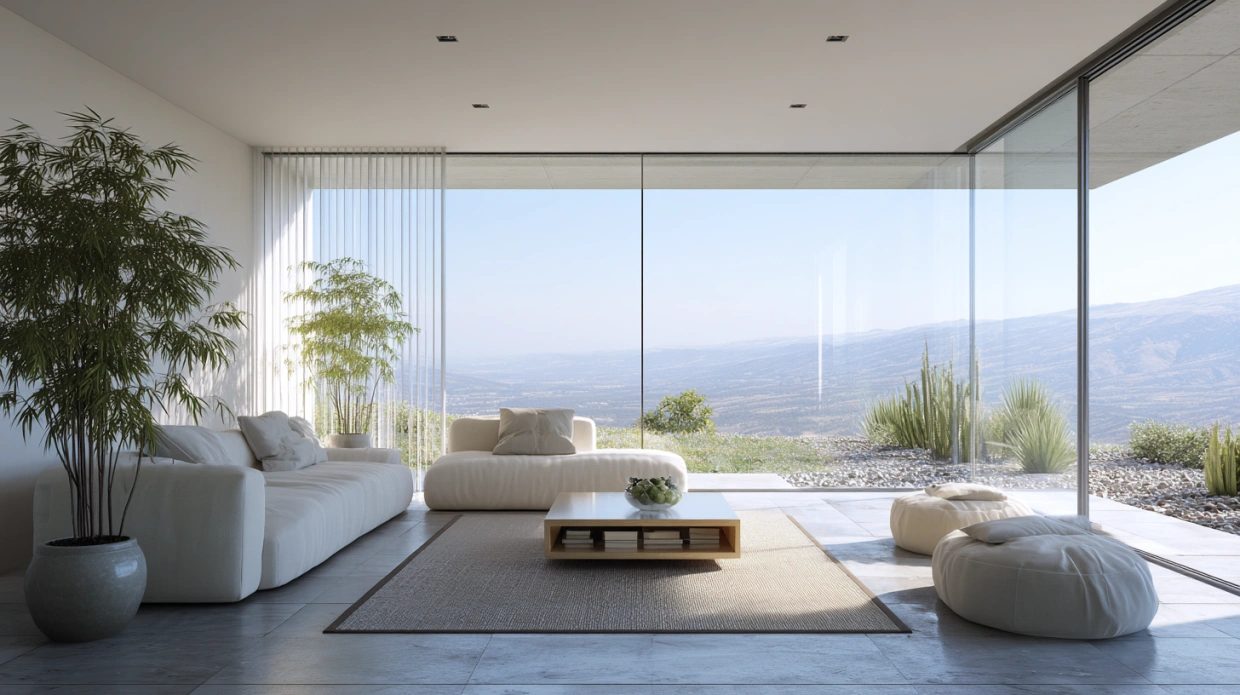
Large glass panel sliding window designs suit living rooms with outdoor views or open layouts. The wider glass surface allows more daylight inside while maintaining a clear visual connection, making the space feel open and less enclosed.
2: Aluminium Frame Sliding Window
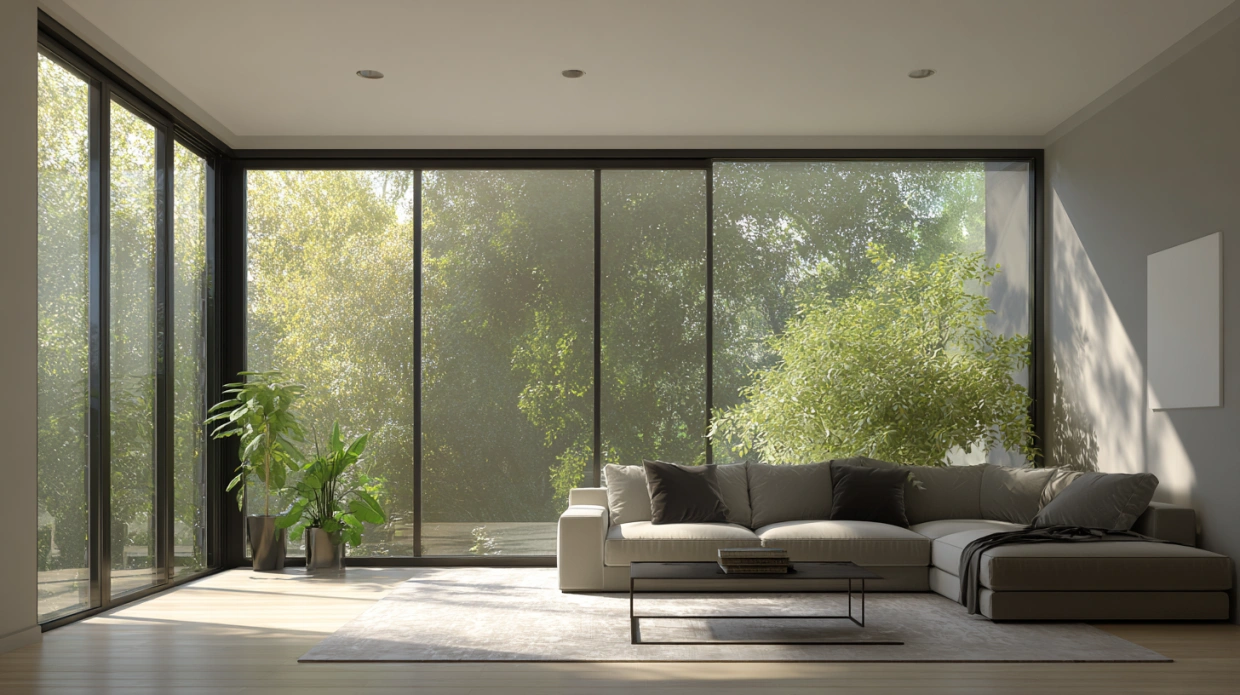
Aluminium sliding window designs fit modern living rooms due to their slim sections and structured look. They support larger glass areas, improve light entry, and maintain a clean layout without adding heaviness to the overall space.
Bedroom Sliding Window Designs
1: Sliding Window Bedroom with Frosted Glass
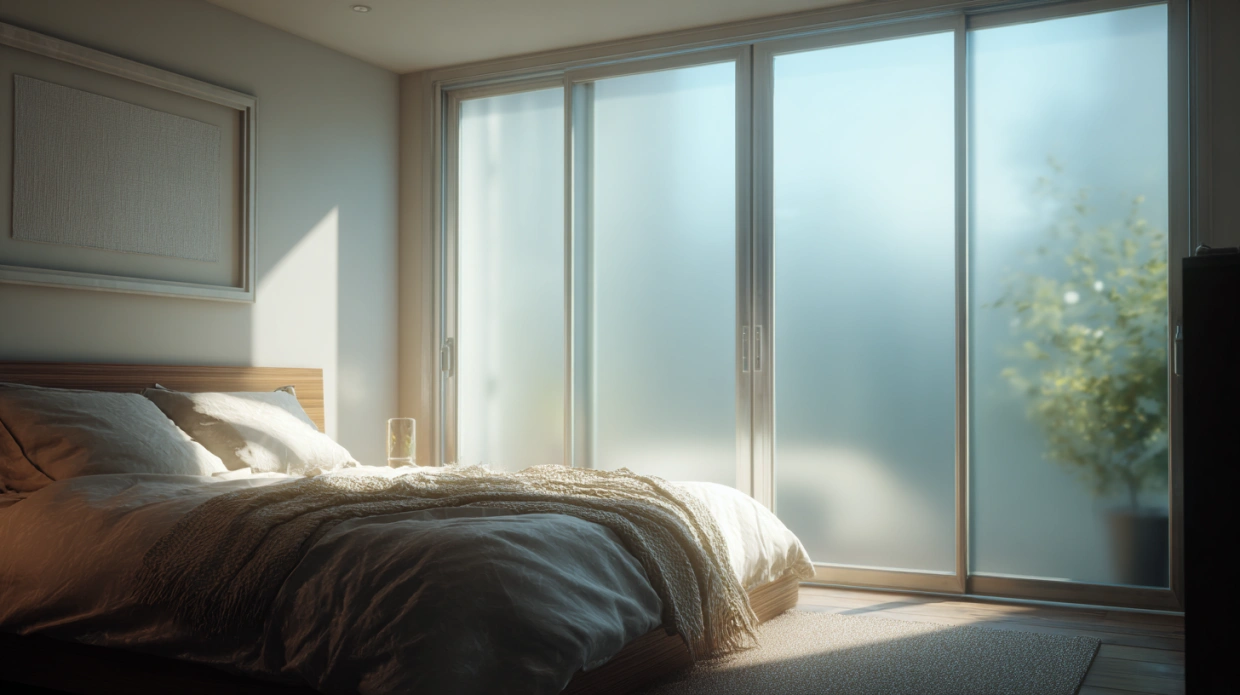
Sliding window bedroom designs with frosted glass maintain privacy while allowing soft daylight inside. This setup suits bedrooms facing close surroundings, ensuring comfort without blocking light, making the room feel calm and functionally balanced.
2: Two-Panel Sliding Window
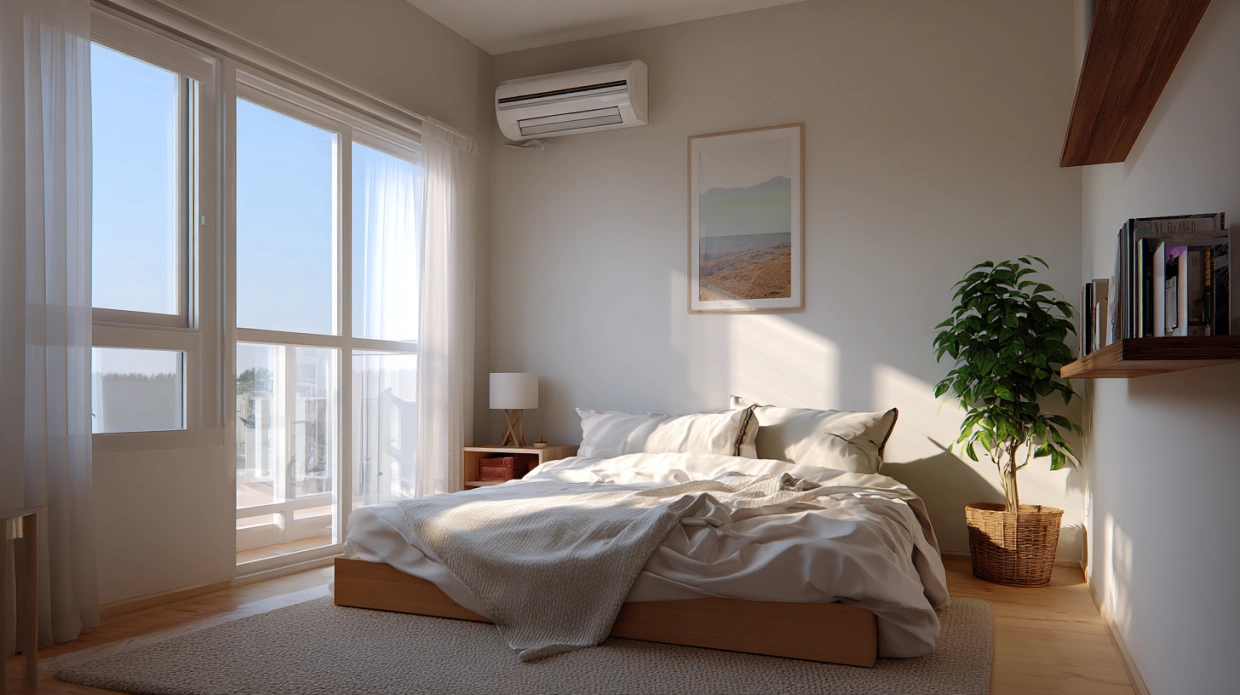
Two-panel sliding window designs suit bedrooms that require simple operation and controlled ventilation. One fixed and one movable panel help maintain airflow without overexposing the room, making it suitable for compact and regularly used sleeping spaces.
Kitchen Sliding Window Designs
1: Horizontal Sliding Window Above Counter
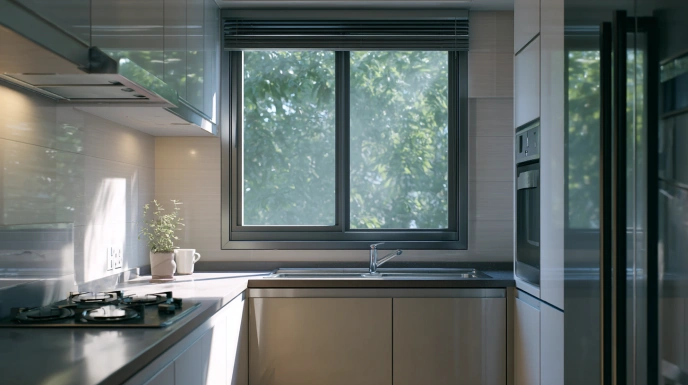
Horizontal sliding window designs placed above the kitchen counter help release heat and smoke during cooking. The placement supports quick ventilation without interfering with storage or workspace, making it practical for compact kitchen layouts.
2: uPVC Sliding Window
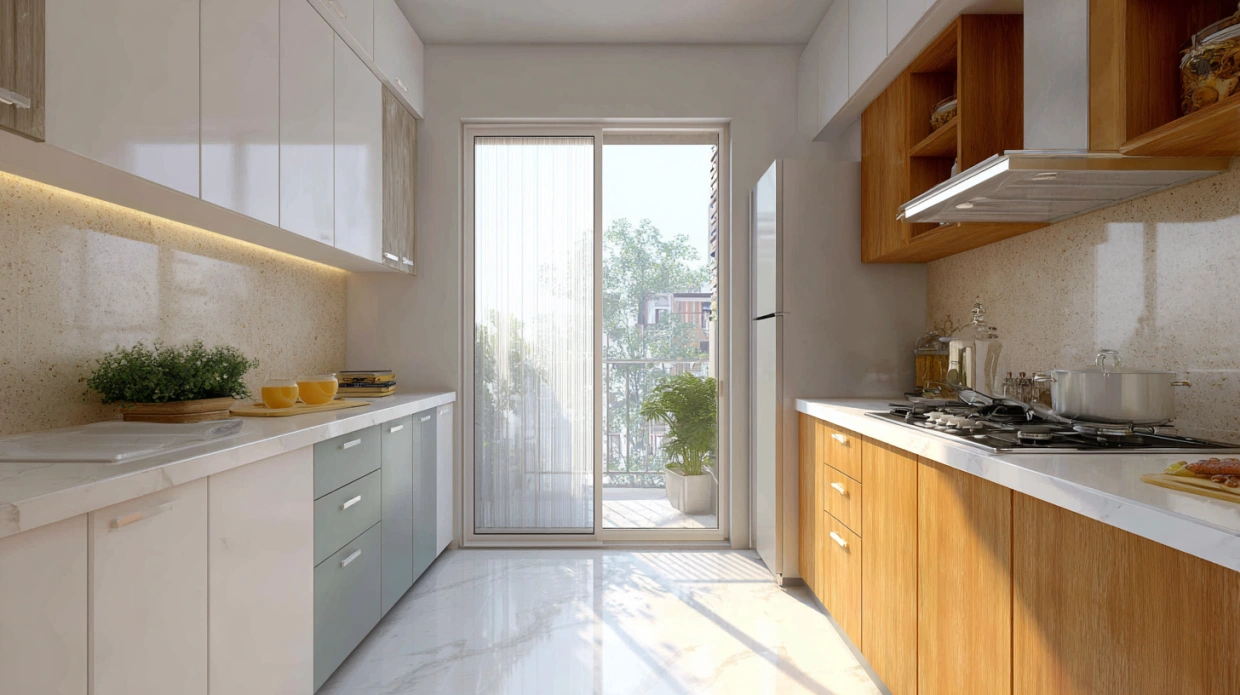
uPVC sliding window designs suit kitchens due to their moisture resistance and ease of cleaning. The material handles exposure to steam and stains while maintaining performance, making it reliable for everyday kitchen use.
Balcony Sliding Windows Design
1: Full-Height Balcony Sliding Window
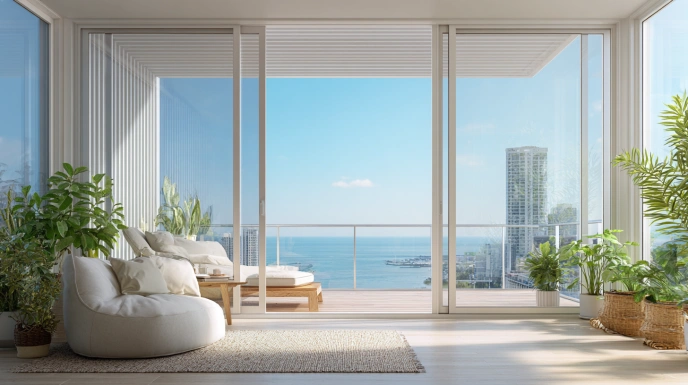
Full-height balcony sliding window designs allow maximum daylight and clear outdoor views. This layout connects the indoor space to the balcony, making it suitable for apartments where openness and light are important.
2: Three-Panel Sliding Window for Balcony
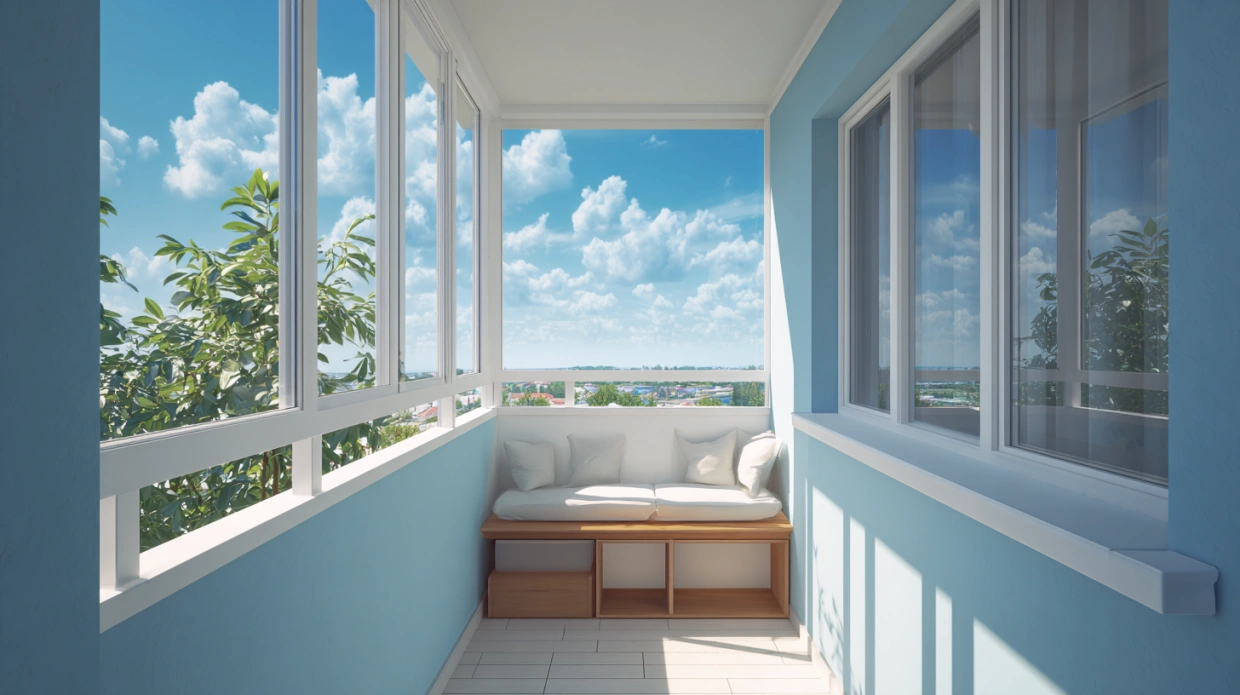
Three-panel sliding window designs suit wider balconies where larger openings improve airflow. The configuration allows better ventilation and flexibility in use, making it suitable for spaces that function as extended seating or utility areas.
Slider Windows: What Are They?
Sliding windows use panels that slide sideways along a track, which makes them simple to operate and easy to fit into different layouts. Most designs include one fixed panel and one that moves, though larger openings can have more panels. You can choose which side opens based on the space. They’re also available in single or double glazing, with double glazing helping cut down noise and improve indoor comfort.Sliding windows for homes come in single or double-pane varieties. Double-paned windows are an excellent financial investment because they consist of two layers of glass. That’s great for keeping out the cold and noise
Glass Sliding Window Frame Material Varieties
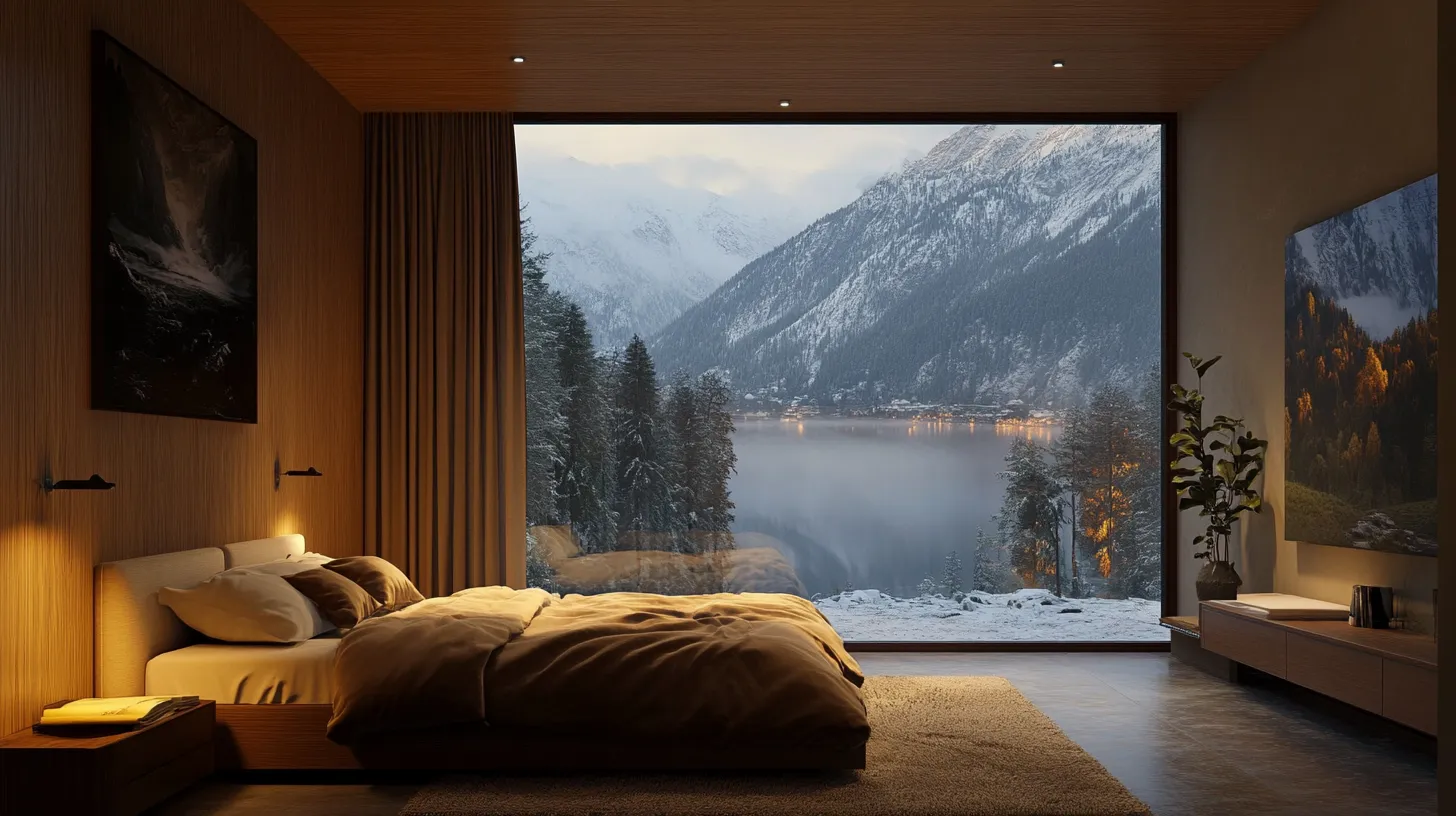
Sliding window frames come in multiple material options, each suited to different climate conditions, maintenance preferences, and interior styles. The choice of frame impacts durability, insulation, and overall appearance, making it an important part of window design decisions.
1. Wooden Frames: Wooden frames add warmth and depth to interiors while offering natural insulation. The material supports temperature control and enhances visual character. However, wood reacts to changes in humidity and requires regular polishing or sealing to maintain its condition over time.
2. Vinyl Frames: Vinyl frames are widely used for their cost efficiency and insulation performance. The surface remains easy to clean and does not require frequent maintenance. However, prolonged exposure to high heat can affect structural stability in certain conditions.
3. Aluminium Frames: Aluminium frames are known for their strength, lightweight structure, and clean profile. The material supports slim sections, allowing larger glass areas and a more open view. It also resists corrosion, making it suitable for varied environmental conditions.
4. Fibreglass Frames: Fibreglass frames offer strong resistance to weather fluctuations, including heat and moisture. The material maintains shape and strength over long periods, making it a durable option. While the upfront cost remains higher, it delivers long-term reliability.
5. uPVC Frames: uPVC frames provide a balance of durability and low maintenance. The material resists moisture, dust, and termite damage, making it suitable for long-term use in varied climates. It also supports insulation, helping improve indoor comfort without frequent upkeep.
Types of Sliding Windows
Sliding windows are classified based on panel configuration and movement. Each type addresses specific space and ventilation requirements.
Slider Windows can be divided into three main categories:
Single Pane Sliders: A single pane slider includes one fixed glass panel and one movable panel that slides horizontally along a track within the frame. The design stays compact and easy to use, with minimal components. It works well in smaller rooms or areas with limited wall space where a simple and space-efficient window is required.
Double-pane sliders: Double-pane sliders generally feature two movable panels, sometimes within a three-panel frame. Both sides can open, allowing better cross ventilation and airflow control. This layout works well in bedrooms and living areas where consistent air circulation matters.
Three-pane sliders: In most cases,three-pane sliders include a large fixed central panel with sliding panels on both sides. The wider format increases glass area, bringing in more daylight while maintaining ventilation through side openings. This design fits larger walls and spaces that benefit from broader outdoor views.
Materials Used in Sliding Window Designs
| Material | Features | Best For |
| uPVC | Durable, low-maintenance | Budgeted and Middle Class- homes |
| Aluminium | Strong, sleek | Modern apartments amnd homes |
| Wood | Premium look | For Luxury interiors |
Sliding Window Design Cost in India
Sliding window designs in India typically range between ₹250 and ₹1500 per sq ft, depending on material, glazing, and size. Market estimates reflect similar pricing trends across residential projects.
| Type | Approx Cost (per sq ft) |
| uPVC Sliding Window | ₹250 – ₹700 |
| Aluminium Sliding Window | ₹300 – ₹900 |
| Wooden Sliding Window | ₹700 – ₹1500 |
Factors Affecting Cost
Sliding window pricing isn’t fixed, even for similar designs. The final cost depends on factors like material quality, glass type, size, and overall configuration. Design complexity, hardware choices, and installation conditions also influence pricing, which is why costs vary across projects.
- Material Quality: Higher-grade materials like premium aluminium alloys or uPVC improve strength, durability, and weather resistance, increasing overall cost but reducing long-term maintenance.
- Design Type and Configuration: Simple sliding window designs cost less than complex systems like multi-panel, folding, or combination windows due to differences in engineering, hardware, and installation effort.
- Window Size and Dimensions: Larger windows, floor-to-ceiling designs, and wider openings require more material and stronger support systems, directly increasing pricing.
- Type of Glass Used: Glass options such as toughened, laminated, double-glazed, or acoustic glass improve safety and insulation but significantly add to the total cost.
- Performance Requirements: Windows designed for high wind resistance, water tightness, and noise reduction involve advanced sealing and testing, which increases pricing for better long-term performance.
- Hardware Quality: Premium rollers, locks, and handles ensure smoother operation, better security, and durability, contributing to higher upfront costs.
- Frame Finish and Colour: Standard finishes cost less, while premium coatings, anodized finishes, and wood-texture options increase pricing due to additional processing.
- Brand and Warranty: Established brands offer tested systems, warranties, and better durability, which may increase initial cost but improve long-term value.
How to Choose the Best Sliding Window Design?
Choosing the right sliding window design can make a big difference in comfort, ventilation, and aesthetics. Consider your room layout, natural light needs, and daily usage to pick a design that balances style with practicality.
Key Points to Consider:
- Material: Aluminium for slim, strong frames; uPVC for insulation and low maintenance; wood for a premium look.
- Glass Type: Single or double glazing, toughened or laminated for safety and noise reduction.
- Panel Configuration: Single, double, or multi-panel sliders depending on room size and opening requirements.
- Ventilation Needs: Choose a design that allows adequate airflow without compromising security.
- Space & Layout: Sliding windows save space as they don’t open inward or outward; ideal for compact rooms or balconies.
- Maintenance: Consider ease of cleaning and durability of frames and hardware.
- Aesthetic Fit: Ensure the window complements your room’s style and overall home interior.
When Is a Sliding Window Necessary?
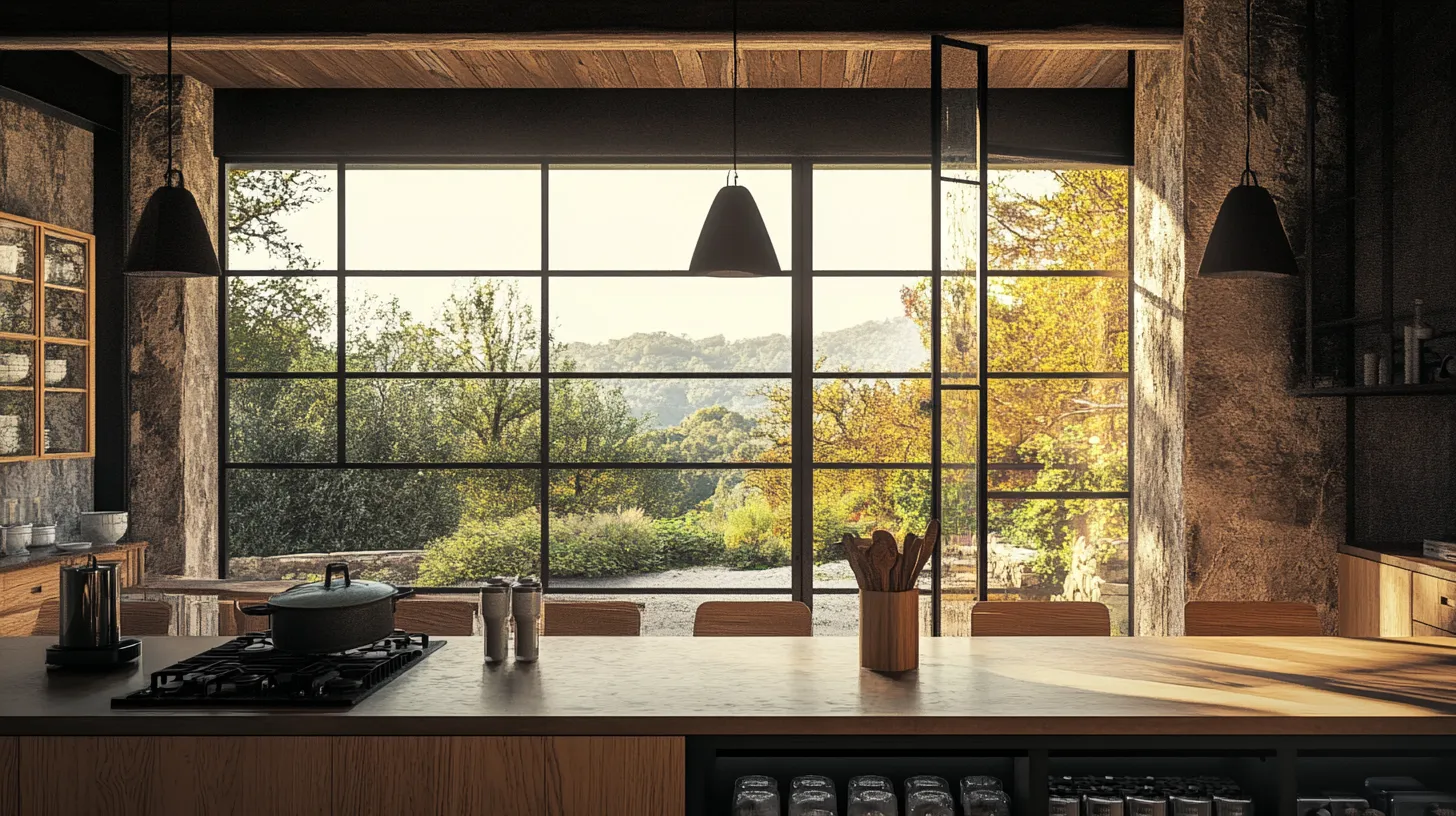
With a sliding window, you can flood a room with natural light, make it easier to ventilate, and have a simple design that looks great. Slider windows are also one of the most cost-effective window options.
If you have a large opening, you should install sliding windows because these types of windows are not designed to accommodate openings that are proportionally taller than they are wide. They look great in rooms with a lot of natural light, like a living room or a dining room. Slider windows aren't the best choice for bathrooms, but they can be adjusted to fit.
Sleek slider windows are ideal for modern architecture. In-home design, convenience and minimalism are still popular, and this window is a perfect fit. Like contemporary homes and bungalows, slider windows can look out of place if installed in an older building.
In light of what we've learned, it's time to weigh the benefits and drawbacks of working with a slider window.
Advantages and Disadvantages of Sliding Windows Designs
Sliding windows provide light, ventilation, and clear views, but come with trade-offs like maintenance, security, and weather concerns. Check the table below to see the key advantages and disadvantages side by side, so you can decide what works best for your space.
| Aspects | Advantages | Disadvantages |
| View | Sliding windows provide wide, unobstructed views due to minimal framing. | Large exterior panes are hard to clean, especially on upper floors. |
| Size & Fit | Can be customized for small or wide openings, offering flexibility in room layouts. | Oversized sliders are heavy and difficult to operate; track stability limits maximum size. |
| Ventilation & Light | Large glass panels allow ample sunlight and fresh air into the room. | Only one panel opens at a time, restricting airflow compared to casement windows. |
| Maintenance | Simple sliding mechanism with fewer parts reduces repair needs. | Rollers and tracks wear over time, requiring cleaning and lubrication. |
| Energy Efficiency & Cost | Generally more affordable than complex window systems. | Less effective sealing can lead to air leaks and higher heating or cooling costs. |
| Ease of Use | Smooth horizontal sliding makes opening and closing effortless for all ages. | Basic locking mechanisms on some designs may compromise security. |
| Aesthetics | Sleek, modern design enhances the look of interiors. | Sliding windows can be less resistant to heavy rain or strong winds, allowing water into tracks. |
| Water & Drainage | Properly designed tracks with drainage channels prevent minor water accumulation. | Dirt and debris can block drainage holes, causing water buildup and potential damage. |
Where Should Sliding or Gliding Windows Be Installed?
Sliding windows are best suited for spaces where you want unobstructed views, ample natural light, and easy ventilation. Their horizontal operation means they don’t protrude, making them ideal for areas with movement or limited space.
- Kitchens: Sliding windows let you quickly vent smoke and steam while maintaining a visual connection with the rest of the home. They require minimal clearance and fit compact or open kitchens alike.
- Bedrooms: Perfect for closets, wardrobes, or main windows, sliders improve airflow and add a clean, modern touch to your bedroom design.
- Patios: Strong glass sliders provide easy access to fresh air and unobstructed views, enhancing outdoor living spaces without obstructing furniture or pathways.
- Balconies: Sliding windows withstand weather while saving space. Aluminum frames provide smooth operation and structural strength, ideal for exposed balcony areas.
- Bathrooms: Frosted glass sliders bring in natural light while maintaining privacy, helping ventilate humid spaces effectively.
- Libraries/Study area: Wide, panoramic sliders offer clear outdoor views, aiding concentration and creating a calm, airy workspace.
Ideal Placement and Room Suitability for Sliding Windows-Overview
| Room / Space | Purpose & Benefit | Recommended Material |
| Kitchen | Quick ventilation, minimal clearance, maintains visual connection | Aluminium or uPVC |
| Bedroom | Smooth operation, better airflow, modern look | Aluminium, uPVC, or Wood |
| Patio | Easy access to outdoor space, unobstructed views | Aluminium or Fiberglass |
| Balcony | Weather resistance, space-saving sliding system | Aluminium with toughened glass |
| Bathroom | Natural light, ventilation, privacy with frosted glass | Aluminium or uPVC |
| Library / Study | Panoramic outdoor views, calm and bright environment | Aluminium or Wood |
What Does a Sliding Window Look Like?
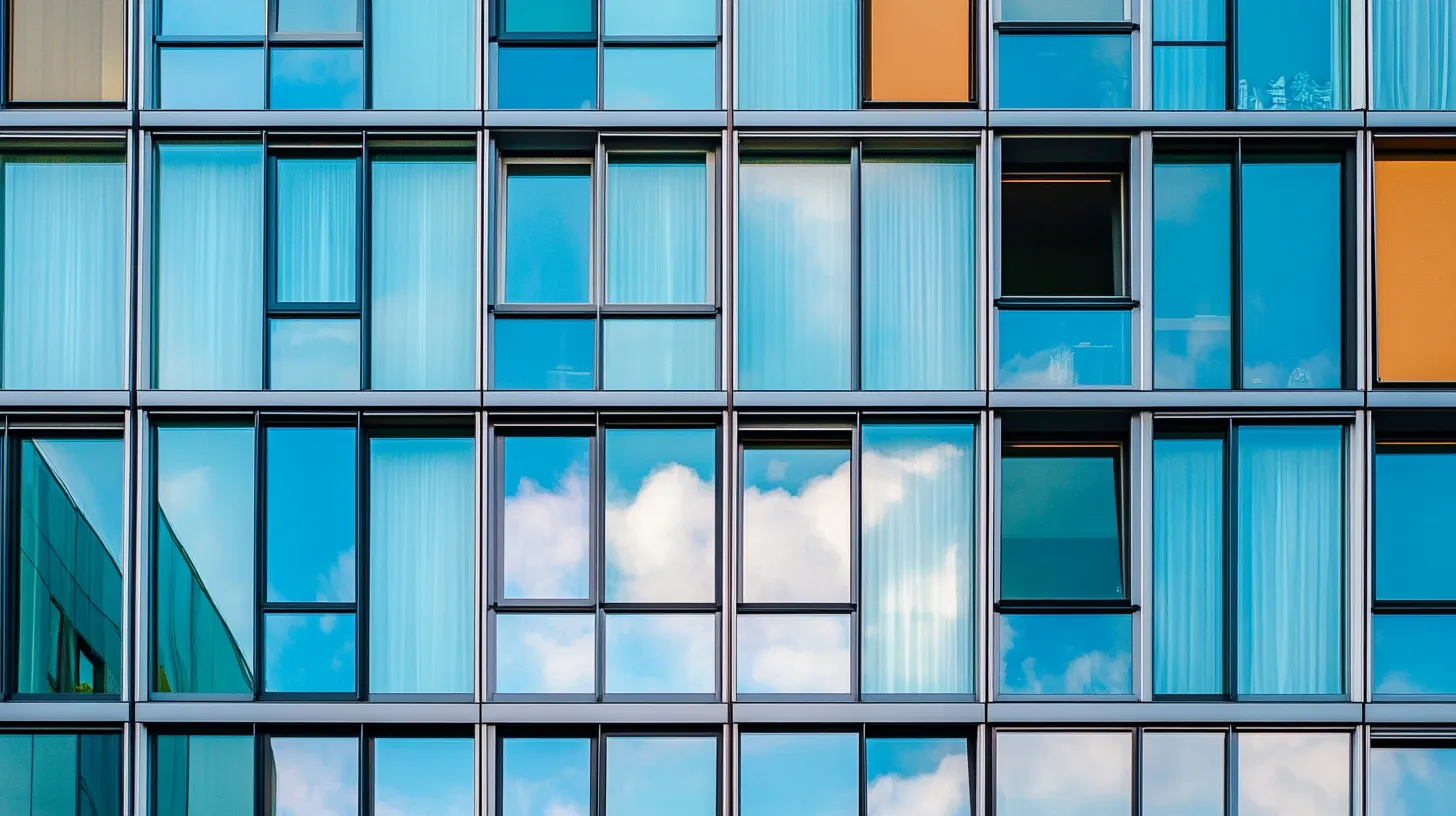
Let's go back to the beginning to reaffirm this knowledge about sliding windows. In practice, slider windows frequently resemble the following:
They are usually designed in a minimalistic and straightforward manner. After all, a window only has two – or three, if it's a three-pane slider – glass panels. With slider windows, there are no problematic latches or ornate frames: they're a straightforward, modern style that works well in most homes.
With such large, transparent window panels, the focus shifts away from the window and toward the scene beyond it – and the natural light penetrating the room is a bonus.
Why Choose NoBroker Interior Services ?
NoBroker Interior Services provides a complete solution for home interiors, offering expert guidance and smooth execution at every step. Their consultants give practical recommendations tailored to your space, helping you avoid common design mistakes and ensuring the final setup works perfectly for everyday use.
- Doorstep consultation and execution support in one place
- Curated network of professionals ensures quality work within your budget
- Design consultants help select styles based on layout, ventilation, and usage
- Guidance on choosing the right materials and configurations
- Transparent pricing with no hidden costs
- End-to-end service from planning to installation
Frequently Asked Questions
What is the average cost of sliding windows per sq ft in India?
Which frame material is best for sliding windows—uPVC or Aluminium?
Q3: Can mosquito mesh (jaali) be integrated into a sliding window?
Are sliding windows leak-proof during heavy rain?


Our Recent Projects



Reviews

Bindu Rai

I approached No Broker Interiors for designing my home and it was a smooth process overall. The modular kitchen has smart storage, and ... Read more

Asma Ul Husna
Overall, I found the design process helpful and appreciated the attention given to my preferences. The finished space has a clean and c... Read more

Tapas Ghosh
NoBroker Interior offered some nice ideas for improving the look and functionaliity of my living space & genuine , team

Dharohar Interiors
Costing is really good compared with others and consultant was really good experience

yuvraj srivastava
The showroom is amazing,and the consultant are really helpful with the query,happily on-boarded here today

Uma Maheswara Reddy
Experience centre was nice, they explained about each every material very well.

Varun Thammaiah
Tharun Kumar has done an excellent job as the Project Manager. He is professional, supportive, and ensures everything is handled smooth... Read more

Dimpal Sharma
Really happy with the interior service. The team was professional, understood our requirements well, and completed the work neatly. The... Read more

Sriya
The designs are very unique I am really impressed by the teamwork overall it's a very affordable they deliver the work in good budget thanks

Asha Kashyap
We asked NoBroker Cleaning Services to clean our home and we are glad we chose them. After the sofa cleaning, the dust and marks that h... Read more

Rising Soft
We trusted No Broker Interiors with our interior work and the final look of our home is lovely. At the experience centre they showed us... Read more

Sarala Buduru
The interior transformation made the space feel brighter and more welcoming. The design choiices were simmple, tasteful, and suited my needs.

Hanma
The team was responsive to my queriies and explained the interior work process clearly. Truly amazing 🤗

Punam Nath
The interior team was professional and understood our requirements well. The overall experiience was smooth and satisfactory.

Divya N Raj
Whitefield Experience centre is very good

Muskan kataria
I booked a cleaning service with NoBroker Cleaning Services and the whole process was hassle free. The kitchen cleaning removed grease ... Read more

Anshika Yadav
The interior work turned out really well and the overall finish gave my space a fresh and modern look the team was helpful throughout the process

Guncreator Studio
The design suggestions were creatiive and suited the style I wanteed for my home.

Shiva Mathuriya
Team is very nice & interior planning ideas offered a nice balance between functionaility and aesthetics. The suggestions helped make ... Read more

Anamika Banik
Good interior service with clear communication and helpful suggestions. The work was completed neatlyyyy

Nitin Kumar Mandilwar
Good work done by project manager Manoj. Completed the work in time.

Divyanshu Mehta
Great work done by designer Divya and Govardhan. Hassle free work snd best part is they will customise everything as per need exactly. ... Read more

Jason Fernandes
I had a great experience here. When it comes to planning, delivery and execution, great work was done by the team members. Suhail Khan... Read more

Swathi Warker
Manoj is very responsive, finds solutions for all obstacles and provides ork around. He provides timely updates on work status. Manages... Read more

Nitin Prabhakar
Excellent Interior Design and Execution Experience . Thanks to manoj and Rakshitha for the kind support and cooperation

AKSHATHA S
I am writing this after using NoBroker Cleaning Services for my house and the difference is easy to see. Our chimney was greasy for mon... Read more

Priya Sardar
Overalll, the interior planning experience was smooth, and I liked the practical approach to the design. GOOD DESIGN 👍🏻

Abhilash Tomar
Good experience

Rahber Khan
The interior work turned out well, and I liked how the team focused on making the space both stylish and functional. They were responsi... Read more

Khushi Wani
A smooth experience overall. From discussing ideass to finalizing the design, communication was helpful and the process was easy to follow.

yogesh
Recently did interior for 2BHK with NoBroker Interiors, and the overall experience has been great. Everyone has been extremely supporti... Read more

ashish jain
Great thanks to Riddhi & Sakshi for being so accommodating and flexible with all the requests and changes. They were able to complete d... Read more

DEEPAK MISHRA
*Disclaimer* for review This review is only for Project Manager Divyadeep and not for Nobrokers interior company, neither design team n... Read more

SAURABH KURADE
I am writing to recommend nobroker interior. Yes the initial stages of the project faced severe delays and communication challeng... Read more

Ananya Sharma
Our flat interiors were handled by No Broker Interiors and our time with them was pleasant. They planned the modular kitchen around how... Read more

Vikas Agrawal
I appreciate the attention to detail and the effort put into makiing the interiors look neat and functional.

Shiva Shankar
We had a wonderful experience with NoBroker Interiors for our new home at Primark Inspira. A special thanks to Abhishek for managing th... Read more

abhijit dey
Just wrapped up our home interiors with NoBroker Interiors here at Royal Orchids Apartments! A special shout-out to Project Manager Abh... Read more

T R Rao
We have done interior design and execution work in our 3 bhk flat in Hyderabad. We had a very pleasant experience with the entire proce... Read more

Adi Lakshmi Turlapati
We are extremely thankful to the TEAM NoBroker Interiors fir their wonderful work. Right from the designing stage to the execution stag... Read more

Chaitalee Vaidya
We had a very good experience with No broker The designer Sathvika was very good and patience in dealing and giving multiple options of... Read more

sri kiran
Got a satisfactory service from No broker interiors big Kudos to My project manager Abhishek on timely delivery and being patient with ... Read more

Chanikya Mamindlapalli
The service is good, Rizwan has actively responded to the issues we identified and rectified them in no time.
Testimonials
View All
NoBroker Interiors Review | Happy Customer Testimonial by Rajani
NoBroker Interiors | Customer Testimonial by Prinyakar Polley

NoBroker Interiors | Hyderabad Customer Testimonial by Prashant Choudhary

NoBroker Home Interiors | Hyderabad 4BHK Customer Review

NoBroker Interiors Customer Testimonial | Jatan's Story
NoBroker Interiors Review | Hyderabad Customer Testimonial

NoBroker Interiors Review | Modern Dream Home Customer Testimonial

NoBroker Interiors Customer Testimonial | Fast & Quality Home Interiors

NoBroker Interiors Customer Testimonial | Pune Dream Home

NoBroker Interiors| Bangalore Customer Testimonial
NoBroker Interiors: Sports Theme Interiors by NoBroker #interiordesign #nobrokerinteriors #nobroker

NoBroker Interiors - Customer Testimonials

That 3 PM meeting where ideas turn into floor plans, materials, and magic. 💫

Your 2026 list is here.

Smart wardrobe design that fits your life, beautifully.
POV: You gave your home a holiday hug.🥰

Blink and you’ll miss the makeover.👀

When your home finally gets its own weekend mood, this bar unit does the job beautifully.

A calm pooja corner every home needs.

NoBroker Home Interior Service | Saurabh & Prachi Share Their Story #interiordesign #shorts
About the Author

Ar. Mohammed Shahaan
Author
Ar. Mohammed Shahaan is an interior designer specialising in creating dreamy, functional, and stylish spaces that reflect each client’s personality and lifestyle. His design approach blends










Recent Blogs
Subscribe to our Newsletter
Get latest news delivered straight to your inbox