False Ceiling Rates: Complete Cost Guide and Design Options for Your Home

893 Views
Table of Contents
Summary
false ceiling rates is prominent when planning your home's interior budget. This is a comprehensive overview of all aspects of false ceiling costing, including material types, design options, installation costs, and factors that affect pricing. You may be weighing false ceiling design prices per room, but we go the extra mile to give you
cost breakdowns and professional advice to help you make the right choices. Know the difference in false ceiling board prices across regions, cost variations, and how to select the best false ceiling design and cost mix that fits your budget and aesthetic preferences.
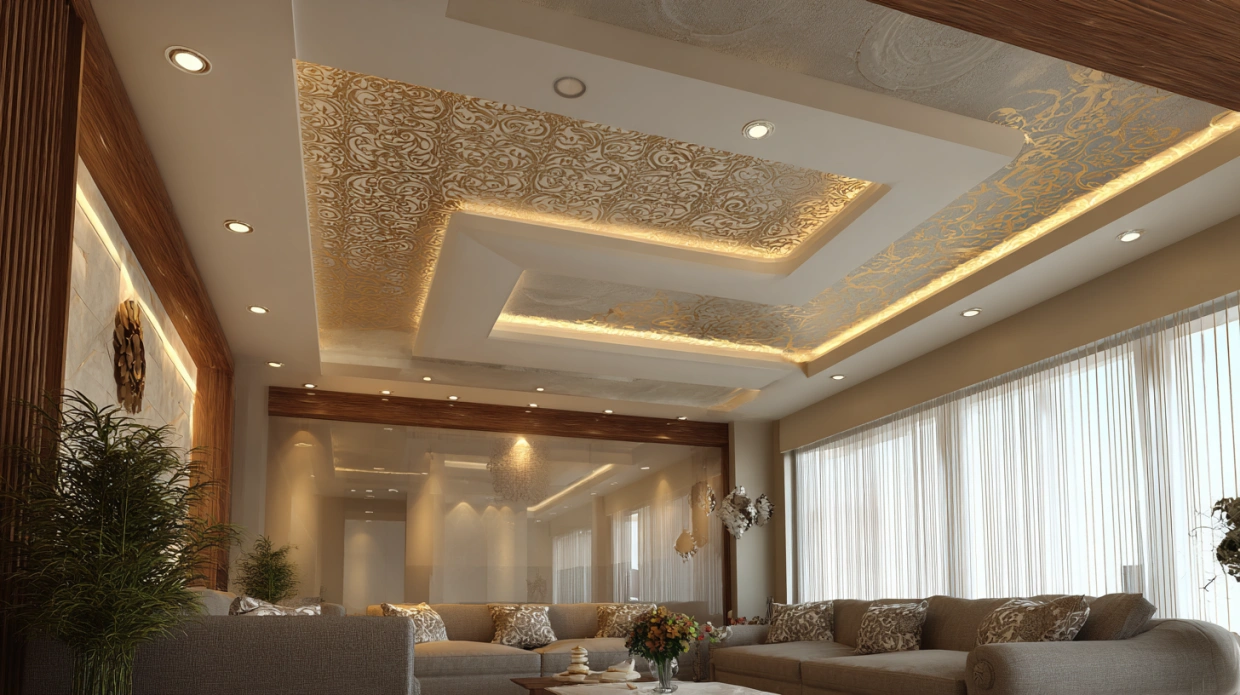
False ceilings have gained prominence in home interiors as a quality feature that offers flexibility and beauty. Nonetheless, understanding the false ceiling rate can be confusing due to the variety of materials, design options, and factors to consider when calculating the final cost. False ceiling costing depends on the type of material, design complexity, room size, installation costs, and regional price variations. Regardless of whether you are renovating an existing room or coming up with a design for a new house, understanding the cost of a false ceiling design of various materials and designs will assist you in organising your budget and making a prudent decision that will not compromise on quality or appearance and will not be too expensive.
Understanding False Ceiling Basics
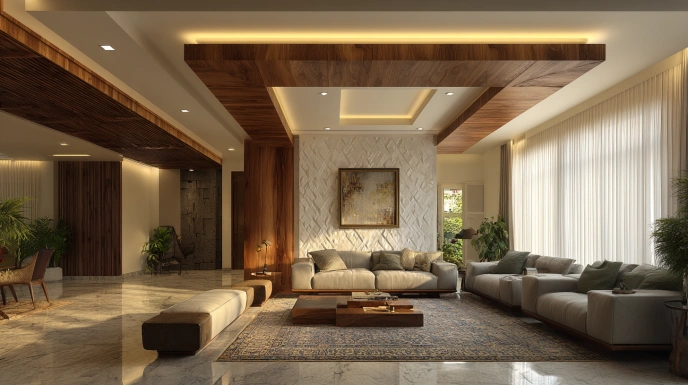
False ceilings, also called drop ceilings or suspended ceilings, are secondary ceilings installed below the main structural ceiling. They create a gap that accommodates electrical wiring, air conditioning ducts, and lighting fixtures while providing aesthetic enhancement.
- What is a False Ceiling?: A false ceiling is a ceiling hung below the actual ceiling, supported by a metal framework. The difference between the original ceiling and the false ceiling is that the false ceiling serves multiple functions: hiding the pipes and wires, and providing thermal insulation, acoustic control, and lighting design options.
- Benefits of Installing False Ceilings: False ceilings offer many benefits, making them worth the investment. They offer aesthetic value and design flexibility, conceal structural components and services, enhance energy conservation through insulation, reduce noise levels, facilitate the design of creative lighting systems, elevate property value, and provide easy access to concealed utilities for maintenance.
- Types of False Ceiling Materials: Various materials have different aesthetics, longevity, and cost. Knowledge of changes in false ceiling board prices helps you make the right material selection for your space, considering budget constraints.
False Ceiling Rates by Material Type
False ceiling costs vary widely depending on material selection. All materials have their own specifics, installation methods, and cost structures.
Recommended Reading

All You Need to Know About Mangalore Til...
16.5K Views

Everything You Need to Know About Profil...
11.1K Views
Round Bed Design Ideas and Inspirations ...
9.8K Views
Top Small Bakery Shop Interior Design Id...
9.5K Views
Top 15 Main Door Design Ideas to Enhance...
9.4K Views
1. Gypsum False Ceiling Rates
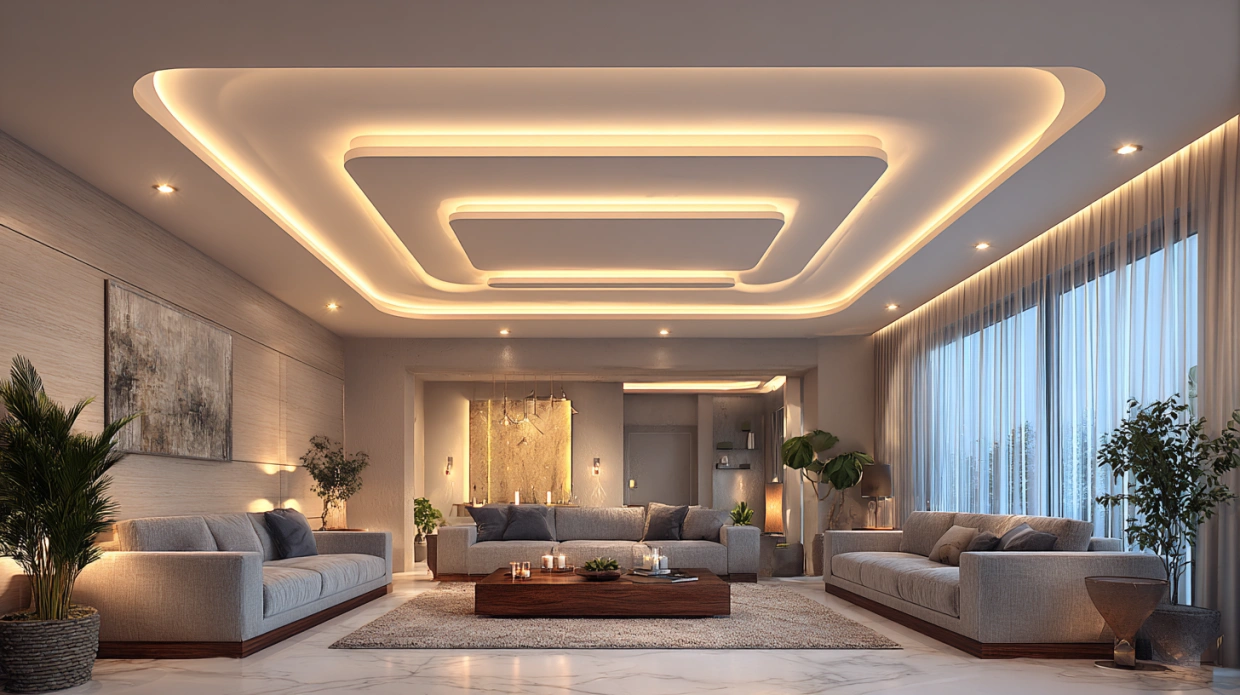
Gypsum False Ceiling is the most popular ceiling material due to its versatility and smooth finish. Gypsum false ceiling rates typically range from ₹75 to ₹150 per square foot for materials and installation.
Advantages:
- Smooth, seamless finish
- Fire-resistant properties
- Easy to paint and customise
- Lightweight yet durable
- Excellent for curved designs
Cost Breakdown:
| Component | Price Range (per sq ft) |
| Gypsum boards | ₹40-₹60 |
| Metal framework | ₹15-₹25 |
| Installation labor | ₹20-₹35 |
| Finishing and painting | ₹15-₹30 |
| Total Cost | ₹90-₹150 |
2. POP (Plaster of Paris) False Ceiling Rates
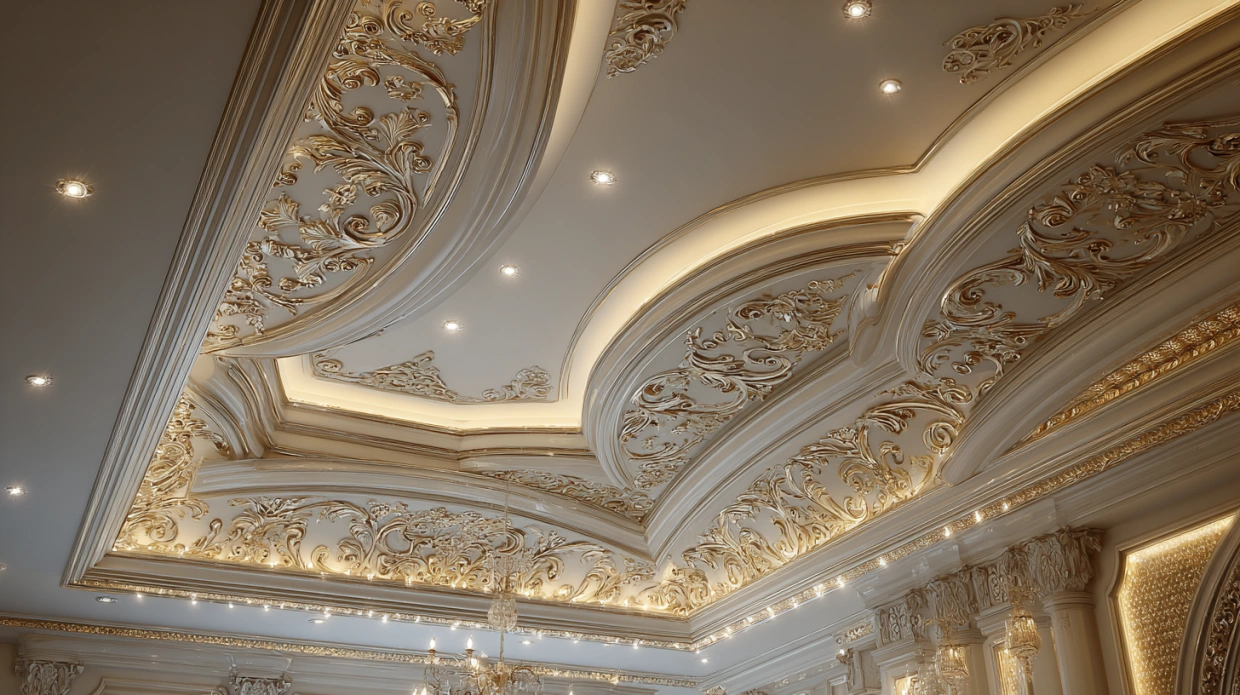
POP False Ceiling offers excellent moulding capabilities for decorative designs. The price of a false ceiling design for POP ranges from ₹85 to ₹175 per square foot, depending on design complexity.
Advantages:
- Highly customisable designs
- Smooth finish quality
- Good insulation properties
- Eco-friendly material
- Long-lasting durability
Cost Breakdown:
| Component | Price Range (per sq ft) |
| POP material | ₹45-₹70 |
| Metal framework | ₹15-₹25 |
| Installation labor | ₹25-₹45 |
| Finishing work | ₹20-₹35 |
| Total Cost | ₹105-₹175 |
3. Wooden False Ceiling Rates
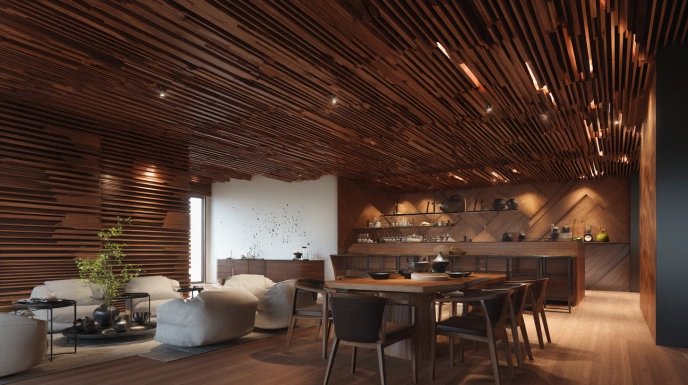
Wooden false ceilings add warmth and elegance to interiors. False ceiling rates for wood range from ₹150 to ₹400 per square foot, depending on the wood type and finish.
Advantages:
- Premium aesthetic appeal
- Natural insulation properties
- Durable and long-lasting
- Versatile design options
- Adds property value
Cost Breakdown:
| Component | Price Range (per sq ft) |
| Wooden panels/planks | ₹100-₹250 |
| Framework and support | ₹20-₹40 |
| Installation labor | ₹30-₹60 |
| Polishing and finishing | ₹25-₹50 |
| Total Cost | ₹175-₹400 |
4. Metal False Ceiling Rates
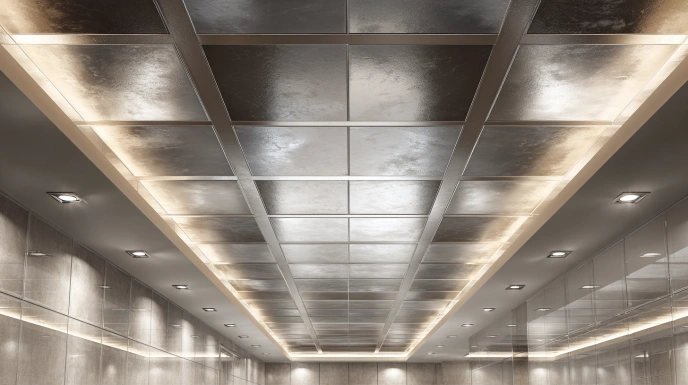
Metal False Ceilings, including aluminum and steel, are ideal for contemporary designs. False ceiling costing for metal ranges from ₹120 to ₹300 per square foot.
Advantages:
- Modern industrial look
- Highly durable
- Fire and water-resistant
- Low maintenance
- Easy to clean
Cost Breakdown:
| Component | Price Range (per sq ft) |
| Metal panels/tiles | ₹80-₹180 |
| Supporting framework | ₹15-₹30 |
| Installation charges | ₹25-₹50 |
| Finishing touches | ₹15-₹40 |
| Total Cost | ₹135-₹300 |
5. PVC False Ceiling Rates
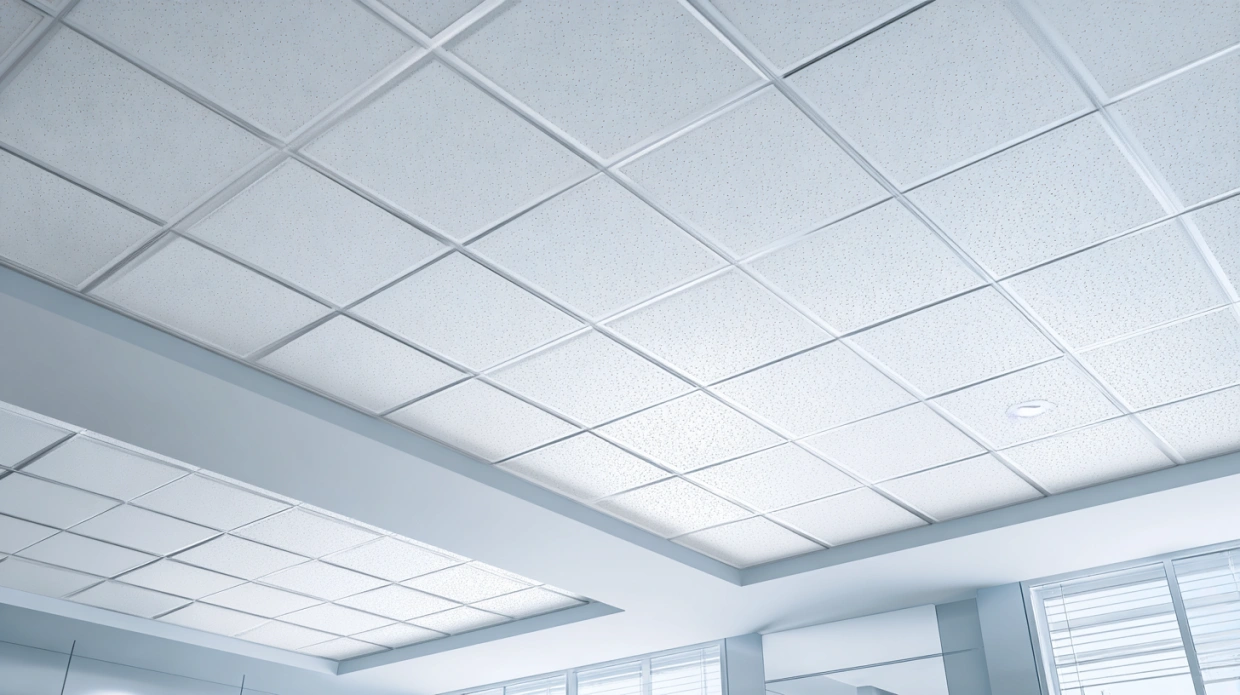
PVC False Ceiling is a budget-friendly option suitable for areas with moisture exposure. The price of PVC false ceiling boards ranges from ₹50 to ₹100 per square foot.
Advantages:
- Most affordable option
- Water and moisture resistant
- Easy installation
- Low maintenance
- Suitable for bathrooms and kitchens
Cost Breakdown:
| Component | Price Range (per sq ft) |
| PVC panels | ₹30-₹50 |
| Supporting structure | ₹10-₹20 |
| Installation labor | ₹15-₹25 |
| Accessories and trim | ₹5-₹15 |
| Total Cost | ₹60-₹110 |
6. Grid False Ceiling Rates
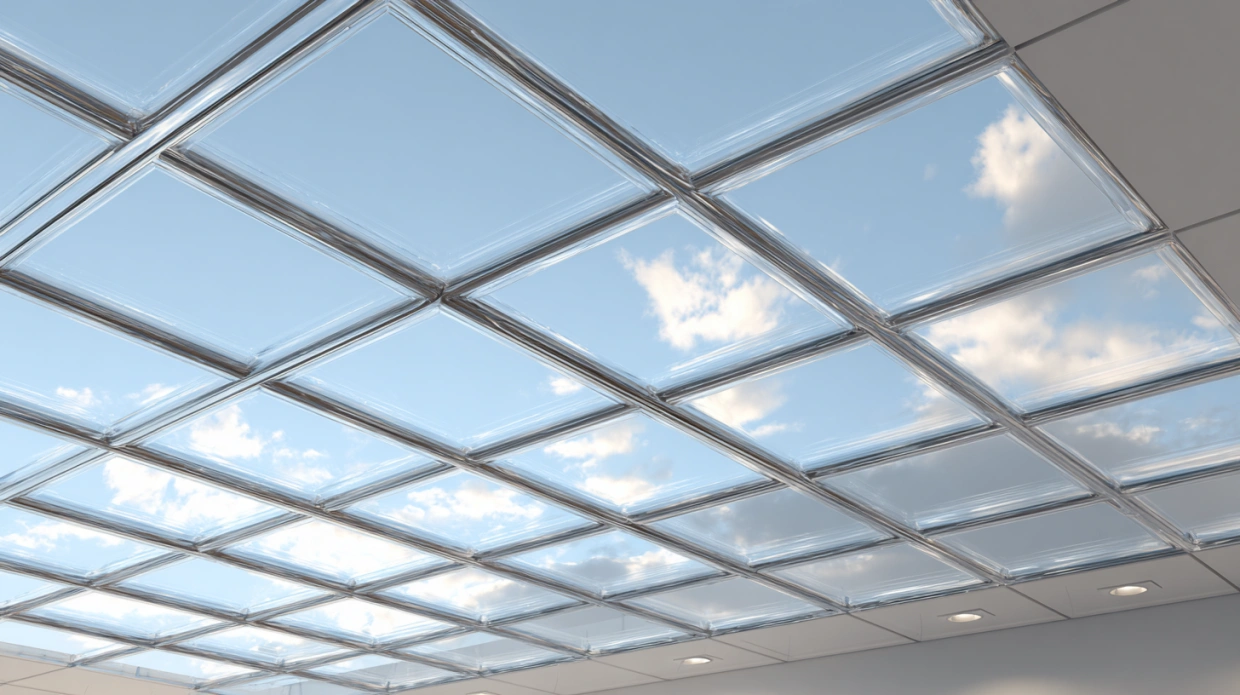
Grid ceilings use a suspended metal grid system with tiles. False ceiling design price for grid systems ranges from ₹70 to ₹140 per square foot.
Advantages:
- Easy access to utilities
- Quick installation
- Modular replacement
- Good acoustic properties
- Commercial and residential use
Cost Breakdown:
| Component | Price Range (per sq ft) |
| Grid framework | ₹25-₹40 |
| Ceiling tiles | ₹30-₹60 |
| Installation labor | ₹15-₹30 |
| Additional hardware | ₹5-₹10 |
| Total Cost | ₹75-₹140 |
Factors Affecting False Ceiling Rates
Understanding what influences false ceiling costing helps you budget accurately and make cost-effective decisions.
- Room Size and Area: Larger rooms generally have lower per-square-foot costs due to economies of scale. Small rooms under 100 sq ft may cost ₹10-20 more per square foot compared to rooms over 300 sq ft.
- Design Complexity: Simple flat designs are the most affordable, while complex multi-level designs with curves and coves significantly increase the cost of false ceiling design. Intricate designs can add 30-50% to basic rates.
- Height and Accessibility: Higher ceilings require additional framework support and longer installation time. Rooms with difficult access increase labour costs by 15-25% compared to easily accessible spaces.
- Finishing and Painting: Premium finishes increase costs significantly. Textured finishes, decorative mouldings, premium paint brands, and special effects like metallics can add ₹20-50 per square foot.
- Location and City: Metro cities typically have higher false ceiling rates due to increased labour costs and material transportation. Tier-1 cities average 20-30% higher costs than tier-2 and tier-3 cities.
- Brand and Quality: Premium brands like Gyproc, Saint-Gobain, and Armstrong command higher prices but offer better quality and warranties. Budget brands can save 20-30% but may compromise on durability.
False Ceiling Design Options and Pricing
Various design styles have different aesthetic preferences and functional requirements, with varying false ceiling designs and cost implications.
- Simple Flat False Ceiling: The simplest and least expensive one has a flat and smooth surface. This design suits minimalist interiors, costs ₹60- ₹120/square foot, and gives the interior a clean look.
- Multi-Level False Ceiling: Makes the space deep and has multiple ceiling heights. This style is traditionally used in living rooms and bedrooms, costs ₹100-₹180 per square foot, and provides visual interest and dimension.
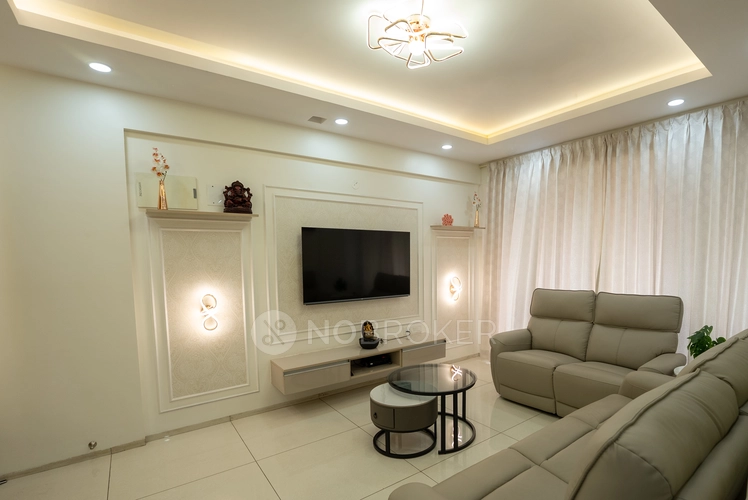
- Cove Ceiling Design: Features recessed areas along the perimeter for indirect lighting. This design provides the effects of ambient lighting, costs ₹90- ₹160/sq.ft, and gives an impression of elegance.
- Coffered Ceiling Design: Grid pattern with recessed square or rectangular panels. This traditional, opulent appearance is priced at ₹150- ₹300 per square foot and is suitable for larger rooms with high ceilings.
- Curved False Ceiling: Flowing curved designs for contemporary aesthetics. This design is expensive to install, costing ₹120-₹250 per square foot, and produces a special visual effect.
- Combination Design: Combines various materials and degrees of dynamic effect. The flexible, innovative process is priced at ₹130- ₹280 per square foot and is also customisable.
Room-Wise False Ceiling Costing
False ceiling costs vary by room size, design complexity, and materials, typically ranging from ₹80 to ₹250 per sq ft. Living rooms with layered or designer ceilings tend to cost more, while bedrooms and kitchens usually have simpler, more budget-friendly designs. Planning room-wise helps optimise costs while maintaining a cohesive look across your home.
Living Room False Ceiling Cost
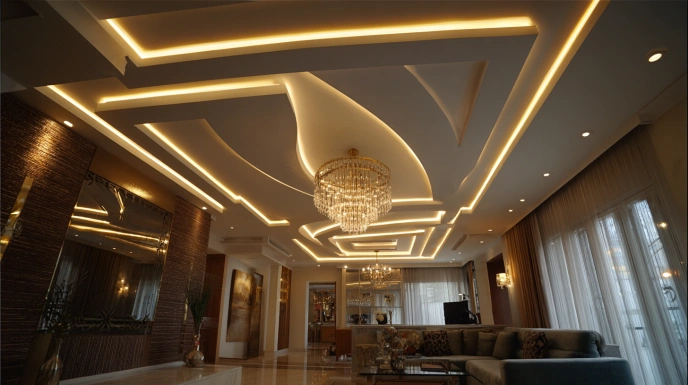
Living rooms typically feature elaborate designs with multiple levels and lighting. Average cost ranges from ₹25,000 to ₹80,000 for a 200-300 sq ft living room.
Typical Features:
- Multi-level designs
- Cove lighting integration
- Premium materials like gypsum or POP
- Decorative elements
- Chandelier provision
Bedroom False Ceiling Cost
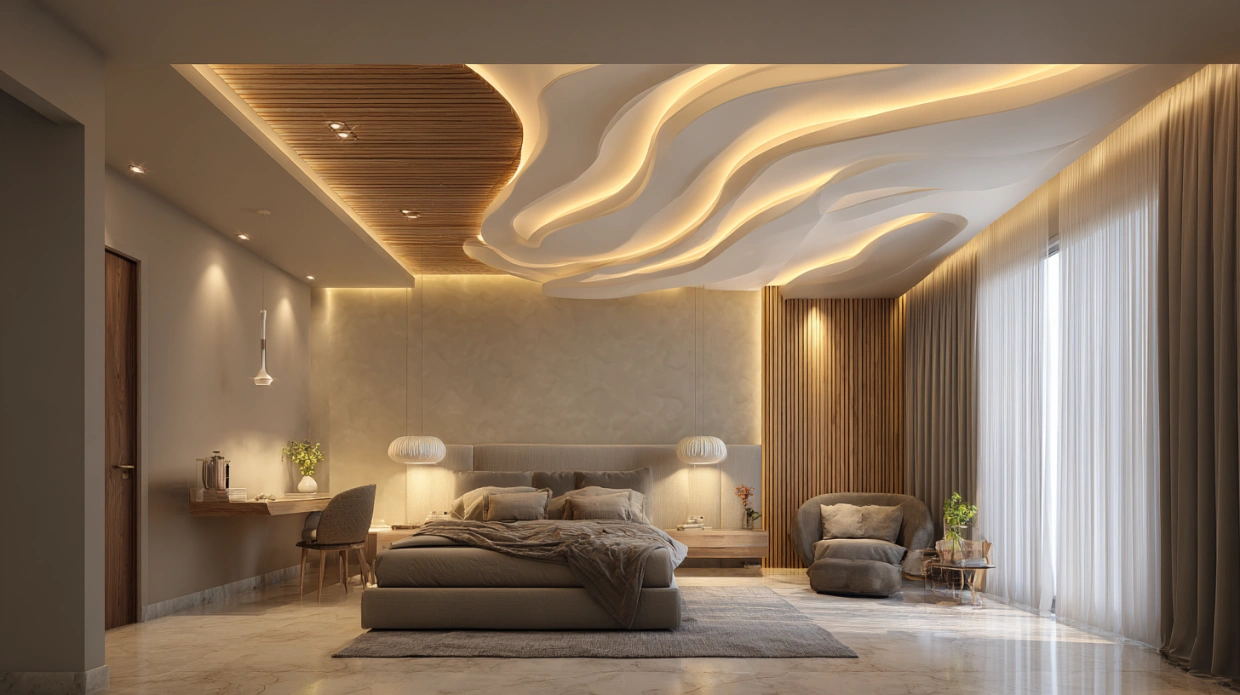
Bedrooms usually have simpler, elegant designs. Average cost ranges from ₹15,000 to ₹50,000 for a 120-180 sq ft bedroom.
Typical Features:
- Simple or two-level design
- Ambient lighting
- Gypsum or POP material
- Minimal decorative elements
- Focus on comfort aesthetics
Kitchen False Ceiling Cost
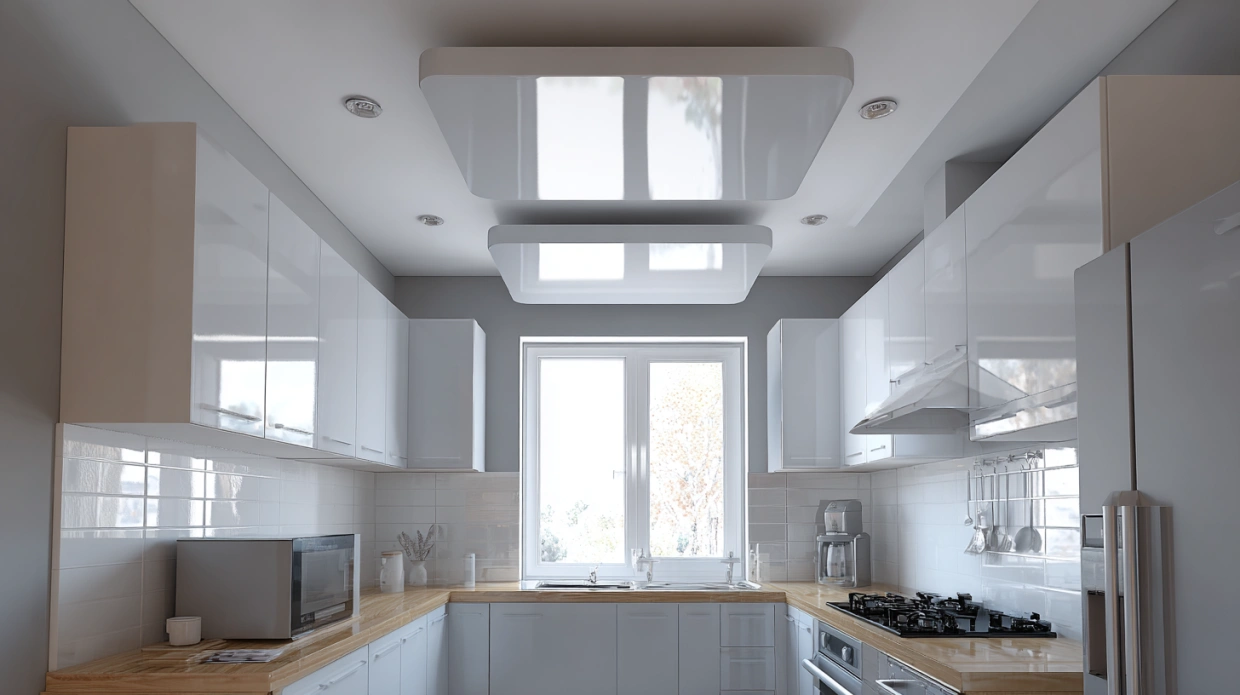
Kitchens require moisture-resistant materials. Average cost ranges from ₹10,000 to ₹30,000 for an 80-120 sq ft kitchen.
Typical Features:
- PVC or aluminum material
- Moisture resistance
- Easy-clean surfaces
- Task lighting integration
- Simple flat design
Bathroom False Ceiling Cost
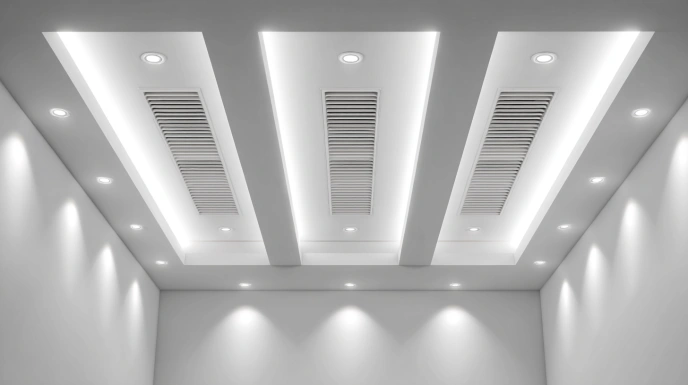
Bathrooms need waterproof solutions. Average cost ranges from ₹5,000 to ₹15,000 for a 40-60 sq ft bathroom.
Typical Features:
- PVC panels
- Complete waterproofing
- Ventilation provisions
- Simple flat design
- Bright lighting integration
Regional False Ceiling Rate Variations
False ceiling board price and installation costs vary across different cities and regions in India.
Metro Cities (Mumbai, Delhi, Bangalore, Chennai)
Interior costs in metro cities are generally higher due to higher labour costs, premium materials, and greater demand. Prices can be 20–50% higher compared to smaller cities, making budget planning essential. Location within the city and project scale further influence the overall cost.
Average Rate Ranges:
| Material Type | Price Range (per sq ft) |
| Gypsum | ₹90-₹150 |
| POP | ₹105-₹175 |
| Wooden | ₹175-₹400 |
| Metal | ₹135-₹300 |
| PVC | ₹60-₹110 |
| Grid | ₹75-₹140 |
Tier-2 Cities (Pune, Jaipur, Lucknow, Kochi)
Interior design costs in tier-2 cities are generally lower due to lower labour costs and operational expenses. Prices can be 10–30% lower than in metro cities, making them ideal for budget-conscious homeowners.
Average Rate Ranges:
| Material Type | Price Range (per sq ft) |
| Gypsum | ₹75-₹130 |
| POP | ₹90-₹150 |
| Wooden | ₹150-₹350 |
| Metal | ₹115-₹260 |
| PVC | ₹50-₹95 |
| Grid | ₹65-₹120 |
Tier-3 Cities and Towns
Interior design costs in tier-3 cities and towns are typically the most affordable due to lower labour rates and overall expenses. Prices can be 20–40% lower than metro cities, making it easier to achieve quality interiors on a smaller budget.
Average Rate Ranges:
| Material Type | Price Range (per sq ft) |
| Gypsum | ₹60-₹110 |
| POP | ₹75-₹130 |
| Wooden | ₹130-₹300 |
| Metal | ₹100-₹230 |
| PVC | ₹40-₹80 |
| Grid | ₹55-₹100 |
Tips to Optimise False Ceiling Costs
Smart planning and decision-making can help you achieve a beautiful false ceiling design and cost efficiency.
- Choose the Right Material: Use of materials in rooms should be guided by their purpose of use and not solely by their beauty. PVC should be used in places prone to moisture, gypsum in living places, and only wood should be used as an accent.
- Simplify Design Complexity: Use plain two-layer designs rather than intricate multi-layer patterns. Simple designs reduce material waste and the time spent on work.
- Plan Lighting Integration: Determine the lighting location during the design stage to avoid costly alterations later. Having the right plan will minimise the time spent on electrical rework and extra framework requirements.
- Get Multiple Quotes: Request 3-4 contractor estimates to determine fair false ceiling costs in your location. Always have 2 quotes that include materials, labour, and finishing and can be easily compared.
- Concept Phased Installation: If the budget is tight, set up fake ceilings in stages, starting with the major ones. This spreads the expenses over time, and you have the opportunity to finish priority rooms first.
Common Mistakes to Avoid
Avoiding these pitfalls ensures you get the best value for your false ceiling investment.
- Choosing Based on Price Alone: The lowest price usually comes at the cost of quality. Take into account the quality of materials, a contractor's reputation, the warranty terms, and previous examples of work before making a decision.
- Ignoring Maintenance Access: Provide sufficient access to electrical and plumbing maintenance. A false ceiling installation that lacks access panels results in costly repair issues in the future.
- Poor Ventilation Planning: Inadequate ventilation leads to moisture buildup and material damage. Always design adequate ventilation for the rooms, particularly the kitchen and the bathroom.
- Overlooking Load-Bearing Capacity: Make sure the frame can support lighting fixtures and fans. For heavy chandeliers, a stronger framework is needed, and this must be calculated during installation.
- Skipping Professional Installation: Self-installation or unqualified work can lead to construction problems, uneven floors and ceilings, and safety risks. Professional installation provides an adequate framework, flat floors, and code compliance.
Conclusion
Knowing about false ceiling rates, materials, and design options enables you to make the right decisions for your home's interiors. False ceiling costing can be greatly different depending on the choice of material, the complexity of the design, the size, and the location of the room, and the cost of the design goes as low as ₹50-100 per square foot of PVC and also as high as ₹175-400 per square foot of wood material. The main trick to achieving an optimal price for a false ceiling design is the ability to balance beauty and utility, select the right materials for each room, and collaborate with professionals. No matter what you choose, you can be sure that the false ceiling project you invest in will provide your home with the value and beauty that will be enjoyed for a long time, as long as you plan and do it properly.
How NoBroker Interiors Can Help You
Need professional advice on false ceiling design and costs for a false ceiling in your home? NoBroker Interiors also provides complete false ceiling solutions at transparent pricing and quality performance. We have a team of professionals who assist you in deciding on the ideal material and design to use in each room; give you a breakdown of the costs in a way that does not leave you with any uncertainties; find the best materials at the best possible false ceiling board price; install within the stipulated time; and have a warranty that will last even after delivery. Book a free quote now and remodel your home with beautiful, functional fake ceilings that match perfectly in both cost and style.
Frequently Asked Questions
Q1: What is the average false ceiling rate per square foot in India?
Q2: Which is cheaper: gypsum or POP false ceiling?
Q3: What is the cost of a false ceiling for a 200 sq ft room?
Q4: How long are the various types of materials used in false ceilings?
Q5: What is the duration of installation of a false ceiling?


Our Recent Projects



Reviews

Asma Ul Husna

Overall, I found the design process helpful and appreciated the attention given to my preferences. The finished space has a clean and c... Read more

Tapas Ghosh
NoBroker Interior offered some nice ideas for improving the look and functionaliity of my living space & genuine , team

Dharohar Interiors
Costing is really good compared with others and consultant was really good experience

yuvraj srivastava
The showroom is amazing,and the consultant are really helpful with the query,happily on-boarded here today

Uma Maheswara Reddy
Experience centre was nice, they explained about each every material very well.

Varun Thammaiah
Tharun Kumar has done an excellent job as the Project Manager. He is professional, supportive, and ensures everything is handled smooth... Read more

Sriya
The designs are very unique I am really impressed by the teamwork overall it's a very affordable they deliver the work in good budget thanks

Rakesh raj Chauhan
Good center

Uday Kiran
Great experience with Kundhana We got our 3BHK interiors in Bangalore done by Kundhana Team and we are very happy with the final outco... Read more

Sarala Buduru
The interior transformation made the space feel brighter and more welcoming. The design choiices were simmple, tasteful, and suited my needs.

Hanma
The team was responsive to my queriies and explained the interior work process clearly. Truly amazing 🤗

Anshita Shrivastava
I liked the focus on storage, layout, and small details that made the rooms feel more organised without compromisiing on stylee. The ov... Read more

Punam Nath
The interior team was professional and understood our requirements well. The overall experiience was smooth and satisfactory.

Divya N Raj
Whitefield Experience centre is very good

Trina chatterji
I was pleased with the overall interior planning. The suggestions were useful, and the final setup felt comfortable and well organized.

Anshika Yadav
The interior work turned out really well and the overall finish gave my space a fresh and modern look the team was helpful throughout the process

Shiva Mathuriya
Team is very nice & interior planning ideas offered a nice balance between functionaility and aesthetics. The suggestions helped make ... Read more

Anamika Banik
Good interior service with clear communication and helpful suggestions. The work was completed neatlyyyy

Deepak Ridlan
I liked how the team approached the design process. They considered my requirements and helpeed me explore different styles and layouts.

Riya Shukla
Good service and creative ideas. The team helped me chooose suitable coloours, furniture and layouts. I liked how the design matched my... Read more

Nitin Kumar Mandilwar
Good work done by project manager Manoj. Completed the work in time.

Divyanshu Mehta
Great work done by designer Divya and Govardhan. Hassle free work snd best part is they will customise everything as per need exactly. ... Read more

Jason Fernandes
I had a great experience here. When it comes to planning, delivery and execution, great work was done by the team members. Suhail Khan... Read more

Swathi Warker
Manoj is very responsive, finds solutions for all obstacles and provides ork around. He provides timely updates on work status. Manages... Read more

Nitin Prabhakar
Excellent Interior Design and Execution Experience . Thanks to manoj and Rakshitha for the kind support and cooperation

Priya Sardar
Overalll, the interior planning experience was smooth, and I liked the practical approach to the design. GOOD DESIGN 👍🏻

Abhilash Tomar
Good experience

Rahber Khan
The interior work turned out well, and I liked how the team focused on making the space both stylish and functional. They were responsi... Read more

Khushi Wani
A smooth experience overall. From discussing ideass to finalizing the design, communication was helpful and the process was easy to follow.

yogesh
Recently did interior for 2BHK with NoBroker Interiors, and the overall experience has been great. Everyone has been extremely supporti... Read more

ashish jain
Great thanks to Riddhi & Sakshi for being so accommodating and flexible with all the requests and changes. They were able to complete d... Read more

DEEPAK MISHRA
*Disclaimer* for review This review is only for Project Manager Divyadeep and not for Nobrokers interior company, neither design team n... Read more

SAURABH KURADE
I am writing to recommend nobroker interior. Yes the initial stages of the project faced severe delays and communication challeng... Read more

Manav Chhabria
Working with this Nobroker interior team has been an absolute pleasure from start to finish! Every single member brought immense expert... Read more

Vikas Agrawal
I appreciate the attention to detail and the effort put into makiing the interiors look neat and functional.

Shiva Shankar
We had a wonderful experience with NoBroker Interiors for our new home at Primark Inspira. A special thanks to Abhishek for managing th... Read more

abhijit dey
Just wrapped up our home interiors with NoBroker Interiors here at Royal Orchids Apartments! A special shout-out to Project Manager Abh... Read more

T R Rao
We have done interior design and execution work in our 3 bhk flat in Hyderabad. We had a very pleasant experience with the entire proce... Read more

Adi Lakshmi Turlapati
We are extremely thankful to the TEAM NoBroker Interiors fir their wonderful work. Right from the designing stage to the execution stag... Read more

Chaitalee Vaidya
We had a very good experience with No broker The designer Sathvika was very good and patience in dealing and giving multiple options of... Read more

sri kiran
Got a satisfactory service from No broker interiors big Kudos to My project manager Abhishek on timely delivery and being patient with ... Read more

Chanikya Mamindlapalli
The service is good, Rizwan has actively responded to the issues we identified and rectified them in no time.

Savita Verma
We had a good experience working with Sapna for our home interiors. She understood our requirements well and was always open to our sug... Read more
Testimonials
View All
NoBroker Interiors Review | Happy Customer Testimonial by Rajani
NoBroker Interiors | Customer Testimonial by Prinyakar Polley

NoBroker Interiors | Hyderabad Customer Testimonial by Prashant Choudhary

NoBroker Home Interiors | Hyderabad 4BHK Customer Review

NoBroker Interiors Customer Testimonial | Jatan's Story
NoBroker Interiors Review | Hyderabad Customer Testimonial

NoBroker Interiors Review | Modern Dream Home Customer Testimonial

NoBroker Interiors Customer Testimonial | Fast & Quality Home Interiors

NoBroker Interiors Customer Testimonial | Pune Dream Home

NoBroker Interiors| Bangalore Customer Testimonial
NoBroker Interiors: Sports Theme Interiors by NoBroker #interiordesign #nobrokerinteriors #nobroker

NoBroker Interiors - Customer Testimonials

That 3 PM meeting where ideas turn into floor plans, materials, and magic. 💫

Your 2026 list is here.

Smart wardrobe design that fits your life, beautifully.
POV: You gave your home a holiday hug.🥰

Blink and you’ll miss the makeover.👀

When your home finally gets its own weekend mood, this bar unit does the job beautifully.

A calm pooja corner every home needs.

NoBroker Home Interior Service | Saurabh & Prachi Share Their Story #interiordesign #shorts
About the Author

Anchal
Author
Anchal is a senior interior designer based in Pune, specialising in creating bespoke luxury interiors tailored to each client’s lifestyle and v










Recent Blogs
Subscribe to our Newsletter
Get latest news delivered straight to your inbox